parkverdict
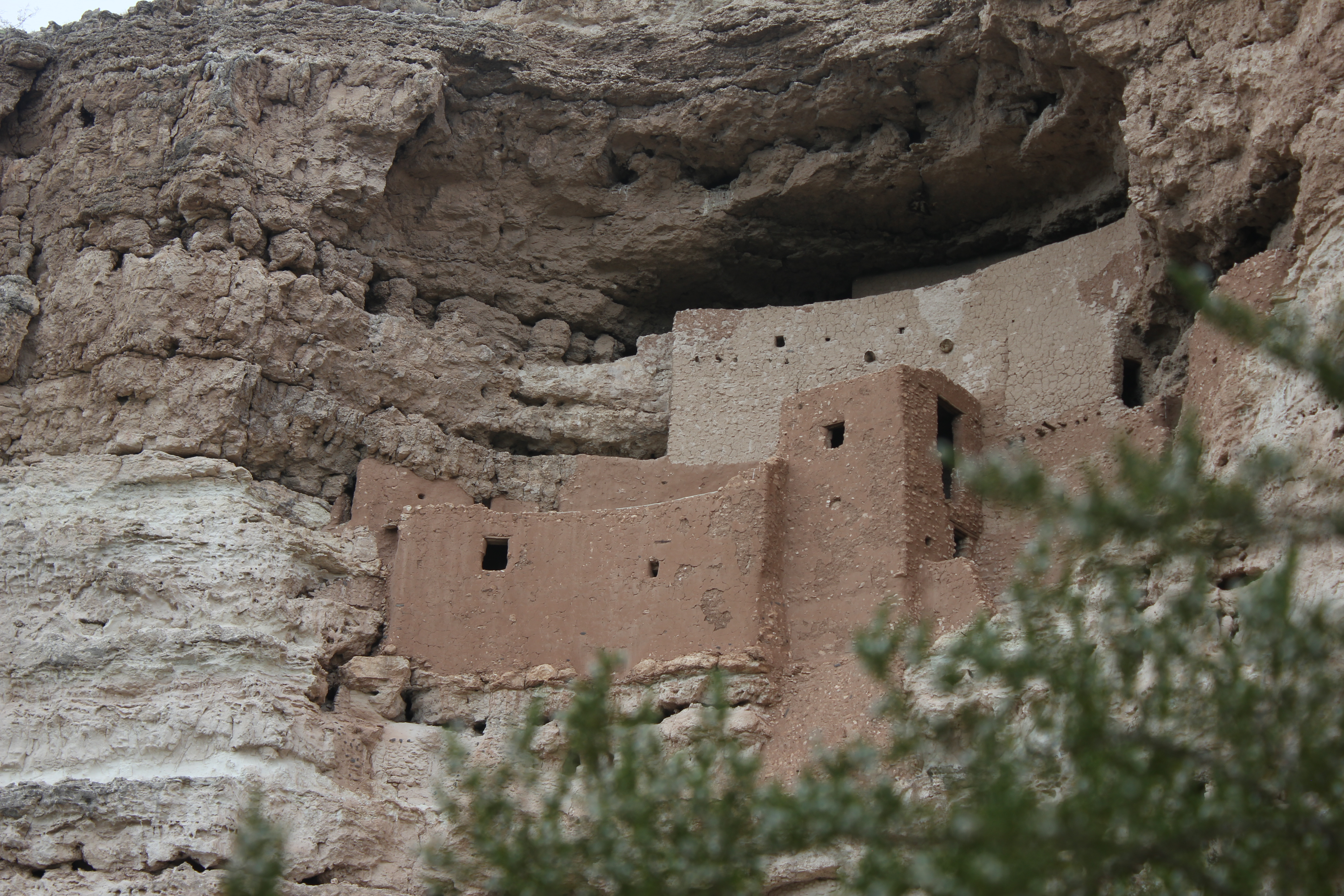
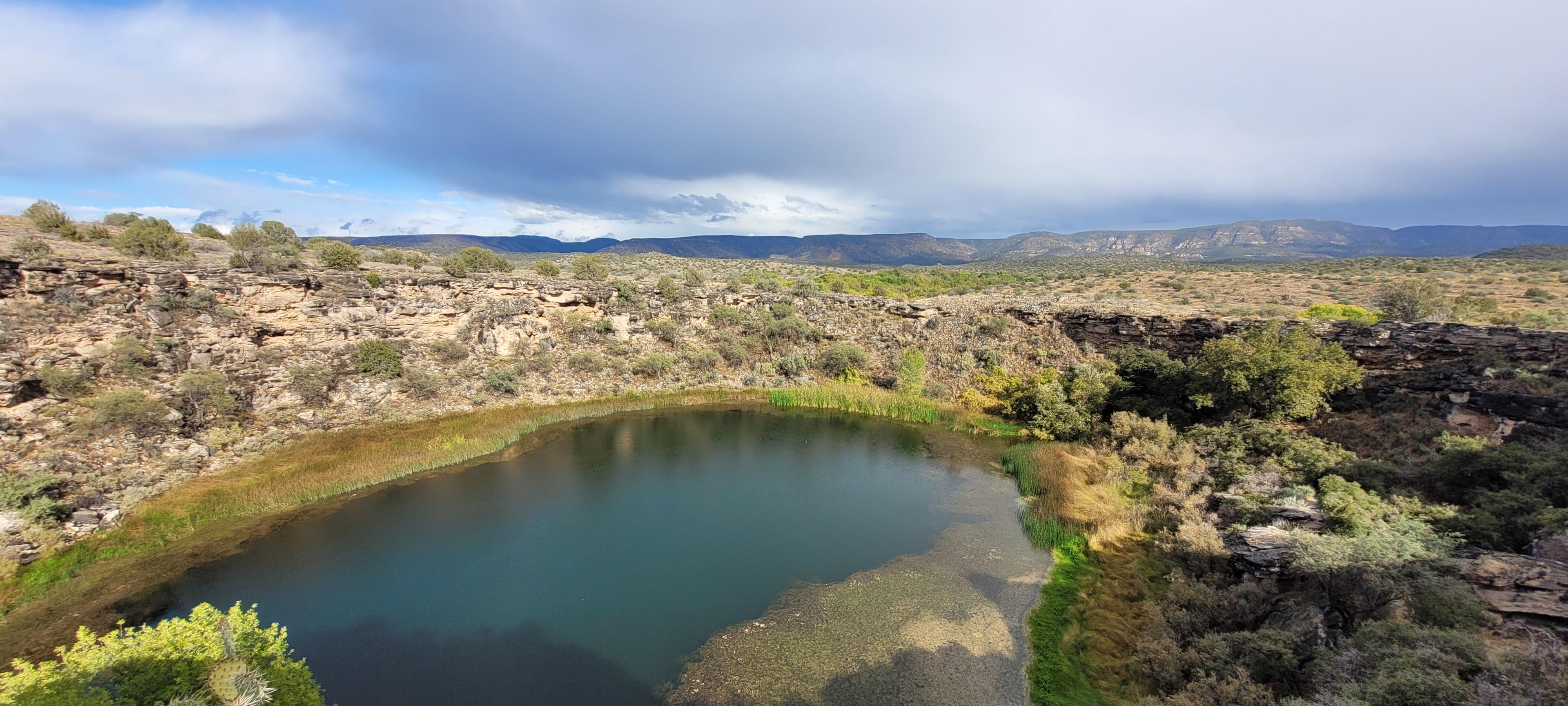
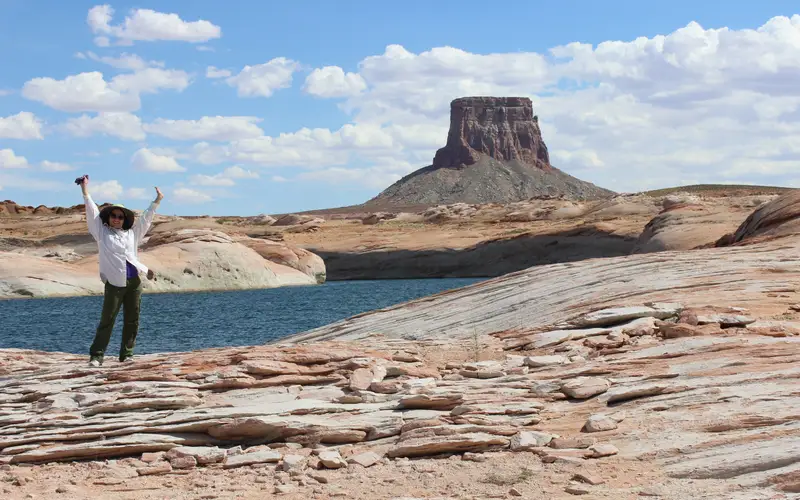
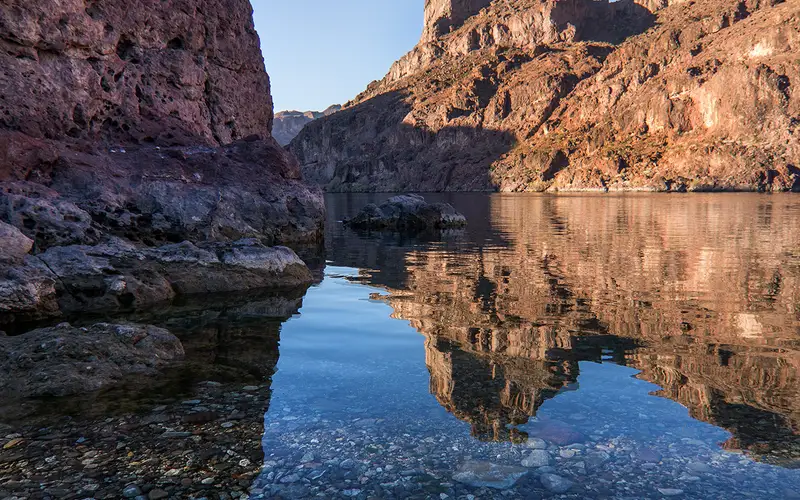
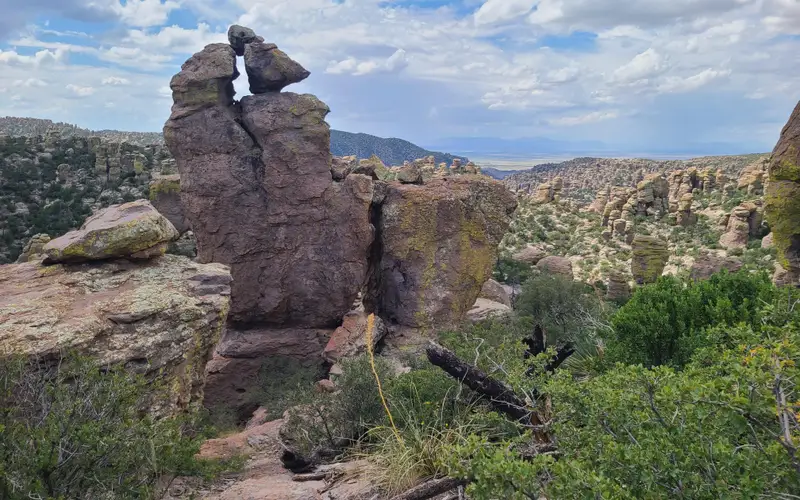
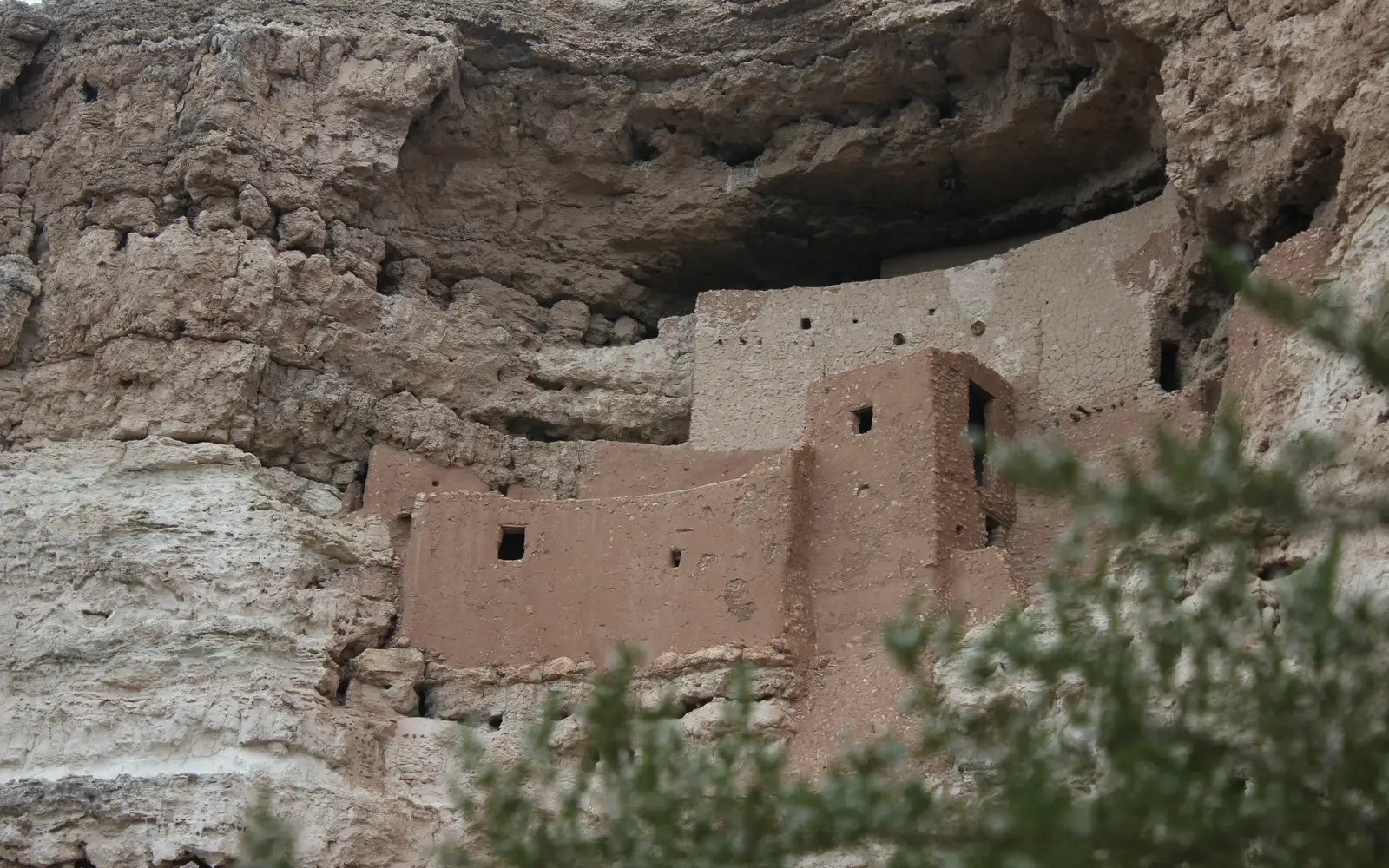
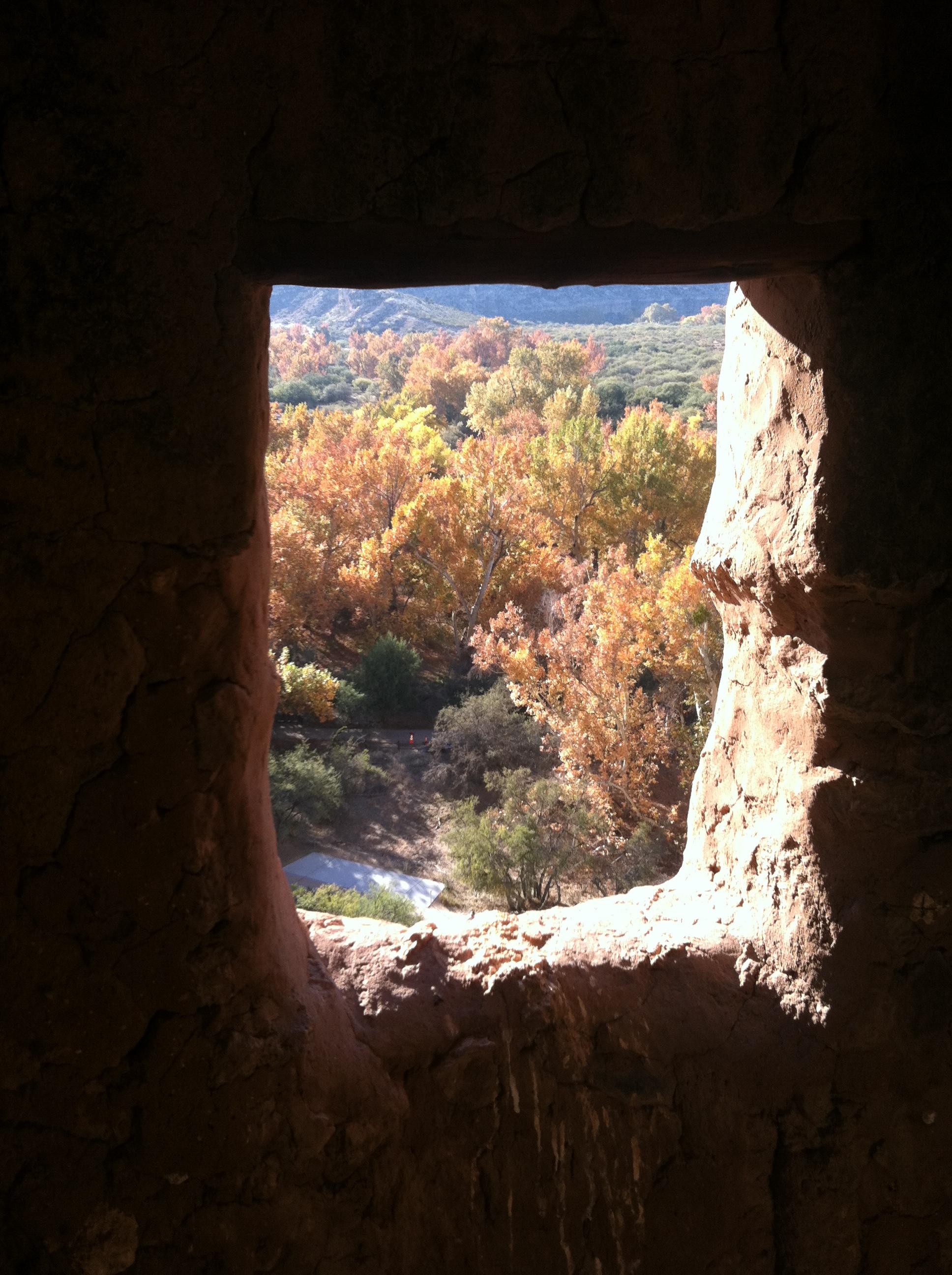
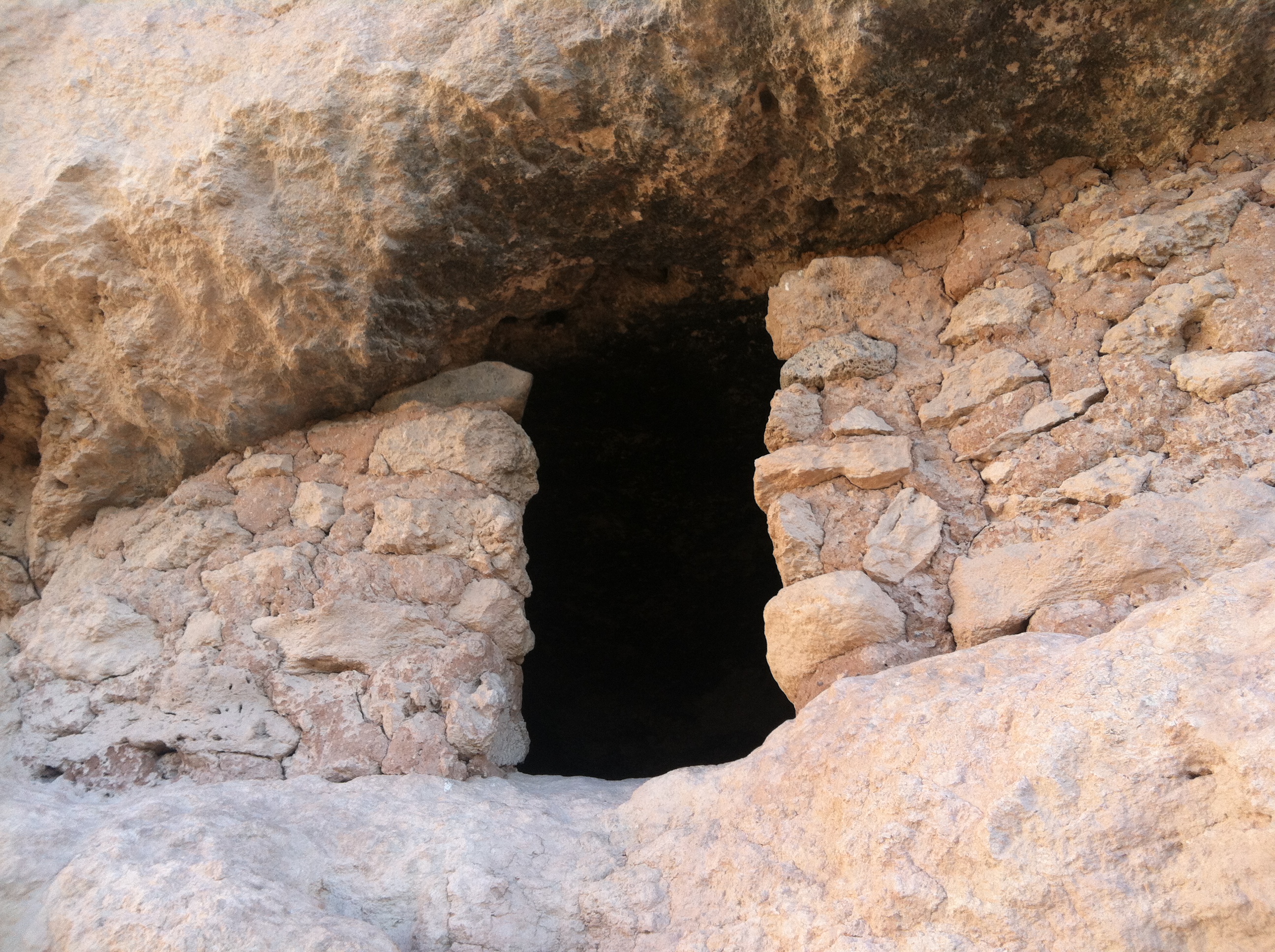
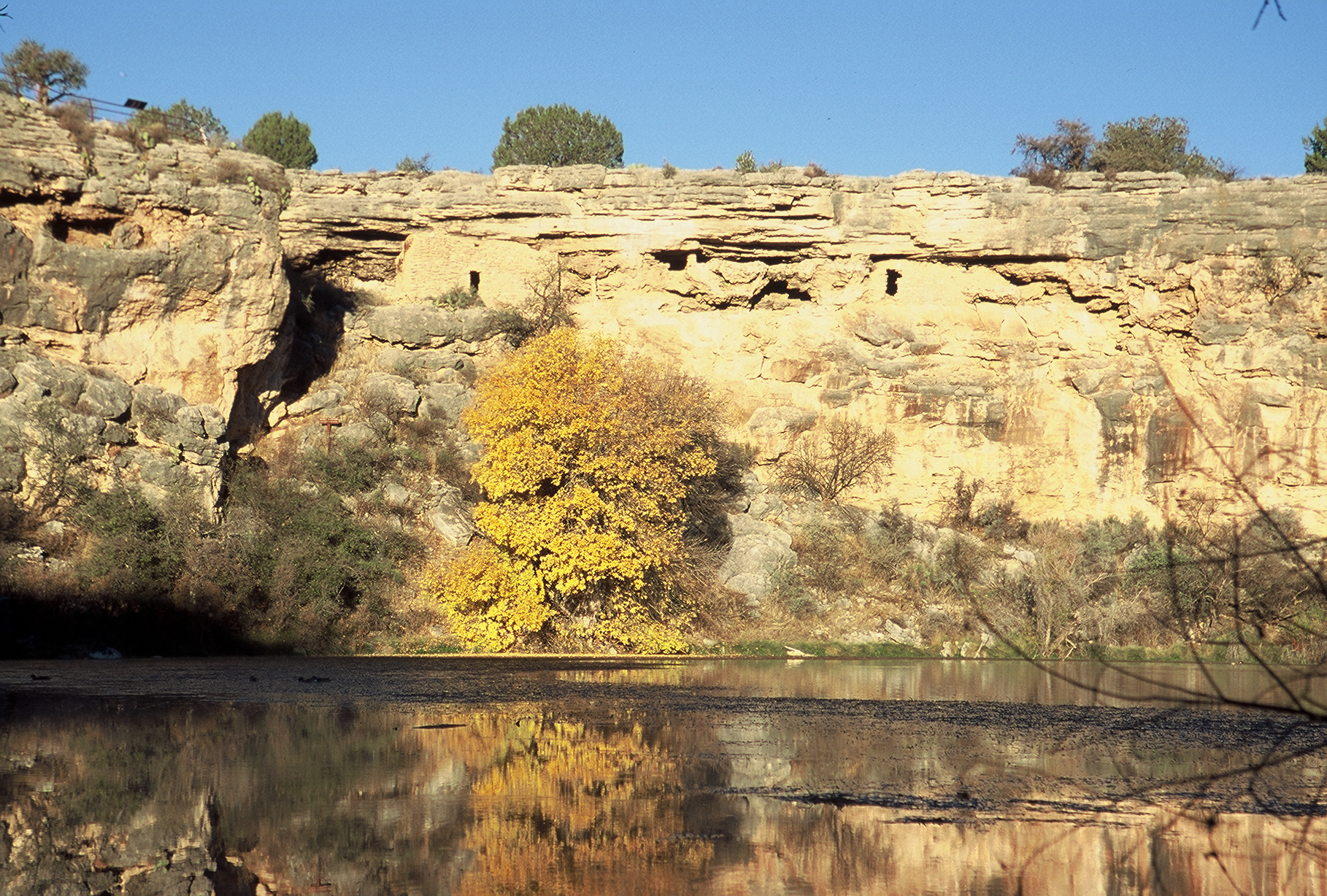
A 5-story masonry dwelling sits in a cliff alcove.Sun shines on the window sill in a masonry wall; trees in fall color are seen outside the window.Two masonry walls with a dark doorway in a short cliff ledge.Two cliff dwellings and a tree with yellow leaves above a pond.
National MonumentAZ

Montezuma Castle National Monument

NPS / NPS Photo/Sharlot Hart
76/ 100WIDE RANGE
parkverdict Experience ScoreIndependent, not sponsored

76 of 100. Our independent breadth-and-access index. How we score

The bottom line

Montezuma Castle National Monument: our verdict

Montezuma Castle National Monument preserves one of the best-kept cliff dwellings in North America, a 20-room limestone alcove structure the Sinagua people built somewhere between 600 and 700 years ago.

The visit is short and self-contained: a paved loop trail where you look up at the dwelling from below, a visitor center with museum exhibits, and both guided and self-guided interpretation options. This is not a backcountry trip or a hiking destination. It is, however, a genuinely striking archaeological site, and it rewards people who actually read the interpretive panels rather than take a quick photo and head back to the car. At $10 per person, the price is reasonable. Families, history buffs, and anyone cutting through the Verde Valley on I-17 will find the stop worthwhile. If you came for wilderness or a long trail, though, you should know what you are getting before you pull off the highway.

Why visit

The dwelling is the real reason to come, and it earns the trip. Perched roughly 70 feet up a sheer limestone cliff, the 20-room structure has survived remarkably intact and hits hard visually even from the viewing path below. The museum exhibits inside the visitor center give genuine context on Sinagua culture, construction methods, and daily life, while the cultural demonstrations and guided tours add something a solo walkthrough simply cannot. Birdwatchers should carve out time along the riparian corridor at Beaver Creek. The Junior Ranger program keeps kids engaged rather than restless, and the park store and bookstore stock solid regional resources. If your schedule allows an evening visit, the monument runs astronomy and stargazing programming, and catching gate close under Arizona's clear desert skies is a fine way to end the day.

Who it suits

Curious kids, archaeology fans, Southwest history buffs, and anyone driving I-17 between Phoenix and Flagstaff will want to pull off here. Birdwatchers chasing riparian desert habitat have a reason to stop too. Just don't come expecting a strenuous hike or a backcountry campsite - this is a short interpretive visit, not a full day outside.

Timing your visit

March through May and October through November are the sweet spots for hiking the outdoor loop, when temperatures tend to stay between 60 and 80 degrees Fahrenheit. Summer is a different story: highs regularly top 100 degrees Fahrenheit, and afternoon monsoon storms blow through from July through September. Winter days are mild enough, but mornings get genuinely cold. The gate closes at 4:45 pm year-round, so give yourself enough time to finish before then.

What stands out

  • Close-up views of the 20-room Sinagua cliff dwelling set into a towering limestone alcove
  • Museum exhibits on Sinagua ingenuity and desert survival in the Verde Valley
  • Guided and self-guided walking tours along the paved loop
  • Birdwatching along the riparian corridor near Beaver Creek
  • Cultural demonstrations connecting visitors to living Indigenous traditions
  • Junior Ranger program that gives children structured engagement with the site

Good to know

Admission is $10 per person. The park gate is one mile from the visitor center and closes at 4:45 pm every day, so budget your time accordingly. Roadside parking is not allowed. A short paved loop makes up the main viewing area and is wheelchair accessible. The dwelling itself is closed to visitors; you see it from the trail below.

Insider tipGet there before 9 am on summer mornings. The heat is still tolerable, tour groups have not arrived yet, and the low sun hits the cliff face straight on. That angle makes the geometry of the dwellings and the limestone alcove far easier to photograph than flat midday glare ever does.

How we scored it

How Montezuma Castle National Monument earned its 76

Where does a 76 come from? One formula, run the same on every place we cover, built only from public data on what a unit offers and how reachable it is. It says nothing about how pretty a spot is or how busy it gets. This is what fed it:

  • Activity breadth14 documented activities
  • Topic breadth14 topics
  • Official imagery5 public-domain images
  • Camping on sitedocumented
  • Entry cost$10

No number is hand-adjusted and no unit pays for placement. The full weights, the floor at 18 and a worked example are on how we score.

The honest limits

Where the score goes quiet

One limit to keep in mind. Everything here comes from public records on what a unit documents and how reachable it is, so the score cannot judge beauty, crowds, trail conditions, weather, or how good any single program is. That is exactly why a small, specific place can score below a sprawling park and still be your better trip. Take the number as a like-for-like look at what is on paper, and lean on the verdict for the human read.

On offer

Documented activities

Arts and CultureCultural DemonstrationsAstronomyCampingFoodPicnickingGuided ToursSelf-Guided Tours - WalkingJunior Ranger ProgramWildlife WatchingBirdwatchingMuseum ExhibitsShoppingBookstore and Park Store
The basics

Montezuma Castle National Monument at a glance

Montezuma Castle was designated on December 8, 1906, making it the third National Monument created to protect Native American cultural sites. The 20-room structure is carved directly into a tall limestone cliff, built by people who figured out how to live and thrive in a harsh desert environment.

On documented breadth and access, Montezuma Castle National Monument ranks 12th of 29 park and public-land units we score in Arizona.

Weather and seasons

Summer days get brutal, with temperatures anywhere from 95°F (35°C) to 115°F (46°C). Nights cool off to around 70°F (21°C). From July through September, heavy afternoon monsoon rains show up most days like clockwork. Winters are cool and dry, with highs around 55°F (13°C) and lows that can drop into the teens (-10°C). Snow happens occasionally but don't count on it.

Common questions

Montezuma Castle National Monument: quick answers

Is Montezuma Castle National Monument worth visiting?

Montezuma Castle National Monument preserves one of the best-kept cliff dwellings in North America, a 20-room limestone alcove structure the Sinagua people built somewhere between 600 and 700 years ago.

Is Montezuma Castle National Monument free to visit?

Not free. Getting in runs about $10.

What is Montezuma Castle National Monument best for?

It leans hardest toward stargazing, camping, good with kids, wildlife watching, going by the 14 activities it actually documents.

When is the best time to visit Montezuma Castle National Monument?

March through May and October through November are the sweet spots for hiking the outdoor loop, when temperatures tend to stay between 60 and 80 degrees Fahrenheit.

How is the Experience Score for Montezuma Castle National Monument calculated?

The 76 comes straight from public data on how much the place documents and how easy it is to reach, things like activities, topics, photos, camping and whether entry is free. It says nothing about scenery or how busy it gets.