Should you visit Mojave National Preserve?
Mojave National Preserve offers 1.6 million acres of Mojave Desert wilderness.
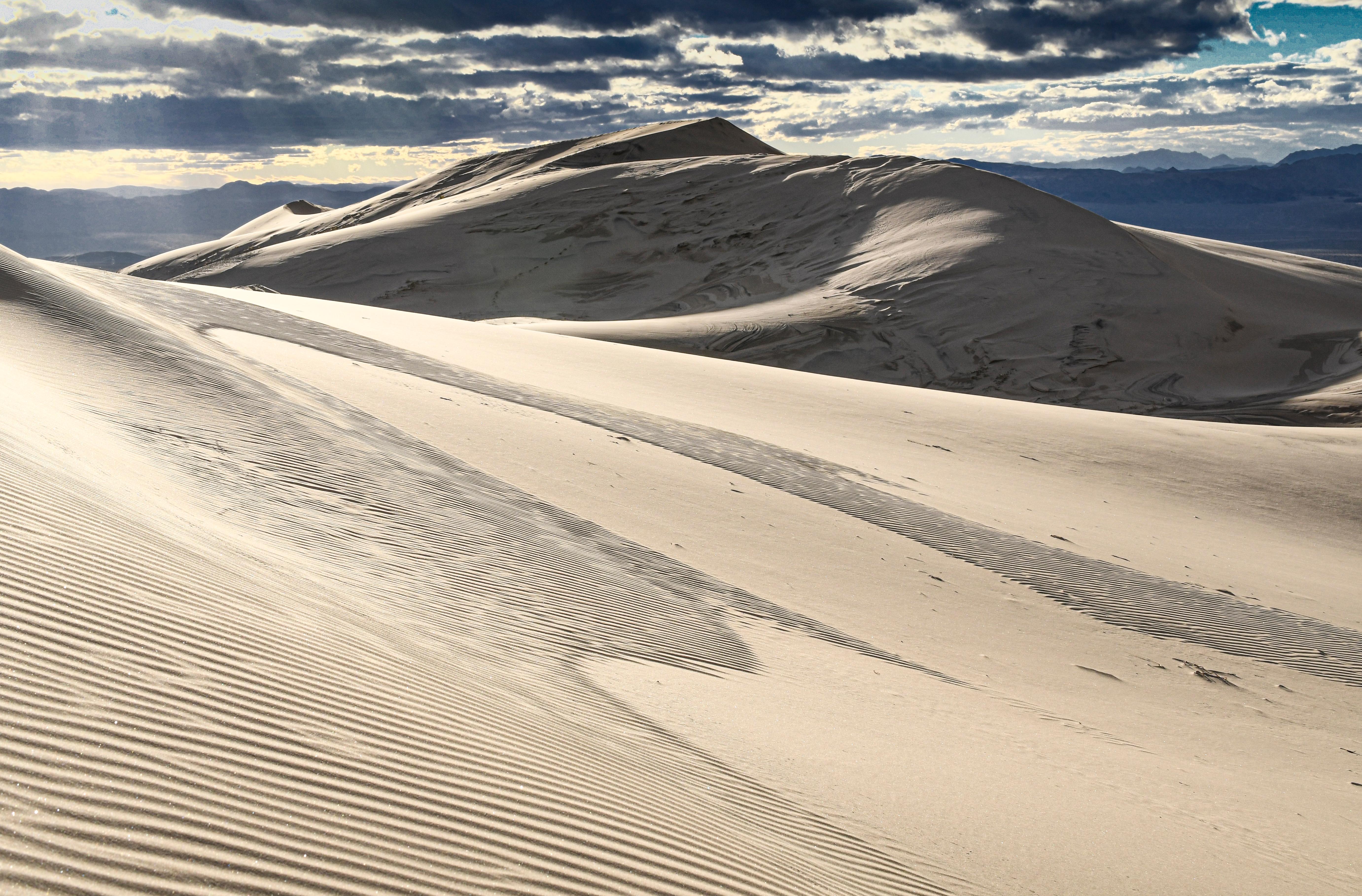
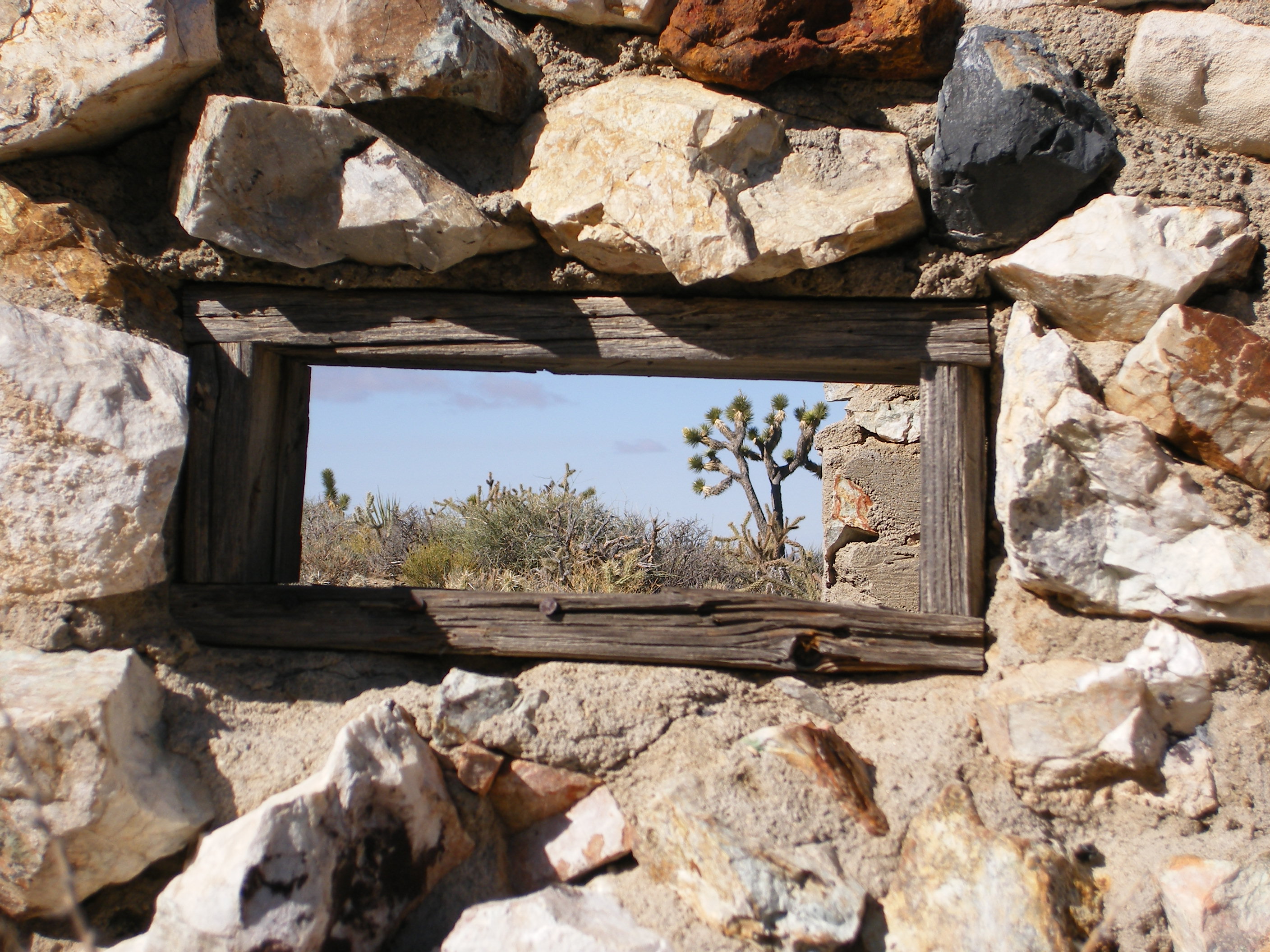
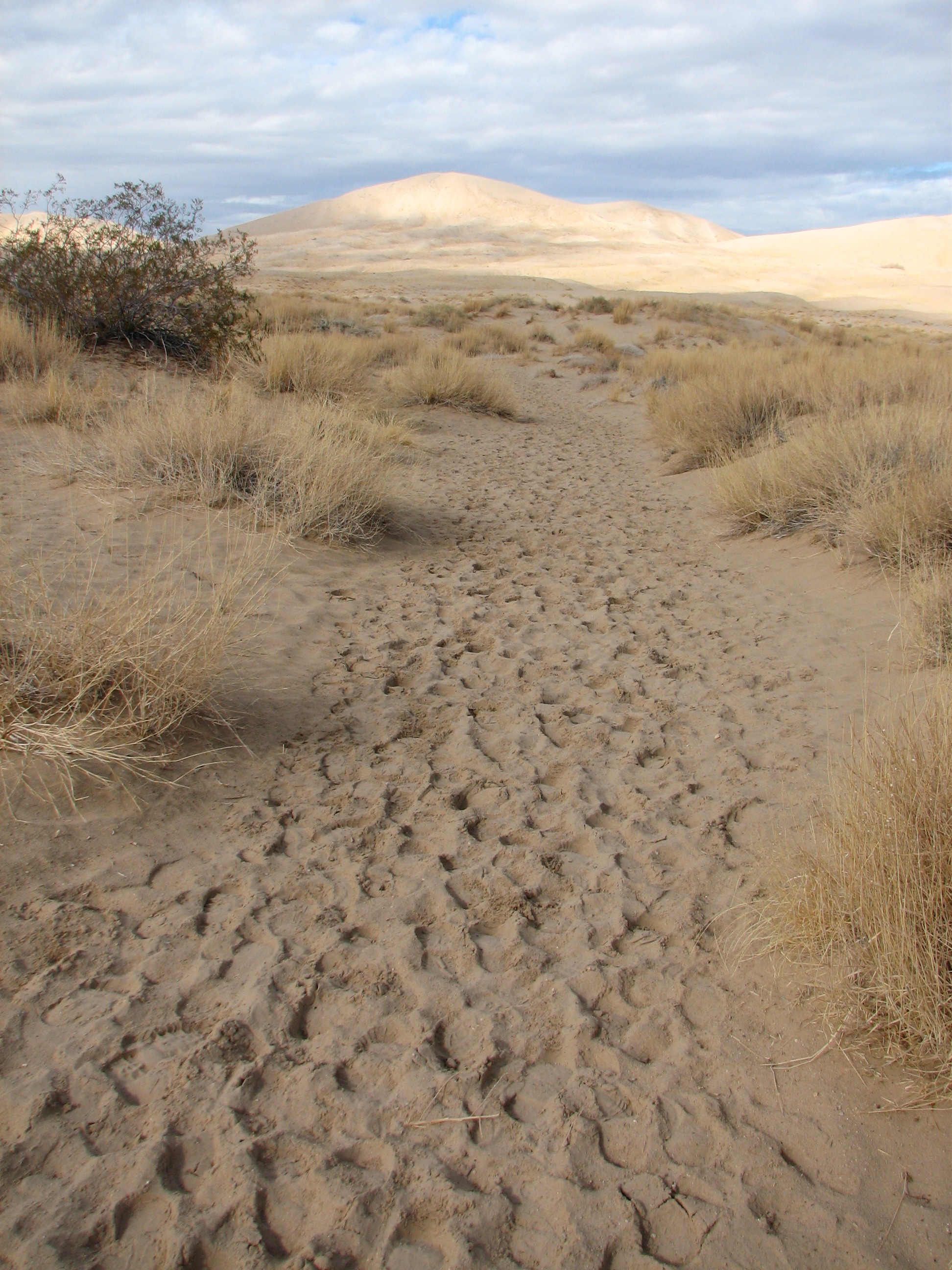
Situated between Las Vegas and Los Angeles along I-40, it charges no entrance fees and sees few crowds. This is not a park defined by a single iconic feature. Its sprawling landscape encompasses cinder cones, Joshua tree forests, sand dunes, and historic ranches; the terrain shifts considerably with elevation. The preserve provides 24/7 access, no fees, and permits off-trail hiking. It is ideal for independent travelers seeking true desert immersion. Casual sightseers should look elsewhere.
What makes it worth it
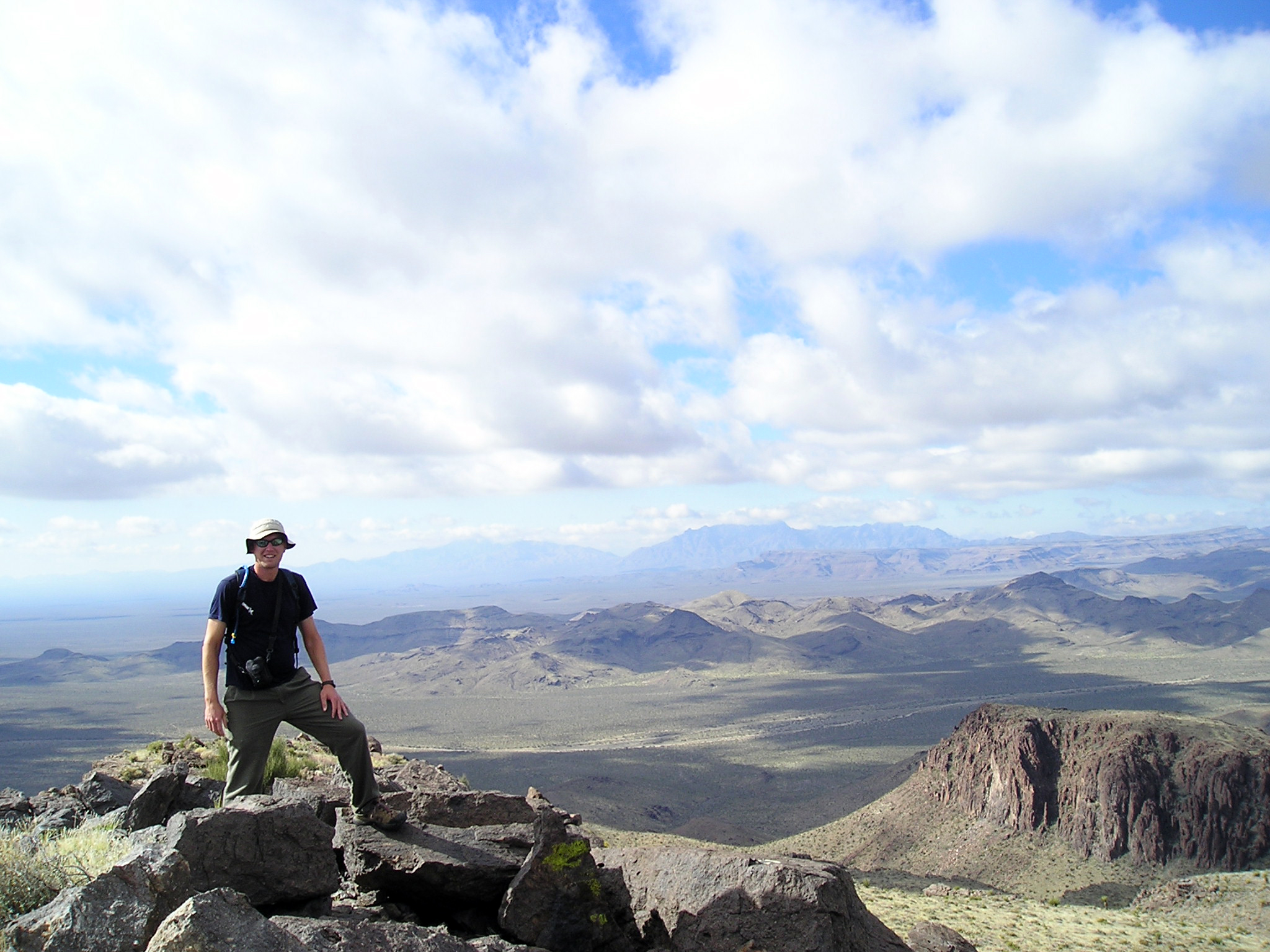
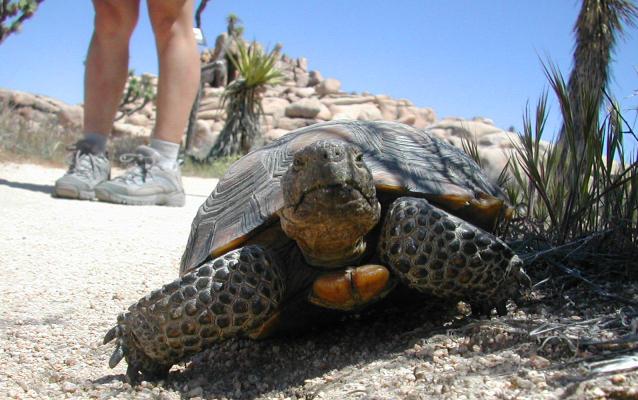
This preserve distinguishes itself as a premier stargazing destination in the Lower 48, offering some of the darkest skies accessible by vehicle. Daybreak provides opportunities for hiking through volcanic fields or extensive Joshua tree woodlands. Off-trail exploration is legally permitted, allowing access to seldom-visited areas. Scenic drives link diverse desert ecosystems; main routes accommodate all vehicles, while dedicated ATV and off-road trails serve equipped visitors. The ecological breadth supports significant birding and wildlife viewing, including desert tortoise habitats and varied avian populations. Camping options range from developed front-country sites to dispersed backcountry camping. With free admission and 24-hour access, the preserve's scale is substantial. A two-night visit offers only a superficial impression. This destination suits those seeking solitude and extensive exploration over several days. Casual sightseers should look elsewhere.
Who should go
This unit caters to the self-sufficient. Its appeal lies in open exploration for desert travelers, stargazers, dispersed campers, off-road drivers, and mountain bikers seeking Mojave Desert character away from denser crowds. Families with children will appreciate the opportunities for independent discovery and the available Junior Ranger programs. Visitors requiring extensive trail networks, consistent cell service, or structured guided tours should consider alternatives.
When to go
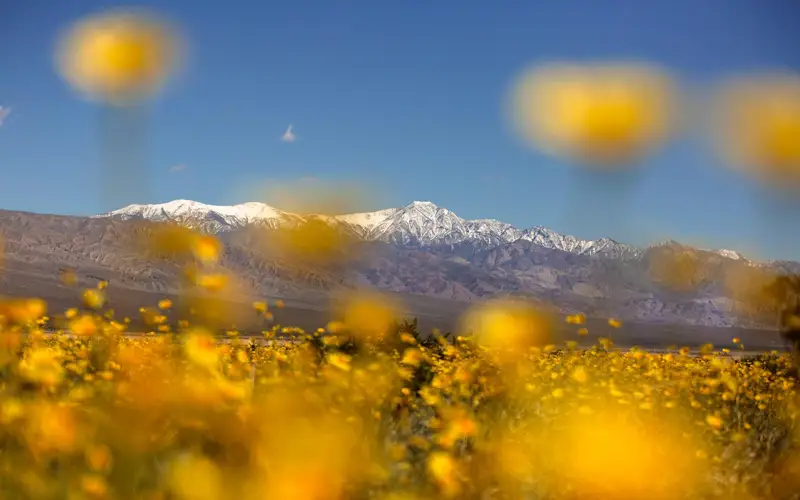
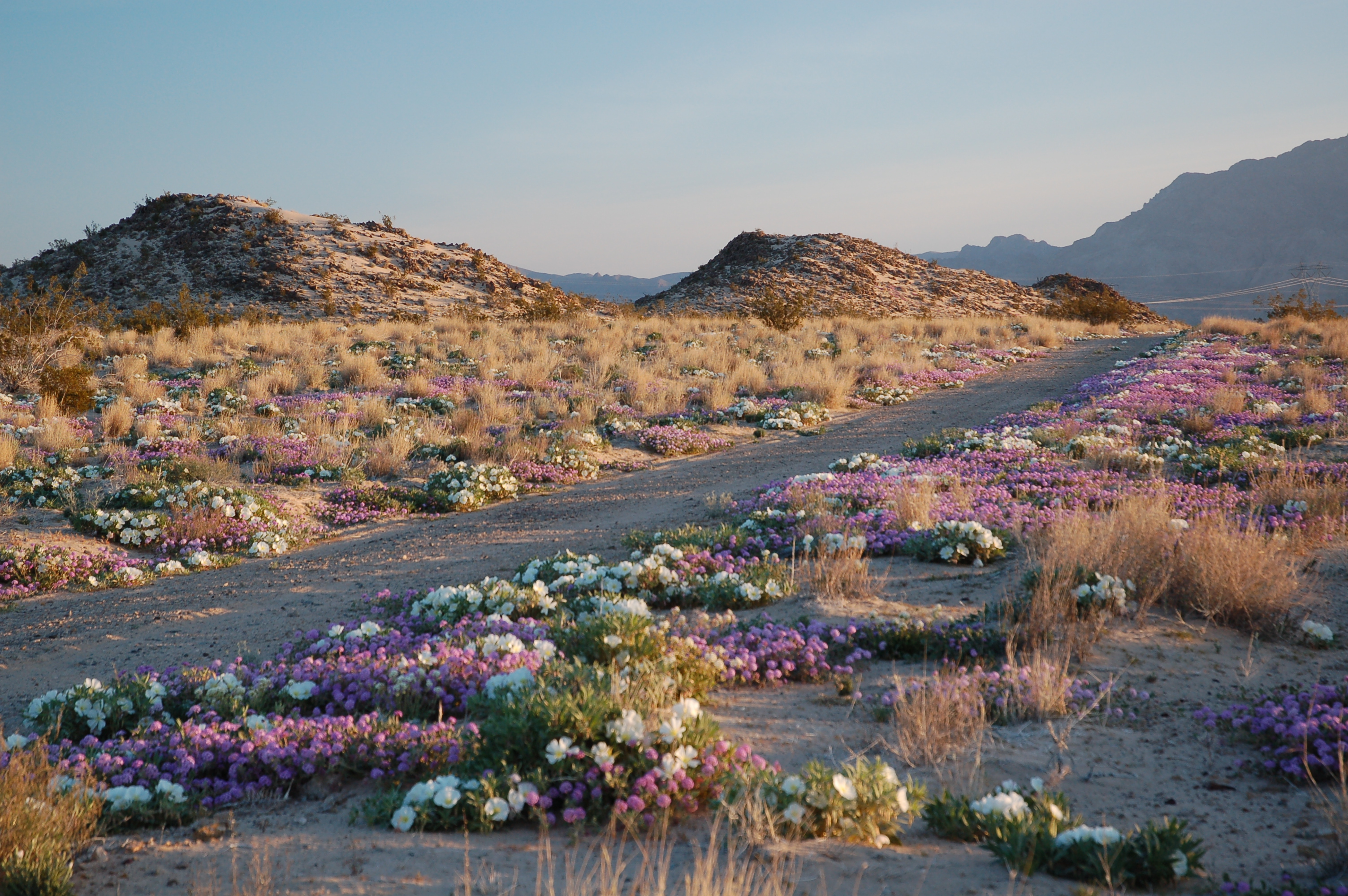
This destination truly shines from late October through April. Spring delivers impressive wildflower blooms, contingent on sufficient winter moisture. Winter presents cold nights and potential high-elevation snow; visitors should pack appropriately. Summer is a significant challenge, with temperatures routinely surpassing 100 degrees Fahrenheit, rendering midday activity genuinely dangerous. Fall provides mild days and exceptional stargazing clarity before winter weather sets in.
Highlights
- Stargazing and overnight astronomy in some of the darkest skies within a day's drive of two major metro areas
- Legal off-trail hiking across volcanic cinder fields, dune systems, and open desert terrain
- Scenic driving across a preserve larger than Rhode Island, connecting visually distinct desert ecosystems
- Dispersed backcountry camping with real solitude far from designated campgrounds
- Birdwatching and desert wildlife observation across diverse elevation-driven habitats
- ATV and off-road vehicle use on designated routes through remote backcountry
Plan ahead
This preserve offers constant access with no entrance fee. However, visitors must arrive prepared. Cell service is unreliable throughout; offline maps are essential. Developed campgrounds are available, but expect them to be full on holiday weekends. Services are minimal inside the preserve. Carry ample water. This is a destination for the self-sufficient.
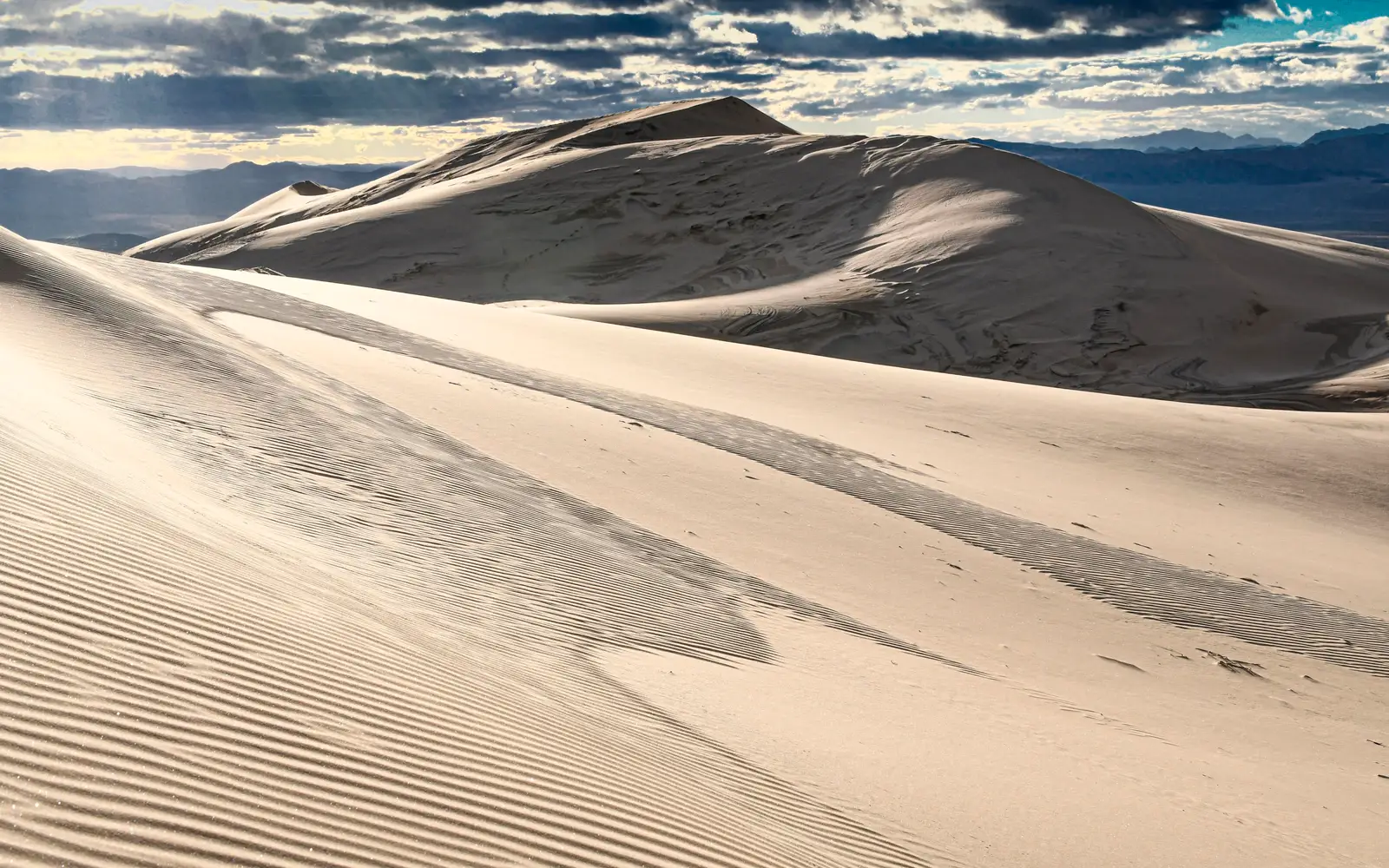
Editor's tipFor those traversing the I-40 corridor between Las Vegas and Los Angeles, a three-to-four-hour detour into this preserve warrants consideration. Route via Kelbaker Road. This path bisects the preserve, leading past the Kelso Dunes before reaching the Kelso Depot, the primary visitor contact point. This routing adds no significant mileage to the overall journey.