parkverdict
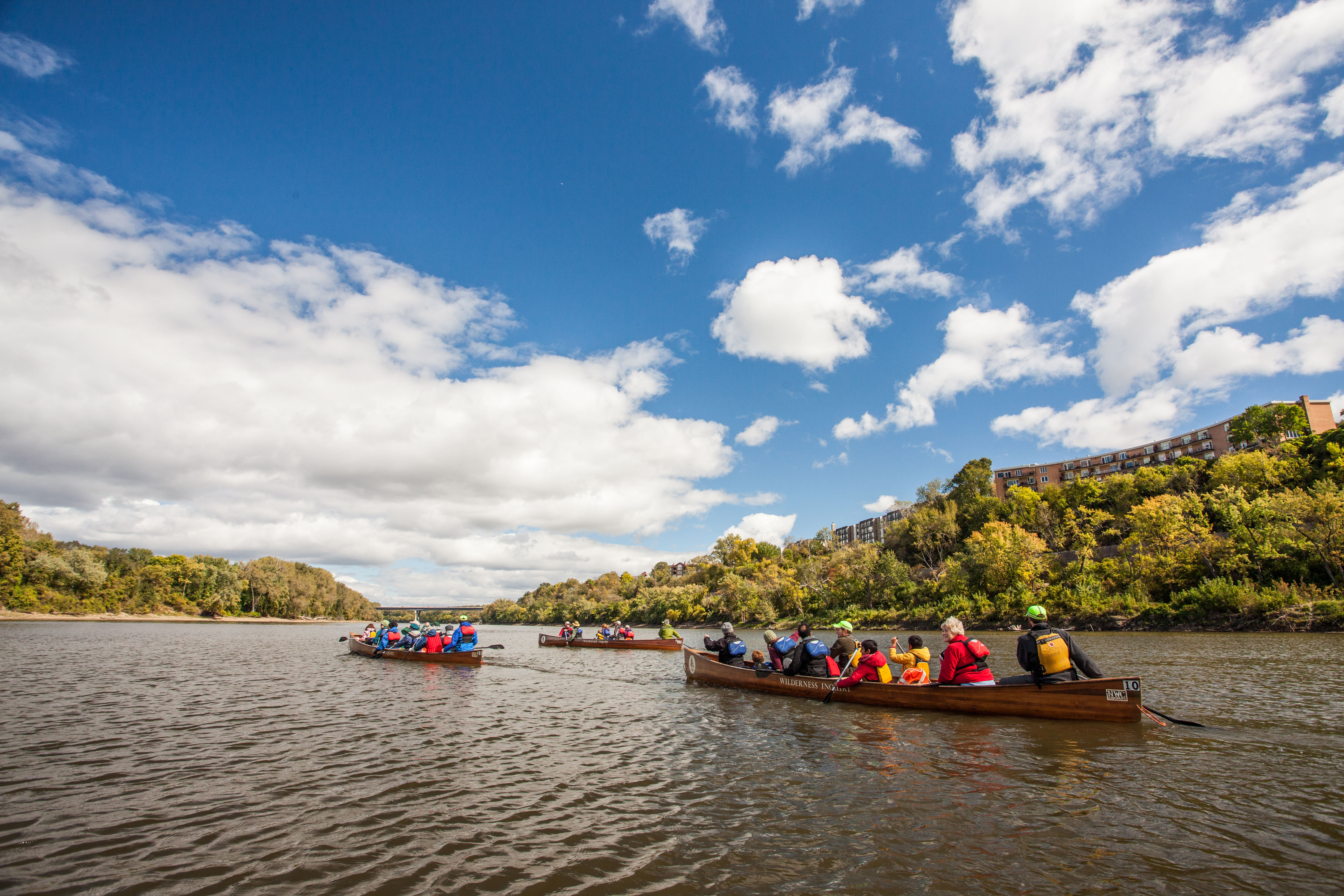
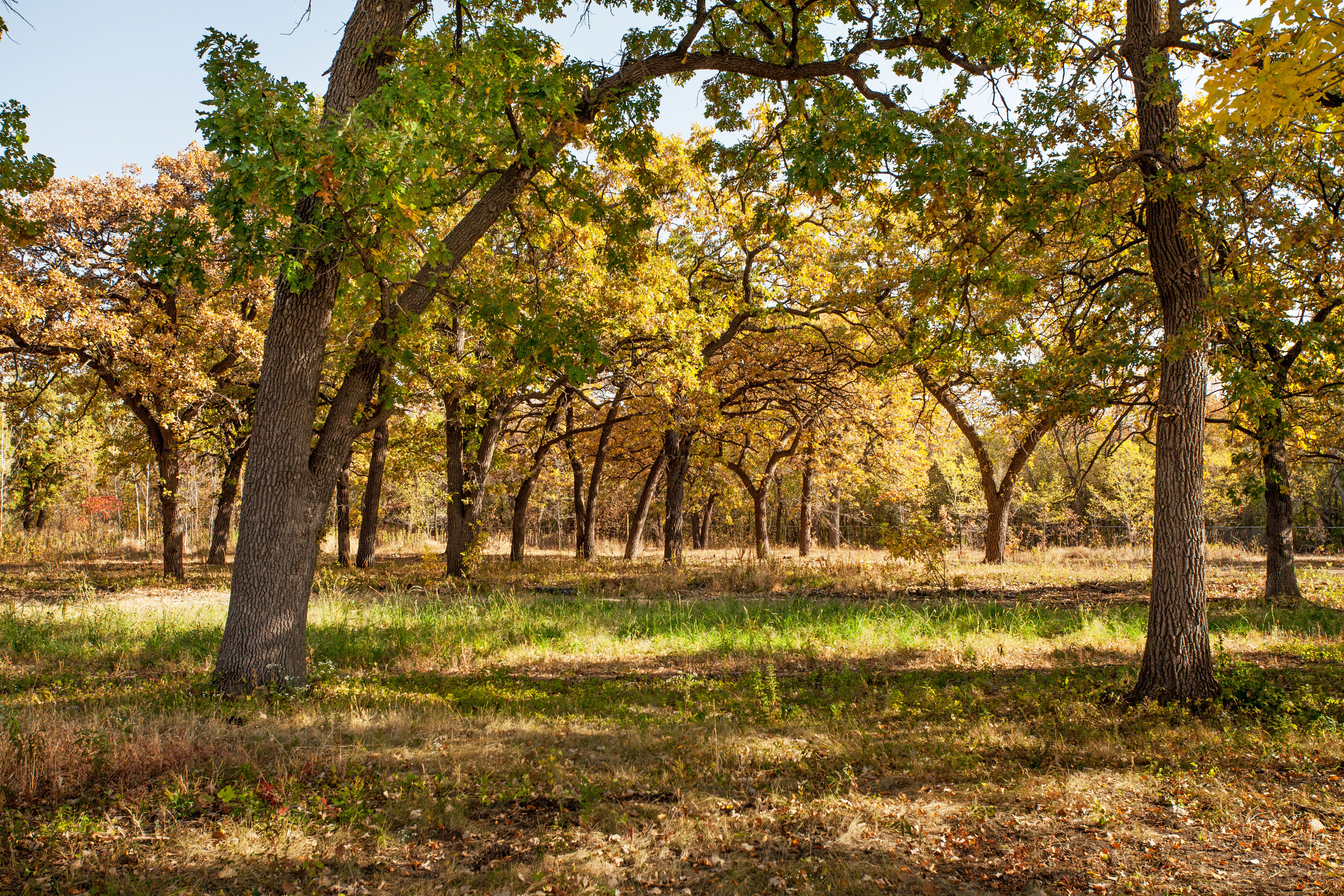
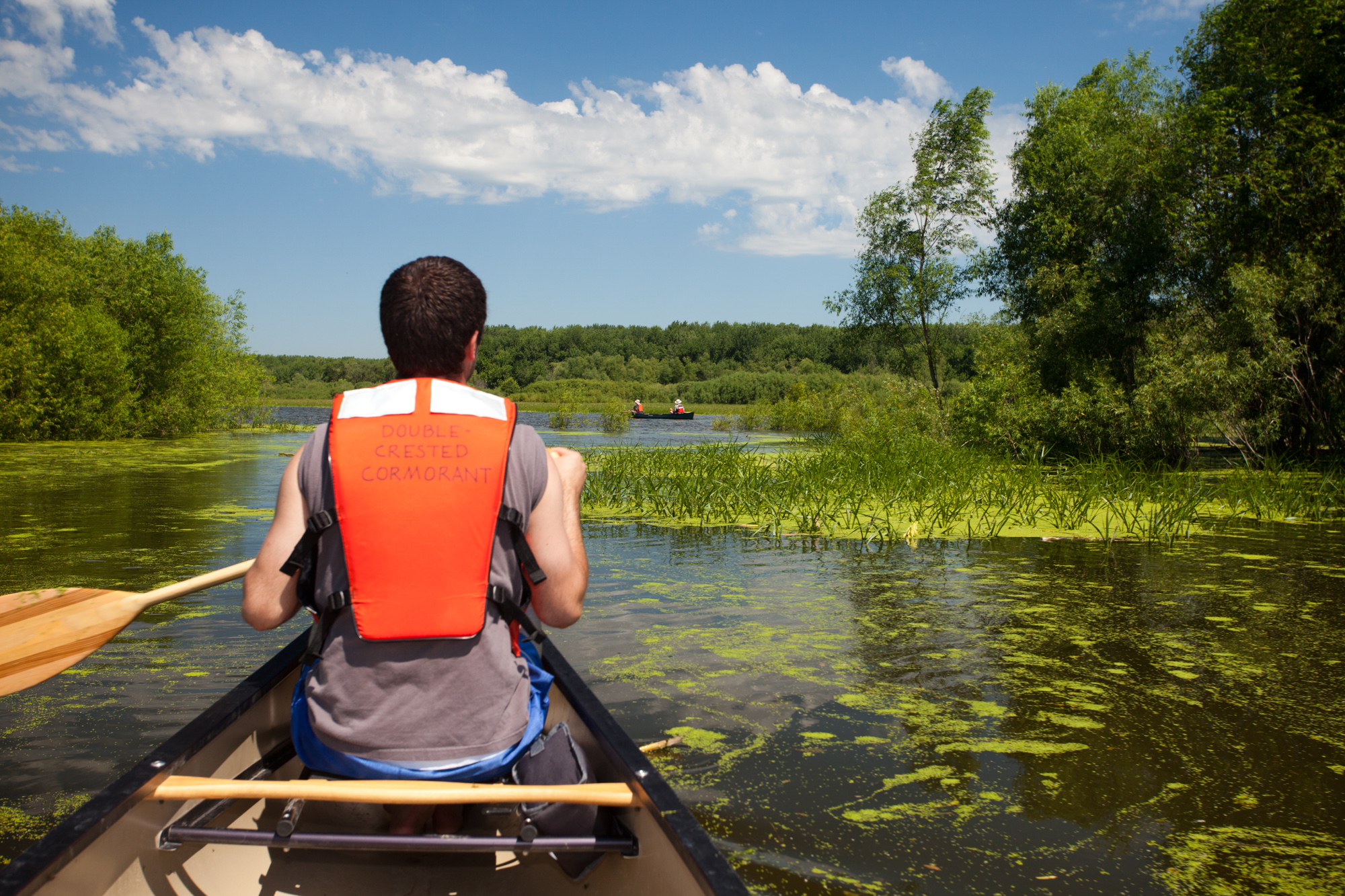
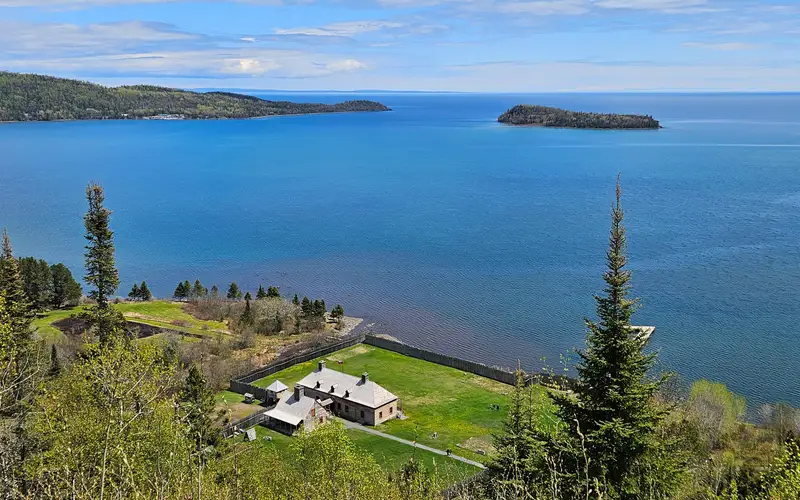
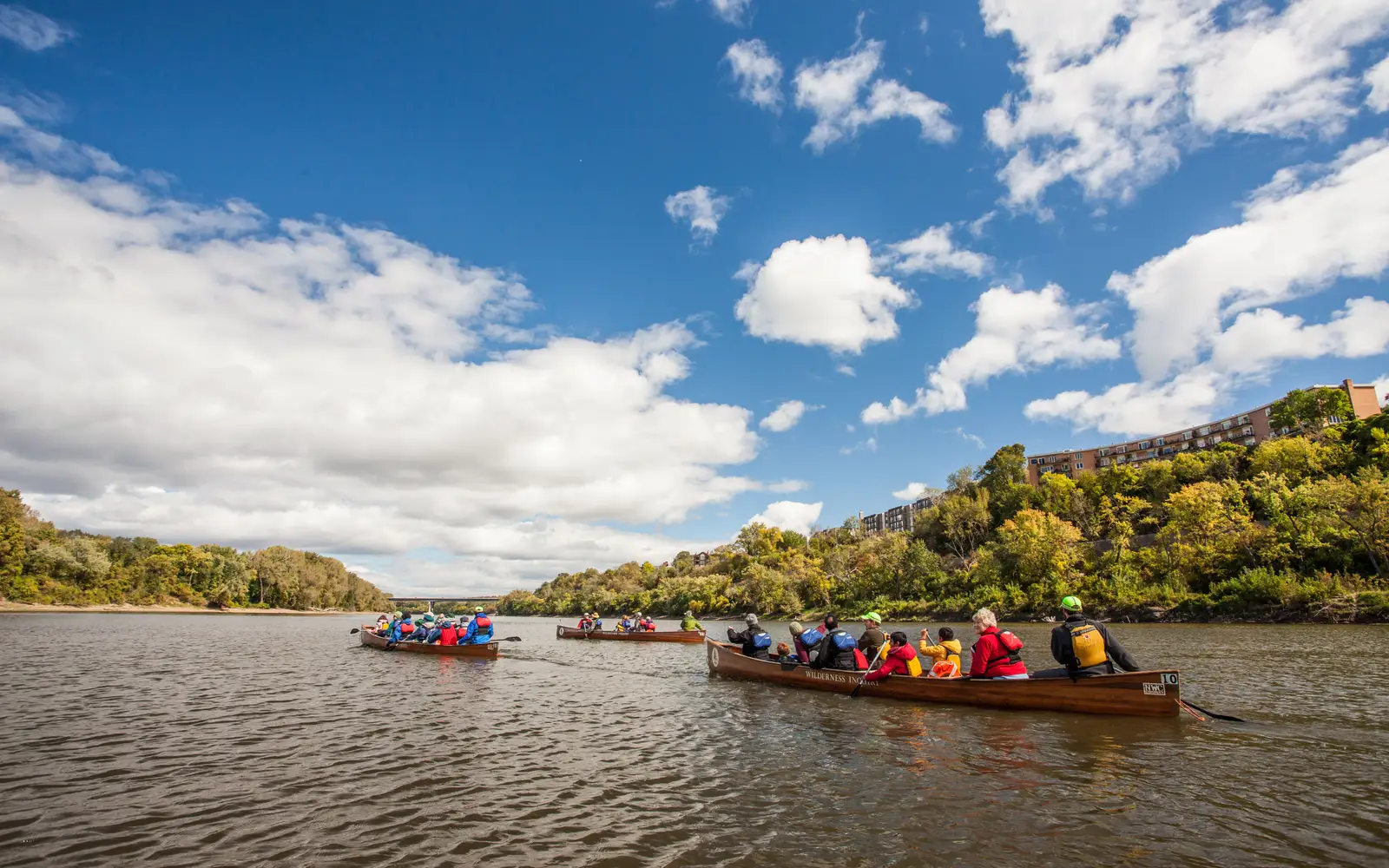
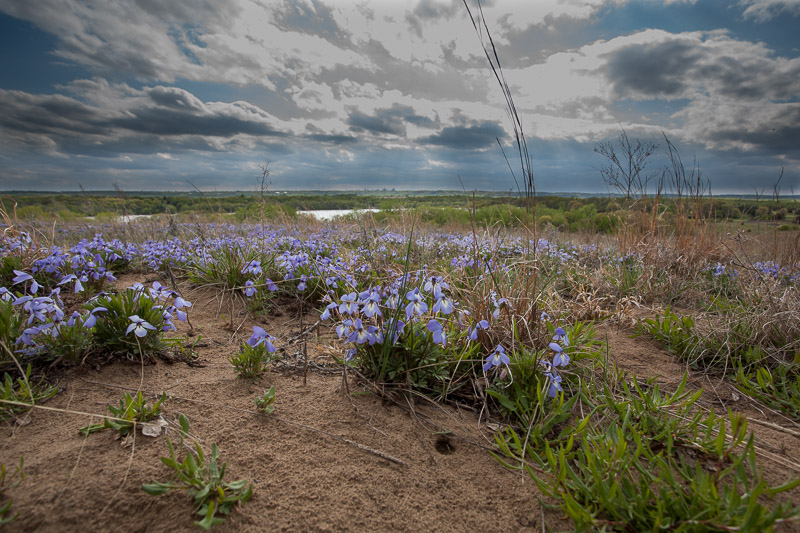
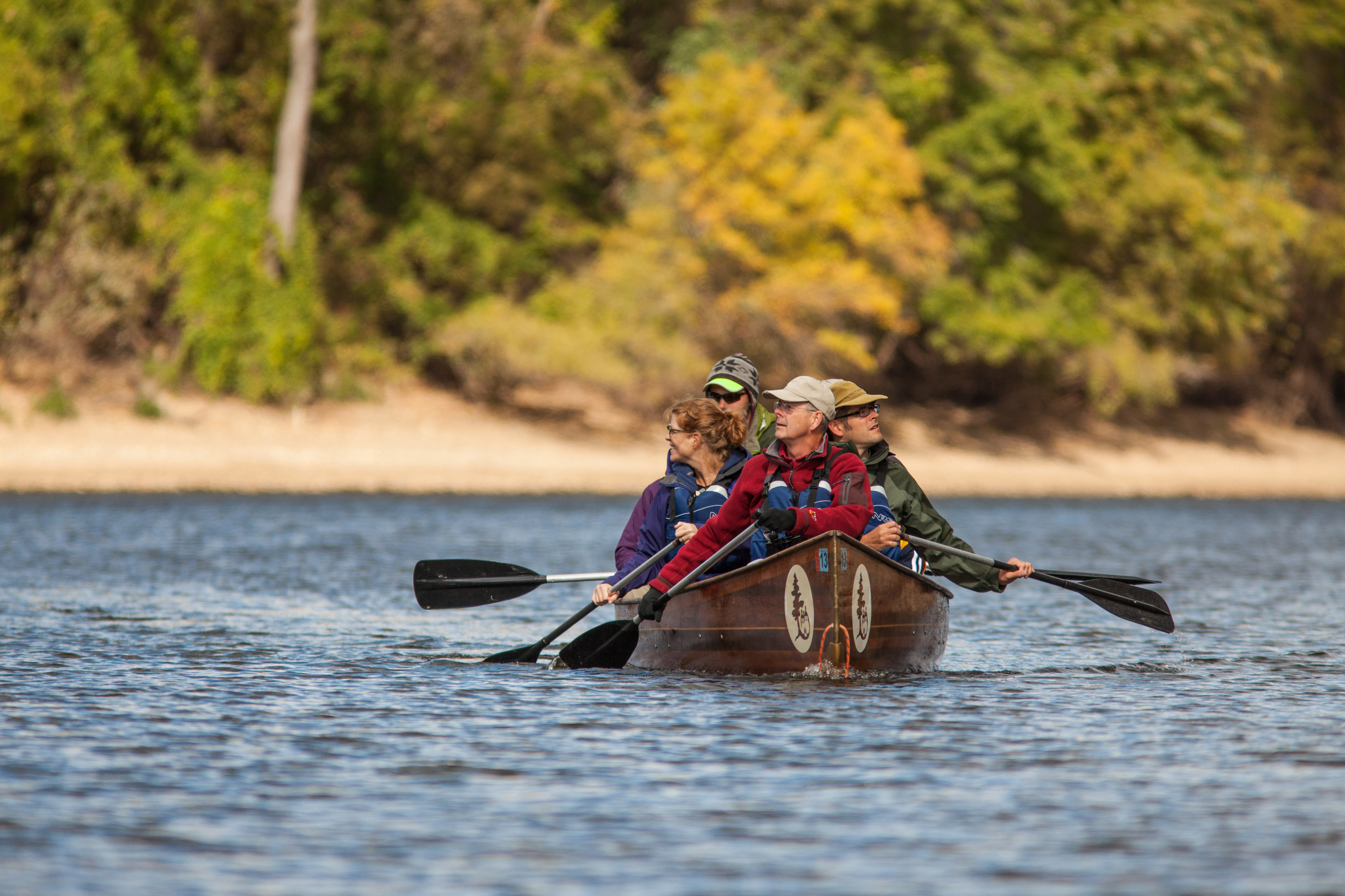
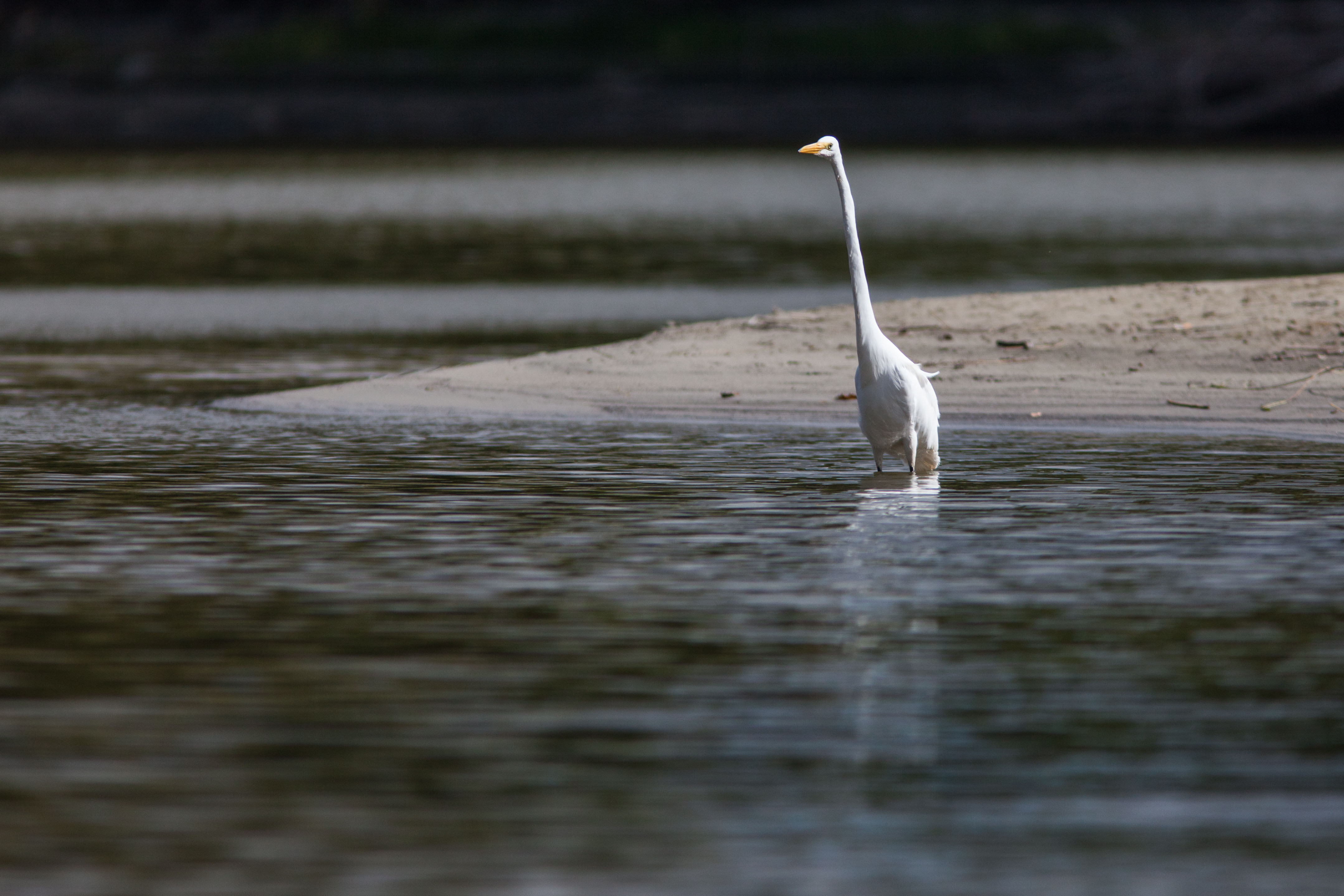
Large canoes and crews paddle down the river amidst autumnal color.Gray clouds over flowers growing on sand dunes.A large canoe filled with paddlers on the river surrounded by autumnal color.A large, long-necked, long-legged bird wades in the river.
National River & Recreation AreaMN

Mississippi National River & Recreation Area

NPS / NPS photo/Gordon Dietzman
88/ 100DOES IT ALL
parkverdict Experience ScoreIndependent, not sponsored

88 of 100. Our independent breadth-and-access index. How we score

The bottom line

Mississippi National River & Recreation Area: our verdict

Mississippi National River & Recreation Area is not a single park with a gate you drive through.

It is a 72-mile corridor threading through the Twin Cities metro, overlapping city, regional, and state lands along both banks of the upper Mississippi. That unusual structure is both its strength and its complication: the river is genuinely accessible from dozens of entry points, free of charge, woven into everyday urban life. A good visit means getting to the river directly, whether by kayak, bike trail, fishing spot, or birding pullout. The NPS functions more as a coordinating presence than a gatekeeper, so the experience shifts considerably depending on which section you explore. For anyone willing to do a little planning, the payoff is real: a wild, historically layered river running through a major American city, with an 88 out of 100 breadth score reflecting just how much is genuinely on offer.

Why visit

The day begins with a decision. Paddlers can slip a canoe or kayak into the water and read the river at eye level, watching for herons and eagles along stretches that feel surprisingly wild for a city park. Cyclists can cover real ground on connected trail corridors that run the full length of the park. Anglers have steady freshwater fishing access throughout, and in winter, cross-country skiing and snow play keep the place alive when most water-based parks simply shut down. History runs through every mile of it. Living history demonstrations, first-person interpretation, and museum exhibits trace the river's role in Indigenous culture, exploration, and commerce. The Junior Ranger program gives families a structured way to pull younger kids into that story rather than just walking past it. Finding outdoor recreation and documented human history together, free and open inside a city, is genuinely rare.

Who it suits

Paddlers, cyclists, birders, and history buffs who live in or visit the Twin Cities will find this park fits naturally into a longer trip. Families pay nothing to get in, and kids can work through the Junior Ranger program. If you came hoping for remote wilderness or one jaw-dropping centerpiece, this probably is not your spot. The park rewards people who do a little planning and leave room to wander, not those who show up looking for a single famous view.

Timing your visit

Late spring through early fall draws the most visitors, with temperatures in the low to mid-80s that make paddling, biking, and hiking comfortable. Fall shifts things nicely, bringing dry warm days and cool nights that suit birding during migration and cycling once the summer heat fades. Winter holds its own as well: cross-country skiing and snow play are both documented activities here, which sets this park apart from destinations that shut down once warm weather leaves.

What stands out

  • Kayaking and canoeing on the upper Mississippi with bald eagle and great blue heron sightings
  • Extensive biking corridors including road and mountain biking options along 72 miles of river
  • Freshwater fishing access at multiple free entry points throughout the corridor
  • Living history demonstrations and first-person interpretation covering Indigenous and European river history
  • Winter cross-country skiing keeping the park active year-round
  • Birdwatching along a major migratory flyway with documented wildlife watching infrastructure

Good to know

Admission is free, but don't expect a single entrance gate or visitor center - the park runs as a partnership spread across multiple sites. Hours and facilities change depending on which section you're visiting, so check nps.gov/miss before you go and confirm the specifics for your spot. Parking works the same way, varying across city, county, and state managed access points, so give yourself extra planning time.

Insider tipBecause the park spans so many jurisdictions, the NPS partnership map is the most useful planning tool to check before you leave. Pick one specific activity, whether that is paddling a segment, biking a defined stretch, or visiting a particular historic site, and build your trip around that anchor. Trying to sample everything in a single visit will spread you too thin.

How we scored it

Why Mississippi National River & Recreation Area scores 88

We keep the math boring on purpose. The same handful of public-data inputs, capped so none of them dominates, decide every score. What they measure is breadth and access, not beauty and not crowd levels. For Mississippi National River & Recreation Area, they shook out like this:

  • Activity breadth26 documented activities
  • Topic breadth14 topics
  • Official imagery6 public-domain images
  • Camping on sitenone recorded
  • Entry costfree

No number is hand-adjusted and no unit pays for placement. The full weights, the floor at 18 and a worked example are on how we score.

The honest limits

Where the score goes quiet

One limit to keep in mind. Everything here comes from public records on what a unit documents and how reachable it is, so the score cannot judge beauty, crowds, trail conditions, weather, or how good any single program is. That is exactly why a small, specific place can score below a sprawling park and still be your better trip. Take the number as a like-for-like look at what is on paper, and lean on the verdict for the human read.

What you can do

Activities

BikingMountain BikingRoad BikingBoatingCompass and GPSGeocachingFishingFreshwater FishingHikingFront-Country HikingHunting and GatheringHuntingLiving HistoryReenactmentsHistoric Weapons DemonstrationFirst Person InterpretationPaddlingCanoeing
Background

The short version

The park stretches 72 miles through a dense urban corridor, mixing quiet fishing coves, boating launches, canoe put-ins, birdwatching areas, cycling paths, and hiking trails. Visitor centers and trail systems trace the human history of the Mississippi River along the way. If you want to actually understand the river, this is a solid place to start.

On documented breadth and access, Mississippi National River & Recreation Area ranks 6th of 12 park and public-land units we score in Minnesota.

What the seasons are like

Minnesota has a continental climate, meaning cold winters and warm summers. Spring temperatures stay moderate and humidity stays low. Summer days can push past 100°F (38°C), though most days sit comfortably in the low to mid-80s°F (25-30°C). Fall brings dry, warm days, cool nights, and vivid foliage. Winter daytime highs hover around 25°F (-3°C).

Common questions

Mississippi National River & Recreation Area: quick answers

Is Mississippi National River & Recreation Area worth visiting?

Mississippi National River & Recreation Area is not a single park with a gate you drive through.

Is Mississippi National River & Recreation Area free to visit?

It is free to get in.

What is Mississippi National River & Recreation Area best for?

It leans hardest toward hiking, good with kids, water activities, wildlife watching, going by the 26 activities it actually documents.

When is the best time to visit Mississippi National River & Recreation Area?

Late spring through early fall draws the most visitors, with temperatures in the low to mid-80s that make paddling, biking, and hiking comfortable.

How is the Experience Score for Mississippi National River & Recreation Area calculated?

The 88 comes straight from public data on how much the place documents and how easy it is to reach, things like activities, topics, photos, camping and whether entry is free. It says nothing about scenery or how busy it gets.