Minute Man National Historical Park: our verdict
Minute Man National Historical Park, spanning Lexington, Lincoln, and Concord, Massachusetts, commemorates the American Revolution's opening engagement on April 19, 1775.
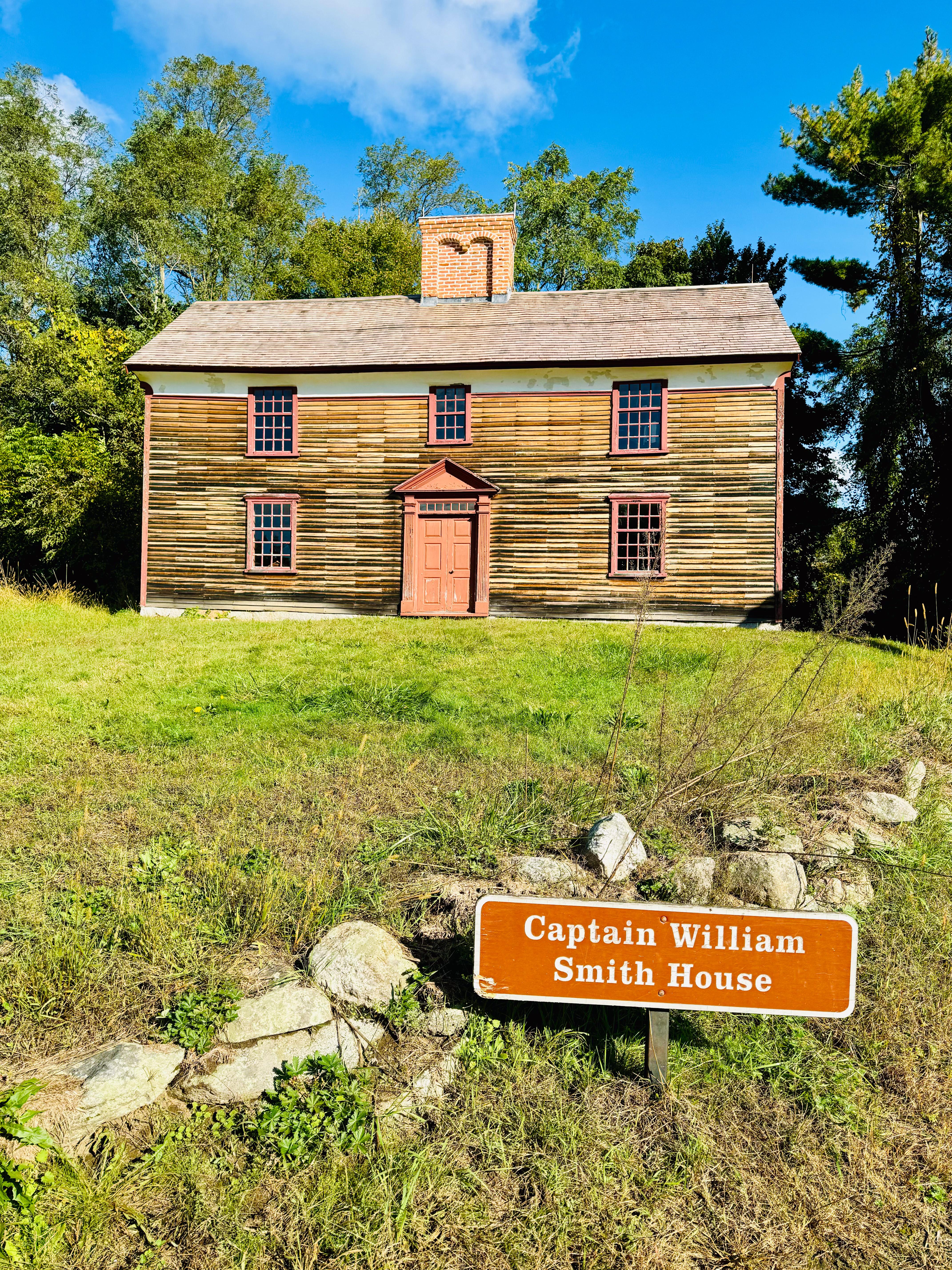
This is not a wilderness destination. It is a history park, and a genuinely good one. The landscape functions as the primary artifact: the path of the Redcoats, the fields where colonial militia stood, and historic structures preserved through centuries. Living history programming and weapons demonstrations provide substantial interpretive depth beyond typical historical markers. Hiking opportunities are present but modest, confined to front-country paths. The experience score of 59 accurately reflects the park's focus. This is a purposeful site, not an adventure park. For those with a serious interest in the nation's founding, or families seeking to make history tangible for children, this park merits inclusion on a travel itinerary.
Why visit
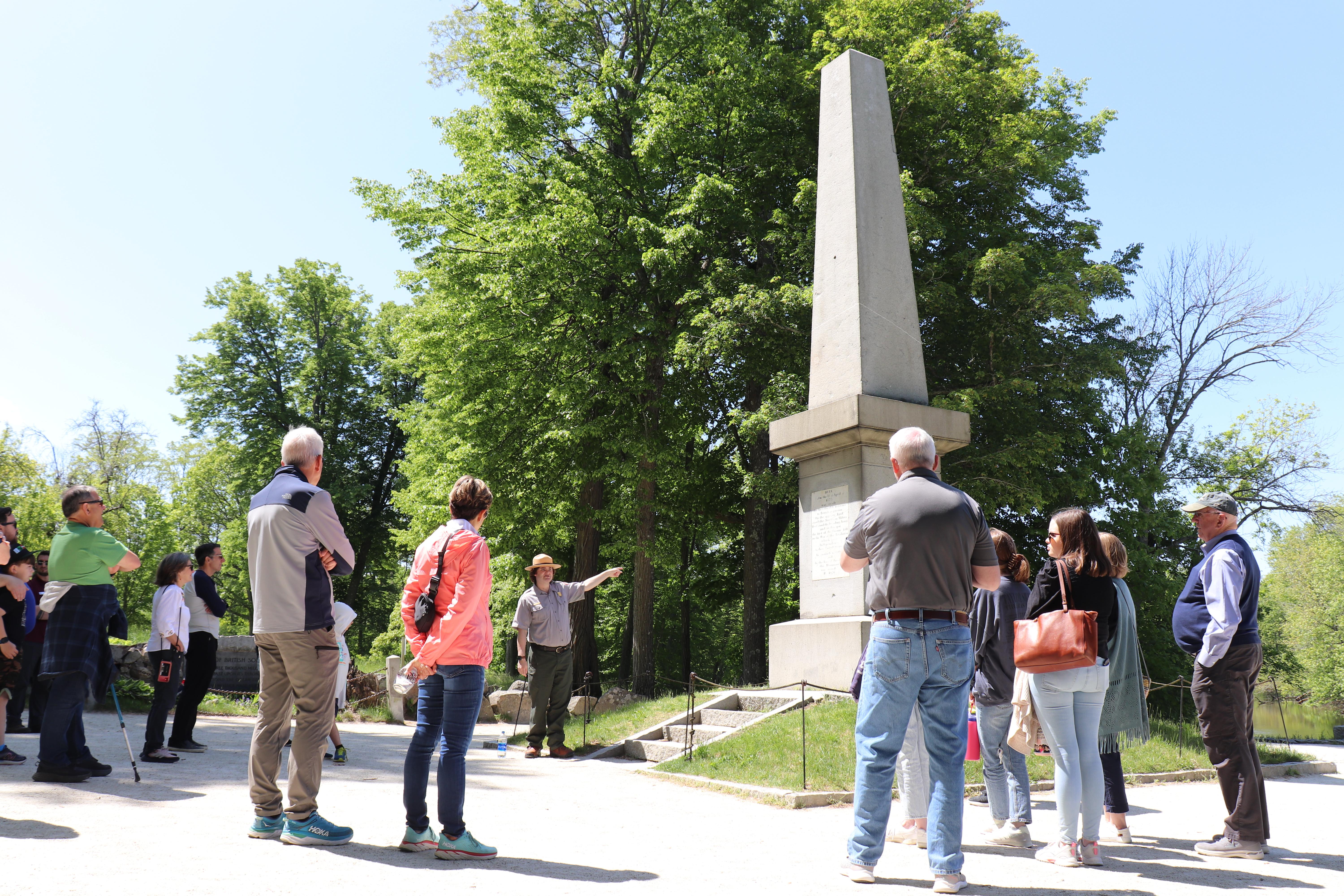
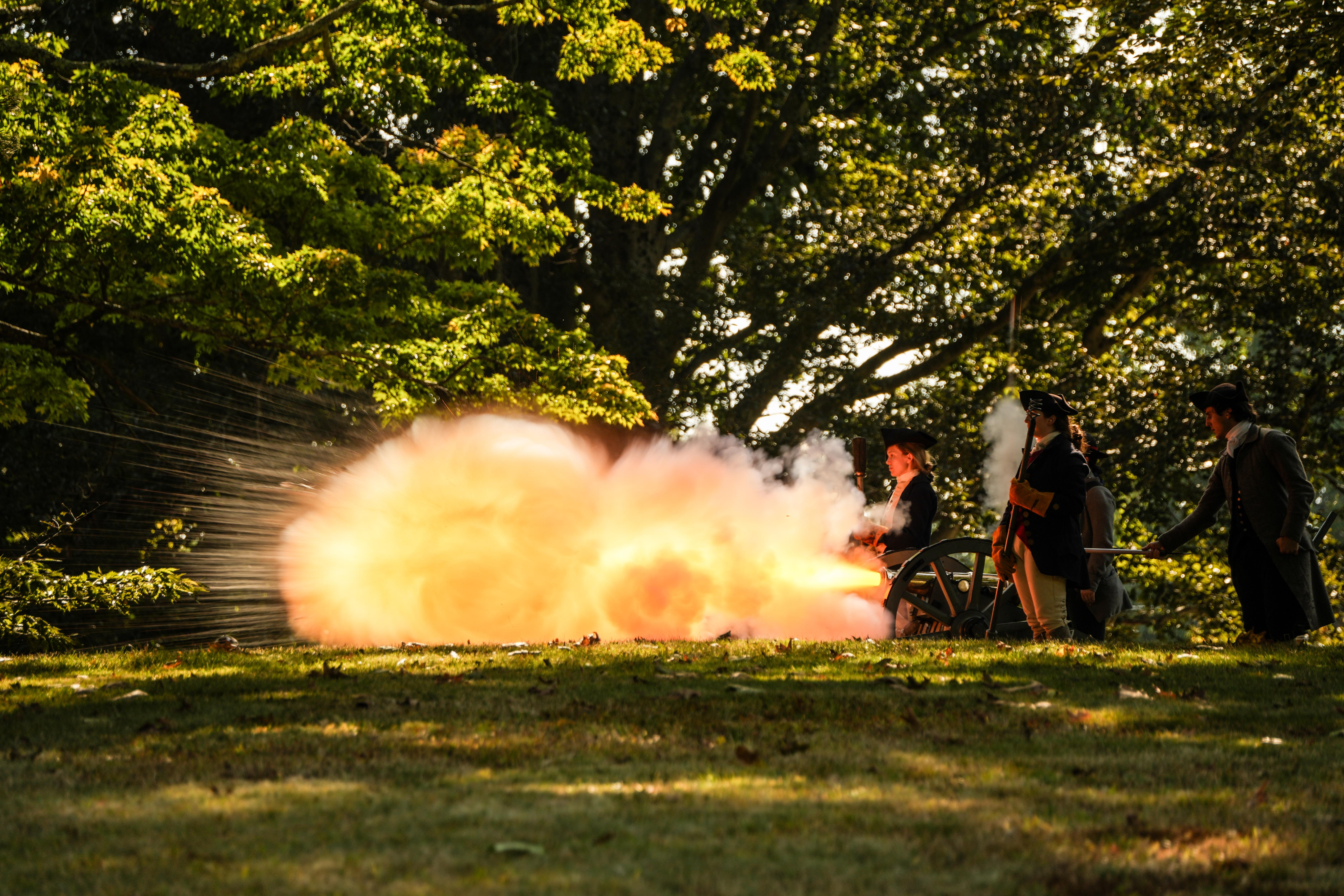
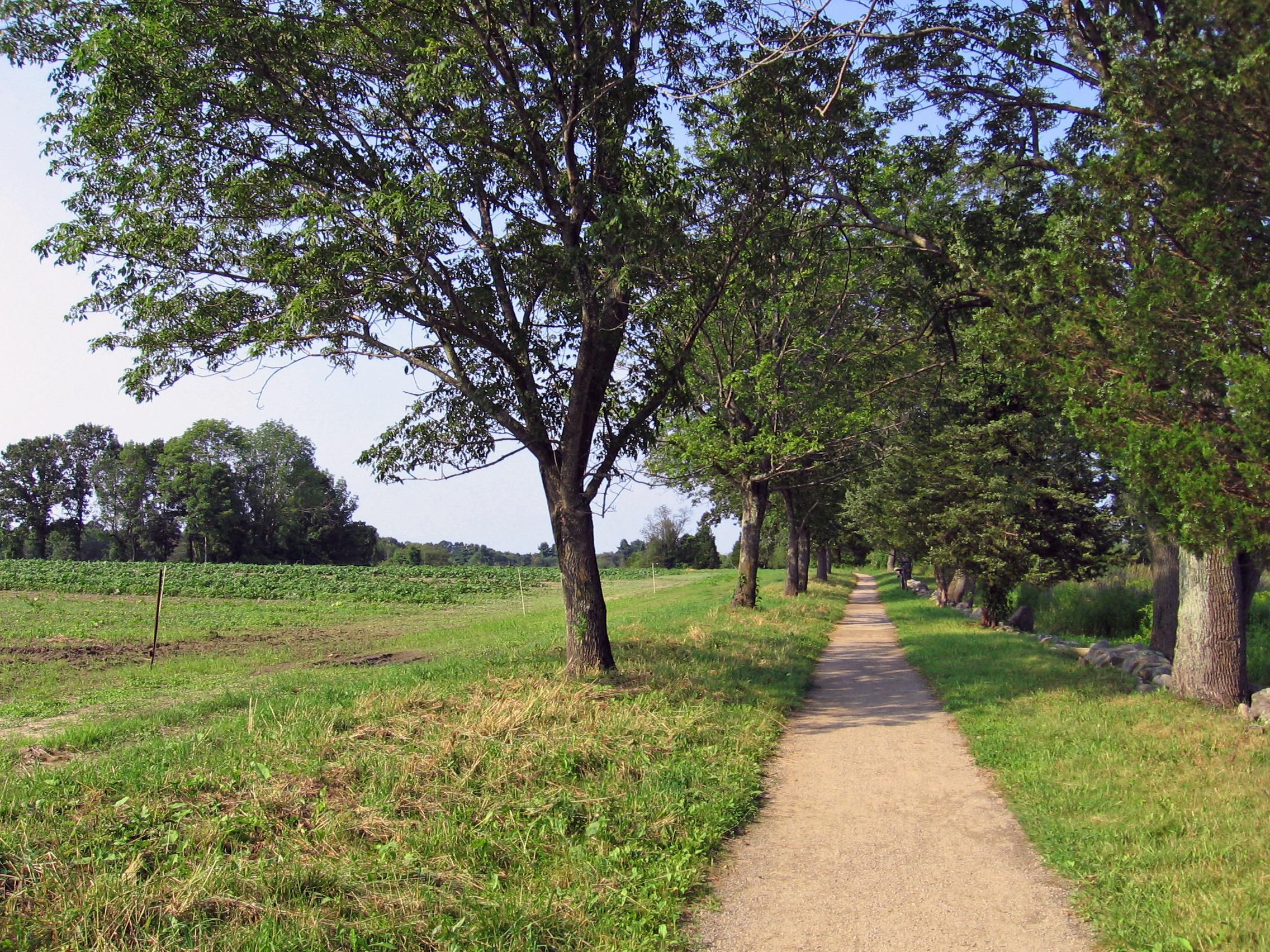
This park unit offers an immersive historical experience for the engaged visitor. The focus is on direct engagement with primary historical landscapes. Ranger-guided tours provide essential context not achievable through self-guided exploration. Live historic weapons demonstrations on specific days transform historical data into vivid encounters. A Junior Ranger Program is available, structured to maintain youth engagement throughout the site. Front-country hiking along the Battle Road corridor directly links significant locations, providing the most effective way to understand the battle's physical scope. The park store and bookstore provide resources for deeper academic or literary interest. This destination serves those seeking profound historical connection over casual sightseeing.
Who it suits
This park deeply satisfies those who find meaning in walking ground where consequential historical events occurred. Revolutionary War buffs should not skip it. Visitors seeking dramatic scenery, strenuous trails, or wildlife-focused adventure will find this unit unsuitable.
Timing your visit
Optimal visits are from late spring to early fall, when programming and guided tours are offered. October provides striking fall foliage. Those sensitive to heat should avoid peak summer humidity. Winter offers solitude and fewer crowds, though programming is limited and temperatures can be severe. Tick awareness is essential in all seasons.
What stands out
- Walking the Battle Road corridor on the actual landscape of April 19, 1775
- Live historic weapons demonstrations that bring the tactical reality of the battle to life
- Ranger-guided tours that provide layered historical context
- Living history programming connecting the revolutionary period to the Concord literary tradition
- Junior Ranger Program structured to keep kids actively engaged across the site
- Free admission with sunrise-to-sunset access to the grounds daily
Good to know
Entry requires no fee, eliminating a significant barrier. The grounds operate daily from sunrise to sunset; parking lot gates close promptly at sunset. Planning departure accordingly is essential. This site spans multiple towns, necessitating driving between areas. Do not expect walkable access from a
Insider tipPlan your visit carefully. Live demonstrations and guided tours operate on specific schedules, not daily. Checking the calendar beforehand ensures access to these programs. They elevate a standard visit to a memorable experience.