Minnesota Valley National Wildlife Refuge: our verdict
Minnesota Valley National Wildlife Refuge offers a surprising breadth of access for its urban-fringe location.
This 15,000-acre federal wildlife refuge stretches along 70 miles of the Minnesota River, bordering the Twin Cities metro area. It presents a multi-unit, linear experience, transitioning from urban development to river bottomland, wetlands, and forest. The visitor center in Bloomington serves as a primary access point. The refuge provides consistent, free opportunities for birding, hiking, fishing, and winter recreation across diverse rural and suburban landscapes. This is not a destination for wilderness seekers. For those outside the region, it functions as an adjunct to a Twin Cities visit, not a standalone trip. Locals benefit from its genuine role as a productive wildlife corridor. The documented activities are varied. Free entry significantly lowers the threshold for a rewarding experience.
Why visit
The visitor center serves as the essential starting point, providing interpretive programs and educational content that illuminate the river corridor. This refuge offers a remarkably broad activity menu for a free, urban-adjacent location. Birding opportunities abound in the Minnesota River bottomlands. Hiking trails traverse both wetland and forest habitats. Anglers can fish in river and pond environments. Accessible trails cater to cyclists. Winter brings a significant transformation, enabling cross-country skiing and snowshoeing across a landscape few urban parks can rival. Wildlife viewing and photography are documented strengths here. The river corridor ensures water is a constant, defining presence. Guided and interpretive programs make this an especially productive destination for families or those preferring structured engagement over independent exploration.
Who it suits
This destination offers significant value for specific visitor profiles. Birders, families, urban hikers, and winter recreationists from the Twin Cities area will find it particularly appealing. Photographers focusing on wetland and riverine environments will also appreciate the opportunities here. However, those journeying from outside Minnesota solely for a national wildlife refuge experience should moderate their expectations. This is a managed urban corridor. It is not a remote wilderness. As a primary destination, it is best avoided by those not already in the region.
Timing your visit
The documented breadth of activities makes this unit a four-season destination. Spring and fall migration draw birders to the Minnesota River corridor. Summer offers full access for fishing and trails; however, humidity and insects may detract from the experience. Winter is genuinely worthwhile. Cross-country skiing and snowshoeing are significant features. The snow-covered wetland landscape provides a distinct visual experience.
What stands out
- Birding along the Minnesota River bottomlands during spring and fall migration
- Cross-country skiing and snowshoeing through wetland and forest habitat in winter
- Visitor center with interpretive and educational programs for all ages
- Fishing access along a 70-mile river corridor
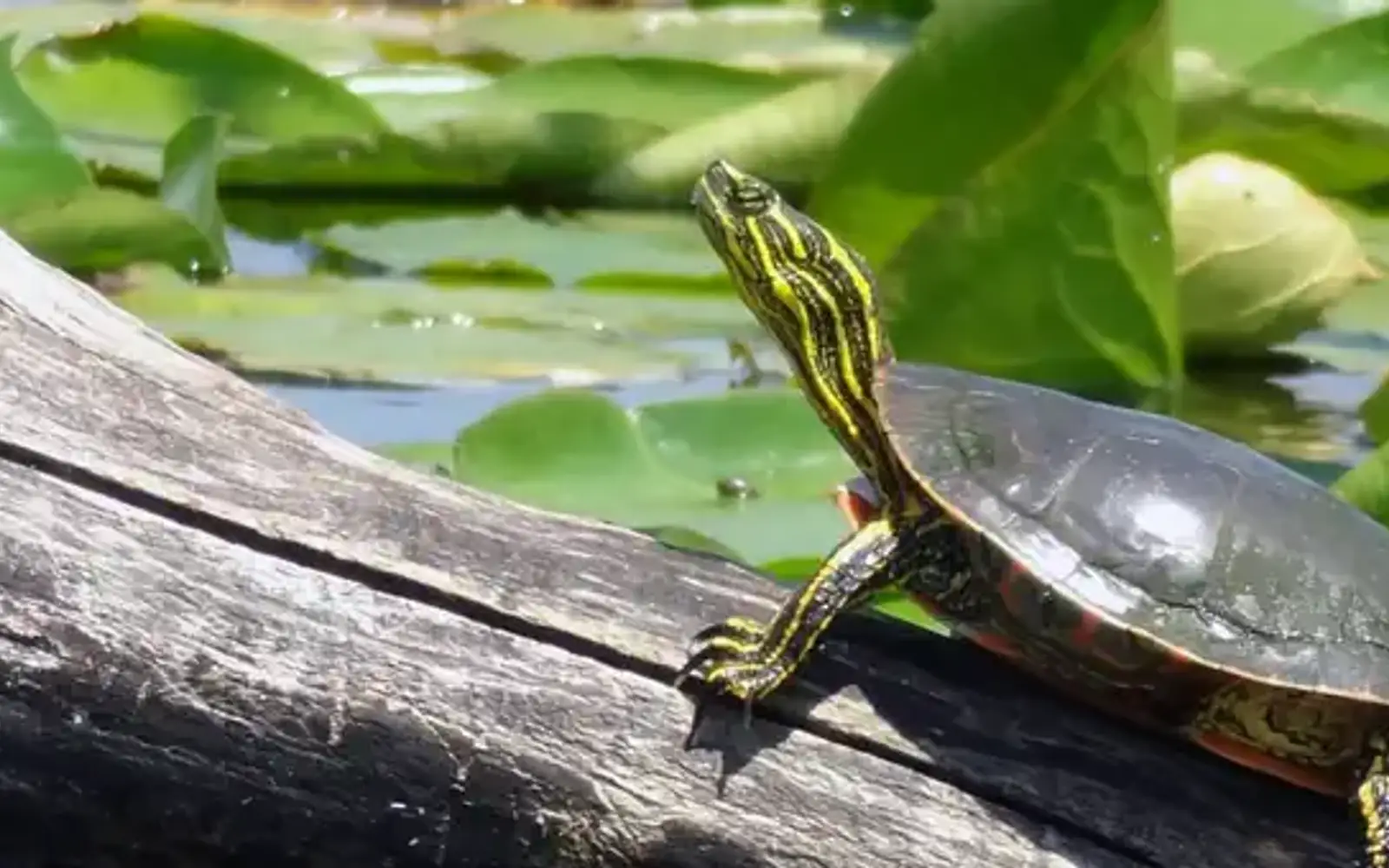
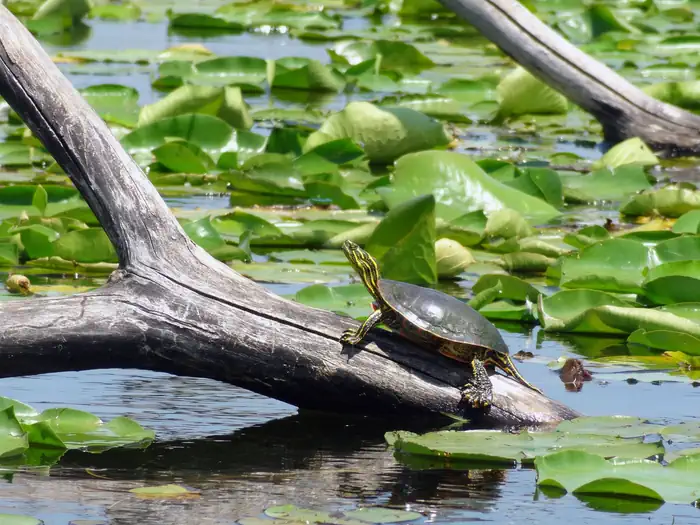
- Wildlife photography opportunities in a managed wetland and riparian setting
- Biking on a trail network spanning both urban and rural sections of the corridor
Good to know
Entry is free across all refuge units. The refuge spans multiple separate tracts across nearly 70 miles, so a stop at the Bloomington visitor center is essential to align your plans with suitable units. Its dispersed nature means experiences vary widely. Some units offer urban accessibility. Others are markedly more rural and remote. Hunting is permitted in designated areas during regulated seasons, a critical consideration for visitors with children or dogs. This is a destination demanding careful planning.
Insider tipA common error for first-time visitors is to assume that a single trailhead visit provides a complete park experience. This refuge's multiple disconnected units demand a broader exploration. Review the unit map at the visitor center to select a second location farther along the corridor. The habitat character shifts noticeably between the suburban Bloomington units and the more rural western sections near Henderson. This diversity requires additional travel.