Is Mesa Verde National Park worth your trip?
Mesa Verde offers a singular experience within the national park system.
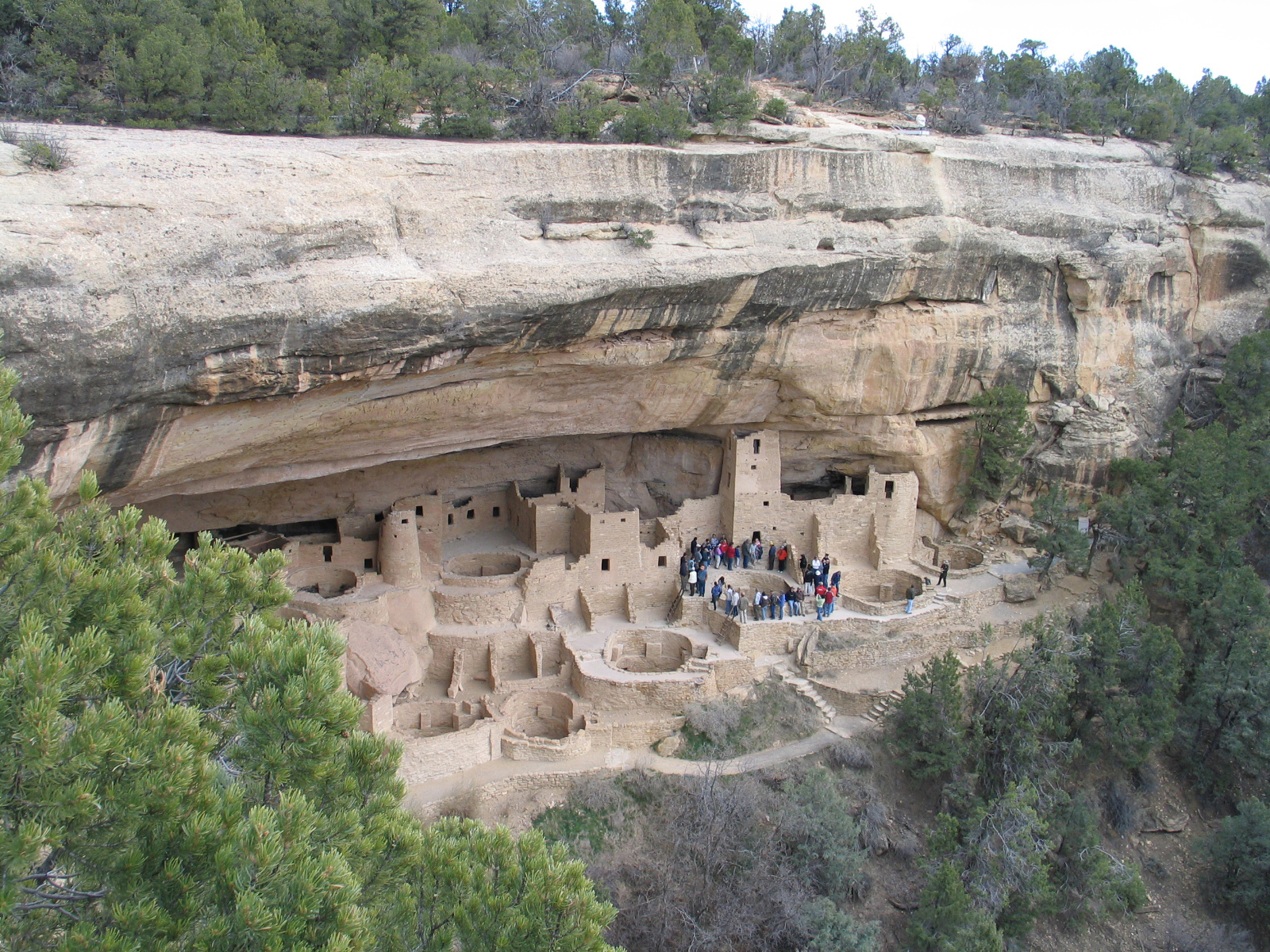
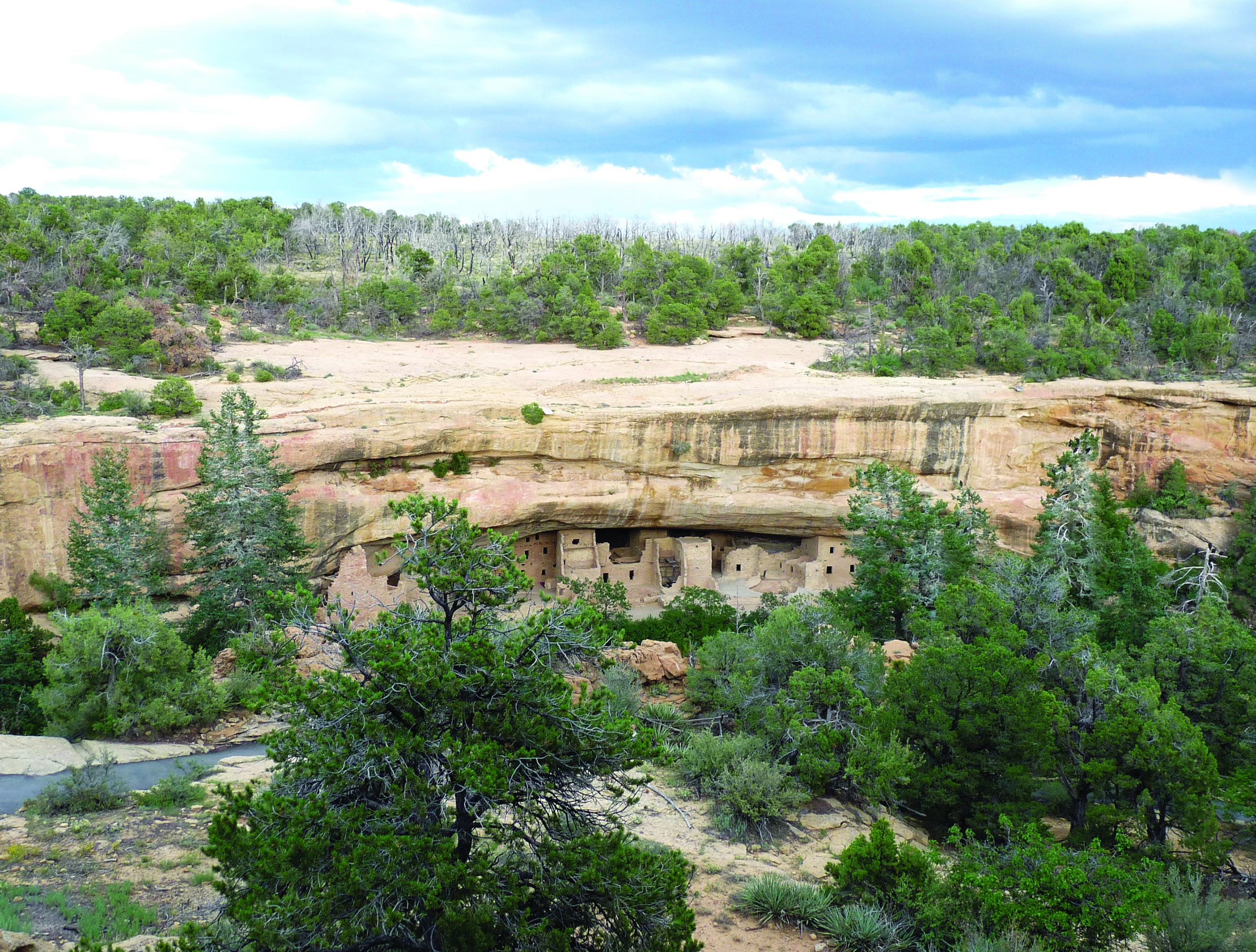
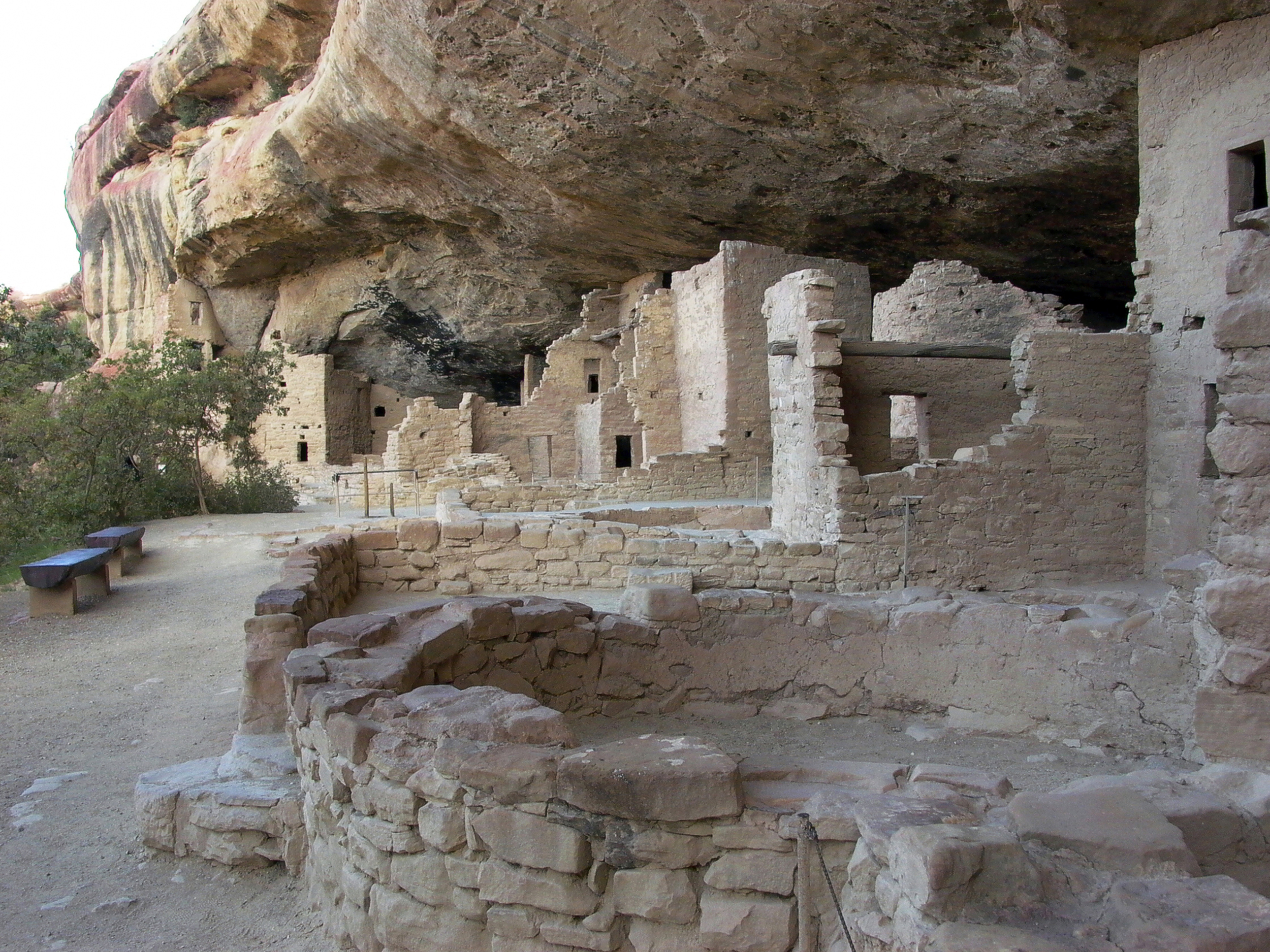
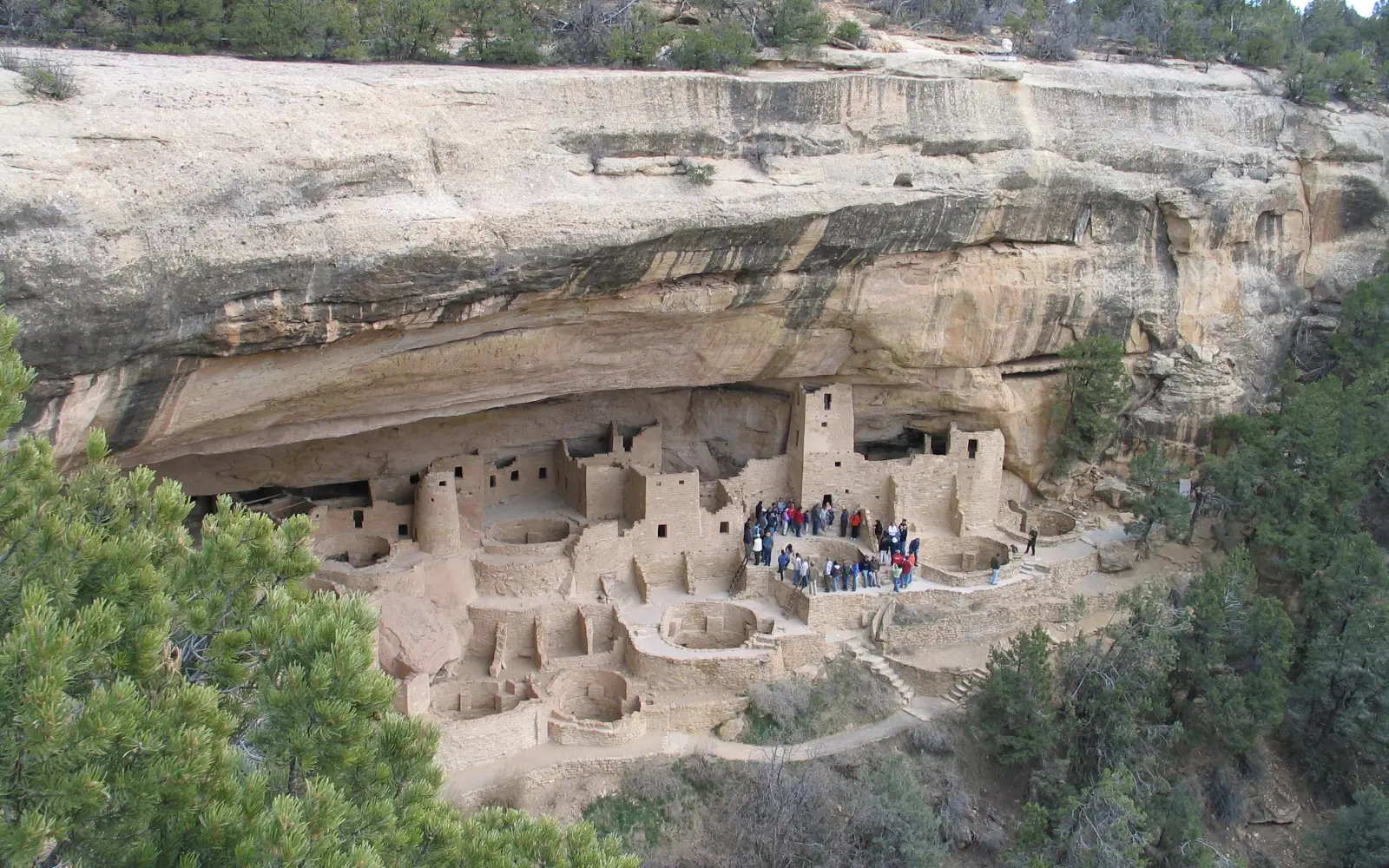
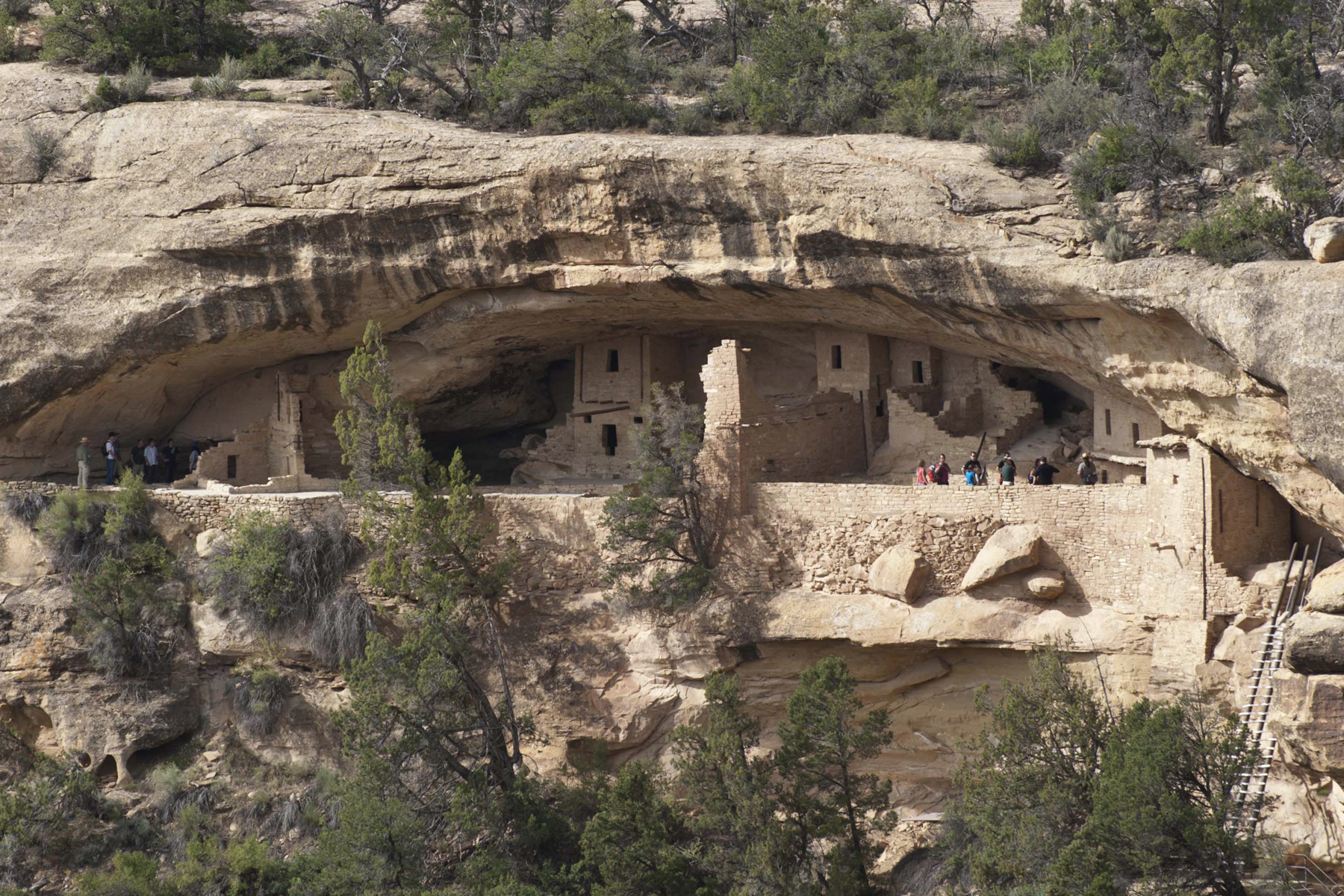
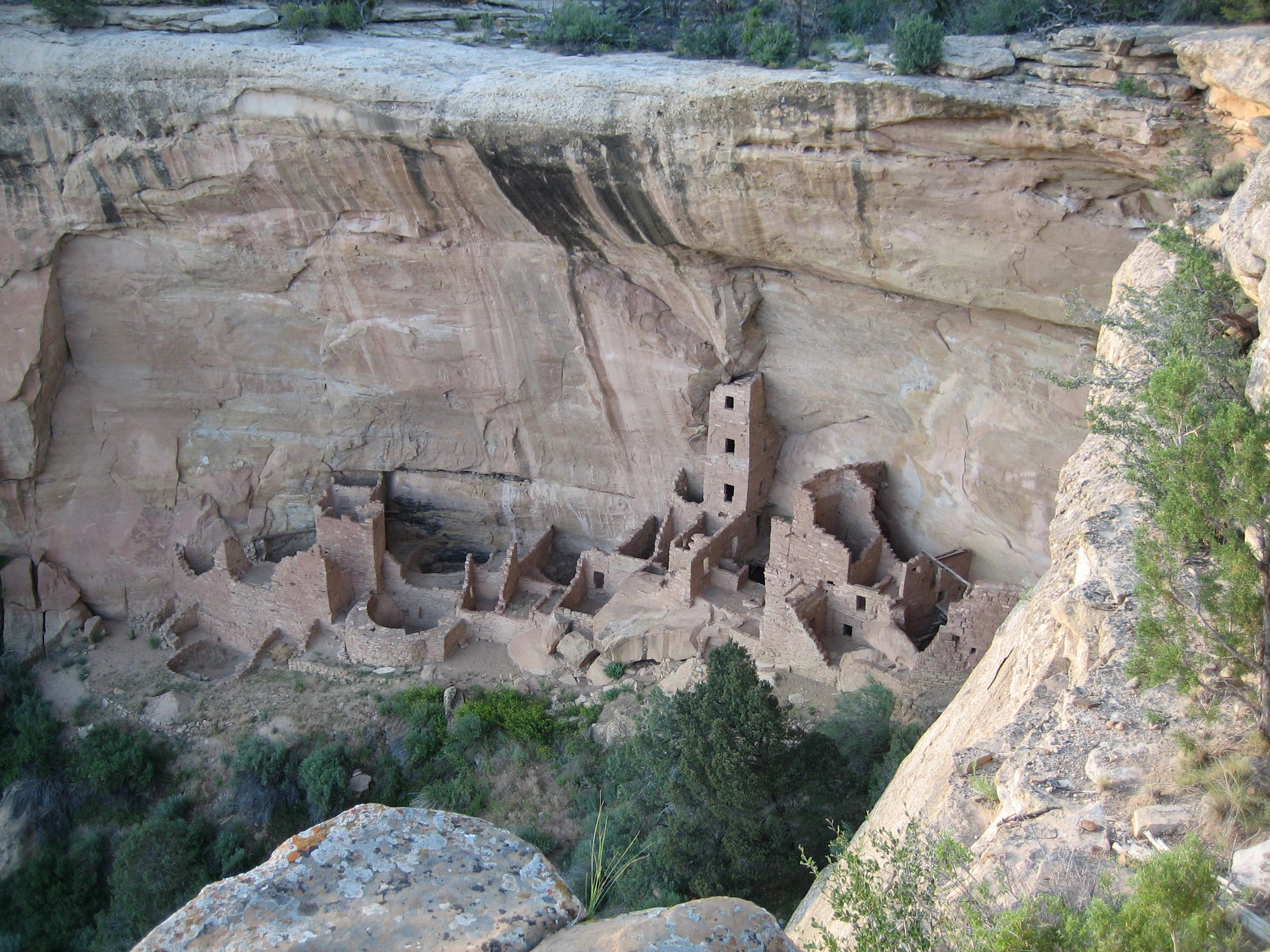
The park's primary draw is its preserved Ancestral Pueblo cliff dwellings, a genuinely staggering archaeological record in scale and ambition. An experience score of 89 reflects its breadth. Visitors can hike, camp, and engage in wildlife viewing. As a certified International Dark Sky Park, stargazing is a notable activity. Ranger-guided tours into the cliff dwellings are available. At a $15 entry fee, it presents exceptional value. However, these cliff dwelling tours book rapidly. Without tour access, the visit's scope diminishes considerably. This is a destination park, not a casual stop. It rewards visitors who plan ahead and commit to a stay of at least two nights.
Why go
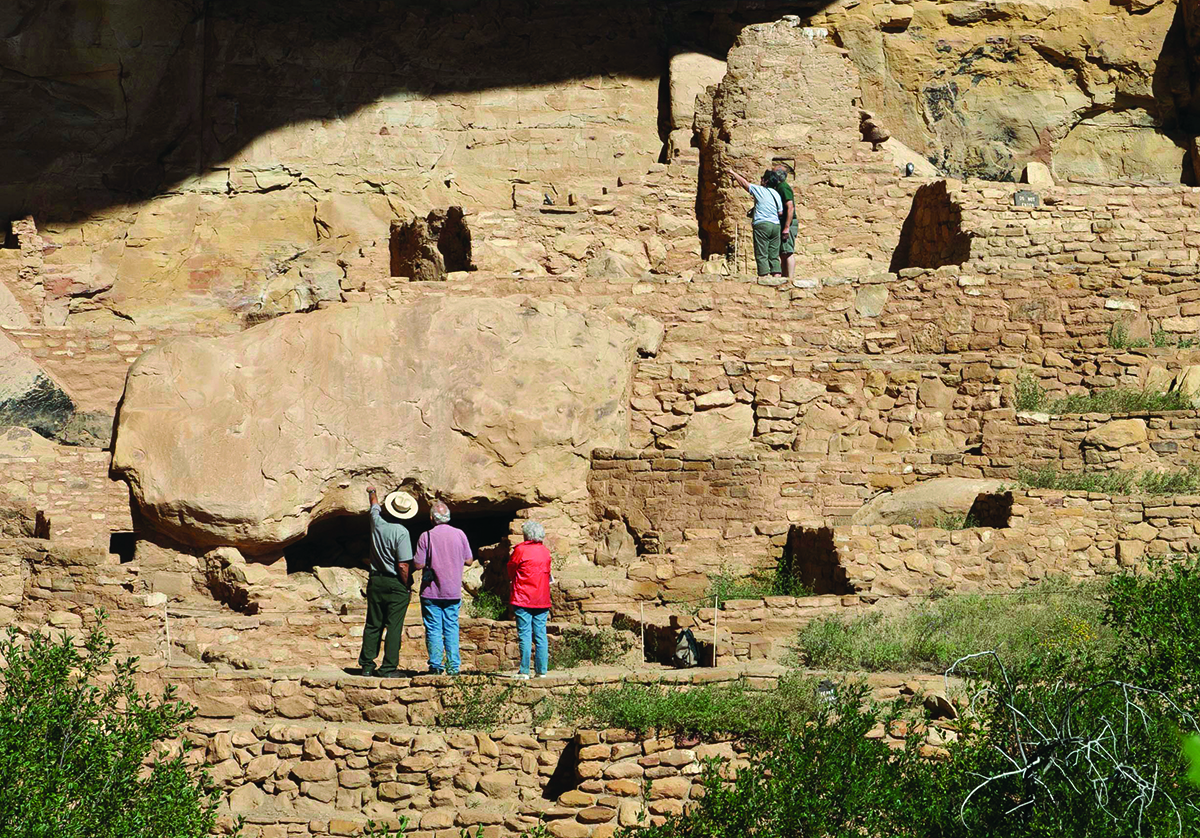
Mesa Verde offers a rare synthesis of cultural and natural immersion. A morning spent on a ranger-guided cliff dwelling tour provides direct access to structures over 700 years old, a profound historical experience. The park museum and visitor center illuminate these ancient sites. Afternoon hours are well-suited for scenic drives along the mesa top, birdwatching, and hiking trails that afford expansive canyon views. The park's certified International Dark Sky designation guarantees exceptional stargazing after dark. Winter access expands to cross-country skiing and snowshoeing, offering a quieter perspective. The Junior Ranger program effectively engages children with the park's archaeological significance. This is a destination for those seeking both historical depth and natural beauty.
Best for
Mesa Verde offers exceptional cultural and historical depth, well-suited for history-focused visitors and families. Its draws include archaeological sites and stargazing opportunities. Serious peak-baggers or whitewater enthusiasts should consider other destinations. However, those seeking to engage with one of North America's most important archaeological sites will find a rewarding experience.
Best season
Optimal visitation periods are clearly defined. Late spring and early fall present the most favorable conditions with moderate temperatures and reduced congestion. While summer provides peak tour availability, it also introduces significant heat, often exceeding 90 degrees, and frequent afternoon thunderstorms in July and August. Winter offers a distinct experience for snowshoeing and cross-country skiing, but visitors should anticipate limited facility and tour operations during this time.
The high points
- Ranger-guided tours into the cliff dwellings, the single most important experience the park offers
- Certified International Dark Sky Park status, making evening stargazing a real draw
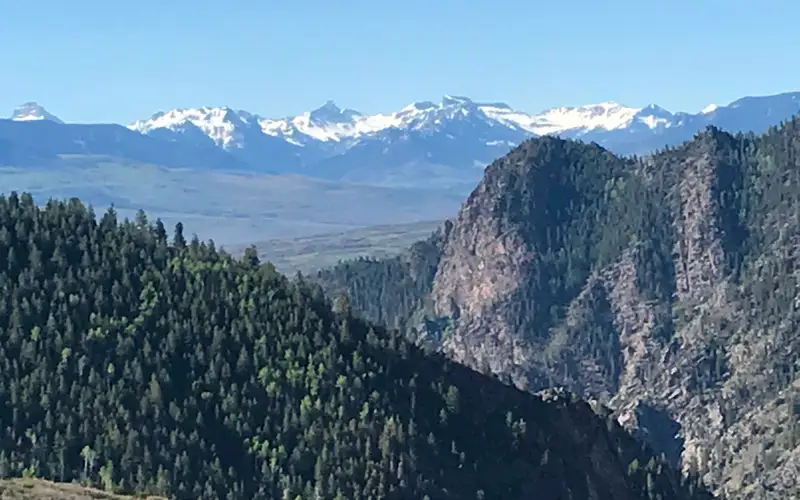
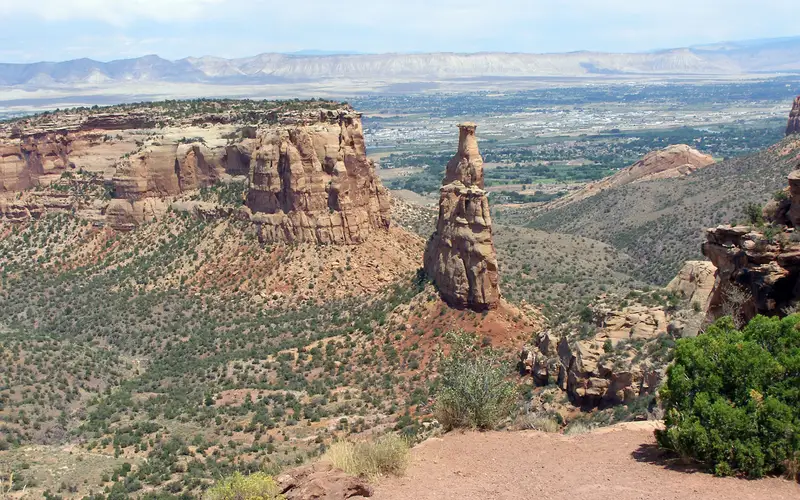
- Mesa top scenic driving with views across layered canyon and mesa landscape
- Park museum with archaeological collections that put the cliff dwellings in context
- Winter access via cross-country skiing and snowshoeing on a quieter, snow-covered mesa
- Birdwatching and wildlife watching in a landscape that supports species found nowhere else
Know before you go
At $15 per vehicle, this park presents a moderate entry fee. The critical detail for any visitor is the timed ticketing for cliff dwelling tours, which frequently sell out, particularly during peak summer months. Secure these via recreation.gov well before arrival. While the visitor center and museum maintain year-round operation, closing only for major holidays, access to ancestral sites and trails begins daily at 8 AM. Be aware that cell service on the mesa is unreliable; offline map downloads are essential. This park demands foresight and planning. Casual sightseers should look elsewhere.
One more thingIf cliff dwelling tour tickets are sold out for your dates, check recreation.gov again the morning of your visit. Cancellations do open up, and same-day slots are sometimes released early in the morning, giving you a real shot at getting in if you are already on-site.