Mattamuskeet National Wildlife Refuge: our verdict
Mattamuskeet National Wildlife Refuge, encompassing 50,180 acres around North Carolina's 40,000-acre Lake Mattamuskeet, presents a distinct offering.
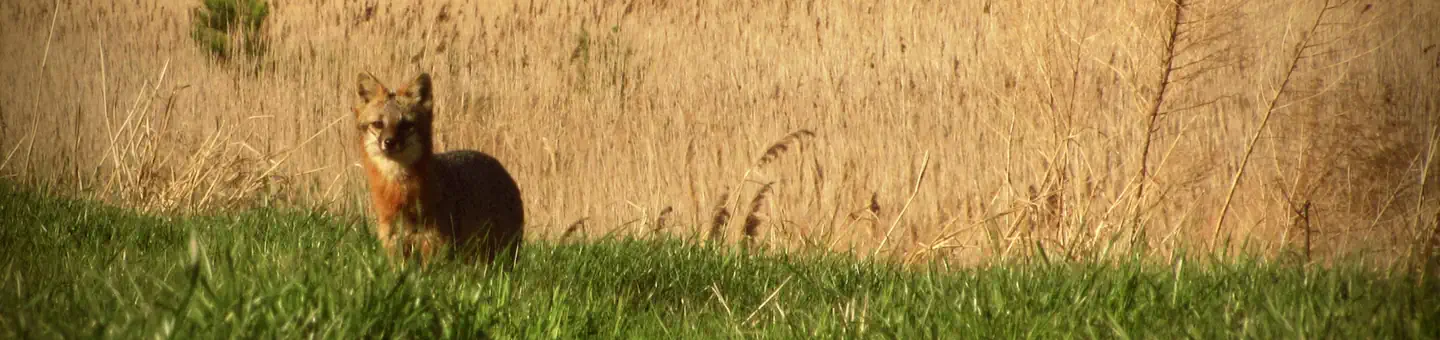
The lake's average depth of 1.5 feet creates an undeniable draw for migratory waterfowl, including wading birds, diving ducks, and tundra swans. This refuge combines open water, cypress marsh, timberland, and croplands. The scale is the draw here. Admission is free. This is not a destination for dramatic vistas or high-adrenaline recreation. The terrain is uniformly flat, and the atmosphere is one of quiet observation. However, for those seeking significant wildlife density, particularly birders, photographers, and anglers, Mattamuskeet delivers. The historic pumping plant also adds an unexpected layer of industrial and conservation history. With multiple access modes available, from driving routes to boating and fishing, its versatility is notable. Casual sightseers should look elsewhere. For dedicated wildlife observation, the data makes the case for a genuinely extraordinary experience.
Why visit
This unit rewards deliberate engagement. An early morning auto tour offers initial viewing opportunities along marsh edges and open water for waterfowl and wading birds. For deeper access, the shallow lake is notably open to both non-motorized and motorized boats. This allows passage through bald cypress stands and open channels, reaching areas inaccessible from the road. Fishing presents a legitimate draw; the productive shallow-water ecosystem sustains a healthy fishery. While scheduled, interpretive and educational programs provide historical context, detailing the early 20th-century effort to drain the lake for farmland. Wildlife photography can be exceptional during peak migration periods. The sheer volume of birds on the water creates scenes unmatched in much of the mid-Atlantic.
Who it suits
Mattamuskeet offers exceptional rewards for specific outdoor enthusiasts. Birders, waterfowl hunters, wildlife photographers, and anglers will find their niche here. Its true appeal emerges during the fall and winter migrations, particularly for those seeking tundra swans or large concentrations of ducks. The landscape offers no elevation or significant trail variety. Families desiring structured amenities will find the unit limited. Casual sightseers should look elsewhere.
Timing your visit
The peak window for wildlife observation is October through March, when migratory waterfowl, including tundra swans, ducks, and geese, concentrate on the lake. Summer presents opportunities for viewing wading birds and fishing, though with significantly fewer species. Spring brings notable shorebird populations and nesting activity. Winter weekday visits offer a reprieve from weekend hunting season crowds.
What stands out
- Auto touring the refuge roads for close-range views of waterfowl, wading birds, and marsh wildlife
- Boating on 40,000-acre Lake Mattamuskeet, including by kayak or canoe through bald cypress stands
- Seasonal concentrations of tundra swans and migratory ducks, among the largest in the region
- Fishing a shallow, biologically productive natural lake with multiple access options
- Wildlife photography opportunities during peak migration when bird densities are exceptional
- The historic pumping plant, a remnant of the ambitious and ultimately failed effort to drain the lake for farmland
Good to know
This unit offers free admission. Located in Hyde County, a rural section of the Albemarle-Pamlico Peninsula, its remote nature dictates advance planning for lodging and services. Hunting is permitted seasonally in designated areas. This directly impacts visitor access. Consult the refuge's website for current hunting schedules and potential road or boat ramp closures.
Insider tipA morning visit during peak winter months promises the greatest reward for birdwatching. The lake's extreme shallowness funnels birds to marsh-edge feeding grounds. Low wind conditions are essential. They allow visitors to fully experience the scale of the waterfowl activity, both visually and audibly. Bring a spotting scope.