parkverdict
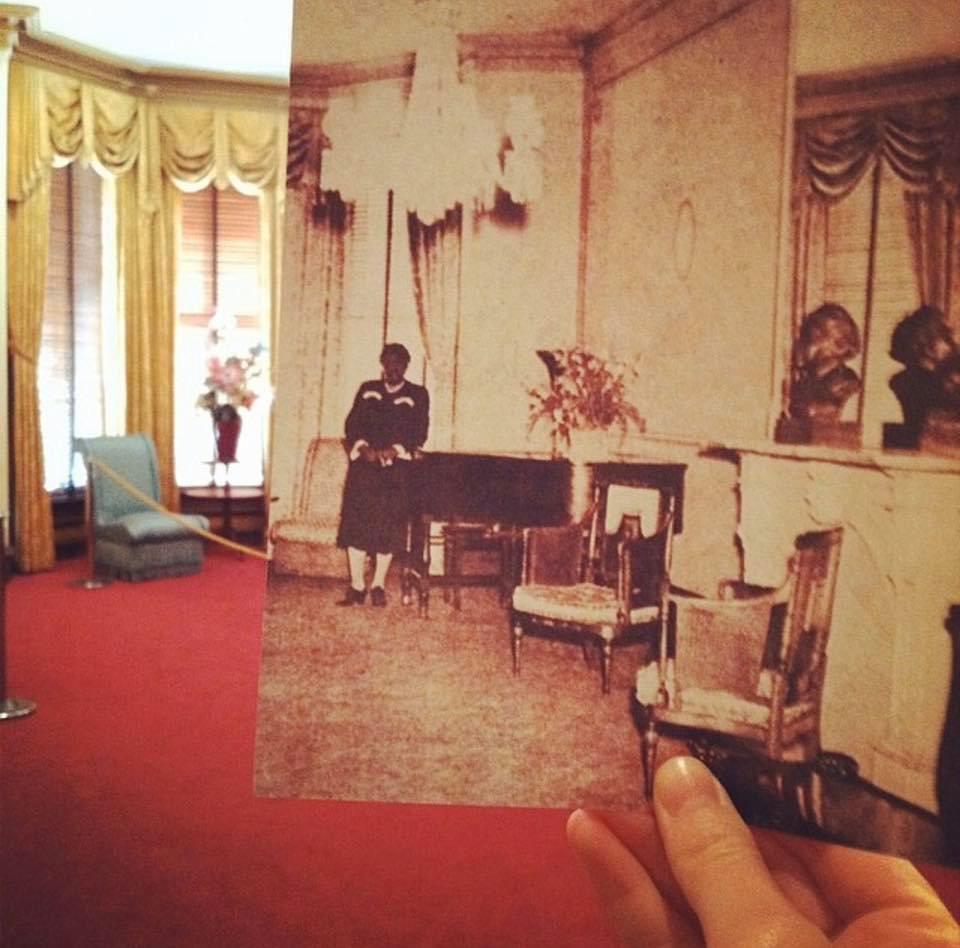
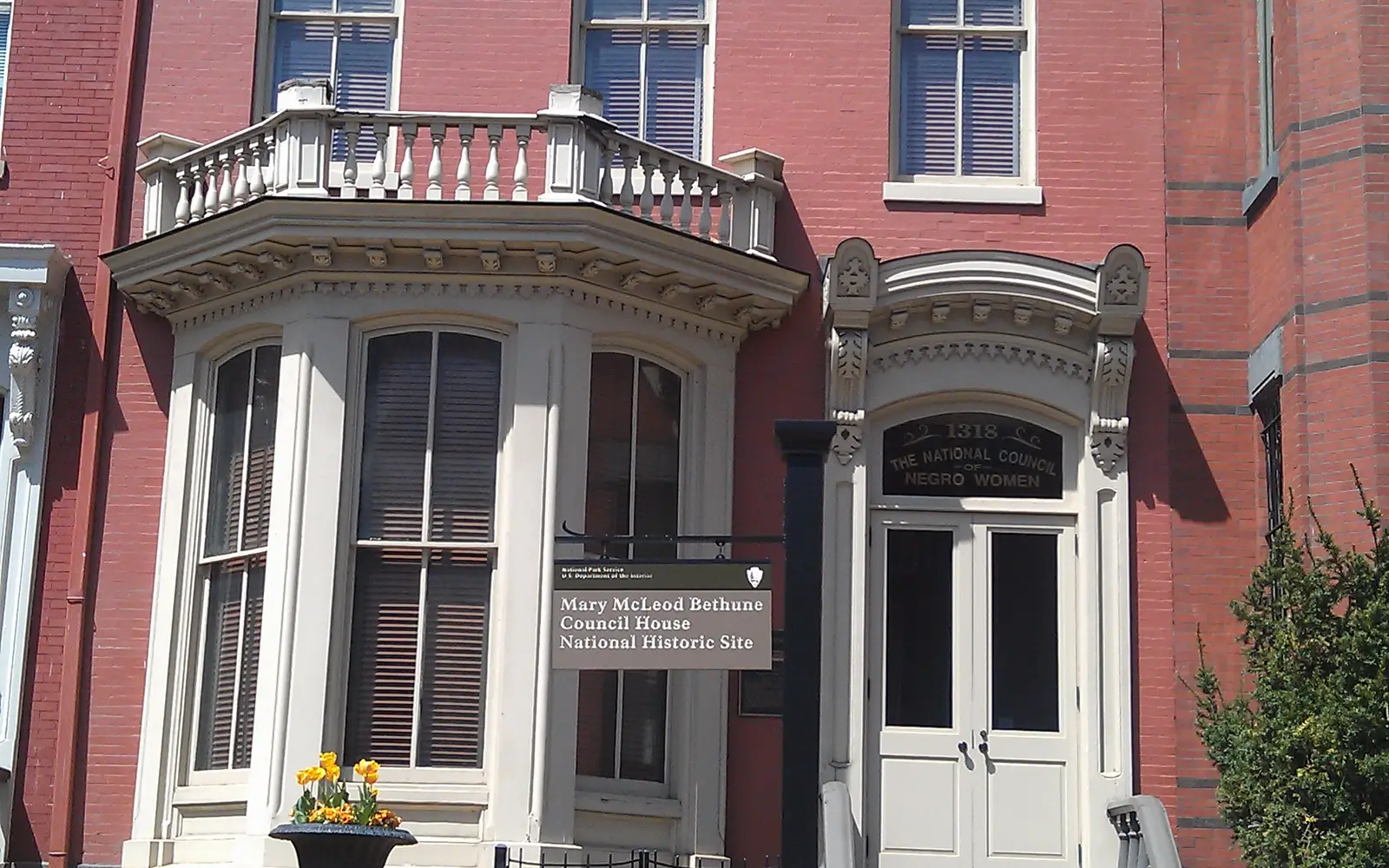
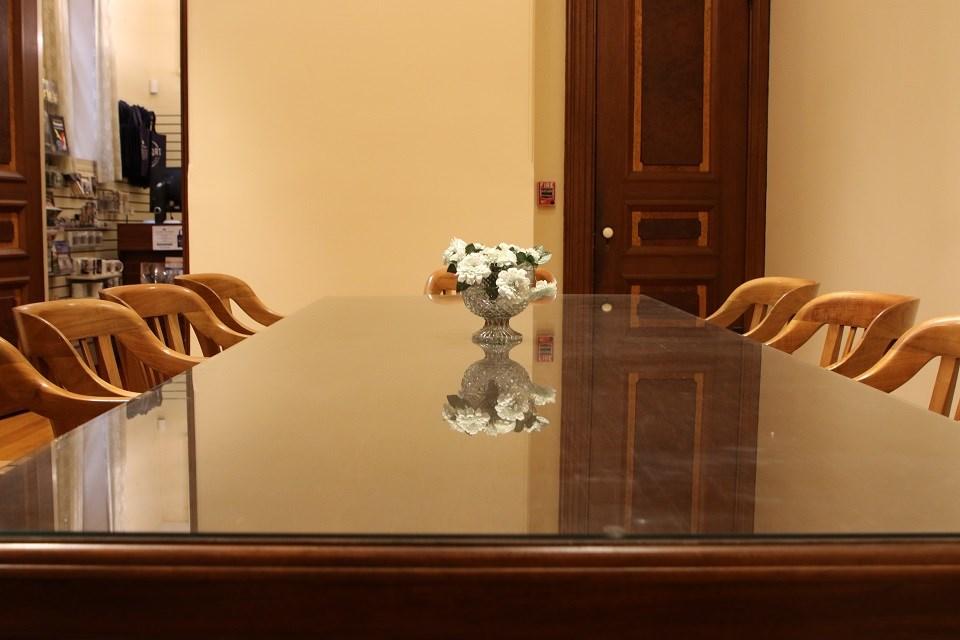
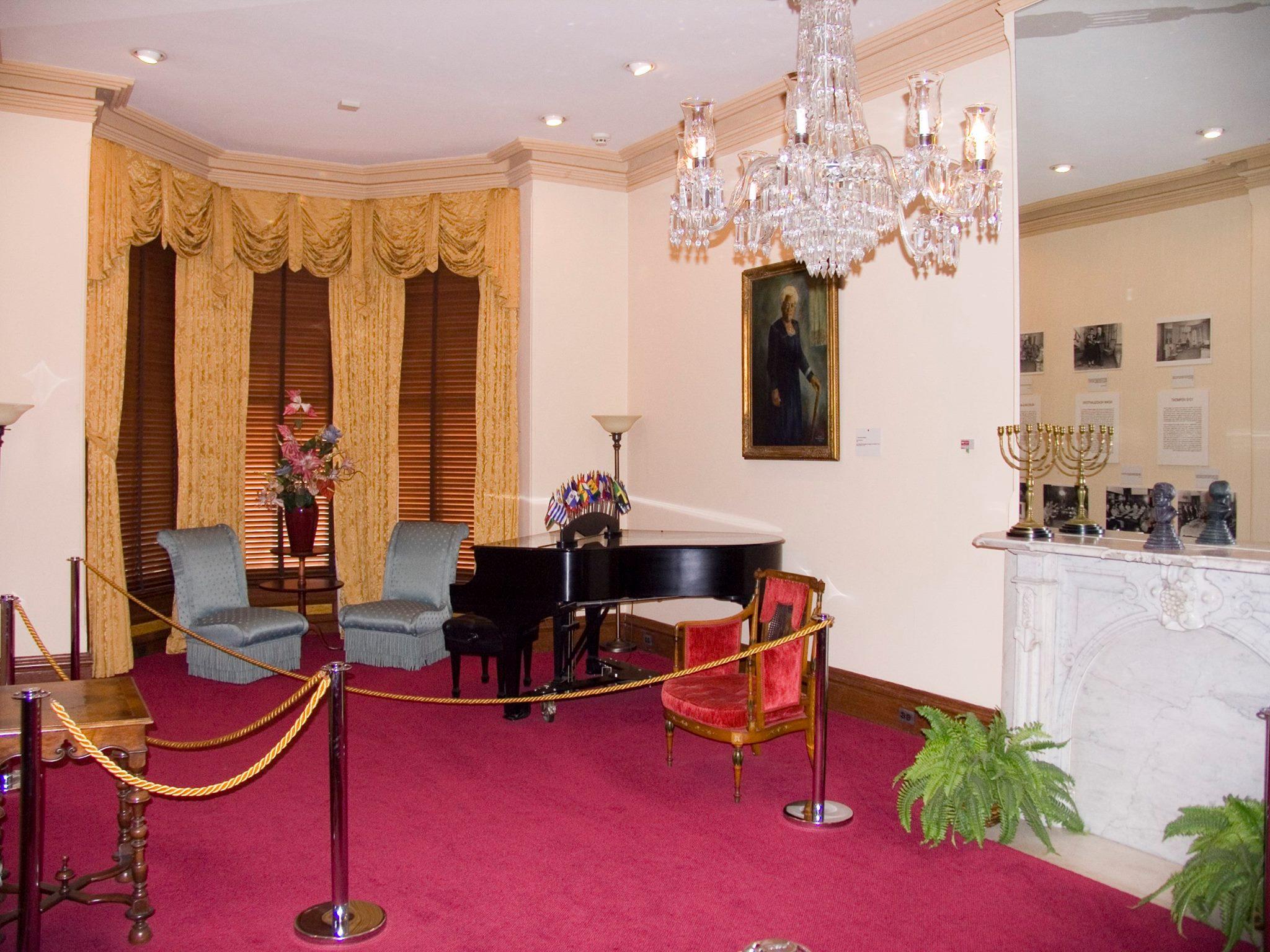
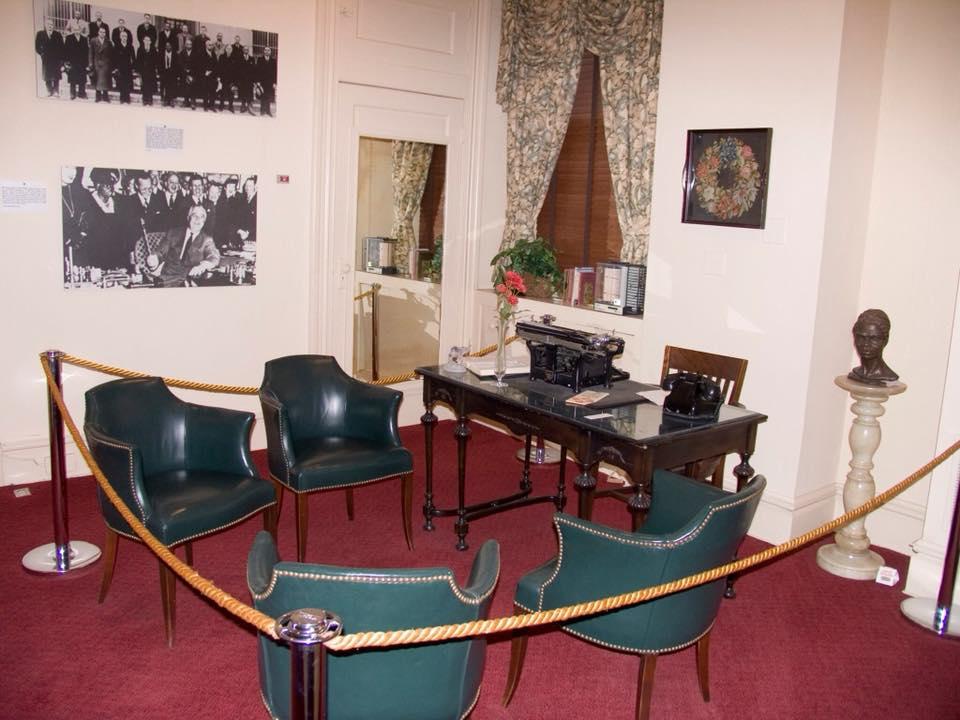
MAMCTable with glass table top and wooden chairsA room with ornate furniture, crystal chandelier, large mirror, and large portrait of Mrs. BethuneA desk and chairs roped off with other furnishings and objects mounted on the walls
National Historic SiteDC

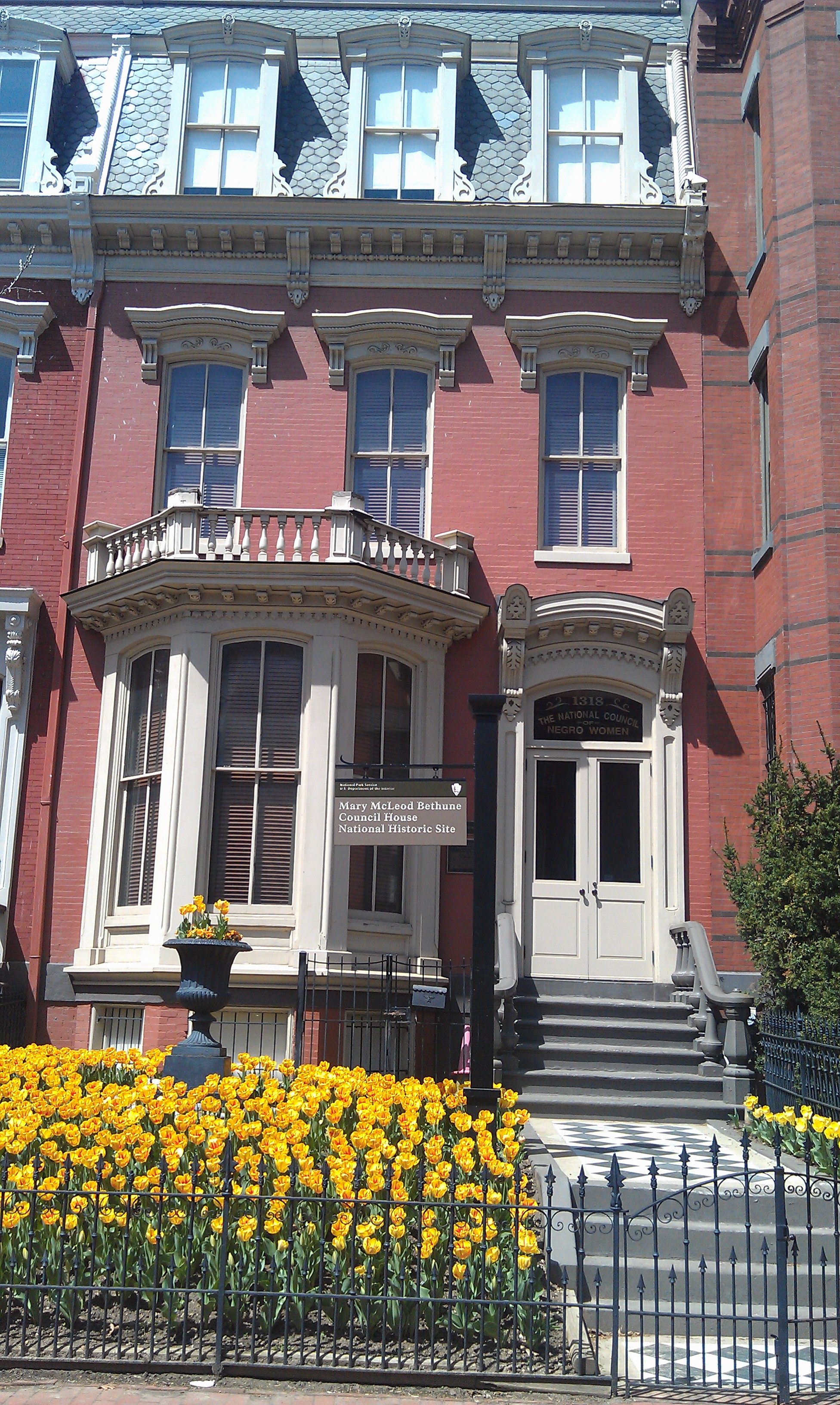
Mary McLeod Bethune Council House National Historic Site

NPS / NPS Photo/Kenneth Chandler
57/ 100GOOD RANGE
parkverdict Experience ScoreIndependent, not sponsored

57 of 100. Our independent breadth-and-access index. How we score

Worth it?

Is Mary McLeod Bethune Council House National Historic Site worth it?

Mary McLeod Bethune lived and worked in a Washington, DC townhouse that now bears her name, and the building carries real weight.

This is where she founded the National Council of Negro Women and ran the kind of organizing work that quietly reshaped mid-twentieth century civil rights. The site doesn't try to cover her entire life. It focuses on that specific chapter, and it does so with genuine depth. Ranger-guided tours are the main draw, and they hold up under close attention rather than glossing over the hard parts. The building is a single townhouse, so a visit takes hours, not days. That's not a weakness. It's just what the place is, and the interpretation is tight enough that you don't feel shortchanged. Anyone with a serious interest in African American history, women's history, or the political mechanics behind mid-twentieth century civil rights will find more here than at most comparable sites in the country.

The case for it

The ranger-guided tour is the main draw here. You walk through the townhouse where Bethune coordinated national advocacy for African American women during the New Deal era, and the rangers give it the gravity it deserves. Museum exhibits fill in the biographical and historical context, connecting her DC work to her broader legacy, and a park film pairs well with the tour whether you watch it before or after. Families with older children will get a lot out of the Junior Ranger Program, which gives kids a way to actually engage rather than just follow along. The bookstore and park store carry resources if you want to go deeper into her life or the period. The site is free and sits in the middle of DC, so it fits easily into a longer day alongside other nearby historic and cultural sites without adding to the cost.

Who it is for

History buffs, students, teachers, and anyone interested in African American history, women's political history, or the civil rights movement will find a lot to explore here. Families with older, curious kids should check out the Junior Ranger program. If you're after outdoor recreation, scenic views, or a relaxed half-day trip, this probably isn't your stop. The visit is indoor and history-focused, and it makes no apologies for that.

Best time to visit

Spring and fall are the best times to visit, particularly if you want to walk through DC's historic core. Summer is workable since most of the experience is indoors, but the heat and humidity will grind you down between stops. Winter stays comfortable inside, though a snowstorm can easily derail your plans. Whichever season you choose, check the Wednesday through Saturday hours before you commit to a date.

Worth seeing

  • Ranger-guided tours of the historic townhouse where Bethune lived and led the National Council of Negro Women
  • Museum exhibits placing Bethune's DC work within the broader arc of civil rights and women's advocacy
  • Park film providing accessible biographical and historical context
  • Junior Ranger Program for families with school-age children
  • Free admission with no barrier to entry in a city where many attractions carry significant costs
  • Bookstore and park store with curated resources for visitors who want to go deeper into the history

Before you visit

The site is free and open Wednesday through Saturday, 9 a.m. to 5 p.m., closed Sunday through Tuesday. Guided tours are the only way inside the townhouse, so get there early enough to join one. Budget one to two hours - the site is small.

Our tipThe site is open Wednesday through Saturday, so plan your DC itinerary around those days. While you're out, pair it with other nearby spots to get the most out of the trip.

How we scored it

Why Mary McLeod Bethune Council House National Historic Site scores 57

We keep the math boring on purpose. The same handful of public-data inputs, capped so none of them dominates, decide every score. What they measure is breadth and access, not beauty and not crowd levels. For Mary McLeod Bethune Council House National Historic Site, they shook out like this:

  • Activity breadth7 documented activities
  • Topic breadth17 topics
  • Official imagery5 public-domain images
  • Camping on sitenone recorded
  • Entry costfree

No number is hand-adjusted and no unit pays for placement. The full weights, the floor at 18 and a worked example are on how we score.

The honest limits

What the score cannot tell you

A quick honest note. The score tracks how much a place has going on and how easy it is to reach, both pulled from public records. What it cannot see is the stuff that often makes or breaks a day: whether the views stop you cold, how packed it gets in season, what the trails are like after rain, or whether you catch a great ranger talk. A small, single-focus site can land below a sprawling park here and still be the better call for your trip. Use the number to compare what places offer on paper, and the verdict up top to tell if it is your kind of place.

Background

The short version

Mary McLeod Bethune did some of her most celebrated work out of a Washington, DC townhouse that is now preserved as a National Historic Site. The building served as the first headquarters of the National Council of Negro Women (NCNW) and was the last Washington home Bethune ever lived in. Working from that address, Bethune and the NCNW developed policy strategies and built programs aimed at advancing the interests of African American women.

On documented breadth and access, Mary McLeod Bethune Council House National Historic Site ranks 15th of 24 park and public-land units we score in District of Columbia.

What the seasons are like

Winter temperatures run between 30 and 50 F, with snow showing up now and then. Spring and fall both hover in the 40 to 70 F range. Spring is rainy, fall stays humid. Summer highs hit 70 to 90 F, and the humidity hits hard too, so keep drinking water. There is a water fountain in the visitor center.

What you can do

Activities

Guided ToursSelf-Guided Tours - WalkingJunior Ranger ProgramPark FilmMuseum ExhibitsShoppingBookstore and Park Store
Common questions

Mary McLeod Bethune Council House National Historic Site: quick answers

Is Mary McLeod Bethune Council House National Historic Site worth visiting?

Mary McLeod Bethune lived and worked in a Washington, DC townhouse that now bears her name, and the building carries real weight.

Is Mary McLeod Bethune Council House National Historic Site free to visit?

It is free to get in.

What is Mary McLeod Bethune Council House National Historic Site best for?

It leans hardest toward good with kids, guided tours, history & culture, going by the 7 activities it actually documents.

When is the best time to visit Mary McLeod Bethune Council House National Historic Site?

Spring and fall are the best times to visit, particularly if you want to walk through DC's historic core.

How is the Experience Score for Mary McLeod Bethune Council House National Historic Site calculated?

The 57 comes straight from public data on how much the place documents and how easy it is to reach, things like activities, topics, photos, camping and whether entry is free. It says nothing about scenery or how busy it gets.