Is Martin Luther King, Jr. Memorial worth your trip?
The Martin Luther King, Jr.
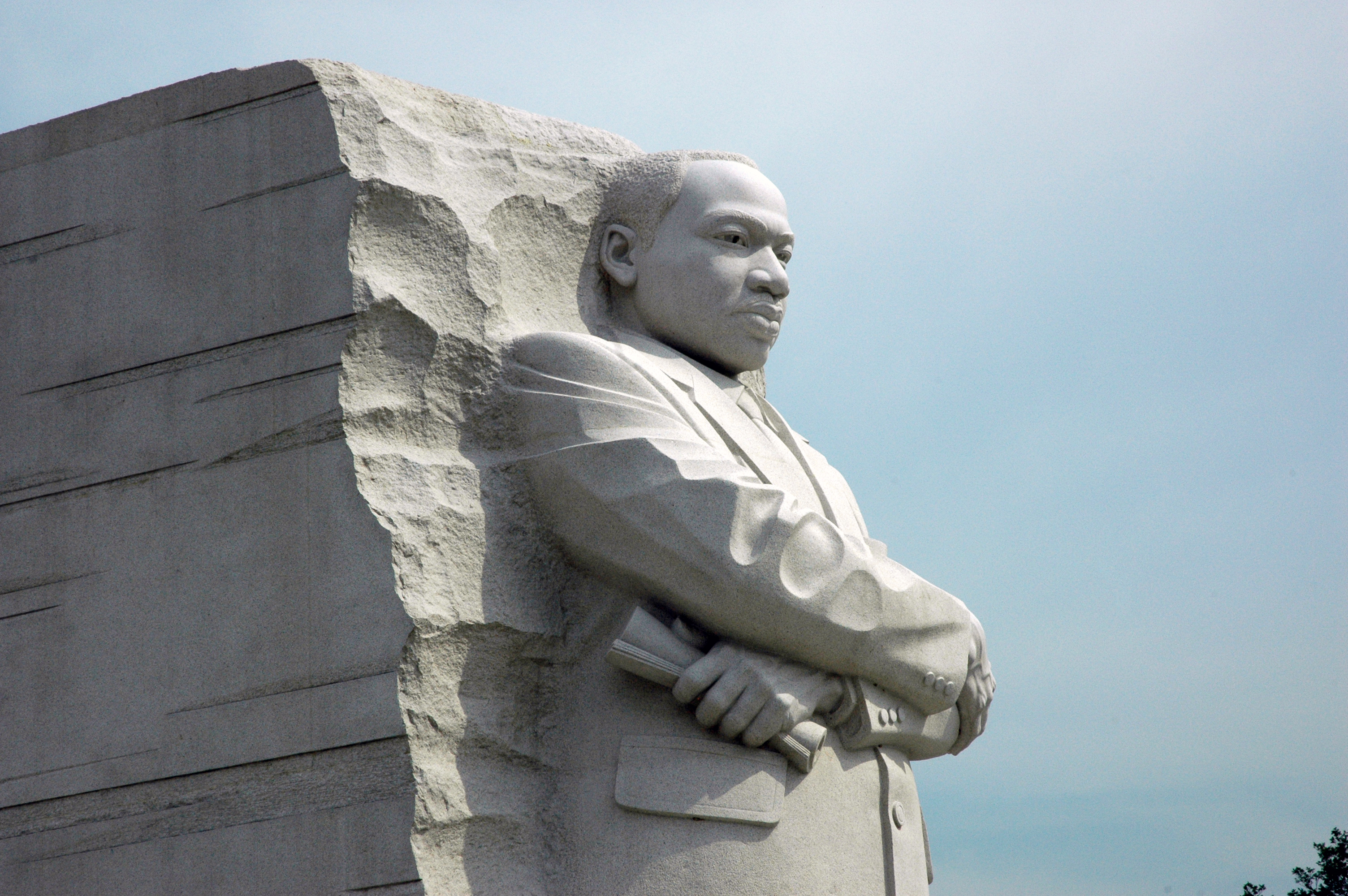
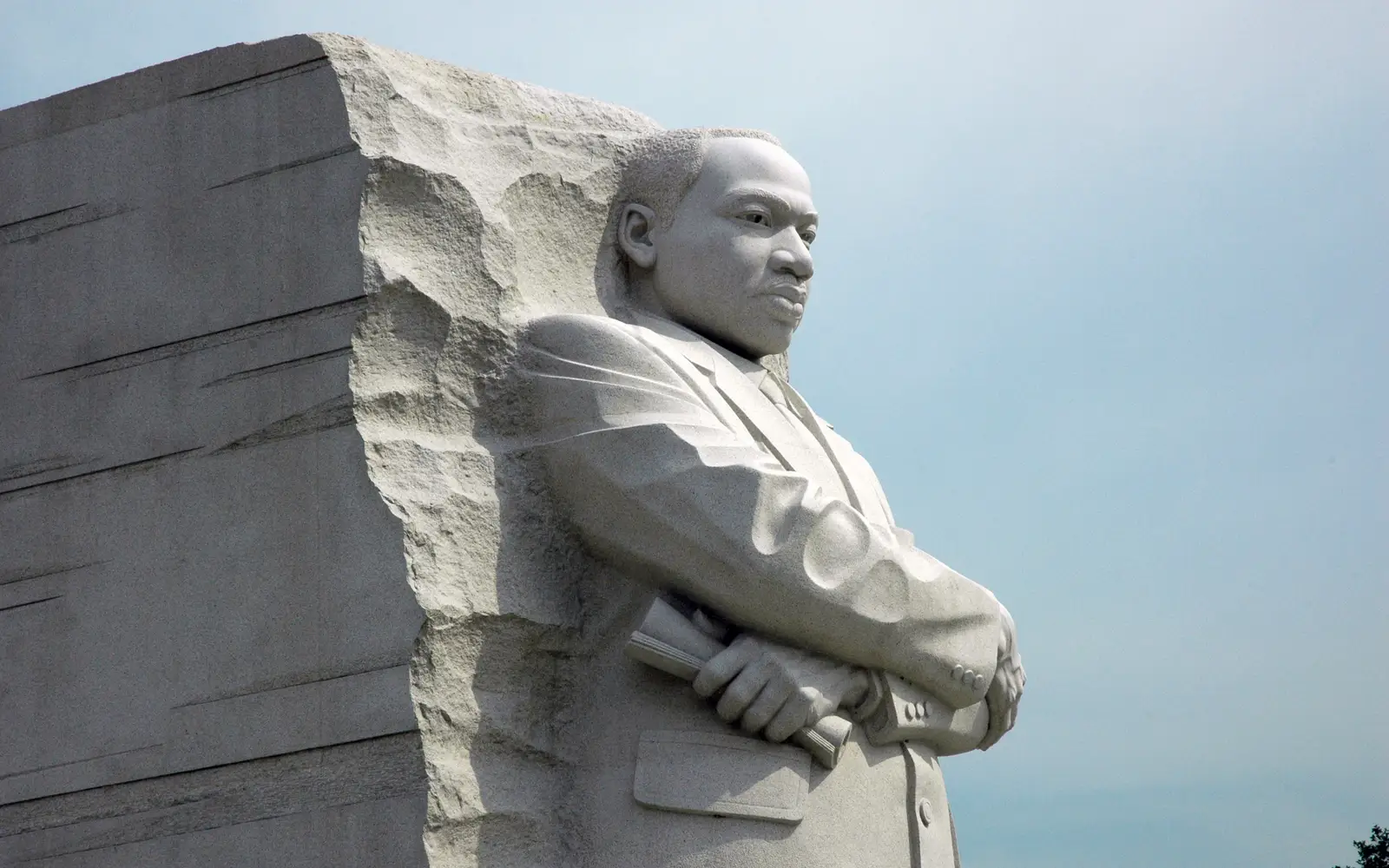
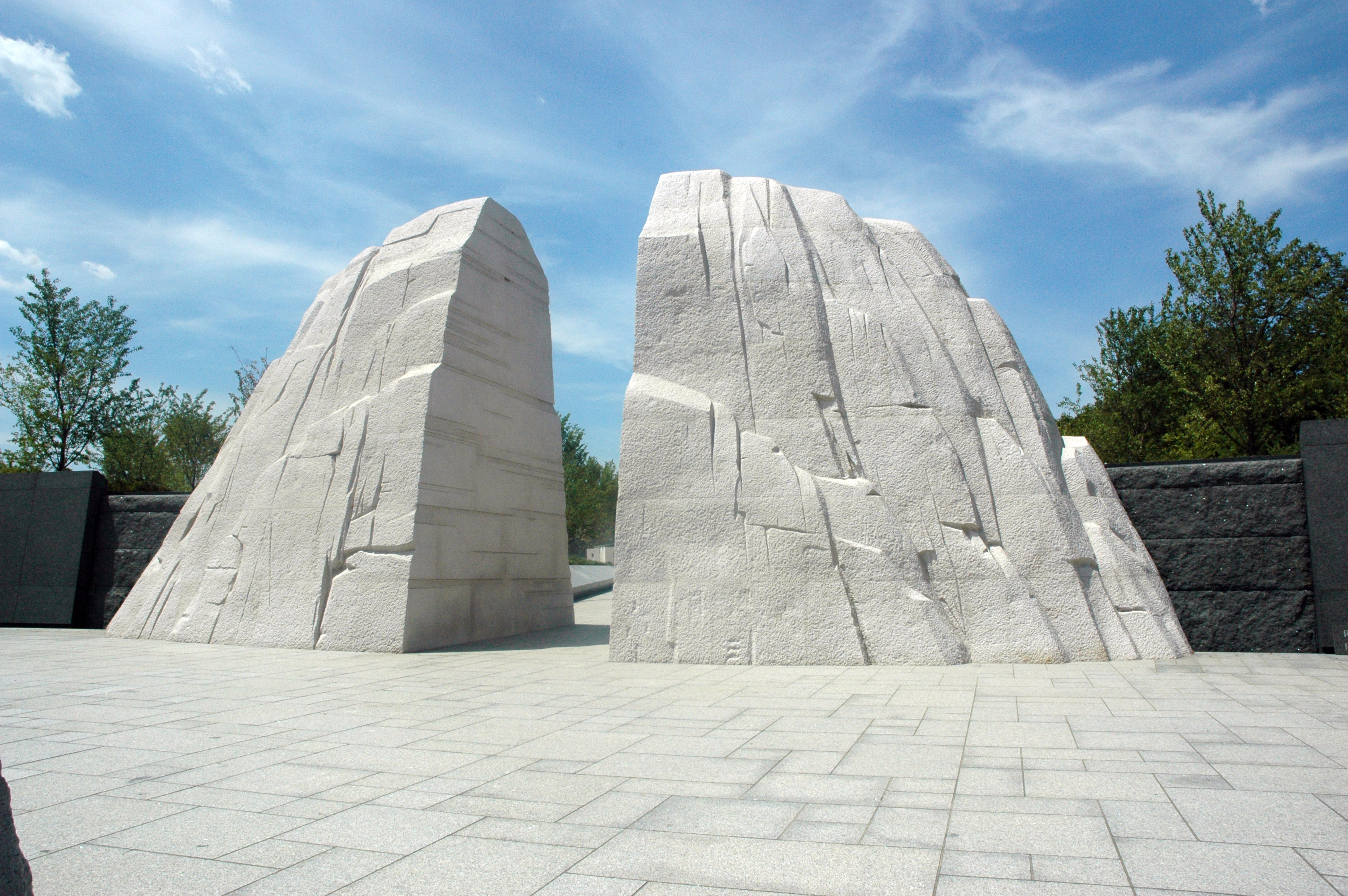
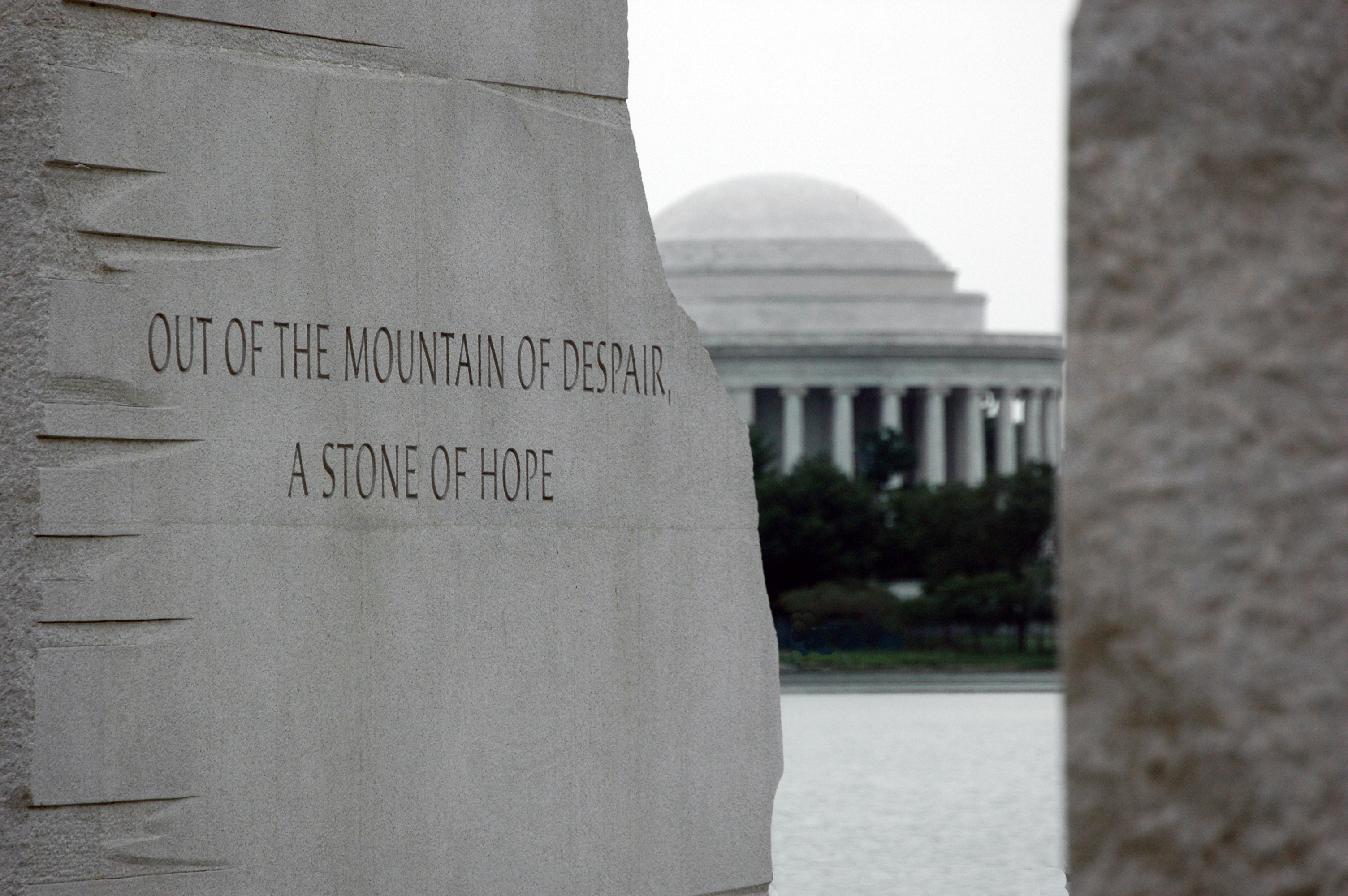
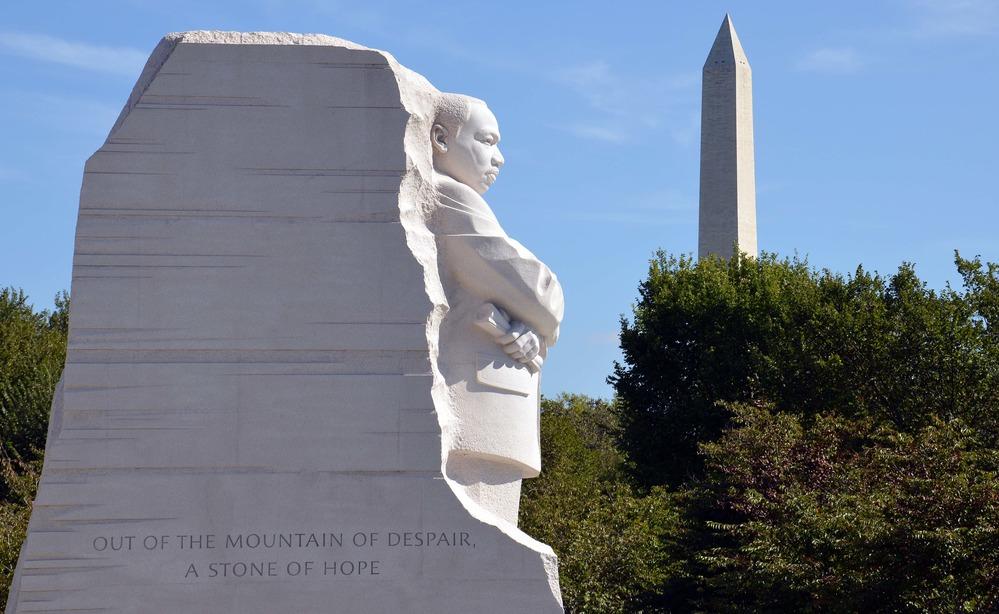
Memorial stands as a singular civic monument on the National Mall. Its centerpiece, the Stone of Hope, features a 30-foot granite carving of Dr. King emerging from two boulders. A curved inscription wall displays his words. This memorial offers a contemplative experience, typically requiring 30 to 60 minutes for a visit. It skillfully integrates Dr. King's legacy into a significant physical space beside the Tidal Basin, aligning it with the Jefferson and Lincoln memorials. For those invested in American civil rights history, or families educating children on the subject, this stop is genuinely moving. It does not function as a standalone day trip. However, as an integral component of any National Mall itinerary, it is essential.
Why go
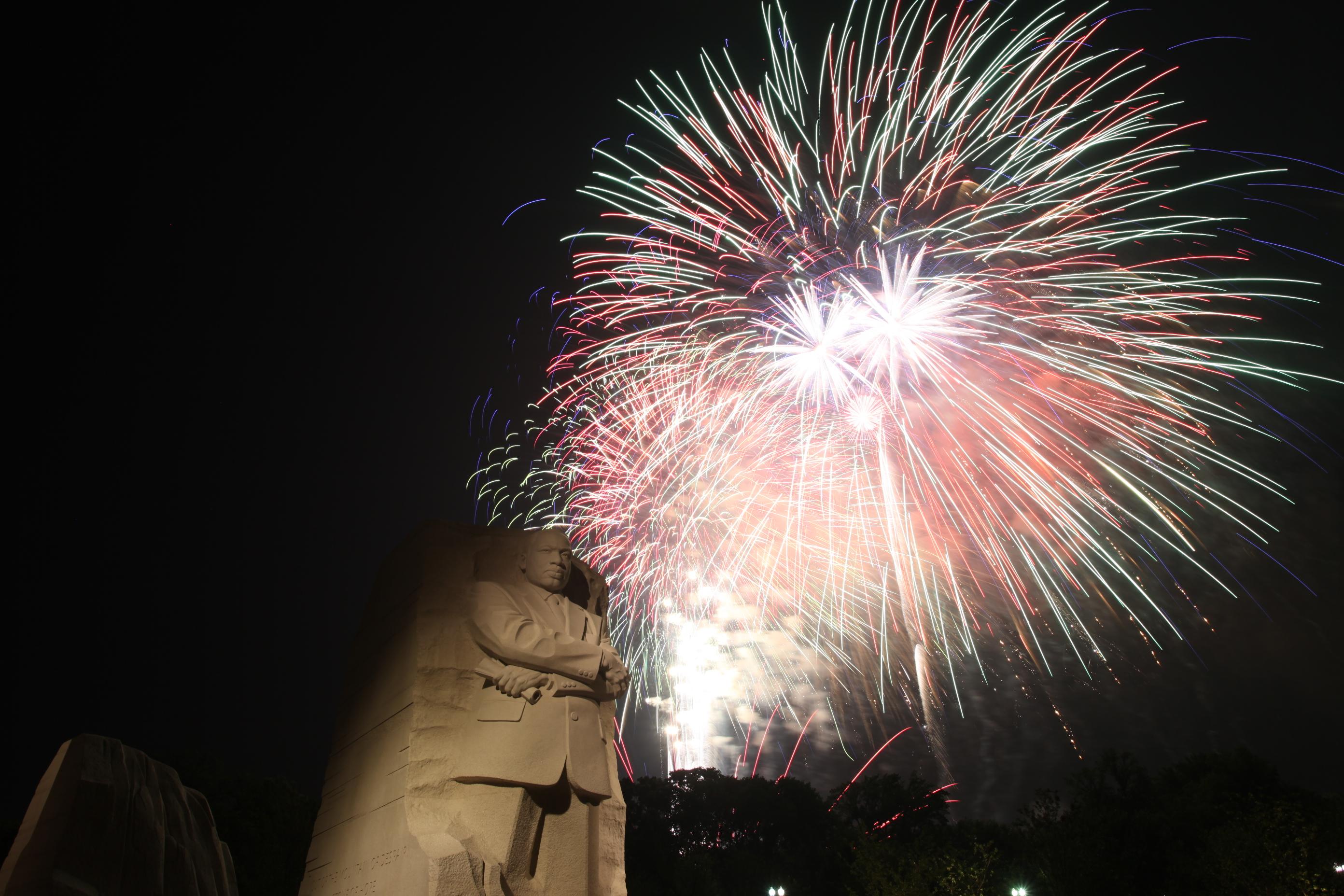
This memorial rewards a two-part visit. Start with a self-guided walk along the inscription wall, where Dr. King's words appear in sequence. Follow up with a ranger-guided tour; this provides essential historical context beyond the carved stones. For families, the Junior Ranger Program offers younger visitors structured engagement with civil rights themes. This makes the site one of the more kid-accessible memorial stops on the Mall. The park store and bookstore offer substantive civil rights literature and educational materials, not just souvenirs. The memorial is always open. Consider an evening visit. Crowds thin after dark, and the lighting creates a different mood.
Best for
This memorial is best suited for history enthusiasts, educators, families with school-aged children, and those undertaking a focused study of the National Mall's memorial landscape. It pairs naturally with the nearby Lincoln Memorial. Visitors seeking outdoor recreation, extensive hiking, or a broad park experience should consider this a brief stop, not a primary destination.
Best season
Spring, notably April and early May, presents the optimal visiting window. Temperatures average a comfortable mid-60s, coinciding with the peak bloom of the Tidal Basin cherry blossoms directly adjacent to the memorial. Summer's heat and humidity frequently render the open granite plaza uncomfortable by midday. Fall provides pleasant temperatures alongside fewer crowds. Winter visits remain viable; the site is always open. Dress appropriately for winds off the Tidal Basin during colder months.
The high points
- The 30-foot Stone of Hope granite sculpture, one of the largest memorial figures on the National Mall
- The curved inscription wall featuring carved quotes drawn directly from Dr. King's speeches and writings
- Ranger-led guided tours that place the memorial within the broader arc of the civil rights movement
- Junior Ranger Program activities designed to engage children with civil rights history in a structured way
- The park bookstore, stocked with substantive civil rights titles beyond typical souvenir fare
- After-dark access when the site is quieter and the stone is lit differently than in full daylight
Know before you go
Admission is free, and the grounds are open all day. Restrooms close evenings. For those already on the National Mall, no personal vehicle is required. Ranger-guided tours are available, but schedules fluctuate seasonally and with staff availability; confirm directly with the park. This park suits the pedestrian explorer.
One more thingCheck the ranger tour schedule before arrival. A guided experience adds historical depth beyond the inscription wall. Tours fill quickly on busy spring weekends, especially near the cherry blossom peak.