Is Marsh - Billings - Rockefeller National Historical Park worth your trip?
Marsh-Billings-Rockefeller presents a compelling case study in conservation.
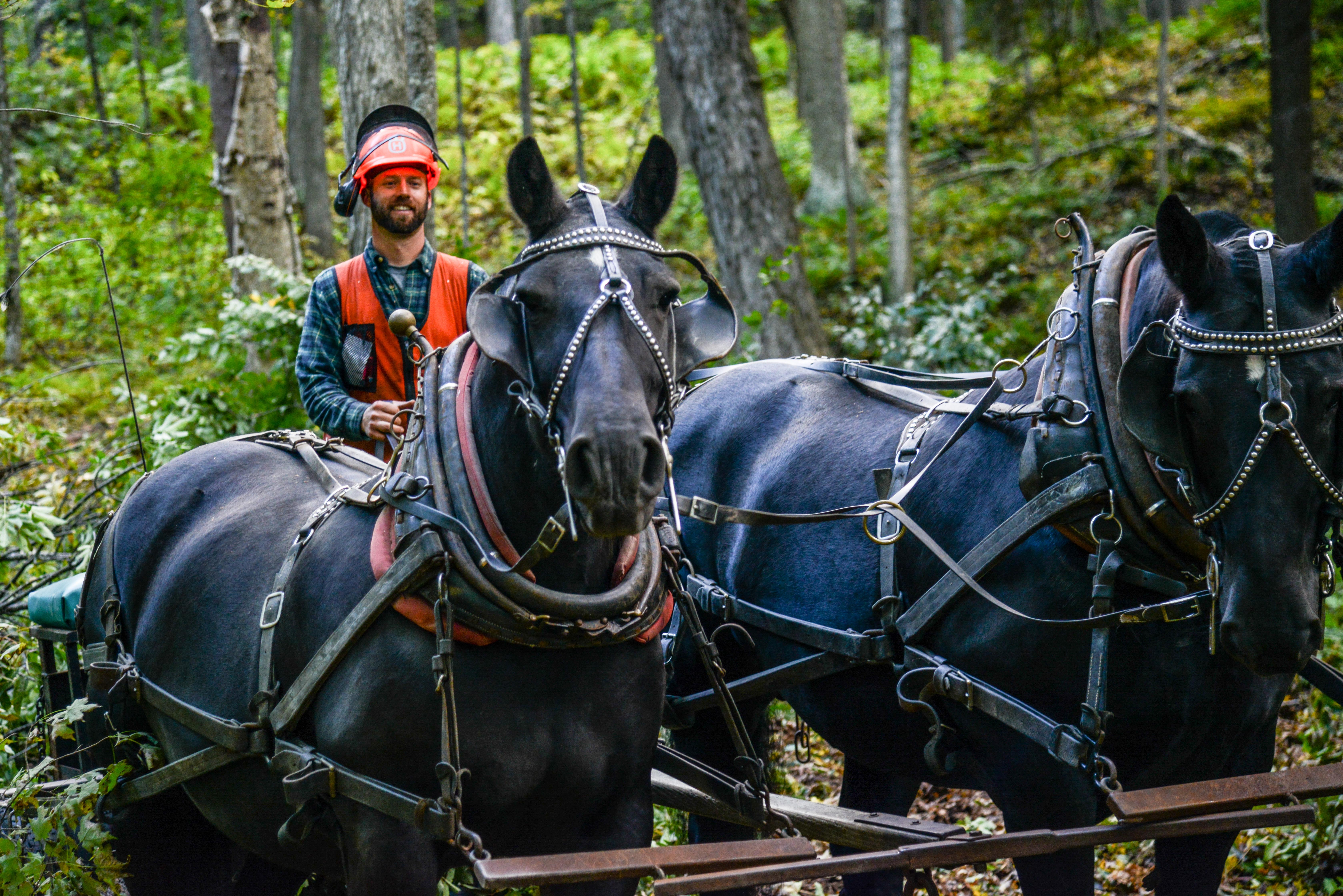
Located in Woodstock, Vermont, this NPS unit protects the nation's oldest continuously managed scientific forest, reflecting a continuous conservation effort since the 19th century. The property offers 20 miles of carriage roads and hiking trails within Mount Tom Forest. Its cultural programming includes guided mansion tours, craft demonstrations, live music, and Carriage Barn museum exhibits. With a $0 entrance fee and four-season trail access, the unit remains highly accessible. This is not a park defined by grand geological features. It specifically caters to those interested in conservation history, sustainable forestry, and the narrative of land stewardship. For this audience, its offerings are substantial.
Why go
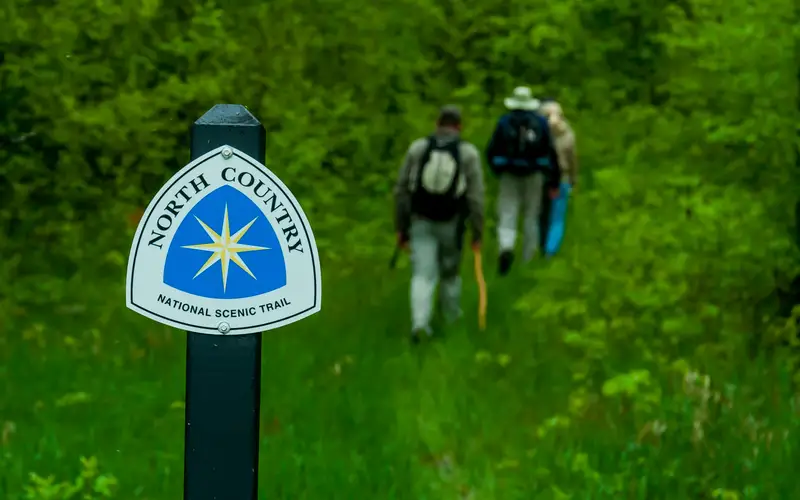
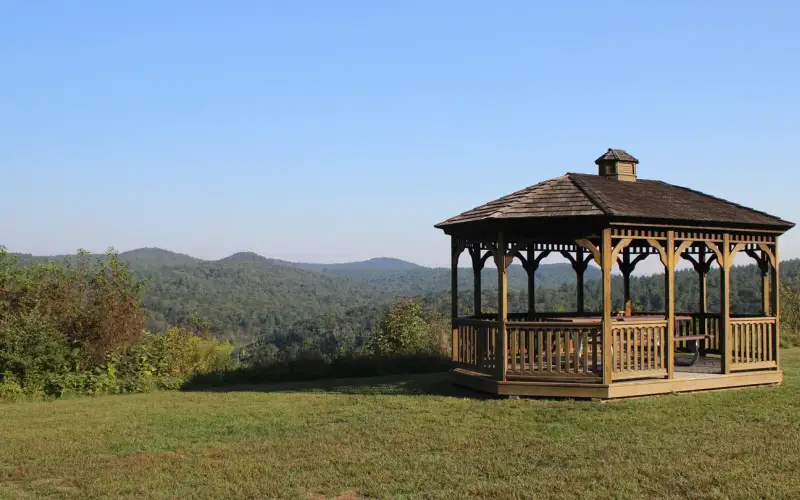
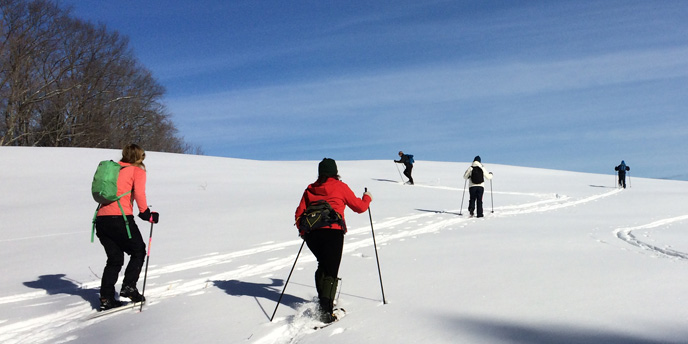
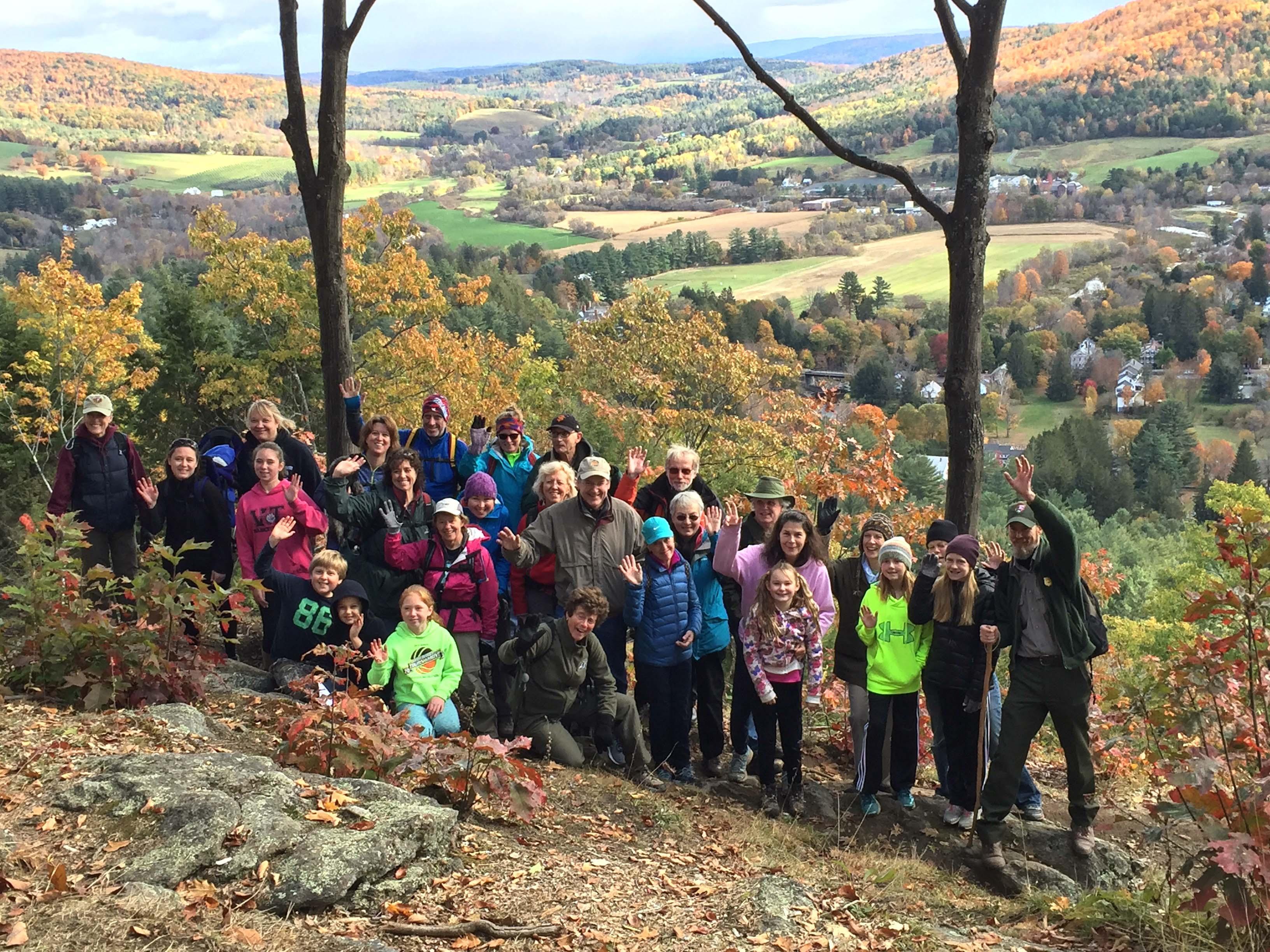
Mount Tom Forest offers a well-rounded experience, primarily catering to those seeking accessible outdoor activity and educational programming. The carriage roads provide pleasant front-country hiking, suitable for all fitness levels and requiring no specialized gear. These paths transition seamlessly to cross-country skiing and snowshoeing in winter months. The Carriage Barn Visitor Center enhances the visit with guided tours, hands-on programs, and citizen science opportunities. Cultural demonstrations provide additional context. The forested hillsides support documented birdwatching and wildlife viewing. Beyond the trails, the park integrates with the broader Woodstock, Vermont, visitor experience, offering picnicking facilities, a bookstore, and a park store. Live music and arts events further enrich the programming. This unit easily fills a half-day and can occupy a full day across all seasons.
Best for
This park delivers for history-minded visitors and conservation enthusiasts alike. Families with children benefit from the Junior Ranger program and ample hands-on activities. It offers four-season outdoor access in a classic Vermont setting. Hikers, cross-country skiers, and birdwatchers will all find documented reasons to visit. Those seeking dramatic wilderness scenery or backcountry adventure should consider other Vermont destinations.
Best season
The operating season, from late spring through early fall, presents the fullest experience. The Carriage Barn maintains a Thursday through Monday schedule, and guided tours are regularly available. Summer temperatures in the Woodstock area, typically ranging from the 60s to low 80s, are quite comfortable for outdoor activity. Vermont's fall foliage transforms carriage road walks into a visually exceptional experience. Winter delivers legitimate cold-weather recreation; the trail network is open for cross-country skiing and snowshoeing. However, confirming visitor center hours is advisable for any winter visit.
The high points
- Hiking and equestrian use across 20 miles of historic carriage roads and forest trails
- The oldest continuously managed scientific forest in the United States on Mount Tom
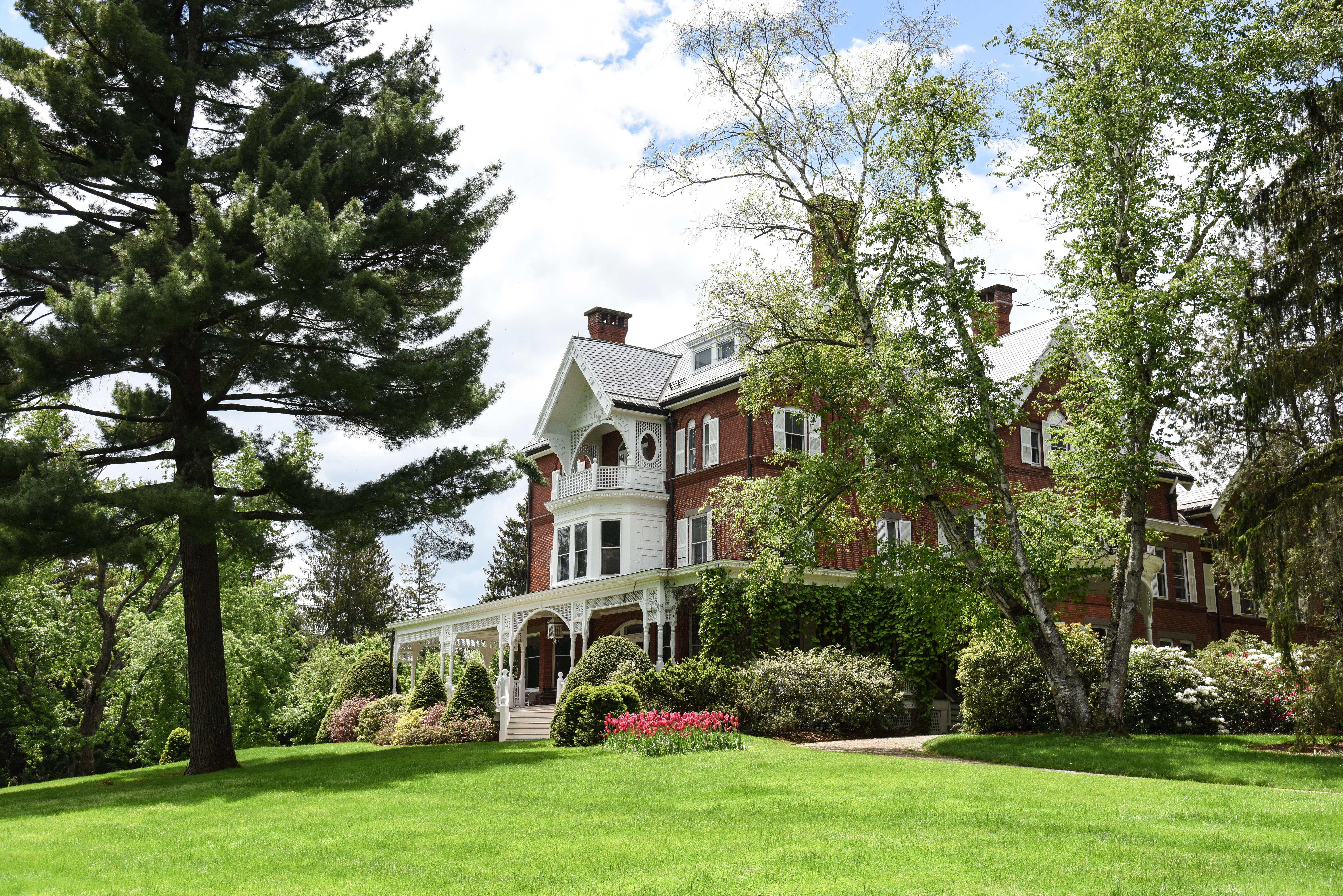
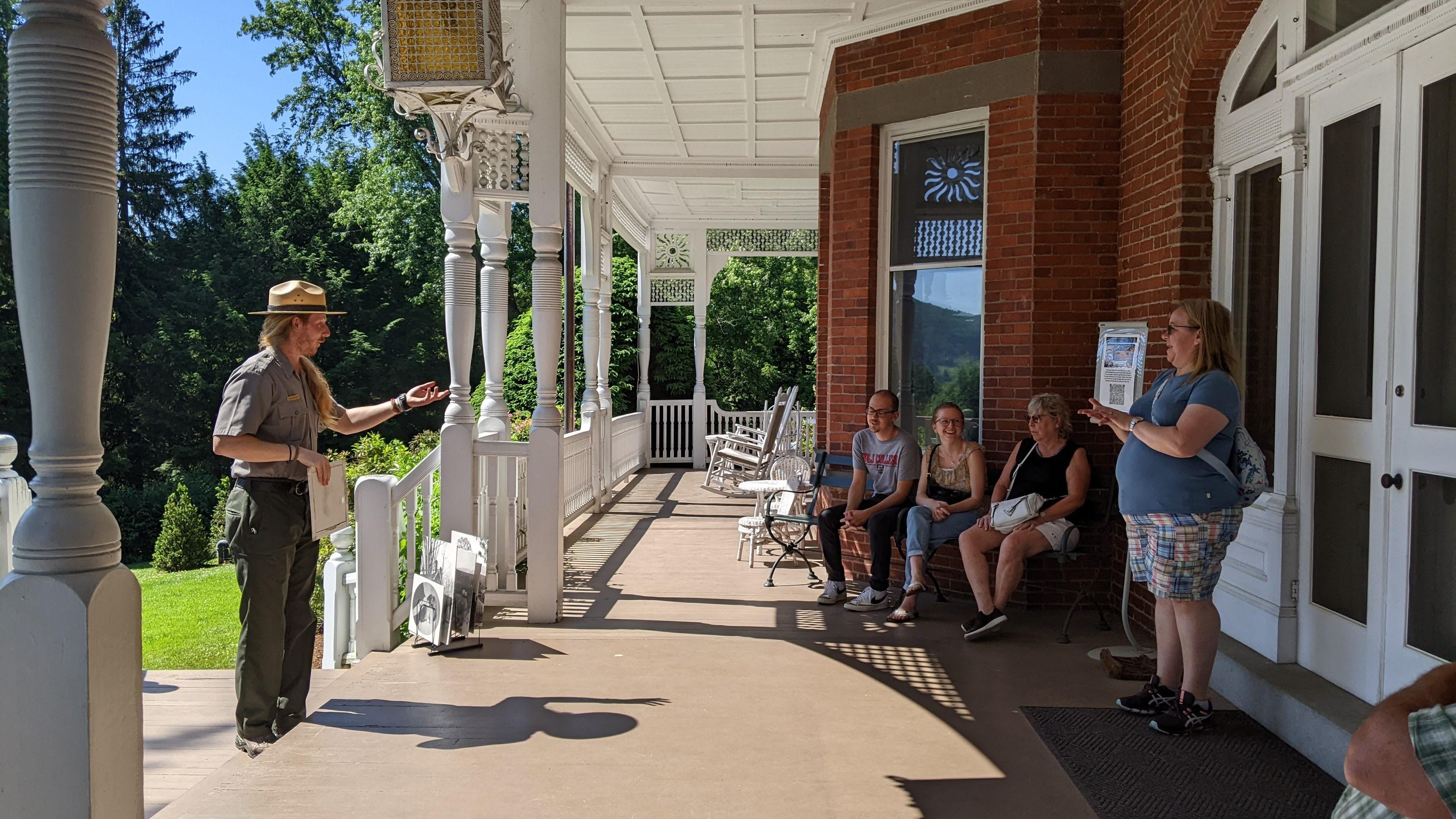
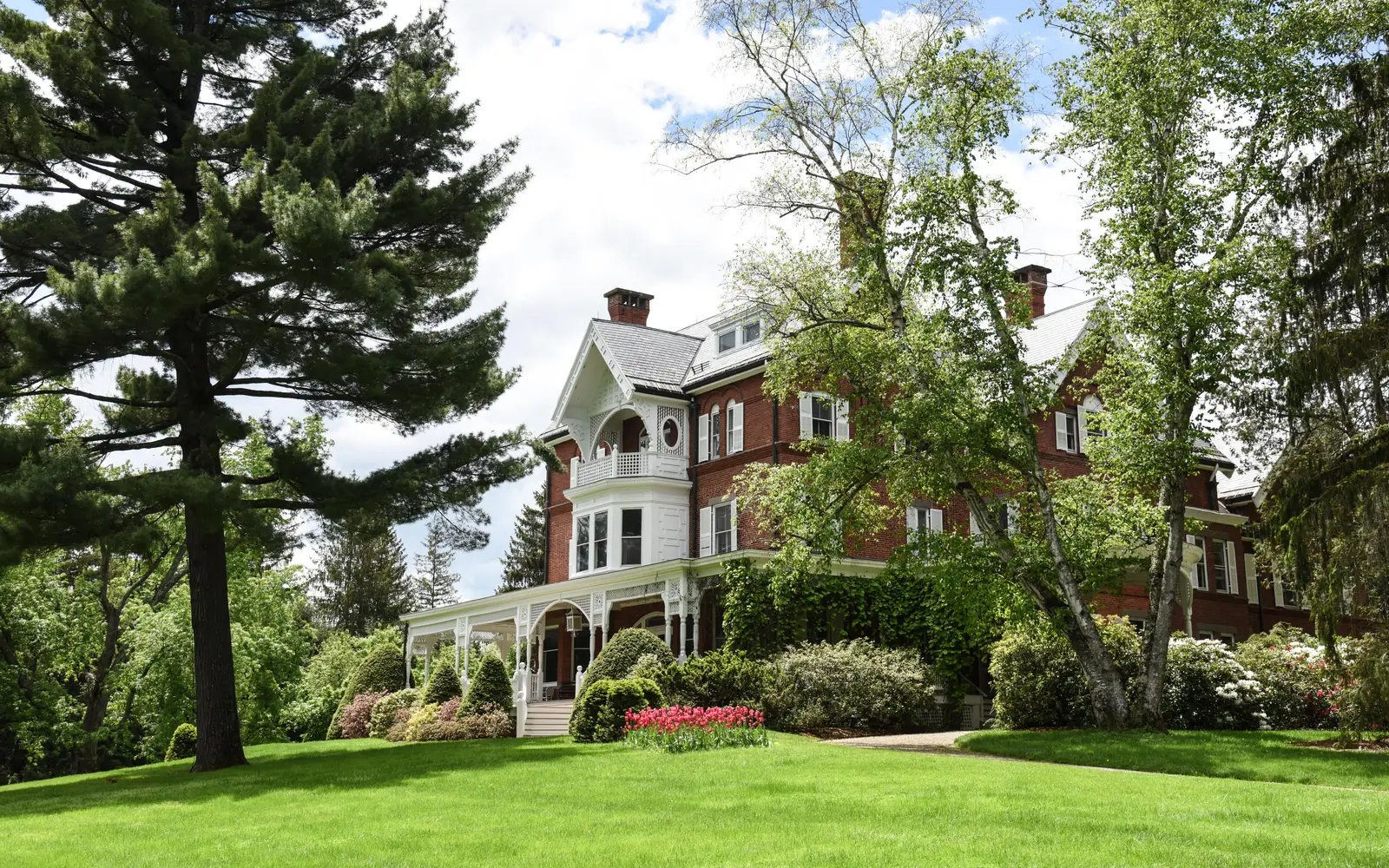
- Guided tours contextualizing the park's conservation history and the families who shaped it
- Four-season trail access including cross-country skiing, snowshoeing, and snow play
- Craft and cultural demonstrations, live music, and hands-on programming at the Carriage Barn
- Birdwatching and wildlife watching in a forested Vermont hillside setting
Know before you go
Entrance to this park unit is free. The Carriage Barn Visitor Center operates Thursday through Monday, 10 a.m. to 5 p.m., beginning the week of Memorial Day. Those arriving on Tuesday or Wednesday will find full trail access, but the visitor center, along with all tours and demonstrations, will be closed. Plan activities requiring staff interaction or guided experiences within the Thursday to Monday operational window.
One more thingSuccessful visits here hinge on planning. Consult the NPS site for tour schedules, as programming varies seasonally. The most efficient way to engage with both the landscape and its conservation narrative is to pair a morning carriage road walk with an afternoon guided mansion tour.