parkverdict
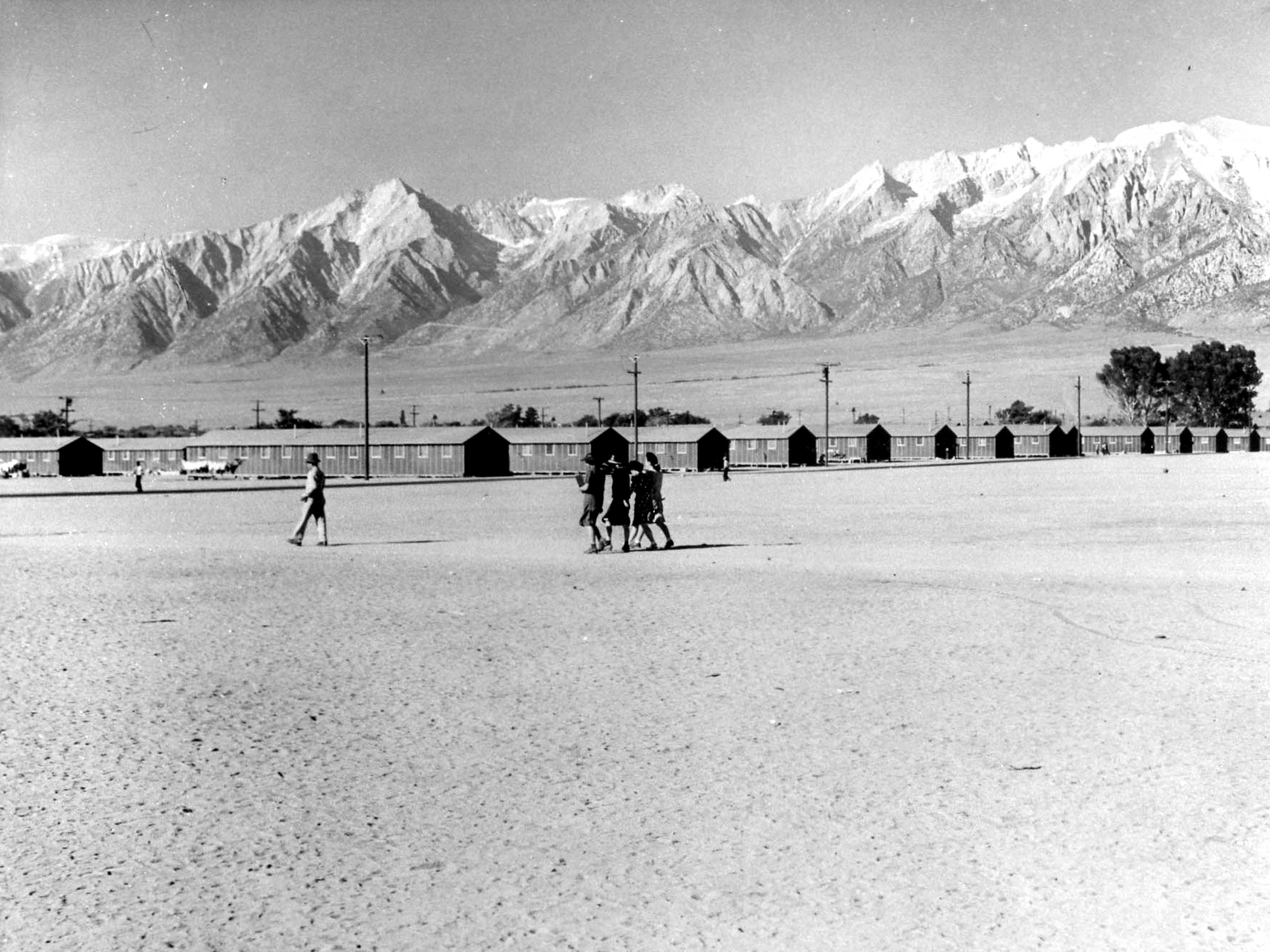
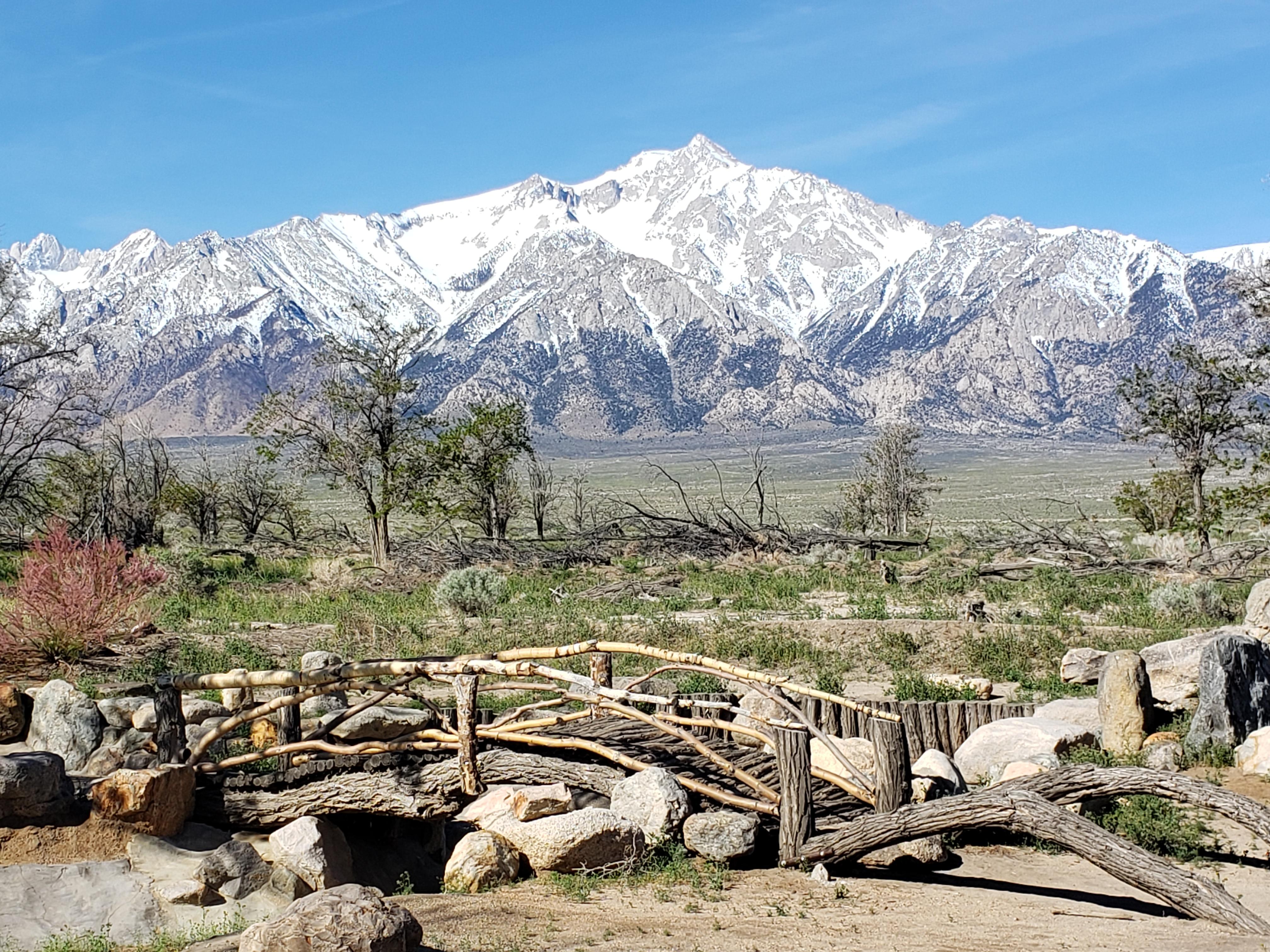
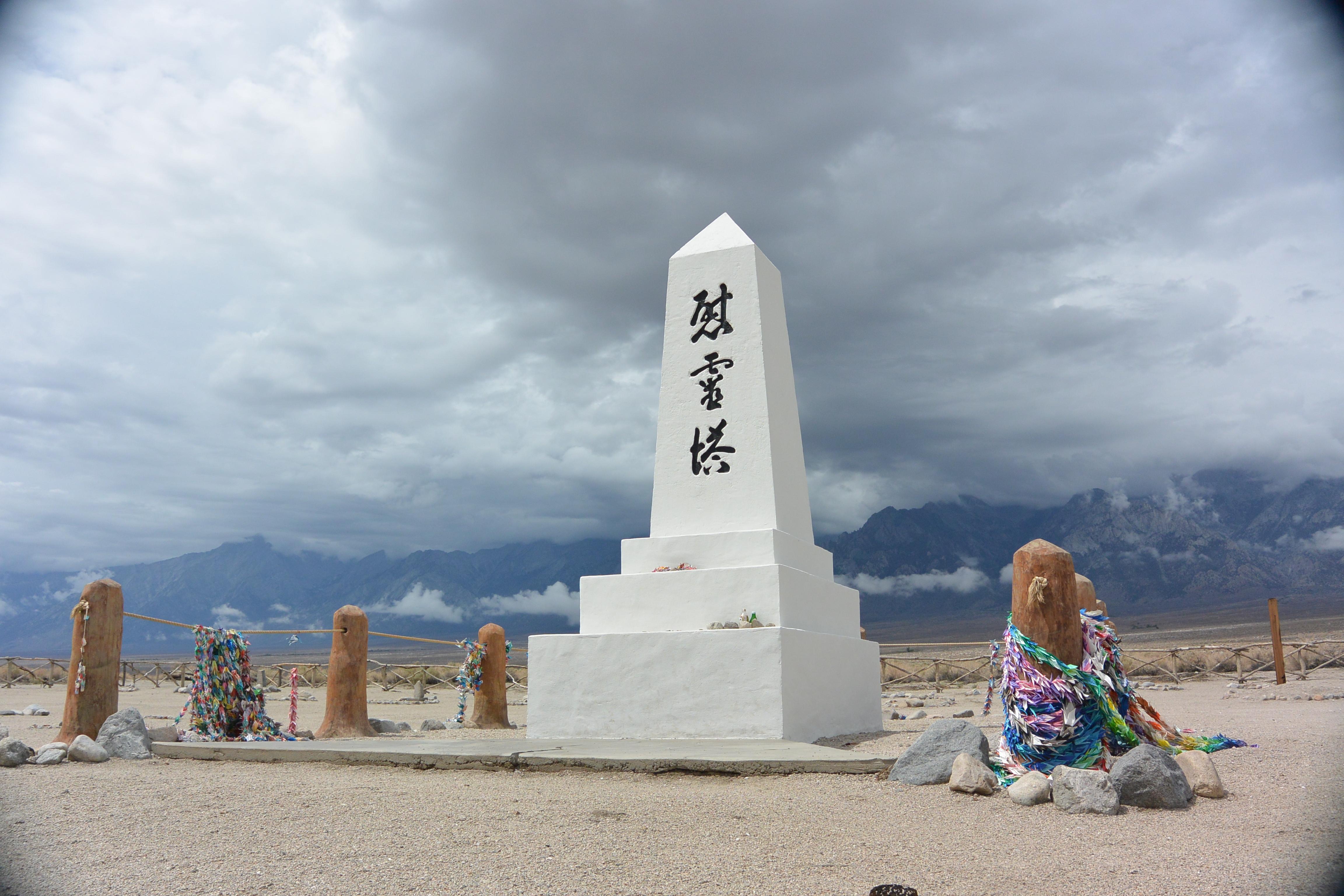
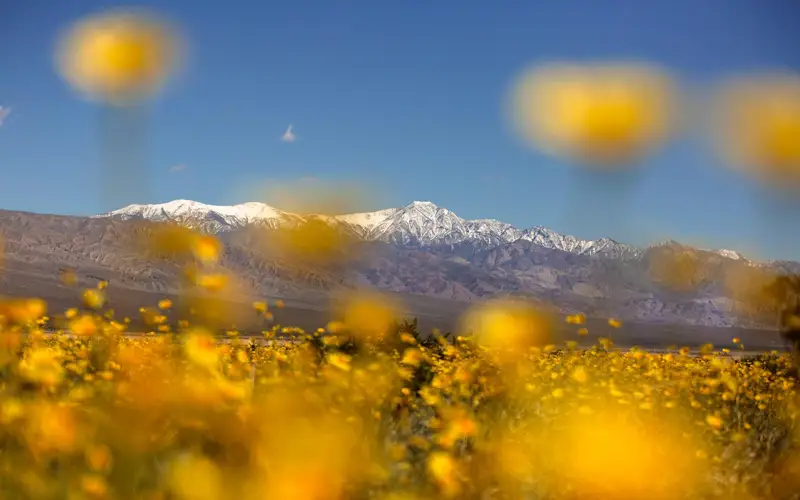
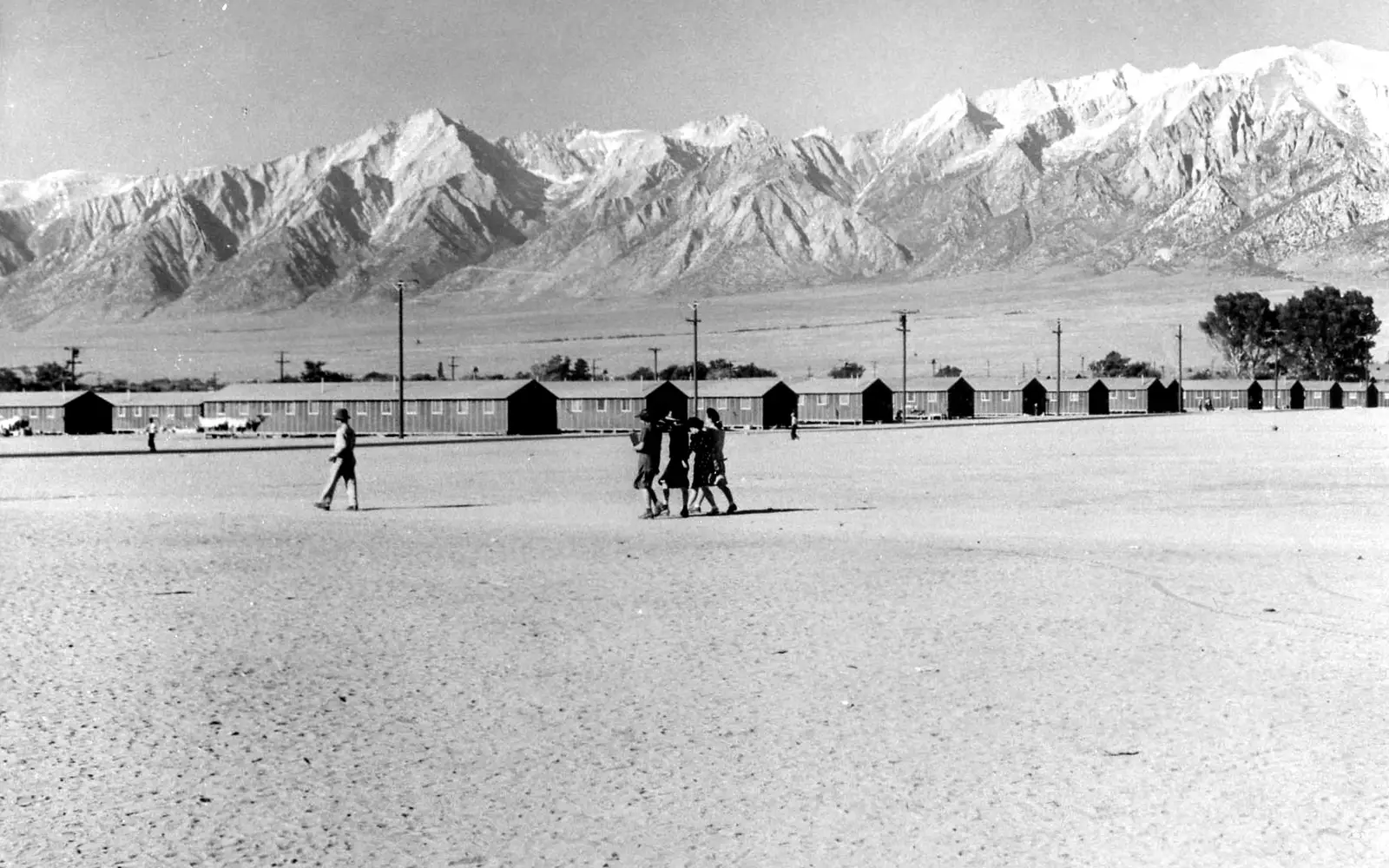
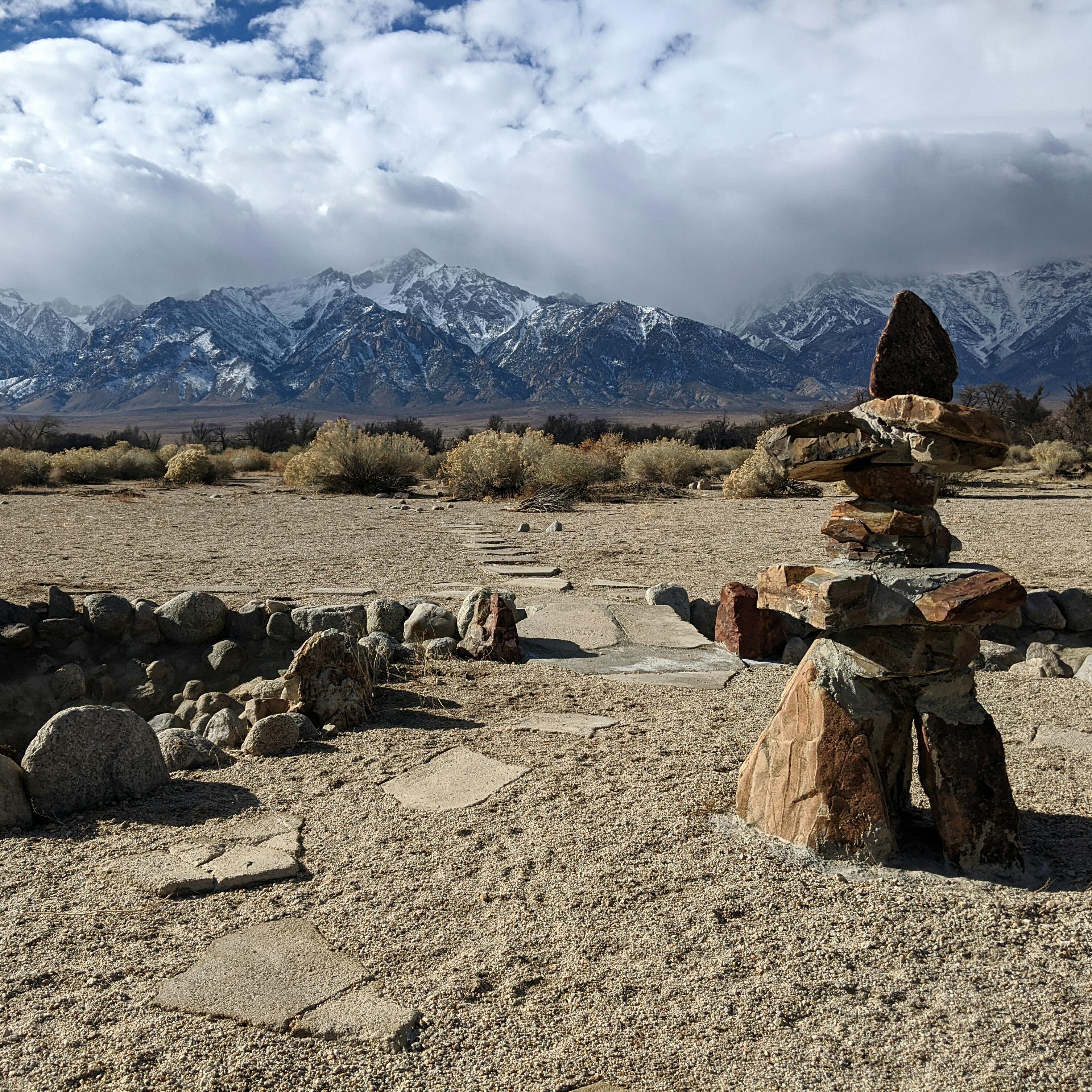
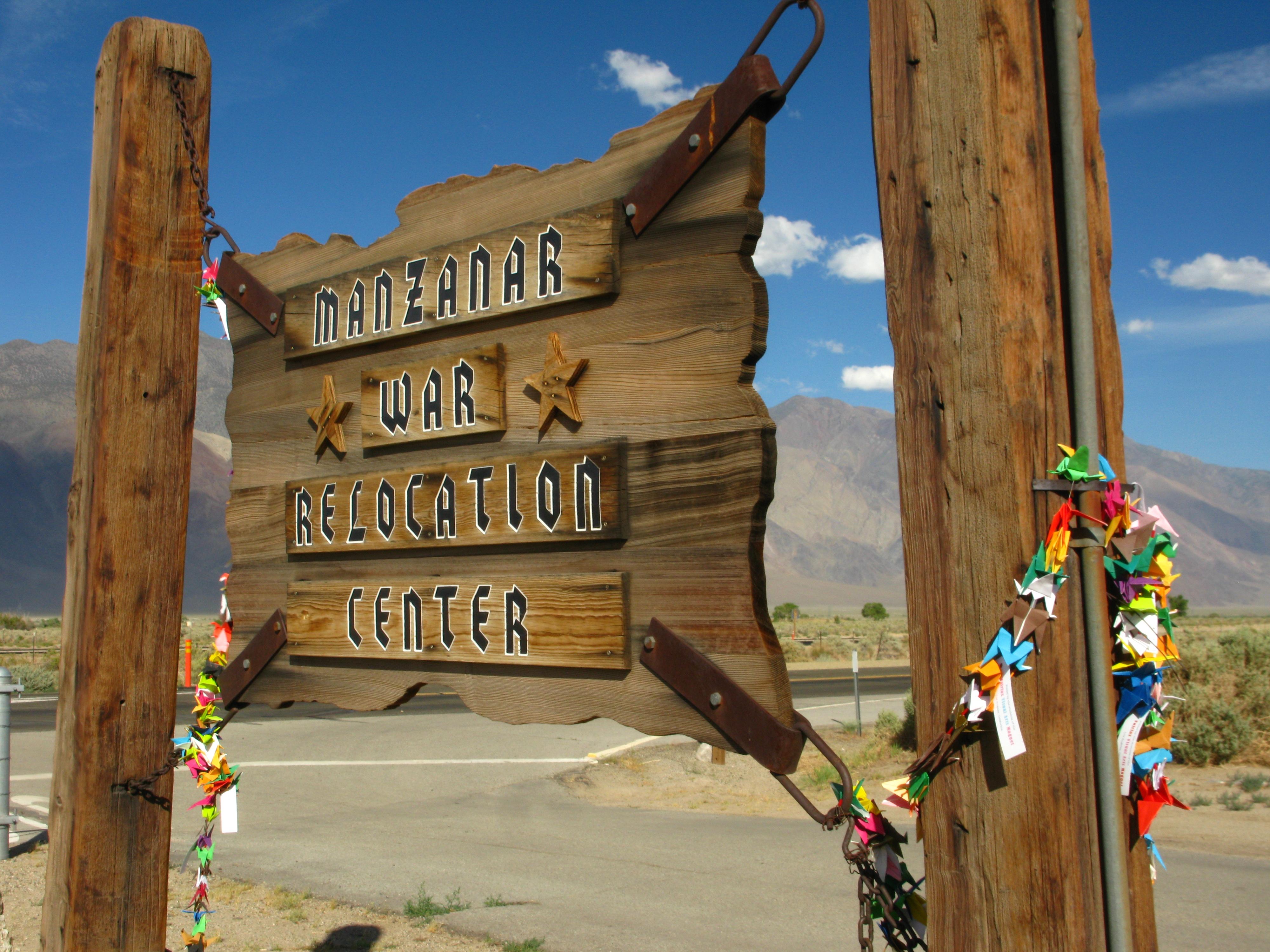
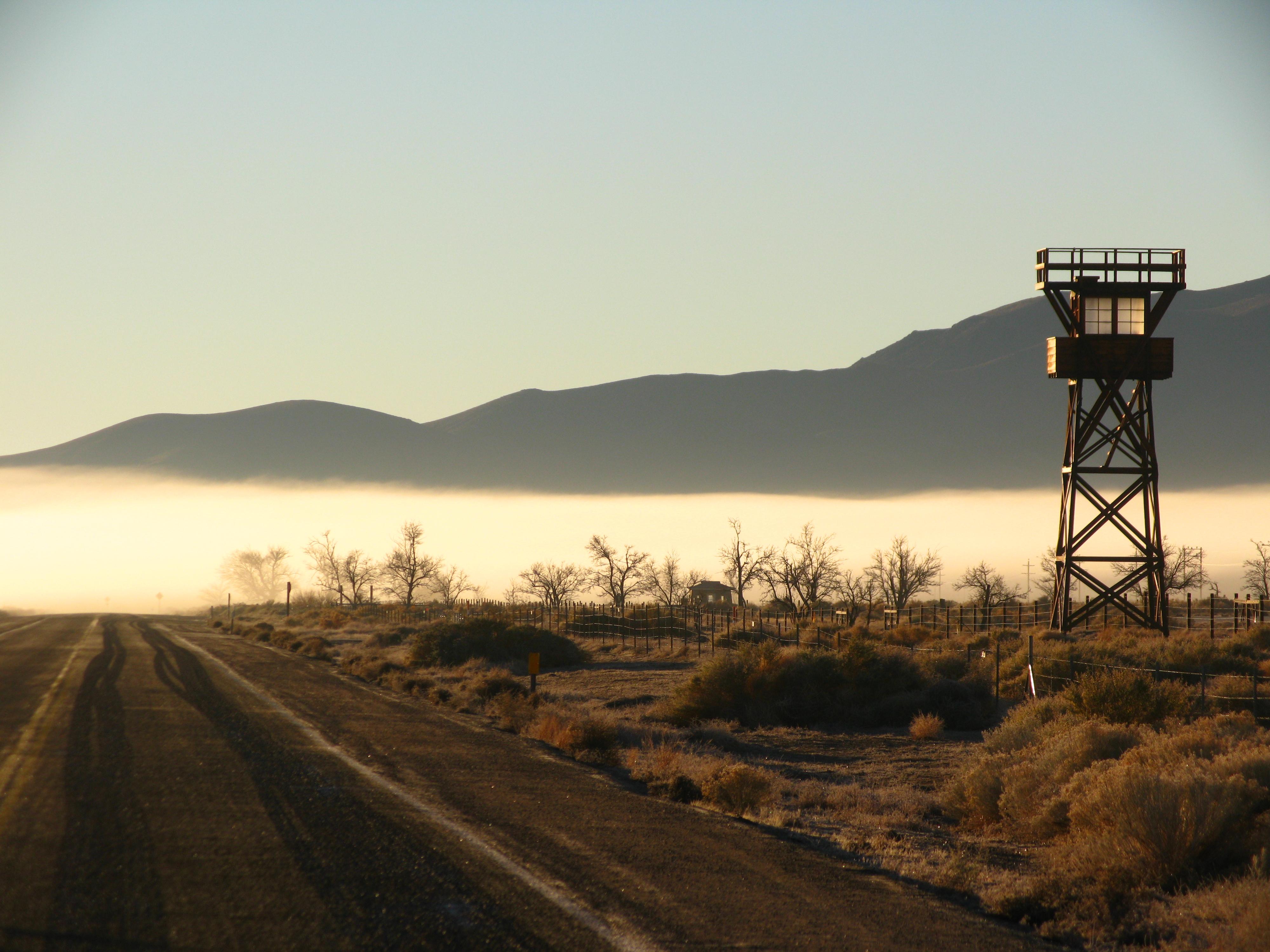
People walk to barracks framed by mountain peaks.Japanese stone lantern with mountains in backgroundWooden sign with "Mananar War Relocation Center" written on itguard tower with fog and hills in background
National Historic SiteCA

Manzanar National Historic Site

NPS / Dorothea Lange
76/ 100WIDE RANGE
parkverdict Experience ScoreIndependent, not sponsored

76 of 100. Our independent breadth-and-access index. How we score

Worth it?

Is Manzanar National Historic Site worth it?

Manzanar is not a rest stop or a scenic detour.

It sits in the flat Owens Valley at 4,000 feet, the Sierra Nevada rising hard to the west, and it marks the place where the U.S. government forcibly incarcerated more than 10,000 Japanese immigrants and Japanese American citizens during World War II. A well-produced park film, serious museum exhibits, and a self-guided auto tour of the mostly bare grounds all work together to convey both how large the injustice was and how much the people imprisoned here endured. The place is sobering on purpose. It asks something of you, and that is not a selling point so much as fair warning. This is not a trailhead or a photo opportunity. For anyone willing to show up for what it actually is, it belongs on any California road trip itinerary, and since admission is free, there is no real reason to skip it.

The case for it

Start at the visitor center. The exhibits and the park film give you enough background that the self-guided walking and auto tour actually land. Without that context, you are just wandering a flat, largely empty landscape with no real sense of what you are looking at. Once you understand what 110,000 displaced lives looked like at scale, the barracks, guard posts, and cemetery monument still standing on the grounds stop being old structures and start meaning something. If you want to linger, the surrounding high desert is good for birdwatching and wildlife watching, a quieter way to spend time in a place that rewards patience. Families with children can use the junior ranger program to work through difficult history at a pace that fits younger visitors. Picnicking on the grounds is permitted. It feels a little strange given what happened here, but sitting with the place for a while is its own kind of engagement.

Who it is for

History-minded travelers, educators, and families hoping to teach children about civil liberties and wartime policy will find this worthwhile. Road cyclists passing through the Owens Valley along U.S. 395 may want to add it as a natural stop. If trails, dramatic scenery, or outdoor adventure top your list, look elsewhere.

Best time to visit

Spring and fall are the most comfortable times to visit, with mild temperatures and decent light across the Sierra Nevada. Summer heat regularly breaks 100 degrees on the open grounds, which makes early morning your only realistic window for spending time outside. Winter highs in the 40s are workable, since most of what matters at the site happens inside the visitor center anyway. Regardless of the season, temperatures fall sharply after dark.

Worth seeing

  • Museum exhibits documenting the forced removal and daily life of incarcerees, grounded in personal accounts and artifacts
  • Park film providing essential historical context before you walk the grounds
  • Self-guided auto tour covering the full extent of the former relocation center
  • The cemetery and monument, one of the few original structures still standing on site
  • Birdwatching in the high desert Owens Valley setting, with the Sierra Nevada as backdrop
  • Junior Ranger Program that engages kids directly with civil liberties themes

Before you visit

Admission is free, and the auto tour road and grounds stay open every day from sunrise to sunset. The visitor center, with its film and exhibits, runs on shorter hours, so it's worth checking those before you make the drive. The site sits right on U.S. 395, which makes it an easy stop to work into a longer Eastern Sierra road trip. There's no food on site, just a bookstore and a park store.

Our tipSee the park film before you set foot on the grounds. The landscape is deliberately spare, and without that context, the open fields and scattered structures can leave you feeling a bit lost. The film is what ties the geography together.

How we scored it

Why Manzanar National Historic Site scores 76

We keep the math boring on purpose. The same handful of public-data inputs, capped so none of them dominates, decide every score. What they measure is breadth and access, not beauty and not crowd levels. For Manzanar National Historic Site, they shook out like this:

  • Activity breadth15 documented activities
  • Topic breadth31 topics
  • Official imagery6 public-domain images
  • Camping on sitenone recorded
  • Entry costfree

No number is hand-adjusted and no unit pays for placement. The full weights, the floor at 18 and a worked example are on how we score.

The honest limits

What the score cannot tell you

A quick honest note. The score tracks how much a place has going on and how easy it is to reach, both pulled from public records. What it cannot see is the stuff that often makes or breaks a day: whether the views stop you cold, how packed it gets in season, what the trails are like after rain, or whether you catch a great ranger talk. A small, single-focus site can land below a sprawling park here and still be the better call for your trip. Use the number to compare what places offer on paper, and the verdict up top to tell if it is your kind of place.

Background

The short version

In 1942, the United States government forced more than 110,000 men, women, and children from their homes and confined them in remote, military-style camps. Manzanar War Relocation Center was one of ten such camps, where Japanese immigrants who had been barred from citizenship were imprisoned alongside Japanese American citizens during World War II.

On documented breadth and access, Manzanar National Historic Site ranks 20th of 45 park and public-land units we score in California.

What the seasons are like

Manzanar sits in the Owens Valley at 4,000 feet, pressed against the eastern base of the Sierra Nevada. Rain is scarce, yet the site goes through four distinct seasons. Summer heat pushes past 100 degrees, and winter daytime highs stay in the 40s. Whatever the season, nights drop 30 to 40 degrees below the daytime high. Strong winds can tear through at any time of year.

What you can do

Activities

BikingRoad BikingFoodPicnickingGuided ToursSelf-Guided Tours - WalkingSelf-Guided Tours - AutoBus/Shuttle Guided TourJunior Ranger ProgramWildlife WatchingBirdwatchingPark FilmMuseum ExhibitsShoppingBookstore and Park Store
Common questions

Manzanar National Historic Site: quick answers

Is Manzanar National Historic Site worth visiting?

Manzanar is not a rest stop or a scenic detour.

Is Manzanar National Historic Site free to visit?

It is free to get in.

What is Manzanar National Historic Site best for?

It leans hardest toward good with kids, wildlife watching, biking, guided tours, going by the 15 activities it actually documents.

When is the best time to visit Manzanar National Historic Site?

Spring and fall are the most comfortable times to visit, with mild temperatures and decent light across the Sierra Nevada.

How is the Experience Score for Manzanar National Historic Site calculated?

The 76 comes straight from public data on how much the place documents and how easy it is to reach, things like activities, topics, photos, camping and whether entry is free. It says nothing about scenery or how busy it gets.