Is Manassas National Battlefield Park worth your trip?
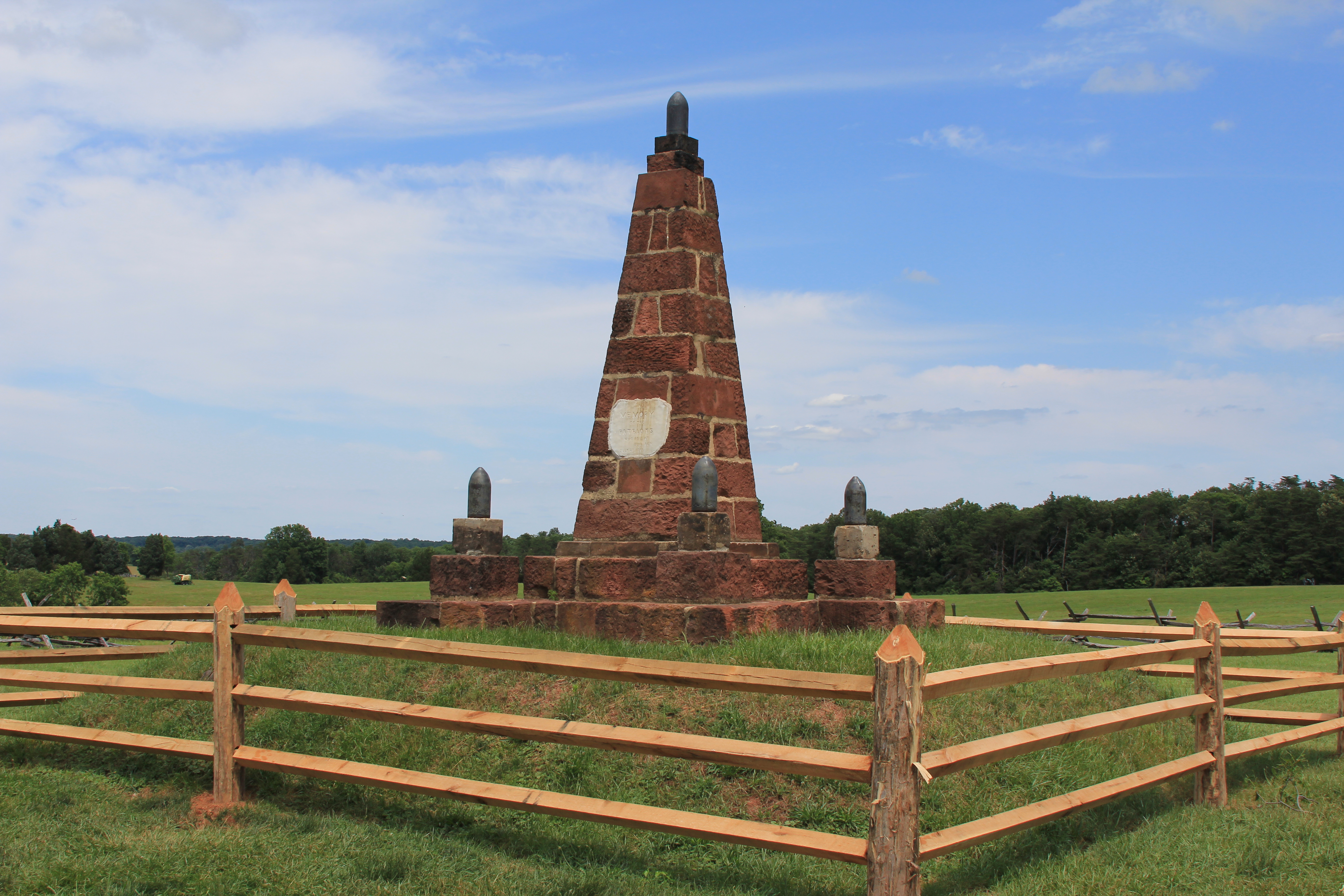
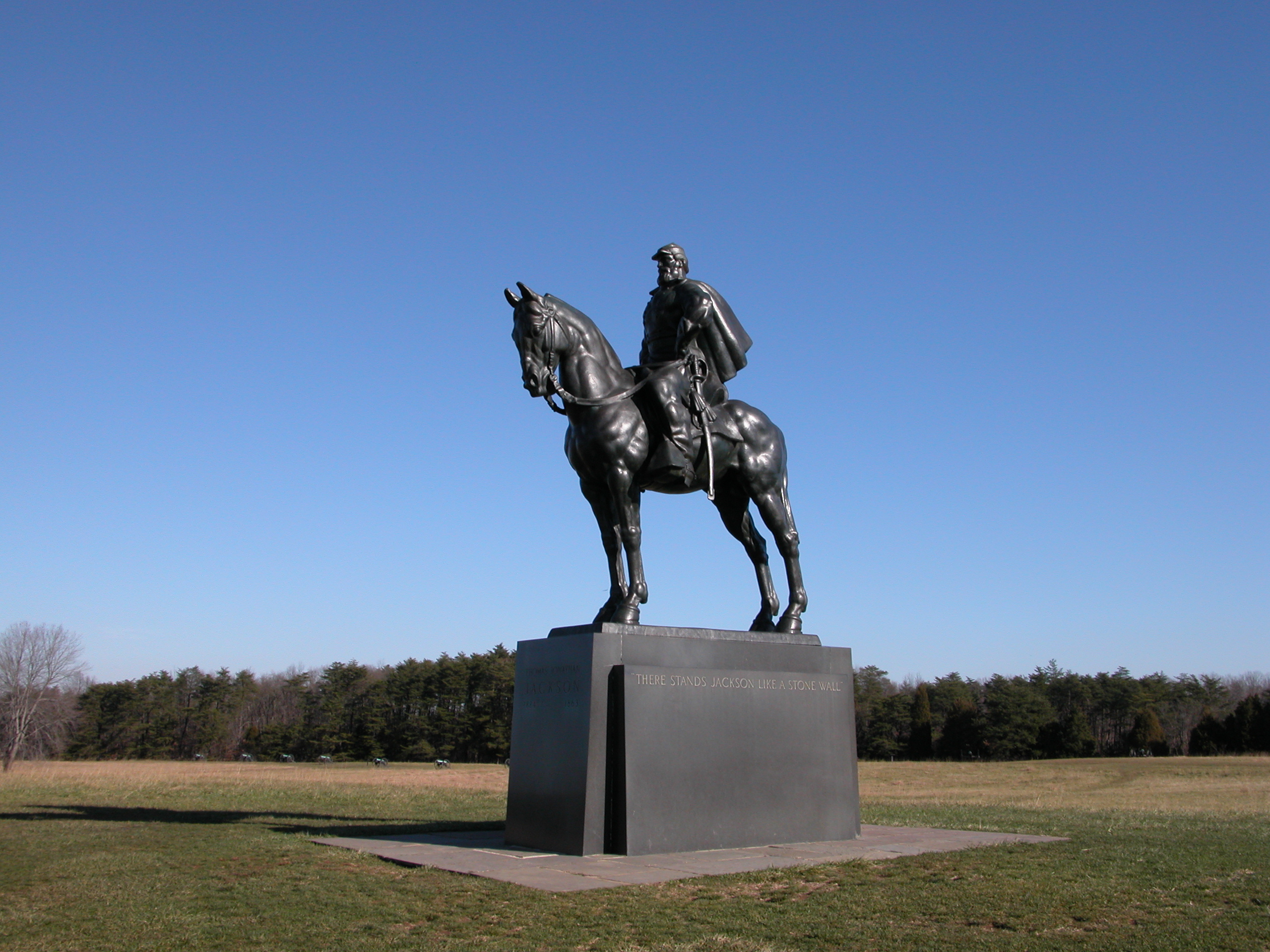
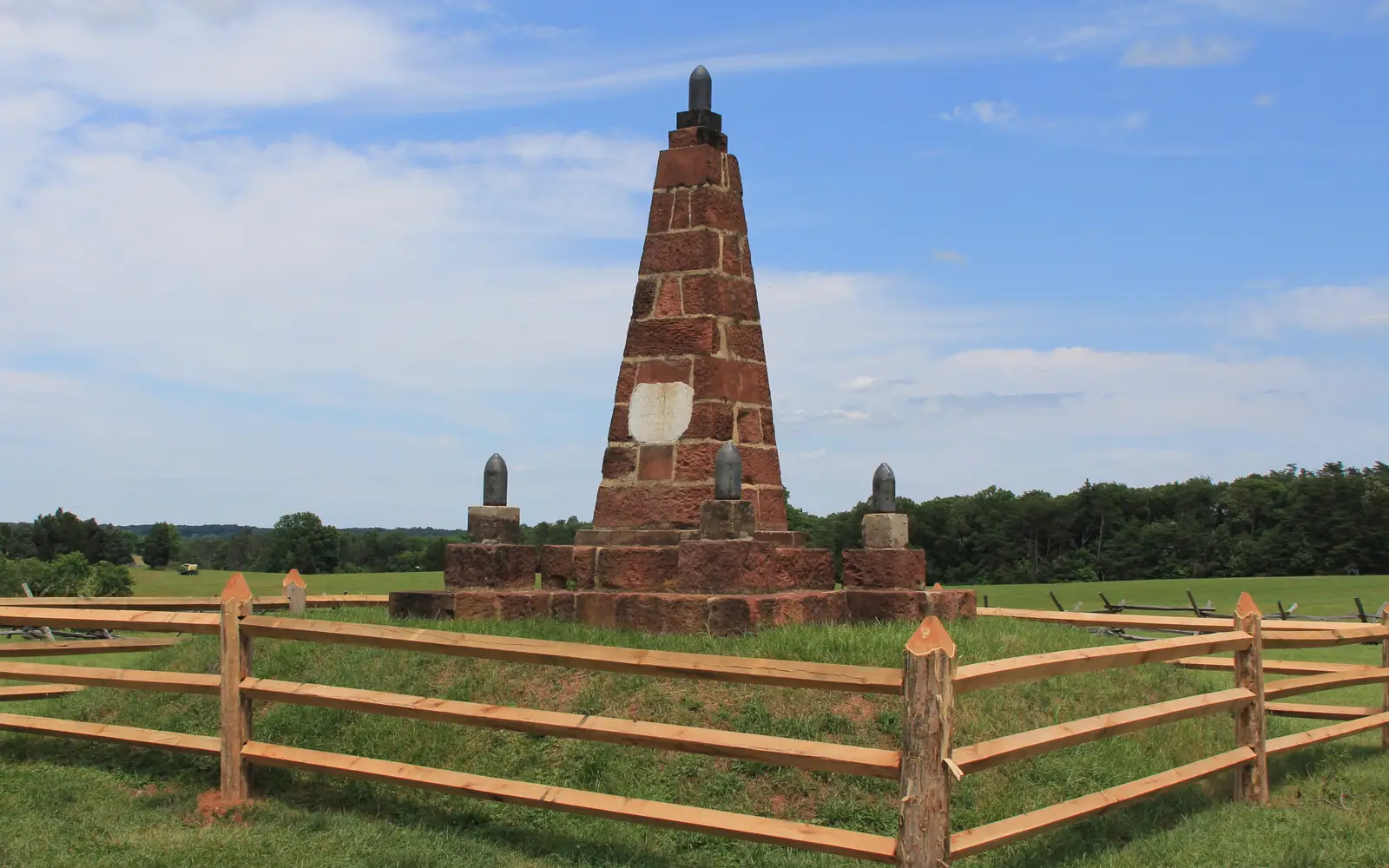
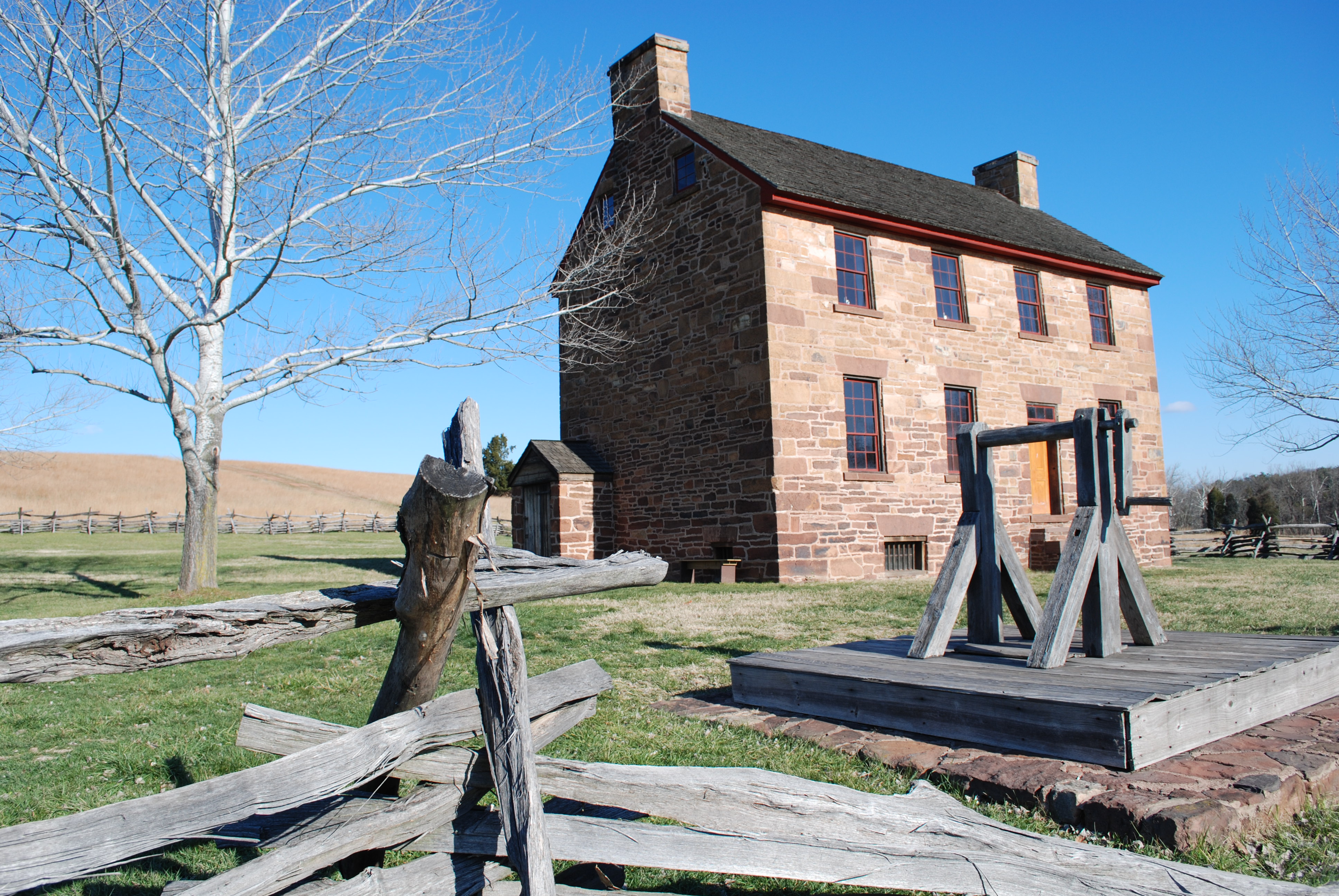
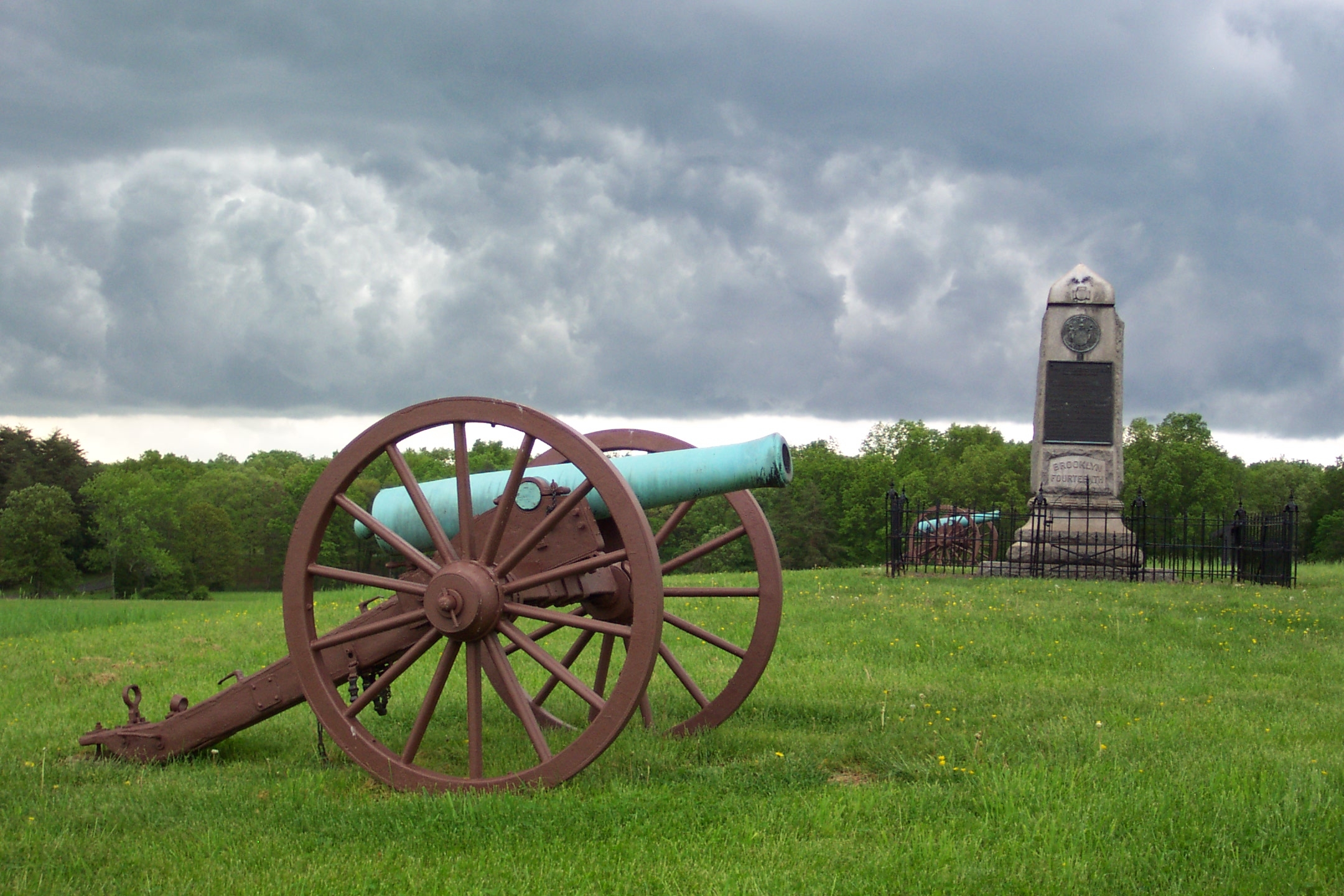
Manassas National Battlefield Park stands as a vital preserver of American history, marking the ground of the Civil War's First and Second Bull Run engagements.
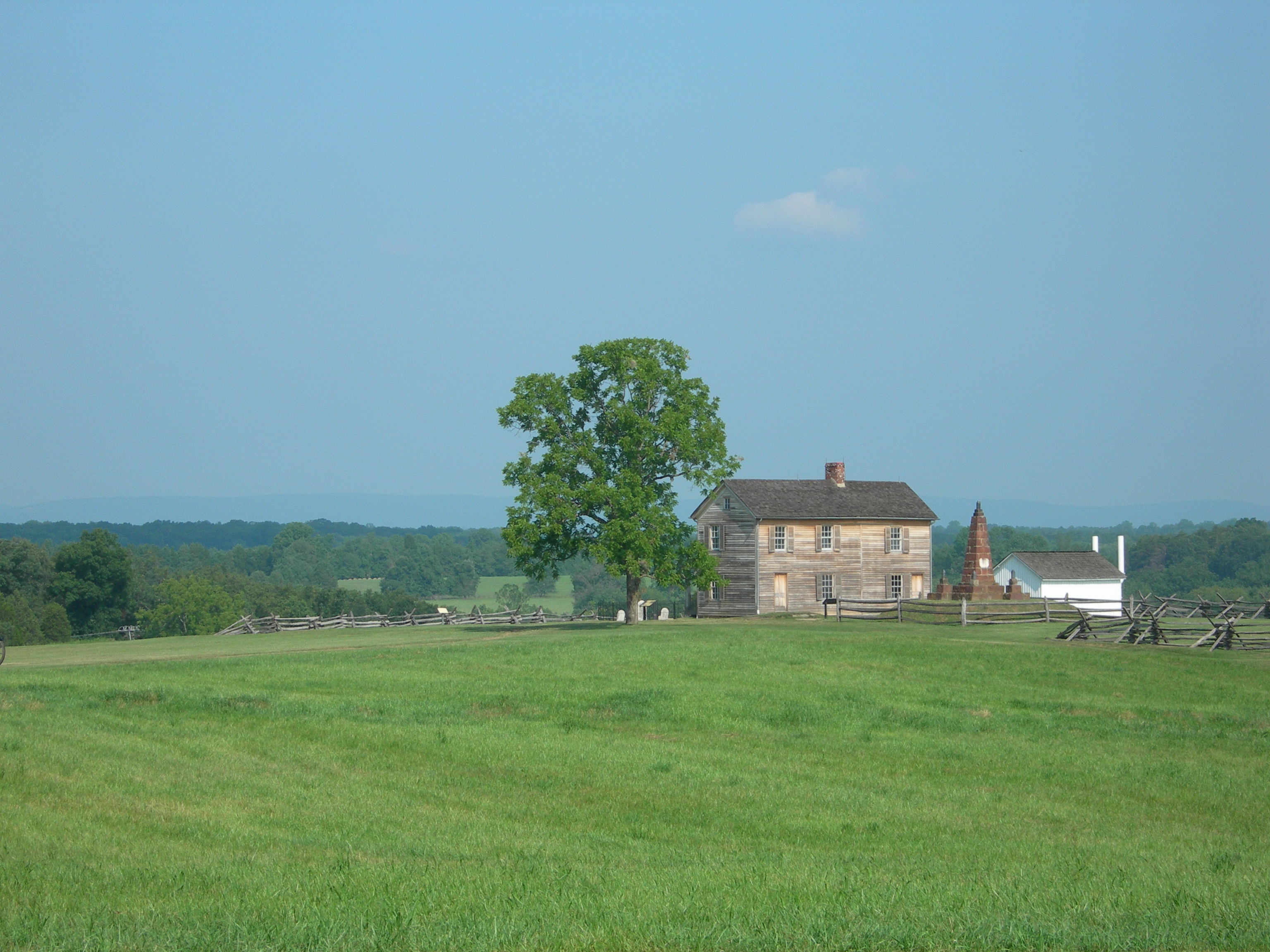
These battles fundamentally reshaped early expectations of the conflict, shifting momentum toward the Confederacy. The park offers a genuinely layered experience, allowing visitors to walk the open farmland and woodlands where these pivotal moments occurred. A park film, museum exhibits, and living history programs provide essential context, bringing the landscape to life. This is not a destination for dramatic natural spectacle; those seeking scenic grandeur will instead find the quiet, rolling Virginia countryside. Its power emerges through an understanding of its past. With free admission, the park accommodates visits ranging from a half to a full day. The combination of hiking trails, guided tours, and family programming broadens its appeal beyond that of a purely monumental site. History enthusiasts will find the park deeply rewarding. Casual visitors, however, will need to engage with the structured interpretation to fully appreciate its profound significance.
Why go
A visit to this park begins logically at its visitor center. The park film and museum exhibits establish the human and tactical history, providing essential context for the landscape. From there, hiking the battlefield connects visitors directly to the ground where the Civil War’s course notably shifted. Guided tours offer professional interpretation, enriching the experience beyond self-guided exploration. The Junior Ranger Program engages families with children, combining educational activities with physical exploration. Horseback riding and horse trekking are genuinely distinctive for a battlefield park, enabling broader coverage of the terrain and echoing cavalry movements across the historic
Best for
Manassas is best suited for those with a keen interest in American military and Civil War history. The structured Junior Ranger and living history programs provide substantial value for families with school-aged children. Hikers and equestrians seeking to blend outdoor recreation with historical immersion will find ample satisfaction. Those prioritizing dramatic natural scenery or wilderness experiences, however, will be better served by other destinations.
Best season
The ideal visiting windows are clear. Spring offers mild temperatures, from the mid-30s to mid-70s, and a green landscape. Fall provides similar conditions and good color. Summer heat and humidity in the upper 80s, with heavy downpours, necessitate early starts. Living history programs concentrate around battle anniversaries in July and August.
The high points
- Walking the actual battlefield fields where First and Second Bull Run were fought
- Museum exhibits and park film that provide essential tactical and historical context
- Guided tours led by park rangers or interpreters
- Living history demonstrations tied to Civil War themes
- Horseback riding and horse trekking across open battlefield terrain
- Fishing along Bull Run creek within the park boundary
Know before you go
Admission is free. The park operates daily from dawn to dusk. Note that visitor center hours are shorter than the park's general operating window. Check current times when planning.
One more thingTo maximize a visit here, time it to a living history weekend. This is particularly true for the July battle anniversaries. These events transform the interpretation from passive to genuinely immersive. The open fields read as a battlefield rather than a mere meadow. Consult the NPS calendar before making travel plans.