Should you visit Lowell National Historical Park?
Lowell National Historical Park offers a substantive urban history experience, centered on the preserved 19th-century mill infrastructure of downtown Lowell, Massachusetts.
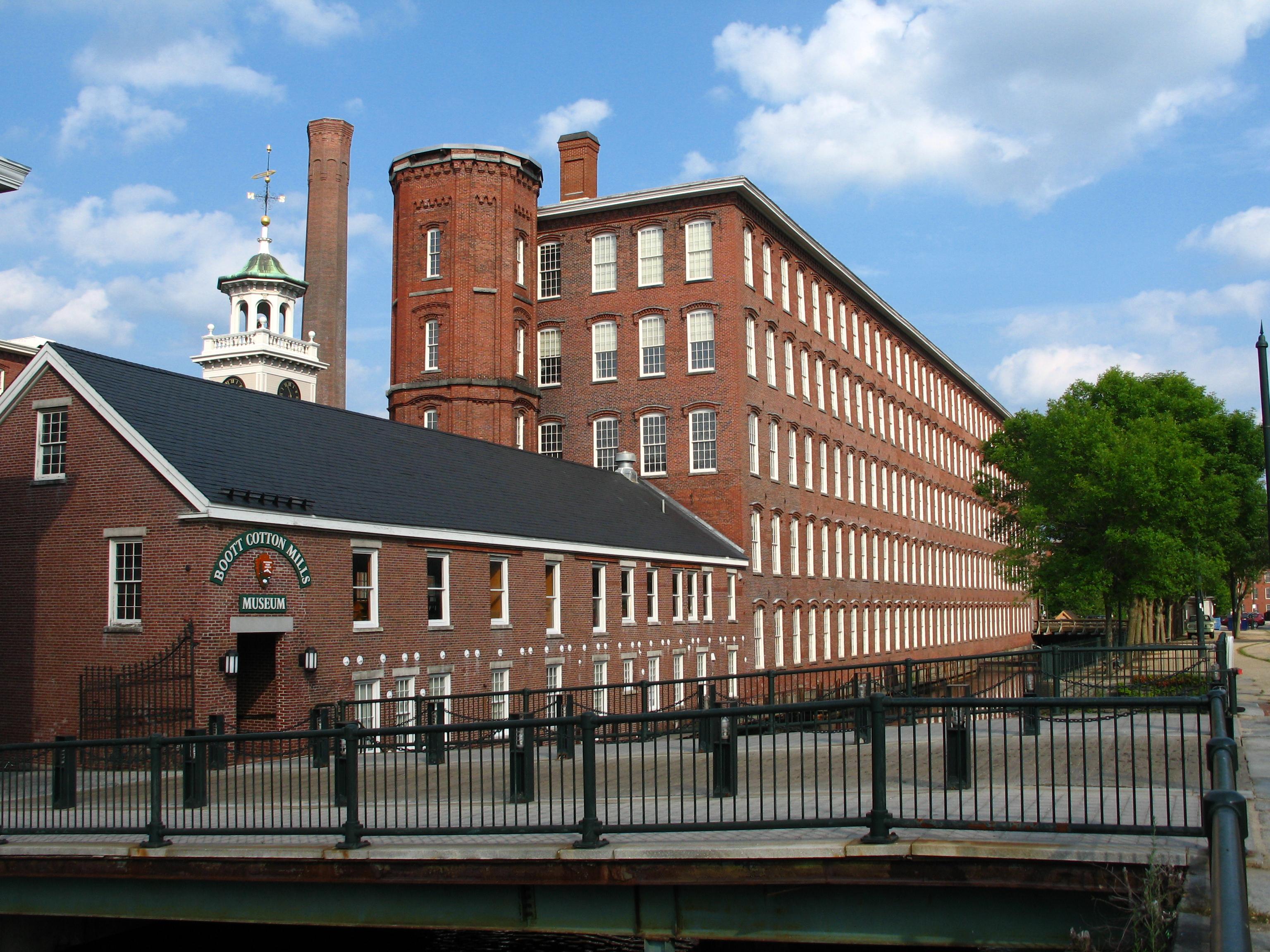
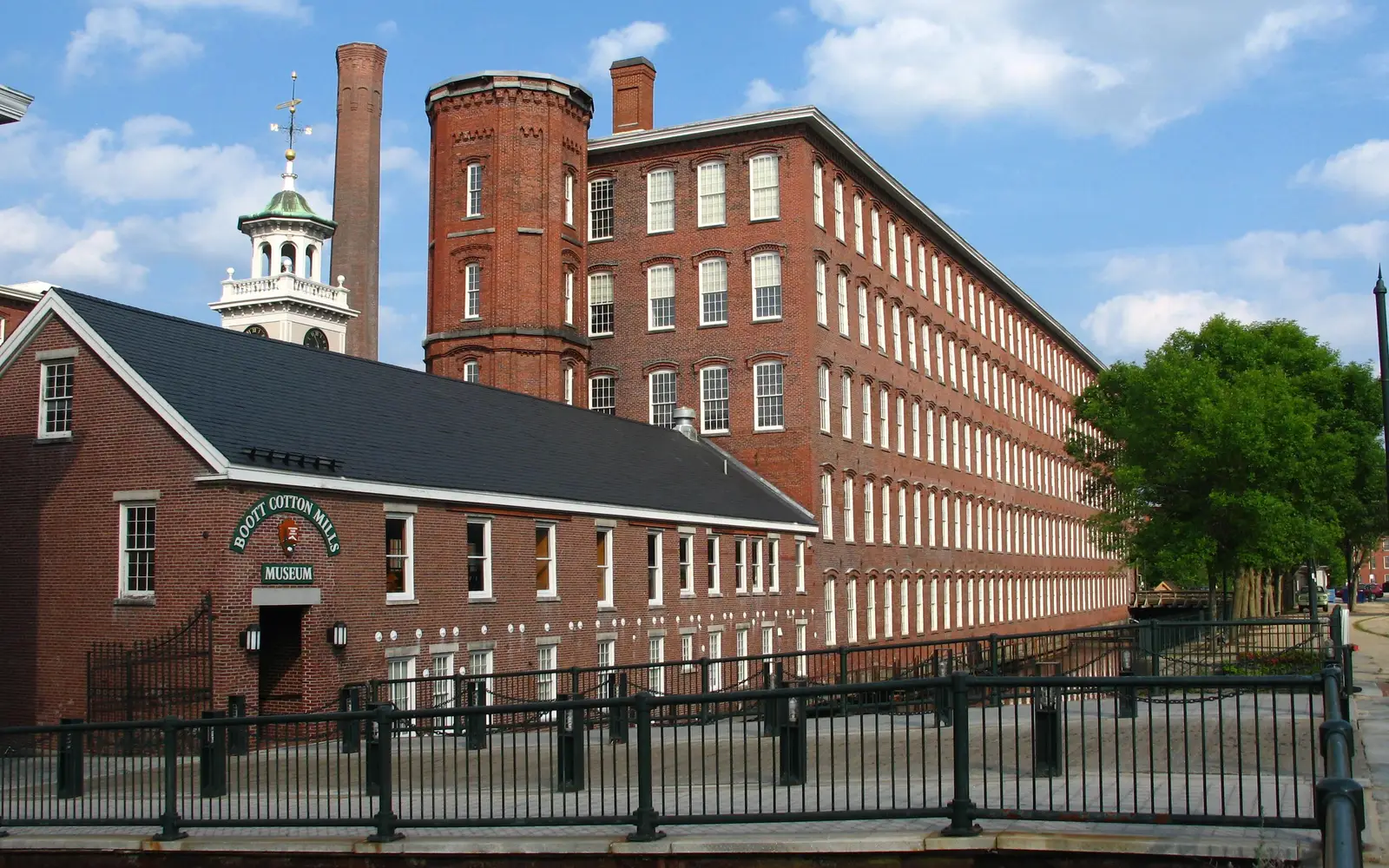
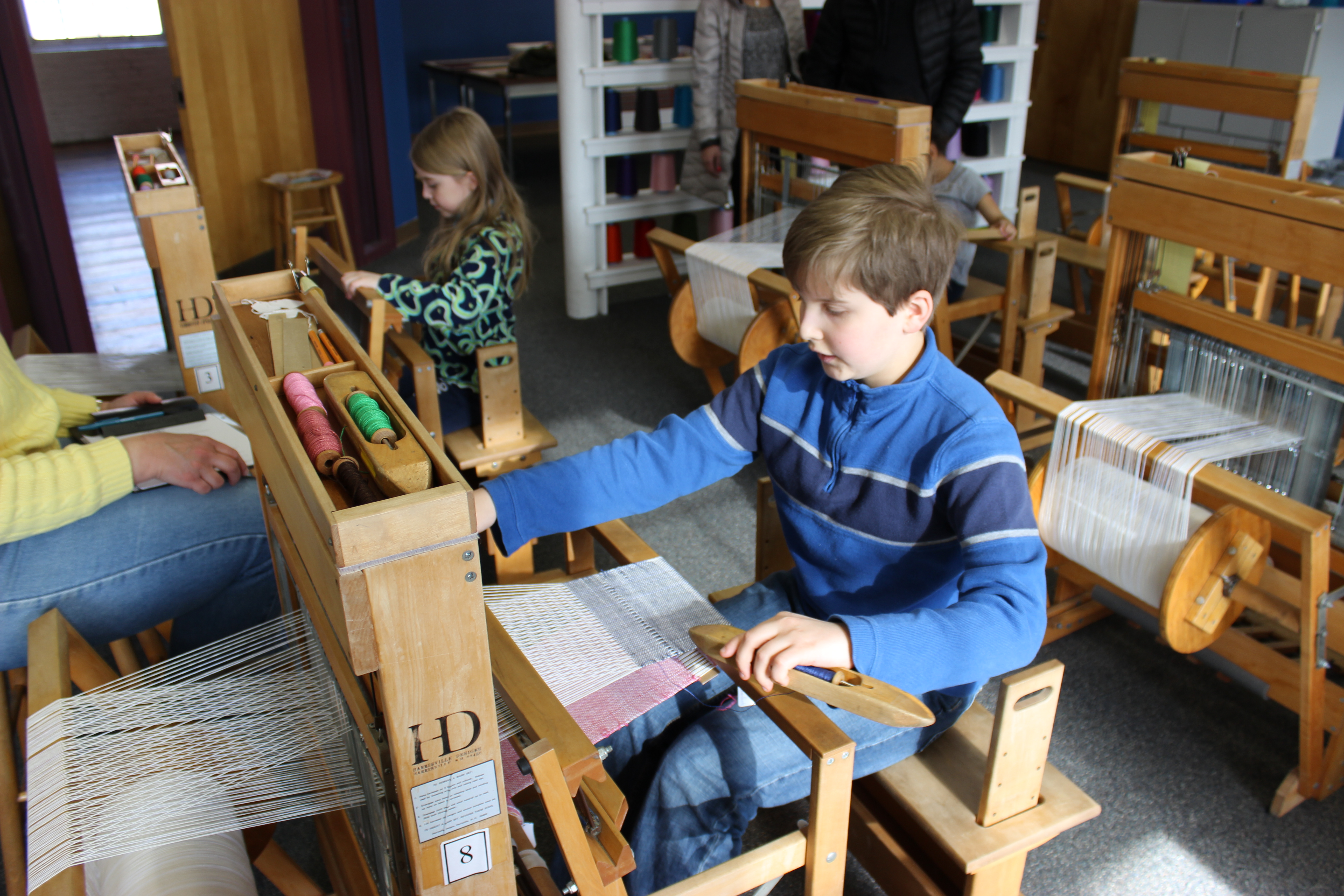
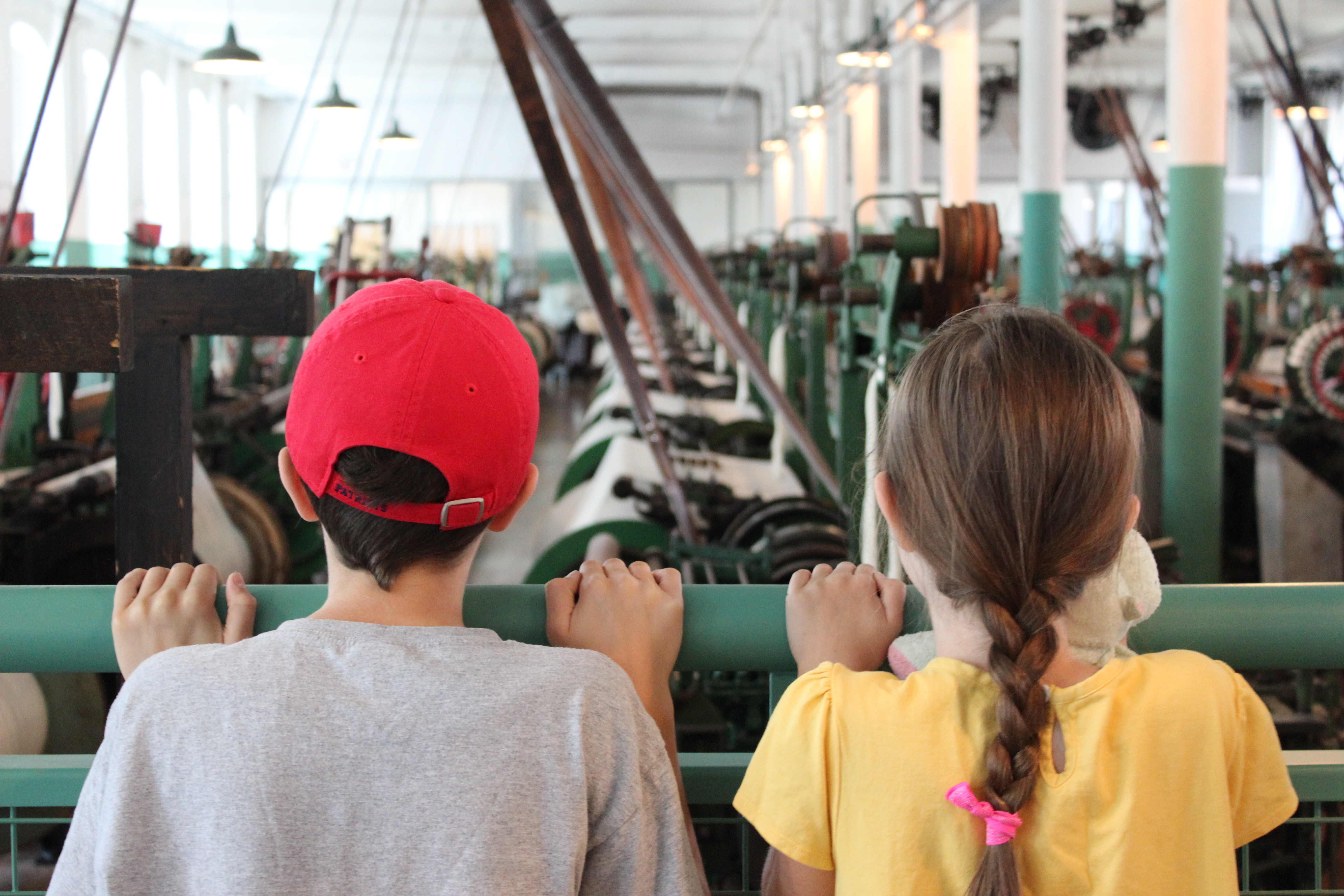
This is not a reconstructed village but a multi-site park integrated within a working city. Its core is the Boott Cotton Mills Museum, notable for its active weave room. A network of canals further defines the park. Programming explores the Industrial Revolution through immigrant labor, early female factory workers, and water-powered manufacturing. An experience score of 81 reflects genuinely broad offerings. These include canal boat tours, guided walking tours, craft demonstrations, and live music. Museum exhibits are strong. Entry to all sites is free. This park rewards adults and families willing to engage with layered history. For those seeking passive scenery or outdoor recreation, this is the wrong destination. For enthusiasts of industrial and social history, Lowell delivers significantly.
What makes it worth it
A good day here starts at the Visitor Center on Market Street for orientation and the park film, then moves to the Boott Cotton Mills Museum where operational power looms create a genuinely loud, visceral sense of what mill work actually felt like. From there, a canal boat tour puts the water-power engineering in physical context - seeing the canal system from water level makes the scale of the industrial infrastructure click in a way no exhibit can replicate. The Mogan Cultural Center adds depth on the immigrant communities who ran those looms. Craft and cultural demonstrations, live music programming, and hands-on activities mean families with kids have concrete touchpoints throughout. Junior Ranger materials keep younger visitors engaged across sites. Budget a full day to move between locations without rushing.
Who should go
Lowell offers a deeply rewarding experience for those interested in industrial history, labor history, immigration, and the origins of American manufacturing. Its urban setting means casual sightseers seeking hiking, wildlife, or scenic landscapes should consider other destinations. For families, the hands-on programming and Junior Ranger program provide substantial educational value. This is a dense, urban, ideas-driven park.
When to go
The operating season runs from late spring through early fall. Canal boat tours and outdoor programs are fully available then. Summer sees peak programming, but also temperatures in the 90s and regular afternoon thunderstorms in July and August. Boat tours continue through rain, pausing only for lightning. Fall provides comfortable temperatures and reduced crowds. Winter operations are curtailed, and outdoor tours become infrequent.
Highlights
- Canal boat tours that place the water-power engineering system in direct physical context
- The Boott Cotton Mills Museum weave room, where operational power looms convey the sensory reality of mill work
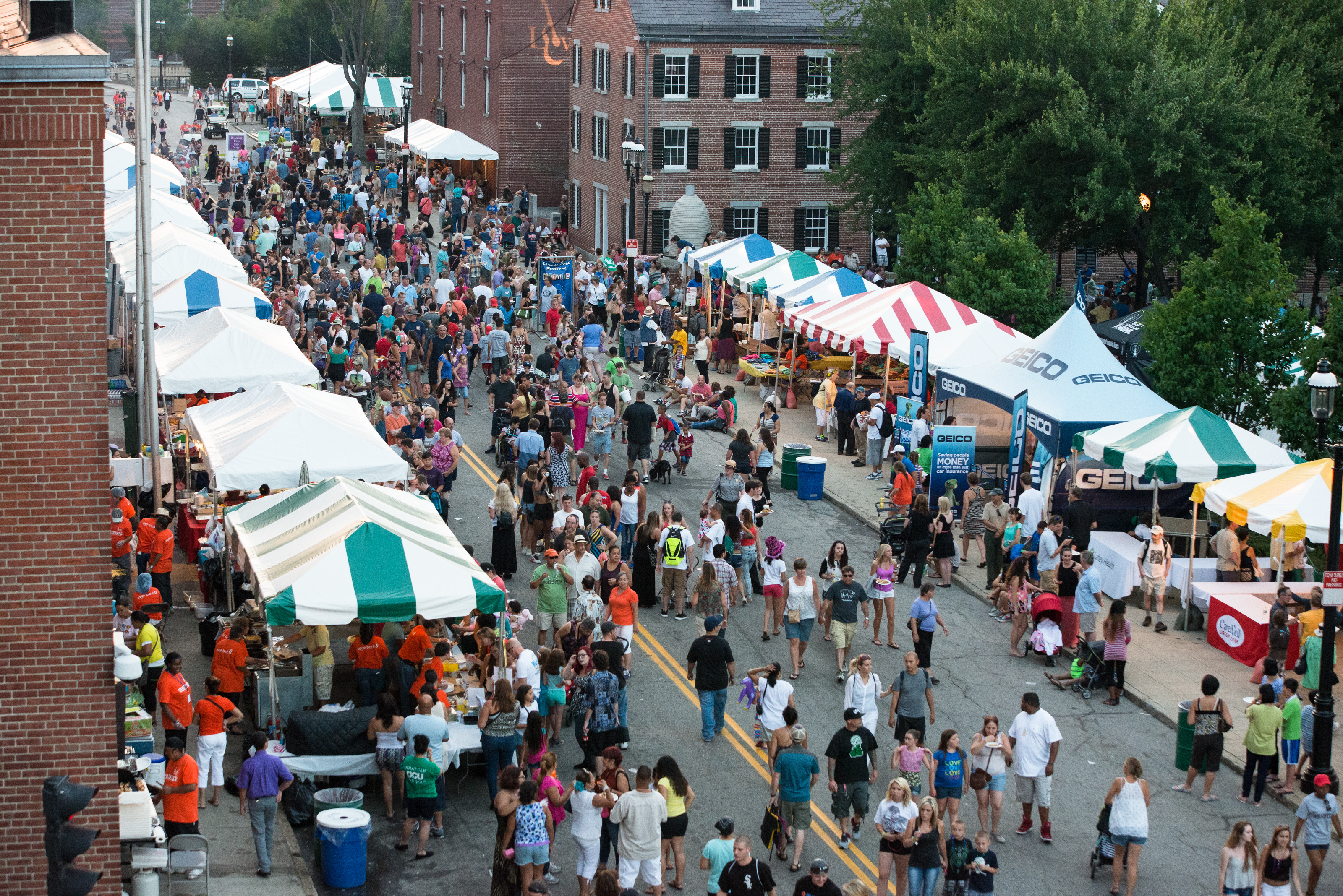
- Cultural and craft demonstrations tied to the immigrant communities central to Lowell's industrial story
- Live music programming that reflects the city's ongoing cultural life alongside the history
- Free admission across all park sites, including the Visitor Center and Mogan Cultural Center
- Junior Ranger program and hands-on activities that make the industrial history accessible for kids
Plan ahead
Lowell National Park presents a dispersed urban experience. Its free sites are spread across downtown Lowell, requiring navigation between the Market Street Visitor Center, the Boott Cotton Mills Museum on John Street, and the Mogan Cultural Center on French Street. All facilities close daily at 4:00 p.m. To adequately experience a boat tour and multiple museum stops, a mid-morning arrival is essential. The park demands walking. Plan accordingly for a full day.
Editor's tipFor the full experience, prioritize booking a canal boat tour early. Weekend tours, especially in summer, reach capacity quickly. This perspective on the canal system is unique; no indoor exhibit can replicate it.