Is Little Sahara Recreation Area worth your trip?
Little Sahara, a Bureau of Land Management recreation area, offers a rare commodity in the intermountain West: an expansive, open sand dune system.
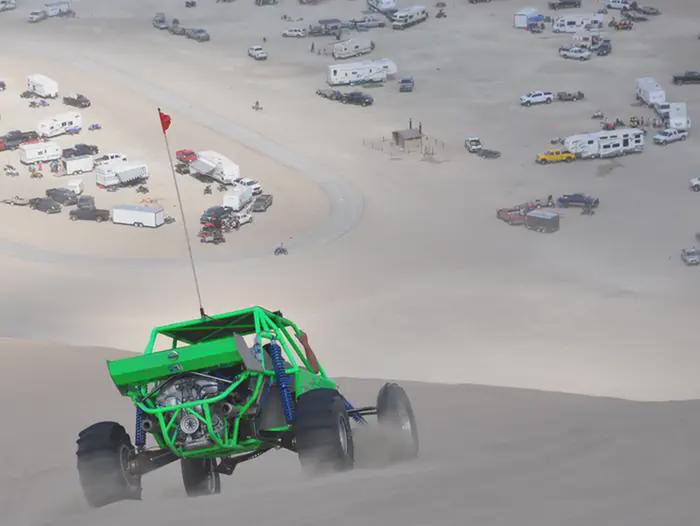
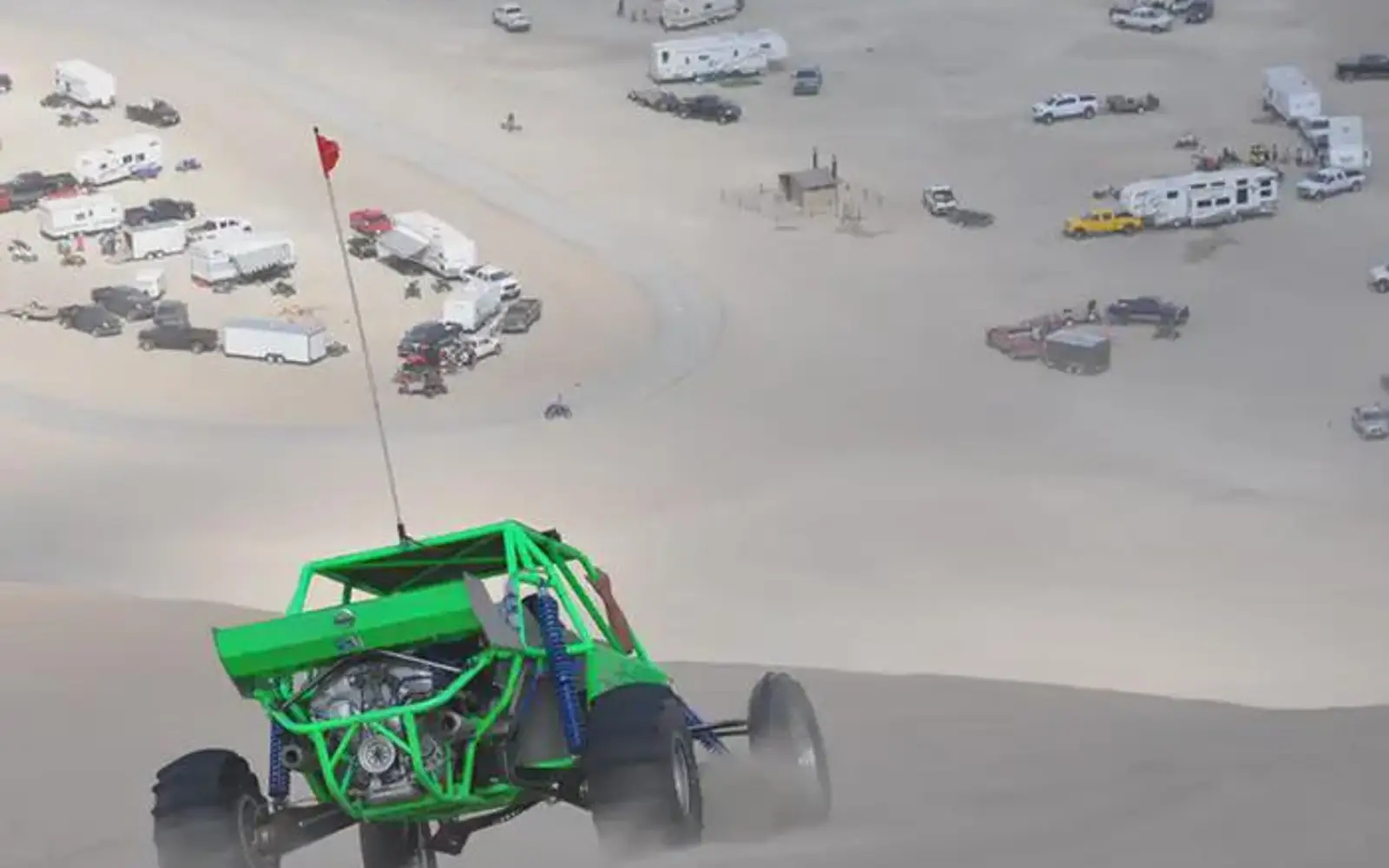
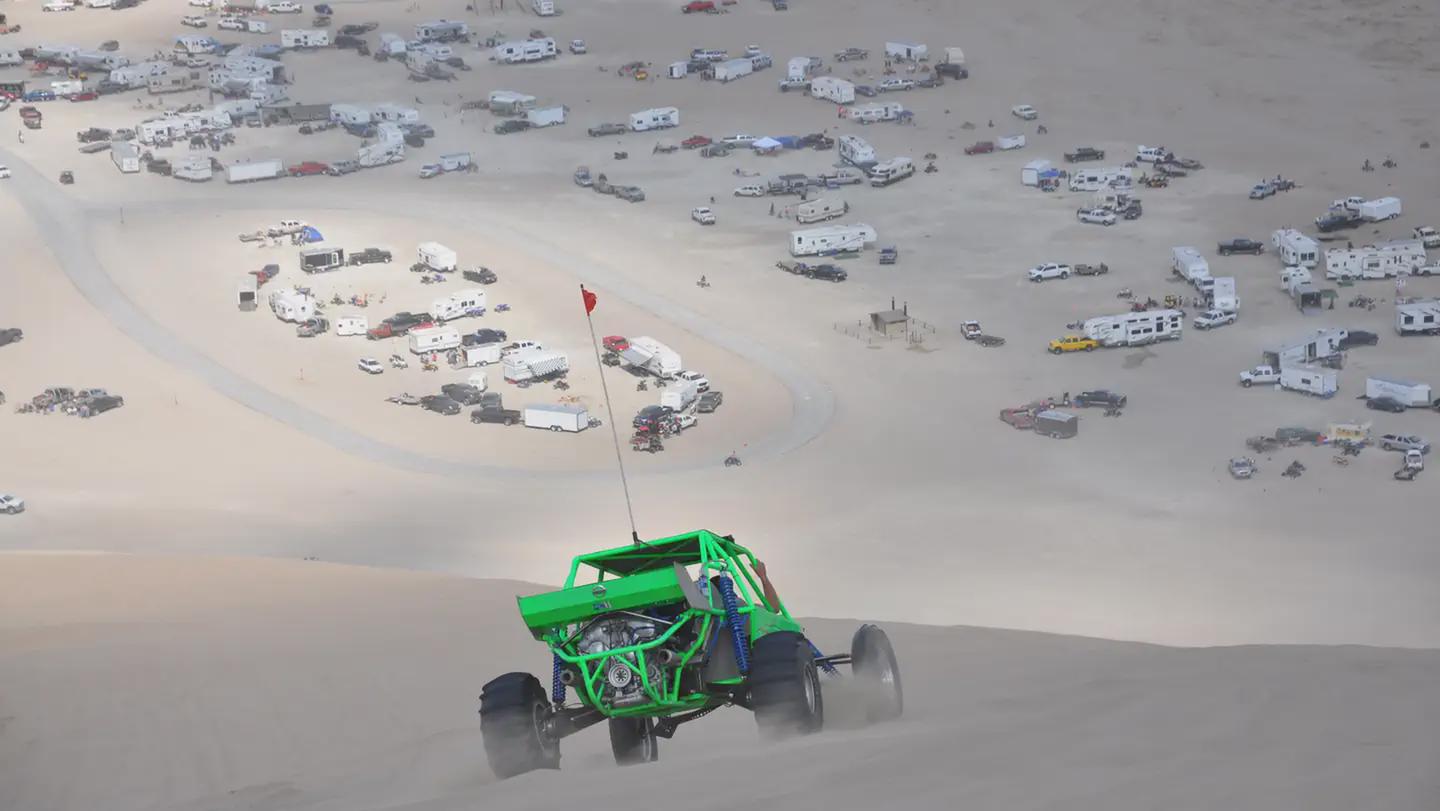
Here, off-highway vehicles, fat bikes, horses, and hikers navigate the same sweeping landscape. This is not a park for scenic overlooks or pristine wilderness communion. It is an active, often loud, gear-oriented destination. The primary draw is the dunes themselves and the freedom to traverse them by various means. An experience score of 68 indicates solid breadth across both motorized and non-motorized pursuits. Interpretive infrastructure, however, is limited. For off-highway vehicle enthusiasts and those who appreciate sand dunes, this is a legitimate destination. Visitors anticipating quiet trails or extensive wildlife viewing will find their expectations unmet. Entry is free. This significantly reduces the commitment for a first visit.
Why go
Little Sahara presents a unique offering in the Utah park system, primarily defined by its expansive dune fields. Non-motorized access is well-documented, allowing hiking, biking, and equestrian use across the dunes. The White Sand Dunes in the north provide the most straightforward access for casual visitors. Overnight camping is permitted, enabling dawn exploration of the dunes. Wildlife viewing is largely incidental, though the open landscape does provide extended sightlines.
Best for
This unit excels for OHV riders; it is among Utah's most accessible dune riding areas. Fat bikers, equestrians, and campers seeking an unusual desert landscape will find value here. The data indicates this location is not for those prioritizing quiet or solitude. Hikers and birders should consider other Utah destinations.
Best season
For those considering a visit, late spring and fall emerge as the optimal seasons. Cooler temperatures render hiking and riding on sun-exposed sand significantly more tolerable during these periods. Summer heat, conversely, presents a formidable challenge on open dunes, where shade is scarce. The visitor center operates on a limited Friday through Sunday schedule, reopening in mid-August and continuing through late May. This limited operational window further underscores the benefits of a fall or spring visit, particularly for those who may require on-site assistance.
The high points
- Open sand dune riding for OHV users at multiple skill levels, from beginner terrain near Black Mountain to more challenging areas
- Fat biking across dune terrain, an activity rarely available at this scale in the region
- Equestrian access to the dune system, uncommon for a sand recreation area
- Overnight camping directly within the dune landscape, allowing early morning access before crowds arrive
- Free entry with no reservation system, making spontaneous visits viable
- Wide open terrain that rewards photography, particularly at low-angle morning and evening light
Know before you go
This unit offers unfettered access. Entry is free, and it remains open year-round. Self-reliance is paramount. The visitor center maintains limited hours, operating only on Fridays, Saturdays, and Sundays from mid-August through late May. All necessary water, fuel, and supplies must be brought in. The nearest services are in distant central Utah towns. This is a destination for the prepared, not the casual or dependent traveler.
One more thingFor visitors without an OHV, an early weekday arrival is essential. The first hour after sunrise offers minimal motorized traffic and firm, cool sand. Dune crests provide unobstructed views and clean photography. These ideal conditions vanish with weekend crowds and midday heat.