Is Little Rock Central High School National Historic Site worth your trip?
Little Rock Central High School is not a nature retreat or an adventure destination.
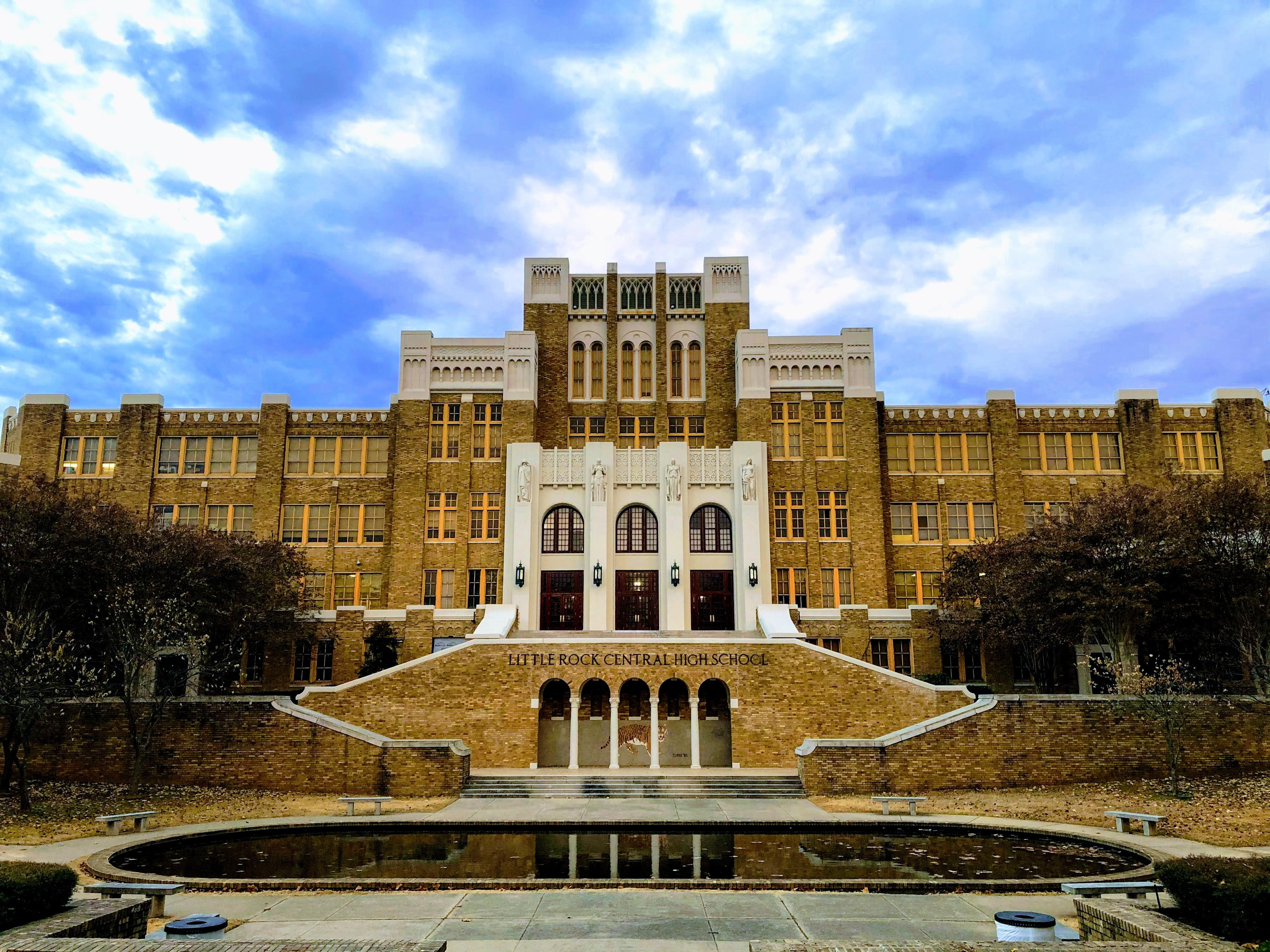
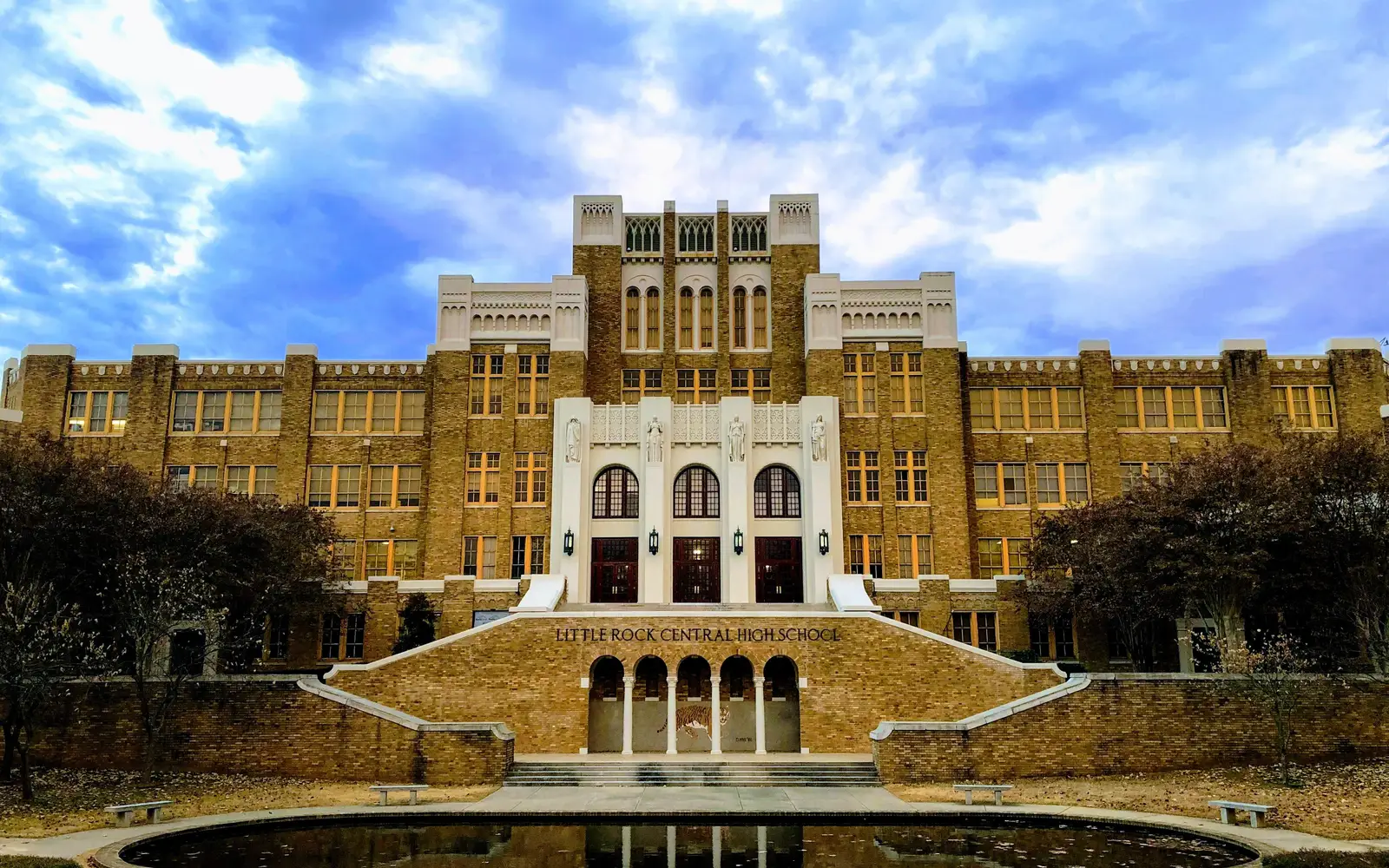
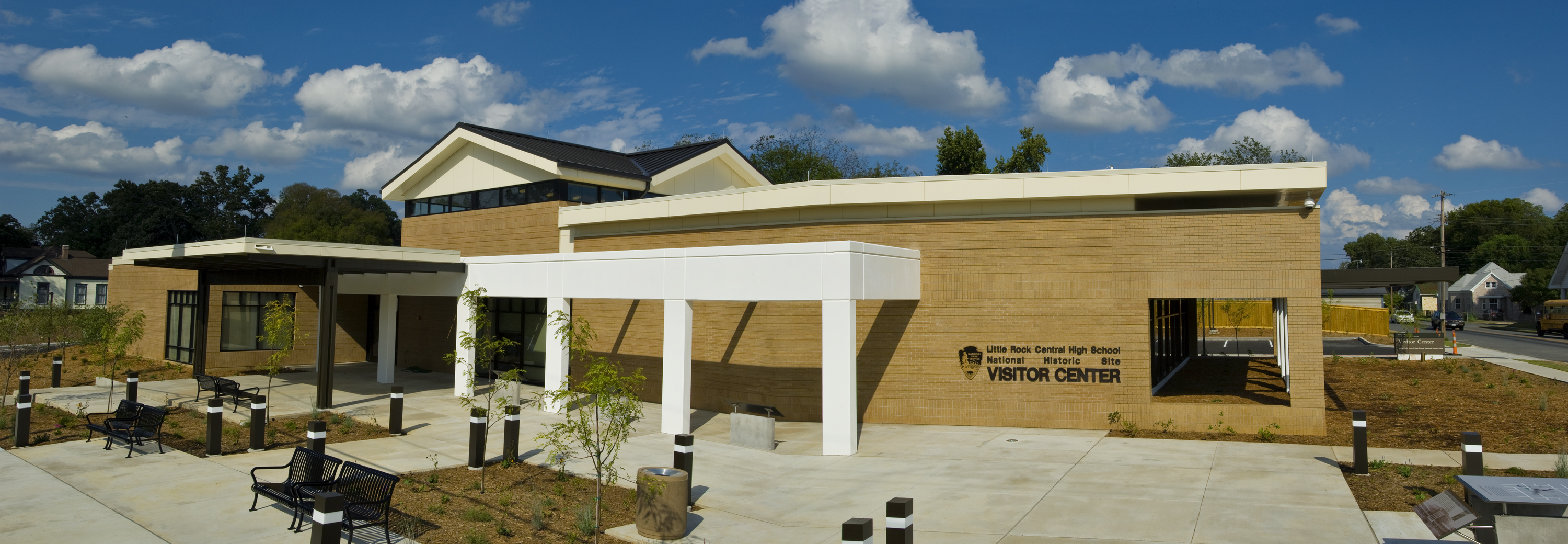
It is a focused civil rights memorial anchored to one of the most consequential moments in American history: the 1957 desegregation crisis that forced the federal government to physically enforce Brown v. Board of Education. The visitor experience is compact, centered on the visitor center, museum exhibits, a park film, and guided or self-guided walking tours outside the still-active high school. Because the school remains in operation, public access to the building itself is closed, which limits the immersive factor. But the weight of what happened on this specific sidewalk and in front of this specific building is undeniable. For anyone who cares about civil rights history, constitutional law, or American political courage, this is a genuinely moving and intellectually serious stop. Experience Score of 41 reflects its small footprint, not its importance.
Why go
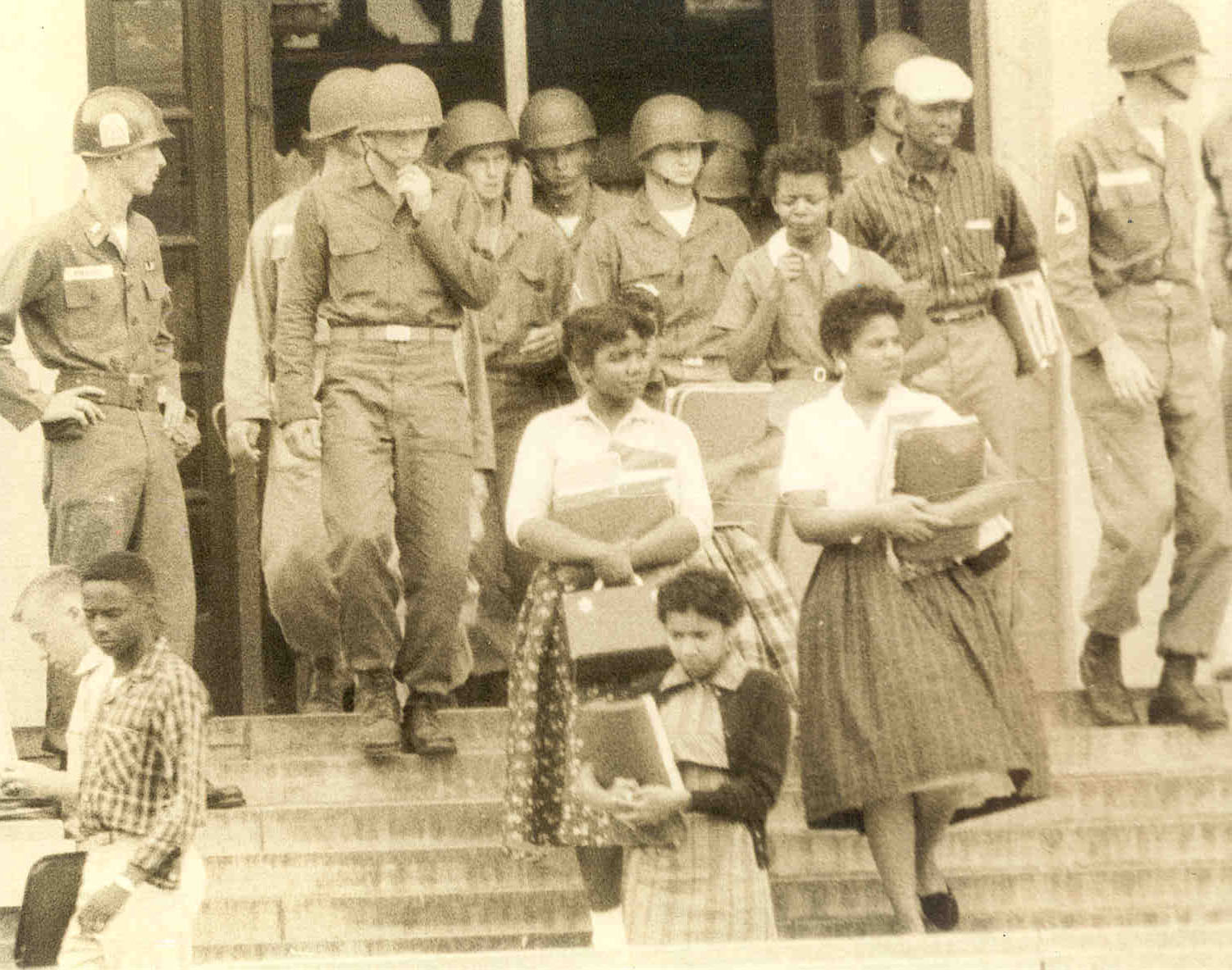
This park unit offers a concise, impactful visit of two to three hours, effectively integrating multiple presentation formats. Begin with the park film for essential context on the Little Rock Nine and the political confrontation between Governor Faubus and President Eisenhower. Proceed through the museum exhibits, which detail the students' experiences with specificity and personal accounts. Conclude with a guided or self-guided walking tour outside. There, visitors can stand at the school entrance where federal troops escorted nine teenagers through a hostile crowd. This combination of documentary evidence, preserved personal testimony, and the physical presence of the original school building creates a rare sense of historical immediacy. The Junior Ranger program provides families a structured way to engage with difficult material at an age-appropriate level.
Best for
This site is best suited for history enthusiasts, educators, students, and families seeking to engage with civil rights history in a tangible setting. It also serves those following a broader civil rights trail through the South. Casual sightseers should look elsewhere. This is a purposeful, single-subject historic site. Do not expect extensive outdoor recreation or a multi-day park experience; it makes no pretense of offering either.
Best season
Reviewing the operational data, visitors to this unit must plan carefully to optimize their experience. The visitor center maintains a Tuesday through Saturday schedule, open 10 am to 4 pm. This dictates arrival; Sunday and Monday access is not supported. Optimal outdoor conditions for walking tours are found in spring and fall. Summer brings substantial heat and humidity, requiring preparation for high temperatures and adequate hydration. Winter presents the hazard of difficult-to-detect icy conditions. This park demands seasonal awareness and adherence to a strict operating schedule.
The high points
- Standing outside the actual school entrance where the 1957 crisis unfolded, with the original building still present
- Museum exhibits documenting the personal experiences of the Little Rock Nine with primary-source depth
- Park film providing clear historical and political context before you walk the site
- Guided tours that connect specific physical locations to documented historical events
- Junior Ranger program offering a structured, age-appropriate framework for families discussing segregation and civil rights
- Free admission, making it an accessible stop on any civil rights-themed itinerary through the South
Know before you go
This unit suits a narrow audience. Admission is free, but visitor center access is limited to Tuesday through Saturday, 10 am to 4 pm. Sunday or Monday arrivals will find the visitor center closed. The high school is an active campus and remains closed to the public. Parking is urban; plan accordingly. This is not a traditional park experience.
One more thingLittle Rock offers significant interpretive depth for those on a civil rights itinerary. Arriving at opening on a weekday provides the best chance for a ranger-led guided tour. This enhances the experience beyond a self-guided walk of the exterior. The site logically pairs with Memphis and Birmingham for a multi-day drive.