Is Little Pend Oreille National Wildlife Refuge worth your trip?
Little Pend Oreille National Wildlife Refuge, a 42,657-acre tract within the Selkirk Mountains of northeastern Washington, functions as a working landscape.
Situated at a triple border nexus (state, federal forest, and Canadian), it prioritizes migratory birds and resident wildlife over visitor amenities. Elevations range from under 2,000 feet to over 5,600 feet, presenting significant topographic diversity. This is not a destination for casual drive-through tourism. The refuge offers free entry and a wide four-season activity list: birding, hunting, angling, horseback riding, and skiing are all supported. Visitor services are minimal. The appeal lies in its undeveloped character and varied terrain, rewarding those who arrive with specific outdoor pursuits in mind.
Why go
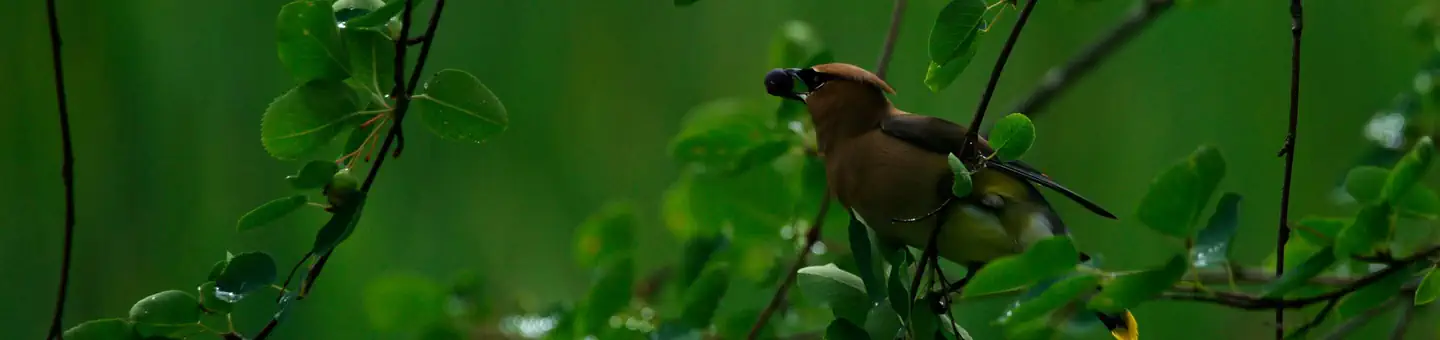
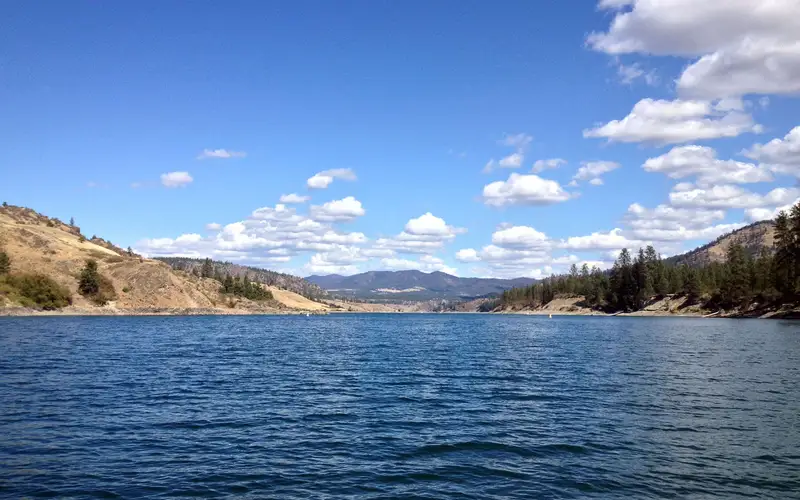
This refuge delivers genuine four-season utility. Its flexible access in both warm and cold months is a significant asset. A scenic auto tour through the highlands combines with hiking, fishing, and wildlife photography. Overnight camping is available on refuge land. The elevation range provides distinct habitat zones for productive birding and wildlife viewing. In winter, roads and trails convert to cross-country skiing and snowshoeing routes. Paddling access adds a water dimension often absent in mountain refuges. Horseback riding and wood cutting permits further differentiate this unit from typical public lands. Interpretive programs illuminate the Columbia River Basin ecosystem. This versatility suits a broad range of outdoor enthusiasts.
Best for
This destination caters to specific outdoor pursuits. Birders, hunters, anglers, equestrians, and backcountry campers will find real purpose. Those seeking uncrowded Nordic terrain in winter should also take note. This is not the place for extensive amenities, short loop trails with interpretive signage, or a conventional national park experience. Visitors prioritizing scenic drives with frequent pullouts and plaques will find their expectations unmet.
Best season
The ideal visit timeframe depends entirely on the desired activity. Late spring through early fall offers the fullest activity menu: hiking, fishing, paddling, camping, and peak wildlife viewing all align. Fall brings hunting season and dramatic highland color. Winter transforms the refuge into a quiet Nordic landscape, suited for skiing and snowshoeing, though higher elevation access may be limited by snow. Spring migration is a strong argument for birders specifically.
The high points
- Four-season recreation on 42,657 acres of Selkirk Mountain terrain with no entrance fee
- Birding and wildlife viewing across a wide elevation gradient from valley floor to 5,600-foot ridgelines
- Winter access for cross-country skiing and snowshoeing on refuge roads and trails
- Overnight camping combined with fishing and paddling opportunities
- Horseback riding permitted, a rare allowance on federal wildlife land
- Auto touring through remote northeastern Washington highlands with virtually no crowds
Know before you go
Entry is free, though the refuge's location 70 miles north of Spokane necessitates a committed drive. Cell service across this section of Washington is unreliable; download all maps and regulations beforehand. Fall visitors who are not hunting should wear blaze orange. Consult the refuge hunting calendar for specific seasonal information.
One more thingBordered by Washington DNR land to the north and U.S. Forest Service land to the east and south, the refuge facilitates multi-day trips. Visitors can link routes across all three jurisdictions without retracing steps. Consult Colville National Forest road conditions in advance to maximize loop planning.