Is Lincoln Memorial worth it?
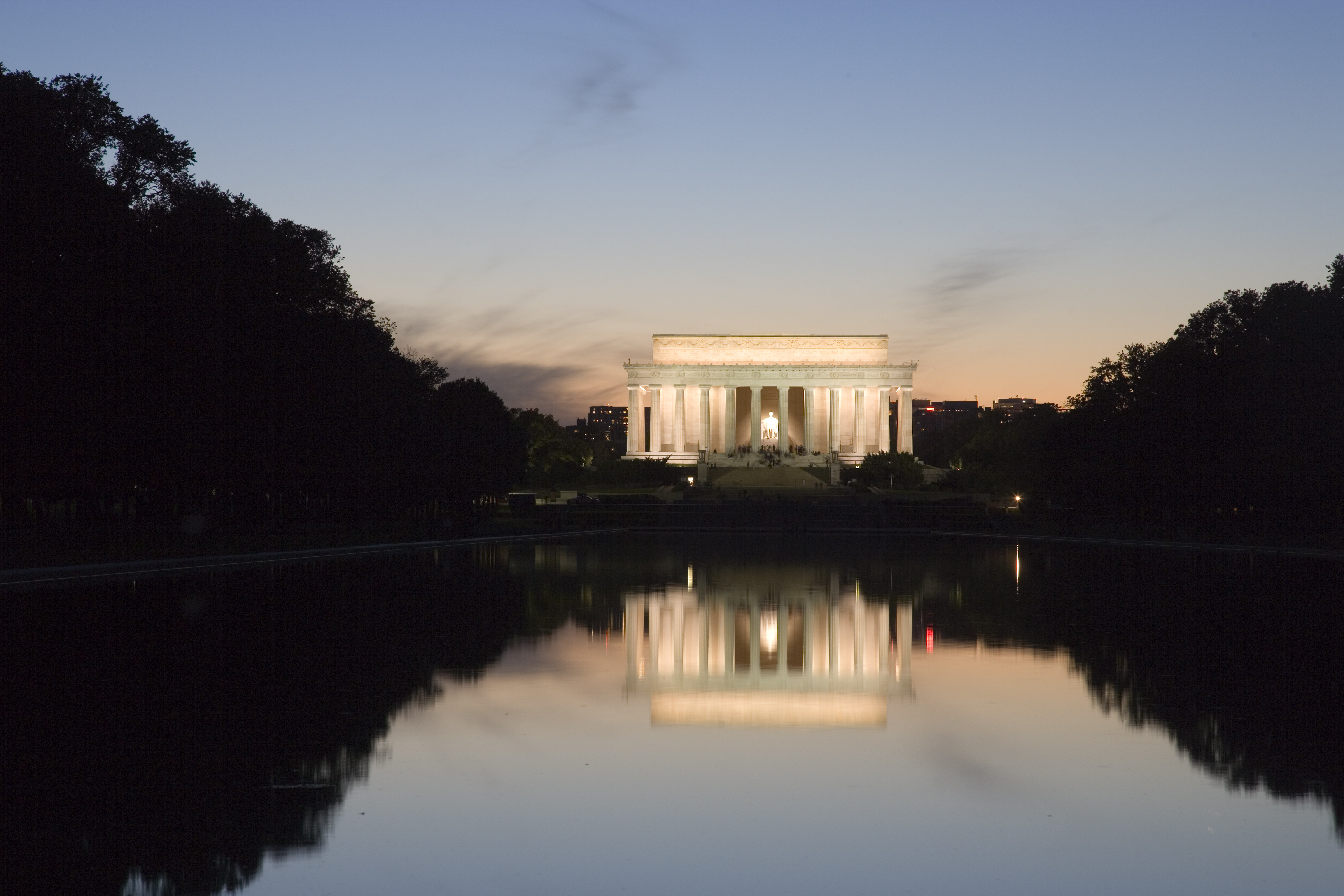
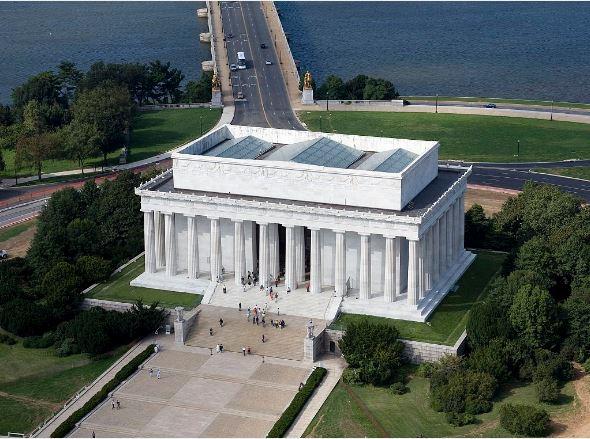
The Lincoln Memorial stands as one of the nation's most recognizable monuments.
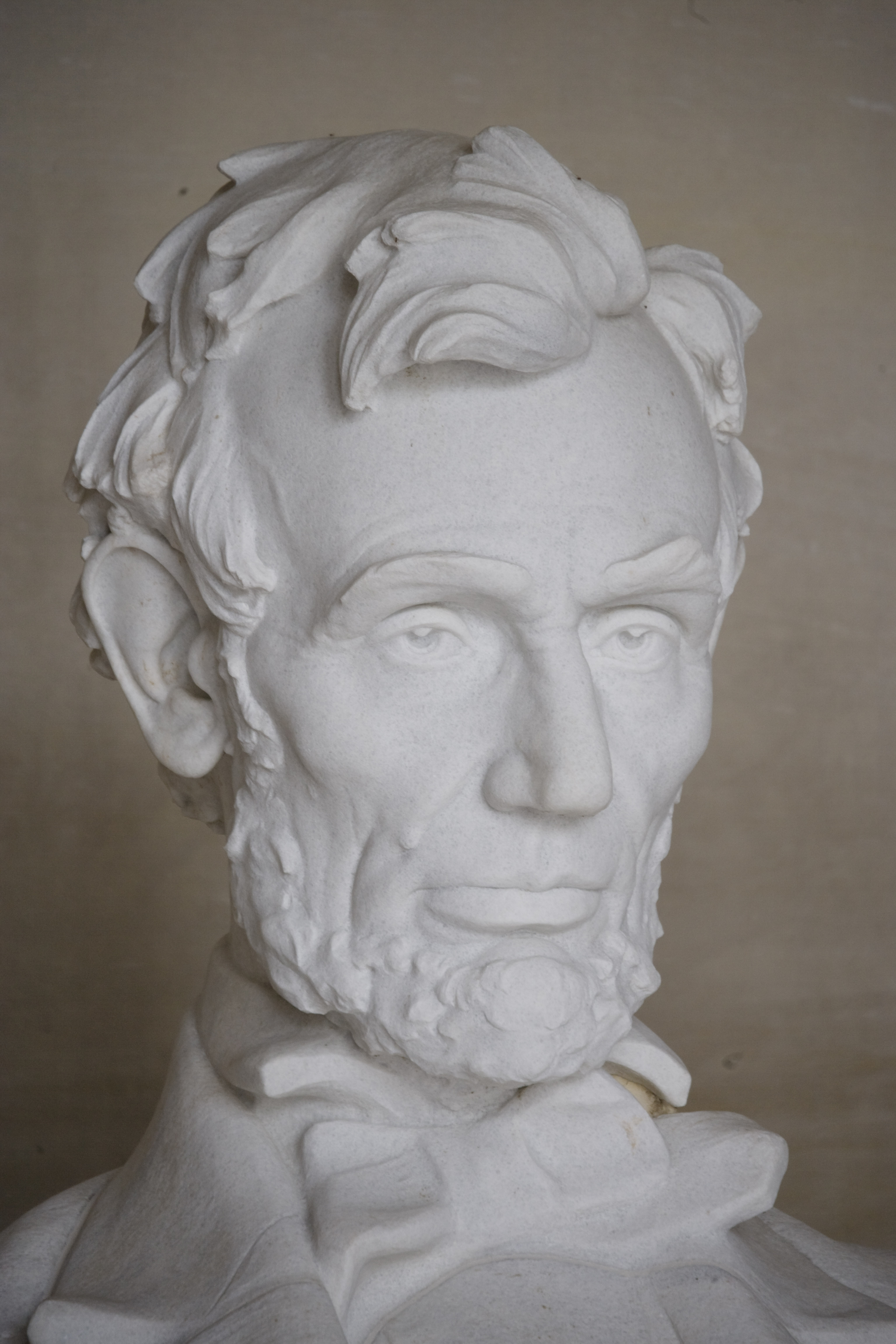
The 19-foot seated marble statue of Lincoln dominates its chamber. Inscribed texts of the Gettysburg Address and Second Inaugural Address line the interior walls, providing significant intellectual substance. This is not a park in the traditional sense; it offers no trails, no wildlife, and no backcountry. The experience here is architectural, historical, and civic. The memorial is free and open daily, situated at the west end of the National Mall, offering a reflecting pool view toward the Washington Monument. This site is a genuinely moving stop for families, history enthusiasts, and anyone reflecting on American democracy. Visitors seeking outdoor adventure or ecological diversity will find it lacking.
The case for it
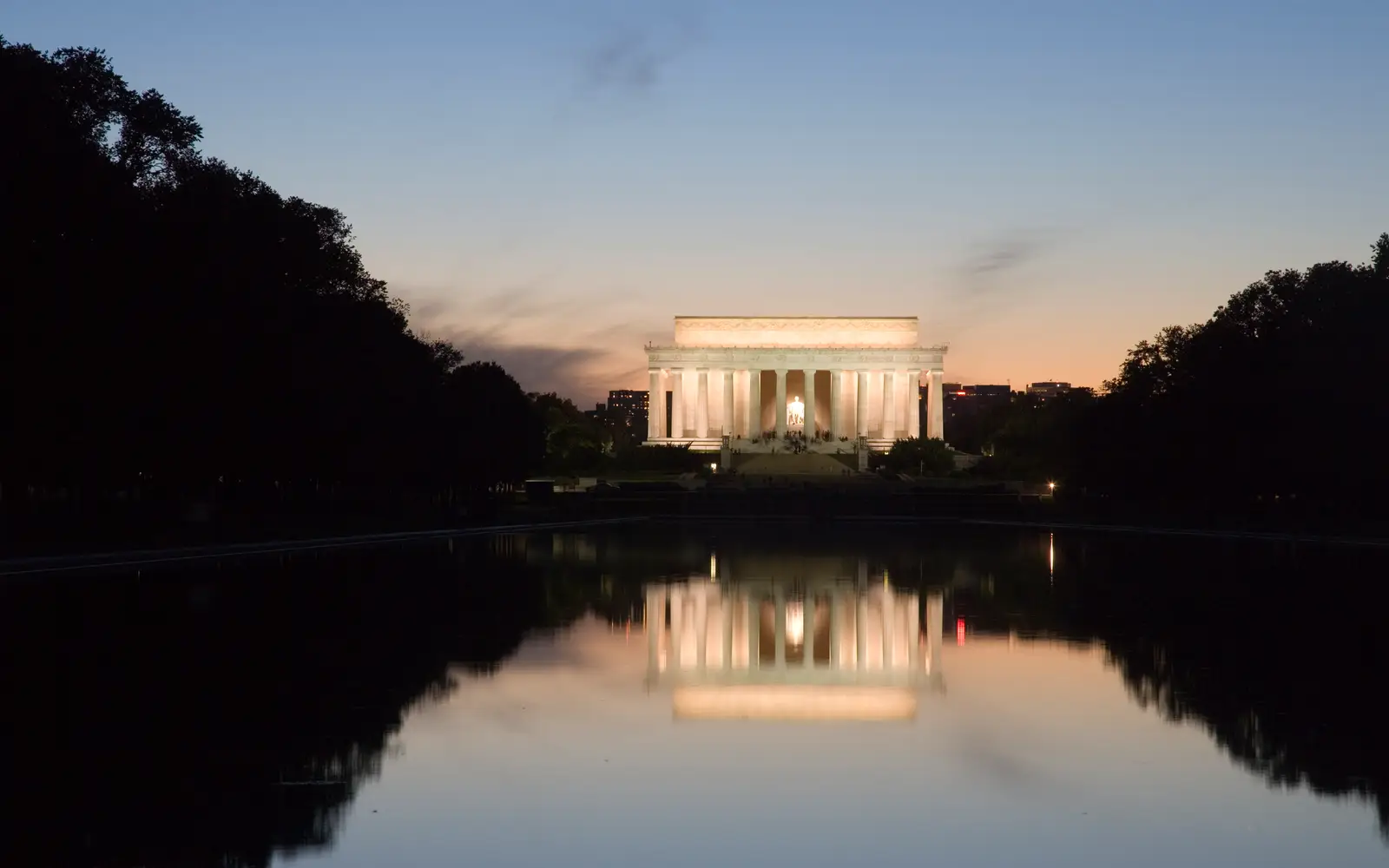
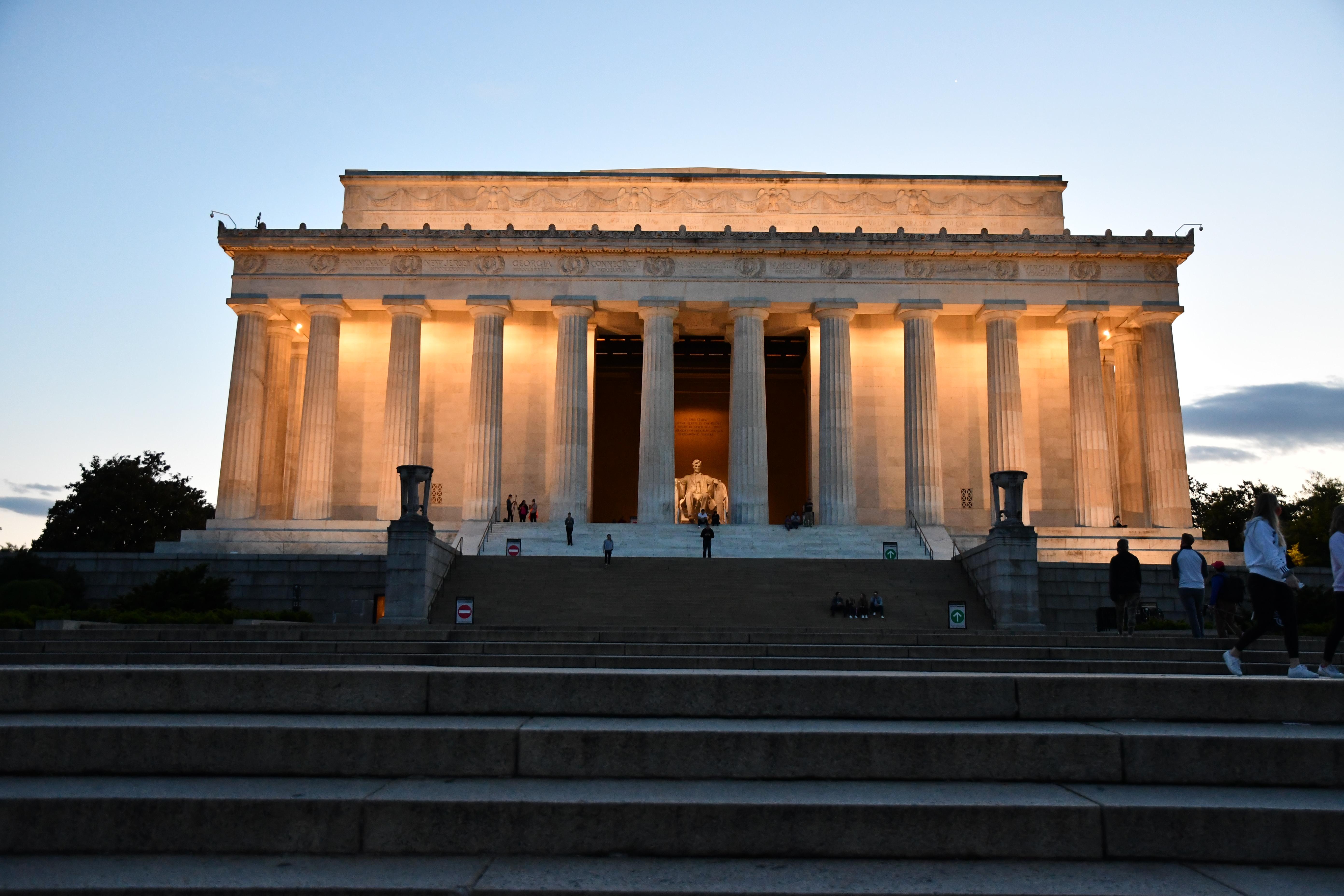
The Lincoln Memorial offers a straightforward but rewarding experience for visitors approaching it with intention. A ranger-led tour provides essential context on the memorial's construction, symbolism, and its integral role in civil rights history, particularly the 1963 March on Washington. Within the memorial, reading the inscribed speeches on the north and south chamber walls is key to understanding its full impact, rather than simply photographing the statue. The Junior Ranger Program successfully engages children beyond a casual pass-through. The bookstore and park store offer materials for deeper exploration. Evening visits, prior to restroom and elevator closures, present a dramatically lit statue with fewer crowds. A thoughtful visit will occupy one to two hours.
Who it is for
This unit offers essential insights for history enthusiasts, civics-minded travelers, and families with school-aged children. First-time visitors to Washington D.C. will find it a compelling and central stop. For those seeking active outdoor recreation, multi-day immersion, or significant ecological diversity, however, this destination should be integrated with other National Mall attractions rather than serving as a standalone visit. Its strengths lie squarely in its historical and educational offerings.
Best time to visit
Optimal visiting windows occur in the shoulder seasons. Spring, specifically April and May, provides mild temperatures in the mid-60s, complementing the Tidal Basin's famous cherry blossoms, enhancing the entire Mall corridor experience. Fall presents an underrated opportunity with comfortable temperatures and sparser crowds than spring. Summer, while popular, suffers from brutal humidity that makes the heat feel significantly more intense than the thermometer indicates. Winter offers cold but uncrowded access.
Worth seeing
- Standing beneath the 19-foot marble statue of Lincoln in the main chamber
- Reading the full Gettysburg Address and Second Inaugural Address inscribed on the interior walls
- Ranger-led guided tours that connect the memorial to civil rights history
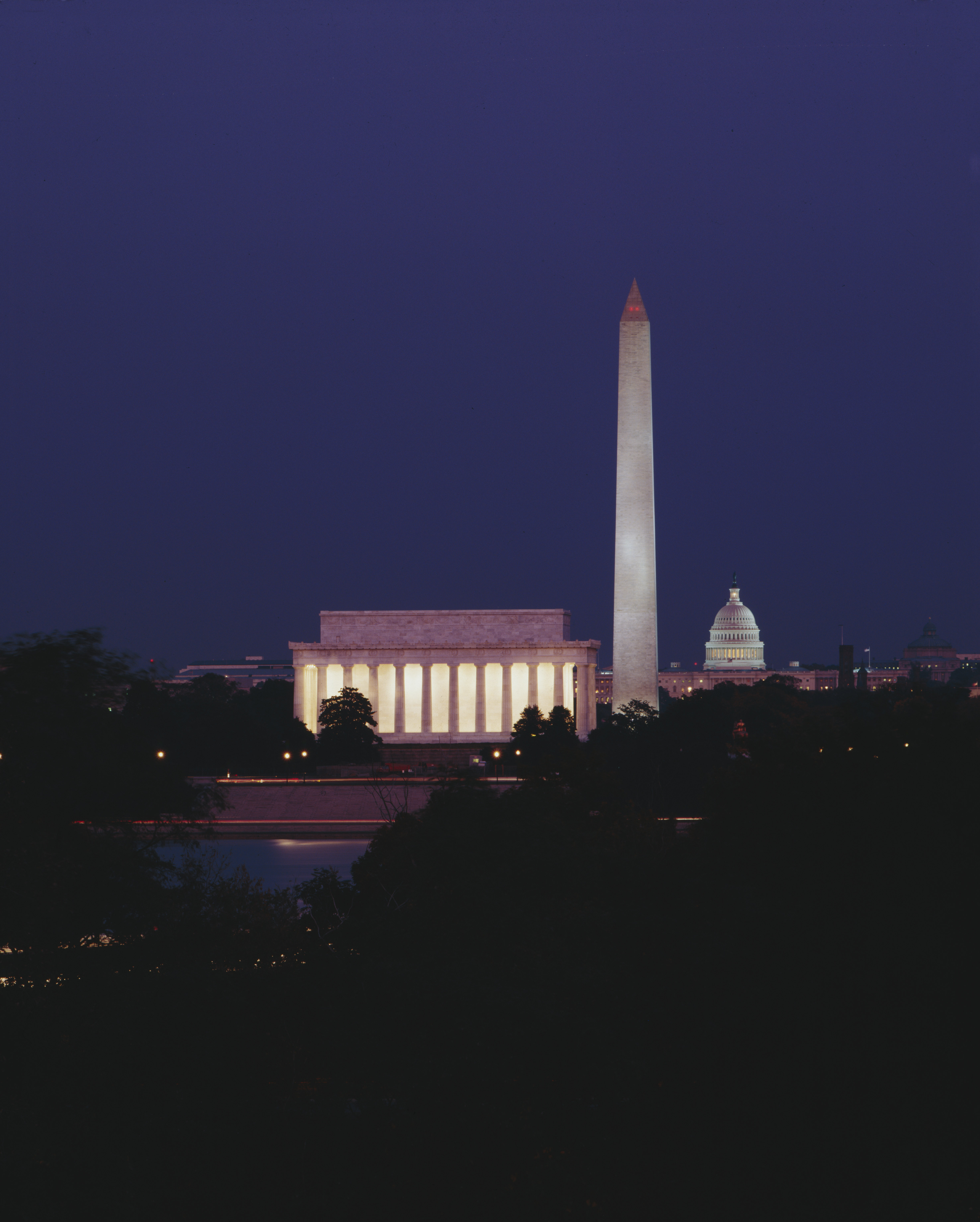
- The view east across the Reflecting Pool toward the Washington Monument
- Junior Ranger Program for structured engagement with younger visitors
- The park bookstore carrying Lincoln-focused titles and educational materials
Before you visit
This memorial offers free access with no reservation needed. For those with mobility considerations or young children, daytime visits are essential. Restrooms, the museum level, and elevators are unavailable in the evenings. Parking is severely restricted. Metro or rideshare are the advised transportation methods. This destination prioritizes accessibility over extensive visitor amenities.
Our tipThe National Park Service ranger tour schedule warrants review before arrival. A 20-minute ranger talk in the chamber, with the statue overhead and inscribed walls surrounding visitors, elevates the experience. What might otherwise be a brief photo opportunity becomes a more lasting encounter.