Is Lincoln Boyhood National Memorial worth it?
Lincoln Boyhood National Memorial delivers a contemplative experience on the Indiana land where Abraham Lincoln lived from age 7 to 21.
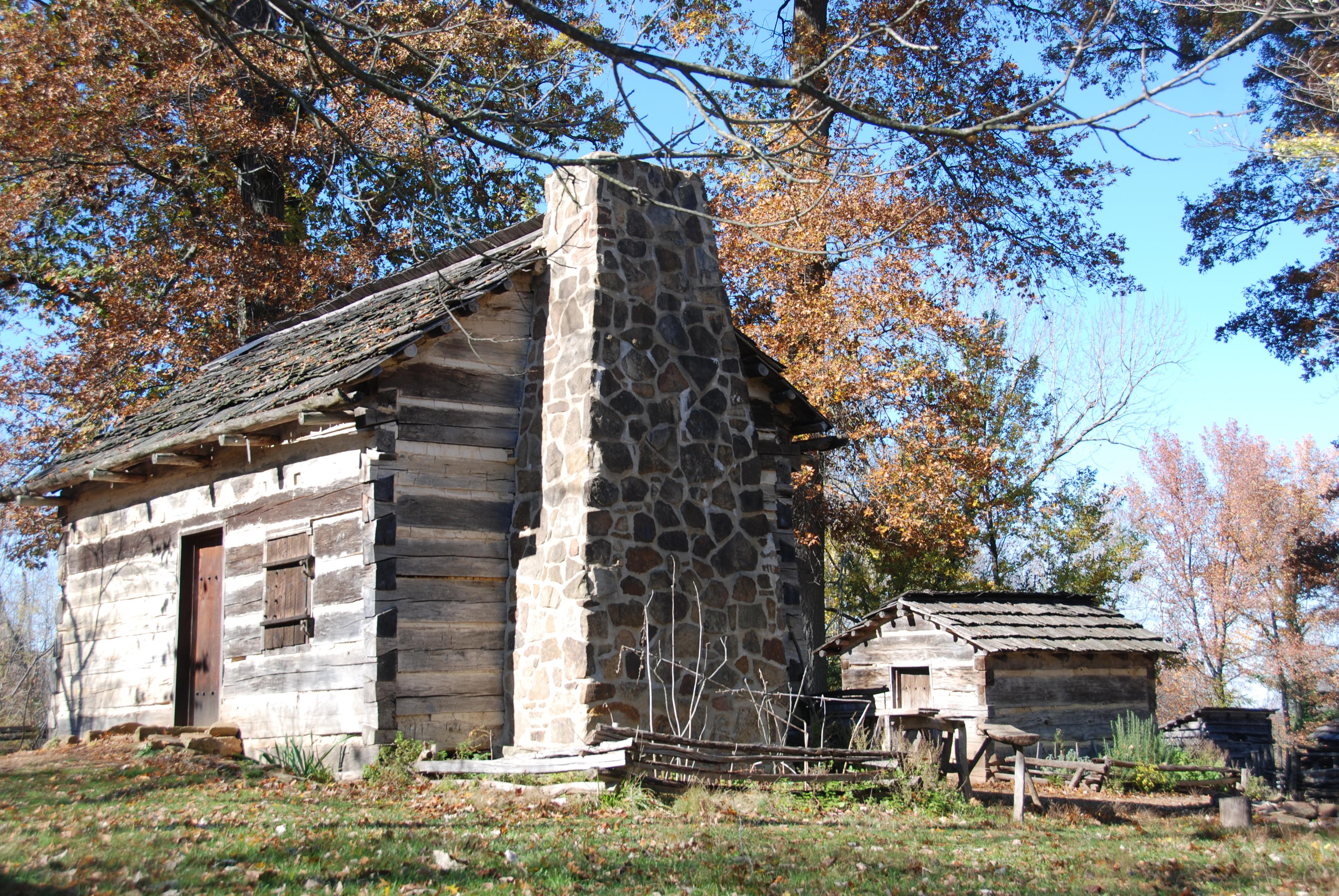
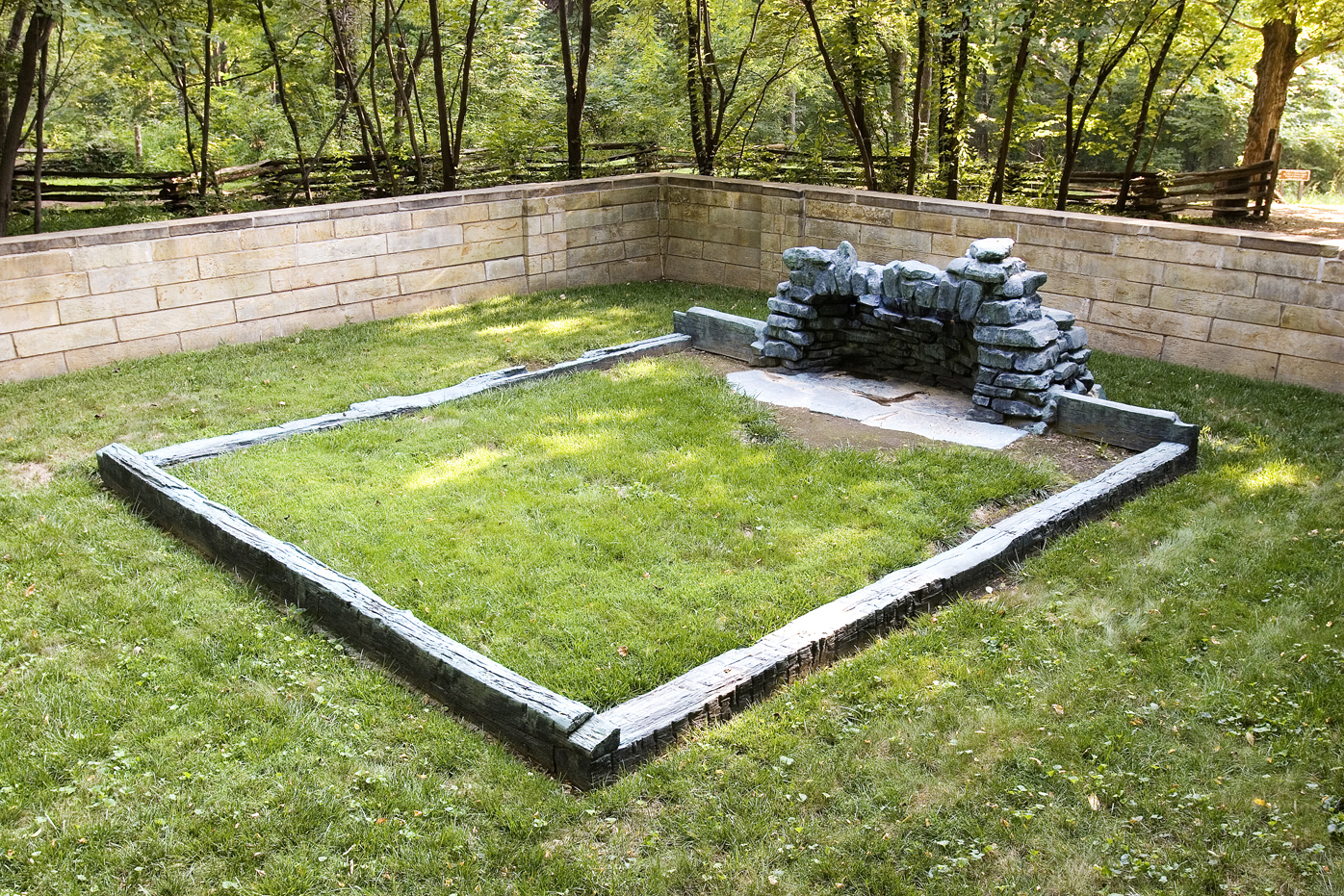
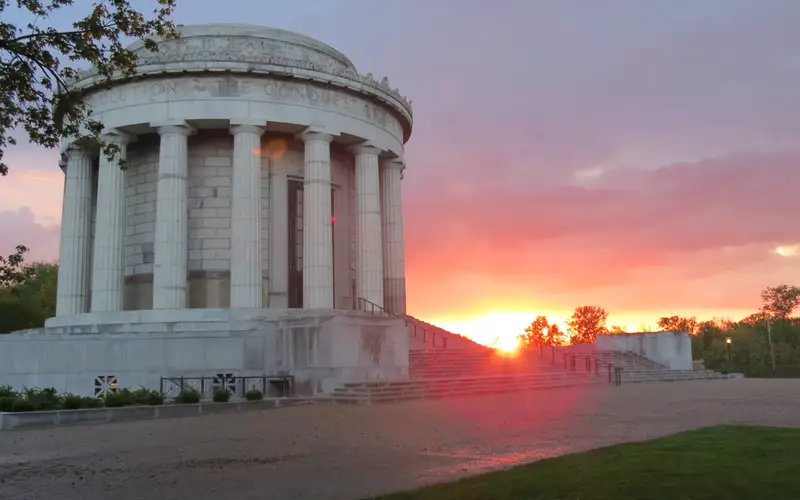
This unit is not an outdoor adventure park. Its core is a living history farm, a visitor center with museum exhibits and a park film, and the grave of Nancy Hanks Lincoln. The grounds offer a modest but moving experience. A score of 73 reflects genuine breadth for a memorial unit. Living history demonstrations, hiking trails, biking access, and junior ranger programming enhance the visit beyond a simple monument. This site punches above its size for Lincoln enthusiasts and families with curious children. Casual visitors seeking dramatic scenery will find it understated.
The case for it
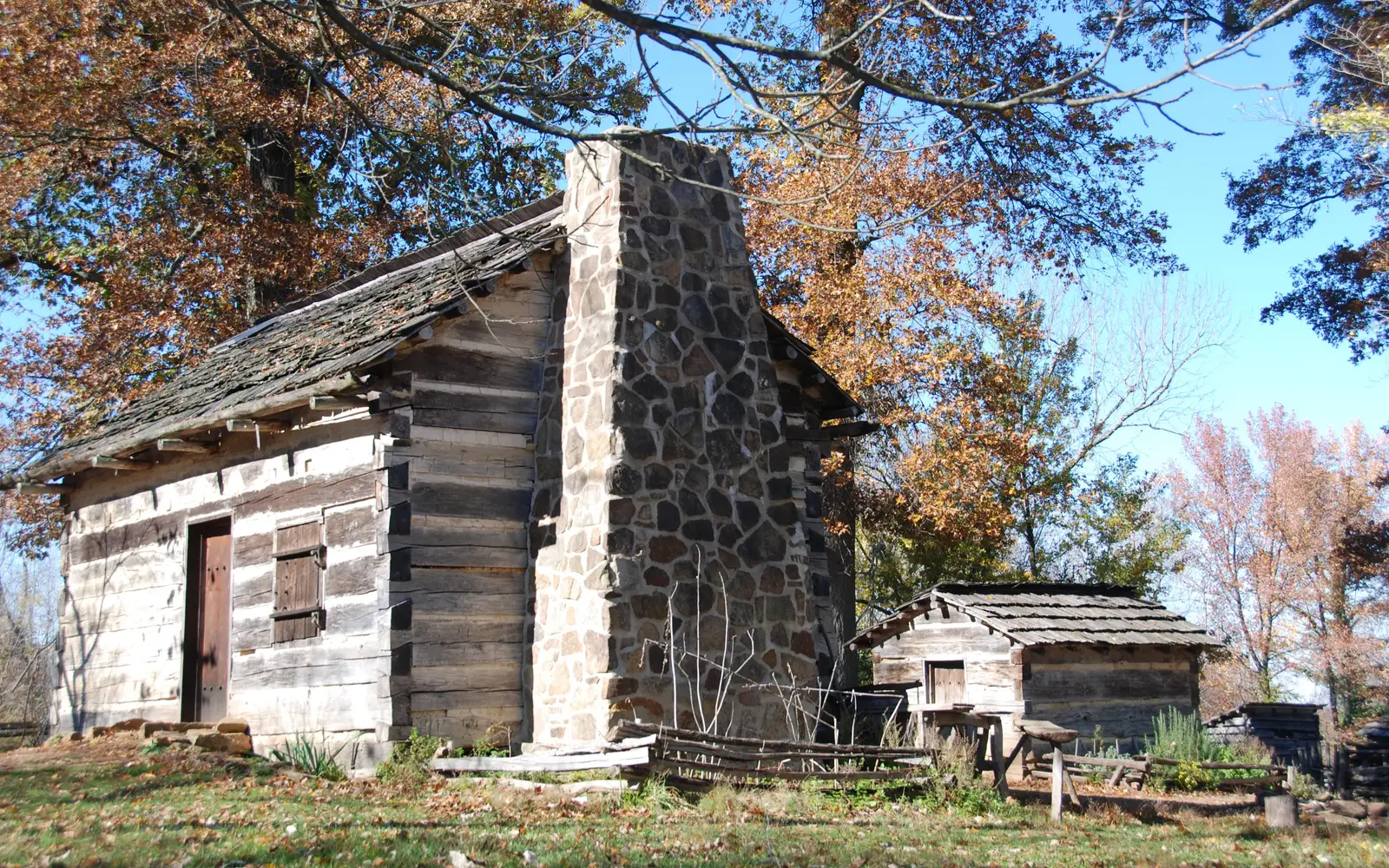
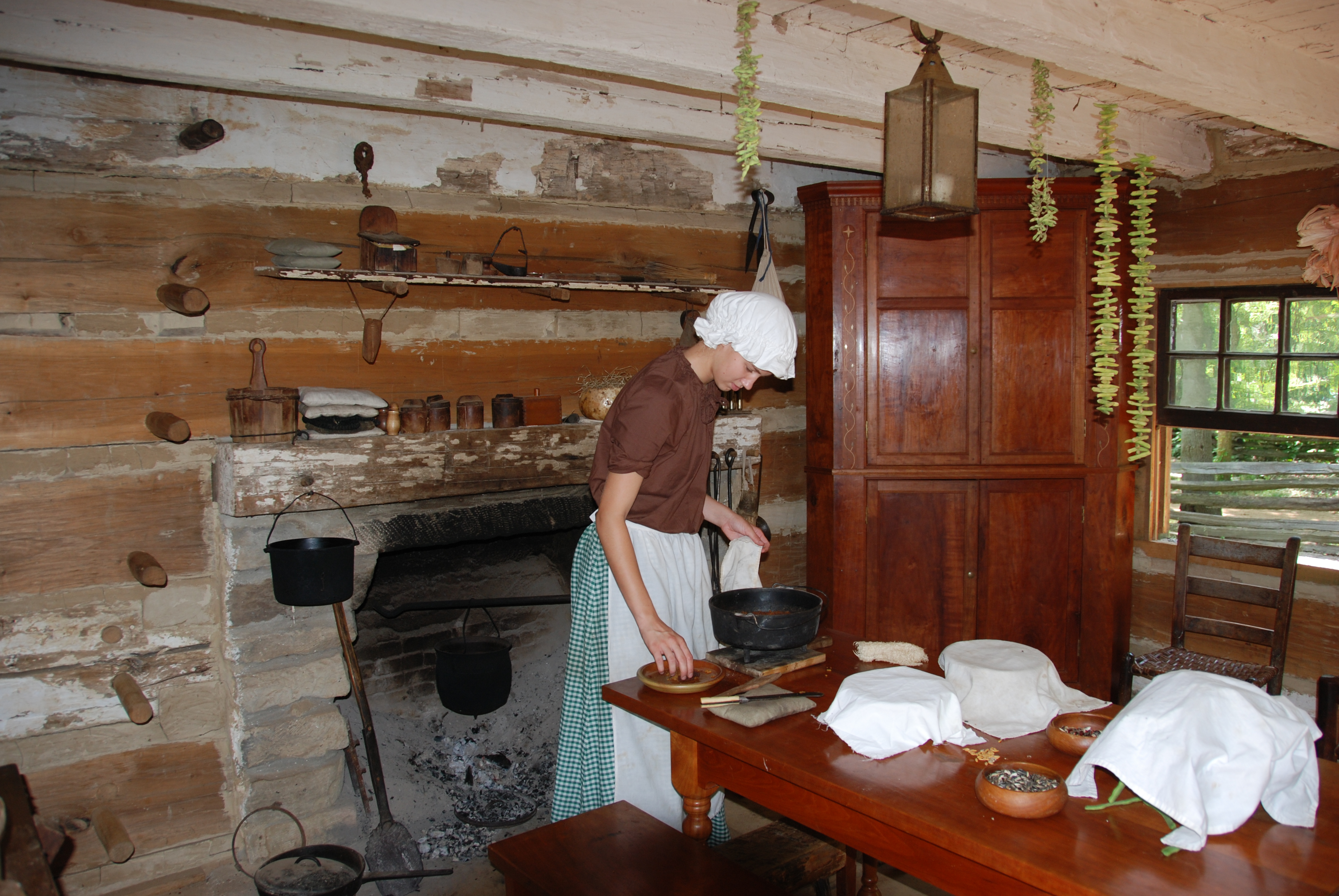
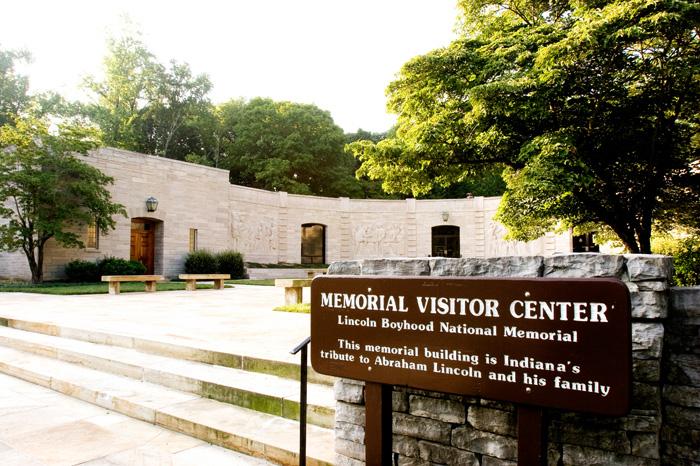
This destination rewards a layered approach. Begin with the Memorial Visitor Center's film and exhibits for essential context. Transition to the Lincoln Living Historical Farm, where 1820s pioneer life unfolds through cultural demonstrations and living history interpreters. The farm is dynamic; its presentation shifts seasonally. Woodland trails offer front-country hiking and birdwatching. Picnic facilities provide a convenient midday pause. The Junior Ranger Program offers families a structured engagement with the site's history. The bookstore and park store provide specialized Lincoln materials.
Who it is for
This site best suits history-focused travelers, Lincoln enthusiasts, and families with school-age children. Birders also find a low-key option here. Anyone seeking a peaceful half-day stop in southern Indiana will appreciate it. Visitors looking for rugged outdoor adventure, dramatic landscapes, or a multi-day wilderness experience should look elsewhere.
Best time to visit
Late spring and fall present the most comfortable conditions for exploring the grounds and the living history farm. Summer temperatures are warm and humid, but manageable; farm demonstrations are typically most active during this peak season. Spring is the rainiest season, necessitating appropriate gear. Winter hours are reduced, and some programming may be limited. A call ahead is advisable before a cold-weather visit.
Worth seeing
- Living history farm with hands-on cultural demonstrations tied to 1820s pioneer life
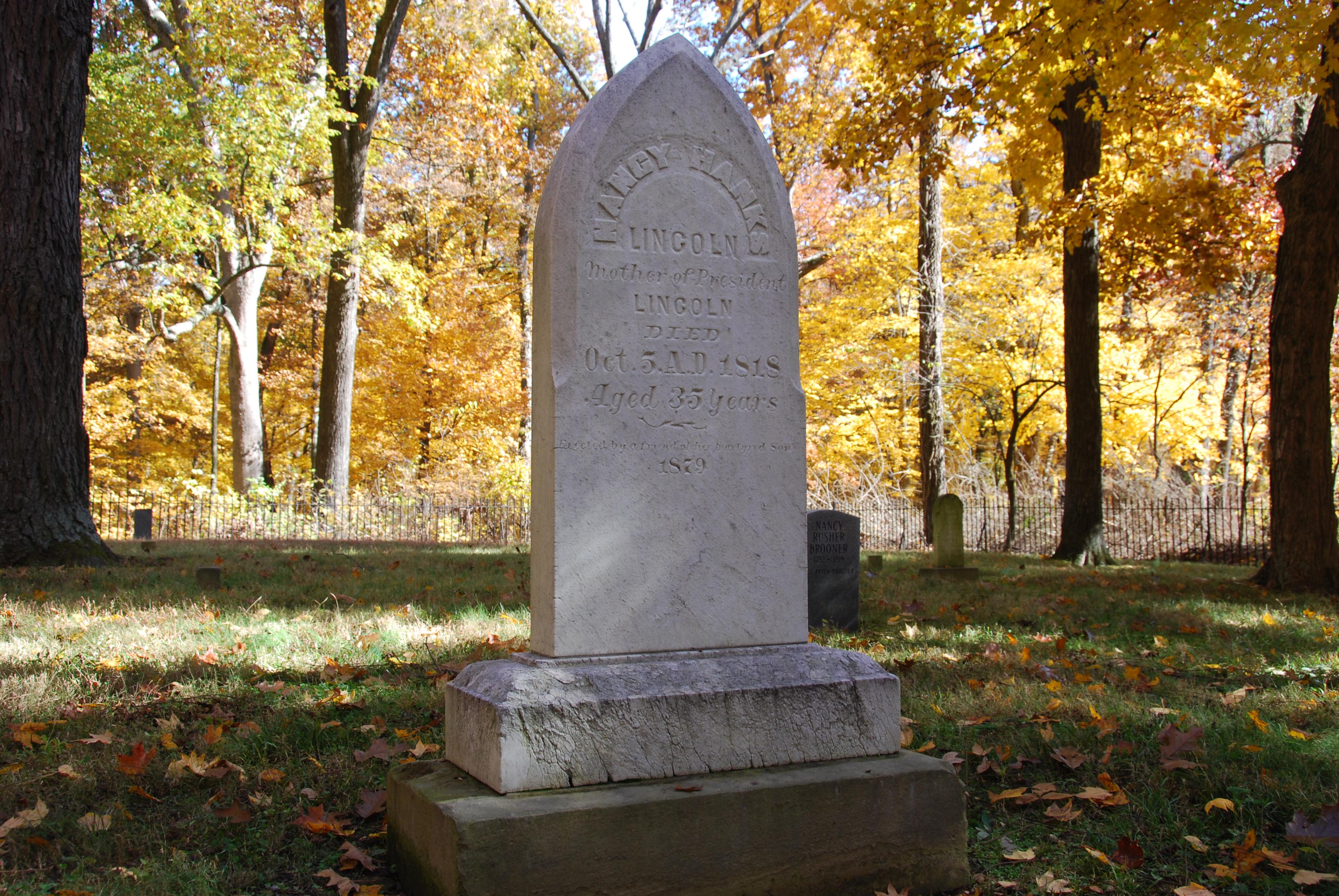
- The grave site of Nancy Hanks Lincoln, Abraham Lincoln's mother, located on the grounds
- Park film and museum exhibits tracing Lincoln's boyhood years in Indiana
- Front-country hiking trails through the surrounding woodland landscape
- Junior Ranger Program structured specifically for younger visitors
- Birdwatching and wildlife watching opportunities along the trails and farm grounds
Before you visit
Admission is free, positioning this as an accessible addition to a regional road trip. The Memorial Visitor Center maintains hours of 9:00 am to 3:00 pm, though checking current schedules is advised for film and exhibit access. Park grounds and trails remain open year-round. Located in Lincoln City, Indiana, a small rural community, visitors should plan for meals and fuel in advance.
Our tipThe living history elements are central to the experience. Consult staff on arrival for the day's schedule of demonstrations. The presence of interpreters performing pioneer-era tasks elevates a standard visit into a memorable one.