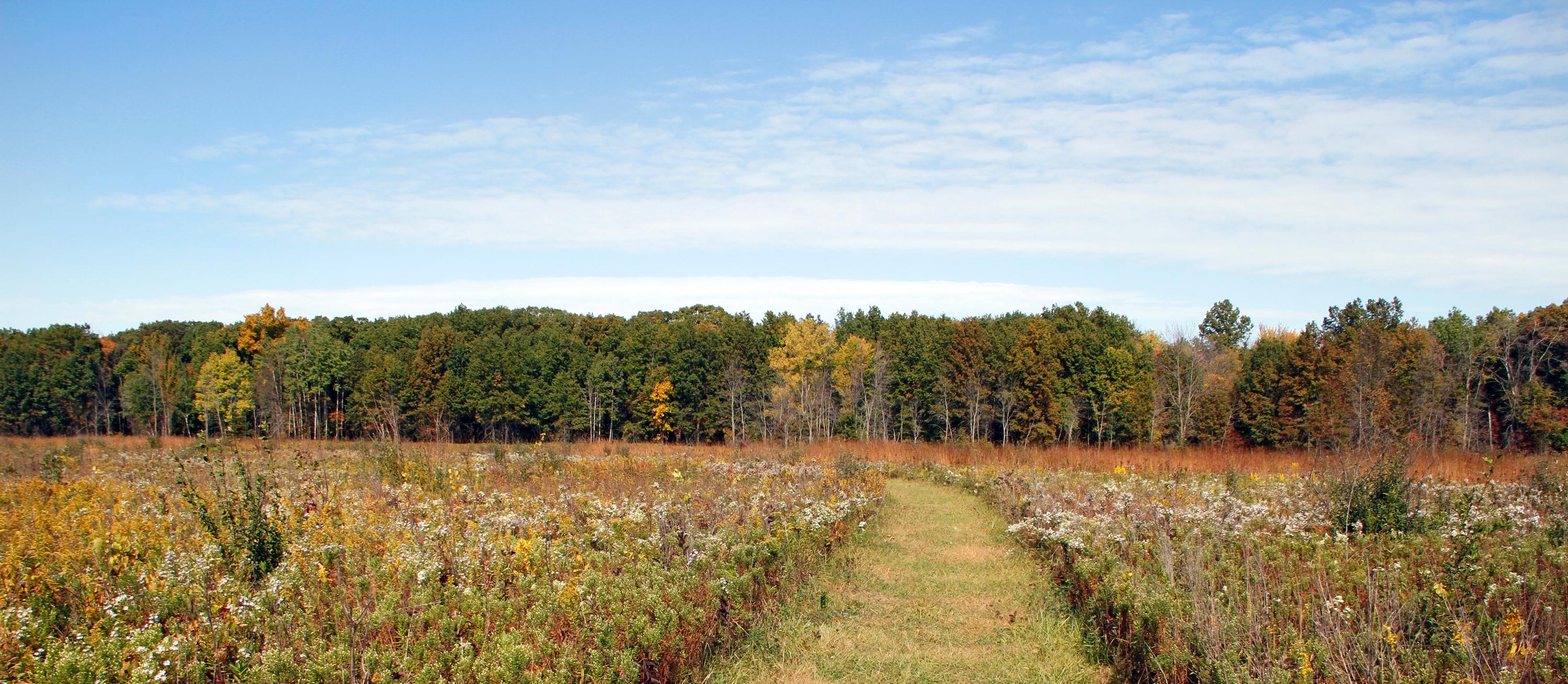
Indiana Dunes National Park: our verdict
Indiana Dunes National Park offers surprising breadth for its Midwest location.
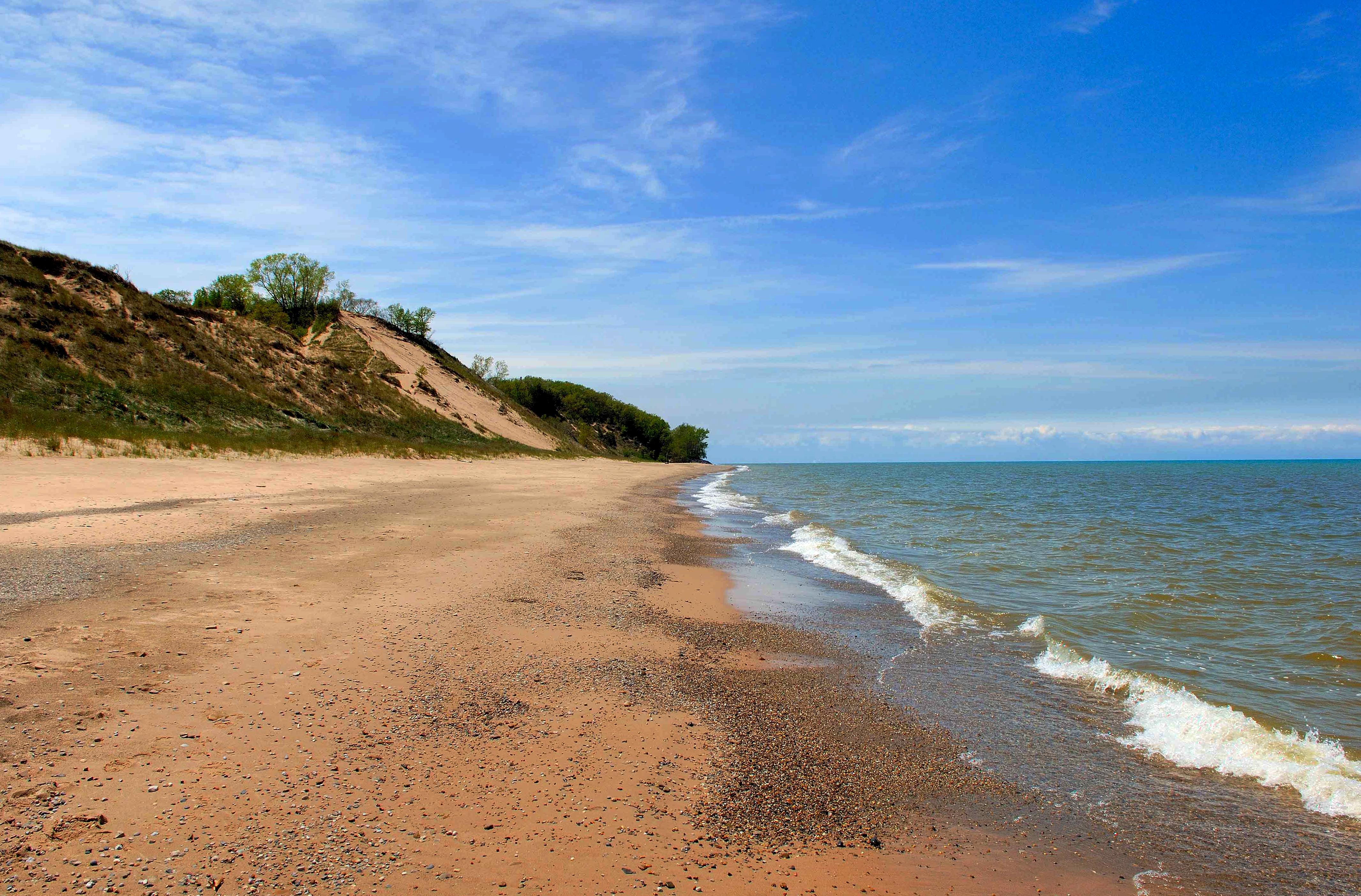
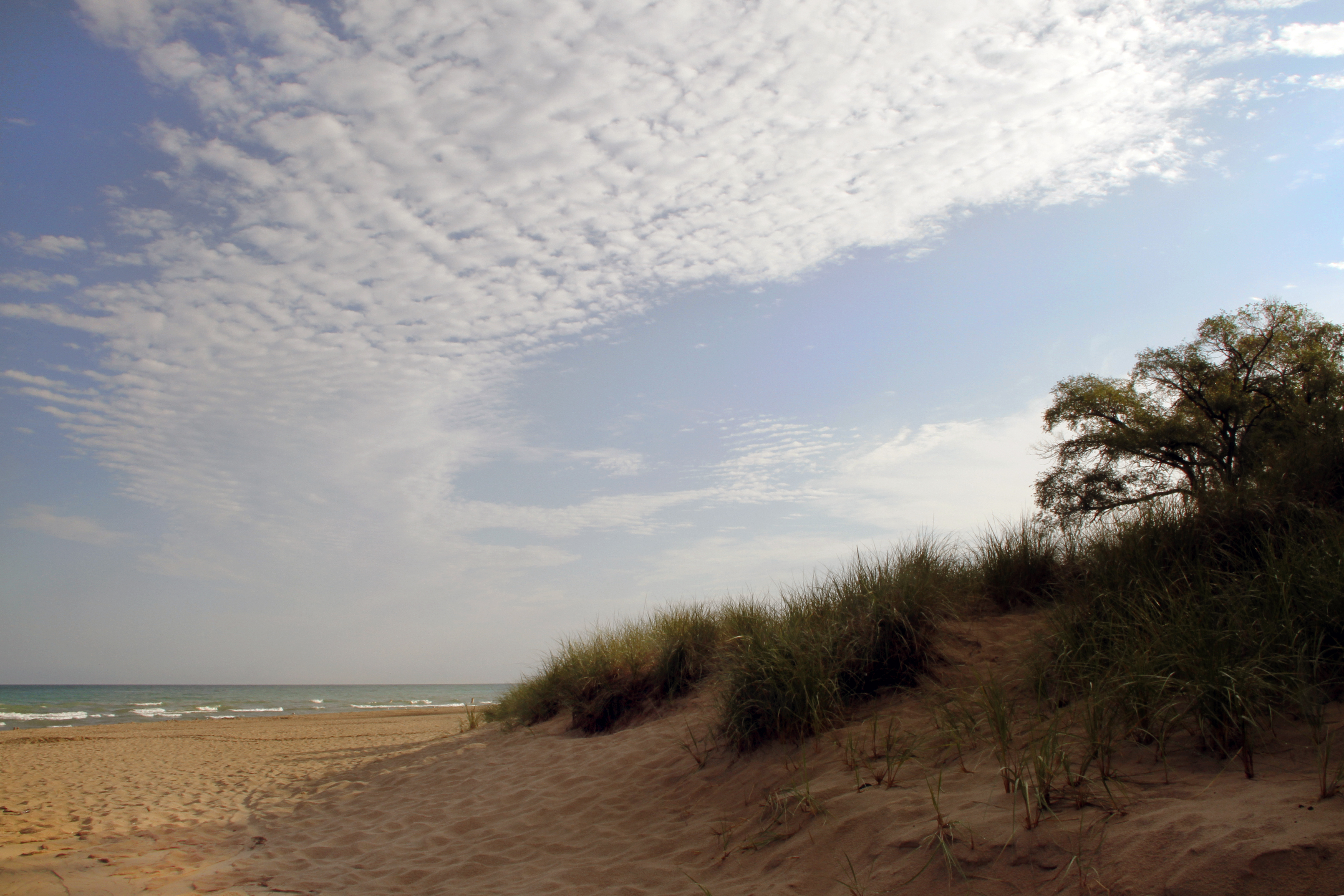
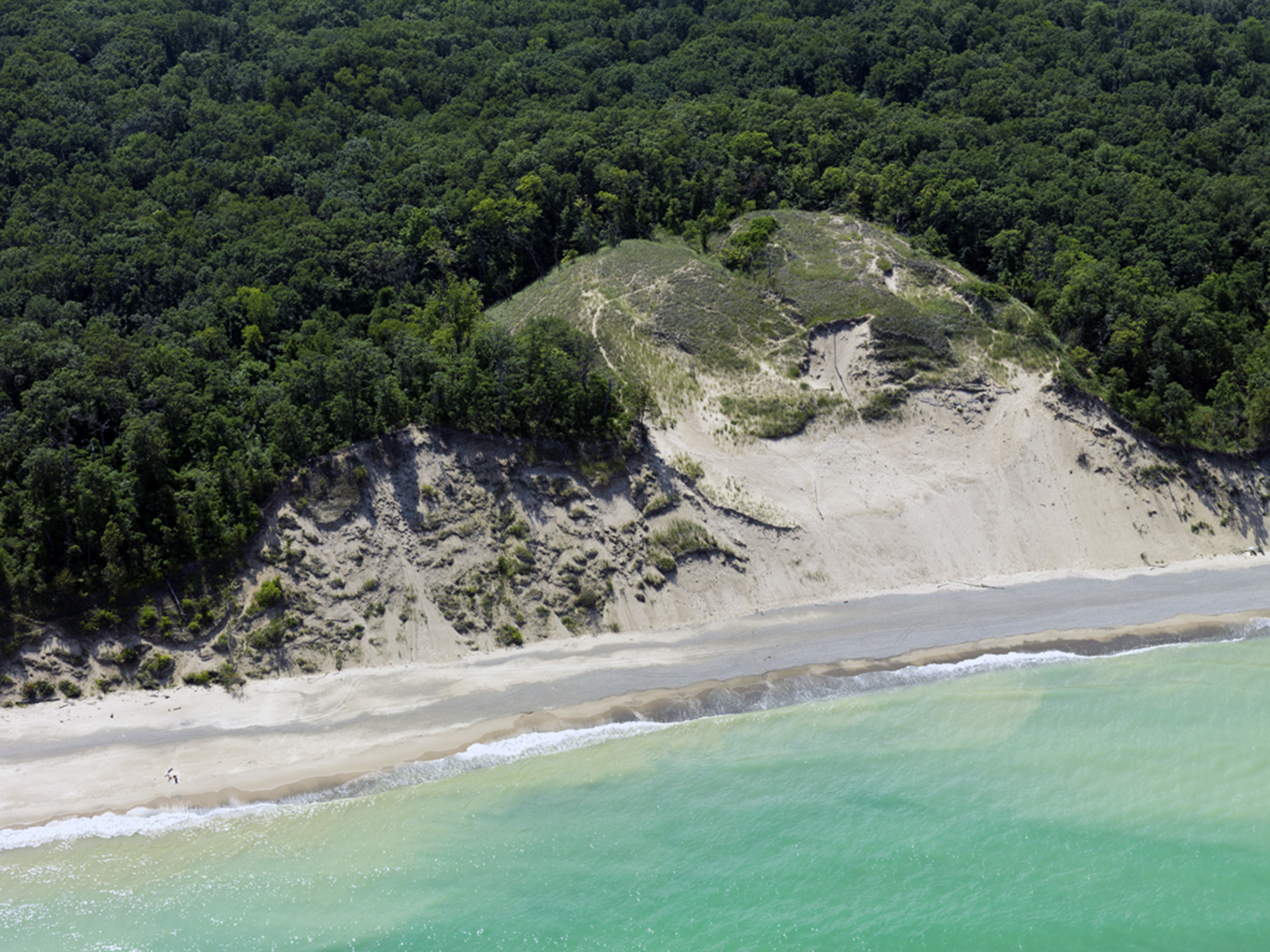
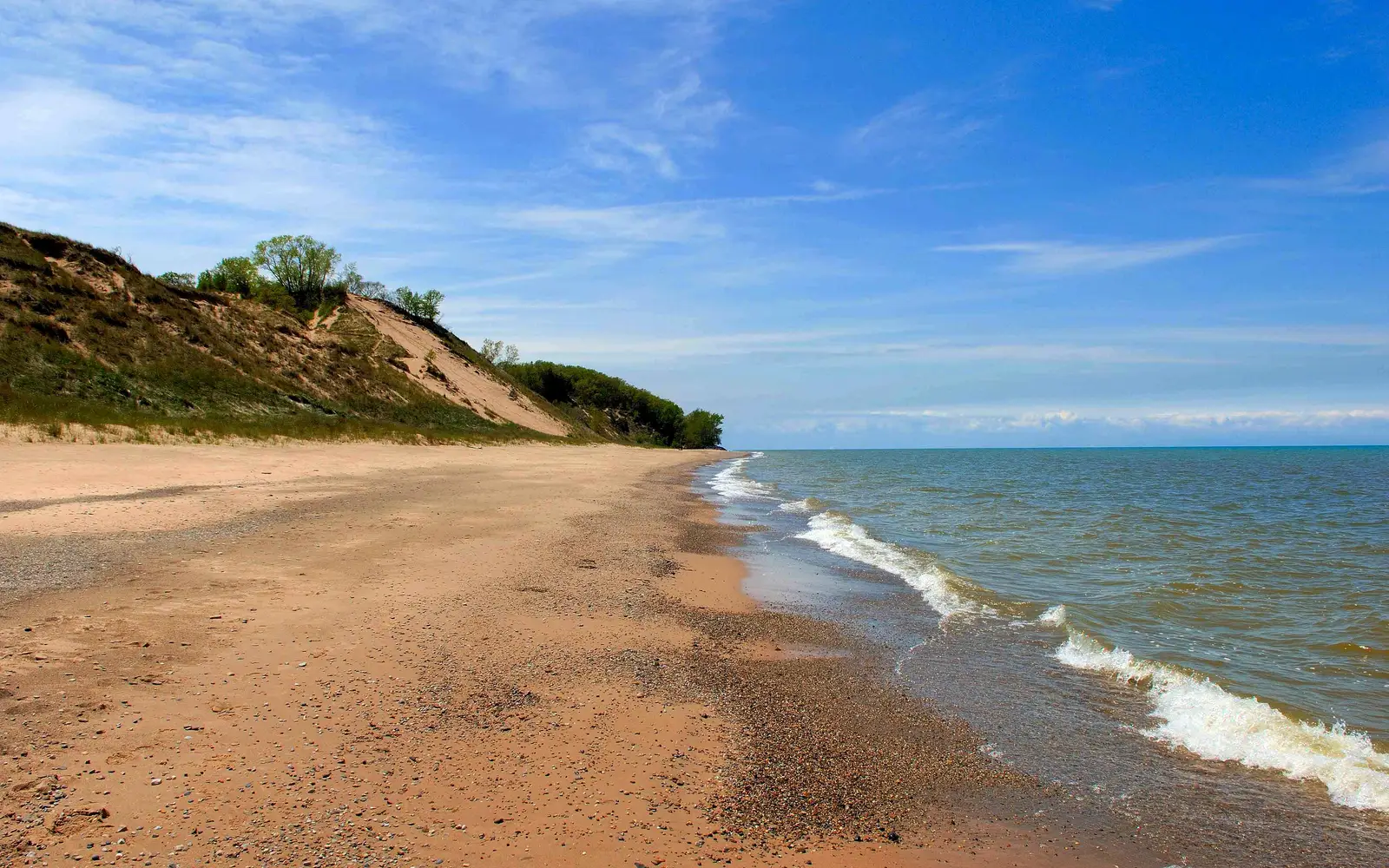
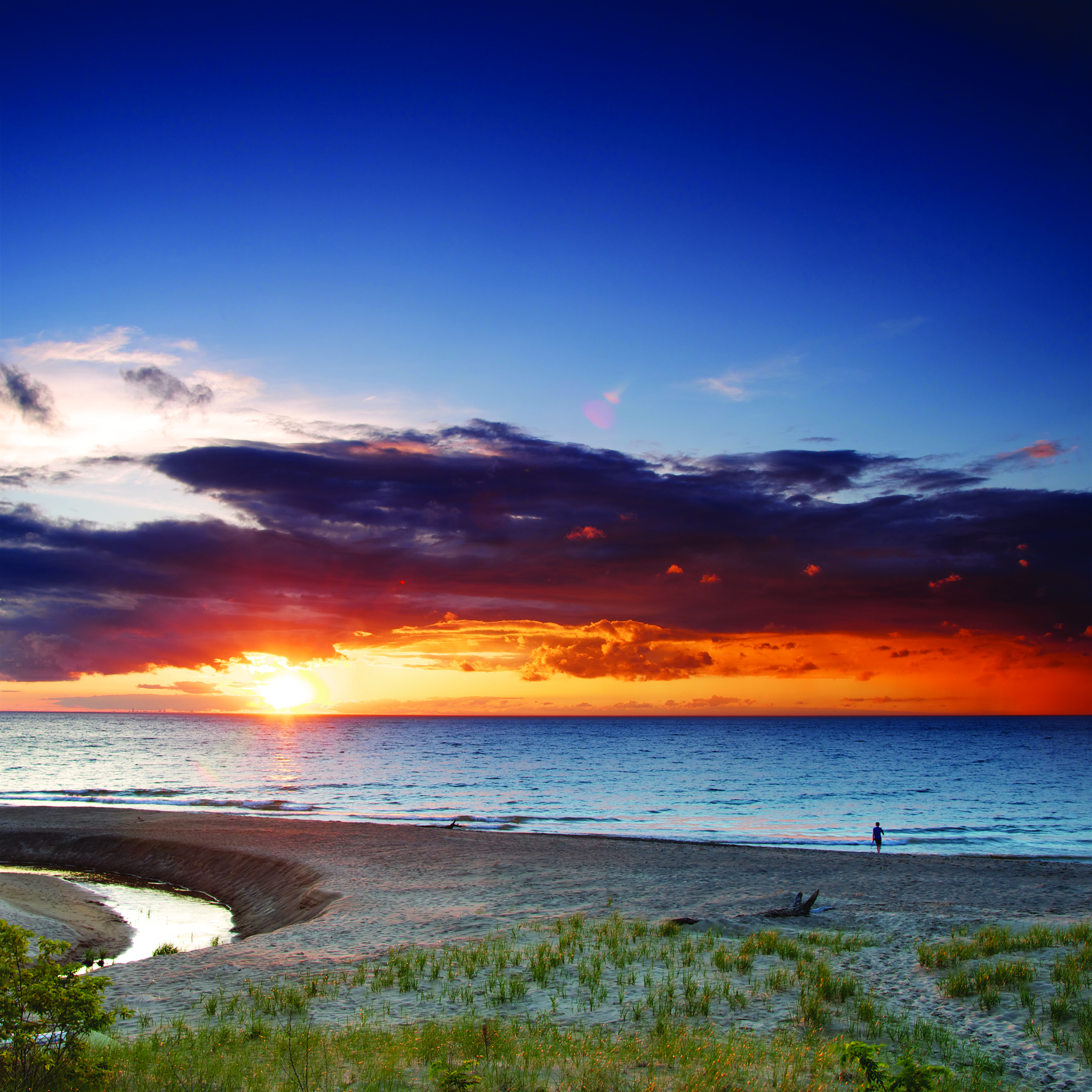
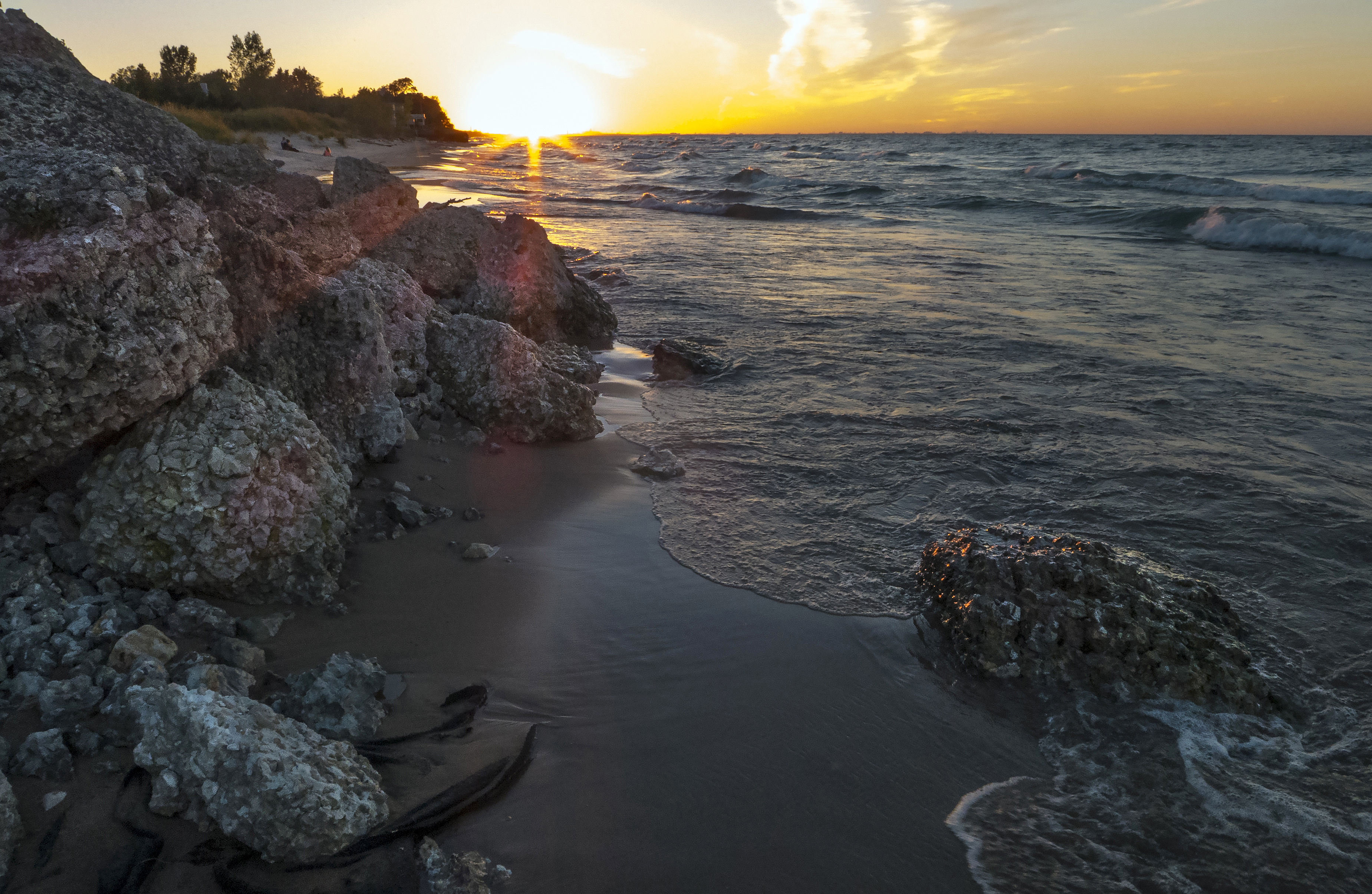
Situated on 15 miles of Lake Michigan shoreline, this 16,000-acre park features an uncommon diversity of dunes, wetlands, prairies, and woodlands. Its activity list is extensive. Summer visitors can swim or paddleboard. Winter brings opportunities for cross-country skiing and snowshoeing. Birdwatchers and botanists find it a serious destination. Families benefit from a full beach and trail experience, conveniently close to Chicago. The $15 entrance fee represents strong value. This park may lack dramatic canyons or geysers, but it is not a lesser park. It rewards engagement with its layered ecology, far beyond simple recreation on the sand.
Why visit
This unit offers a compelling breadth of recreation, making it a strong contender for diverse outdoor enthusiasts. Its 50 miles of trails traverse varied terrain, from Lake Michigan's shore to dune ridges, woodlands, and wetlands. This ecological diversity is a significant asset; one can move from hot sand dunes to bogs on a single hike. Birdwatching opportunities are exceptional, given its location on a major migratory corridor. Winter brings cross-country skiing and snowshoeing, a notable offering for such an accessible park. Multi-day camping provides ample time to explore new areas. Guided tours are available for those seeking deeper interpretive context on geology and flora.
Who it suits
Best for families within driving range of Chicago, serious birdwatchers, paddlers wanting a freshwater Lake Michigan experience, and anyone who wants a multi-season national park without flying across the country. Skip it if you need dramatic western-scale scenery or solitude; summer weekends get crowded and the industrial backdrop is visible from parts of the shoreline.
Timing your visit
The optimal window for a visit arrives in late May through early June. This period combines mild temperatures with the park's peak precipitation, ensuring lush vegetation before July's heat and crowds descend. While July offers the warmest conditions and peak beach season, it also guarantees significant competition for both parking and campsites. Fall
What stands out
- 15 miles of Lake Michigan freshwater swimming and paddleboarding shoreline
- Over 50 miles of trails through dunes, wetlands, prairies, and woodlands
- One of the strongest birdwatching corridors in the Midwest, especially during migration
- Viable winter recreation including cross-country skiing and snowshoeing on dune terrain
- Accessible camping and RV sites for multi-day exploration
- Guided interpretive tours that explain the unusual dune ecology and plant diversity
Good to know
Entrance requires a $15 per vehicle fee. This park operates year-round, though specific areas, including beach access points and campgrounds, maintain seasonal hours. Prospective visitors must consult the NPS website for current operating times before arrival. Campgrounds reach full capacity quickly on summer weekends; advance reservations are essential. Chicago-area visitors should anticipate substantial traffic delays during summer weekends.
Insider tipFor summer weekend access, arrival before 9 a.m. is essential. Parking lots reach capacity by mid-morning. The park provides no overflow or shuttle services at most access points; late arrivals will find no entry.