parkverdict
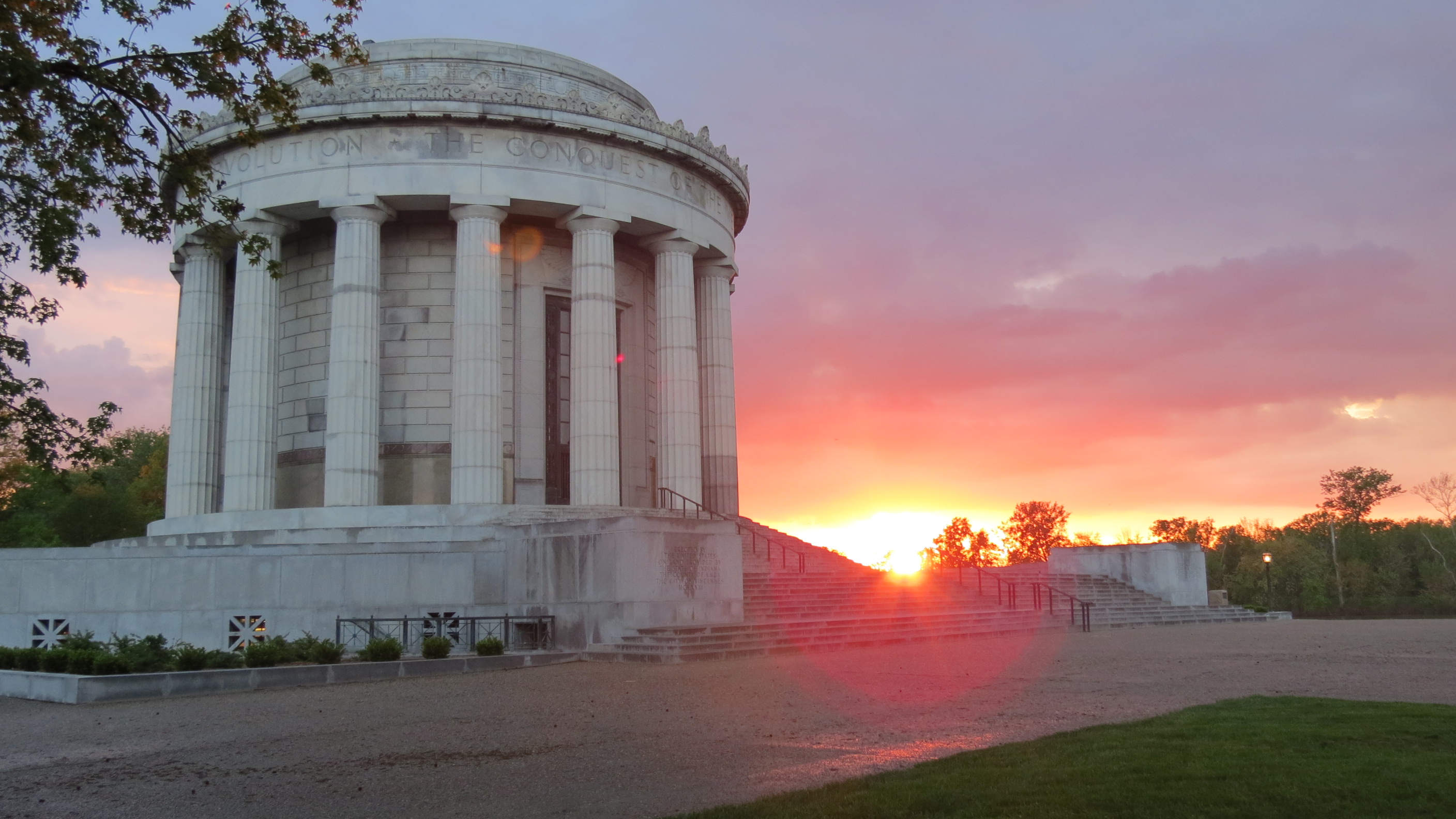
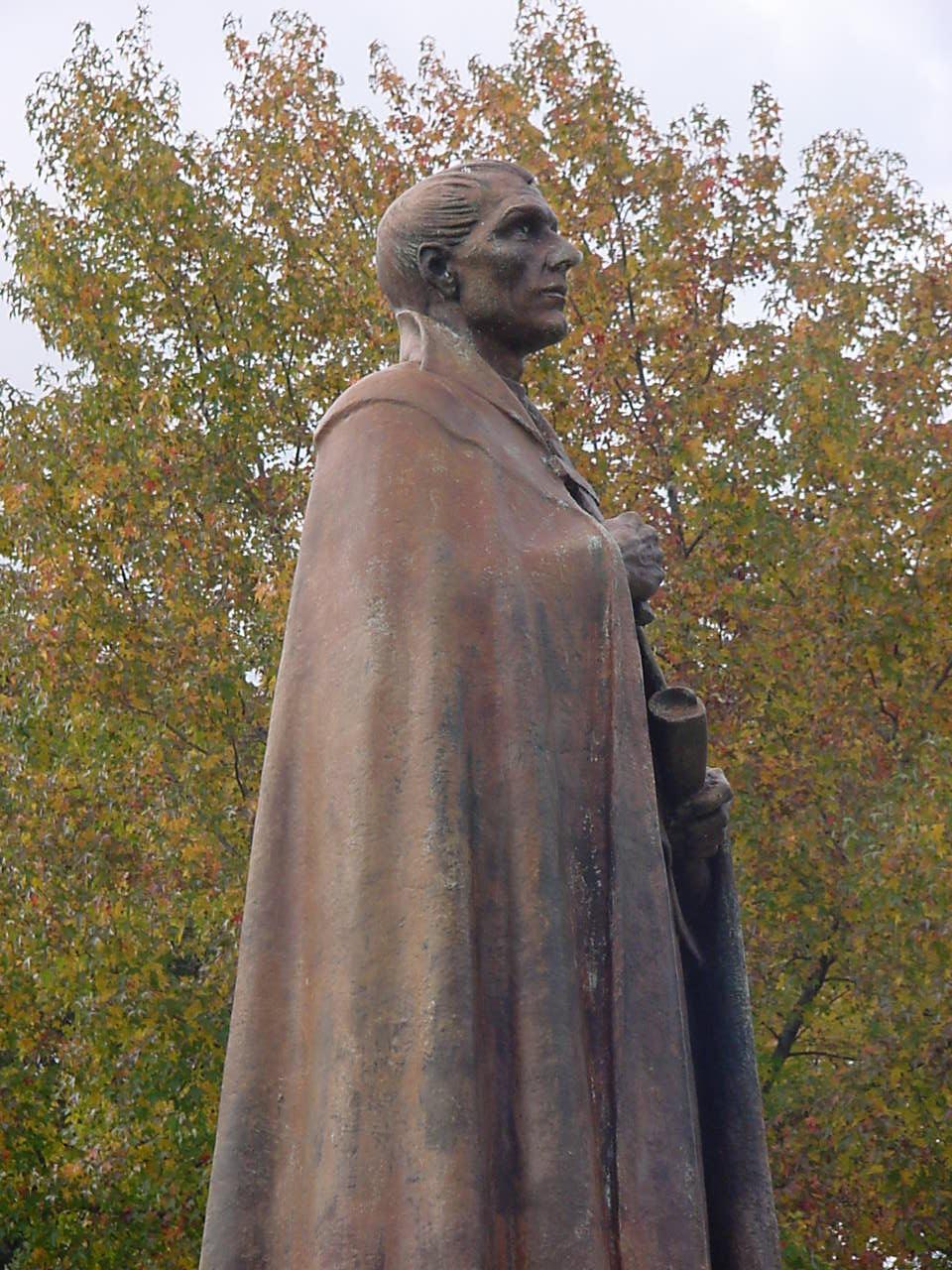
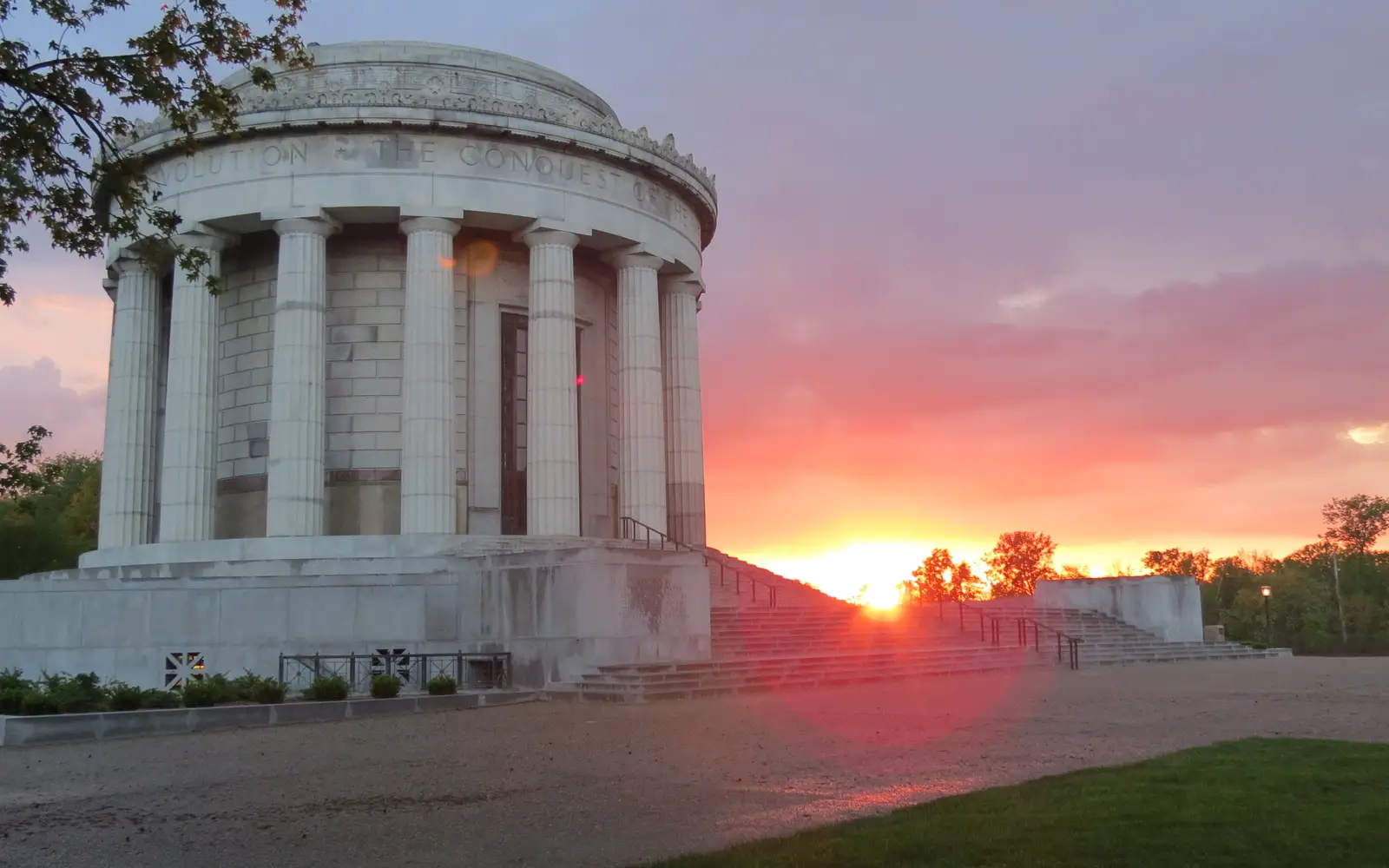
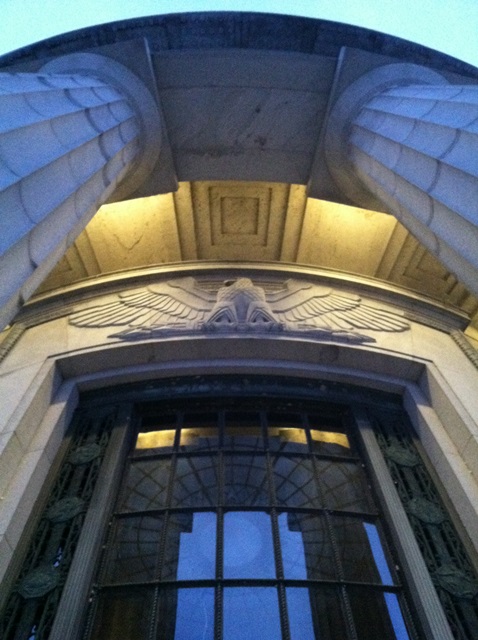
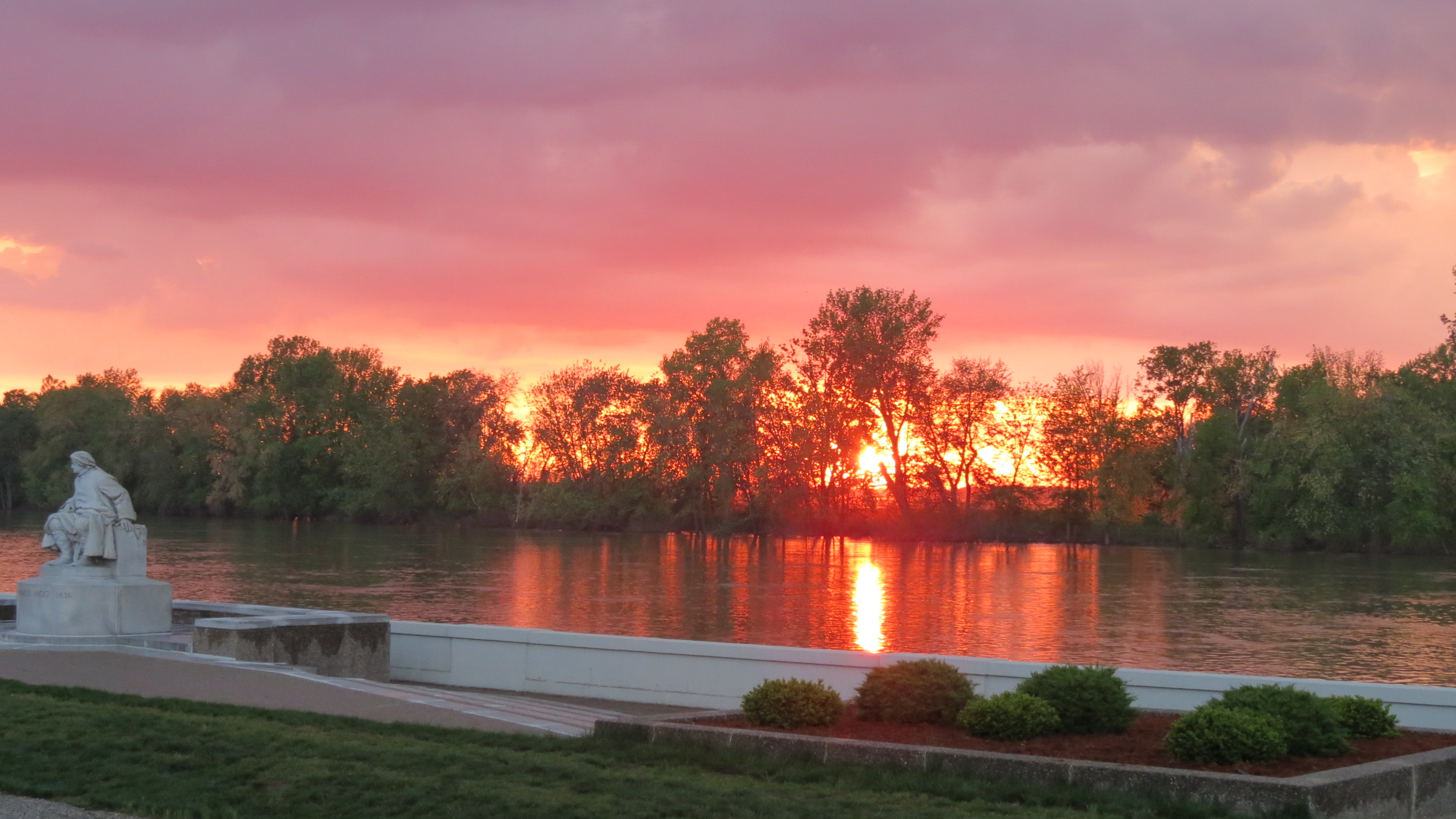
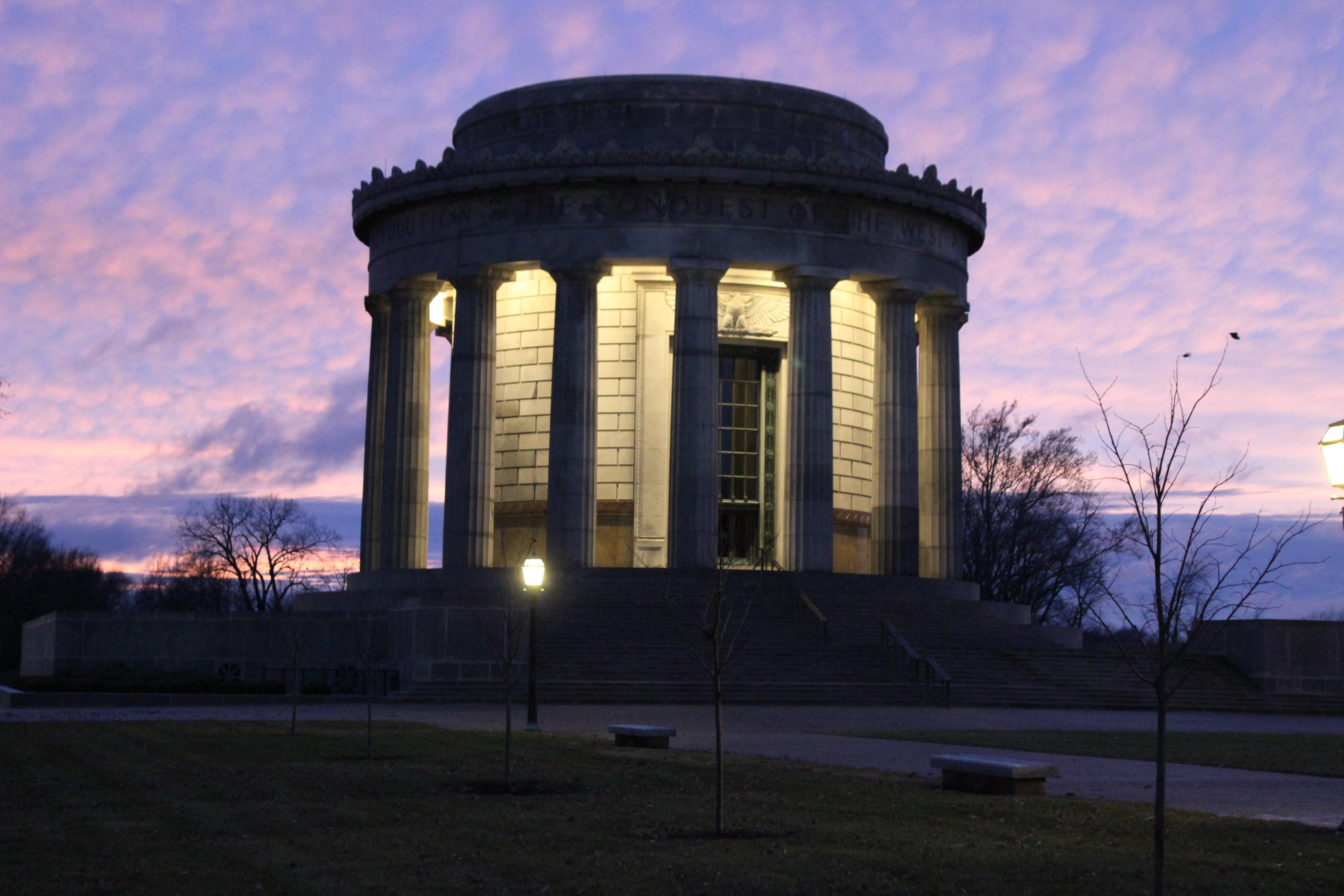
Sun setting behind the Clark MemorialGeorge Rogers Clark Memorial entranceSun setting behind the Francis Vigo Statuecloudy purple sky with memorial
National Historical ParkIN

George Rogers Clark National Historical Park

NPS / NPS Photo
76/ 100WIDE RANGE
parkverdict Experience ScoreIndependent, not sponsored

76 of 100. Our independent breadth-and-access index. How we score

Our take

Is George Rogers Clark National Historical Park worth your trip?

George Rogers Clark National Historical Park in Vincennes, Indiana exists to honor one of the Revolution's most consequential and least celebrated military wins: Clark's February 1779 capture of Fort Sackville from the British, a campaign that helped lock in U.S.

claims to the entire Northwest Territory. The centerpiece is a grand rotunda-style memorial, not a reconstructed fort, so you are coming here for interpretation rather than crumbling stonework. Free admission, solid programming that covers living history and historic weapons demonstrations, and genuinely kid-friendly infrastructure make this worth the detour. That said, how much you get out of it depends almost entirely on how much you put in. Engage with the film, take the guided tour, and catch the scheduled demonstrations, and the visit earns its time without question. Walk straight through without stopping for any of that, and you will probably feel underwhelmed inside an hour. The layers of interpretation are the point here, not the landscape.

Why go

Plan your visit around the programming rather than just wandering the grounds. The visitor center shows a 30-minute film called "Long Knives," which makes it clear why Clark's frozen-floodwater march actually mattered. A guided tour of the memorial pairs well with it, giving you something to attach all that context to once you step outside. On the right day, living history demonstrations and historic weapons programs bring the 1779 campaign to life in ways that wall panels simply cannot. Kids can work through the Junior Ranger program while adults poke around the bookstore. The site runs along the Wabash River, so there are fishing spots and picnic areas if you want to stretch the day past the history. When hands-on and arts-and-crafts programming is running, the whole visit fills a half-day without any real effort.

Best for

Revolutionary War frontier history fans will get real value here. Families with school-age kids have good reasons to come too, since the Junior Ranger program and hands-on activities give younger visitors something concrete to engage with. Casual park-checkers or anyone hoping for scenic wilderness should look somewhere else. The outdoor setting is incidental. This is an interpretive history site first.

Best season

Late spring through early fall is when the site runs its fullest schedule, with living history events and weapons demonstrations that depend on decent weather to pull off. If heat is a concern, peak Midwest summer can be brutal, with temperatures climbing into the 90s. Fall brings cooler days and noticeably thinner crowds. Winter slows things down and some programs go on hiatus, but the memorial and film are available year round.

The high points

  • Living history demonstrations that reconstruct the 1779 Fort Sackville campaign
  • Historic weapons demonstrations tied to the Revolutionary War frontier context
  • The 30-minute introductory film 'Long Knives' as a compelling orientation to the battle
  • Junior Ranger program with hands-on and arts-and-crafts components for kids
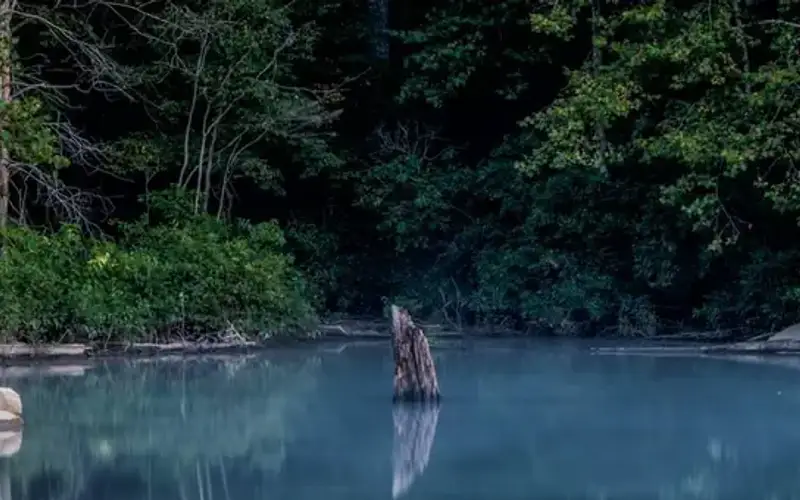
  • Fishing and picnicking along the Wabash River for a relaxed complement to the history
  • Free admission with a well-stocked bookstore and park store for deeper reading

Know before you go

Admission is free. Start at the visitor center and watch the short film before heading outside, since it gives real context to what you are about to see. Check the NPS schedule ahead of time, because living history events and weapons demonstrations only happen on certain days. The site itself is compact, and if you catch some programming, plan on spending roughly two to three hours there.

One more thingBefore you book anything, take a look at the park's event calendar. The living history programs and historic weapons demonstrations are what make the place worth visiting, and showing up on a slow day with nothing scheduled means missing the best of what the site has to offer.

How we scored it

Why George Rogers Clark National Historical Park scores 76

We keep the math boring on purpose. The same handful of public-data inputs, capped so none of them dominates, decide every score. What they measure is breadth and access, not beauty and not crowd levels. For George Rogers Clark National Historical Park, they shook out like this:

  • Activity breadth15 documented activities
  • Topic breadth12 topics
  • Official imagery5 public-domain images
  • Camping on sitenone recorded
  • Entry costfree

No number is hand-adjusted and no unit pays for placement. The full weights, the floor at 18 and a worked example are on how we score.

The honest limits

The honest blind spots

Read the score for what it is. It counts what a place documents and how reachable it is, and stops there. It will not tell you if a sunset floors you, if the crowds thin out by dusk, whether a washout closed your trail, or how a ranger tells the story. Plenty of quiet, focused spots score modestly and still win the weekend. Let the number rank what is on offer; let the verdict speak to the feel.

What you can do

Activities

AstronomyFishingFoodPicnickingGuided ToursSelf-Guided Tours - WalkingHands-OnArts and CraftsLiving HistoryHistoric Weapons DemonstrationJunior Ranger ProgramPark FilmMuseum ExhibitsShoppingBookstore and Park Store
Background

The short version

On Feb. 25, 1779, the British flag came down over Fort Sackville. At 10 A.M., the garrison surrendered to American Colonel George Rogers Clark, who had marched his army through freezing floodwaters with French residents of the Illinois country fighting alongside him. That victory locked in United States claims to the frontier, a territory nearly as large as the original 13 states.

On documented breadth and access, George Rogers Clark National Historical Park ranks 3rd of 5 park and public-land units we score in Indiana.

What the seasons are like

Winters here run in the mid 30s, which is pretty standard for the Midwest. Summers turn hot and sticky, with temperatures climbing into the 90s.

Common questions

George Rogers Clark National Historical Park: quick answers

Is George Rogers Clark National Historical Park worth visiting?

George Rogers Clark National Historical Park in Vincennes, Indiana exists to honor one of the Revolution's most consequential and least celebrated military wins: Clark's February 1779 capture of Fort Sackville from the British, a campaign that helped lock in U.S.

Is George Rogers Clark National Historical Park free to visit?

It is free to get in.

What is George Rogers Clark National Historical Park best for?

It leans hardest toward stargazing, good with kids, water activities, guided tours, going by the 15 activities it actually documents.

When is the best time to visit George Rogers Clark National Historical Park?

Late spring through early fall is when the site runs its fullest schedule, with living history events and weapons demonstrations that depend on decent weather to pull off.

How is the Experience Score for George Rogers Clark National Historical Park calculated?

The 76 comes straight from public data on how much the place documents and how easy it is to reach, things like activities, topics, photos, camping and whether entry is free. It says nothing about scenery or how busy it gets.