Should you visit Hoosier National Forest?
Hoosier National Forest, a 204,000-acre working public land in south-central Indiana's hill country, offers substantial recreational breadth.
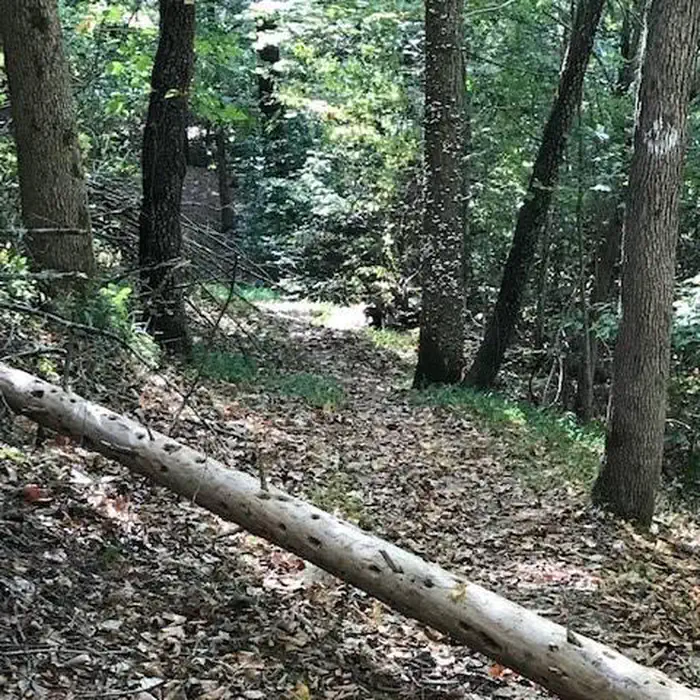
Free entry provides access to a wide trail network for hikers, mountain bikers, and equestrians. Lakes and streams facilitate fishing and boating. Scenic drive-through corridors are available. Overnight stays are possible in fire lookout cabin rentals. This expansive, forested terrain offers a sense of remoteness within Indiana. Its rural crossroads communities provide an unhurried character. The Forest lacks a single iconic feature. Instead, it functions as an activity platform for those crafting their own itinerary. This is not a destination for the casual sightseer seeking a singular landmark. It consistently delivers for visitors planning a multi-day, activity-rich camping weekend.
What makes it worth it
This destination offers a well-rounded weekend experience. Arriving Friday evening, visitors can establish a base at a forest campground, with dedicated facilities for horse camping. Saturday presents a diverse itinerary: explore the backcountry trail network by foot or mountain bike, enjoy boating or fishing on the forest lakes, or undertake a leisurely auto tour along the scenic routes. Interpretive programs provide valuable context to the area's natural and cultural history. Sunday introduces a unique lodging option: a rented or reserved fire lookout cabin. Swimming is available in warmer months. The notable breadth of water access, trail variety, and overnight accommodations within a single, free-entry forest sets this location apart.
Who should go
For campers, equestrians, anglers, and trail users, this destination provides multi-day flexibility, free of an entrance fee. Midwest families seeking an economical outdoor weekend will find ample opportunity. Solo hikers and mountain bikers will appreciate the forested hill terrain. Travelers expecting dramatic scenery, iconic viewpoints, or a visitor-center-anchored experience should adjust their expectations.
When to go
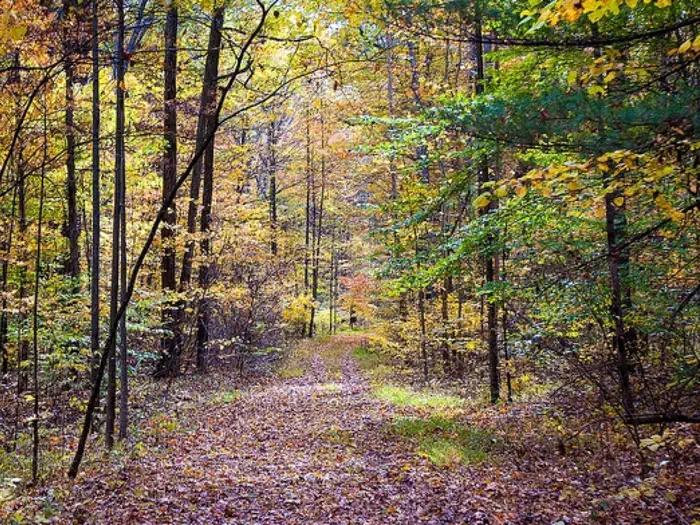
Optimal visiting periods align with specific interests. Late April through early June provides mild temperatures, full creek flows for fishing, and abundant wildflowers before the tree canopy fully develops. Mid-October ushers in reliable fall color and cooler hiking conditions. Summer is suitable for swimming and boating, though visitors should anticipate southern Indiana's characteristic heat and humidity. Winter offers tranquility and fewer crowds, but some facilities and programs will be unavailable.
Highlights
- Free entry across the entire 204,000-acre forest with no gate or reservation required for day use
- Fire lookout and cabin overnight rentals for a genuinely distinctive backcountry lodging experience
- Horse camping and dedicated equestrian trail access, rare among public lands in the region
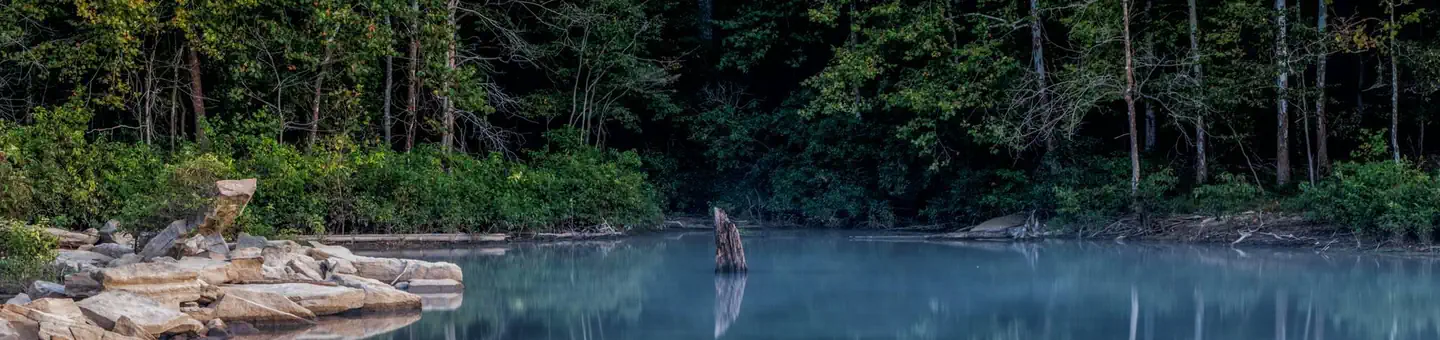
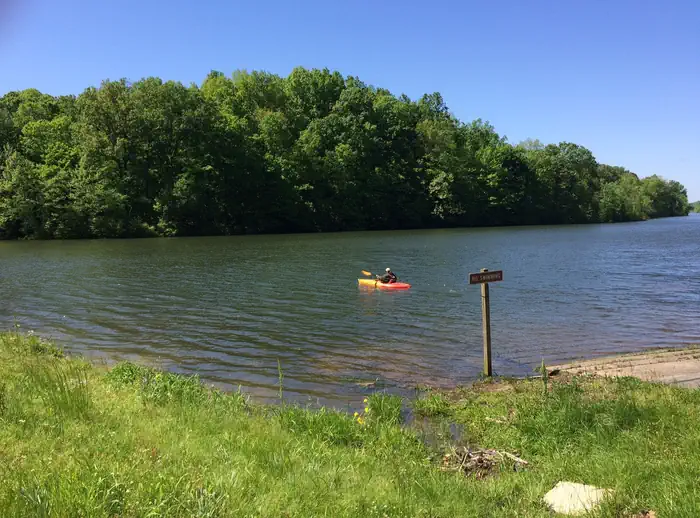
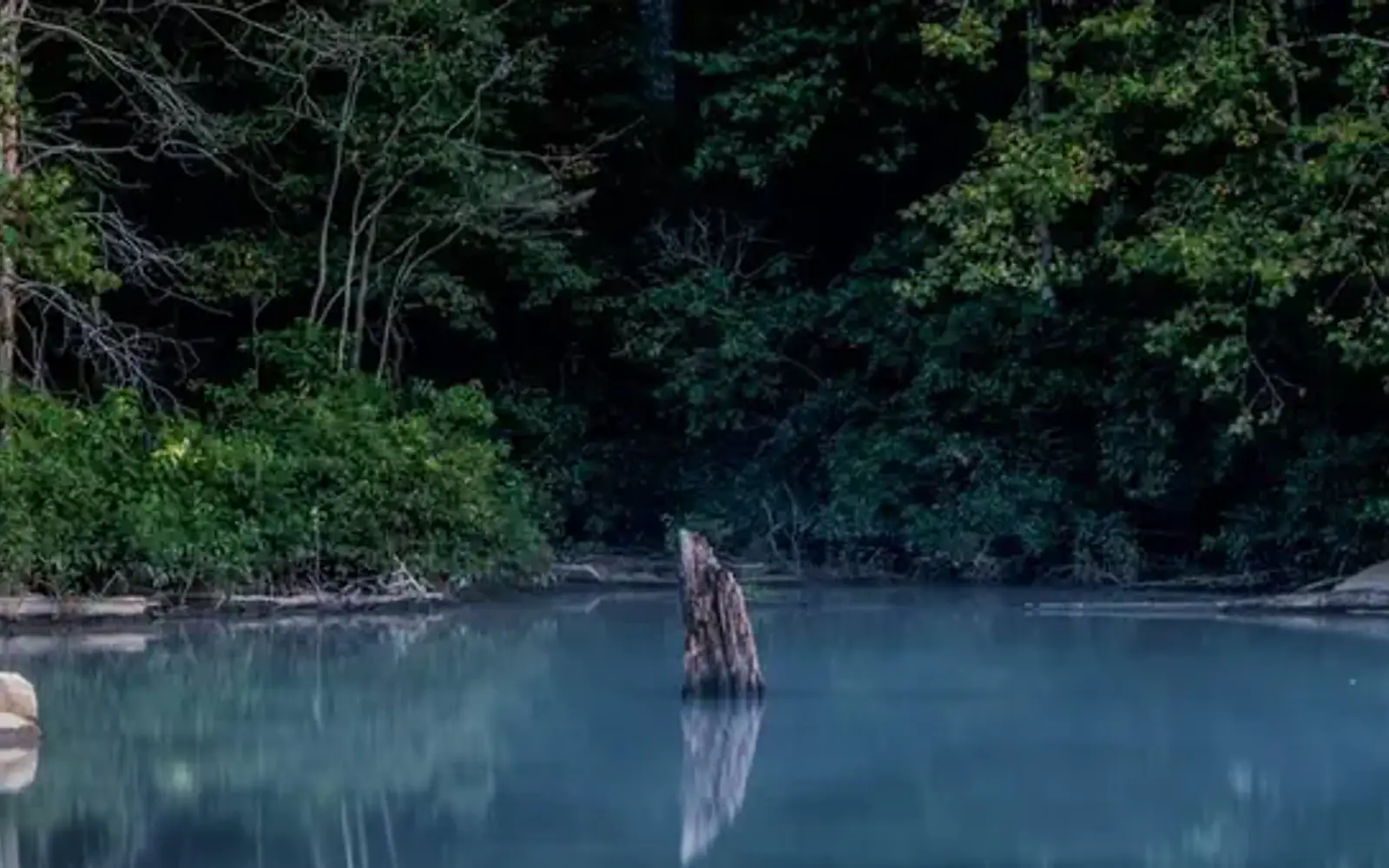
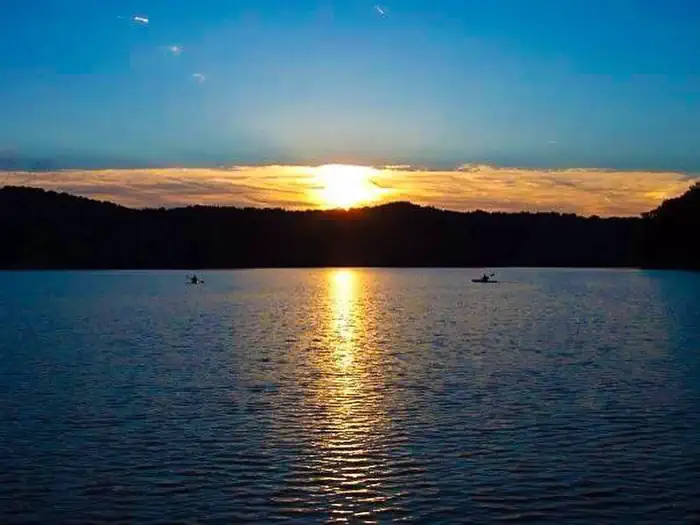
- Boating, fishing, and swimming on forest lakes and waterways in the hill country
- Scenic auto touring routes through rolling rural terrain and small crossroads communities
- Interpretive programs that connect visitors to the cultural and natural history of the southern Indiana landscape
Plan ahead
Entry is free, though popular fire lookout and cabin rentals demand advance reservations, often filling on autumn weekends. The park's distributed nature, spanning multiple ranger districts, necessitates careful planning. No single entrance exists. Visitors must identify the specific area and trailhead corresponding to their intended activity. Cell coverage is limited across numerous backcountry sections. This park requires commitment. Casual sightseers should look elsewhere. For those prepared to navigate a fragmented, wild landscape, it offers solitude and stark beauty.
Editor's tipThe fire lookout cabin books quickly for the October color window. That elevated vantage over the hardwood canopy is the forest's most distinctive single experience.