
LBJ Memorial Grove on the Potomac: our verdict
The Lyndon B.
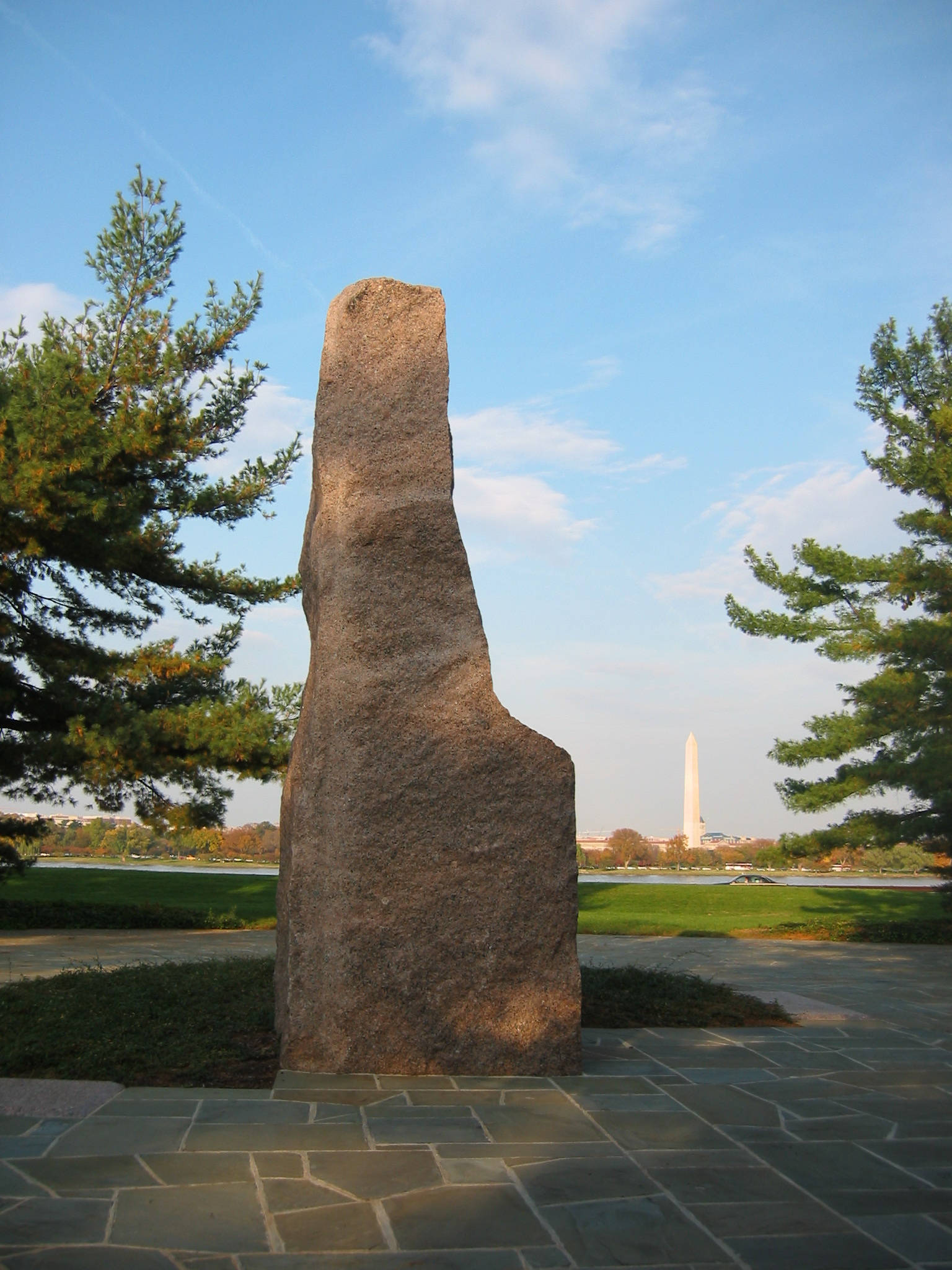
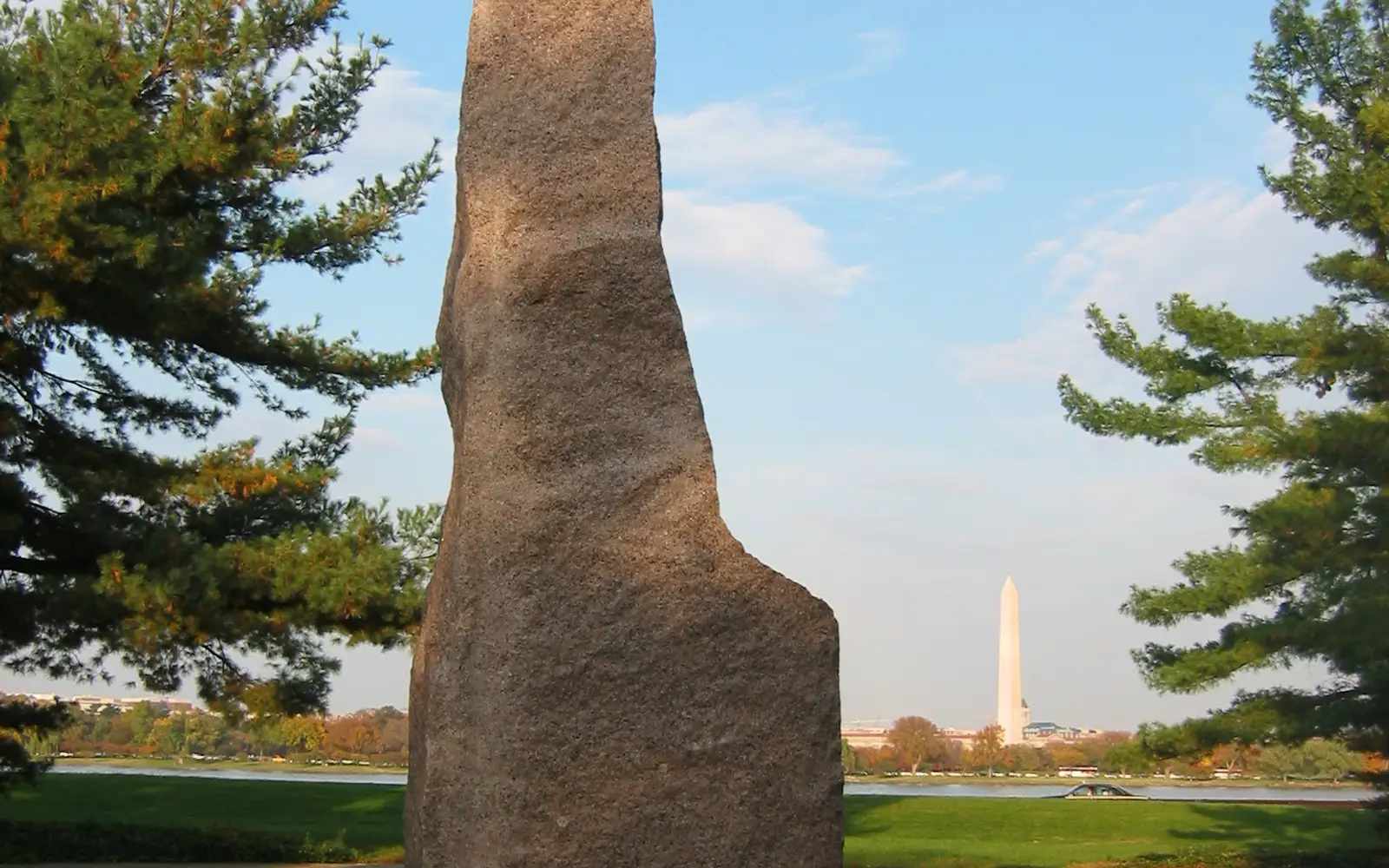
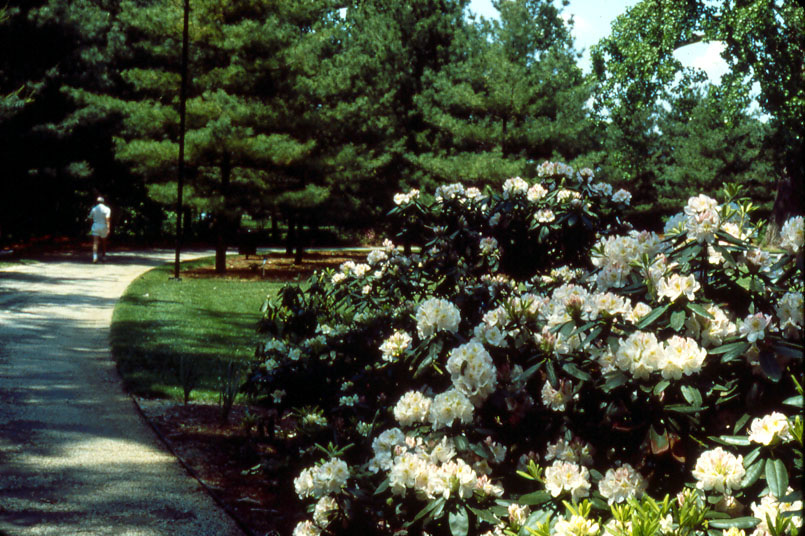
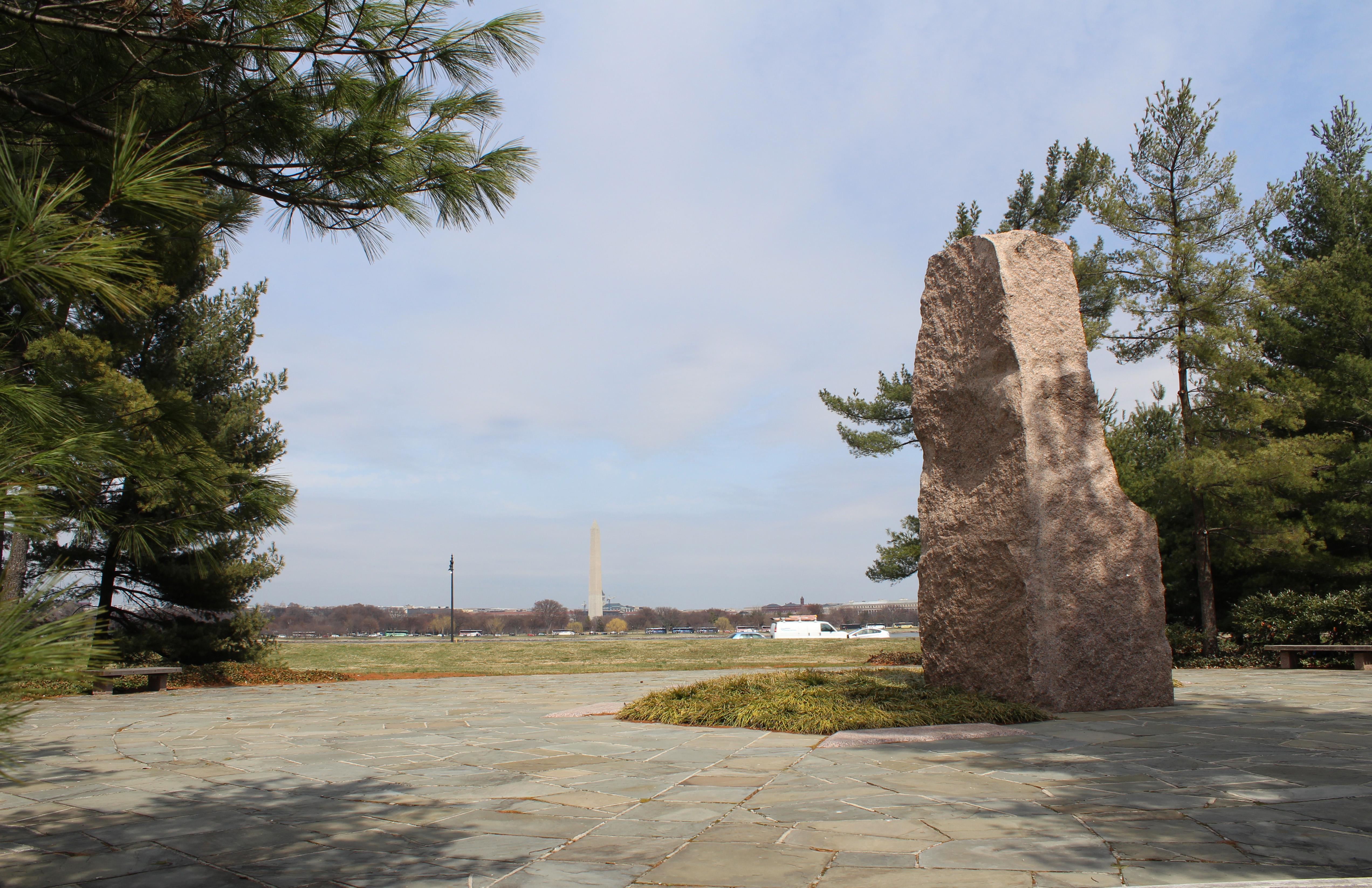
Johnson Memorial Grove offers a contemplative landscape on the Potomac's Virginia bank, facing the Lincoln Memorial and National Mall. This unit eschews traditional monumental scale, presenting instead serpentine paths, a white pine grove, a meadow, and a granite monolith. There is no visitor center or museum exhibit. The offering is one of quietude and reflection, suitable for those engaging with
Why visit
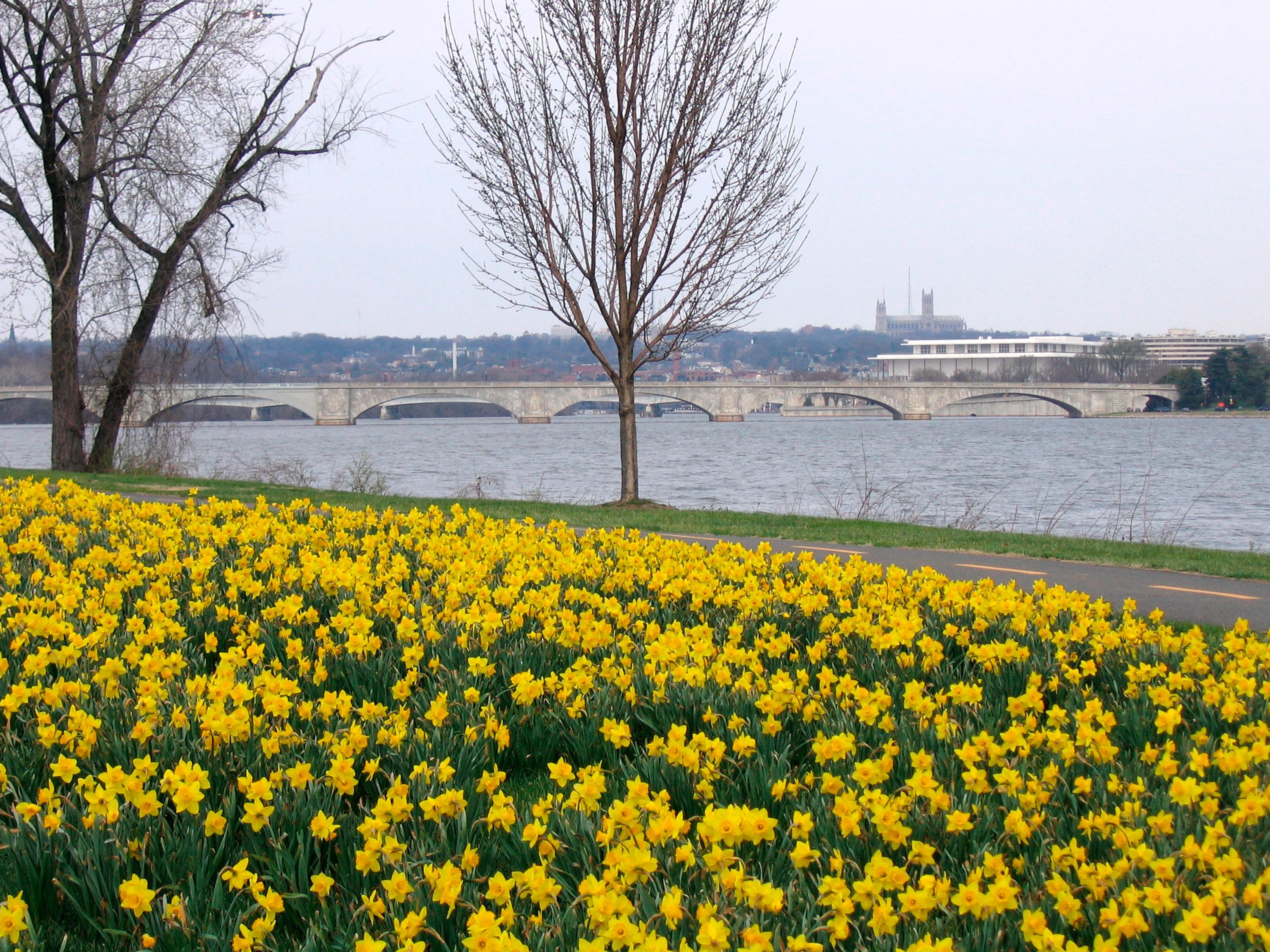
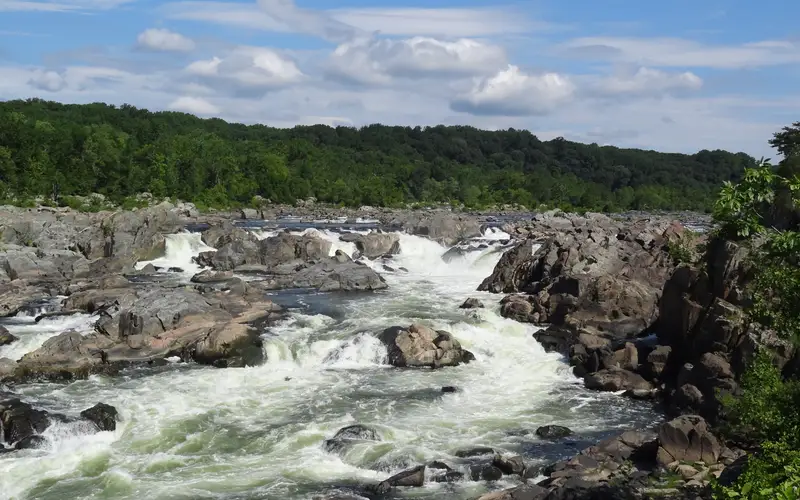
This memorial layers two distinct offerings. The core experience centers on the pine-shaded paths and the granite monolith, culminating in the expansive view across the Potomac. This panorama, encompassing the Capitol dome and other monuments, directly fulfills Lady Bird Johnson's intention for a restorative experience. Beyond the memorial, the riverfront expands the site's utility. The area provides road biking and trail biking connections to the George Washington Memorial Parkway. Canoeing and kayaking on the Potomac are options. Birdwatching opportunities exist along the water's edge. Combining the solemnity of the memorial with active riverfront recreation transforms a brief visit into a substantial half-day outing. This destination rewards those who arrive prepared to engage with both history and outdoor pursuits.
Who it suits
This park rewards a specific interest. History-minded visitors, particularly those focused on LBJ, the Great Society, or mid-20th century American politics, will find it genuinely moving. Cyclists, paddlers, and birders can readily integrate it into a broader Potomac corridor itinerary. Casual tourists expecting a grand monument on the scale of the Lincoln or Jefferson memorials will likely feel underwhelmed. For that scale of experience, first-time DC visitors have better options.
Timing your visit
Optimal visiting seasons are spring and fall. Spring provides mild temperatures and significant bird migration along the Potomac corridor. Fall provides cooler conditions for paddling or biking. Summer visits are tenable; a 6 AM opening allows visitors to avoid peak heat and humidity, though afternoon thunderstorms are common. Winter use is possible, with cold conditions offset by unobstructed river views through bare trees.
What stands out
- The cross-Potomac view of the Washington skyline from inside the grove - the view LBJ himself sought out
- White pine grove and granite monolith creating a spare, meditative memorial landscape
- Paddling access to the Potomac River by canoe or kayak
- Birdwatching along the riverfront corridor, especially during spring and fall migration
- Road biking and trail biking connections into the George Washington Memorial Parkway network
- Off-trail hiking permitted, allowing you to explore the meadow and grove freely
Good to know
Free and open daily from 6 AM to 10 PM, this park offers consistent access. There is no visitor center, so plan your visit details independently. Paddlers must arrange their own launch logistics. Parking is ample in adjacent Pentagon lots. Summer visitors should carry water; heat and humidity are significant, and open meadow sections within the grove offer limited shade.
Insider tipSummer mornings demand an early arrival. Beating the heat and catching the Potomac in flat, calm conditions rewards the committed. The early light across the river toward the Lincoln Memorial justifies the alarm. Solitude is a notable benefit.