parkverdict
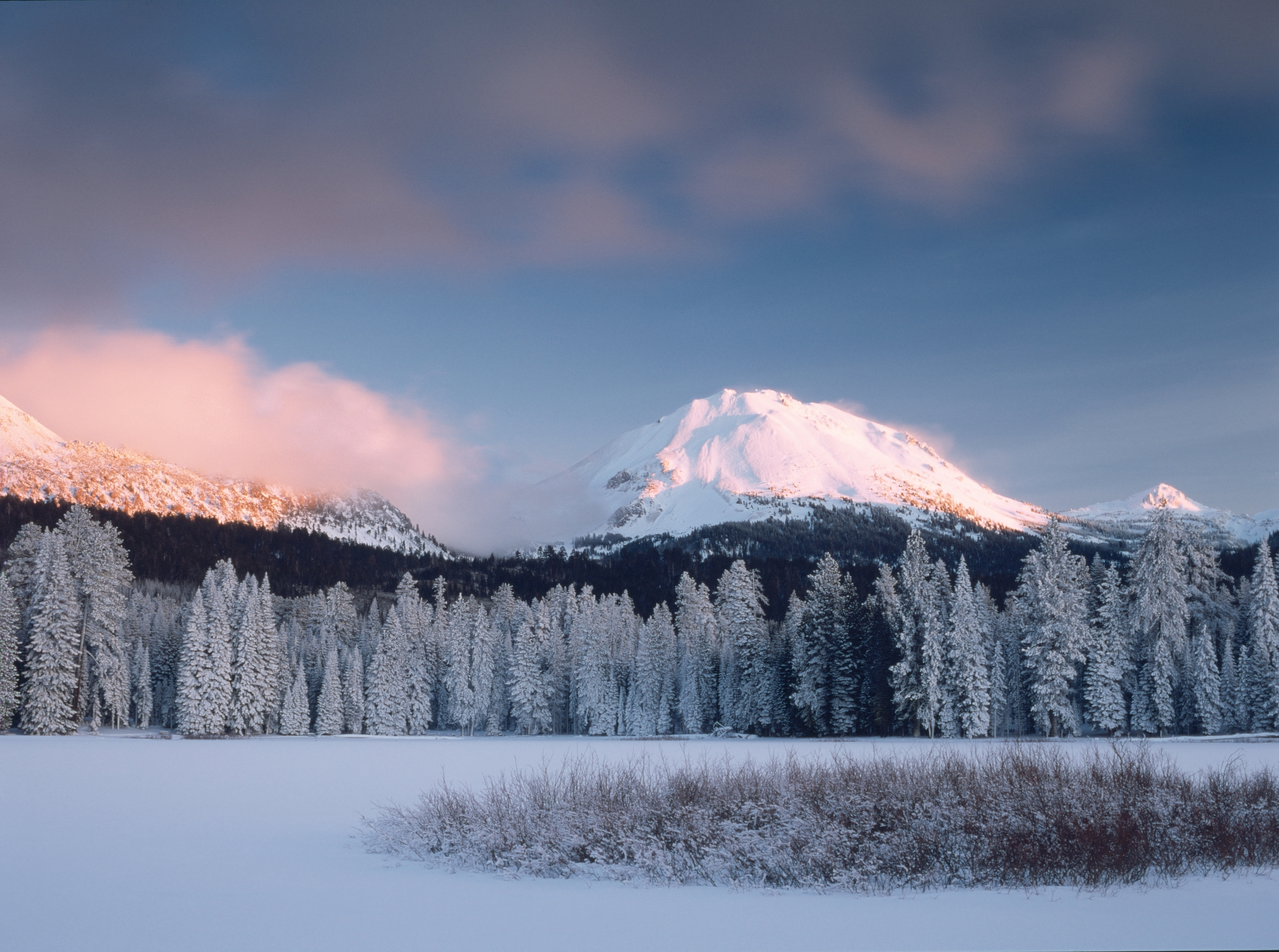
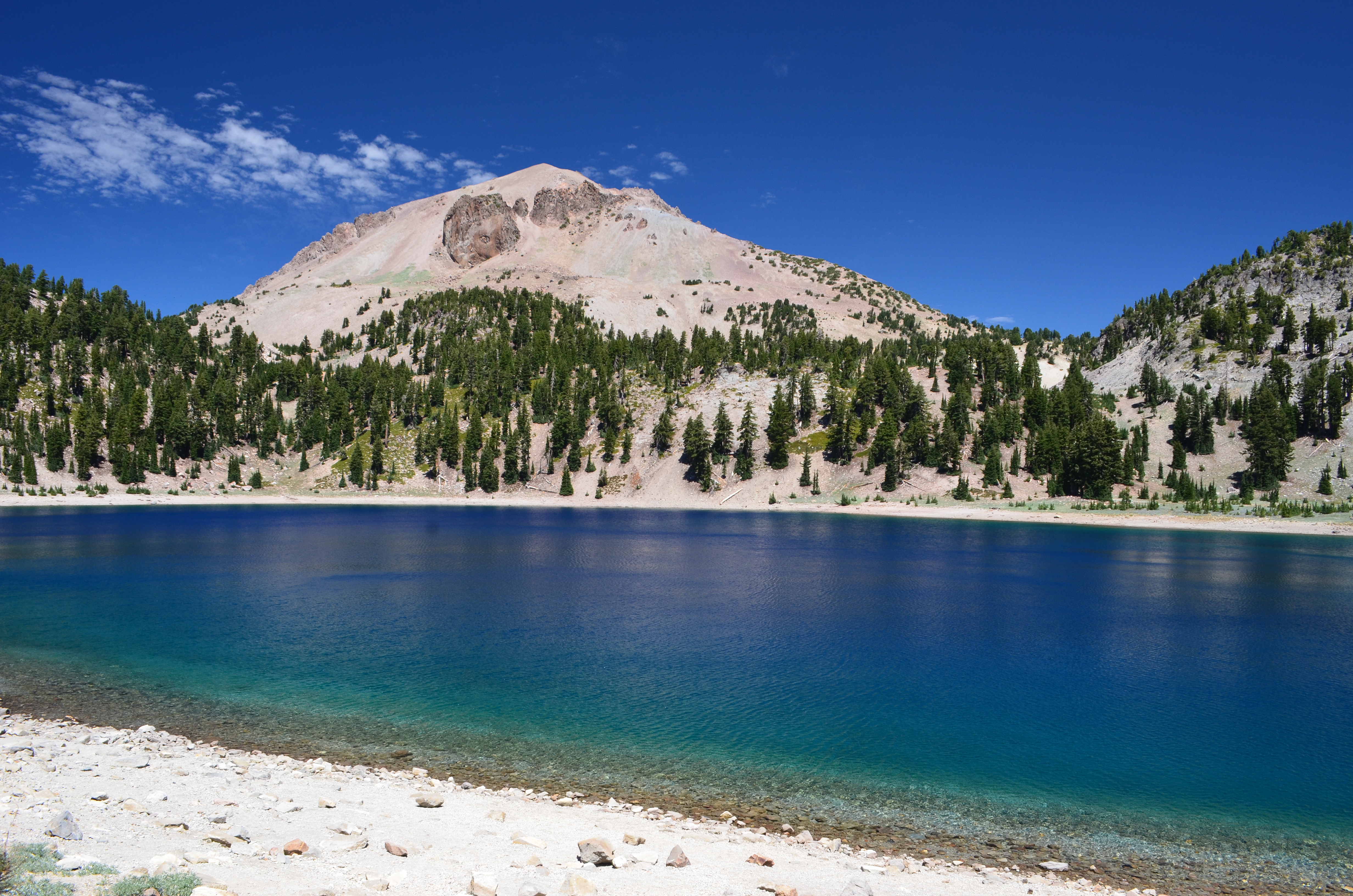
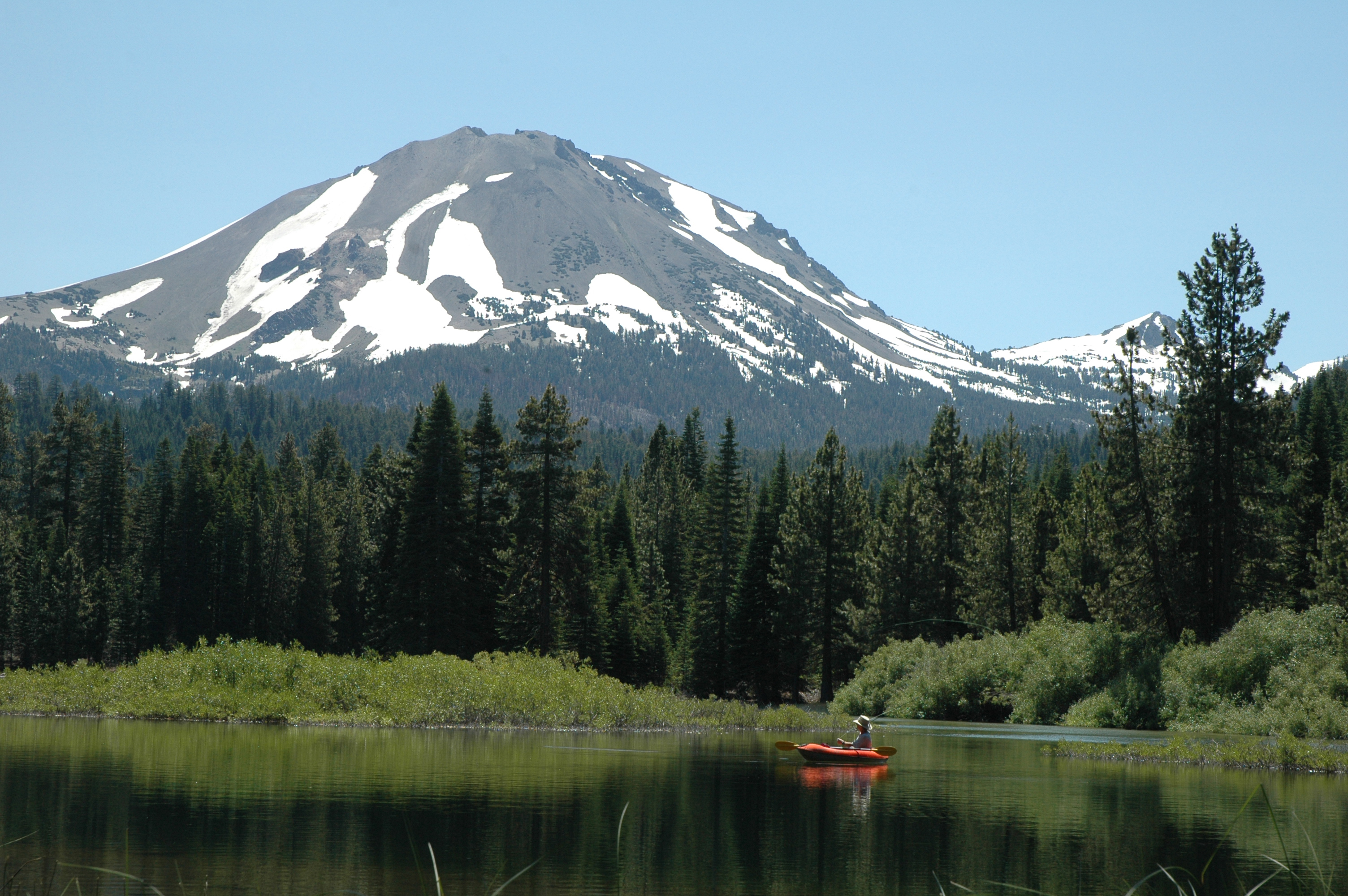
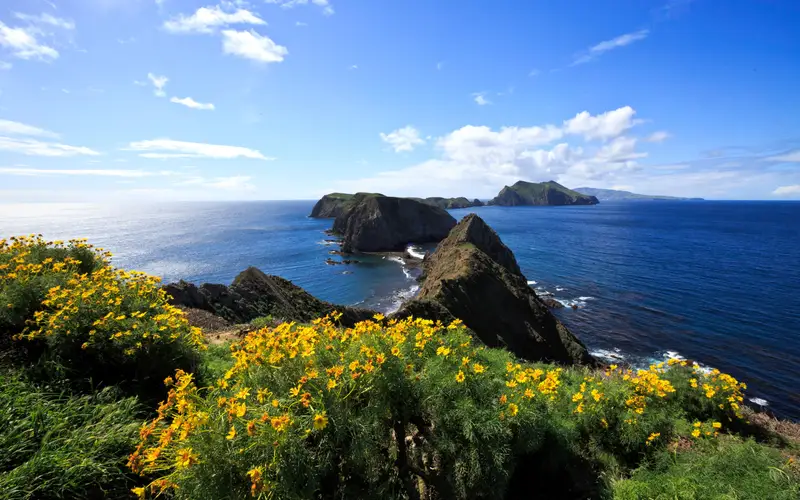
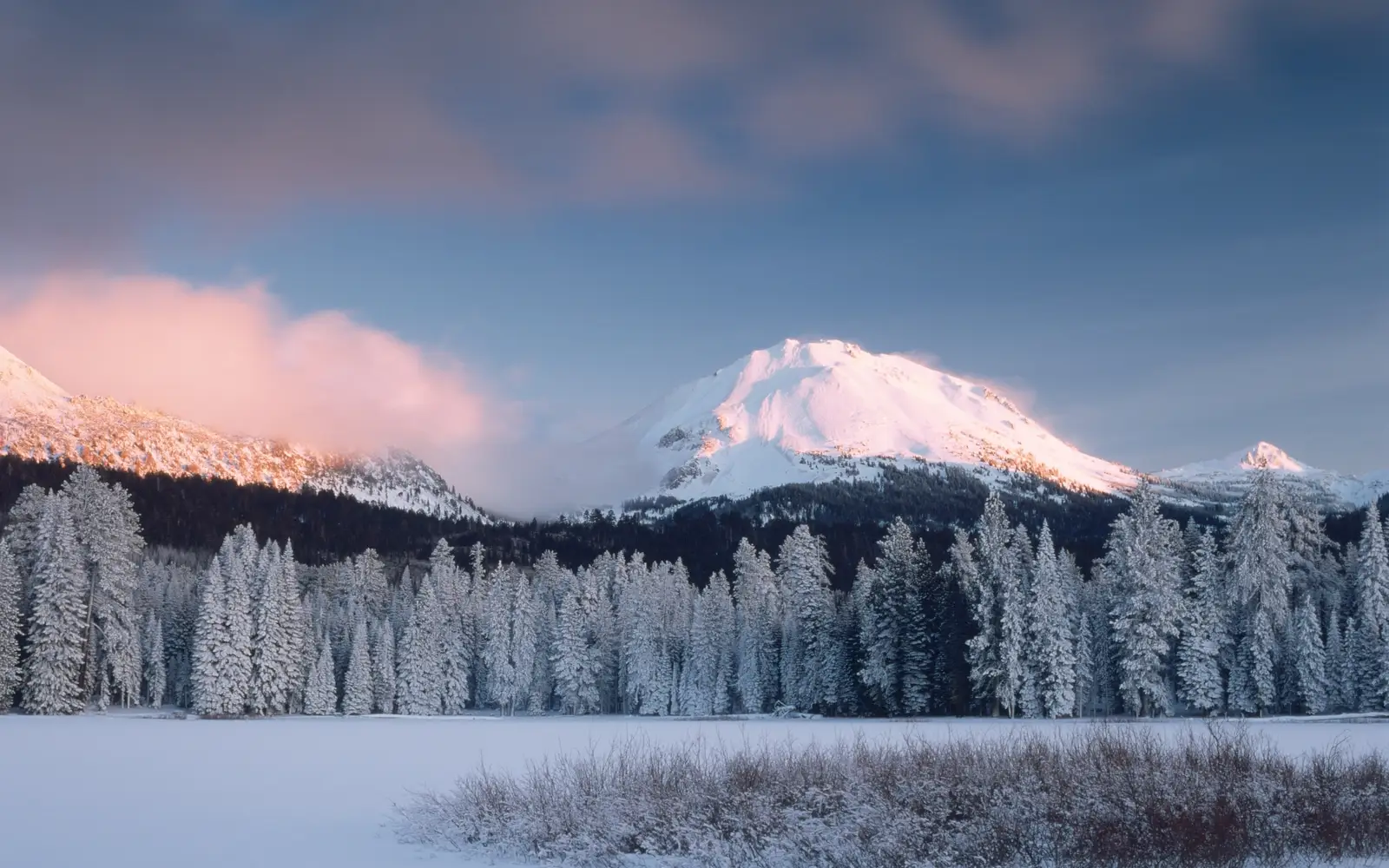
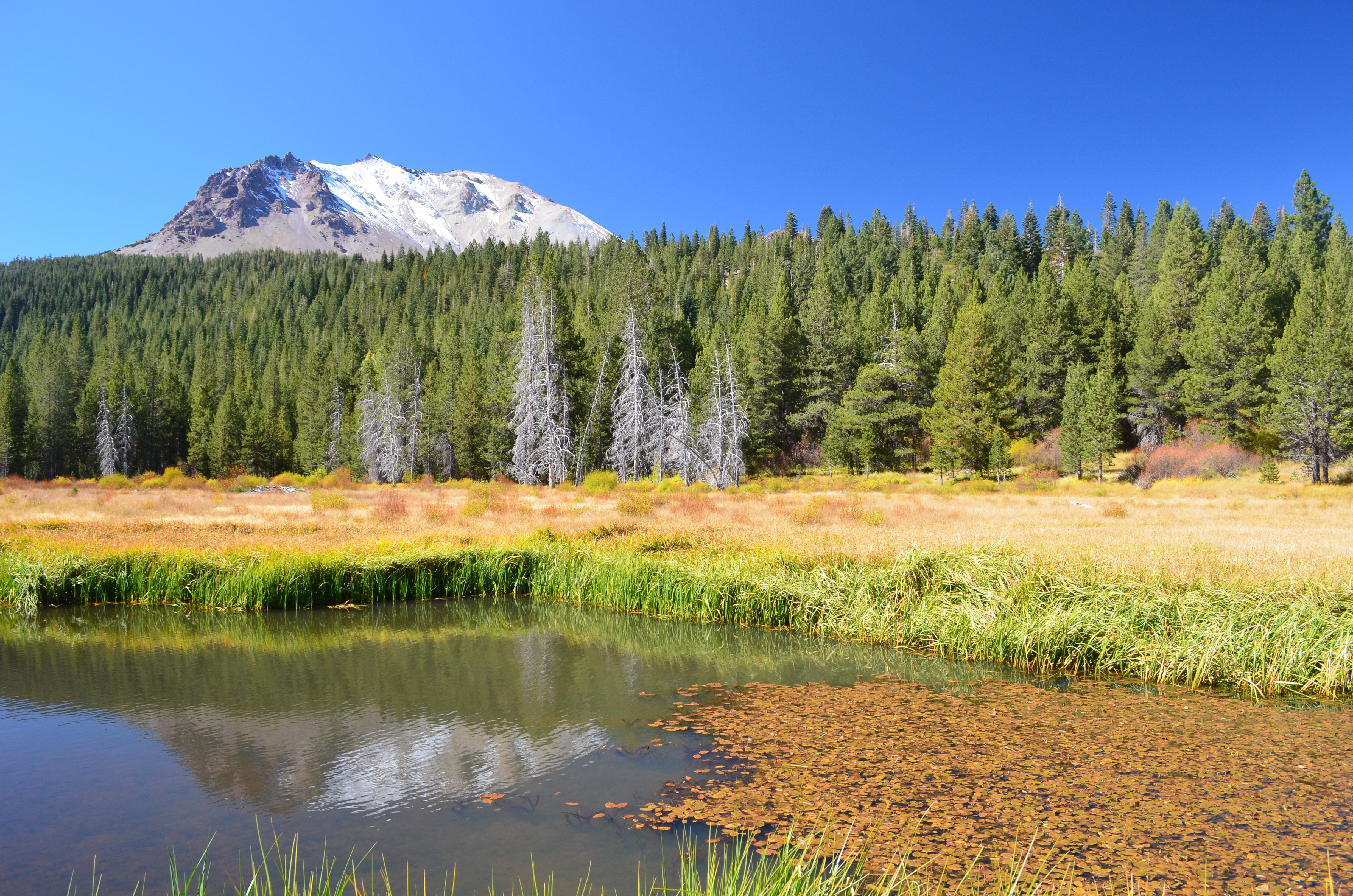
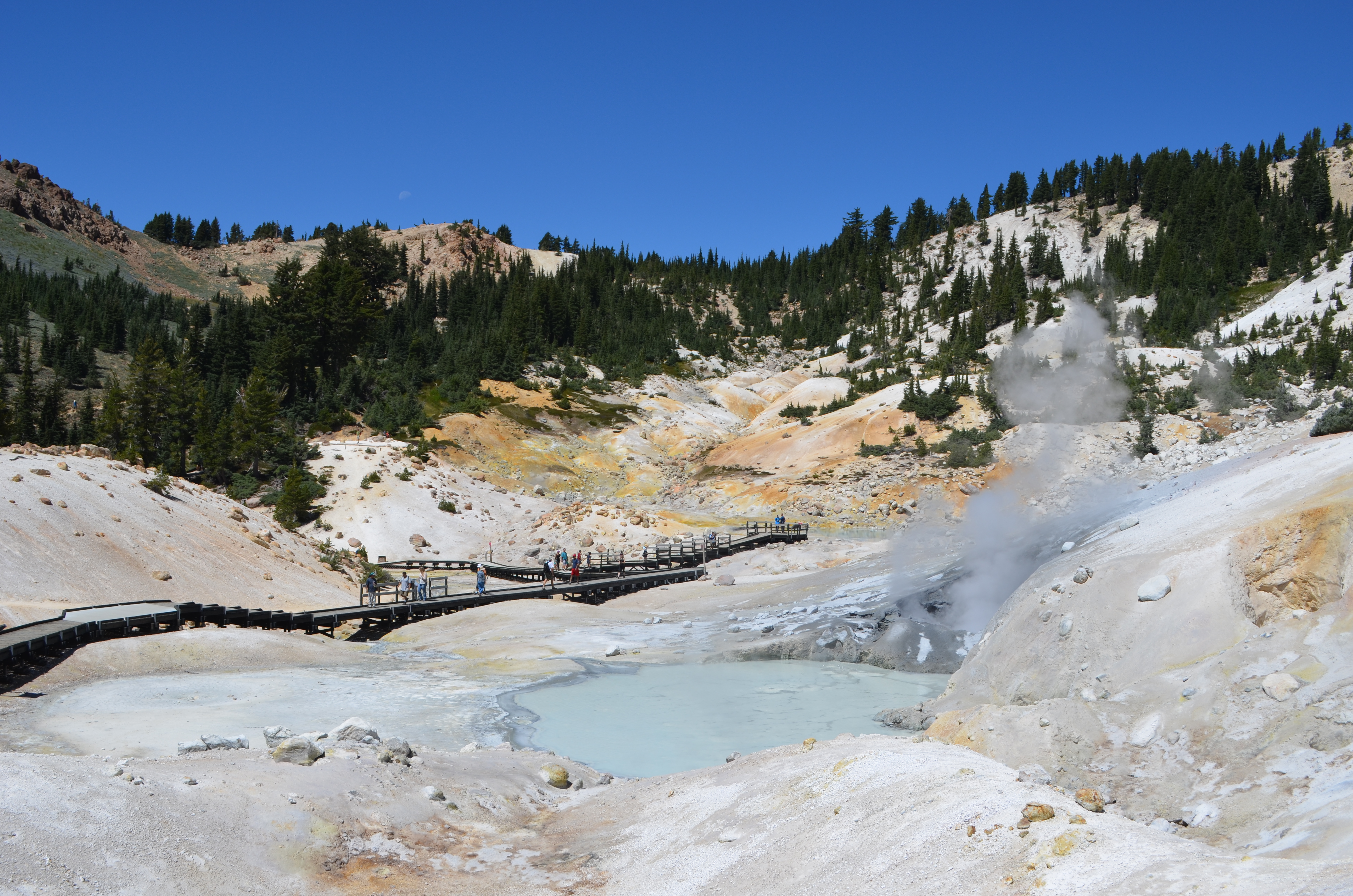
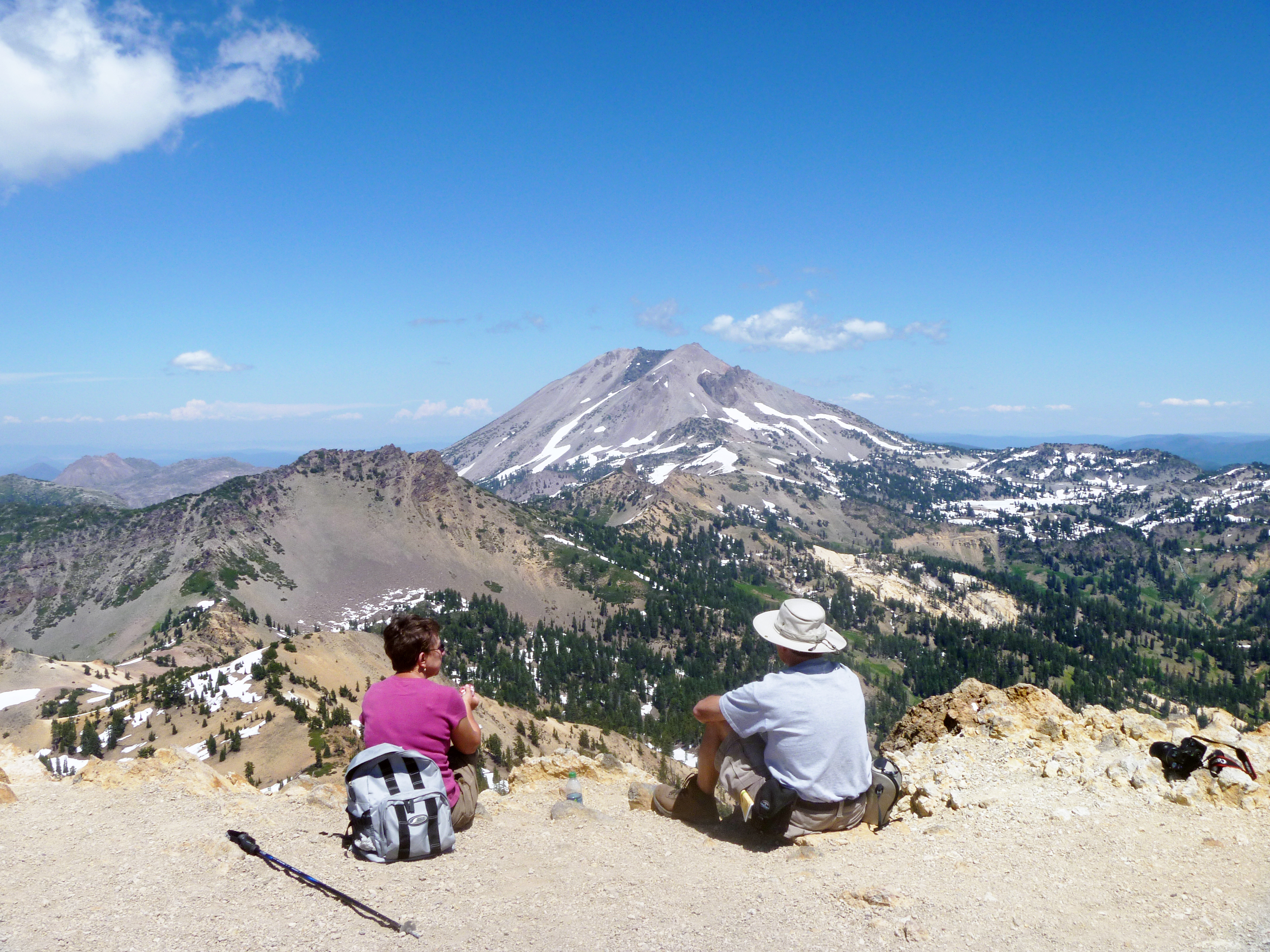
A frozen lake below snow-covered trees and peakGolden grasses edge a pond reflecting a snow-dusted peakA boardwalk passes through a colorful, steaming hydrothermal basin.Two hikers sit on a mountain top with a view of multiple peaks, dotted with patches of snow
National ParkCA

Lassen Volcanic National Park

NPS / NPS Photo / Scott Arnaz
100/ 100DOES IT ALL
parkverdict Experience ScoreIndependent, not sponsored

100 of 100. Our independent breadth-and-access index. How we score

Worth it?

Is Lassen Volcanic National Park worth it?

Lassen Volcanic is one of the most underrated parks in the National Park System, and it earns a perfect Experience Score by delivering across every category of outdoor recreation.

The volcanic landscape is the main event here, not just a dramatic backdrop. Hydrothermal features, cinder cones, and the memory of a real 20th-century eruption give the terrain a raw, living quality you rarely find at more manicured parks. Summer opens up hiking, paddling on clear mountain lakes, wildlife watching, fishing, and some of the best dark-sky stargazing in Northern California. Winter turns it into a quieter destination for snowshoeing and cross-country skiing. Most visitors still think of Crater Lake or Yosemite before Lassen even crosses their mind, which keeps crowds manageable even at peak season. Free entrance makes it an easy yes. This is a serious, full-featured wilderness park that rewards anyone willing to actually engage with it.

The case for it

A good summer day might start with a front-country hike through hydrothermal terrain, then shift to a picnic beside one of the park's clear mountain lakes, and finish with paddleboarding or a swim before the afternoon cools off. Fly fishing and freshwater fishing give anglers their own reason to stick around. After dark, the elevation and low light pollution make stargazing genuinely worthwhile. Winter turns the same landscape into a snowshoe and cross-country ski corridor. Families can anchor the trip around car camping or RV camping and fold in the Junior Ranger Program, guided tours, and wildlife watching. Horseback riders and backcountry campers have dedicated options as well. The range of activities here is real, not just a brochure claim.

Who it is for

This park works for just about anyone. Families, backcountry hikers, anglers, paddlers, winter recreationists, and dark-sky enthusiasts all have good reasons to make the trip. If you want geothermal drama on par with Yellowstone, smaller crowds, and free entry, this is the place. Only skip it if volcanic geology and mountain wilderness genuinely hold no appeal for you.

Best time to visit

Late June through September is the best window to visit. The main park road is fully open, the lakes are swimmable, and wildflowers are at their peak. July and August regularly push toward 90 degrees Fahrenheit, so heading out early in the day makes a real difference. May and October are quieter, though road conditions and weather can be unpredictable. From November through May, snow closes much of the road, but visitors who snowshoe or ski get the park almost entirely to themselves, and it looks nothing like it does when the summer crowds roll through.

Worth seeing

  • Active hydrothermal features including fumaroles that make the volcanic geology feel immediate and alive
  • Clear mountain lakes suitable for kayaking, canoeing, stand-up paddleboarding, swimming, and fly fishing
  • Exceptional dark-sky stargazing aided by high elevation and low regional light pollution
  • Cross-country skiing and snowshoeing through a volcanic winter landscape with minimal crowds
  • Backcountry camping and horse trekking for visitors who want genuine wilderness depth
  • Free entrance for a full-featured National Park, a rarity that changes the trip math significantly

Before you visit

Admission is free, which is genuinely rare for a park of this quality. Highway 89, the main road through the park, closes most years from November through May because of snow, so check the road status before you head out during shoulder season. Camping runs the full spectrum from car and RV sites to group and backcountry options. If you're going on a summer weekend, book your reservation well ahead of time.

Our tipStargazing is best from a mid-park campsite on a weeknight in July or August, well away from the entrance areas. Above 5,000 feet, with thin crowds, the darkness rivals dedicated astronomy destinations.
How we scored it

How Lassen Volcanic National Park earned its 100

Where does a 100 come from? One formula, run the same on every place we cover, built only from public data on what a unit offers and how reachable it is. It says nothing about how pretty a spot is or how busy it gets. This is what fed it:

  • Activity breadth47 documented activities
  • Topic breadth37 topics
  • Official imagery6 public-domain images
  • Camping on sitedocumented
  • Entry costfree

No number is hand-adjusted and no unit pays for placement. The full weights, the floor at 18 and a worked example are on how we score.

The honest limits

What the score cannot tell you

A quick honest note. The score tracks how much a place has going on and how easy it is to reach, both pulled from public records. What it cannot see is the stuff that often makes or breaks a day: whether the views stop you cold, how packed it gets in season, what the trails are like after rain, or whether you catch a great ranger talk. A small, single-focus site can land below a sprawling park here and still be the better call for your trip. Use the number to compare what places offer on paper, and the verdict up top to tell if it is your kind of place.

The basics

Lassen Volcanic National Park at a glance

Steaming fumaroles, wildflower-dotted meadows, clear mountain lakes, and several volcanoes fill Lassen Volcanic National Park. The jagged peaks carry a long record of eruptions, and hot water is still reshaping the land today.

On documented breadth and access, Lassen Volcanic National Park ranks 4th of 45 park and public-land units we score in California.

Weather and seasons

Lassen's weather swings hard between seasons. January highs average 40.4 °F (4.7 °C), and nights drop to 20.8 °F (-6.2 °C). Come July, highs push up to 88.4 °F while lows settle around 49.8 °F. Over the course of a year, temperatures hit 90 °F or above on roughly 36.9 days and fall to 32 °F or below on roughly 164 days, so freezing nights are far more common than scorching ones.

On offer

Documented activities

Auto and ATVScenic DrivingAstronomyStargazingBikingRoad BikingBoatingCampingBackcountry CampingCar or Front Country CampingHorse Camping (see also Horse/Stock Use)Group CampingRV CampingCompass and GPSGeocachingFishingFreshwater FishingFly Fishing
Common questions

Lassen Volcanic National Park: quick answers

Is Lassen Volcanic National Park worth visiting?

Lassen Volcanic is one of the most underrated parks in the National Park System, and it earns a perfect Experience Score by delivering across every category of outdoor recreation.

Is Lassen Volcanic National Park free to visit?

Yes, there is no entrance fee.

What is Lassen Volcanic National Park best for?

It leans hardest toward stargazing, hiking, camping, good with kids, going by the 47 activities it actually documents.

When is the best time to visit Lassen Volcanic National Park?

Late June through September is the best window to visit.

How is the Experience Score for Lassen Volcanic National Park calculated?

The 100 comes straight from public data on how much the place documents and how easy it is to reach, things like activities, topics, photos, camping and whether entry is free. It says nothing about scenery or how busy it gets.