Lake Clark National Park & Preserve: our verdict
Lake Clark offers a singular wilderness experience.
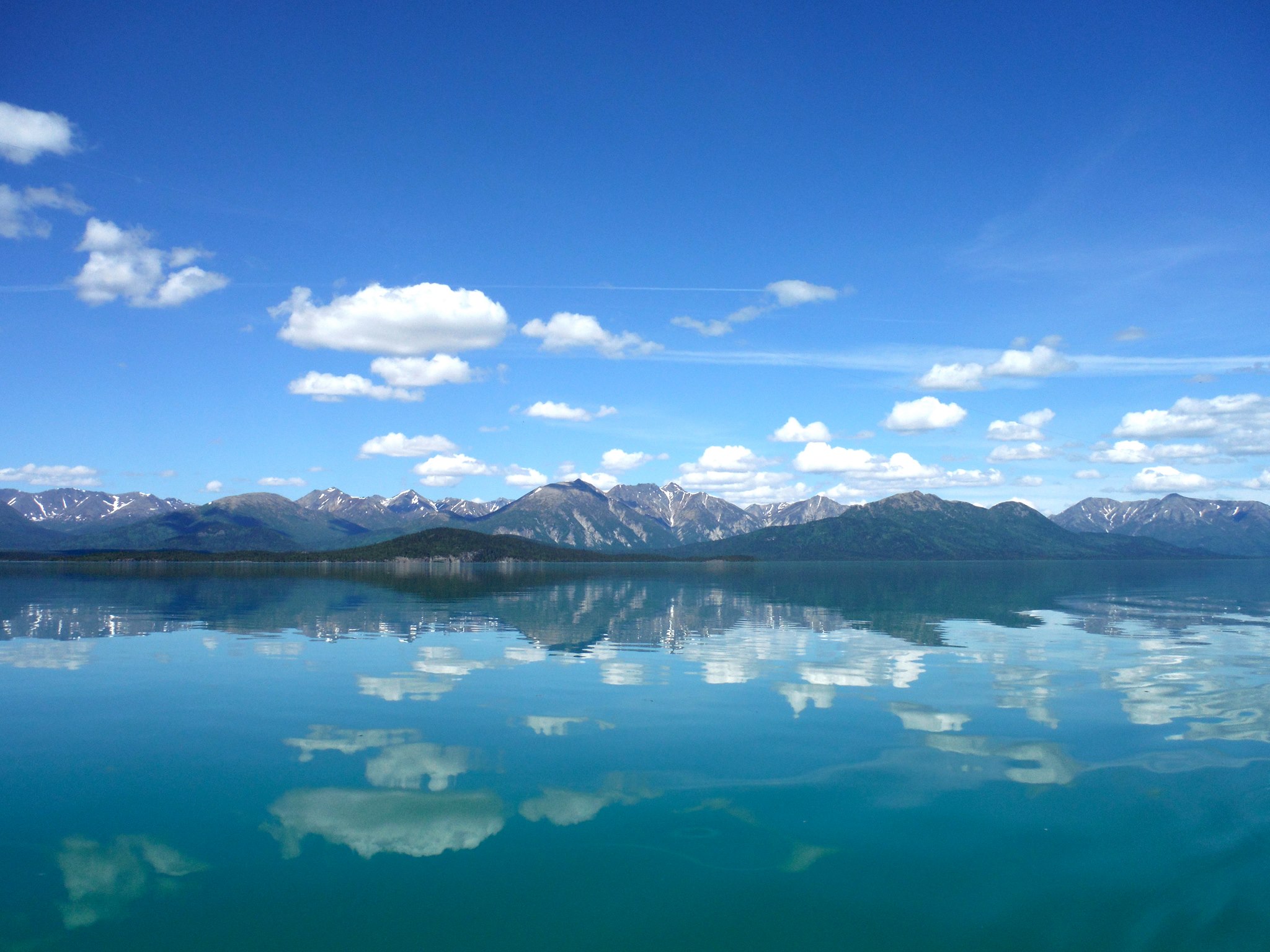
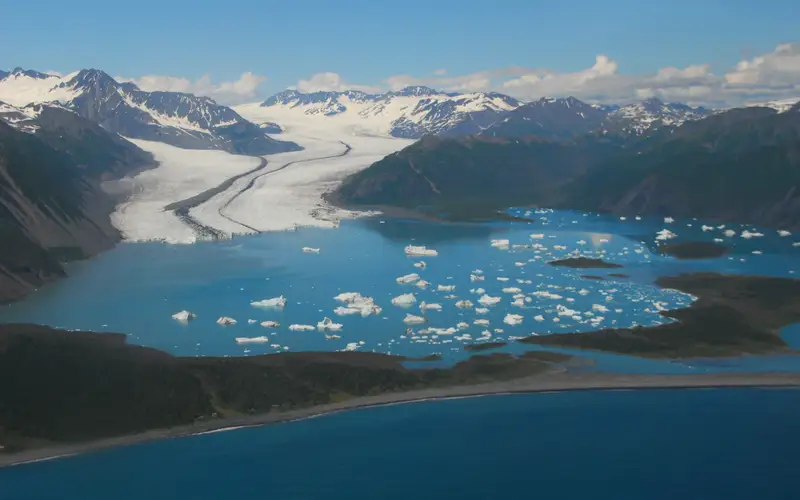
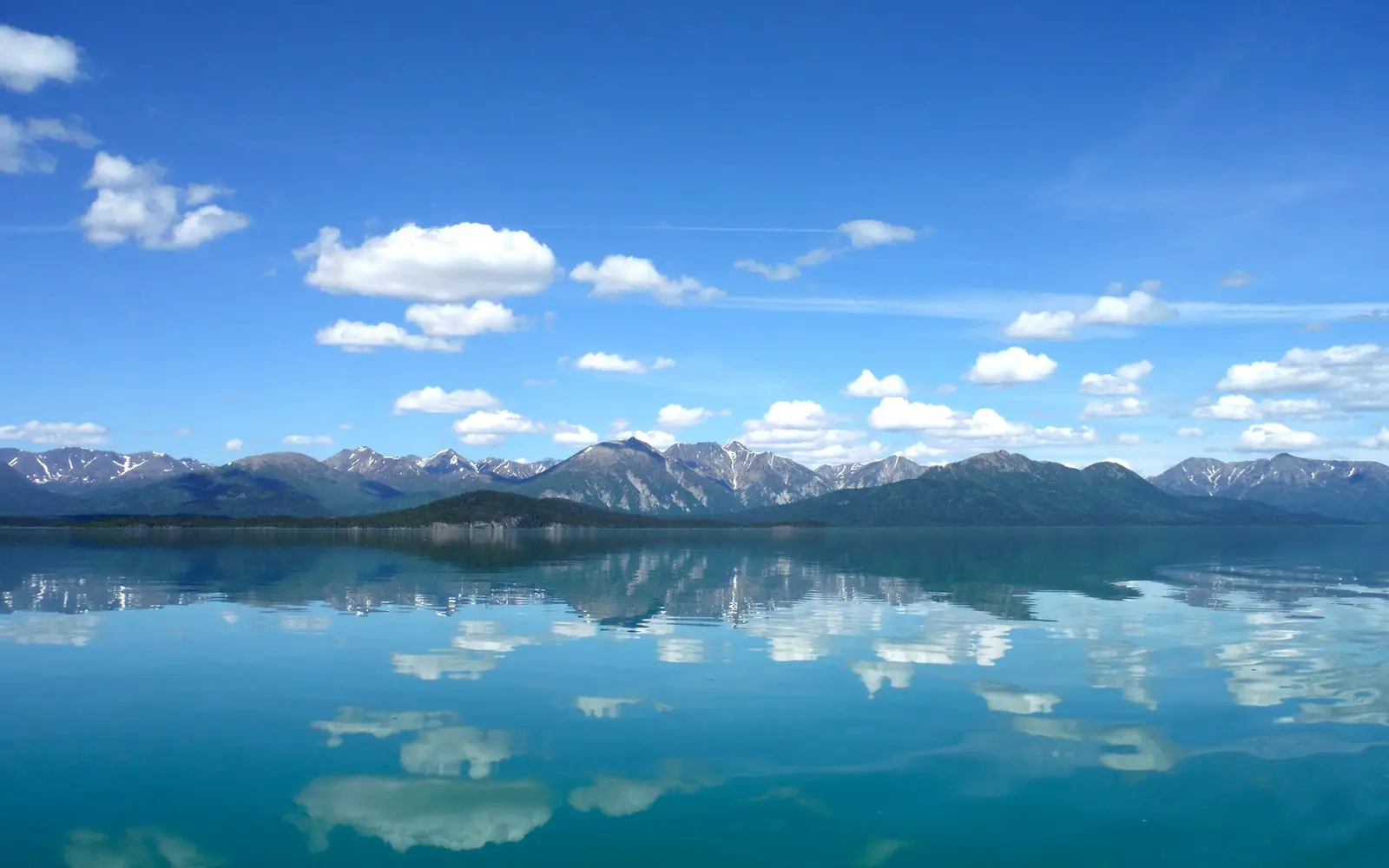
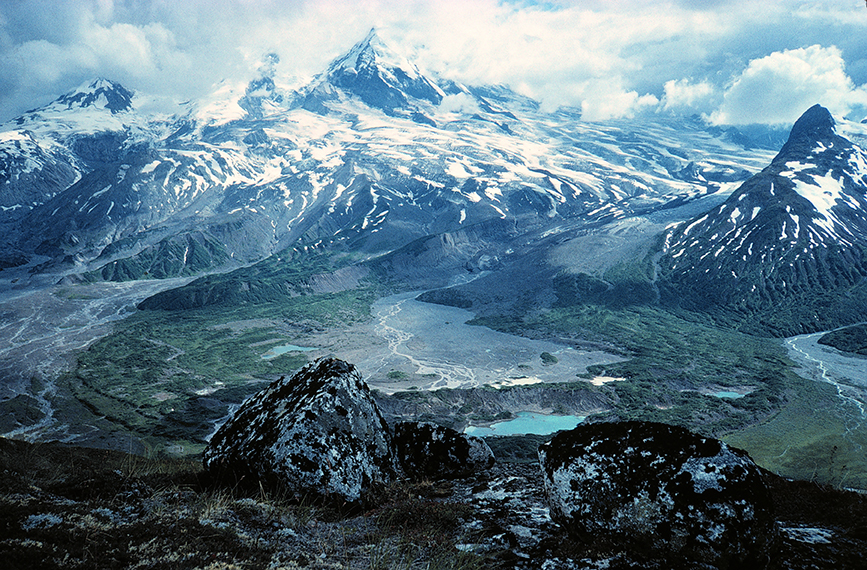
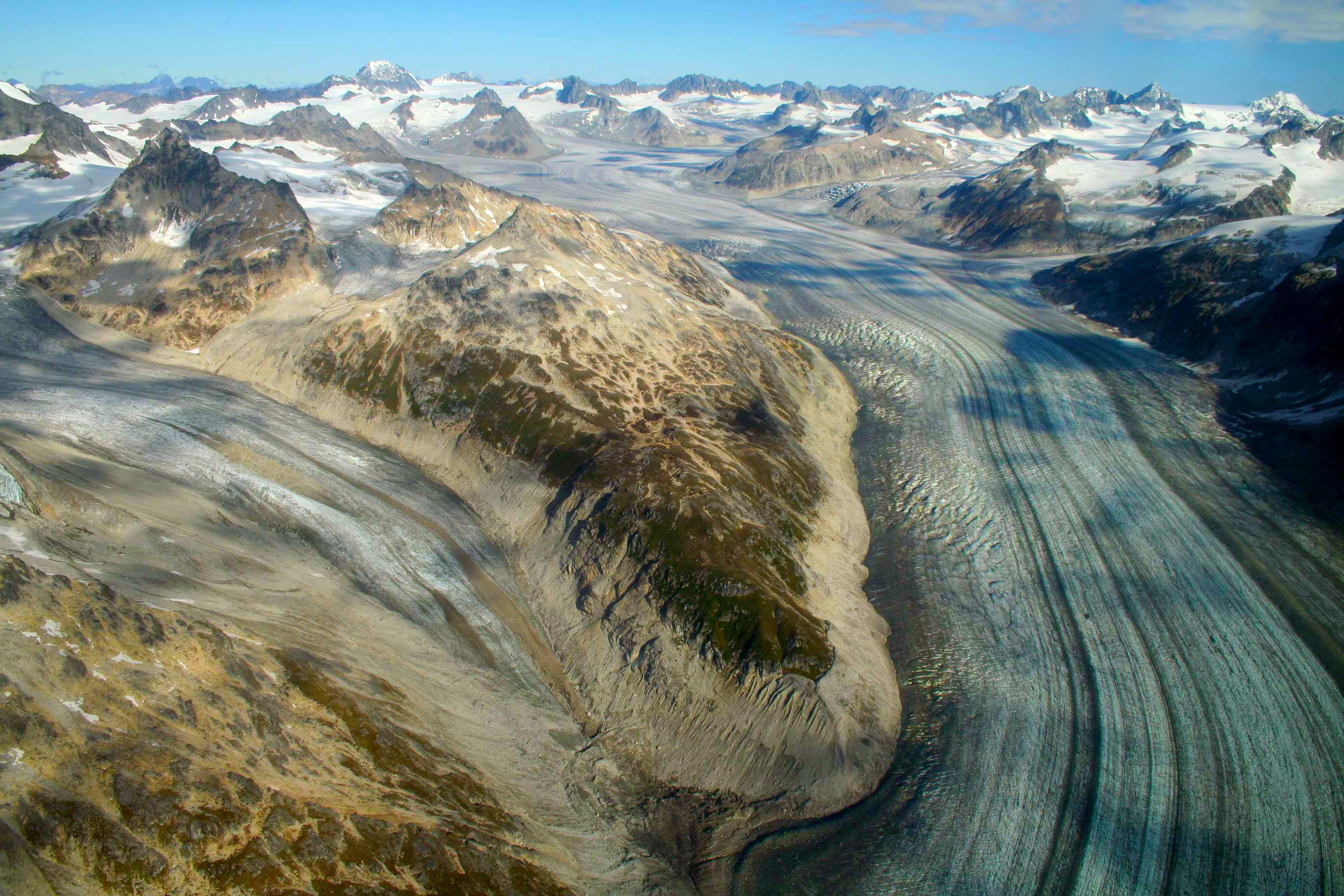
Its remote nature is a defining feature: no roads access the park. Visitors arrive via small plane charters, entering a landscape of active volcanoes, critical brown bear habitat, glacier-fed turquoise lakes, and challenging alpine terrain. The documented breadth of activities is extraordinary, earning an experience score of 100. Options range from fly fishing and kayak camping to mountaineering and winter snowshoeing. However, this access demands significant planning and expense for charter flights. This park does not cater to casual visits. It actively rewards thorough preparation, the engagement of guides, or established backcountry expertise. The logistical demands are intrinsic to the adventure, not impediments to it.
Why visit
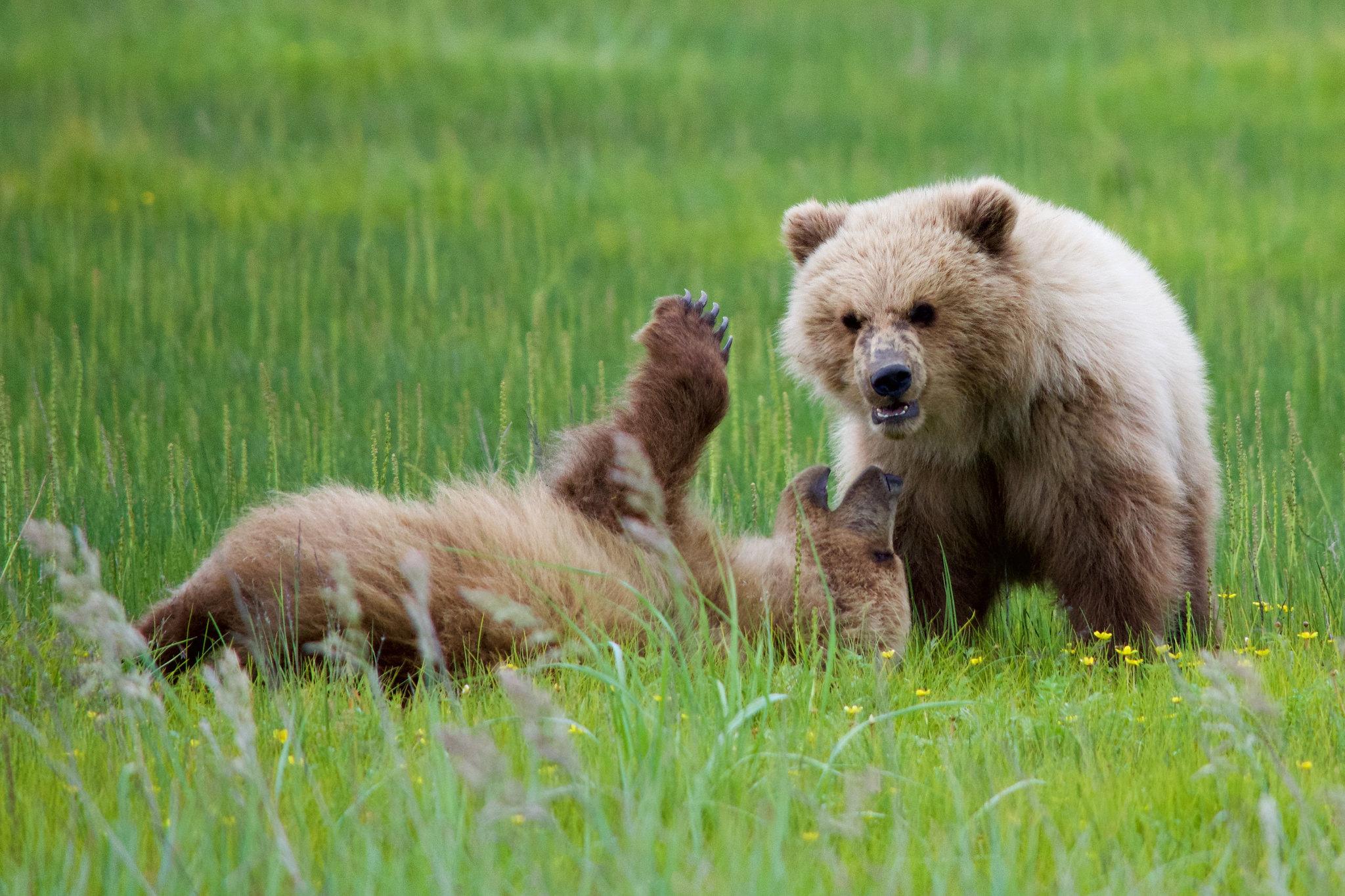
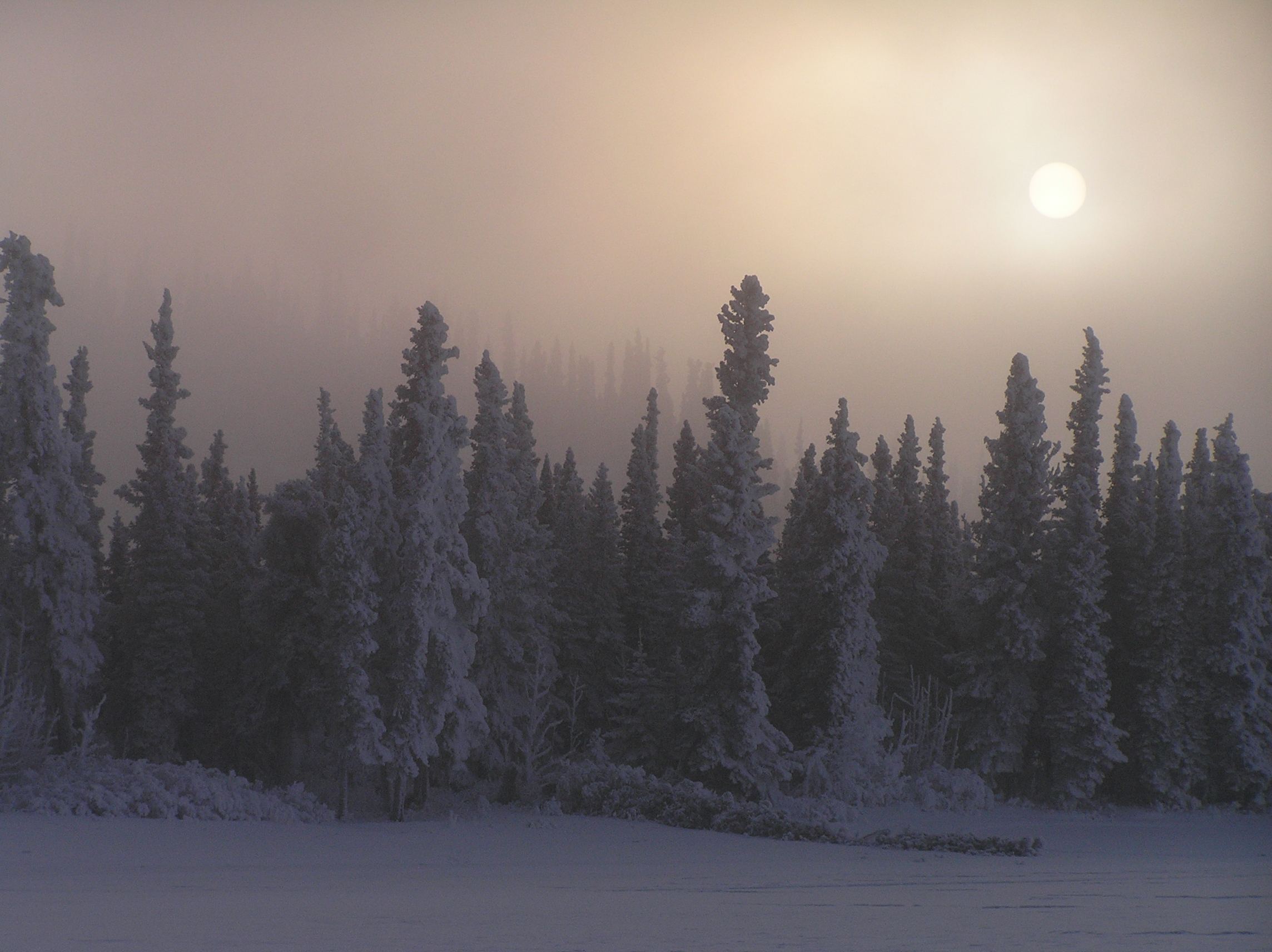
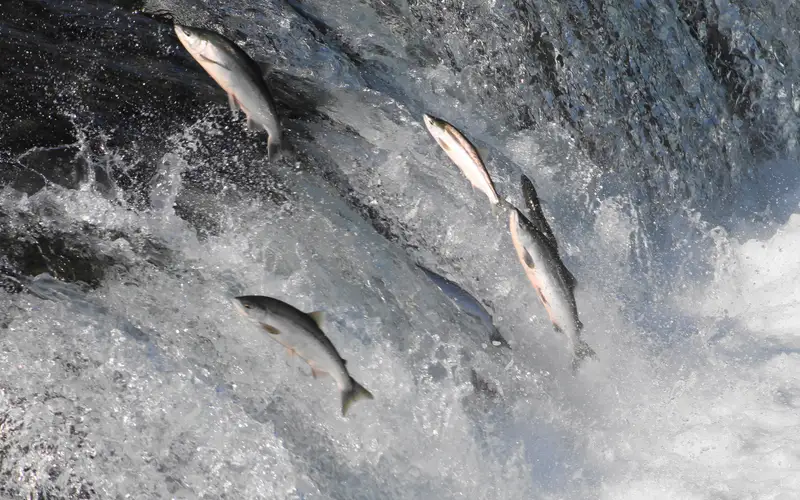
Lake Clark National Park offers a true wilderness immersion. Access requires a flight into Port Alsworth or a remote lake, establishing a base camp. The fishing for salmon and char in its rivers is notably unpressured. Paddlers will find quiet lake systems, disturbed only by their own charter plane. Brown bear viewing on the coast provides solitude, unlike more frequented locations. Backcountry hiking is a primary draw, with off-trail travel not just permitted but integral to the experience. In winter, cross-country skiing and snowshoeing are prominent, and the park's complete lack of light pollution provides exceptional stargazing opportunities. The park's appeal is its genuine, untamed character.
Who it suits
This park caters to the self-sufficient. Experienced backcountry campers, serious fly fishers, and wildlife watchers willing to pay charter flight costs will find true solitude here. Families with older children capable of remote camping will discover an extraordinary destination. Casual day-trippers or those seeking paved trails and visitor center amenities should make other plans.
Timing your visit
July and August present optimal conditions for wildlife viewing, notably coastal brown bears, and coincide with peak salmon runs. The interior experiences significant summer warmth, cooling considerably by September. Coastal regions maintain a more
What stands out
- Fly-in access only, creating genuine solitude and a true wilderness arrival experience
- Brown bear and salmon wildlife watching on the coast without Katmai-level crowds
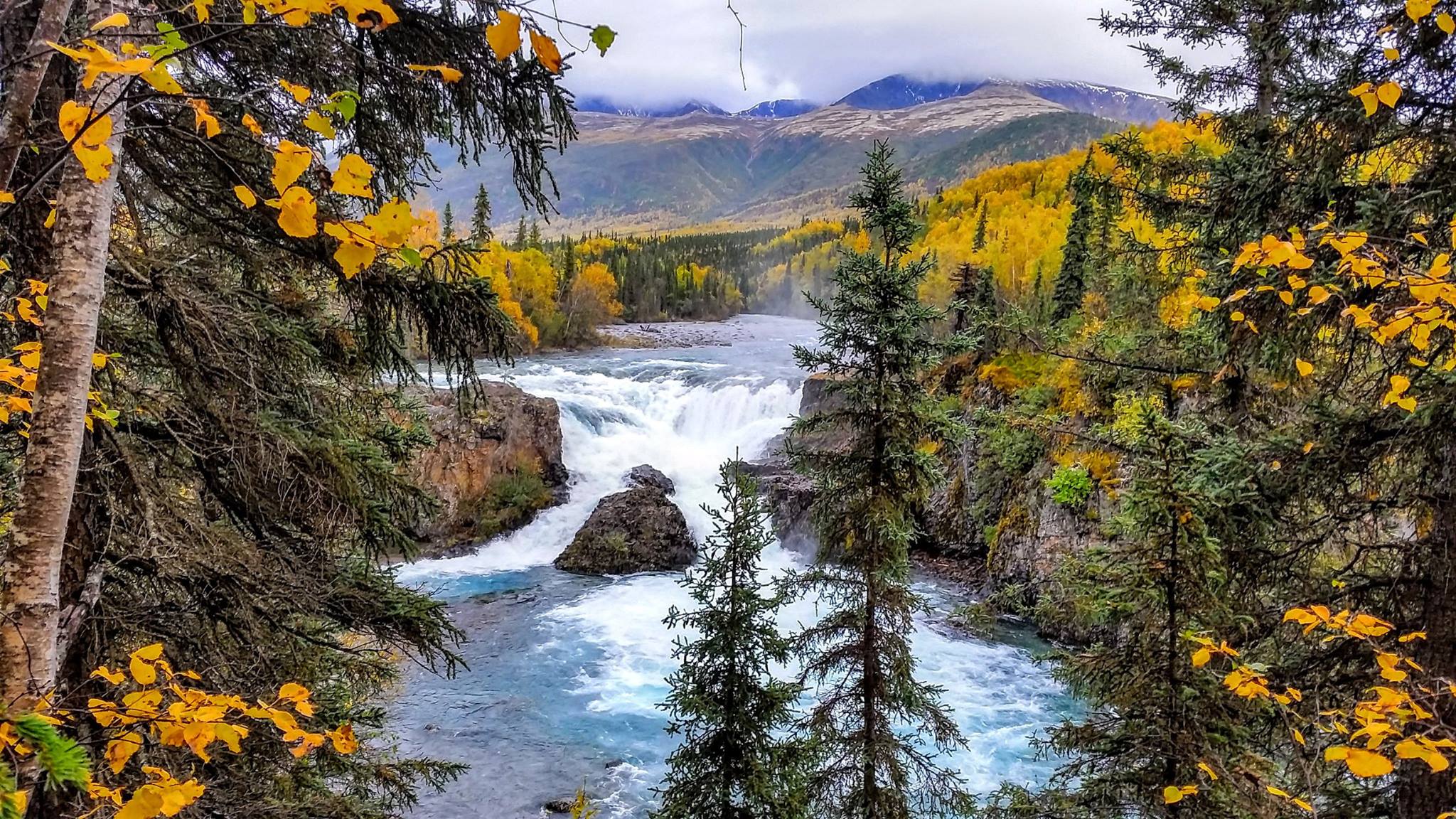
- Off-trail backcountry hiking and camping across volcanic and alpine terrain
- World-class fly fishing for salmon, trout, and char in remote river systems
- Exceptional dark-sky stargazing, especially in the interior away from any settlement
- Winter backcountry skiing and snowshoeing through a landscape most visitors never see
Good to know
Access to this park is notably restricted, given the absence of roads, cell service, or developed campgrounds. Entry requires a charter floatplane or bush plane from Anchorage or Kenai; no other public access routes exist. While there is no entrance fee, transportation costs will be significant. Minimal visitor services operate from Labor Day to Memorial Day. Off-season visitors must arrive fully self-sufficient. This destination suits experienced backcountry travelers willing to invest in remote access. Casual sightseers should look elsewhere.
Insider tipFor a singular guided experience, prioritize a bear viewing flight to the coast in July or August. Independent access to coastal bear habitats is challenging. Local knowledge is essential for safe navigation. A guide familiar with tides and terrain will provide unparalleled bear viewing opportunities.