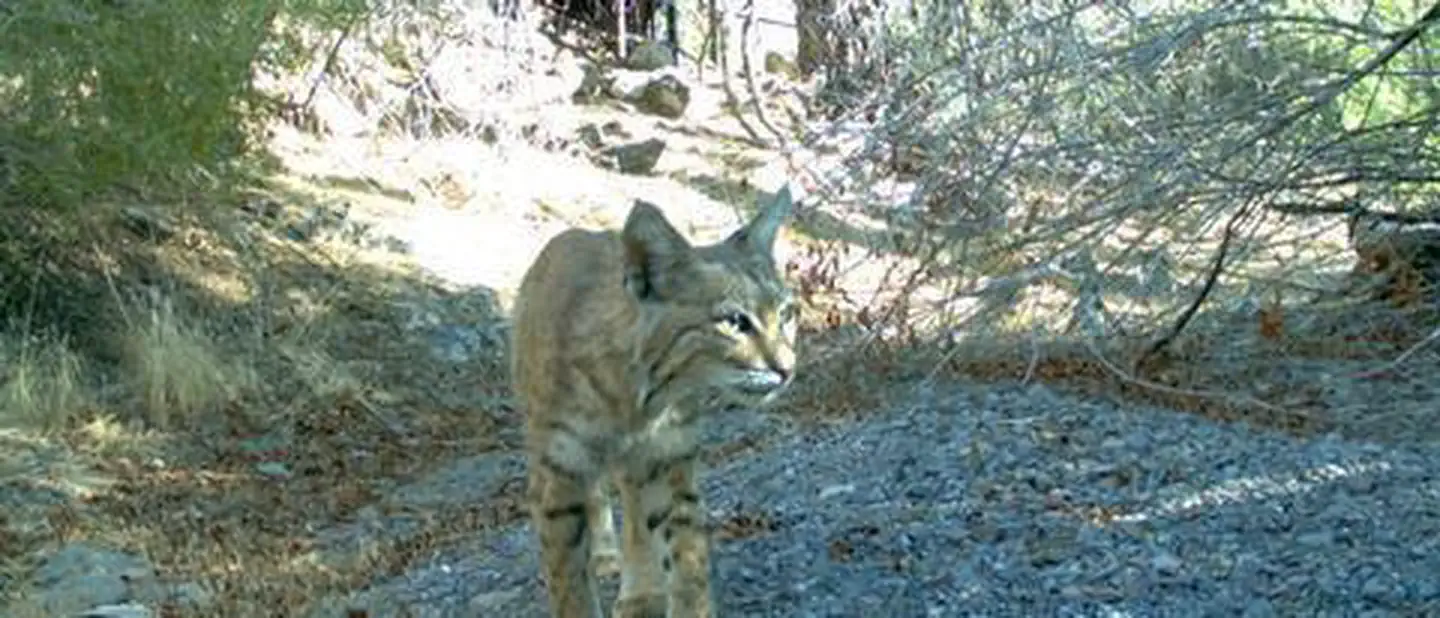
Is Kofa National Wildlife Refuge worth your trip?
Kofa National Wildlife Refuge presents a rugged, expansive Sonoran Desert experience across its 665,000 acres in southwestern Arizona.
Over 547,000 acres hold designated wilderness status. This is not a destination for casual visitors seeking paved paths or interpretive centers; the refuge demands self-reliance. Its primary attraction is a significant desert bighorn sheep population, for which the refuge was specifically established. For those seeking true solitude, extensive wildlife observation, backcountry camping, and compelling photography in an unspoiled environment, Kofa excels. Entry is free, and crowds are negligible. Be prepared to be entirely self-sufficient: all provisions must be carried in and out. Casual sightseers should look elsewhere.
Why go
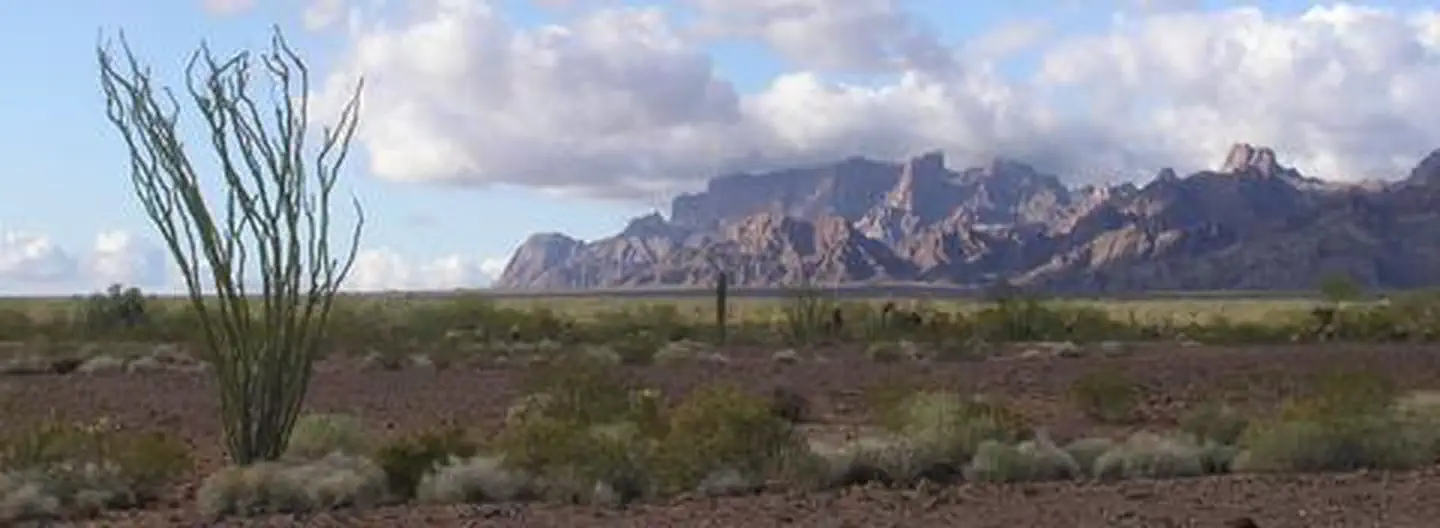
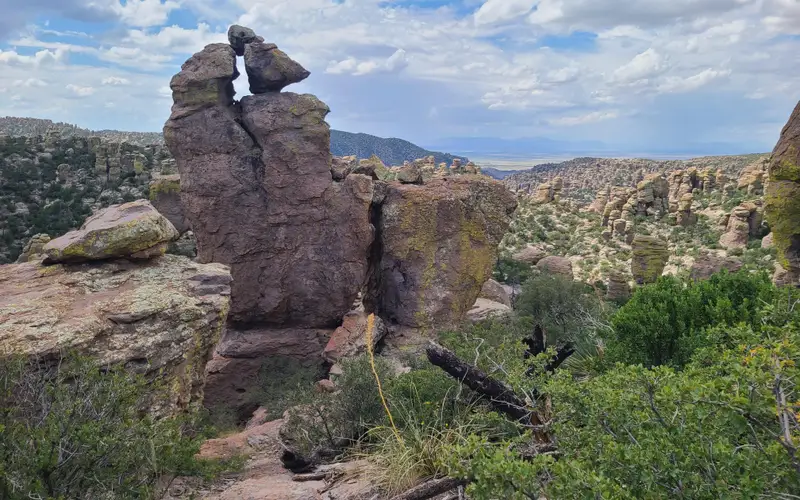
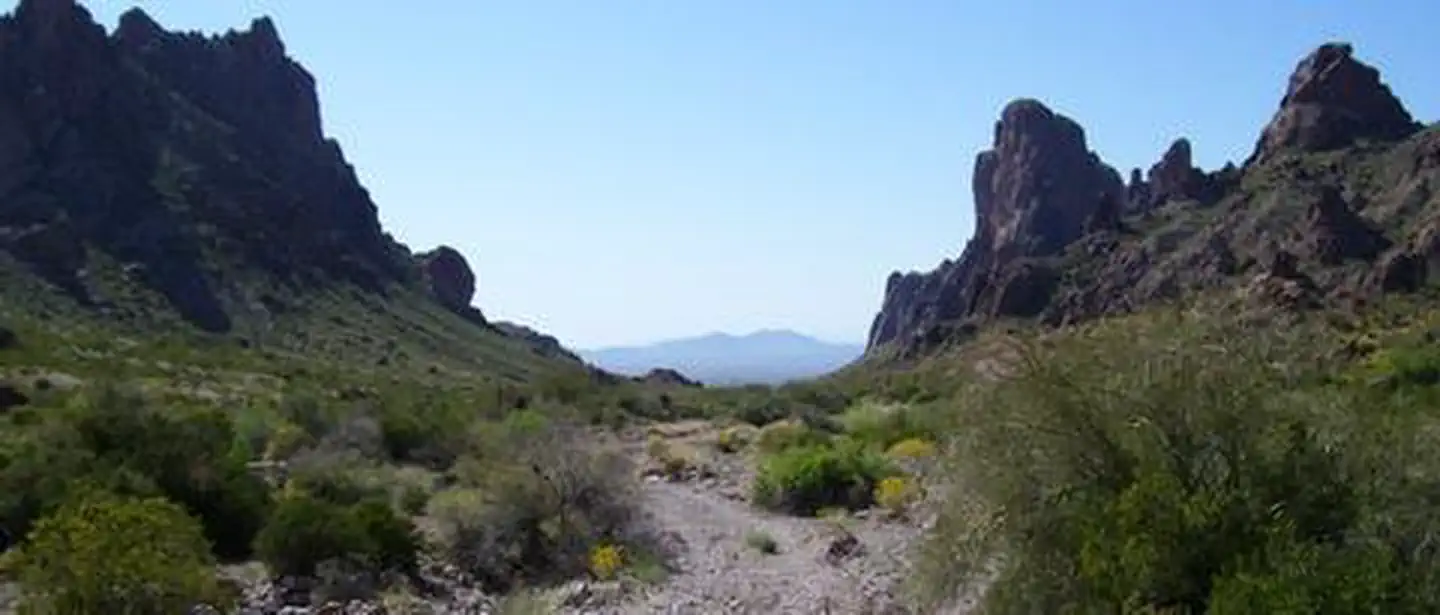
Kofa National Wildlife Refuge presents a compelling option for those seeking genuine desert solitude and wildlife encounters. Established in 1939 for desert bighorn sheep protection, the refuge effectively delivers on its conservation mandate. Early mornings offer the best chance to spot bighorn sheep across the Kofa and Castle Dome mountain ranges. The dramatic, rocky terrain, interspersed with native palm canyons and
Best for
This refuge caters to the self-sufficient. Backcountry campers, desert wildlife photographers, and bighorn sheep enthusiasts will find rich opportunities. Serious birders comfortable with remote desert conditions are also well-suited. Horseback riders and bikers can explore open terrain without crowds. Casual visitors seeking paved roads, shade structures, potable water, or developed infrastructure should look elsewhere. This refuge is not designed for them.
Best season
Kofa is a seasonal destination. Its visitation window spans from October through April. Summer temperatures regularly exceed 110 degrees Fahrenheit, rendering visits from July through September genuinely dangerous for all but the most prepared. Winter days are mild and clear. Wildlife is active then. Bighorn sheep appear more readily on open slopes. Spring offers occasional wildflower blooms across the bajadas.
The high points
- Desert bighorn sheep viewing in one of the Southwest's most protected and established populations
- Over 547,000 acres of designated wilderness with genuine backcountry solitude
- Dispersed primitive camping with no permit fees and minimal competition for sites
- Photography opportunities across dramatic rocky mountain terrain and open desert flats
- Birding in a diverse desert refuge with rocky, scrub, and bajada habitats
- Horseback riding and biking access on non-wilderness refuge tracks
Know before you go
Entry to this refuge is free; no entrance station or fee is required. Visitors self-register or simply arrive. Potable water is not available anywhere on the refuge. All visitors must carry their own water for the entirety of their stay. Cell service is essentially nonexistent. The nearest full services are in Quartzsite or Yuma. High-clearance vehicles are strongly advisable for accessing interior roads.
One more thingFor bighorn sheep viewing, the Kofa Mountains are the superior choice over the Castle Dome range. This area is the historic core habitat. Visitor reports consistently document more sightings here. For best results, plan early morning glassing of rocky ridgelines from a fixed position. Active hiking is less effective for encountering sheep.