Is Kobuk Valley National Park worth your trip?
Kobuk Valley National Park defines remoteness.
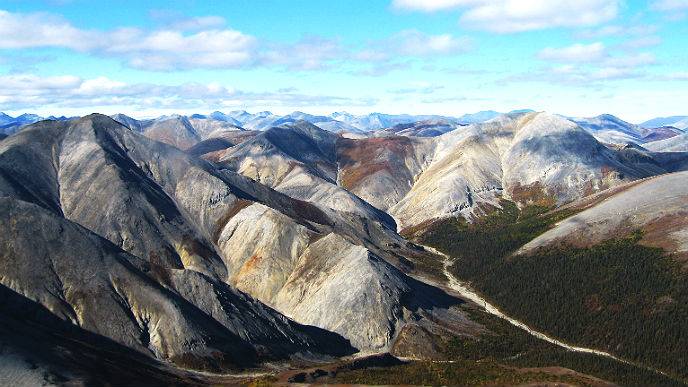
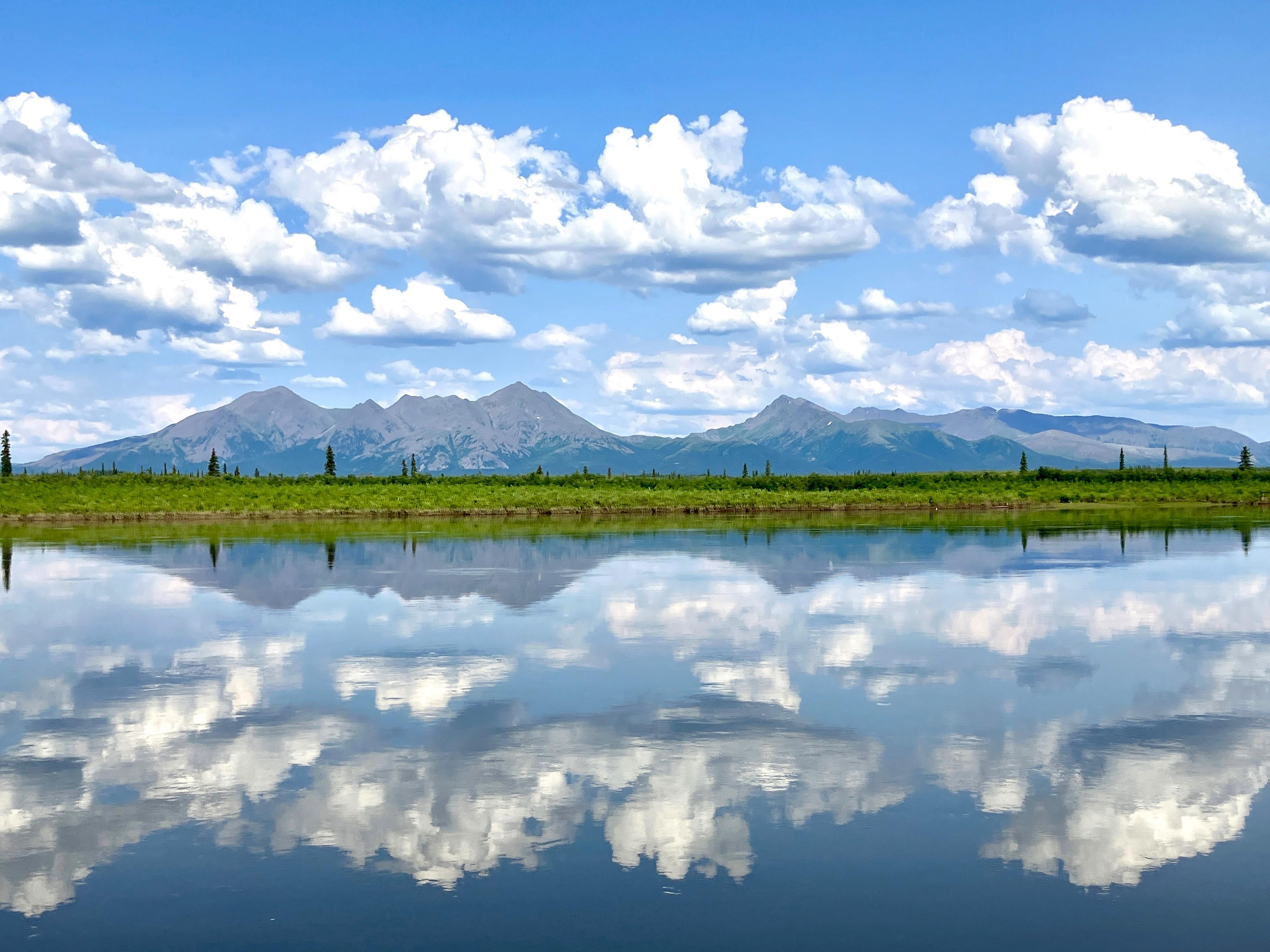
No roads, no trails, and no developed infrastructure characterize this 1.7 million-acre expanse of Arctic wilderness. Access requires significant logistical planning and expense, primarily a charter flight from Kotzebue. The landscape offers a river corridor used for 9,000 years, active sand dunes on the tundra, and an unparalleled degree of solitude. For those prepared, the rewards are substantial. Paddlers and backcountry campers will find its scale compelling. Witnessing the large-scale caribou migration here is a singular experience. Casual sightseers should look elsewhere. This is a destination for dedicated wilderness travelers.
Why go
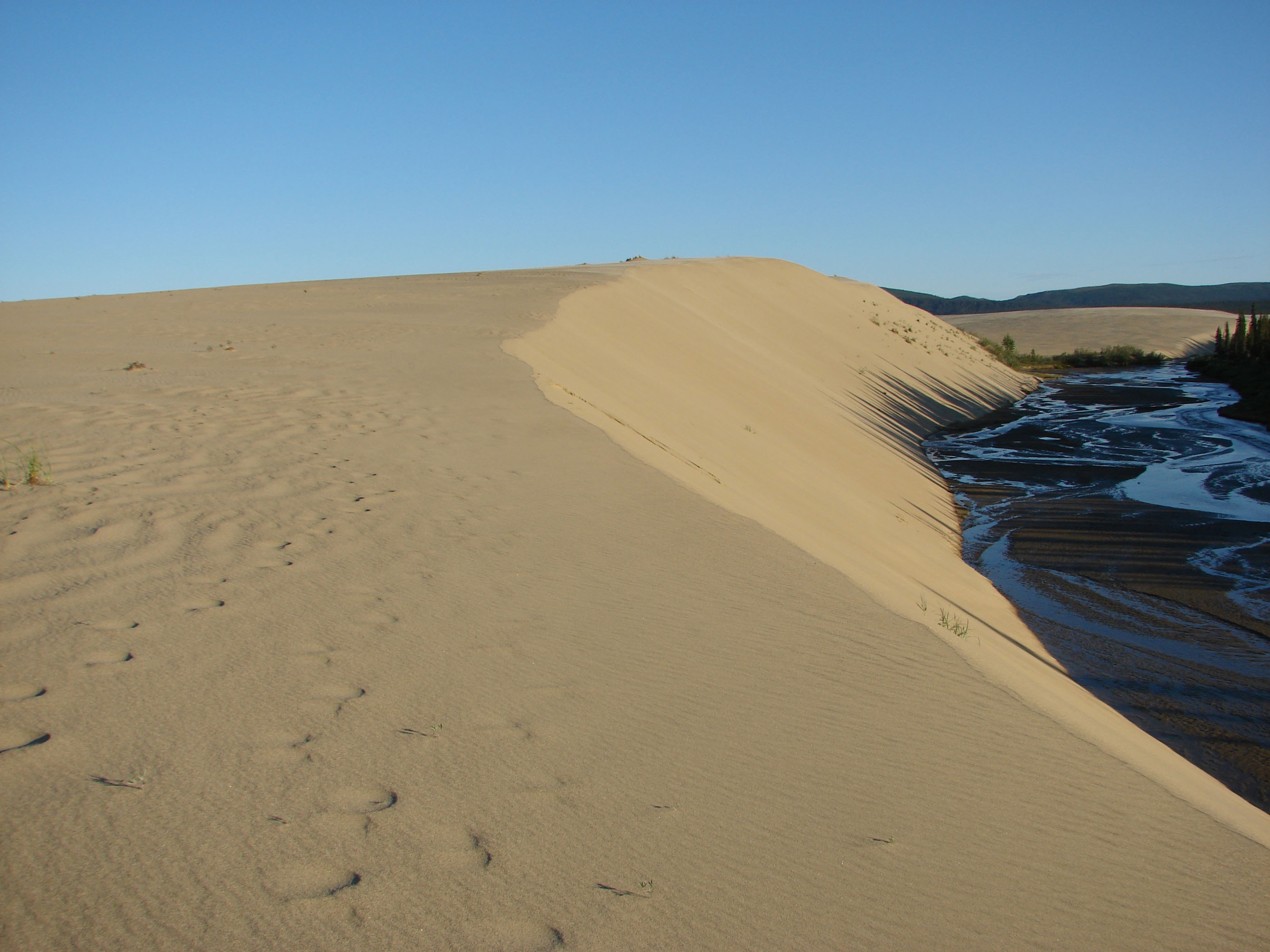
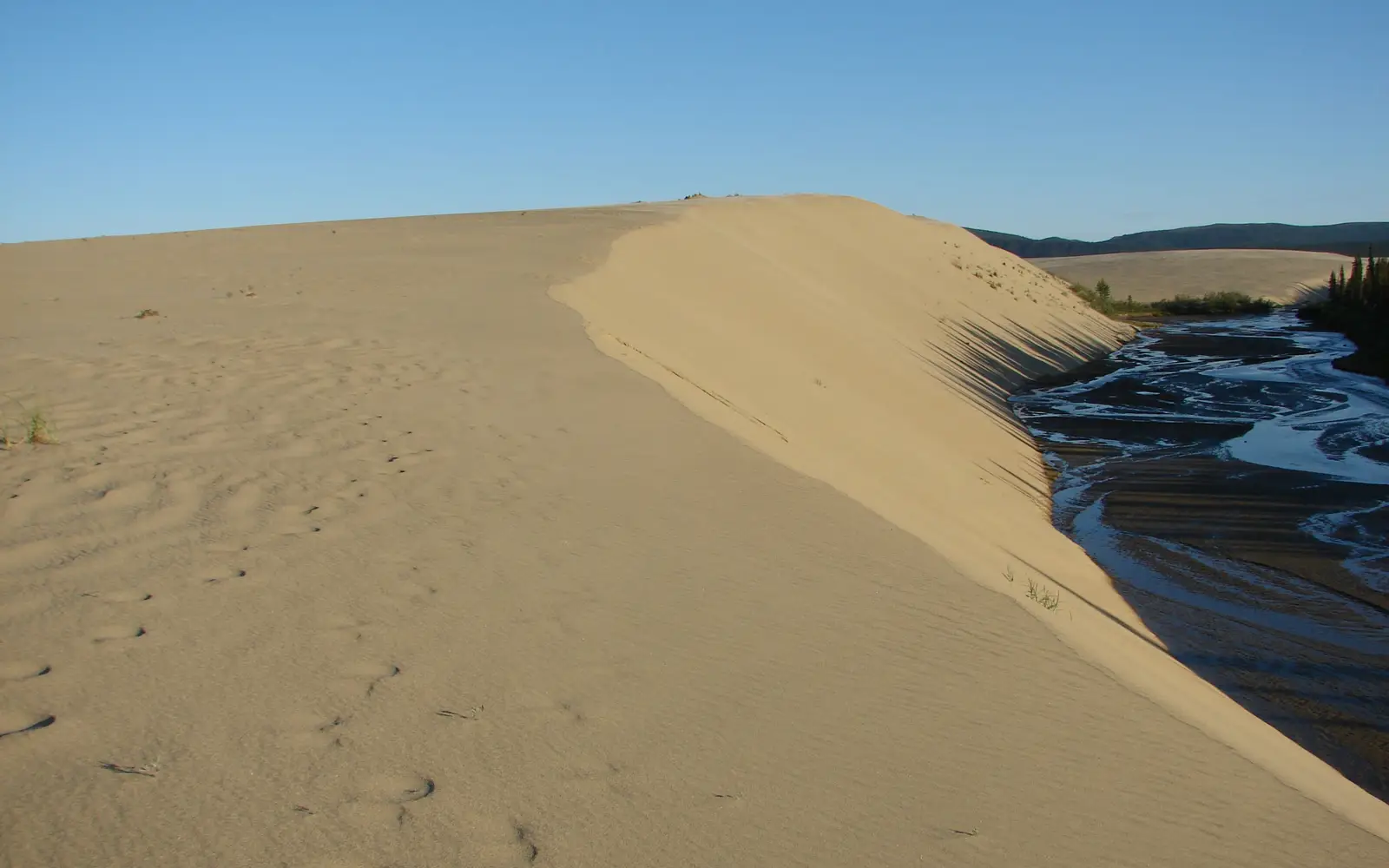
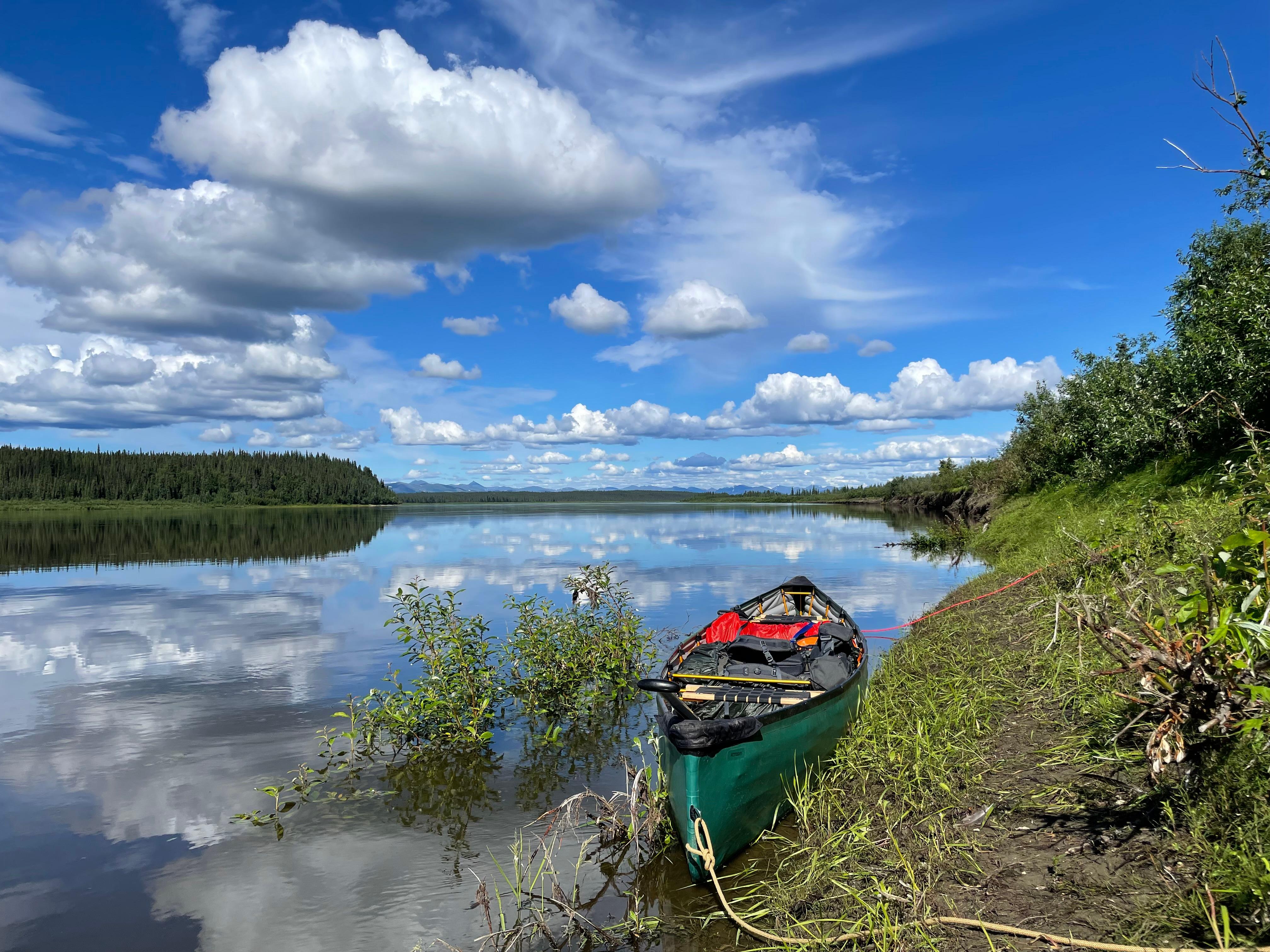
A trip to this park unit hinges entirely on the Kobuk River. Access requires flying into the backcountry, then launching a canoe or kayak into the current. The valley itself testifies to millennia of caribou migration, a force that shaped both the land and its human cultures. The park's most arresting feature remains its sand dunes: a true Arctic desert emerging from a boreal forest. Anglers will find sheefish in the river, adding another layer to the experience. Wildlife viewing here is a primary pursuit, not a casual observation; it offers one of North America's premier opportunities to witness large caribou herds in motion. For essential cultural and ecological context, the Northwest Arctic Heritage Center in Kotzebue provides museum exhibits and hands-on programming. This is an itinerary for dedicated paddlers and serious wildlife observers. Casual sightseers should look elsewhere.
Best for
This park caters to serious backcountry paddlers, wilderness campers, and wildlife photographers. It demands charter flights and careful preparation. Families with older, experienced children can navigate it with proper gear and planning. Those seeking trailheads, developed campgrounds, or casual day visits will find their expectations unmet here.
Best season
Summer, from late June through August, presents the optimal window for experiencing this park, balancing navigable river conditions with active wildlife and ample daylight. Caribou migration timing is variable; consult current conditions before making travel plans. Be prepared for cold, wet, and windy weather in any month. The risk of hypothermia is significant, even in July. While spring and fall feature dramatic migrations, these seasons also carry harsher, less predictable conditions.
The high points
- Multi-day canoe or kayak trip down the Kobuk River through a roadless Arctic wilderness
- Witnessing large caribou migrations crossing the river valley, a tradition spanning 9,000 years
- The Great Kobuk Sand Dunes, an unexpected Arctic desert landscape rising from the tundra
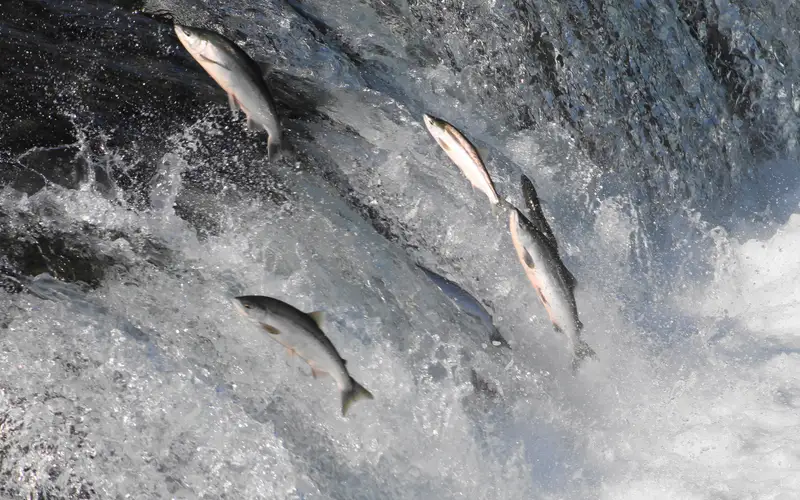
- Freshwater fishing on the Kobuk River, including the prized and unusual sheefish
- Northwest Arctic Heritage Center in Kotzebue offering museum exhibits and cultural programming as a genuine pre-trip orientation
- Backcountry camping in total solitude with no designated sites, trails, or crowds
Know before you go
This is a destination for the fully prepared and experienced. Entrance is free, but the logistical cost is high: charter air taxi from Kotzebue runs several hundred dollars per person each way. There are no roads, no trails, and no facilities. The Northwest Arctic Heritage Center in Kotzebue provides current conditions and vital cultural context. A bear canister and satellite communicator are necessities. Casual sightseers should look elsewhere; this park demands significant preparation and self-sufficiency.
One more thingVisitors must plan air taxi transport in advance, particularly for July and August. Operators in Kotzebue book rapidly during peak season. The Heritage Center is critical for itinerary planning; consult staff there for current caribou movement and river levels.