Should you visit Klondike Gold Rush - Seattle Unit National Historical Park?
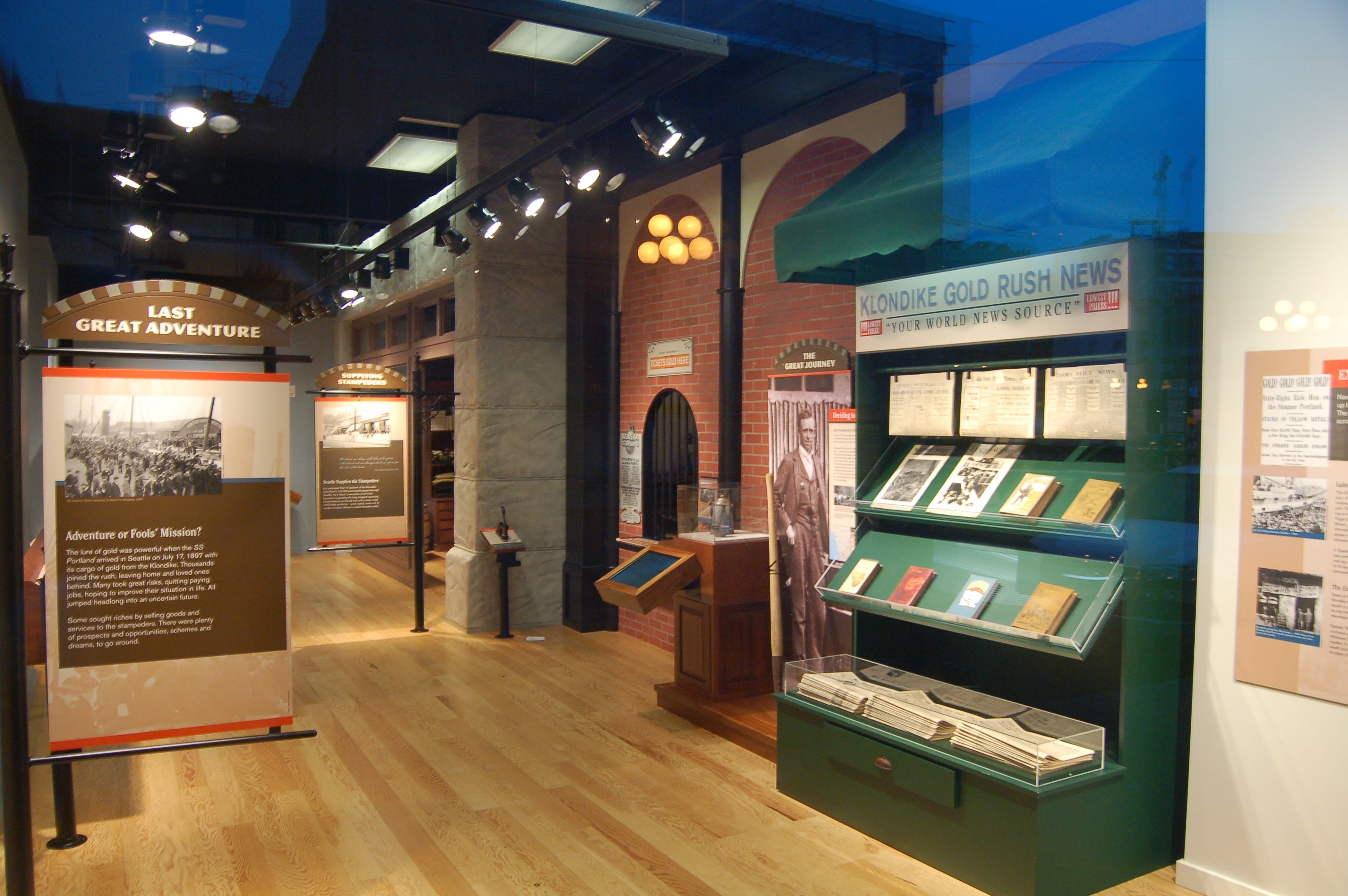
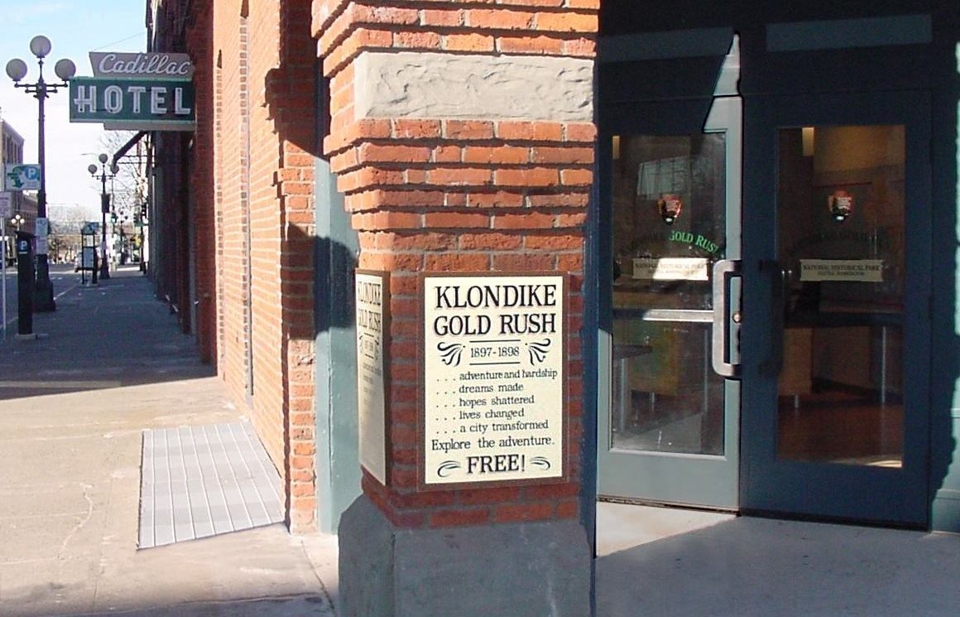
The Seattle Unit of Klondike Gold Rush National Historical Park operates as an urban history museum.
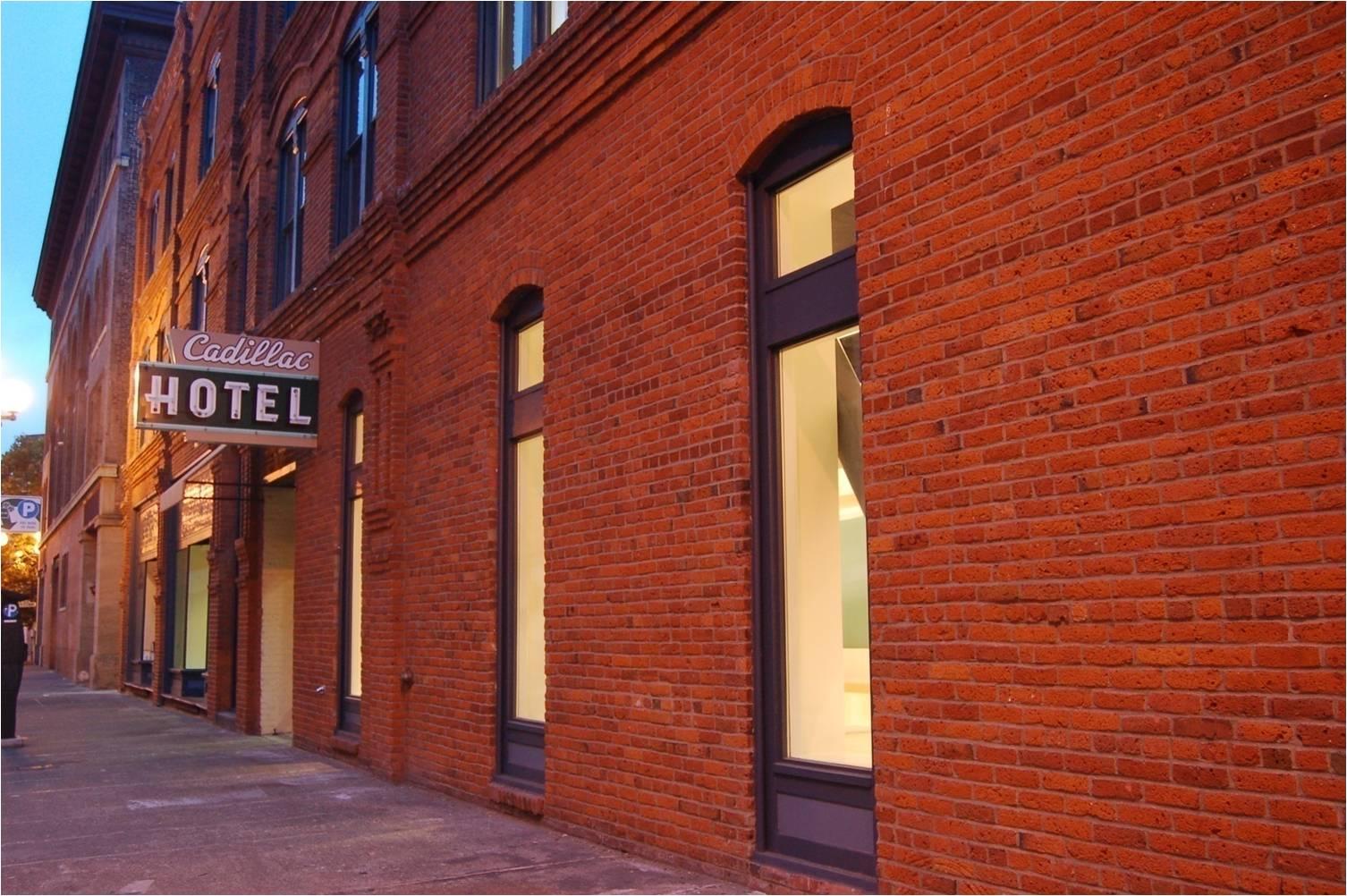
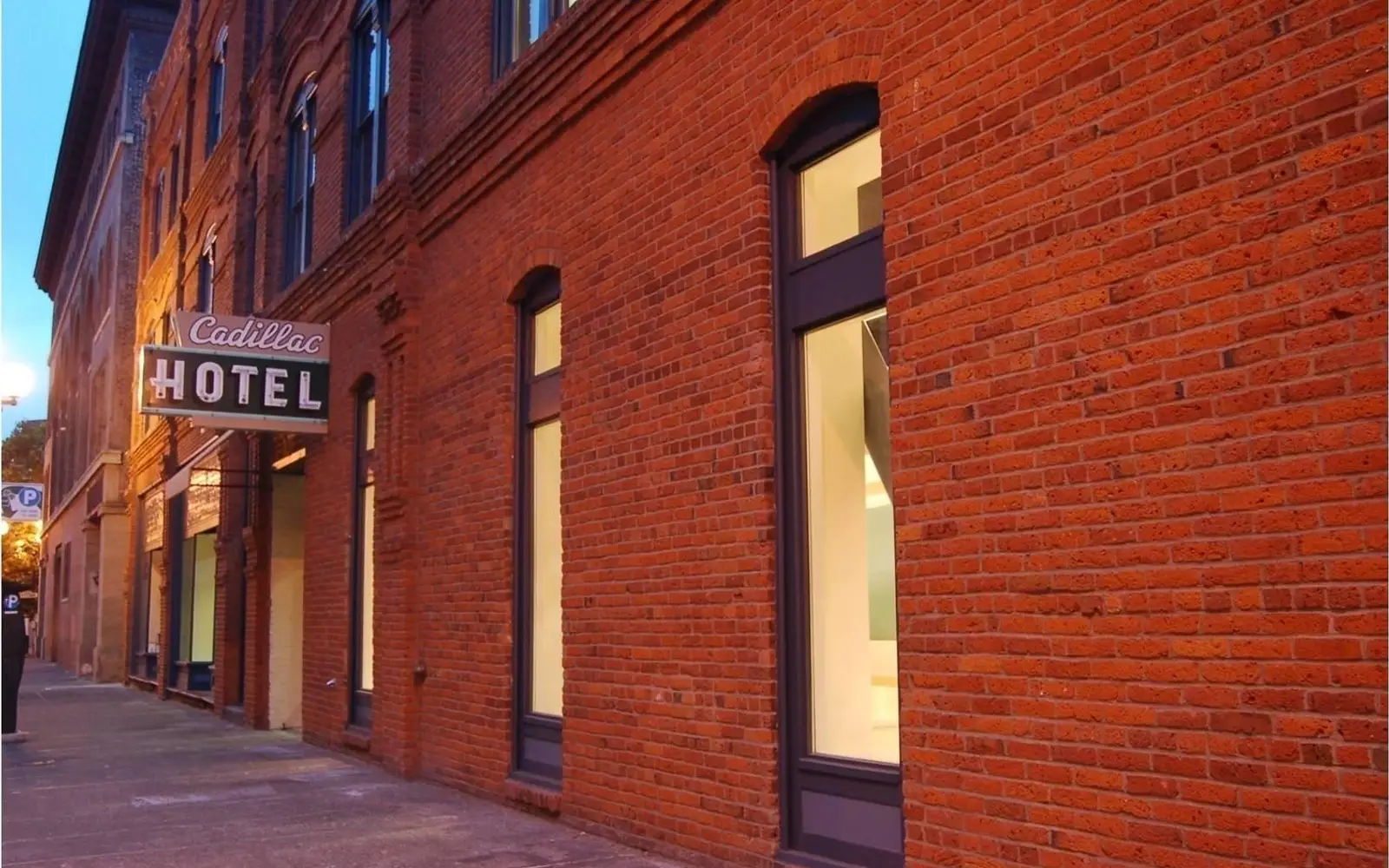
Located in Seattle's Pioneer Square, its primary focus is detailing the city's role as the outfitting center for the 1897-1898 Yukon gold rush. The unit excels in this specific historical narrative. Ranger-led programs and a park film enhance the artifact displays, offering depth and context. For a free, indoor activity, it provides substantial educational value. However, the experience offers minimal breadth. Those anticipating trails, wildlife, or scenic vistas will find themselves disappointed. This unit is museum-scale. Its strength lies in its intellectual and historical presentation, not in outdoor recreation. It best serves history enthusiasts, families with inquisitive children, and visitors already exploring Pioneer Square, providing a worthwhile hour or two.
What makes it worth it
A visit begins with the park film, which frames the gold rush in human terms. Ranger-guided tours and living history programs add essential context, unavailable from static exhibits. Since the unit offers free admission, attending a scheduled ranger talk is highly recommended. The surrounding Pioneer Square neighborhood, Seattle's oldest commercial district, enhances the historical atmosphere. Self-guided walking options extend the experience into the streets where merchants once outfitted thousands of prospectors. For families, the living history programming provides engaging content for children beyond display cases. Allocate 60 to 90 minutes inside, structuring the visit around a scheduled ranger program for the most complete experience.
Who should go
This unit caters to history enthusiasts, families seeking a free, weather-proof activity in Seattle, and those interested in how a singular economic event reshaped a Pacific Northwest city. Outdoor adventurers, hikers, and wildlife seekers will find little here. Such visitors should instead consider the primary Klondike unit in Skagway, Alaska, or direct their attention to Olympic or North Cascades National Parks.
When to go
This downtown museum offers a focused experience. Its Wednesday through Sunday schedule is a firm constraint; plan accordingly. Summer provides the most pleasant conditions for walking the Pioneer Square neighborhood. Otherwise, Seattle's cool, rainy weather can dampen a stroll, though it poses no issue for the museum itself.
Highlights
- Free admission with no reservation required
- Ranger-guided tours that bring the 1897-1898 stampede story to life with personal detail
- Park film providing a strong narrative foundation before exploring exhibits
- Living history programs suited for families and younger visitors
- Self-guided walking in Seattle's historic Pioneer Square district
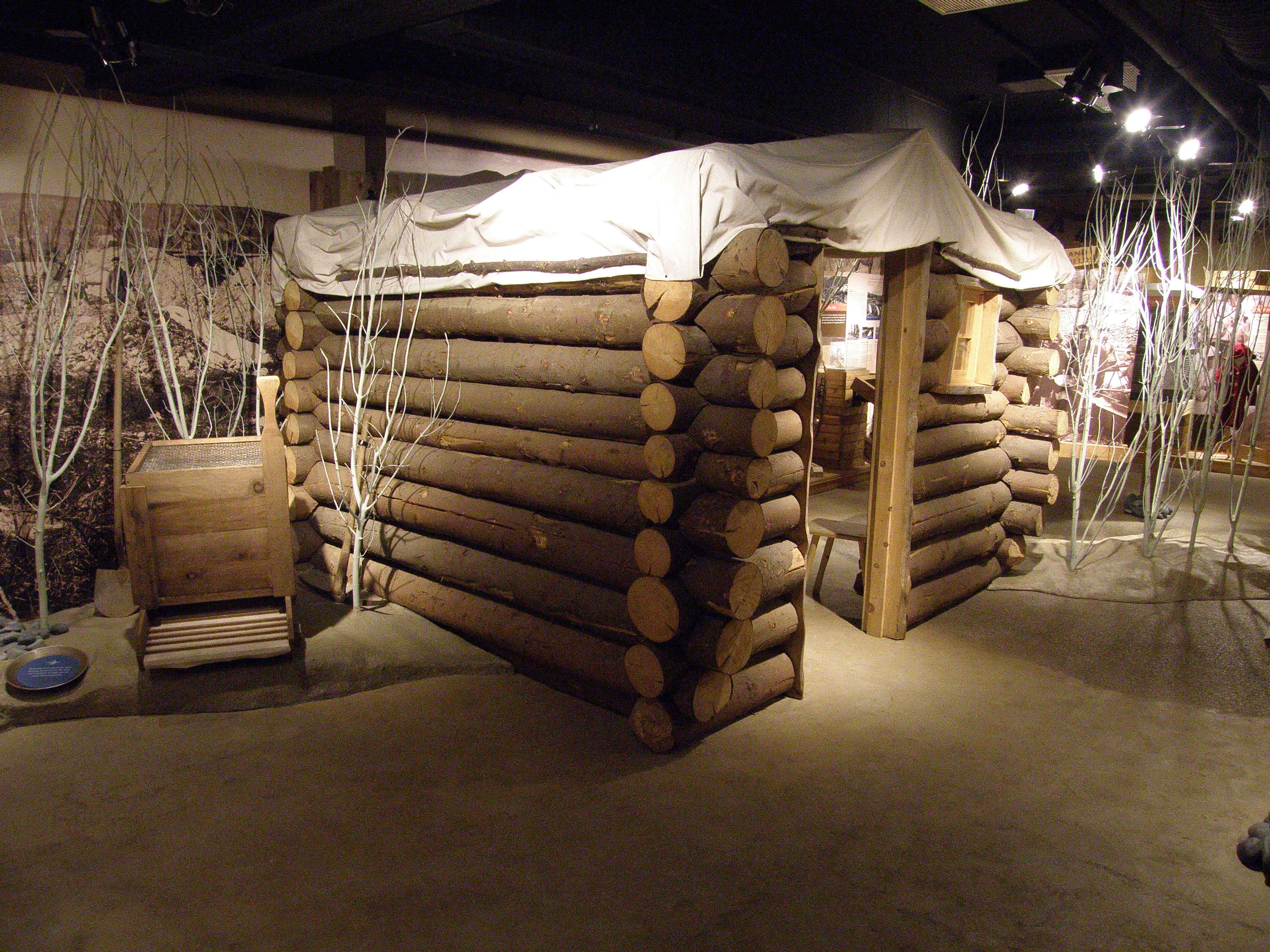
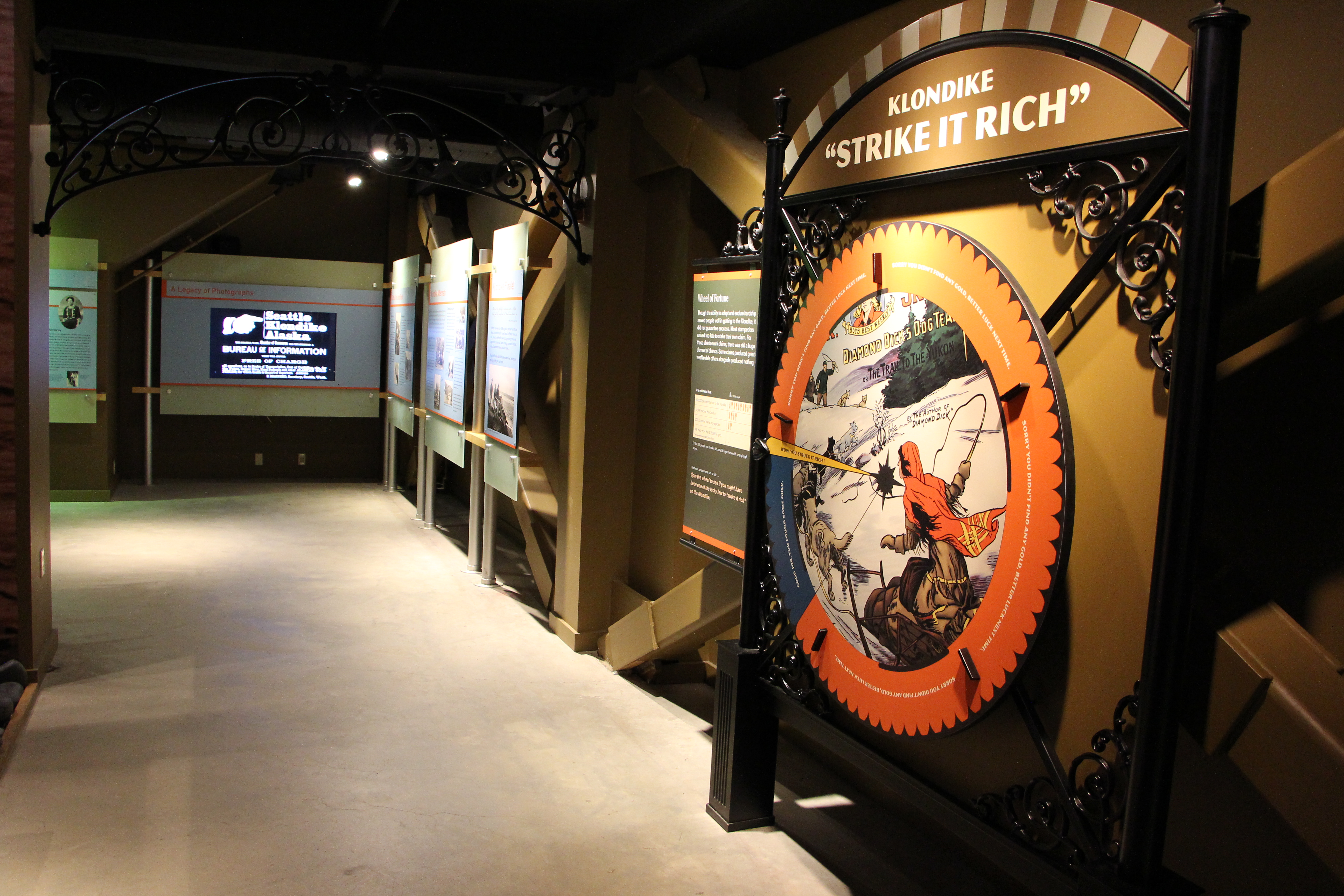
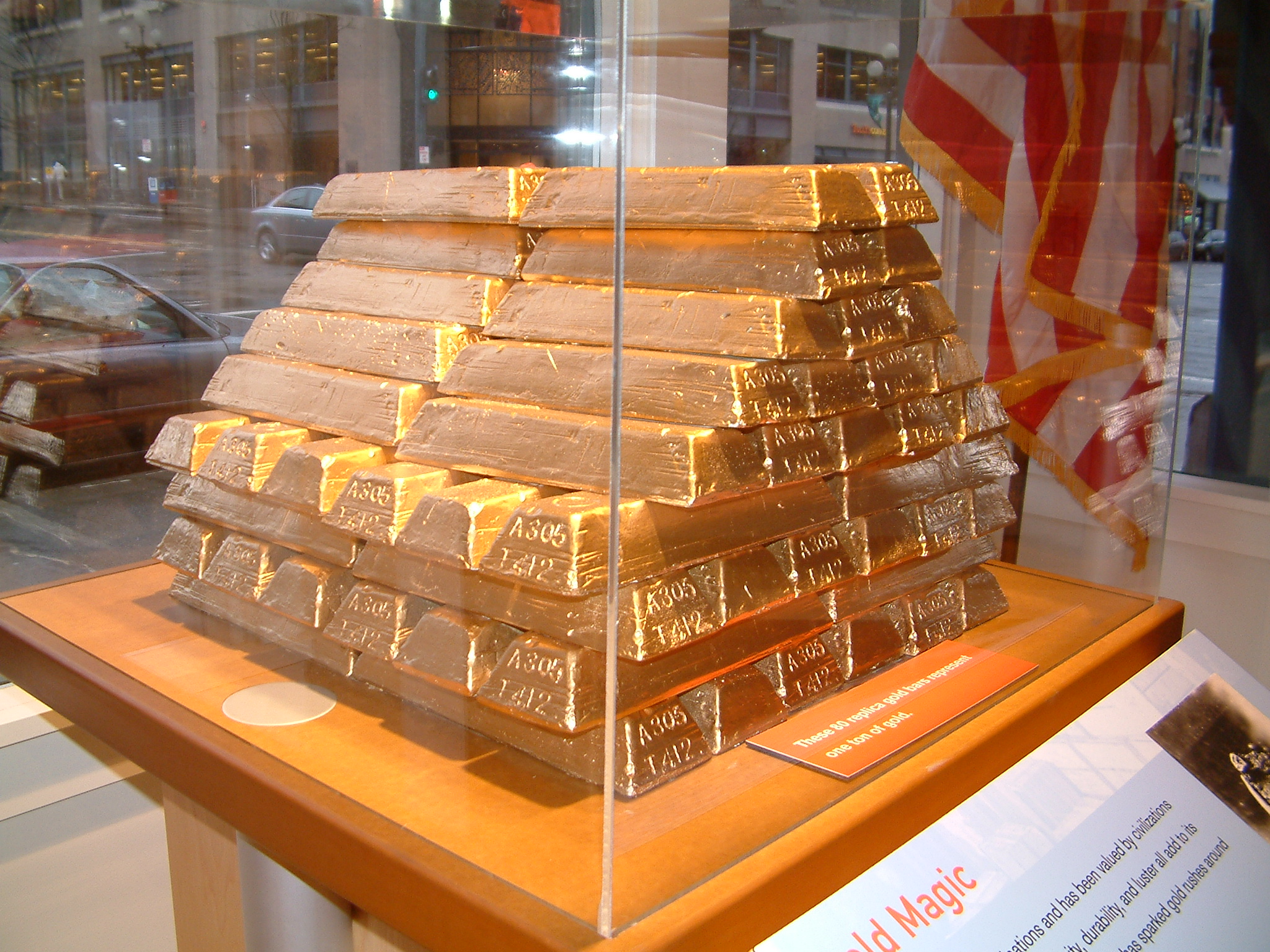
- Museum exhibits documenting Seattle's role as the primary outfitting gateway to the Yukon
Plan ahead
Admission is free; no timed entry pass is required. The park operates Wednesday through Sunday, 10 am to 5 pm. Monday and Tuesday visitors will find it closed. For what it offers, the ranger programs and living history schedules are the main draw and are worth checking on the NPS website before a visit.
Editor's tipThis park unit distinguishes itself through its interpretive programming. While the exhibits themselves are modest, ranger-guided tours consistently elevate the visitor experience. These programs draw clear lines from the historical gold rush to contemporary Seattle, offering unique geographic and cultural context. For those interested in local history and its lasting impact, a scheduled ranger tour is essential. Independent exploration offers a less enriching experience.