Is Klondike Gold Rush National Historical Park worth your trip?
Klondike Gold Rush National Historical Park in Skagway, Alaska, achieves a perfect Experience Score, presenting itself as one of the National Park System's most complete and accessible units.
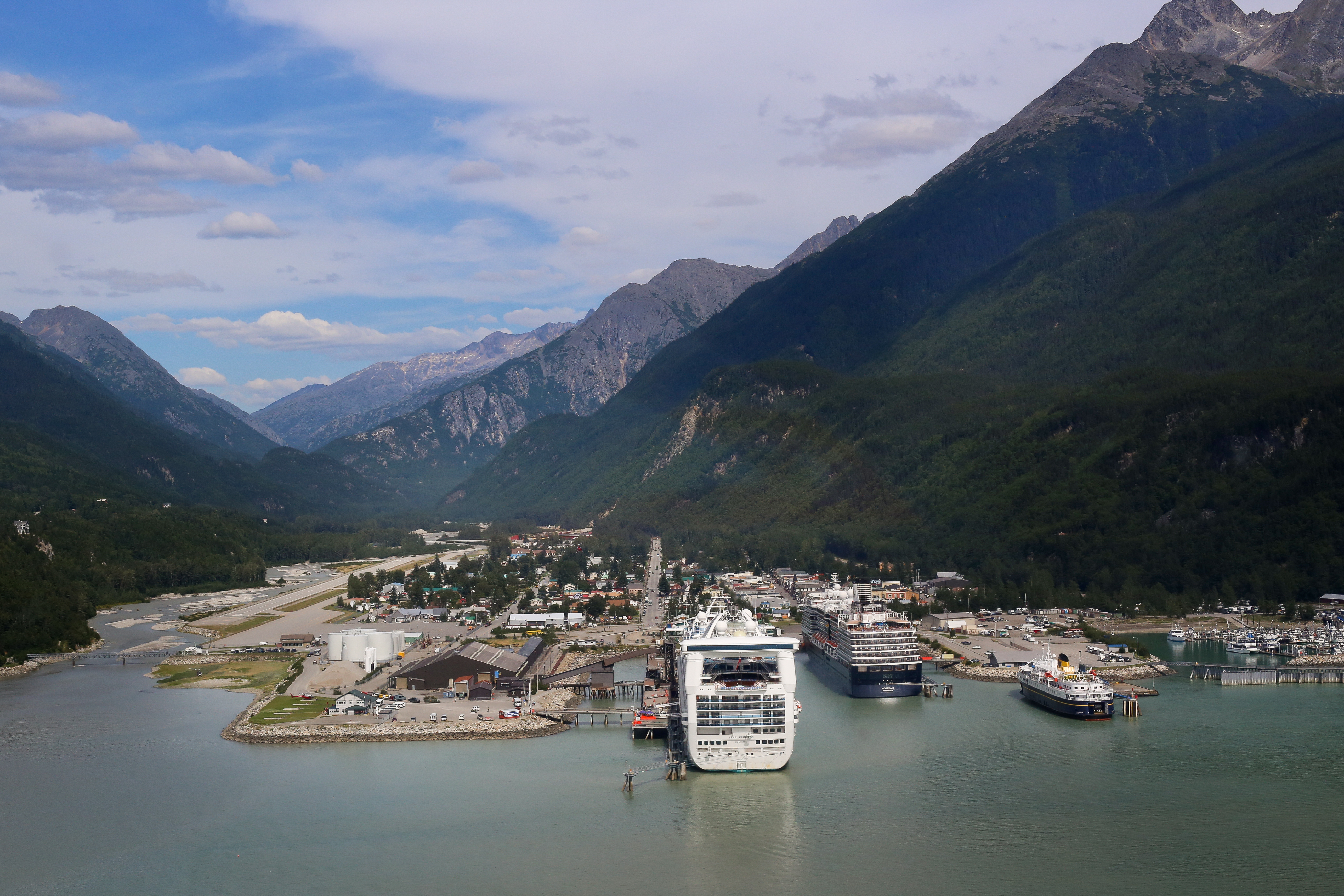
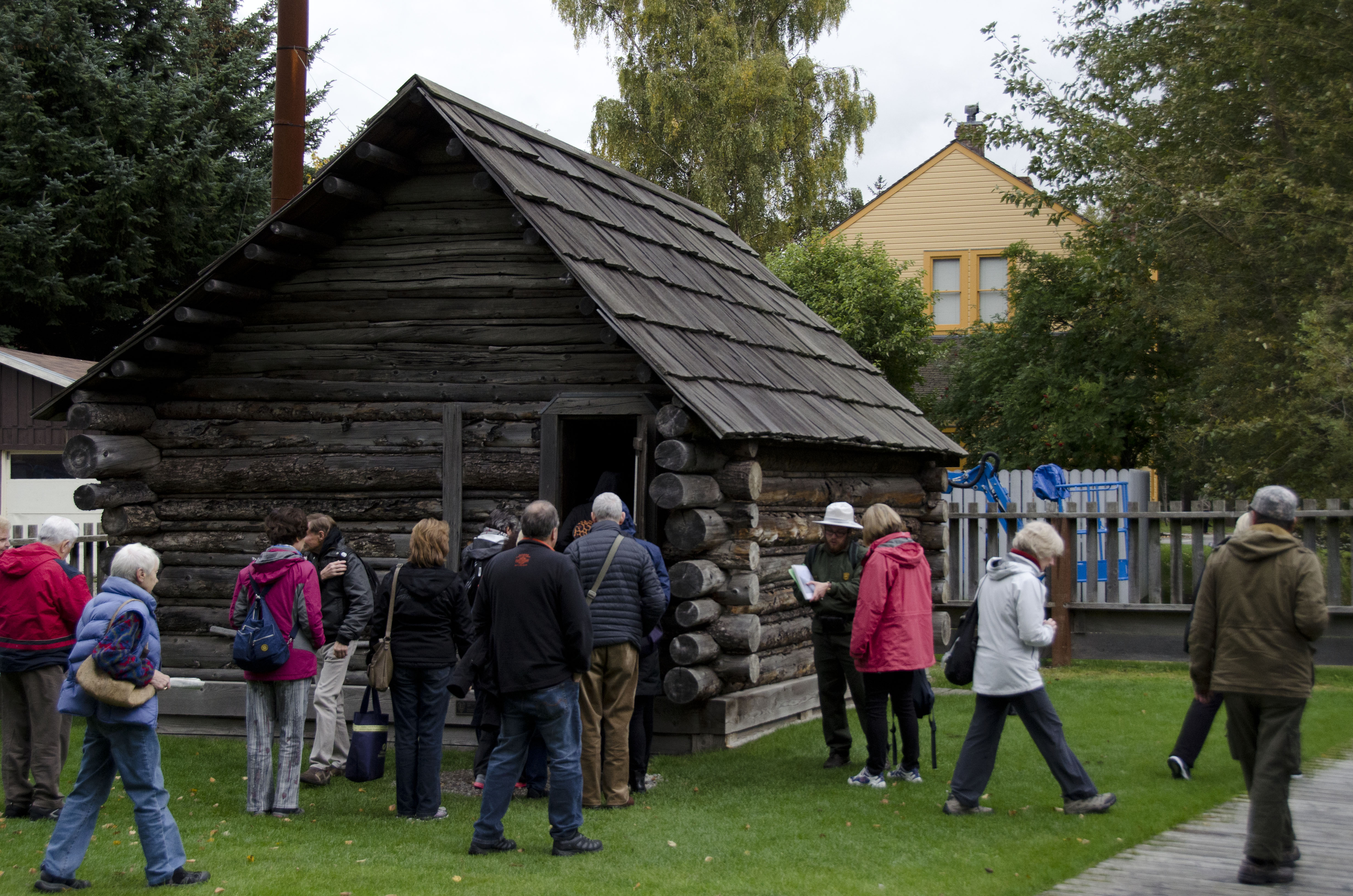
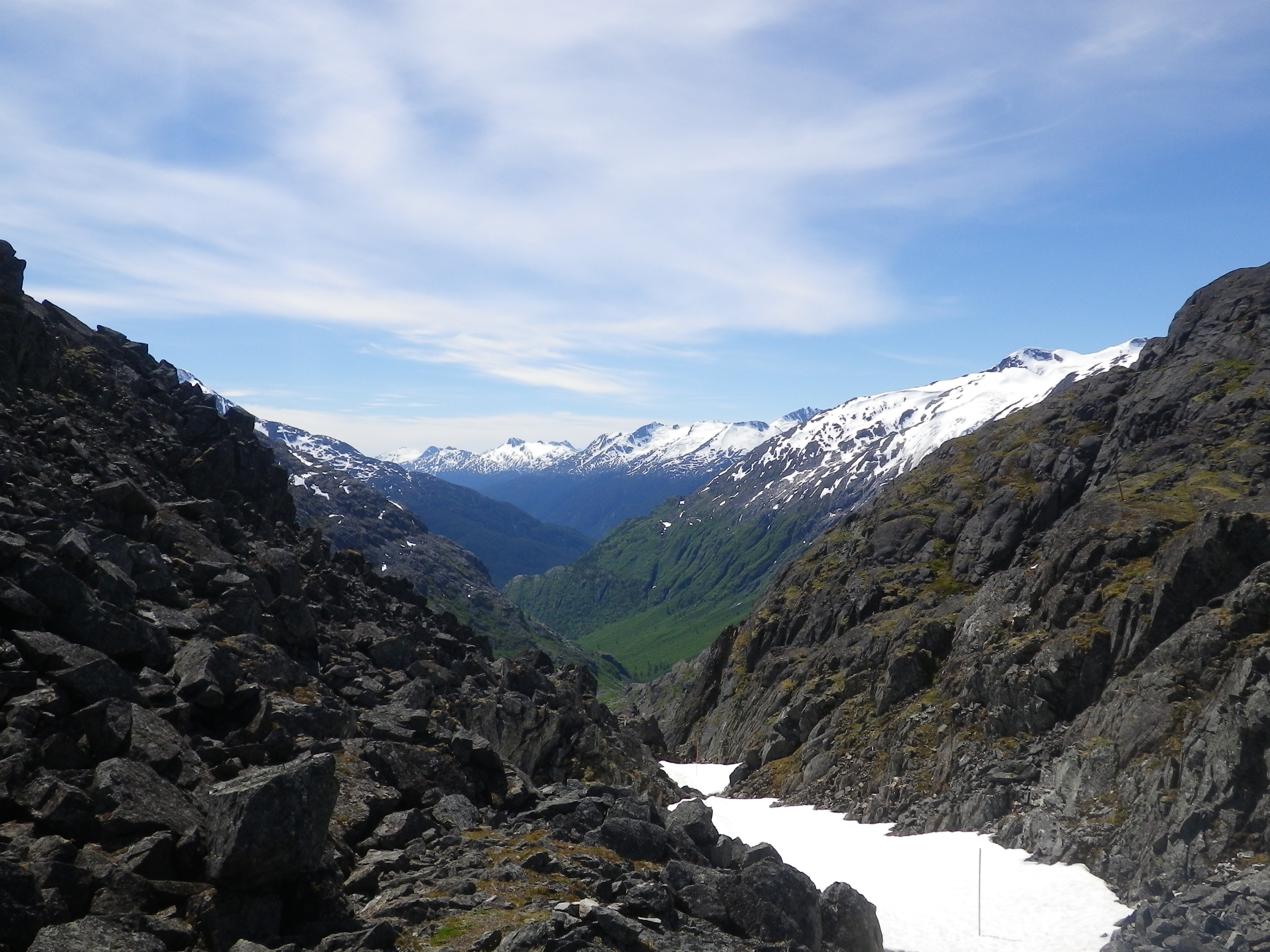
This is not a passive, drive-through destination. The park integrates a remarkably preserved boomtown streetscape with rugged backcountry hiking. These trails follow the exact routes of tens of thousands of prospectors from 1897 and 1898. Visitors can spend a morning in museum exhibits detailing the economic realities and human toll of the rush. Then, join a ranger-led walking tour among historic storefronts. Ample time remains for a multi-day wilderness trek into the mountains. Free admission removes a common barrier. This multifaceted approach creates a park suited for a half-day historical stop for cruise passengers or a week-long basecamp for dedicated trekkers. Few NPS units deliver such a broad spectrum of experiences within a single location.
Why go
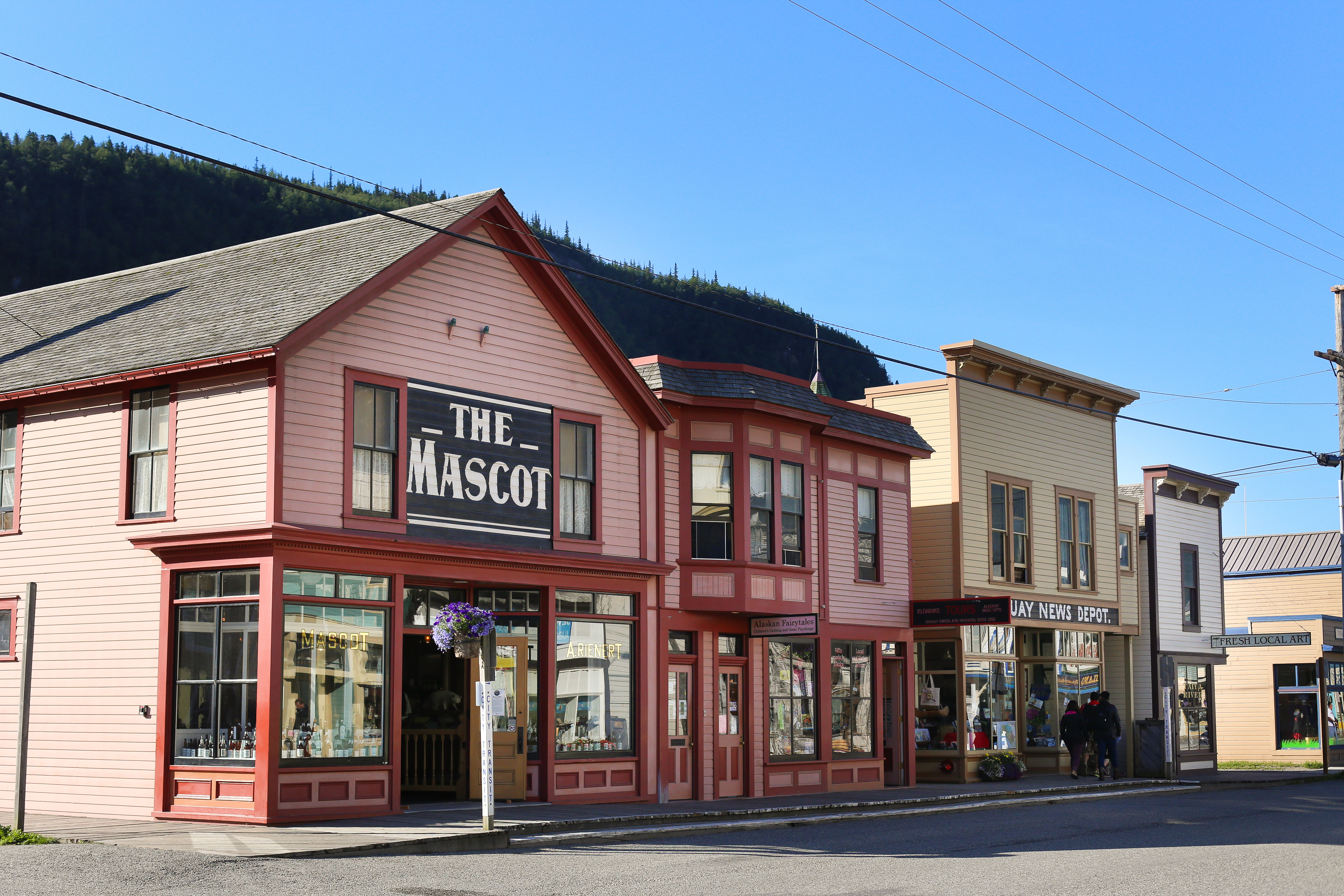
This unit rewards an engagement with history and physical challenge. Begin at the visitor center; its film and exhibits contextualize the gold rush with human detail. A walking tour of Skagway's historic district, self-guided or ranger-led, then links architecture directly to these narratives. The afternoon can include front-country hiking along routes historically used by stampeders. Families will find the Junior Ranger program and a playground suitable for younger children, while adults can explore the bookstore or observe wildlife. Serious backpackers have access to multi-day backcountry routes into remote alpine terrain. This park offers experiences from a single afternoon to a full week of wilderness camping.
Best for
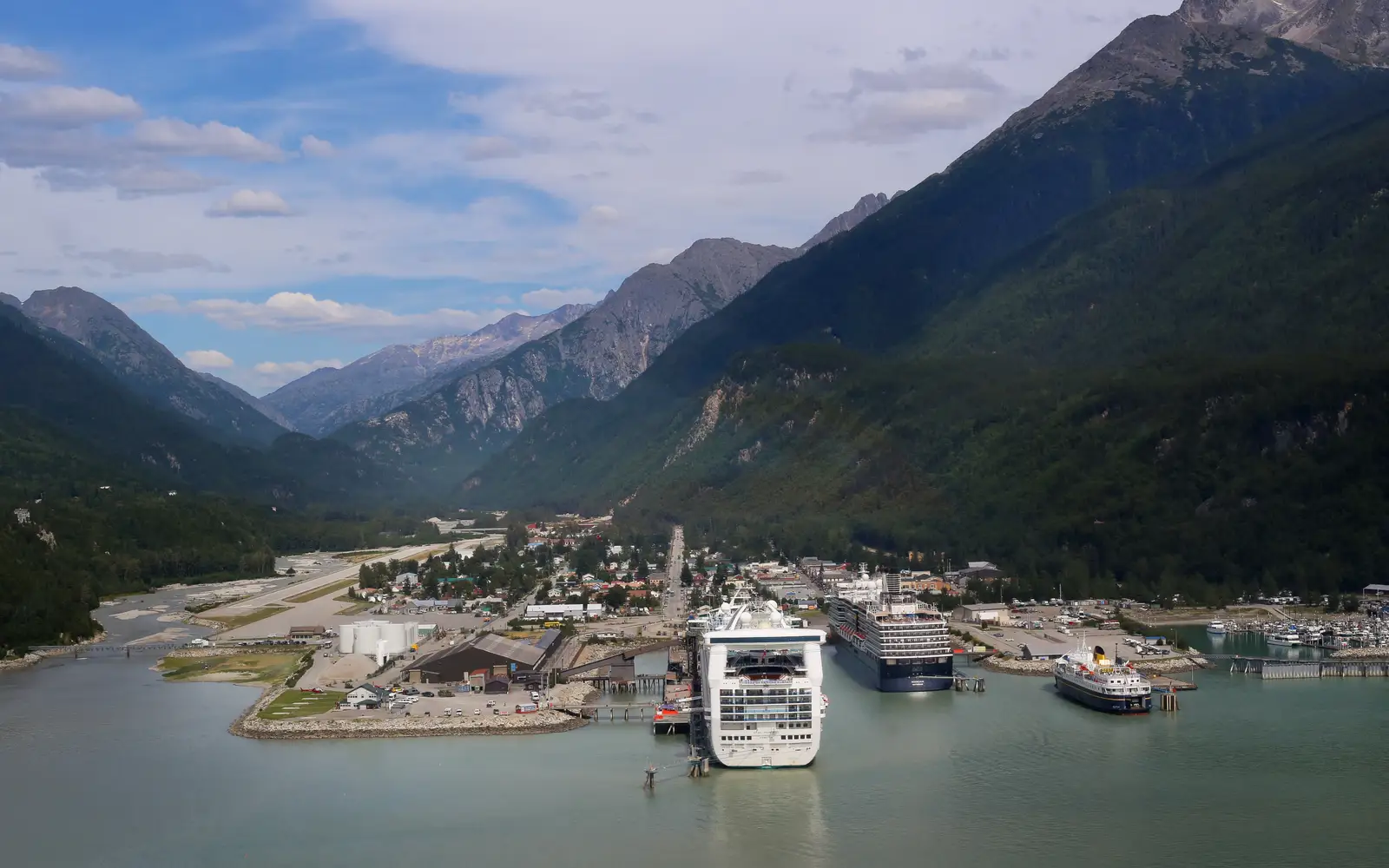
This park offers genuine depth for a wide range of visitors. History enthusiasts, backpackers, and families will find ample engagement. Cruise ship passengers stopping in Skagway gain access to more than a typical tourist experience. For those seeking true backcountry challenges, demanding wilderness routes await. The scale is the draw here. Only those purely seeking a wildlife-focused wilderness experience, devoid of historical context, should consider other destinations.
Best season
This destination presents a clear seasonal dichotomy. From early May through late September, visitors can expect a complete experience, with full visitor services, guided tours, and access to historic buildings. Summer temperatures, averaging 47-60 degrees Fahrenheit, are cool but suitable for hiking, though frequent rain and wind are consistent features of the forecast. October through April offers a significantly quieter, starker experience. During these months, services are by appointment only, and backcountry conditions demand serious consideration. Casual sightseers should plan for the summer window. For experienced, self-sufficient adventurers seeking solitude, the off-season provides a challenging, minimalist alternative.
The high points
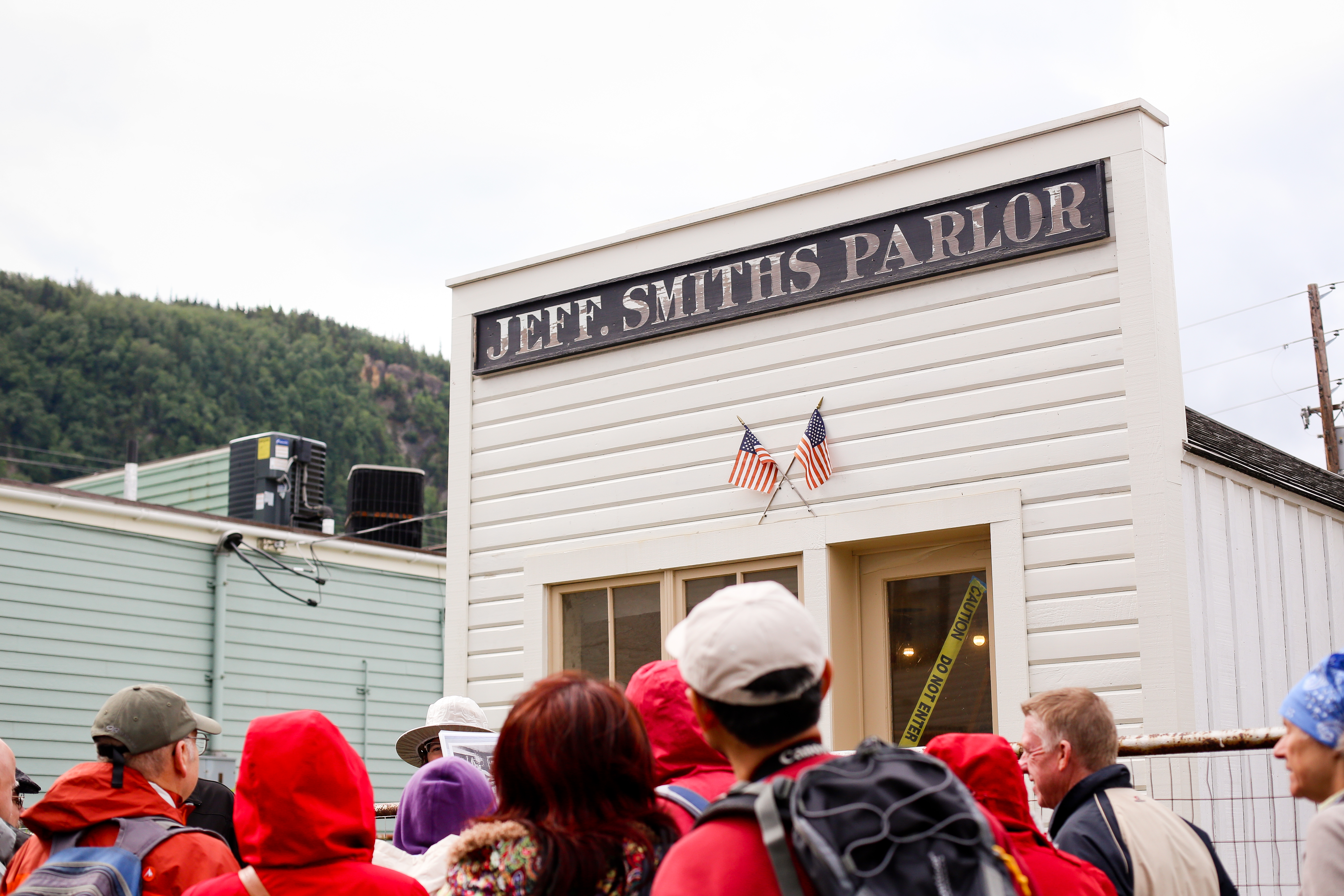
- Ranger-led walking tours through one of the best-preserved gold rush era townscapes in North America
- Backcountry hiking and camping on routes directly tied to the 1897-1898 stampede history
- Free museum exhibits and park film that give real economic and human context to the rush
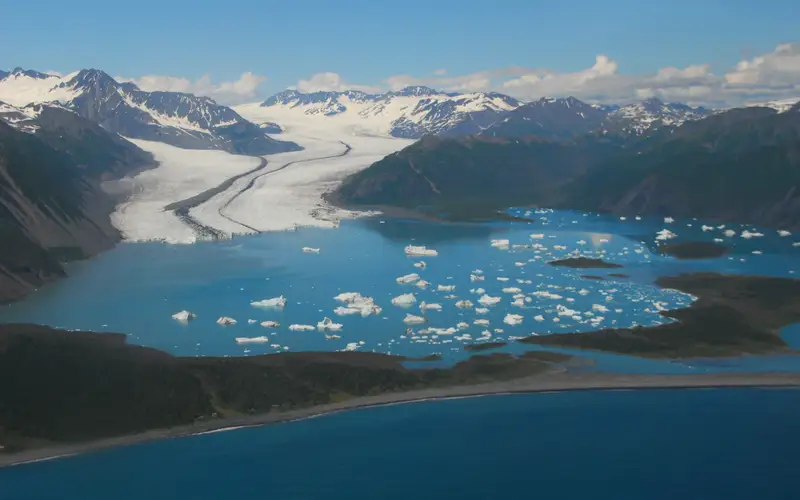
- Wildlife watching and birdwatching in dramatic coastal mountain terrain around Skagway
- Junior Ranger program and playground making this a practical stop for families of all ages
- Mountain climbing access for those wanting to push beyond the front-country trails
Know before you go
Entrance is free. This is rare for a park with this level of development. Visitor services significantly decrease from October through April, requiring advance appointments. Plan accordingly for an off-season visit. Sk
One more thingBackcountry excursions here demand preparation. Consult with rangers at the visitor center for essential information before setting out. Mountain weather changes rapidly, often diverging from Skagway's milder conditions. The terrain, formidable to stampeders, remains challenging.