Is Kenilworth Park & Aquatic Gardens worth it?
Kenilworth Park and Aquatic Gardens provides a distinct experience within Washington D.C.
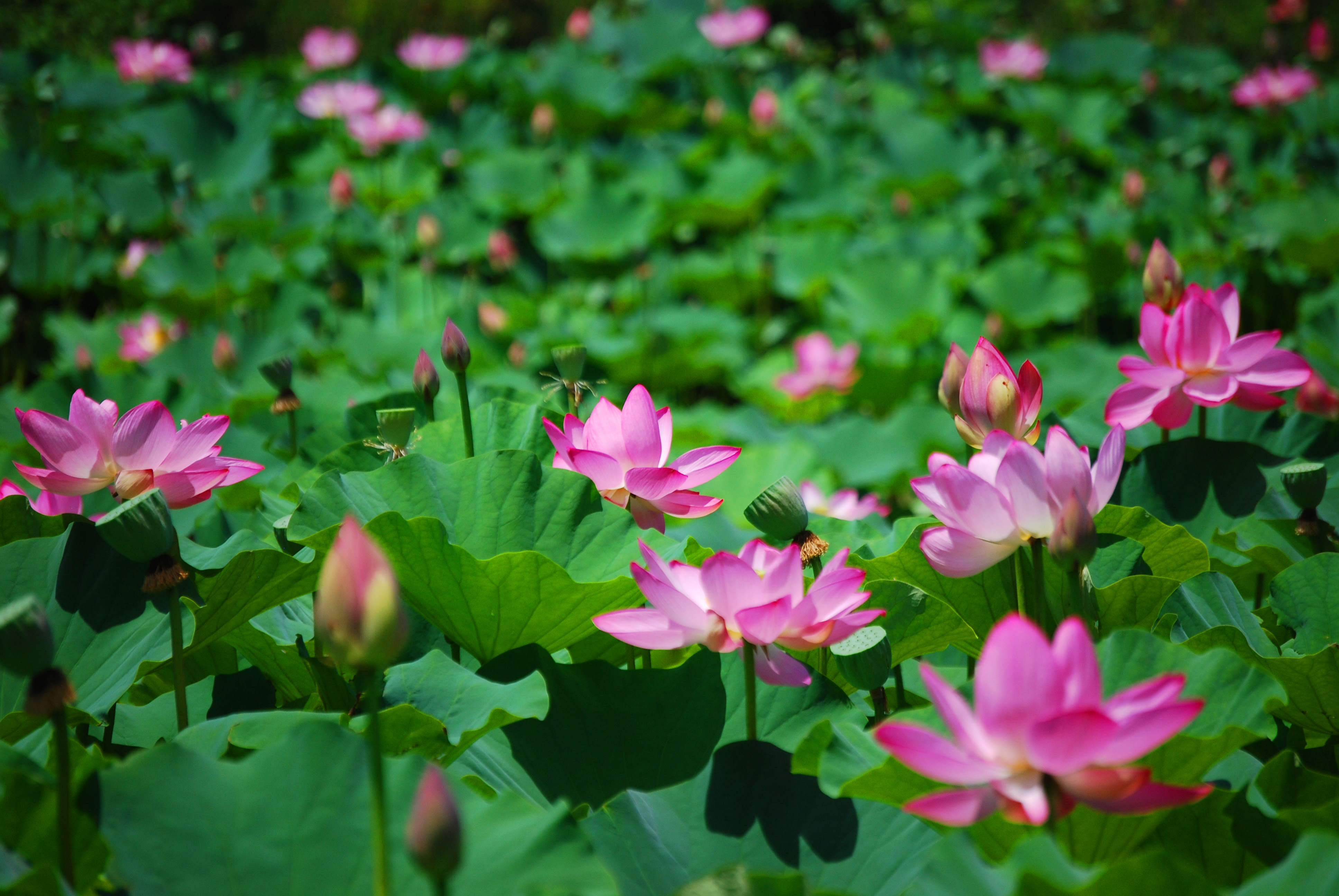
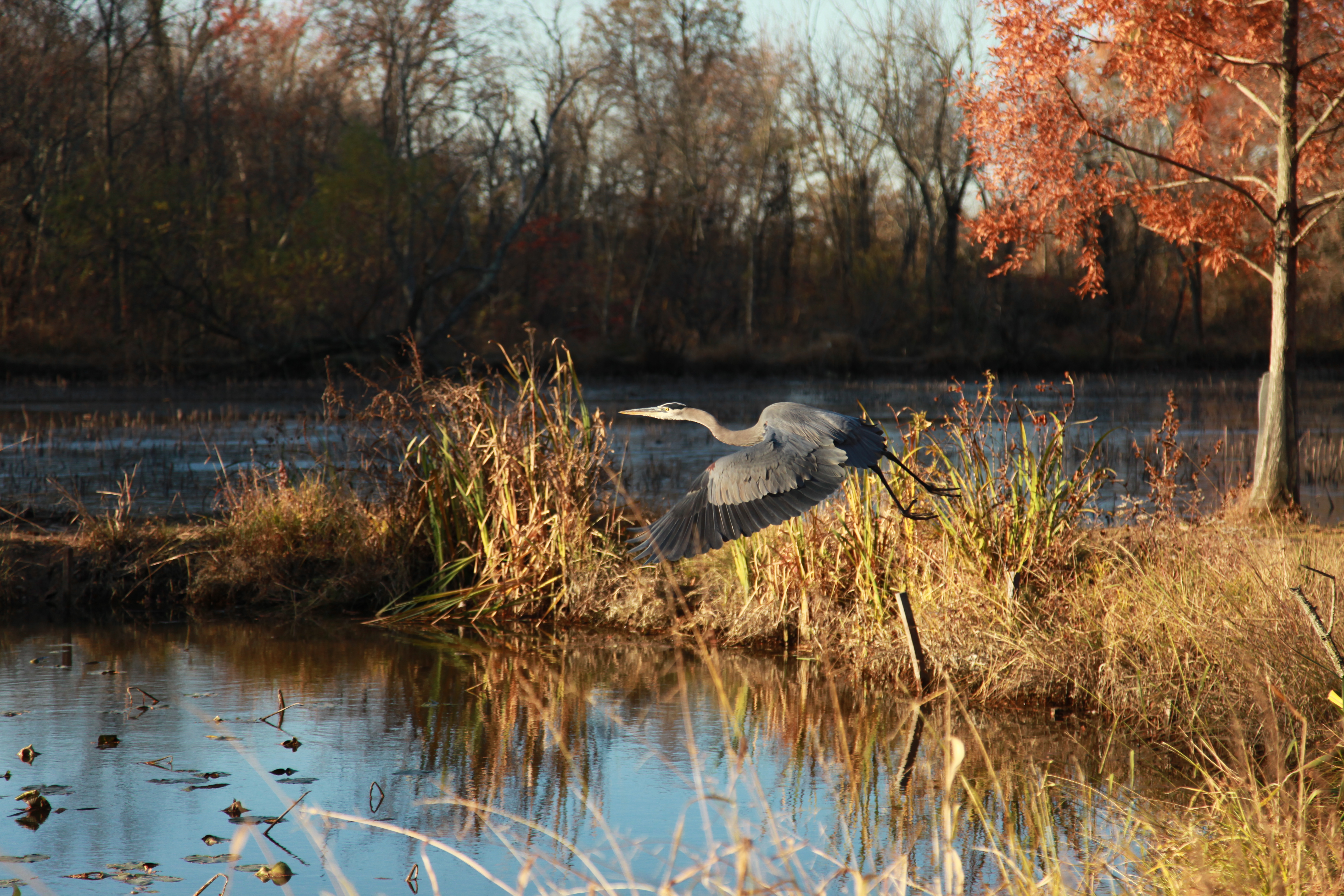
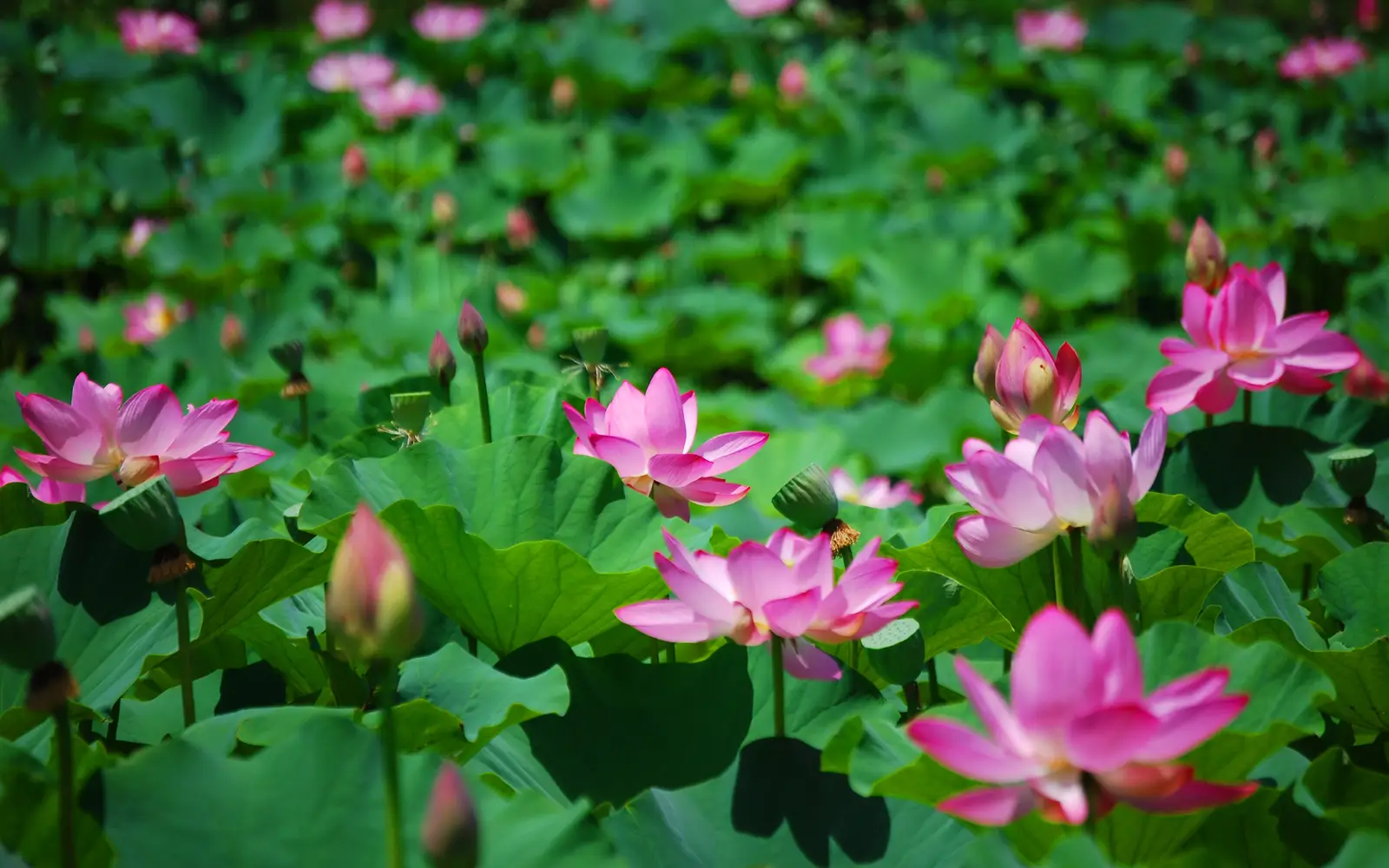
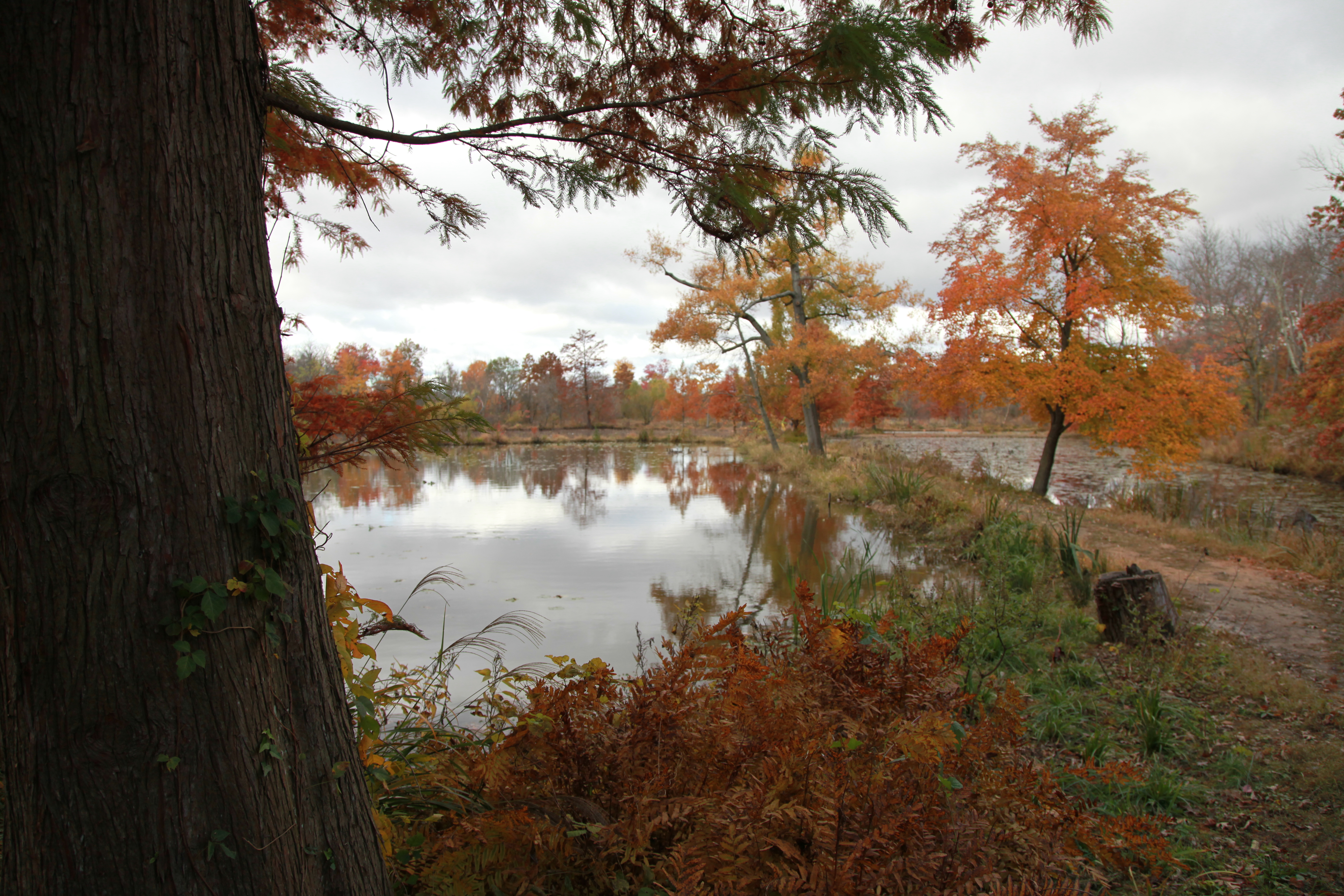
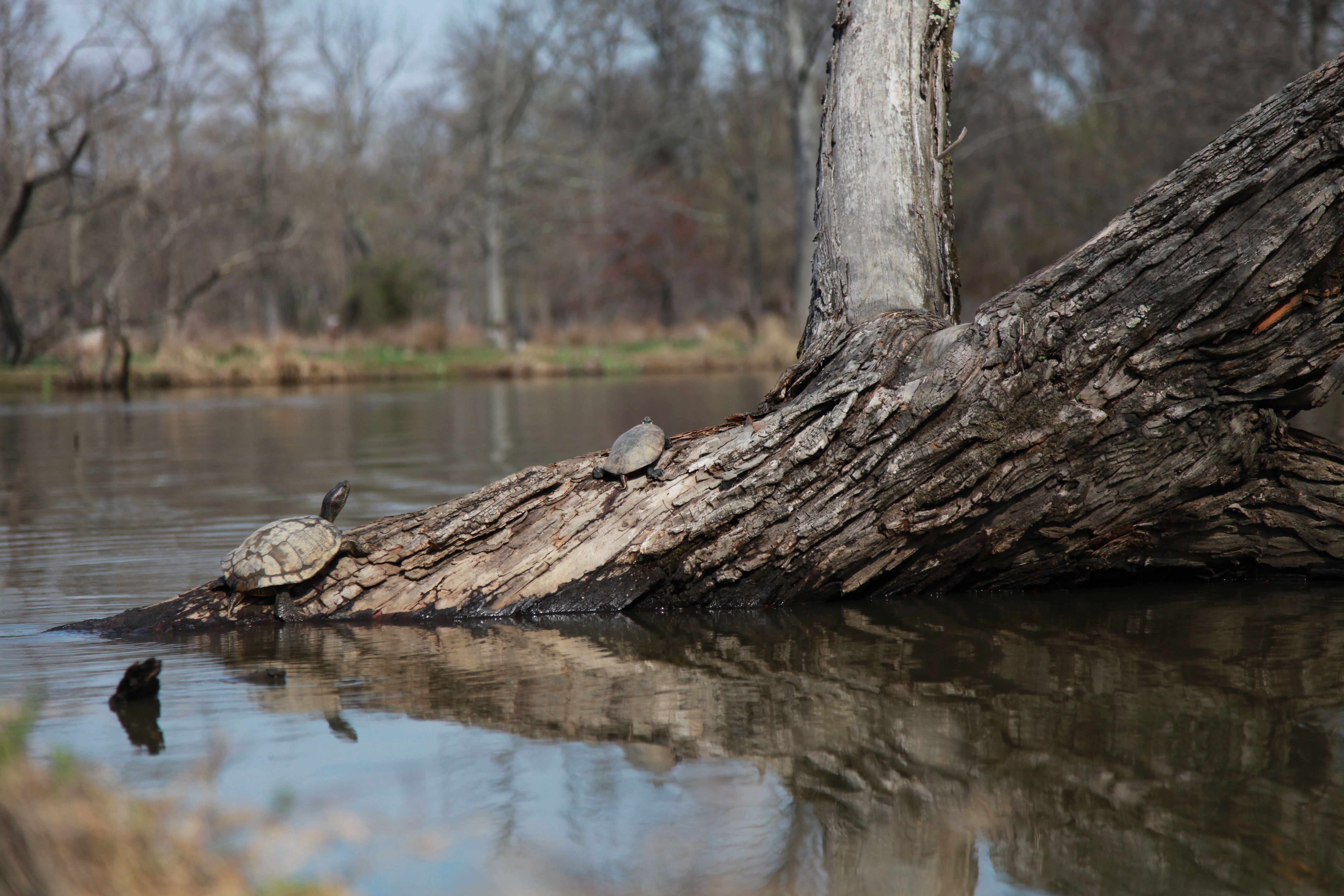
This federally managed wetland sanctuary along the Anacostia River offers a specific appeal. Its aquatic gardens, rich with lotus and water lilies, form the primary attraction. The marsh supports active beaver populations, turtles, and diverse insect life, particularly dragonflies. Birdwatching is a strong draw. This unit is not for strenuous activity; walking is flat and accessible. Its scale is modest. Operating hours are 8 a.m. to 4 p.m. daily. As a free, genuinely wild-feeling escape from typical D.C. attractions, it delivers a unique offering. Families, birders,
The case for it
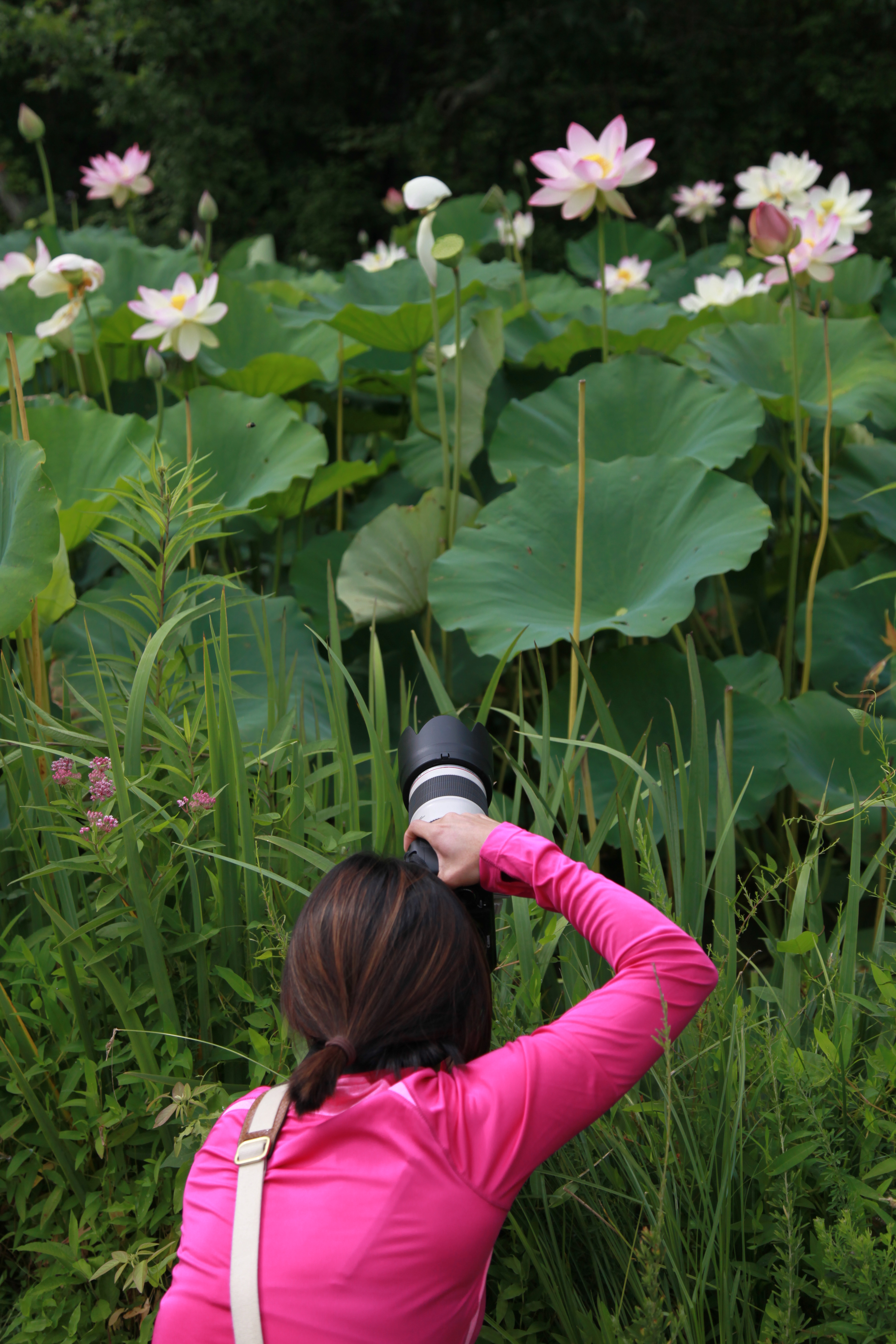
Kenilworth Park offers a concentrated dose of wetland ecology. For those who appreciate botanical beauty, the lotus blooms are a significant draw, best viewed in the cooler morning hours. The park's self-guided walking routes are accessible, providing ample opportunity for wildlife observation, from basking turtles to diverse birdlife and active dragonflies. Interpretive depth comes from guided tours, and the Junior Ranger program effectively engages younger visitors with the wetland environment. While the park store and bookstore are compact, they serve as practical resources for naturalists. Occasional cultural and craft demonstrations also occur. Given its 4 p.m. closing time, Kenilworth is best approached as a half-day excursion. It pairs well with other attractions in the Anacostia area.
Who it is for
This park offers a peaceful wetland experience within DC city limits. Birders, wildlife photographers, and families with younger children will find significant value. Its rewards peak during the July lotus bloom. Visitors seeking long trails, elevation, or dramatic landscapes will not find them here.
Best time to visit
July offers peak lotus blooms and active birdlife. Summer requires early arrival; temperatures reach the low 90s by midday, and afternoon thunderstorms are frequent from June through September. For quieter conditions and migrating birds, spring is optimal. Winter is a slow, cold season, with daytime highs only in the low 40s.
Worth seeing
- Aquatic gardens with lotus and water lily ponds, best seen in full bloom in July
- Beaver habitat and resident turtles viewable from the pond edges
- Strong birdwatching along the Anacostia wetland margin
- Guided tours that add ecological and cultural context to the gardens
- Junior Ranger program for hands-on family engagement with wetland themes
- Completely free admission with no parking fees, making it an easy DC add-on
Before you visit
Free admission is an undeniable draw, but the 4 p.m. daily closure demands strategic planning. This early closing time is notable and will impact many itineraries. Summer visits especially necessitate morning arrival; the documented afternoon heat and frequent thunderstorms present significant deterrents to a comfortable experience. Consult the official NPS site for tour schedules and programming. For what it offers, planning is paramount.
Our tipTo experience peak lotus blooms, cooler temperatures, and active wildlife, an 8 a.m. arrival in July is optimal. The blooms close by early afternoon. This timing also precedes the main influx of day-trippers.