Jupiter Inlet Lighthouse Outstanding Natural Area: our verdict
Jupiter Inlet Lighthouse Outstanding Natural Area offers an impressive density of experience within its 120 acres on Florida's Treasure Coast.
While not a wilderness destination, its location at the confluence of the Loxahatchee River and Indian River Lagoon provides genuinely rich habitat. The site integrates active water recreation, significant wildlife viewing, and 5,000 years of human history. The lighthouse serves as a cultural anchor, complemented by extensive water access that defines the outdoor experience. Free admission makes a half-day visit particularly appealing. For those already in the Palm Beach or Jupiter area, this unit stands as a legitimate highlight. Visitors traveling a considerable distance solely for this destination should note its compact size; a full exploration is easily accomplished, suggesting a need for additional area activities to round out the day.
Why visit
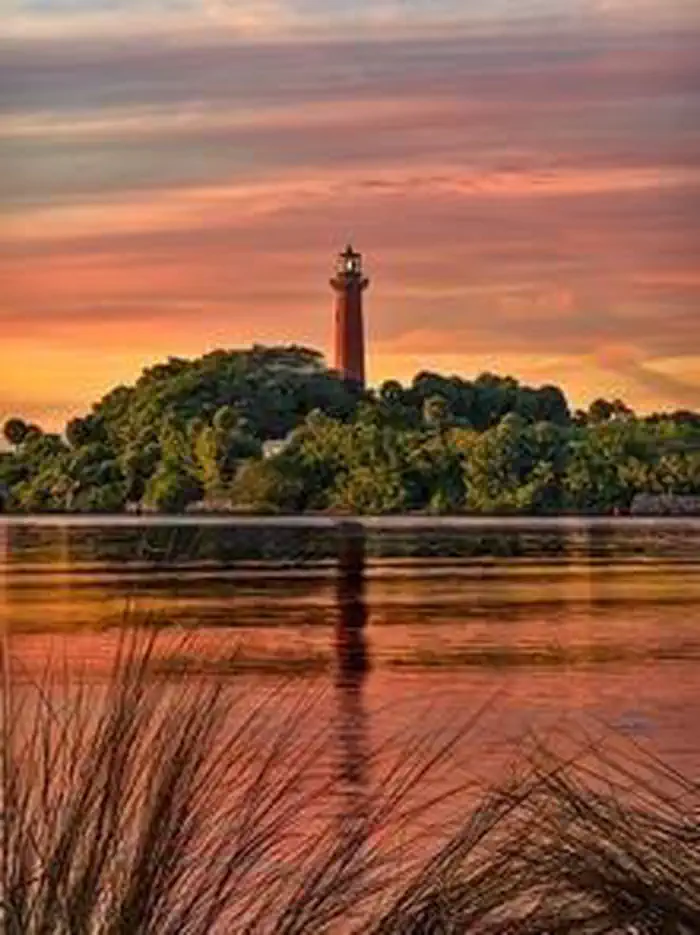
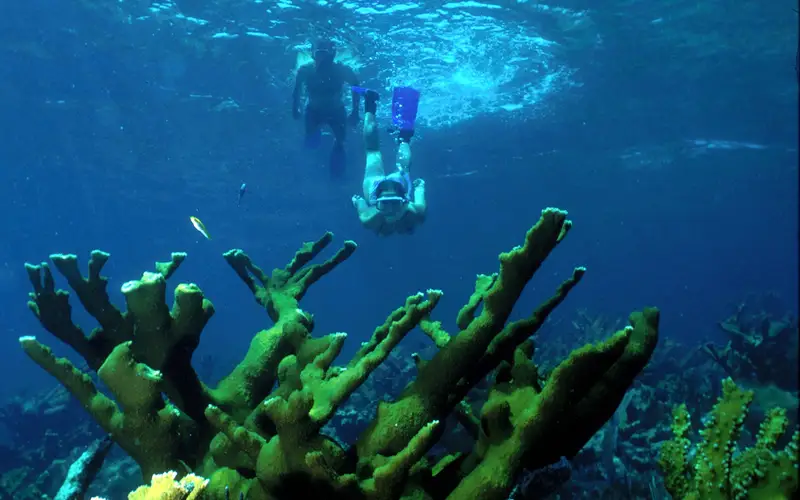
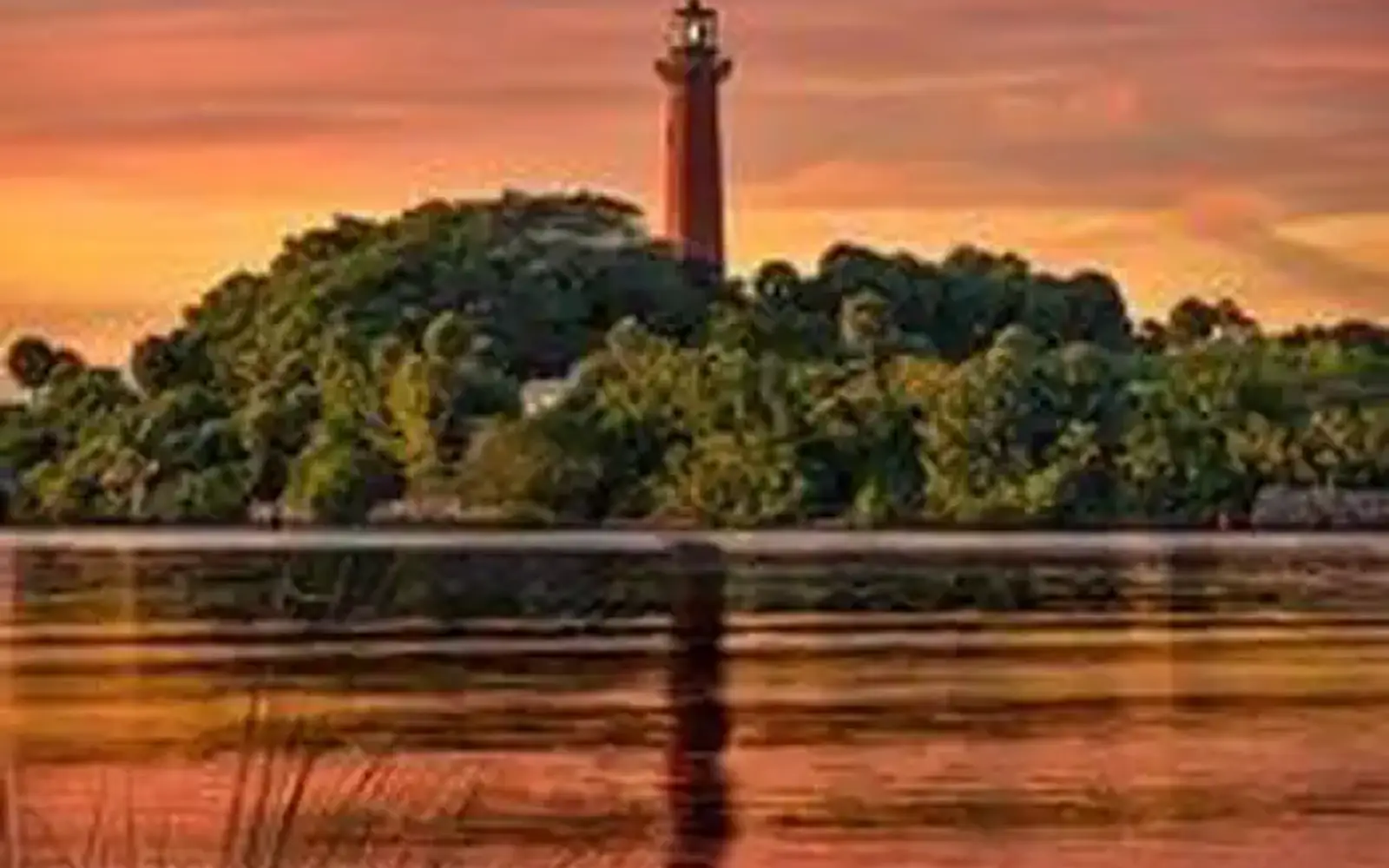
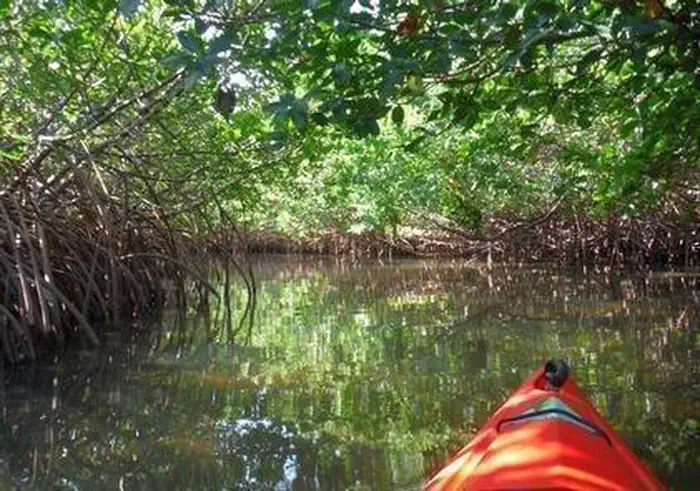
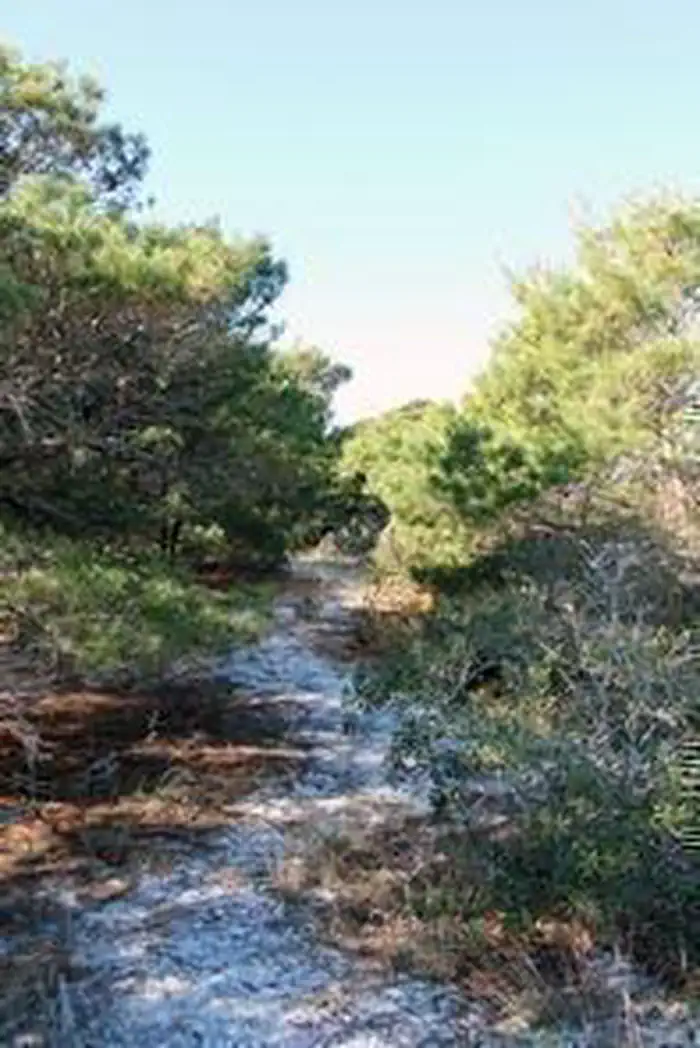
This park delivers its best experiences afloat. The Loxahatchee River provides access to the Indian River Lagoon, a significant estuary with rich wildlife viewing. Snorkeling and diving are viable activities. The inlet location promises marine life encounters close to shore. Ashore, a compact trail network offers interpretive programs. These connect the natural environment to 5,000 years of documented human history. Guided tours gain narrative weight from this deep past. Photographers will find a classic Florida lighthouse composition. Picnic areas and a playground serve families. Environmental education programming adds structured opportunities. This destination rewards those who come to engage with its aquatic and historical dimensions.
Who it suits
This park offers genuine value for paddlers, snorkelers, and wildlife watchers seeking an accessible Florida coastal experience. Those interested in Indigenous and maritime heritage will find substantial offerings. However, hikers looking for a half-day backcountry challenge will find the acreage insufficient. This destination best suits day-trippers and families already visiting the Treasure Coast.
Timing your visit
Optimal outdoor activity in South Florida spans November through April. This period offers lower humidity, reduced storm activity, and milder temperatures, ideal for paddling and snorkeling. Summer brings heat and daily storms, curtailing water-based pursuits. Wildlife viewing, especially birding in the lagoon estuary, peaks during the cooler, drier season.
What stands out
- Paddling the Loxahatchee River and Indian River Lagoon confluence from the site
- Snorkeling and diving access at the inlet without a long offshore transit
- Historic lighthouse with interpretive programs grounding 5,000 years of site occupation
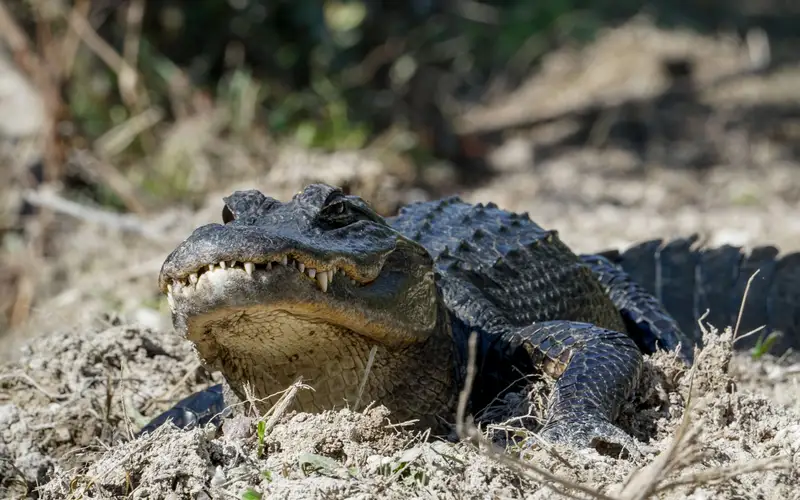
- Wildlife viewing in one of Florida's most ecologically significant estuary systems
- Free admission with a full range of water and land activities in a single stop
- Environmental education programming for structured, ranger-led exploration
Good to know
Free admission aids accessibility for a site this size. At 120 acres, parking and picnic spots fill fast on winter weekends. Arrive early. For paddling, confirm launch access and permit needs directly with BLM; ONA unit management can differ from NPS.
Insider tipThe park's location, 1.5 miles from the Atlantic at the confluence of two significant waterways, means tidal timing critically impacts paddling. Consulting a local tide chart before launching is essential. This will determine whether a trip is an easy downstream float or a difficult upstream return.