Should you visit Joshua Tree National Park?
Joshua Tree's 90 Experience Score reflects its documented versatility.
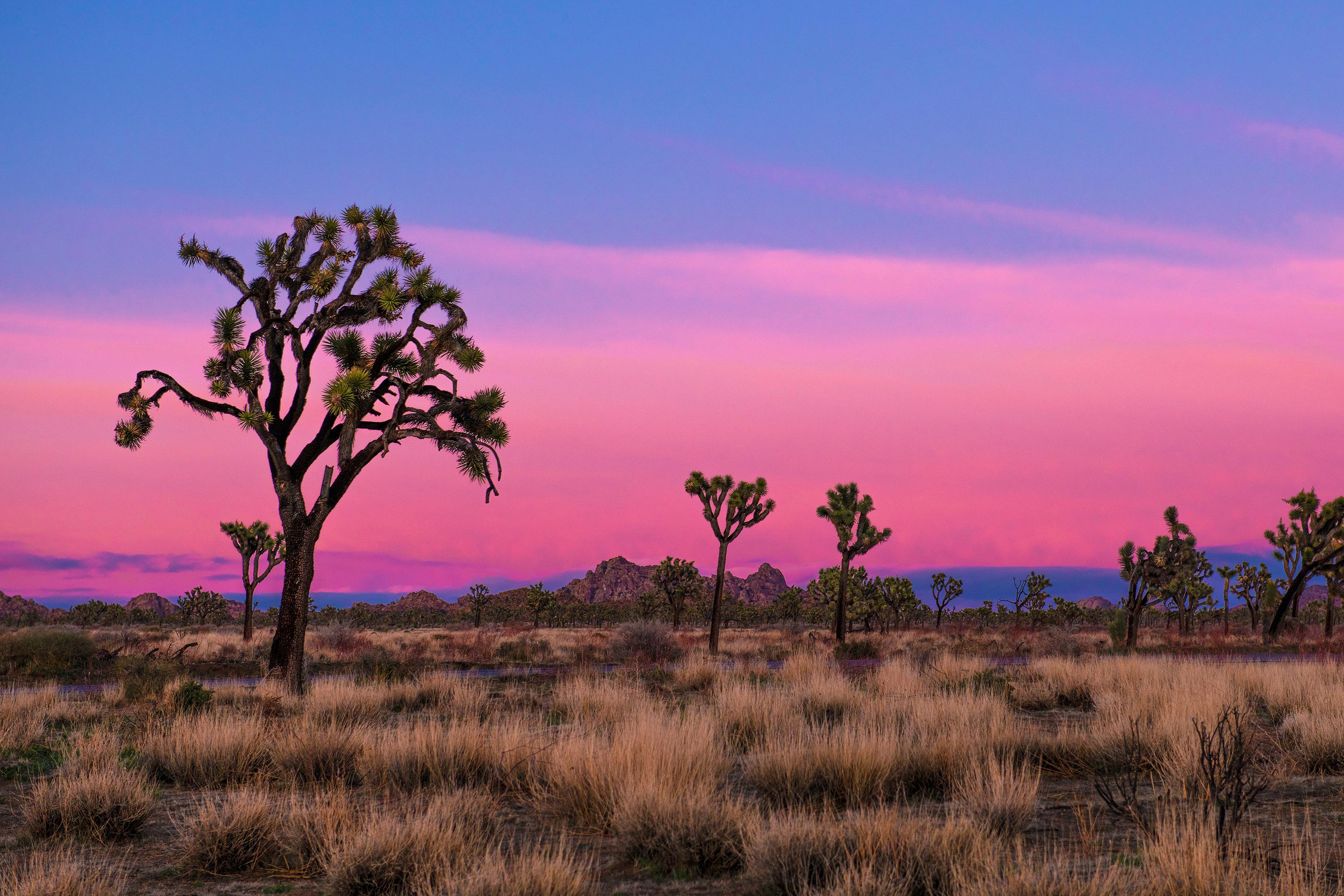
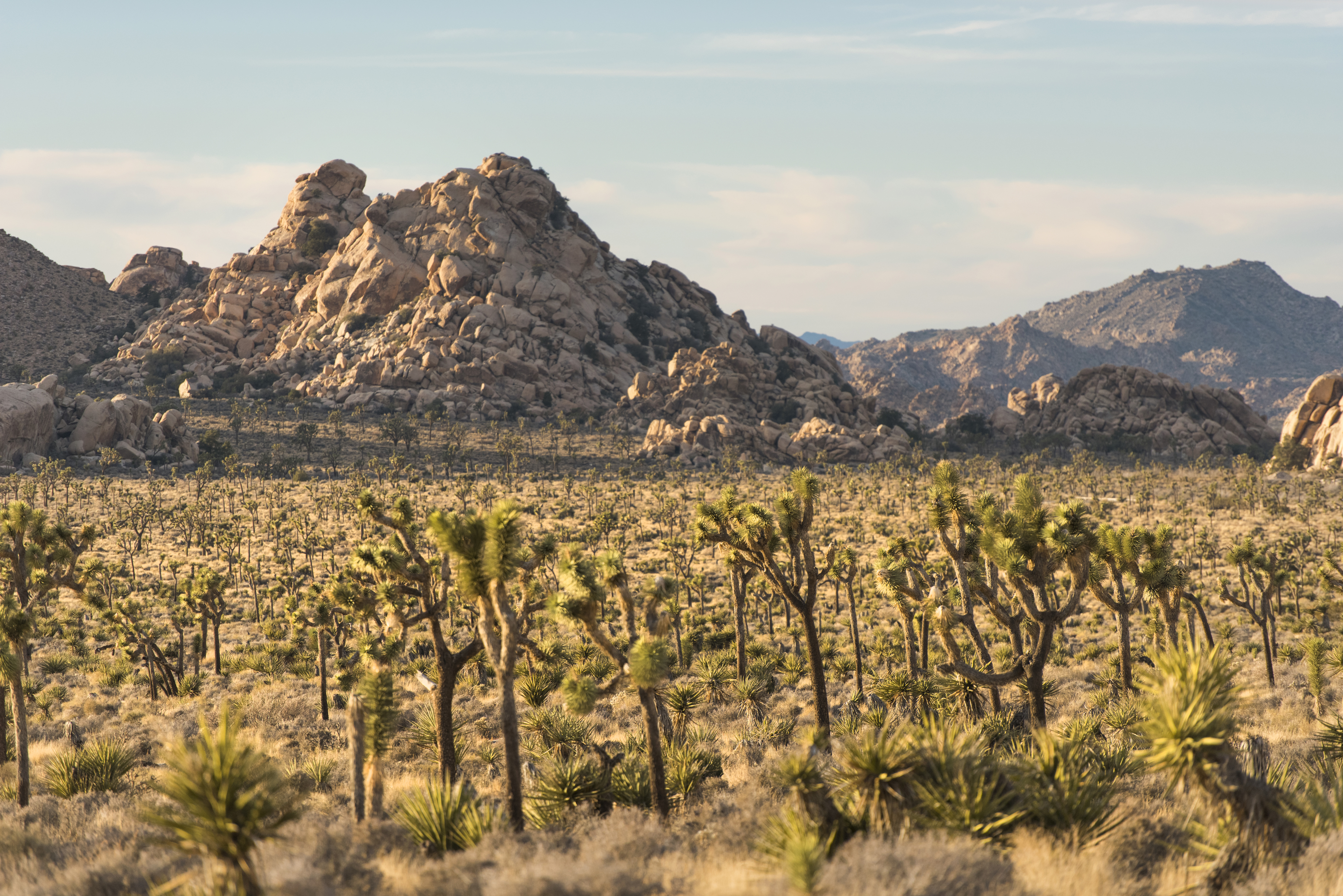
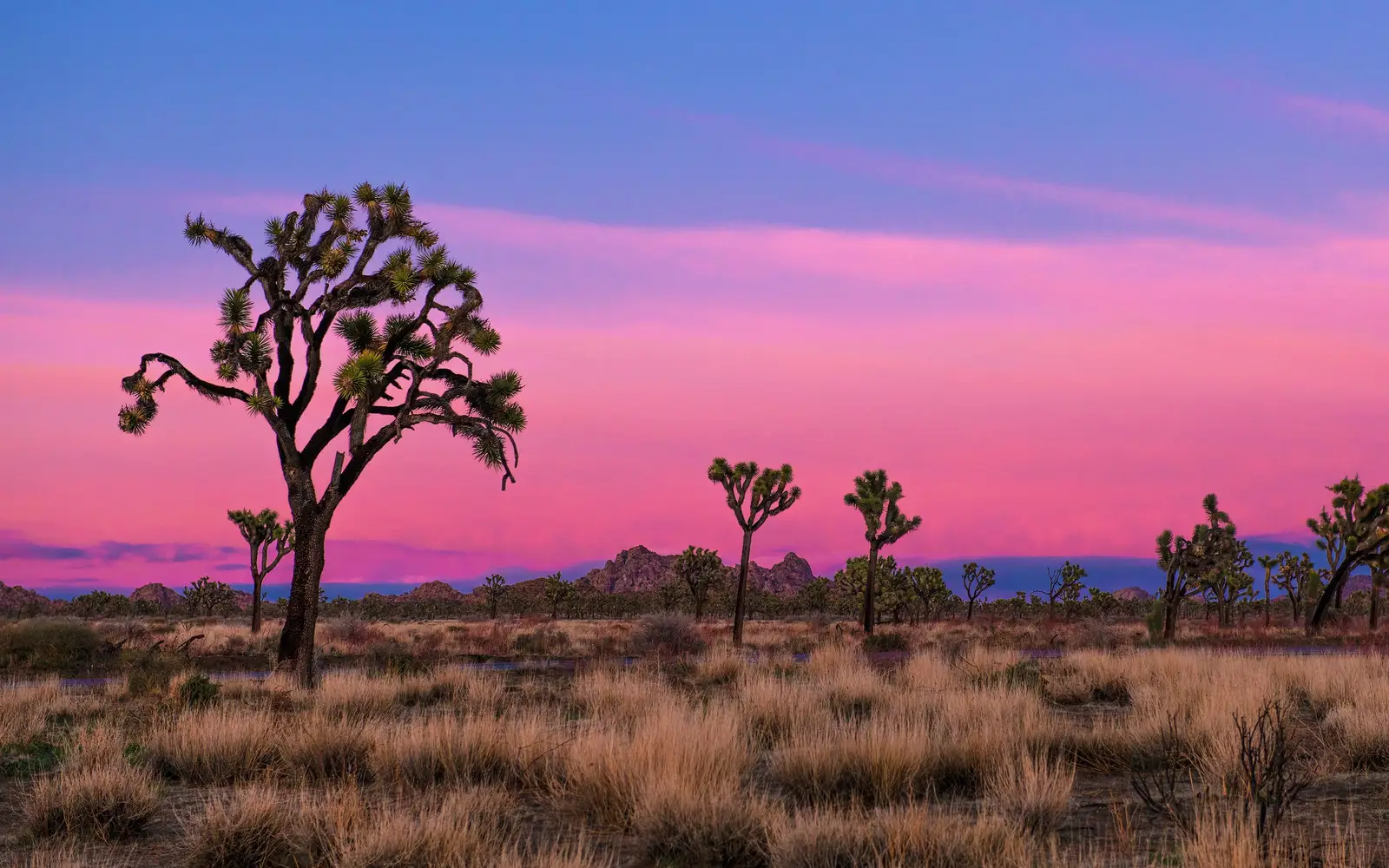
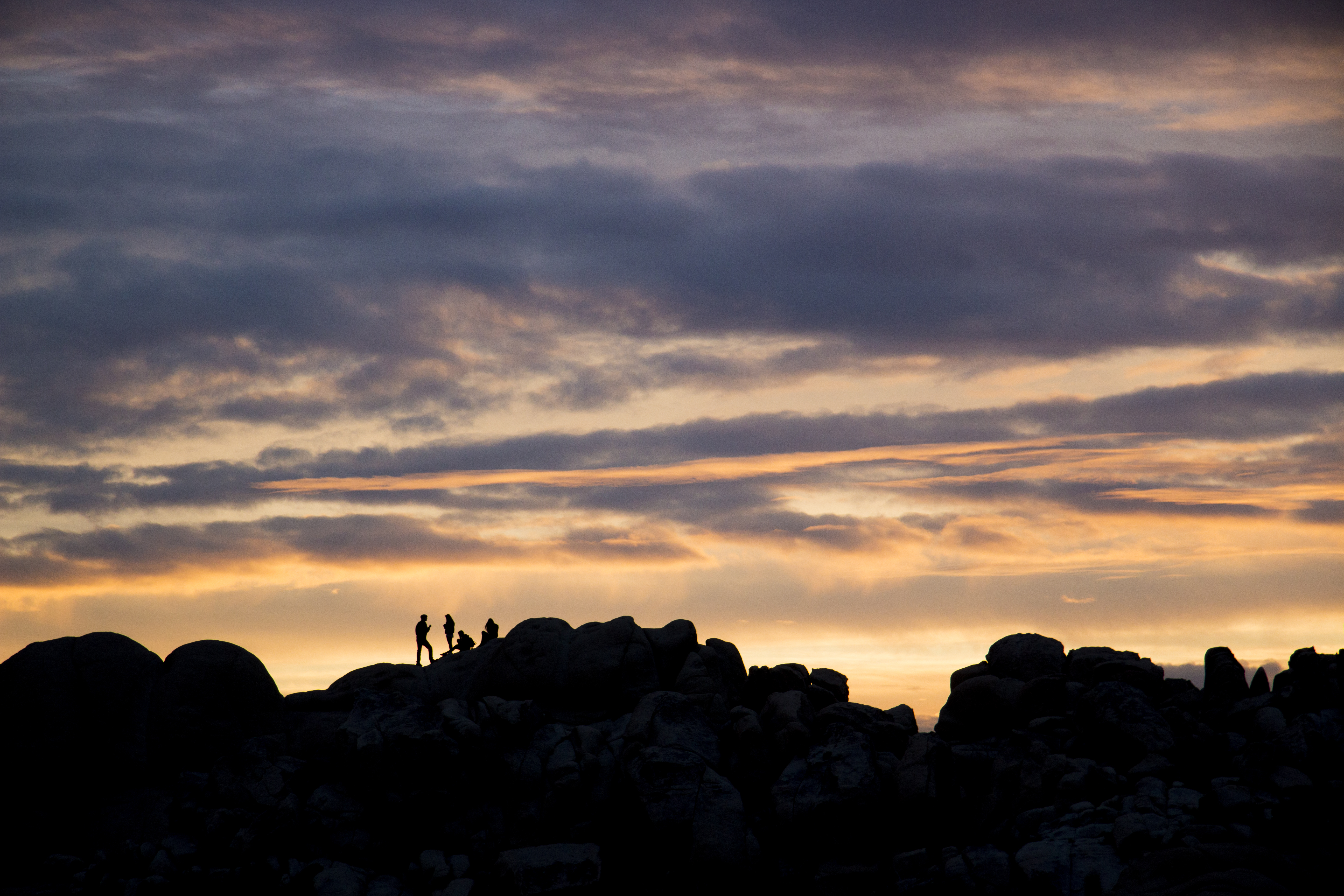
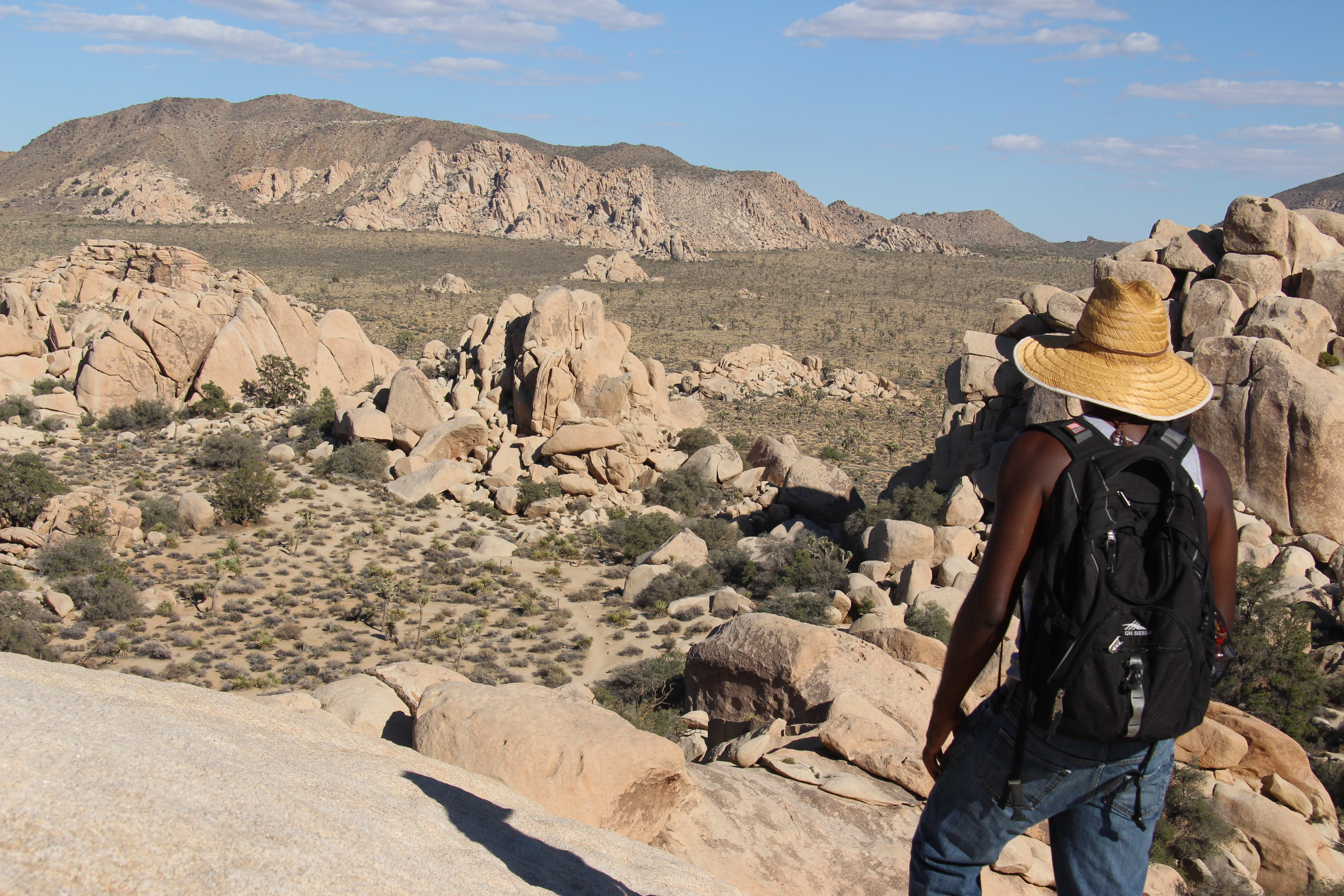
The park occupies the confluence of two distinct desert ecosystems, the Mojave and the Colorado. This geological intersection produces a unique landscape: Joshua tree forests transition into creosote flats, interspersed with massive granite boulder formations. This geology drives the core experience. World-class rock climbing thrives here. Dramatic scenic corridors abound. After dark, the formations frame some of the best car-accessible stargazing in the continental United States. This is not a park for a brief stop. A full day offers only a superficial impression. A weekend camping trip is the ideal duration. Climbers, families, and astronomy enthusiasts will each find compelling reasons to visit.
What makes it worth it
Joshua Tree offers a spectrum of experiences for varied interests. Entering from the west, the landscape transforms markedly as elevation drops, moving into the Colorado Desert. Bouldering opportunities abound, many requiring no technical gear and providing expansive views for minimal effort. Hikers can choose from short nature walks to extensive backcountry routes. Climbers will find hundreds of documented routes across the granite. Overnight campers gain access to truly exceptional stargazing, a product of the arid desert air and isolation from significant light pollution. Birdwatching, wildlife observation, and spring wildflower displays further enrich the park's offerings. This is a park that rewards investment.
Who should go
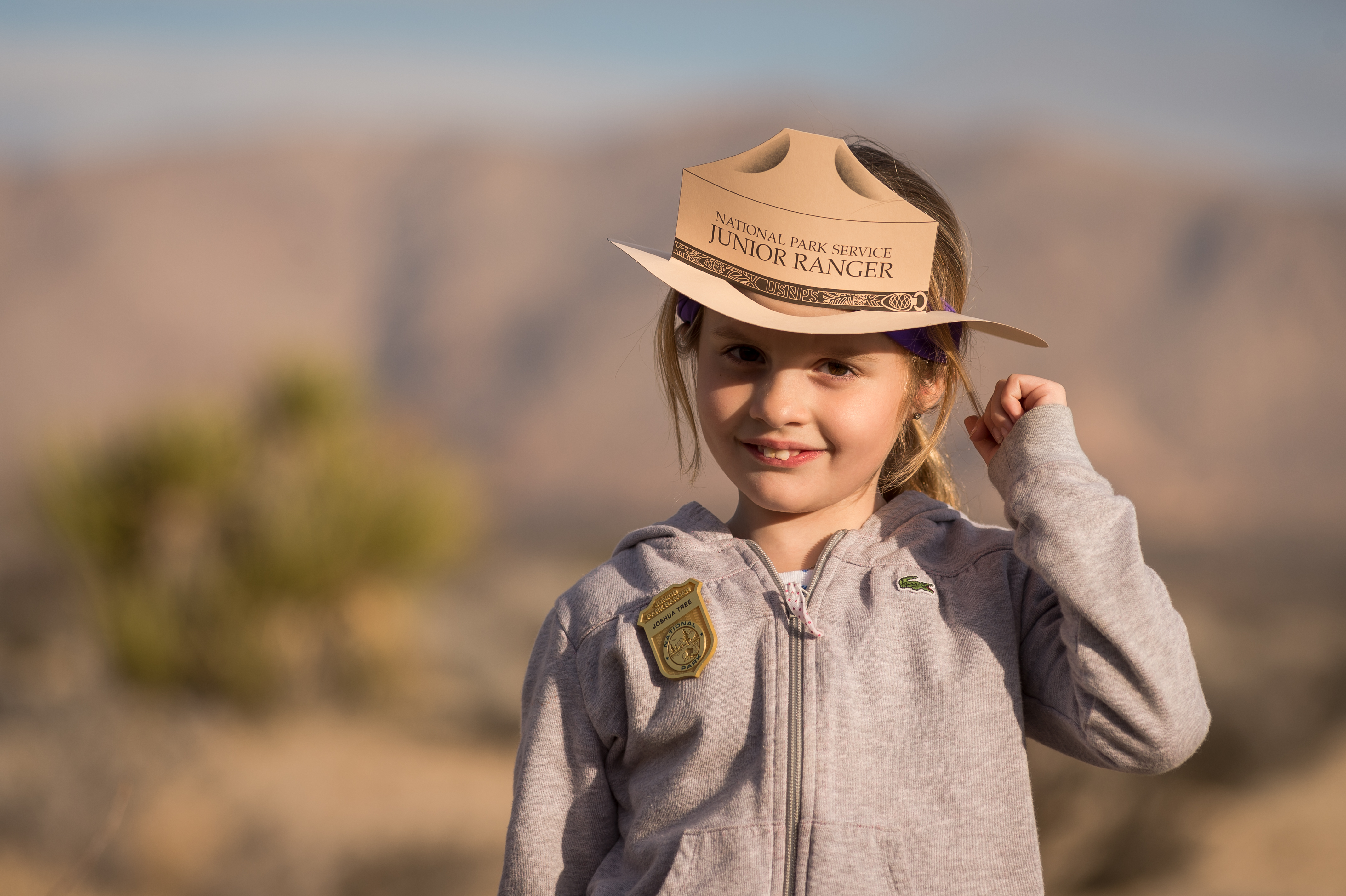
Rock climbers will find a premier destination; the area provides exceptional opportunities. Campers and stargazers will also discover significant appeal. The Junior Ranger program and accessible boulder scrambles make this a strong option for families. Hikers of all abilities will find suitable terrain. Avoid this destination if visiting in July or August is unavoidable due to extreme heat, or if the primary interest is waterfalls, forests, or lush green scenery.
When to go
Spring is justifiably popular: days average in the mid-80s, nights cool to 50 degrees, and wildflower blooms can be spectacular after significant winter precipitation. Bloom intensity varies annually. Fall provides similar comfort with reduced crowds. Winter is viable for hiking and climbing, with daytime highs near 60 degrees, though nights fall below freezing. Midsummer visits are best limited to dawn and dusk.
Highlights
- Rock climbing on the park's iconic granite boulder formations, accessible to beginners and experts alike
- Stargazing from campgrounds or pullouts on clear, low-humidity desert nights
- Scenic driving through the transition zone where Mojave and Colorado Desert ecosystems visibly shift
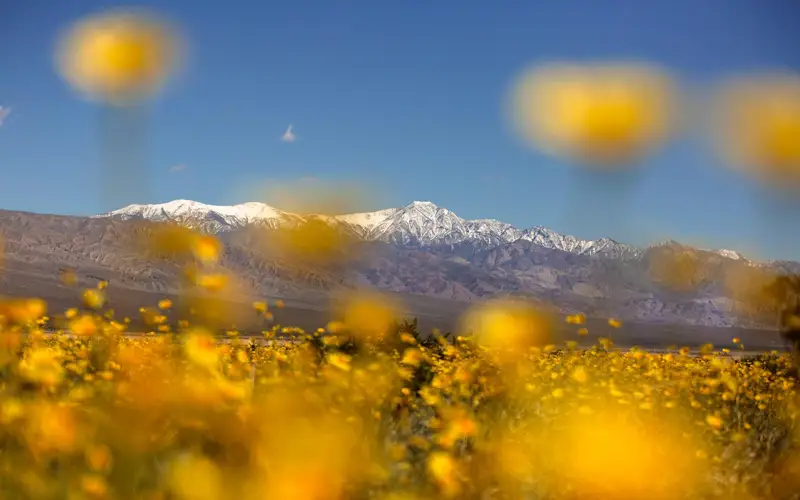
- Spring wildflower season, which can transform the desert floor when winter rains cooperate
- Backcountry hiking and camping in a genuine wilderness setting with minimal light or noise pollution
- Birdwatching and wildlife watching across two distinct desert habitats
Plan ahead
At $15 per vehicle, this park remains accessible 24 hours a day, every day of the year. Prospective visitors should note the critical water scarcity within park boundaries; carry ample reserves, particularly during warmer periods. The park facilitates entry via multiple access points from Highway 62 in the north and I-10 in the south. Cellular service proves unreliable across much of the interior. Download all necessary offline maps prior to arrival.
Editor's tipFor serious stargazing, reserve a high-elevation campsite within the Mojave section. This avoids vehicle light pollution. The increased elevation offers a noticeably clearer night sky on cold, cloudless evenings.