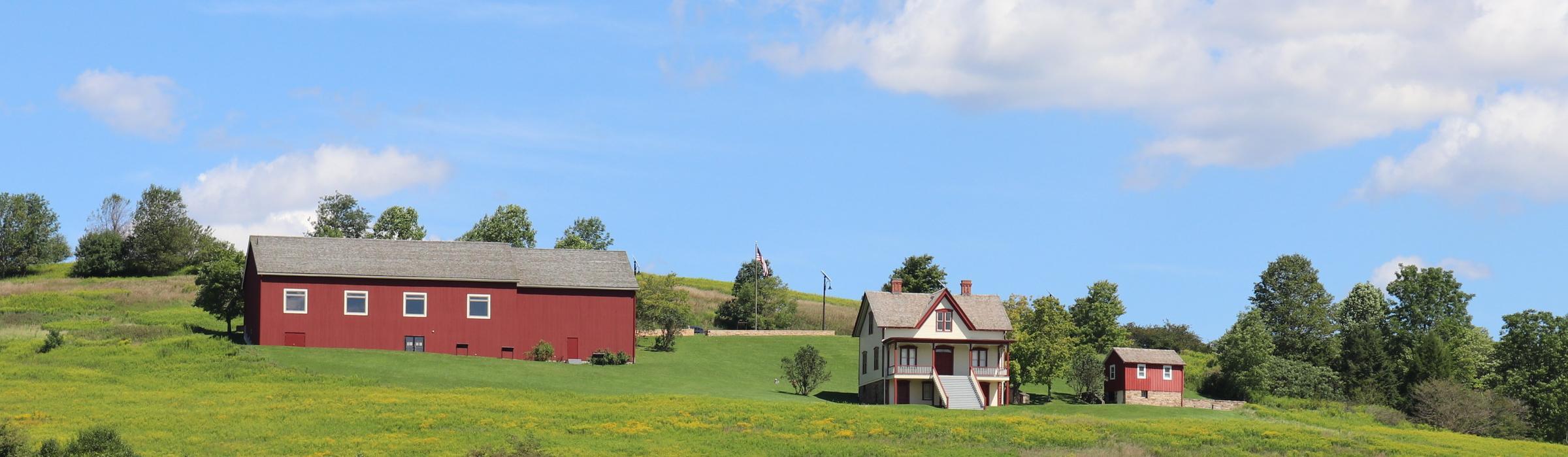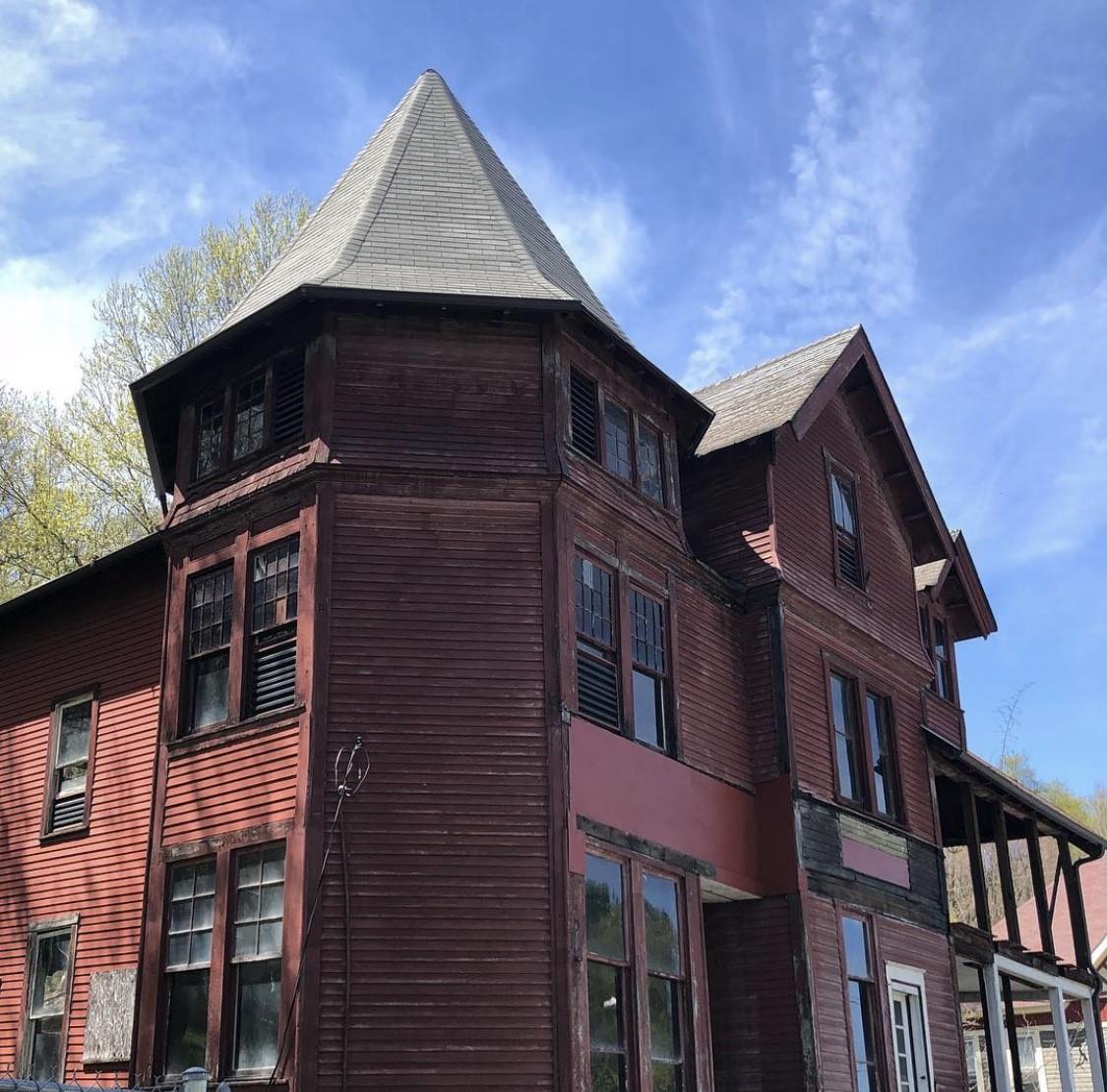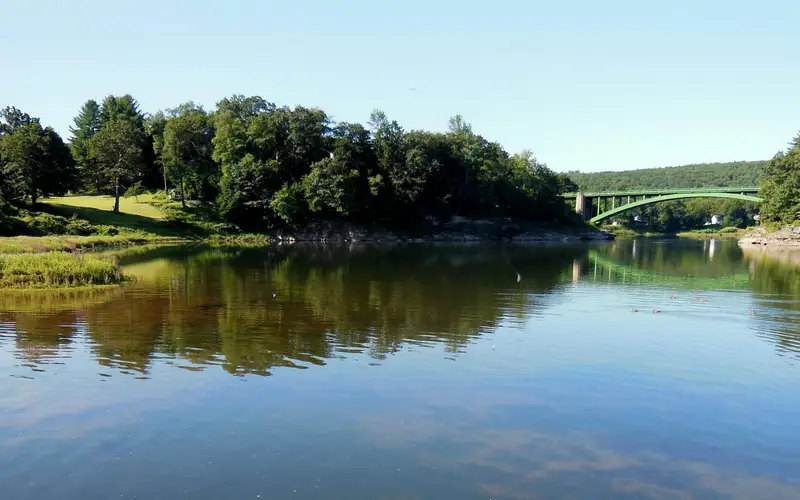
Should you visit Johnstown Flood National Memorial?
Johnstown Flood National Memorial offers a focused, substantive experience, earning an Experience Score of 52.
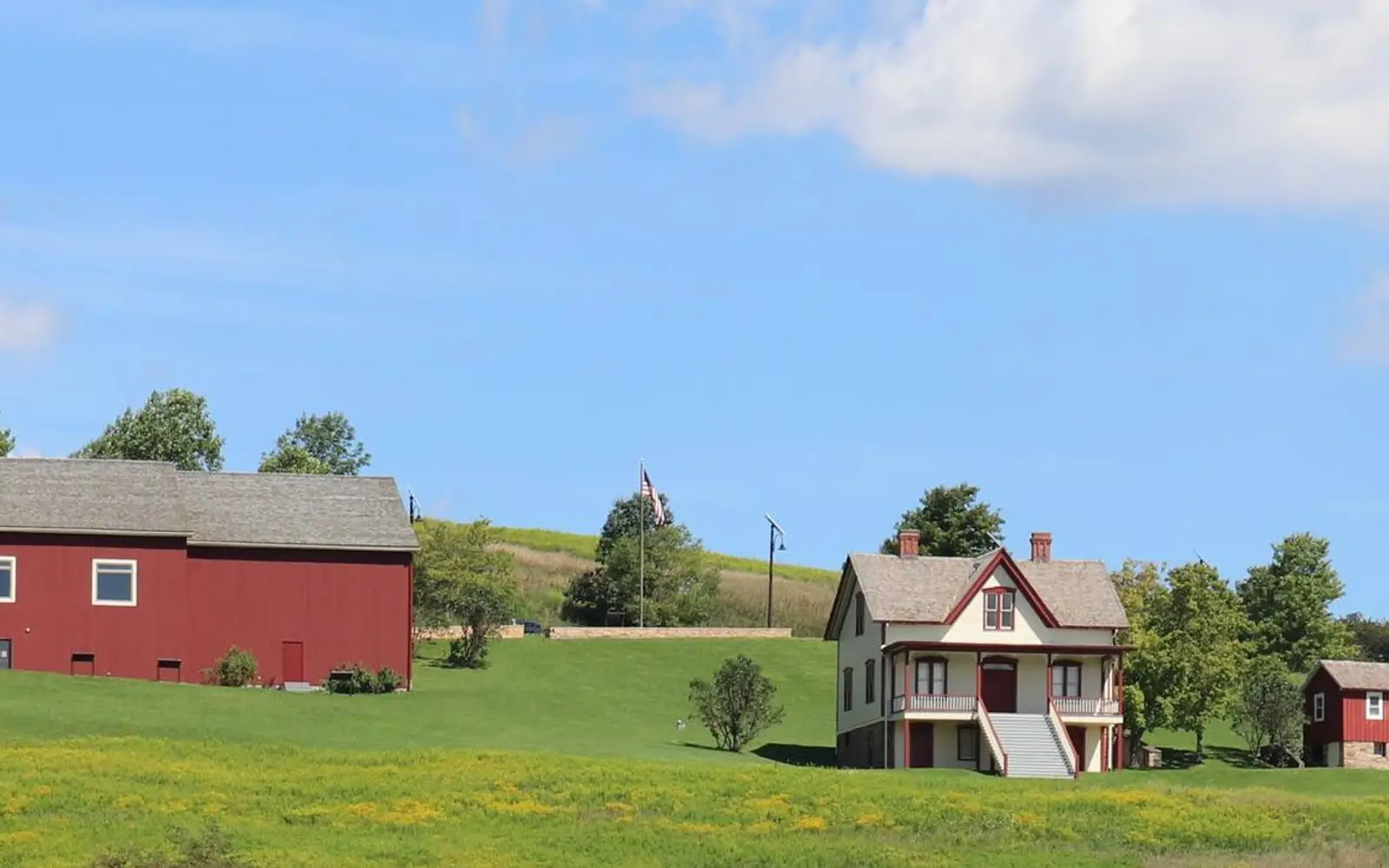
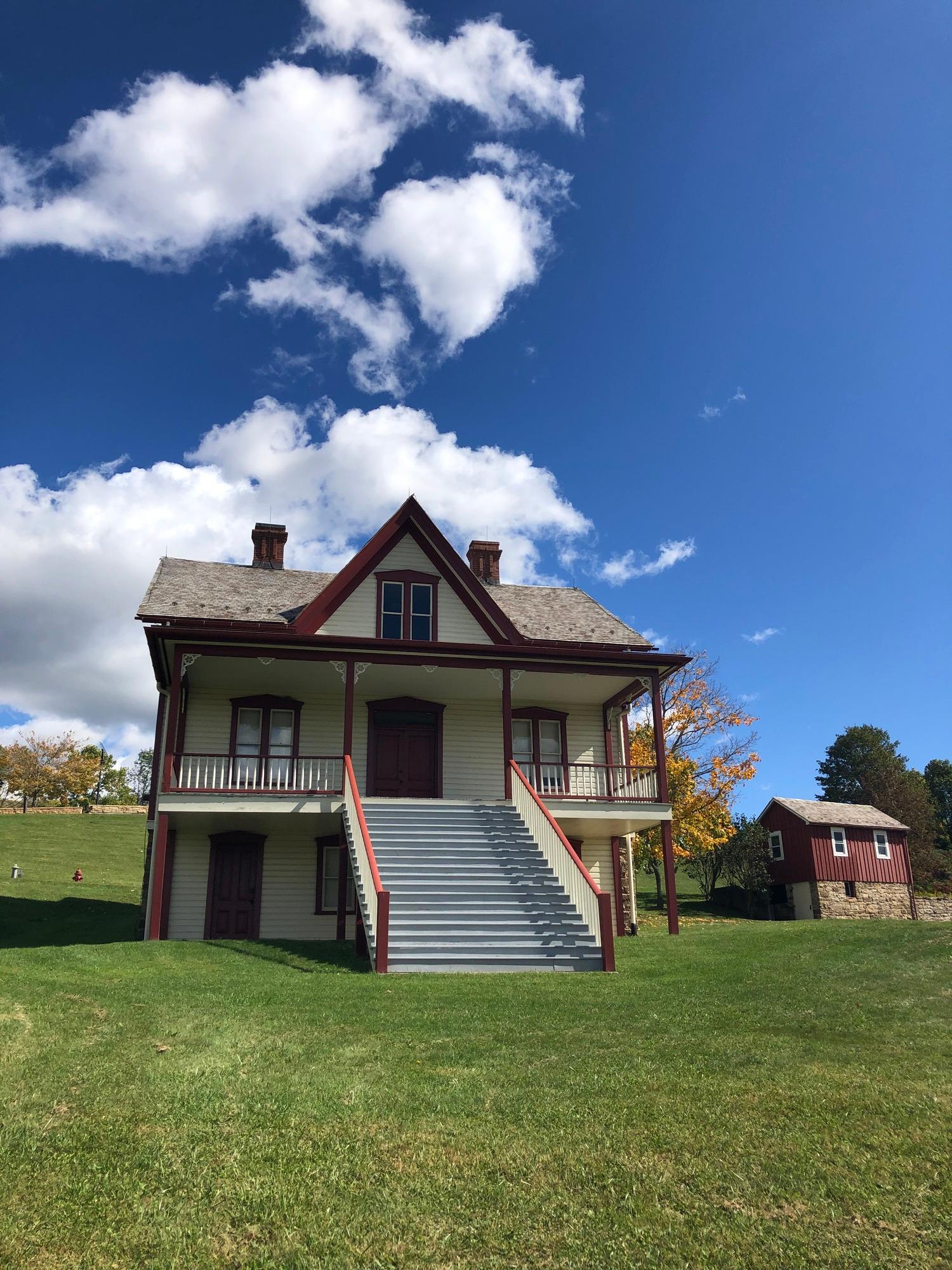
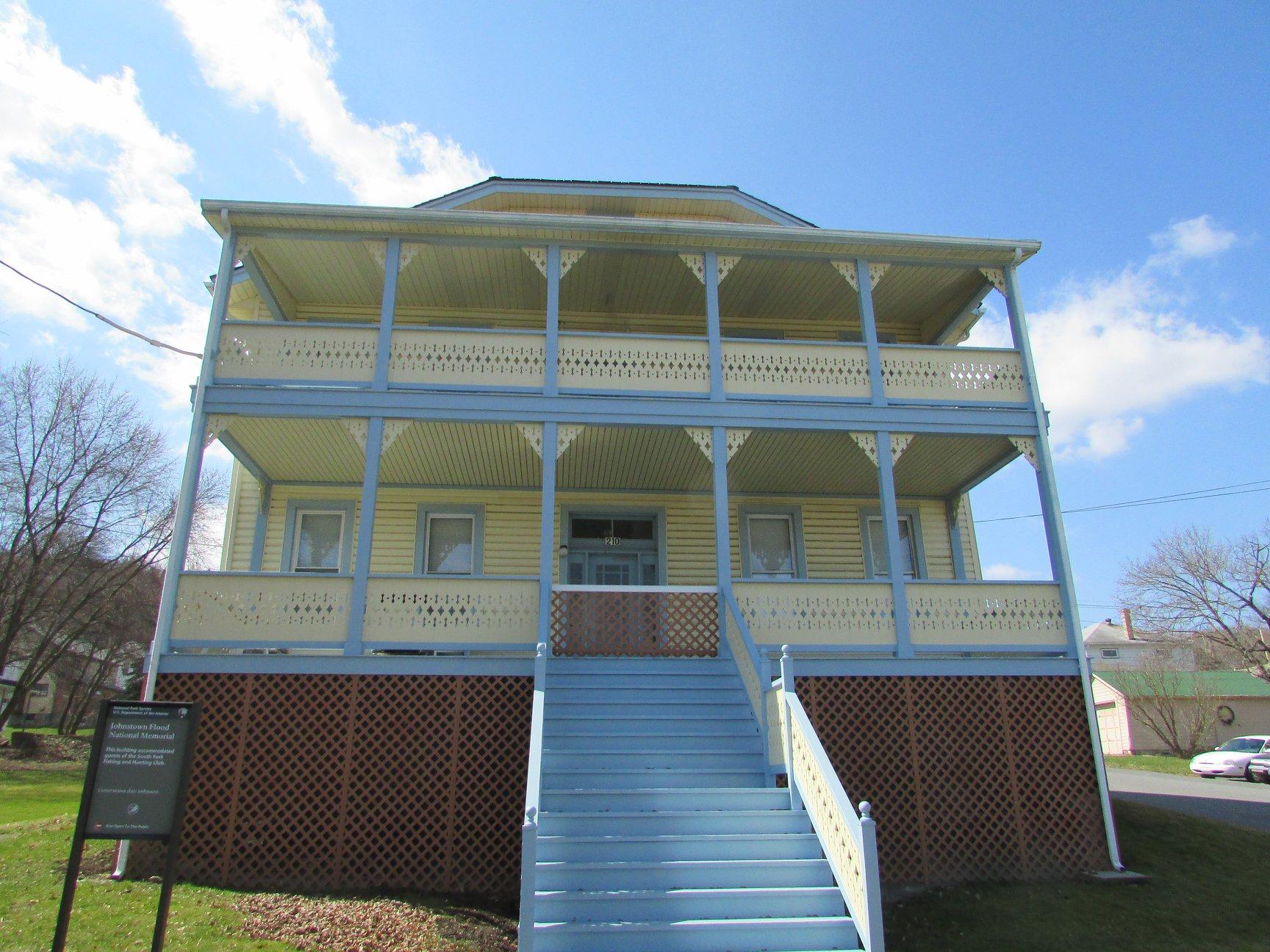
This is not a sprawling park, but a compact memorial centered on the South Fork Dam remnants. The well-developed visitor center details the May 31, 1889, dam failure that killed 2,209 people. Modest trail mileage means visitors will not spend multiple days. However, a half-day visit can be genuinely moving. The memorial excels at interpreting industrial-era American history, the ethics of negligence, and the origins of organized disaster relief. This site tells a story deserving of wider recognition.
What makes it worth it
A half-day visit properly begins at the visitor center. Museum exhibits detail the engineering failures of the South Fork Dam and the human cost downstream. Guided tours and shuttle services aid in contextualizing the physical landscape. Standing at the dam breach site, surveying the valley, renders the scale of 20 million tons of released water viscerally clear. Hiking the grounds reveals direct evidence in the terrain itself. The Junior Ranger Program offers families a structured entry into this dramatic history. This event also initiated one of the first major organized disaster relief efforts in U.S. history, a narrative thread with enduring relevance.
Who should go
This site offers a compelling, if somber, experience. History enthusiasts, especially those drawn to Gilded Age America, industrial disasters, and the nascent stages of disaster relief, will find the offerings deeply rewarding. Families with older, inquisitive children are well-suited for a visit. However, casual nature seekers or those anticipating a full day of outdoor adventure should adjust their expectations; this is fundamentally a memorial, and only secondarily a hiking destination.
When to go
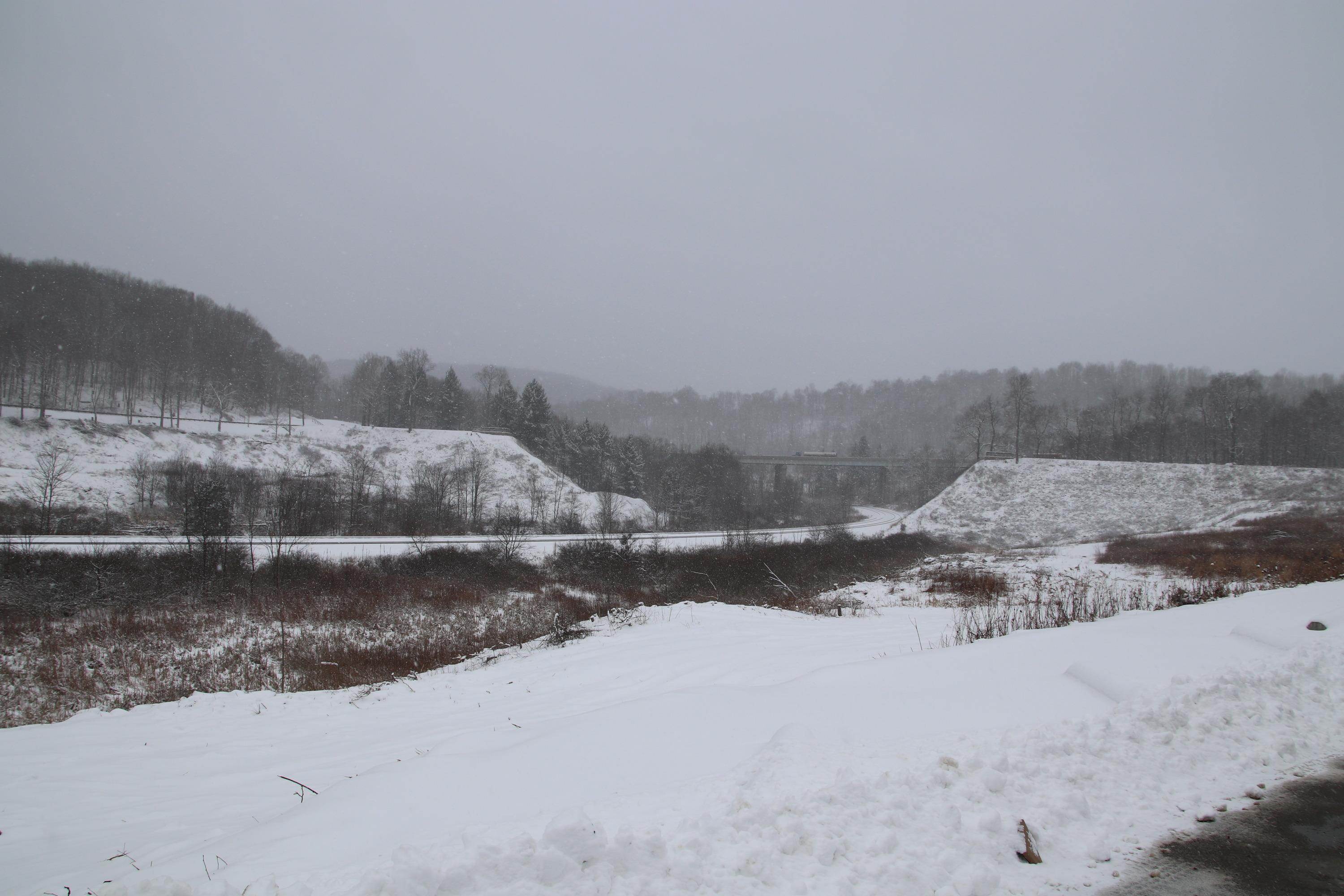
Optimal visitation runs from late spring through early fall. The autumn season is especially noteworthy for Pennsylvania's foliage and the historical resonance of the flood anniversary. Winter visits are ill-advised due to severe conditions. The visitor center maintains a year-round closure on Wednesdays and Thursdays. This schedule impacts access to exhibits and guided programs. Plan your arrival to align with operational days.
Highlights
- Standing at the physical remnants of the failed South Fork Dam and grasping the scale of the breach
- Museum exhibits that document both the engineering negligence and the human stories of 2,209 victims
- Guided and shuttle tours that connect the landscape to the historical sequence of events
- Hiking trails through grounds that serve as living evidence of the disaster's geography
- Junior Ranger Program that makes a complex historical tragedy accessible to younger visitors
- The underappreciated story of early organized disaster relief that emerged from the flood's aftermath
Plan ahead
Entry is free. The visitor center operates Friday through Tuesday, 9 a.m. to 5 p.m., closed Wednesdays and Thursdays. Plan your trip for these open days to access the full visitor experience. Park grounds and trails are open daily, sunrise to sunset, independent of visitor center hours.
Editor's tipFor this unit, a guided tour is highly recommended. The historical context provided by a guide, particularly concerning the dam's pre-breach configuration and the subsequent water flow, significantly enhances understanding of the physical landscape. Prioritize a guided tour over initial self-guided exploration if scheduling permits.