Should you visit John H. Chafee Blackstone River Valley National Heritage Corridor?
The Blackstone River Valley National Heritage Corridor offers a dispersed, historical experience rather than a singular park destination.
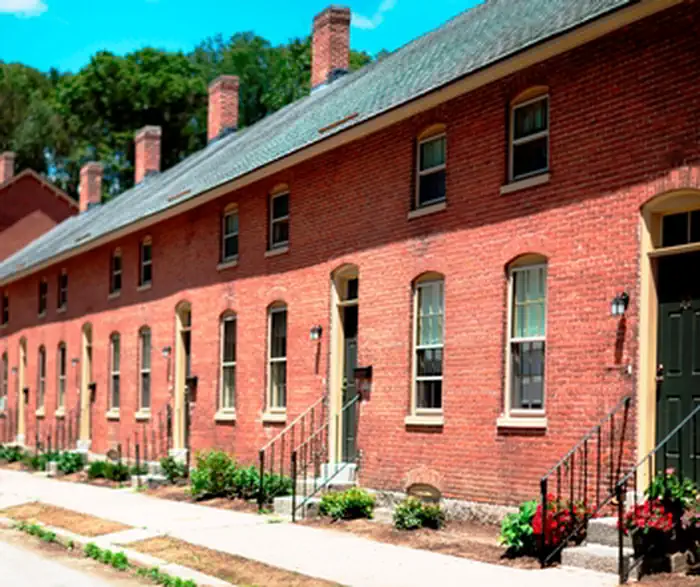
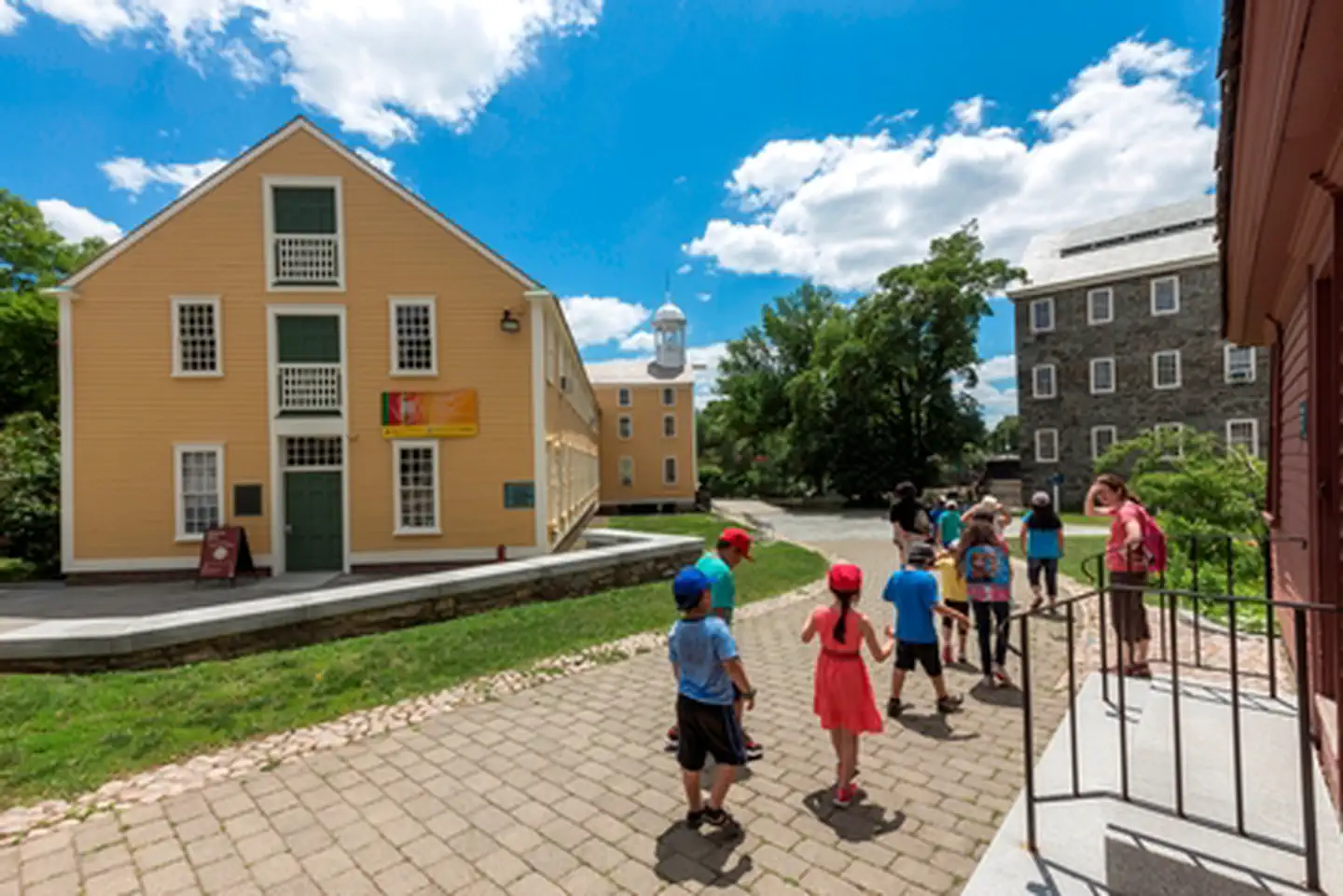
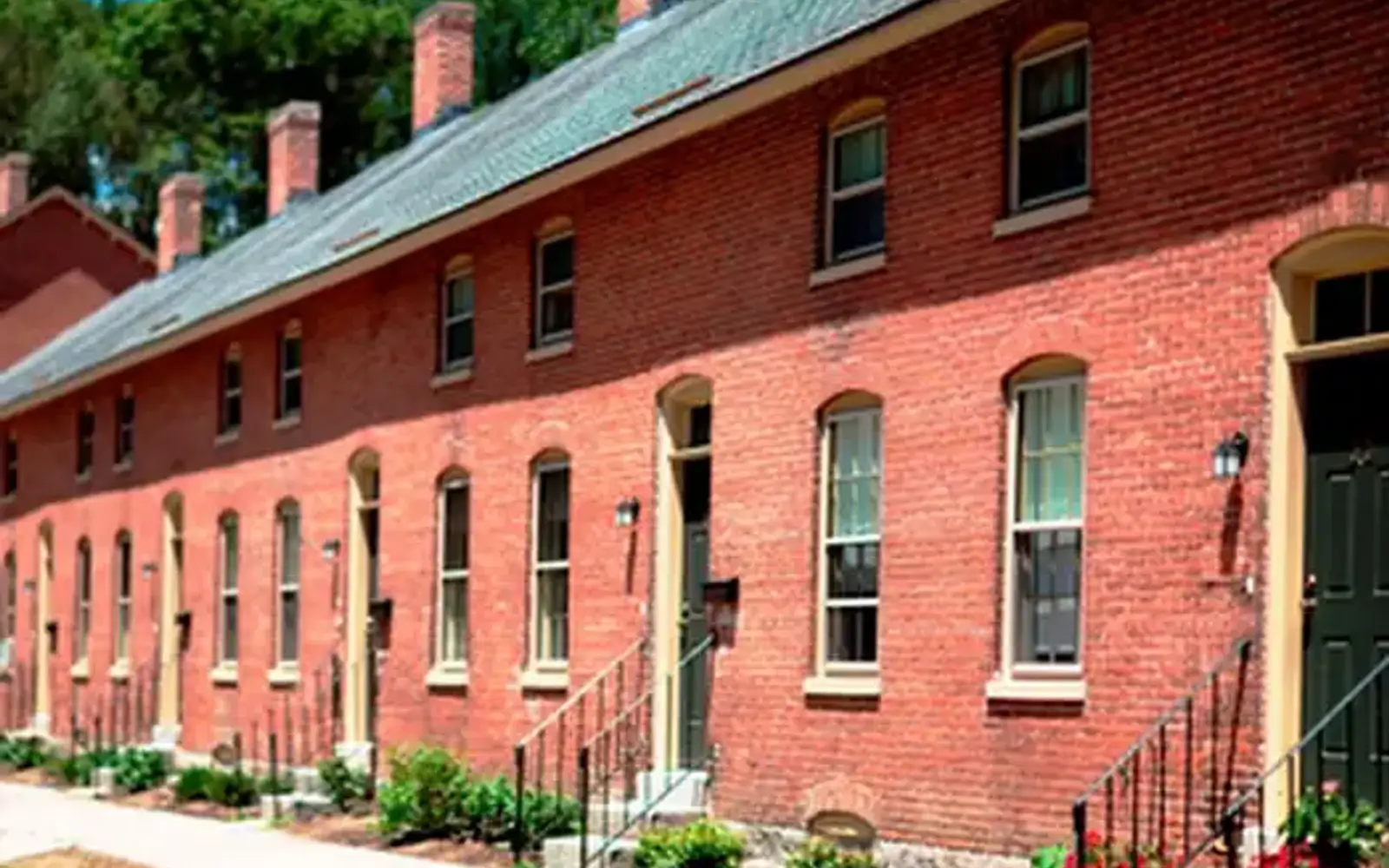
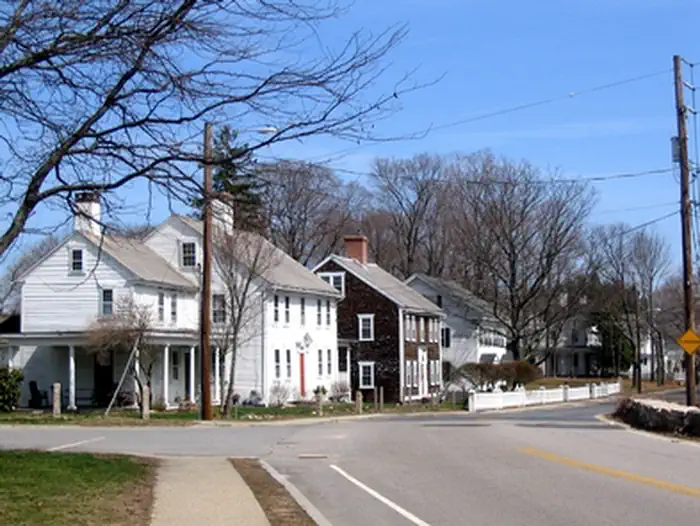
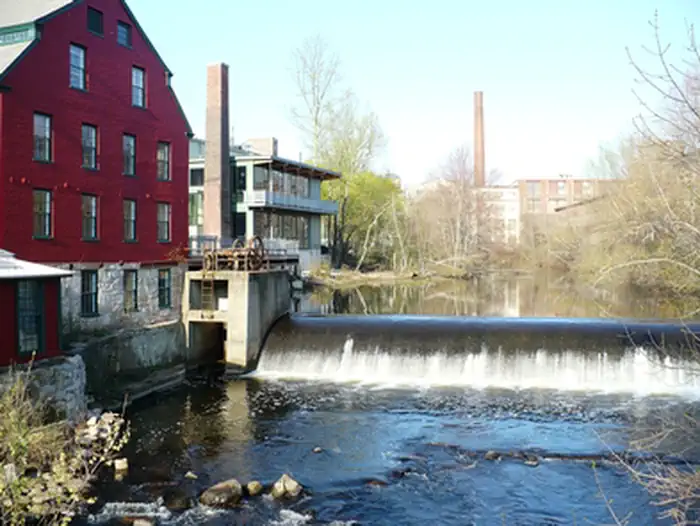
This corridor, winding through central Massachusetts and into Rhode Island, traces the origins of American industrialization. It preserves the vital role of the Blackstone River in transforming an agricultural society into a manufacturing powerhouse. Opportunities for recreation include paddling the river, cycling along canal towpaths, and fishing. The numerous mill villages retain their historical character. The corridor is free to access and rich in both natural and cultural history. It is ideal for independent, inquisitive travelers. This is not a wilderness park. However, for visitors seeking an active outdoor experience interwoven with significant historical context, the Blackstone River Valley presents a compelling and distinctive option.
What makes it worth it
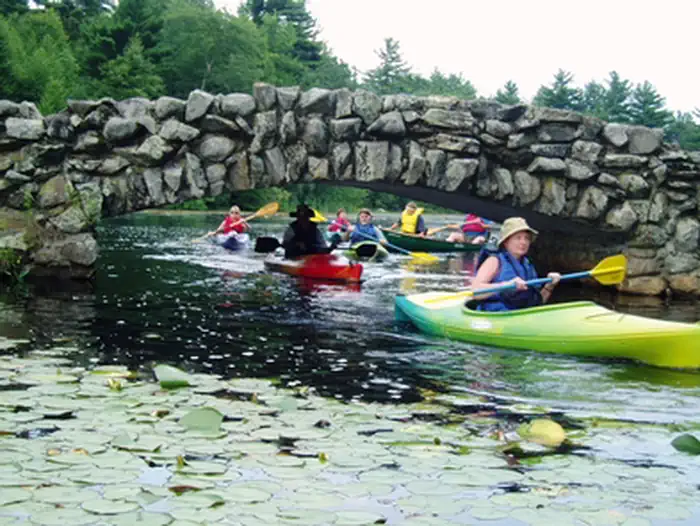
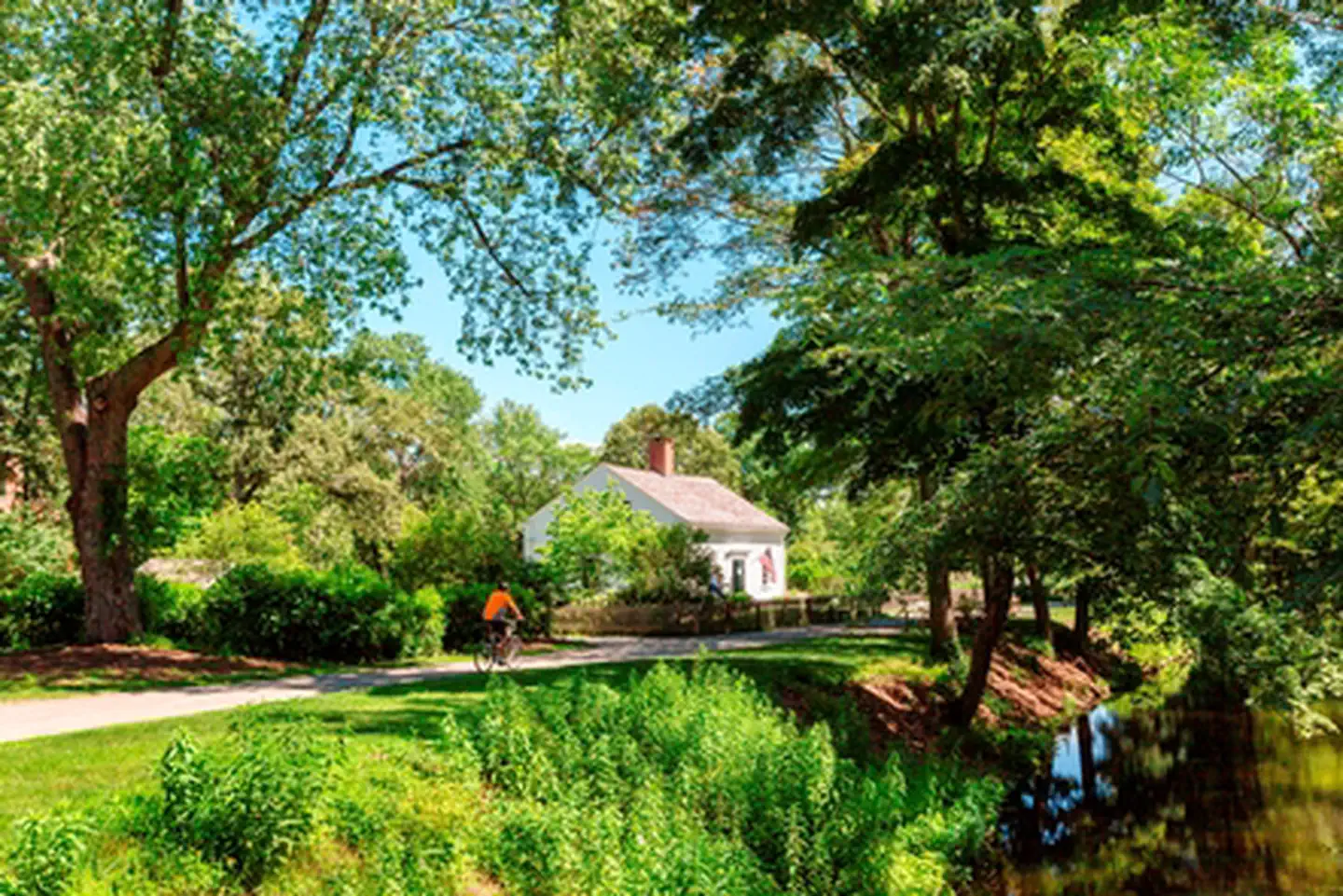
This unit offers a rare blend of historical immersion and natural recreation. Paddle or canoe the Blackstone River, tracing the waterway that powered early American industry. Cyclists can explore towpath corridors along the old Blackstone Canal, linking various mill villages. The riparian corridor supports abundant bird and aquatic life, making wildlife viewing a legitimate draw. Anglers will find the river productive. Campers can establish a base for multi-day exploration. This layering of a working river landscape with industrial heritage sites ensures a full, unhurried experience.
Who should go
This corridor offers unique rewards for history-minded travelers, particularly those keen on American industrial and labor history. Paddlers, cyclists, and anglers seeking recreation with genuine context will find a natural fit. However, families desiring a structured, theme-park style national park experience, or visitors looking for dramatic western scenery, will need to adjust their expectations.
When to go
The operational window for this unit spans late spring through early fall. During these months, the river is navigable for paddling. Towpaths dry sufficiently for biking. The mill village landscapes are then at their most accessible. October brings a genuine draw in fall foliage along the river valley. Winter significantly narrows options, though the historic sites remain open year-round.
Highlights
- Paddling the Blackstone River, the waterway that directly powered the birth of American industry
- Biking historic canal towpaths through mill village landscapes
- Exploring the industrial heritage corridor connecting Worcester, MA to Providence, RI
- Fishing a river corridor with intact riparian habitat
- Wildlife viewing along the forested and wetland edges of the river
- Camping as a base for multi-day exploration of a corridor too large to absorb in a single day
Plan ahead
Entry to the heritage corridor is free. Without a single gateway, visitors must research access points beforehand. Planning specific paddling launches, trailheads, or historic site visits is essential. This integrated approach, rather than a bounded park, rewards advance preparation through the NPS site.
Editor's tipPaddlers must plan put-in and take-out points in advance. The river's access points vary in quality. Pre-scouting saves significant time.