Is Hovenweep National Monument worth it?
Hovenweep National Monument preserves six clusters of Ancestral Puebloan structures from 1200 to 1300 CE along the Colorado-Utah border.
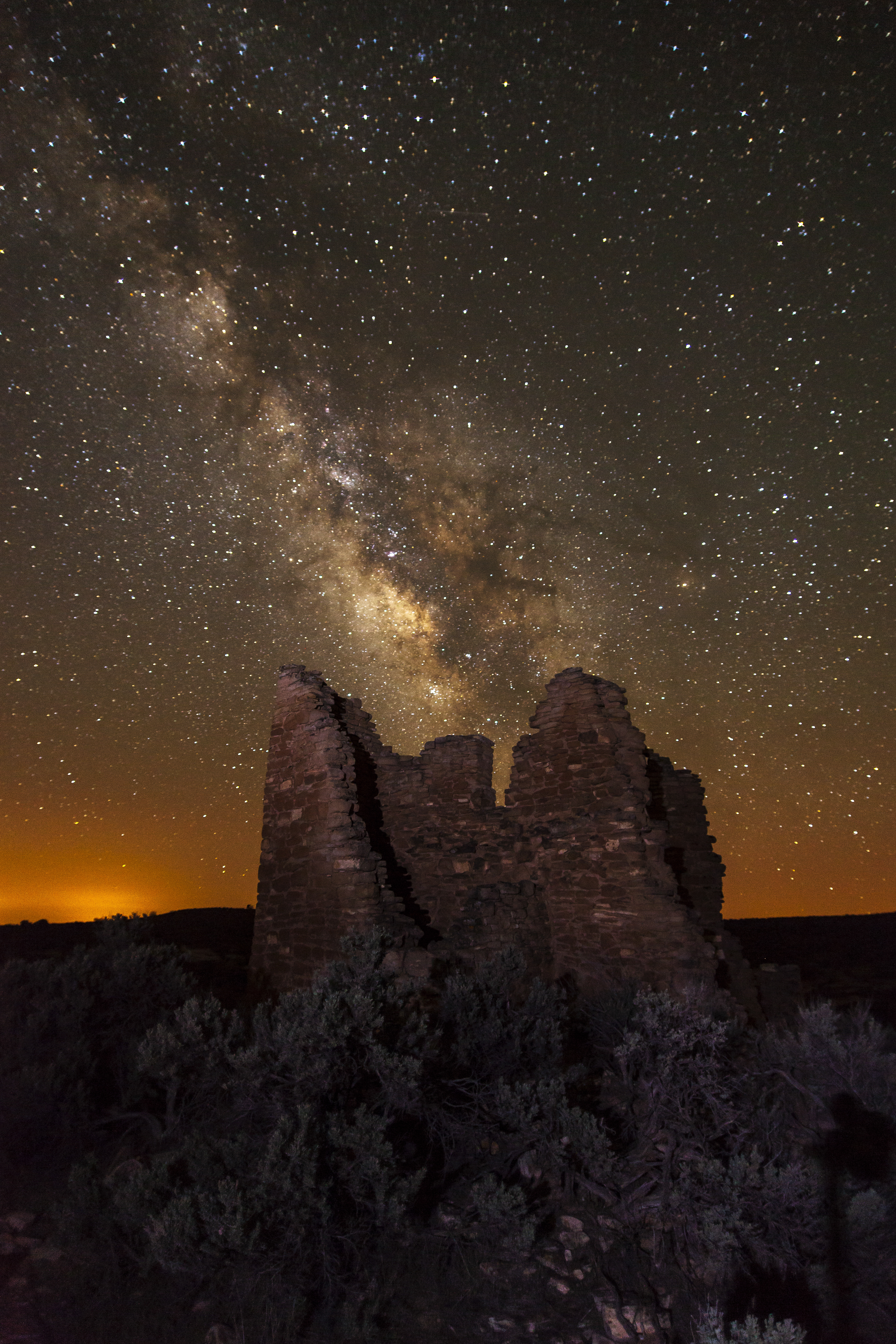
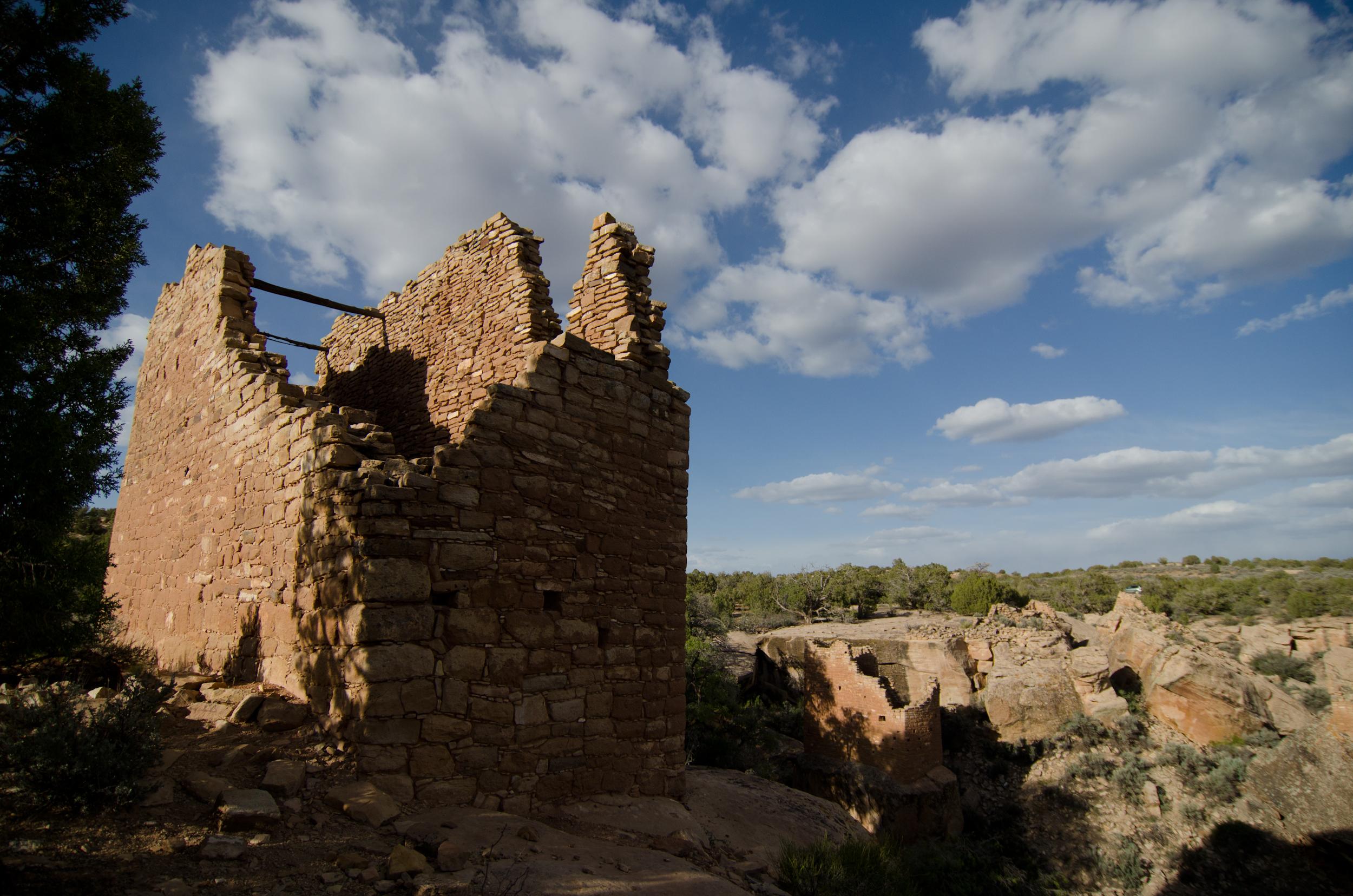
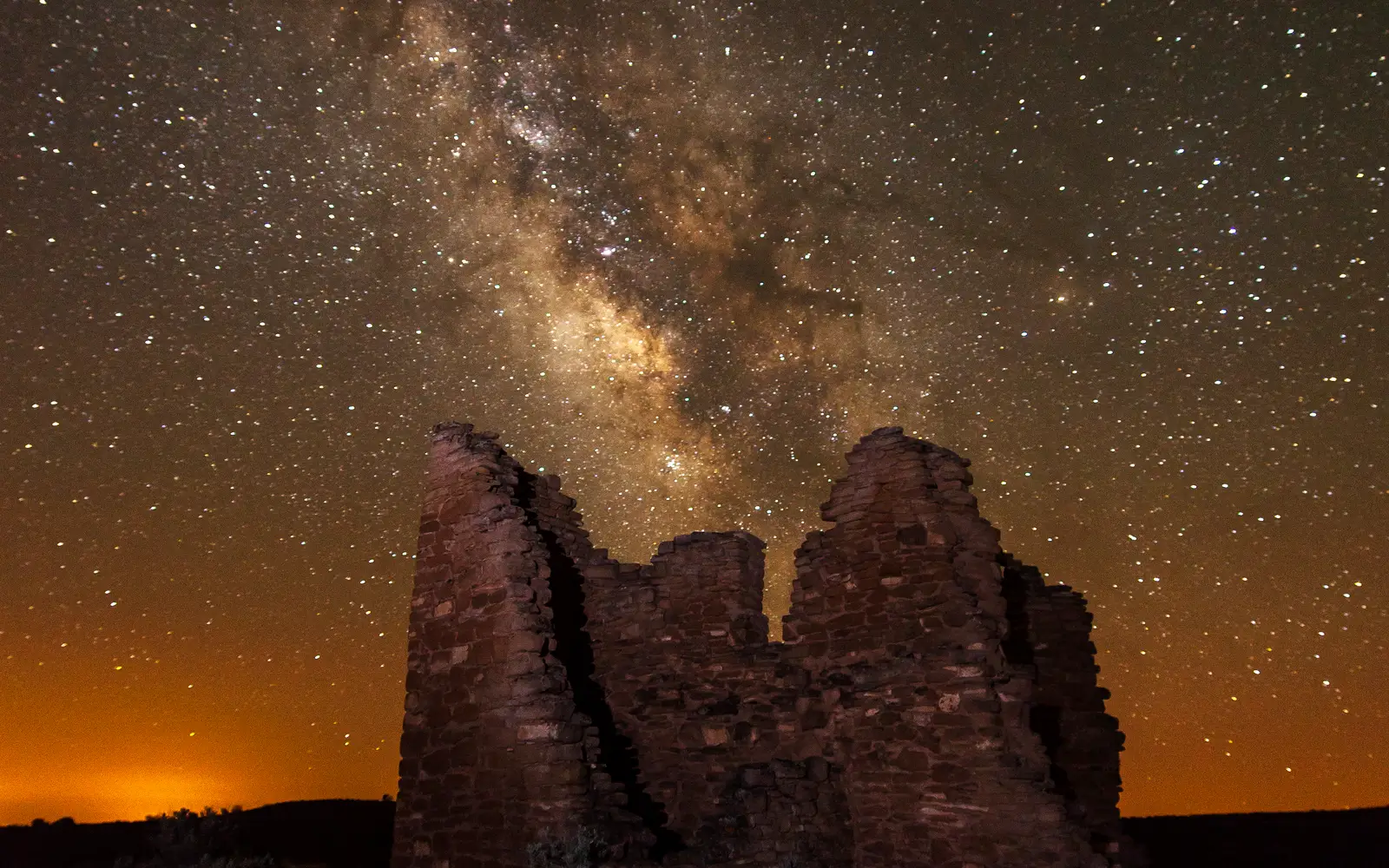
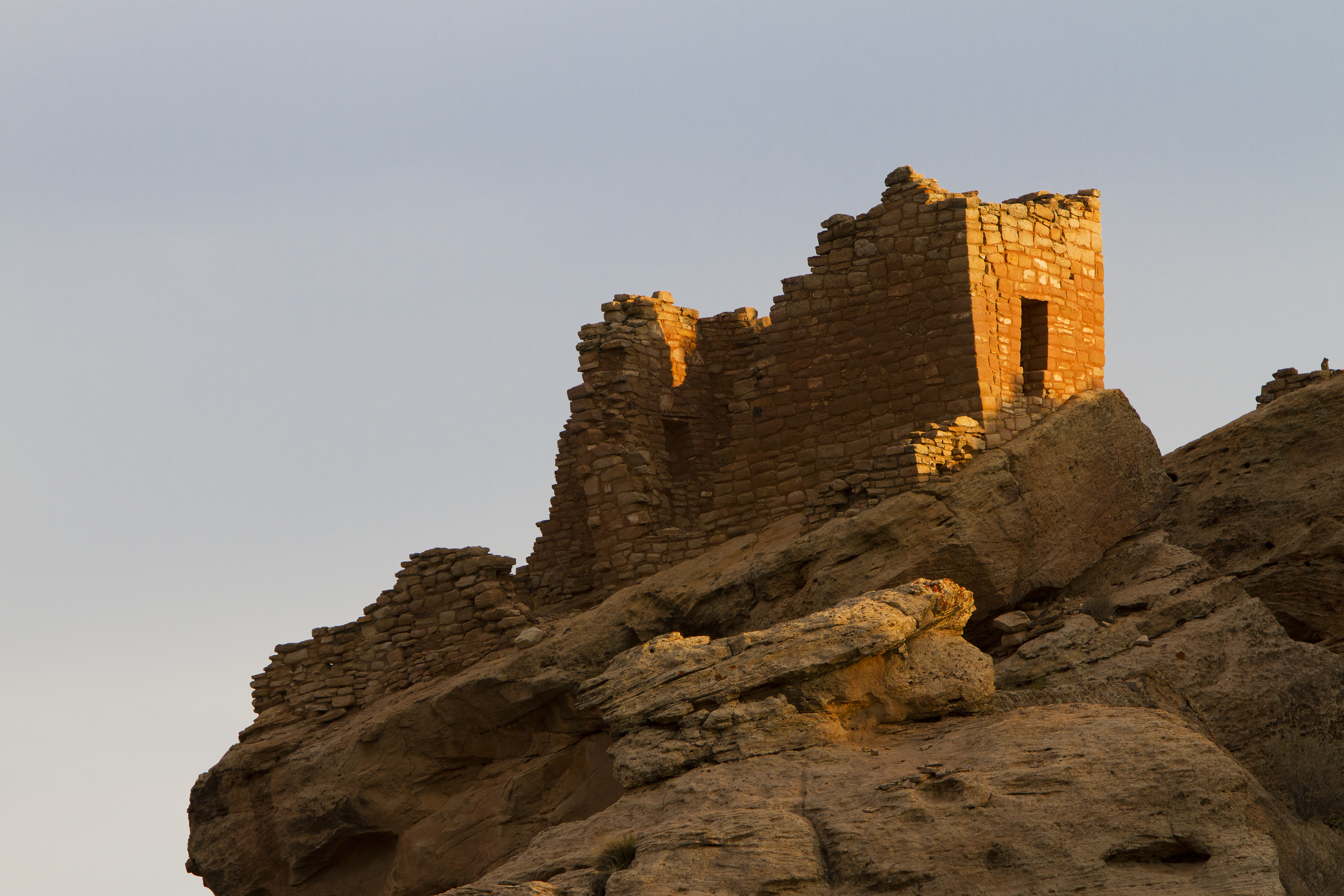
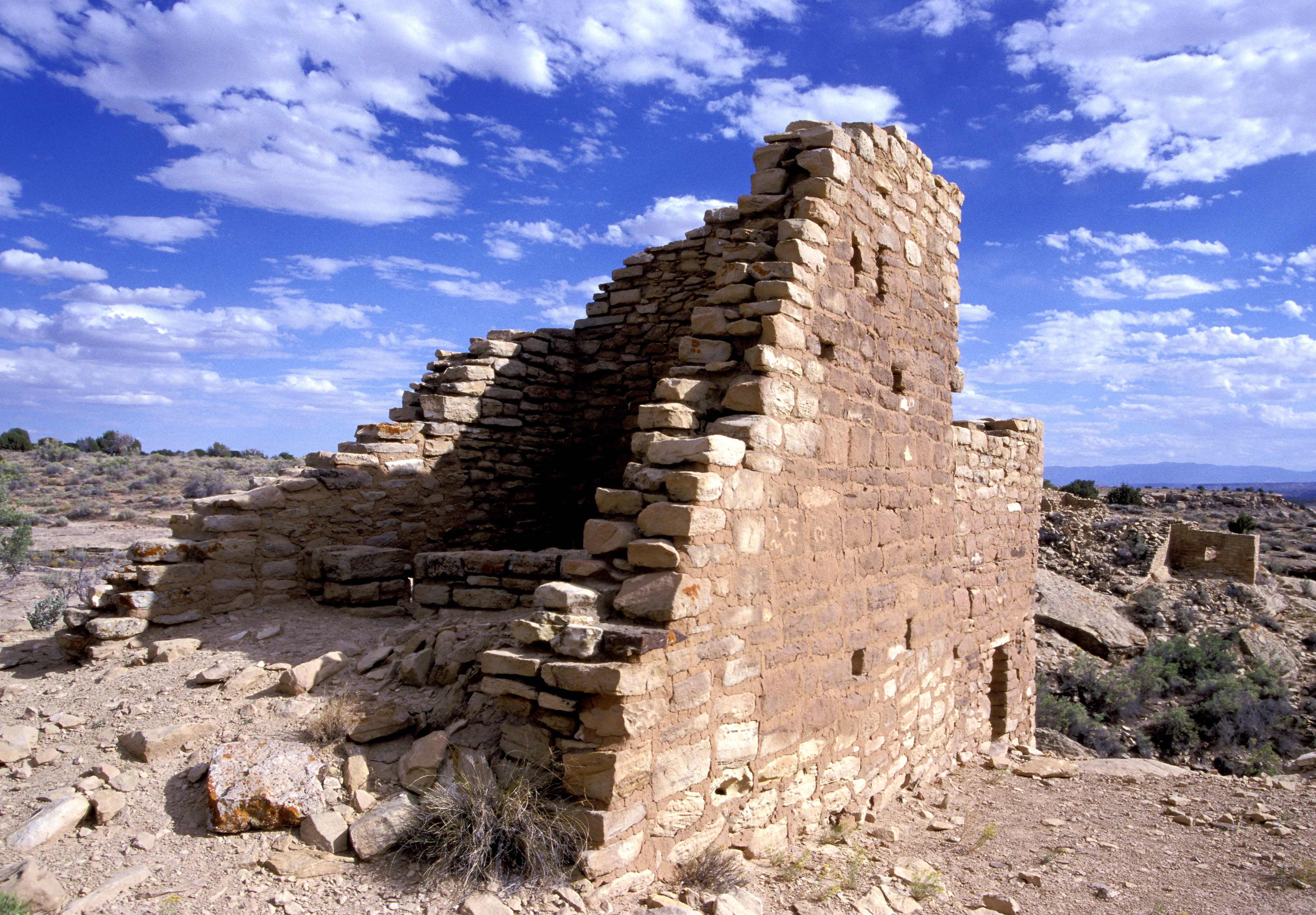
The principal attraction lies in its dry-stone masonry towers, some rising multiple stories from canyon rims, others balanced precariously on boulders. This is not a full-day destination with extensive options. Activities are limited to hiking trails, observing ruins, and camping beneath exceptional dark skies. Its score of 51 reflects this focused offering. Hovenweep suits archaeology enthusiasts, dark-sky photographers, and families seeking a quiet introduction to Ancestral Puebloan culture. Those expecting scenic drives or diverse recreation will find the monument lacking.
The case for it
Hovenweep delivers an experience centered on its ruins. The trails navigate past towers and masonry structures, strategically placed along canyon rims and atop boulders. These construction details demand close attention; a quick pass-through will not suffice. The remote, high-desert location ensures genuinely dark skies after sunset. The monument actively supports stargazing, offering a documented program. This is not mere marketing. On-site camping allows visitors to combine a late-afternoon ruins walk with an evening of astronomy, eliminating the need to drive. The Junior Ranger program provides a structured archaeological lens for families. A park film and bookstore at the visitor center offer useful context before trail access.
Who it is for
This monument excels for archaeology enthusiasts, dark-sky stargazers, and families seeking an unhurried cultural experience. It offers a low-crowd environment for those interested in history. Campers will find a quiet, purposeful base here. However, visitors prioritizing extensive hiking, scenic drives, or wildlife viewing should look elsewhere. This monument is small and specialized.
Best time to visit
Optimal visitation occurs in spring (April through May) and fall (mid-September through October). During these periods, daytime highs average 60 to 80 degrees. Nights remain manageable. Summer presents extreme heat fluctuations and increased crowds, making it a less desirable time to visit. Winter access is maintained, but cold nights and challenging road conditions introduce friction for travelers. Fall offers the advantage of comfortable temperatures alongside lower visitation compared to spring.
Worth seeing
- Multistory Ancestral Puebloan towers perched directly on canyon rims and balanced on boulders
- Six distinct prehistoric site clusters dating from 1200 to 1300 CE
- Documented dark-sky astronomy and stargazing programs
- On-site camping that pairs ruins exploration with night-sky access
- Hiking trails open sunrise to sunset through the monument's canyon terrain
- Junior Ranger program providing structured archaeological context for families
Before you visit
The $10 entrance fee provides access to a genuinely remote section of the Colorado Plateau. Visitors must fuel vehicles and stock water in advance; cell service is limited. Trails are open sunrise to sunset. A full circuit requires an early start. The visitor center bookstore offers the necessary orientation before trail access. This is a destination for the prepared, offering solitude for those who seek it.
Our tipFor stargazing, camping on-site is essential. Night programs conclude with a challenging drive on unlit rural roads. Staying overnight allows visitors to experience the pre-dawn sky and the ruins at first light, ahead of day-use crowds.