Is Hopewell Furnace National Historic Site worth it?
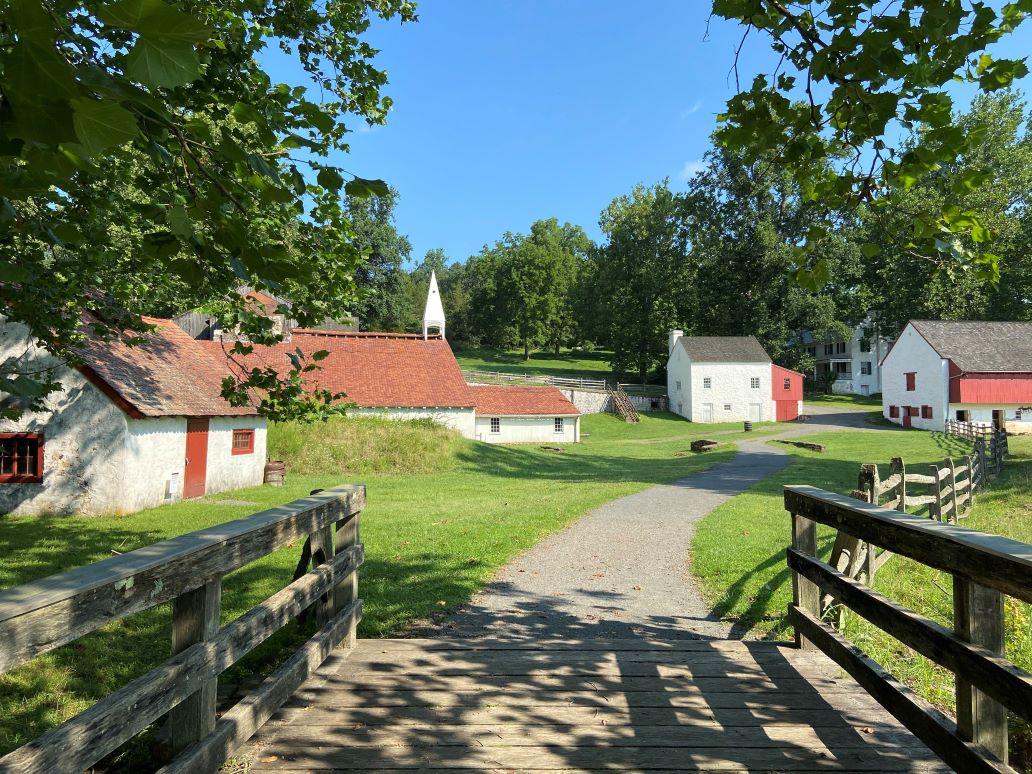
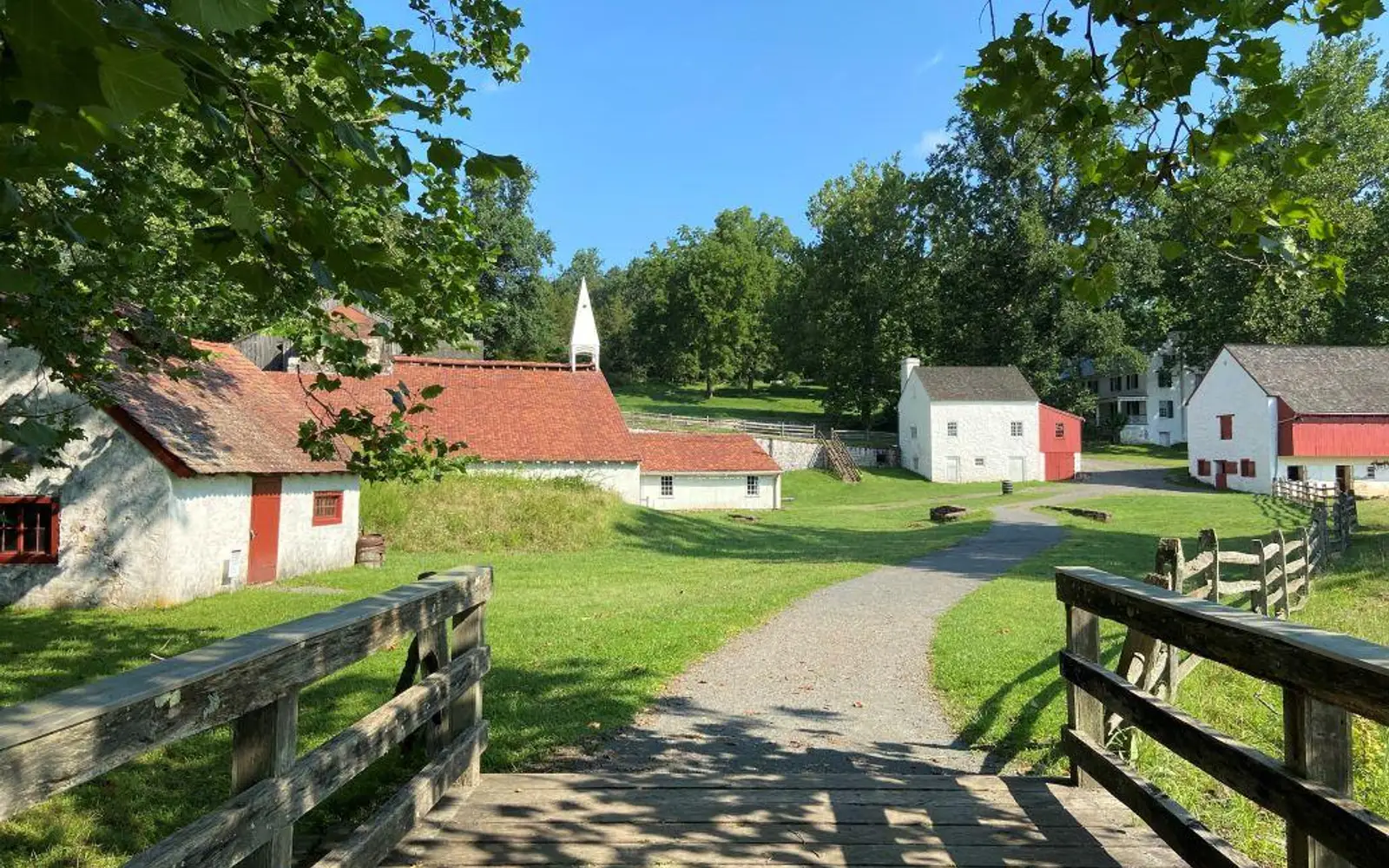
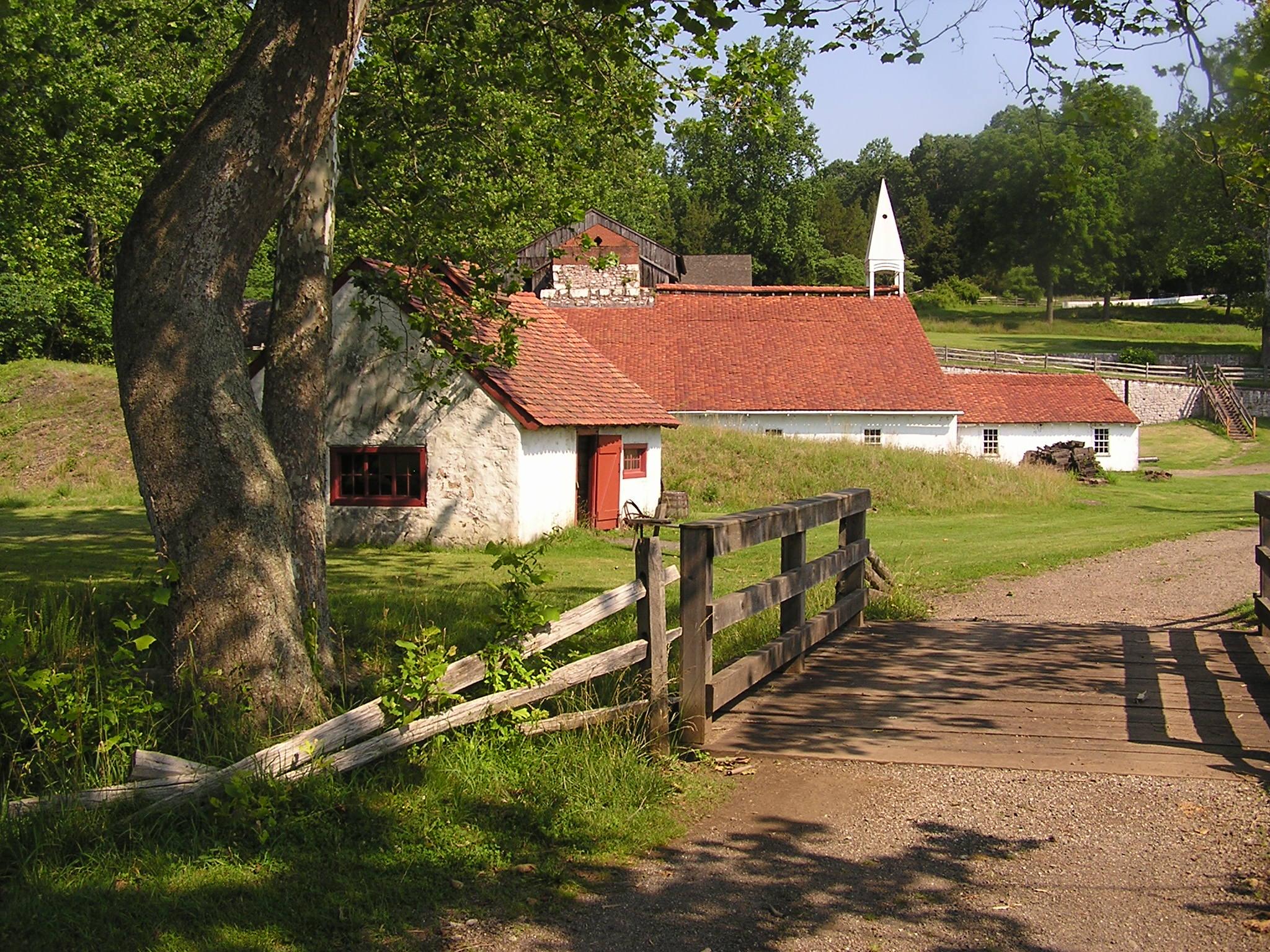
Hopewell Furnace, an 848-acre historical site in rural Pennsylvania, preserves an iron-making community active from 1771 to 1883.
This is not a park for grand scenic vistas. Its value lies in the detailed narrative of an 18th- and 19th-century iron plantation, revealing an industrial ecosystem through its human and physical dimensions. Historic structures anchor the experience. A network of trails and diverse wildlife habitat extends the appeal beyond a simple museum visit. Free admission further enhances its accessibility. The park offers varied activities: living history demonstrations, guided tours, stargazing programs, and winter cross-country skiing. These offerings provide considerable depth for a half-day or even a full weekend exploration. Industrial history enthusiasts will find significant substance. Families seeking educational experiences beyond a typical classroom setting should consider this a compelling destination.
The case for it
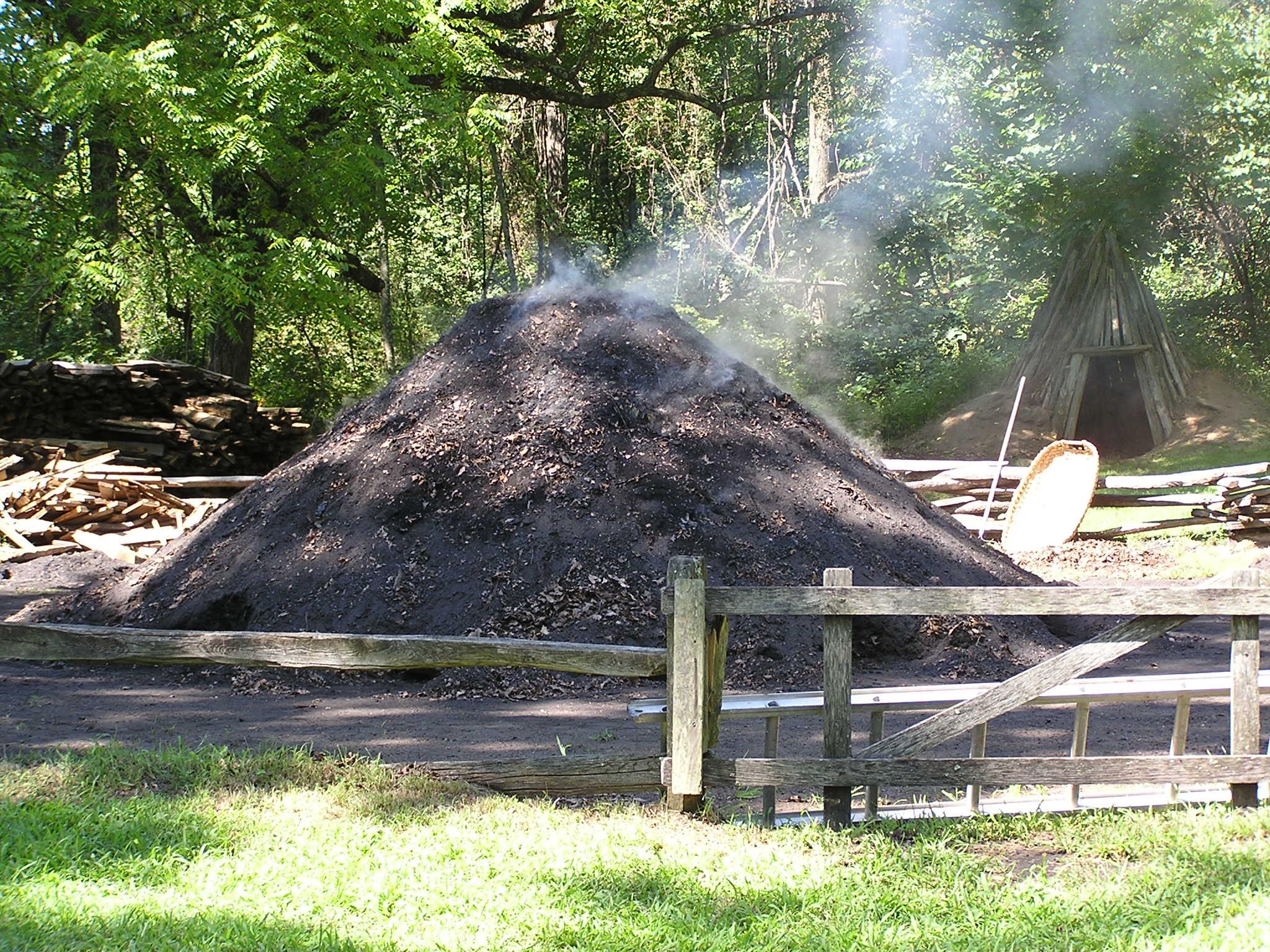
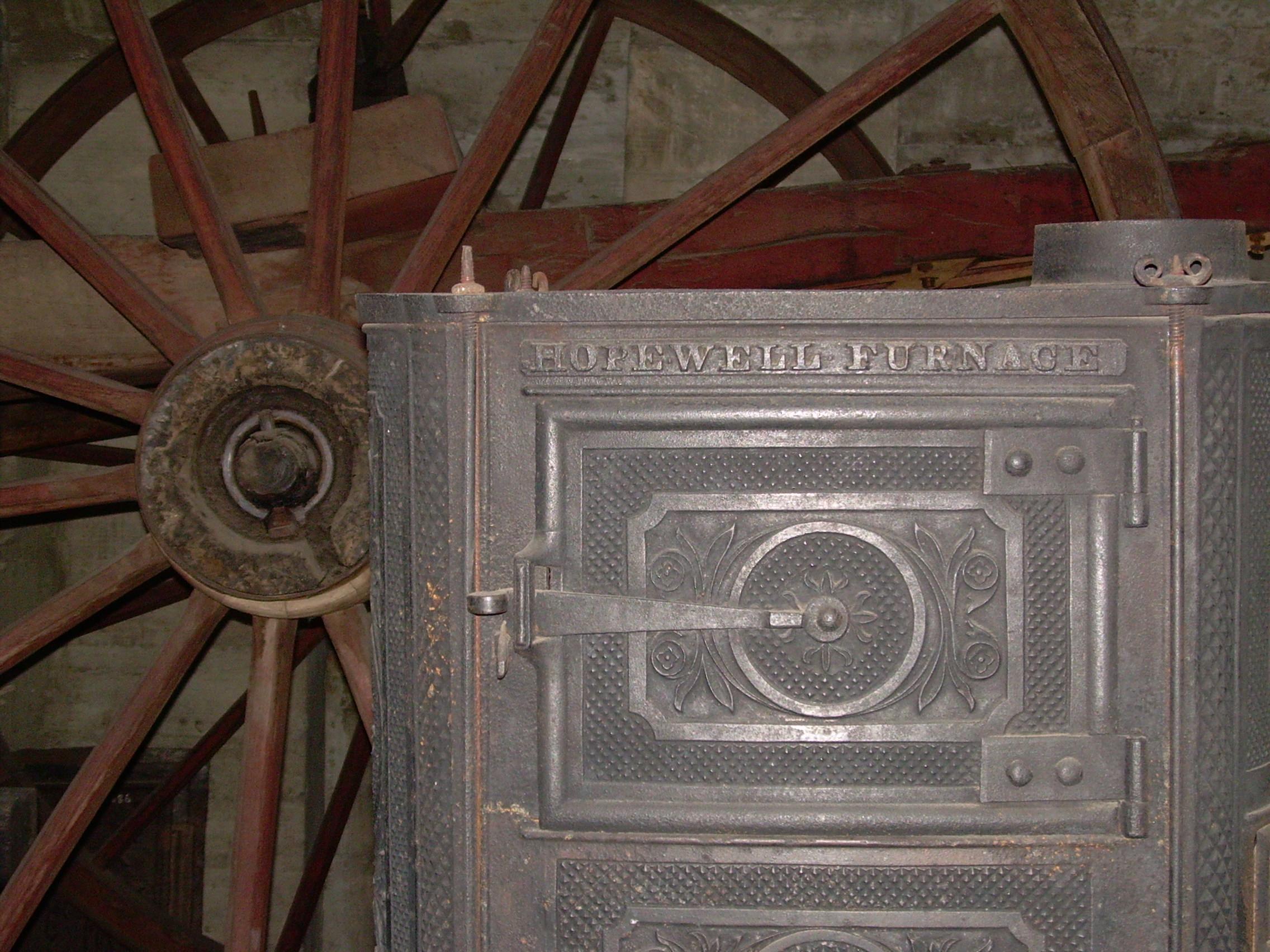
This historic site delivers a focused, accessible experience. The indoor museum and park film provide essential context before visitors explore the authentic iron furnace structures. Living history and craft demonstrations elevate the experience beyond static information. The 848 acres of trails support genuine hiking and birdwatching, with geocaching and compass work available for interactive exploration. Evening stargazing programs are a summer highlight, leveraging the rural dark. Even in winter, when historic buildings close on weekdays, trails remain open for cross-country skiing and wildlife observation. Free entrance removes any pressure to hurry. This park is ideal for those seeking a blend of industrial history and accessible outdoor recreation; casual sightseers may find its scope too narrow.
Who it is for
Hopewell Furnace caters to a specific audience. Its strength lies in its appeal to industrial and early American history enthusiasts. Families, particularly those with school-aged children, will find value in the living history presentations and the Junior Ranger program. Casual nature hikers seeking a historical overlay may appreciate what is on offer. However, those pursuing untouched wilderness or dramatic landscapes will not find it here.
Best time to visit
The operational schedule clearly dictates a late spring through early fall visit for the fullest programming. Living history demonstrations and guided tours run Wednesday through Sunday during this period. Summer brings average highs near 83 degrees; morning visits are therefore advisable for comfort. Cooler temperatures and prime foliage define the fall season for trail users. Winter offers a distinct appeal for cross-country skiing on the trail network, though historic building access becomes limited.
Worth seeing
- Living history and craft demonstrations inside a working iron plantation complex
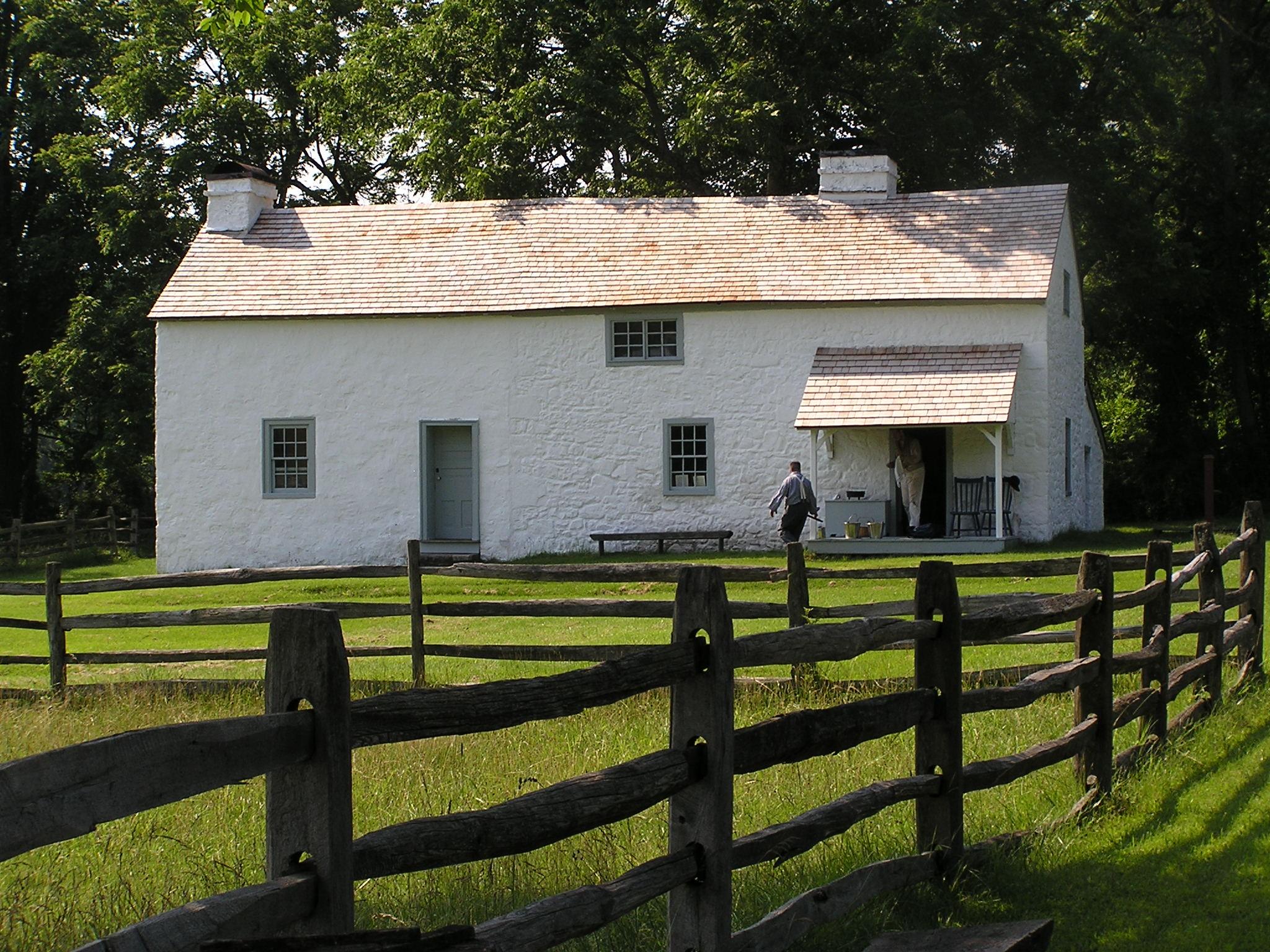
- Guided and self-guided tours of the furnace stack, ironmaster's house, and workers' village
- 848 acres of hiking trails open even on days the buildings are closed
- Stargazing and astronomy programs benefiting from the rural Pennsylvania setting
- Winter cross-country skiing on the trail network
- Junior Ranger program and hands-on activities for families
Before you visit
Admission is free. The historic buildings and visitor center operate Wednesday through Sunday, 9 AM to 5 PM. Trails are open daily. For tours, demonstrations, or museum access, a mid-week or weekend visit is essential. Winter ice impacts both roads and trails; verify conditions before a cold-weather trip.
Our tipFor those prioritizing living history, checking the NPS schedule beforehand is essential. Do not assume daily demonstrations. Weekends in summer or early fall offer the highest probability of experiencing the full range of craft and cultural presentations, complementing the standard tours.