parkverdict
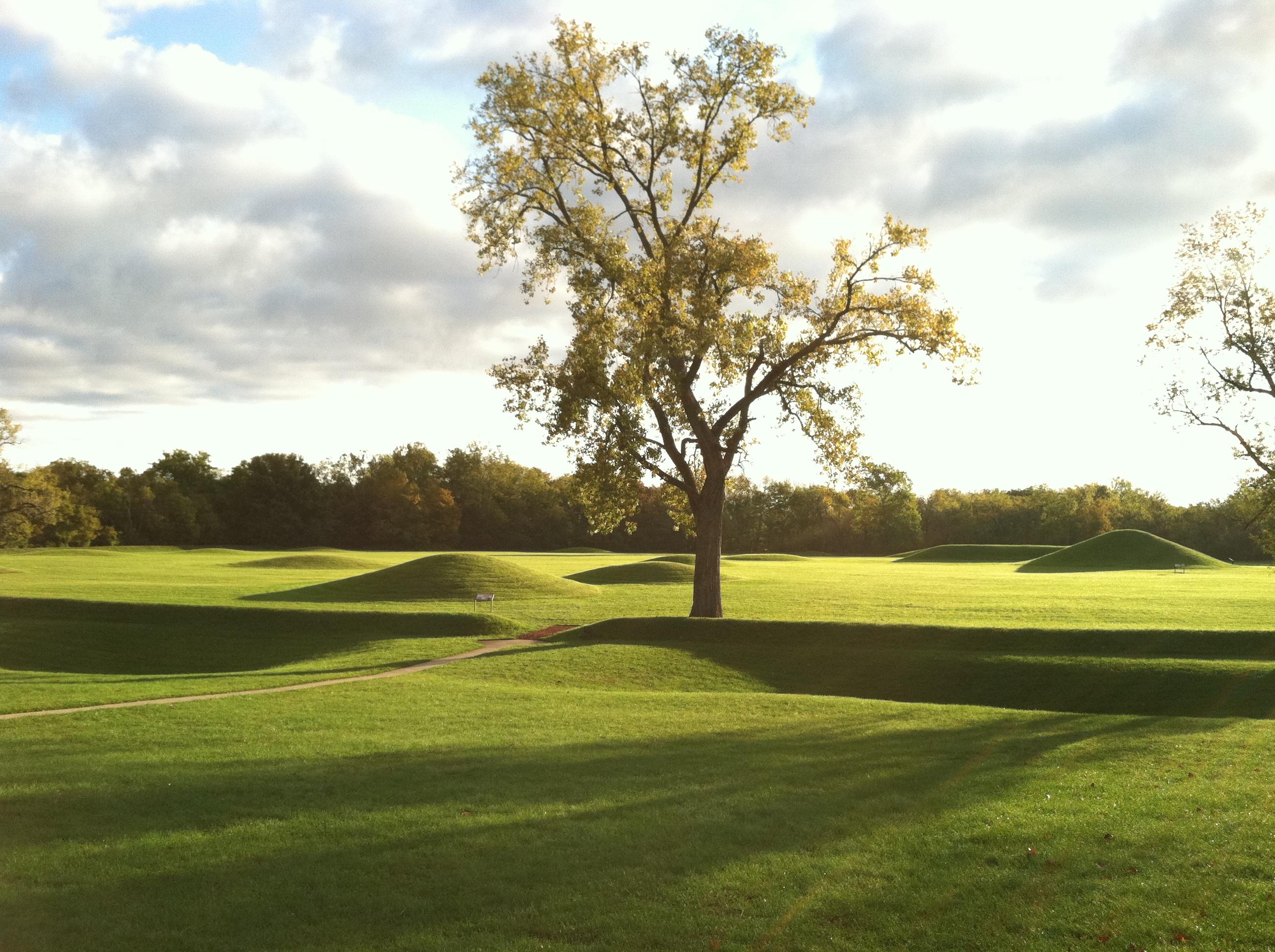
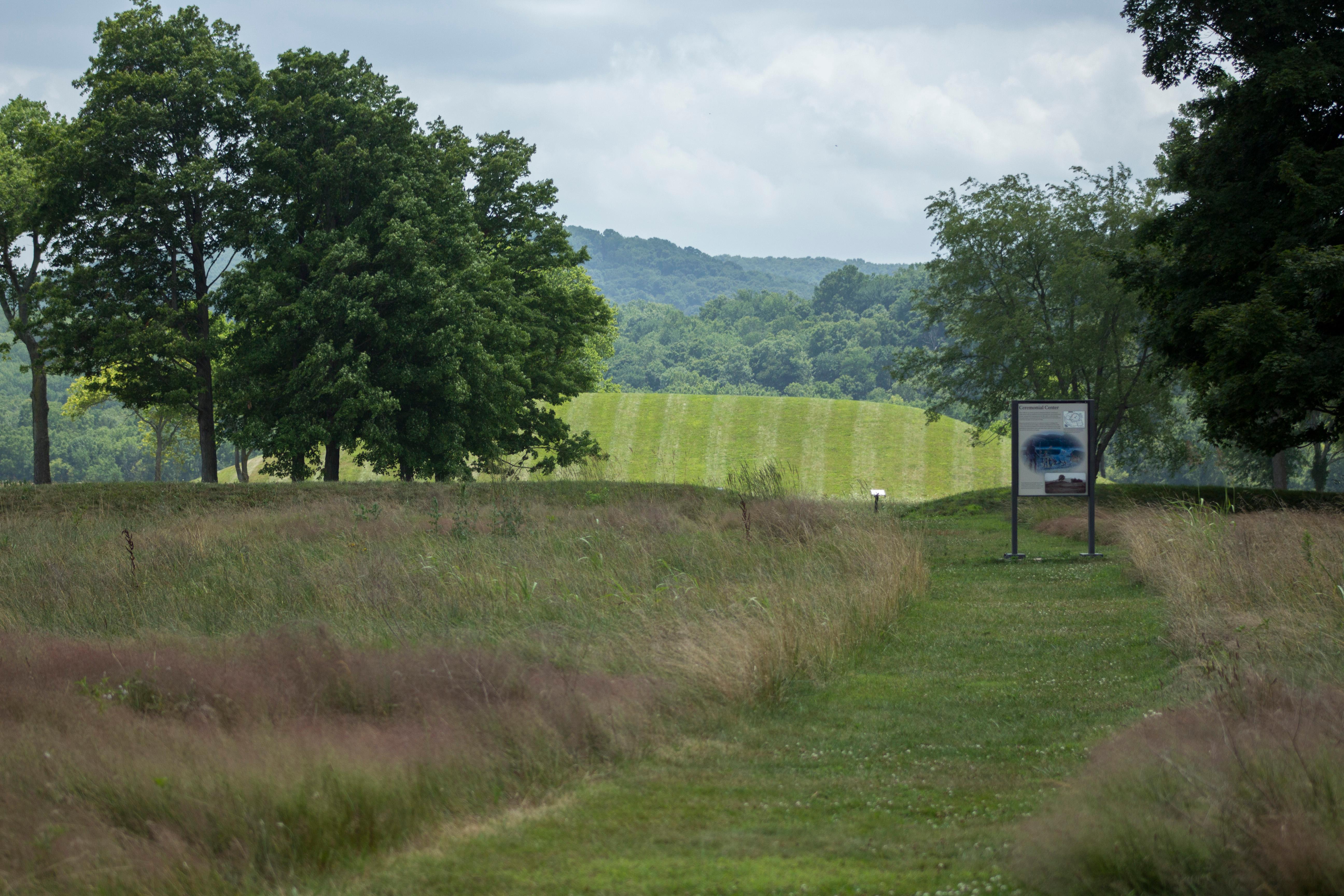
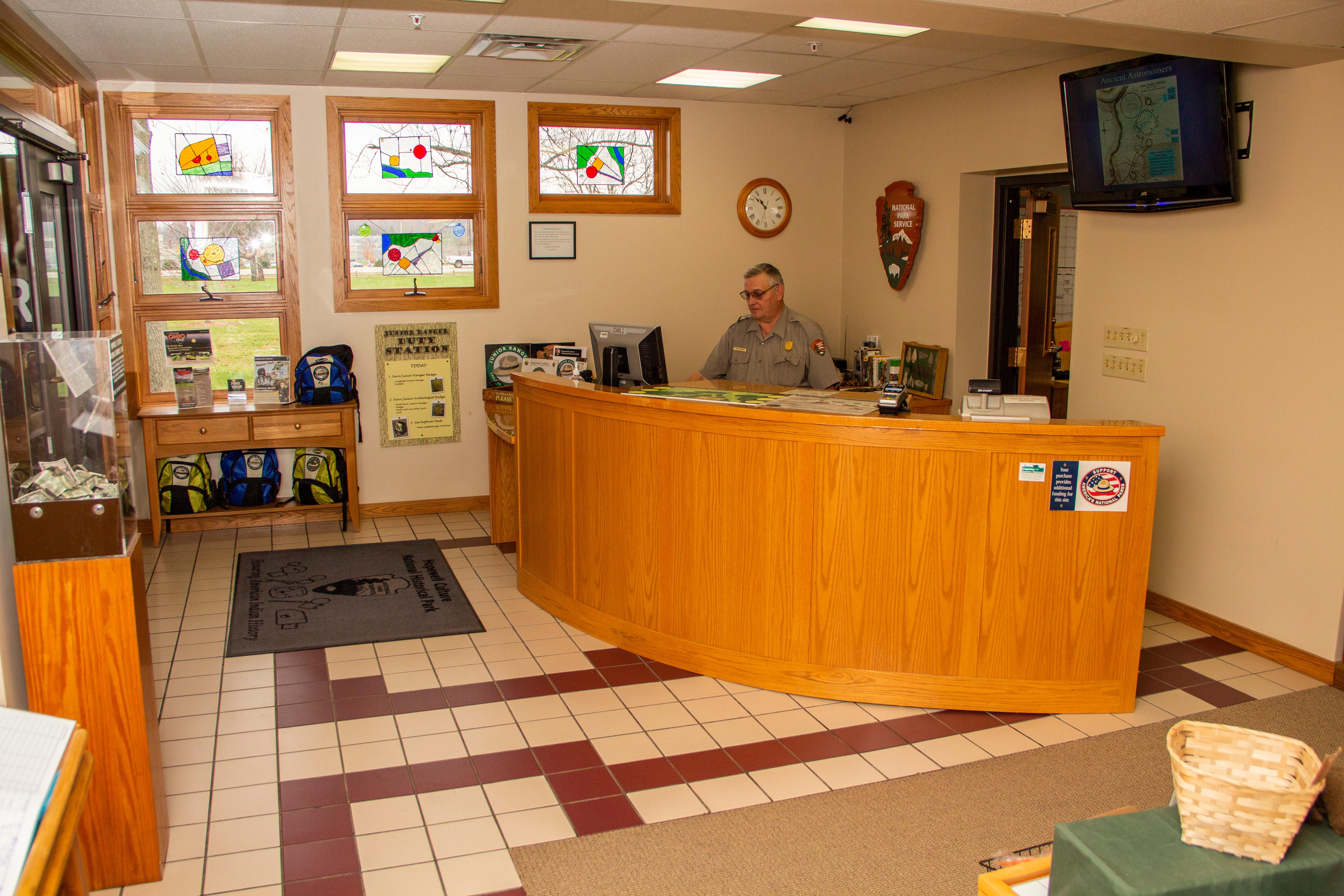
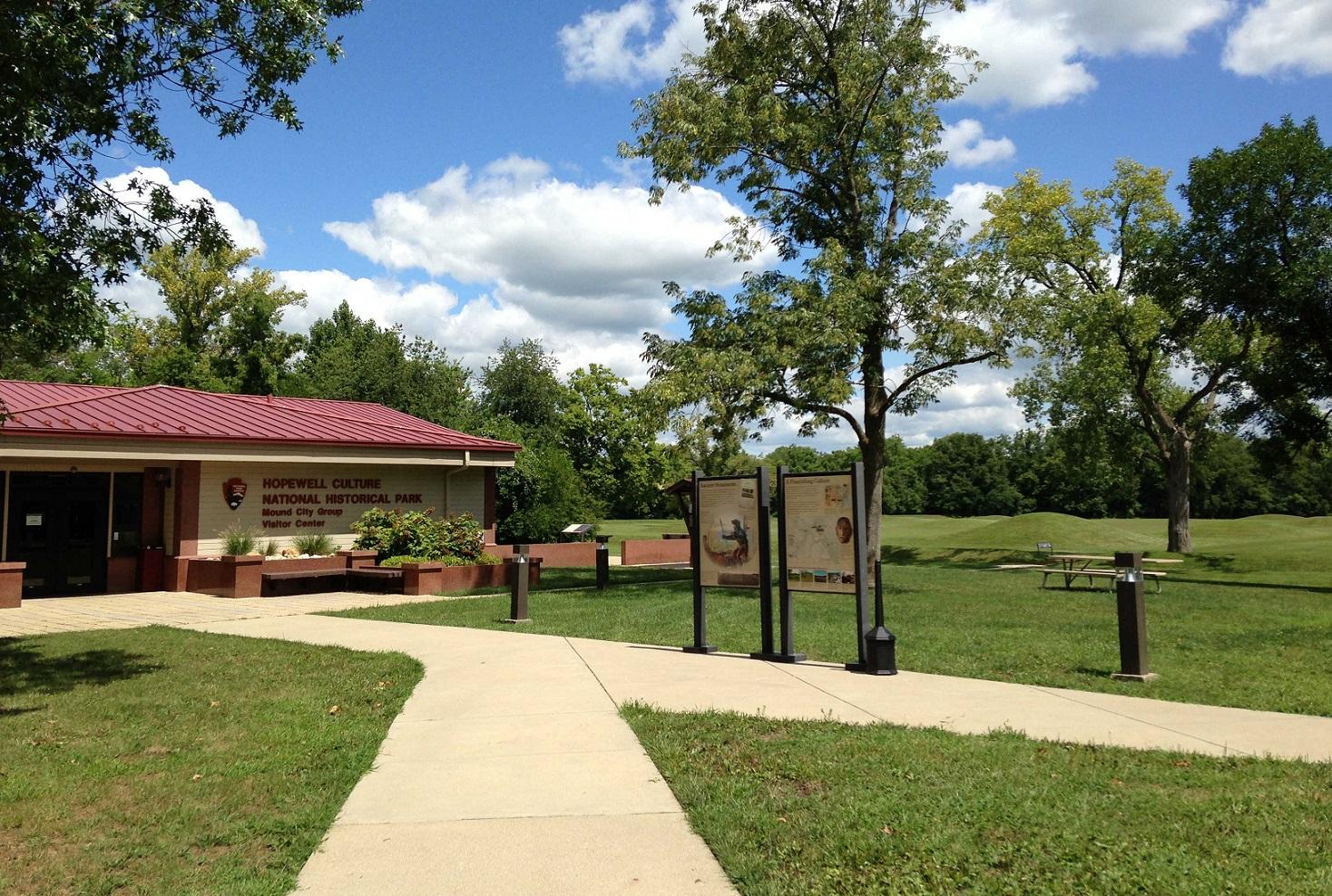
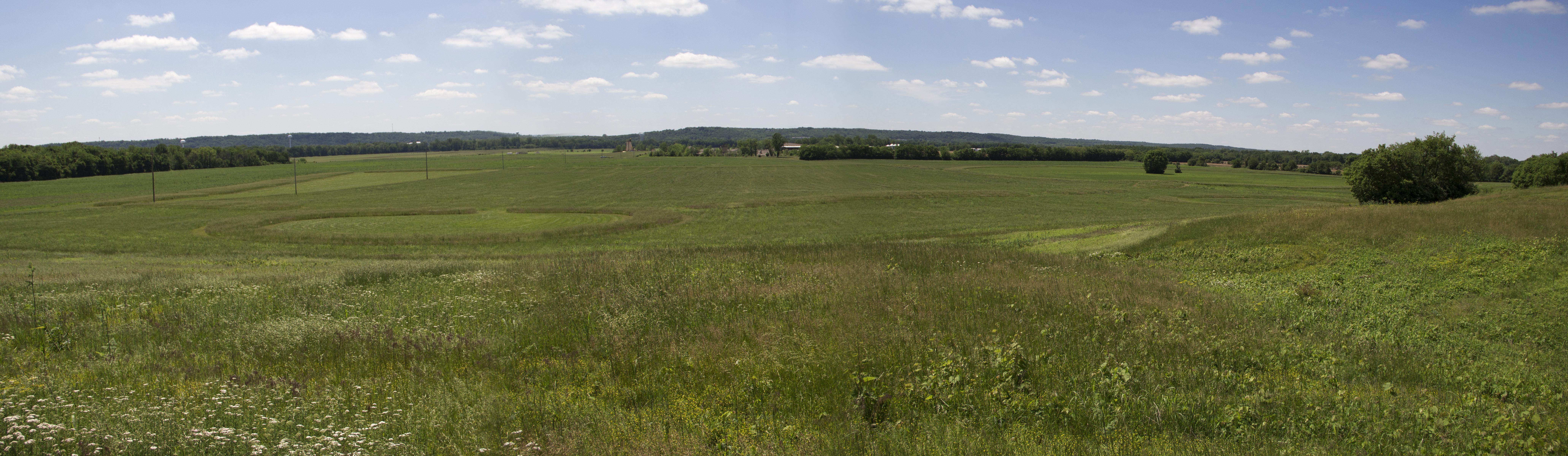
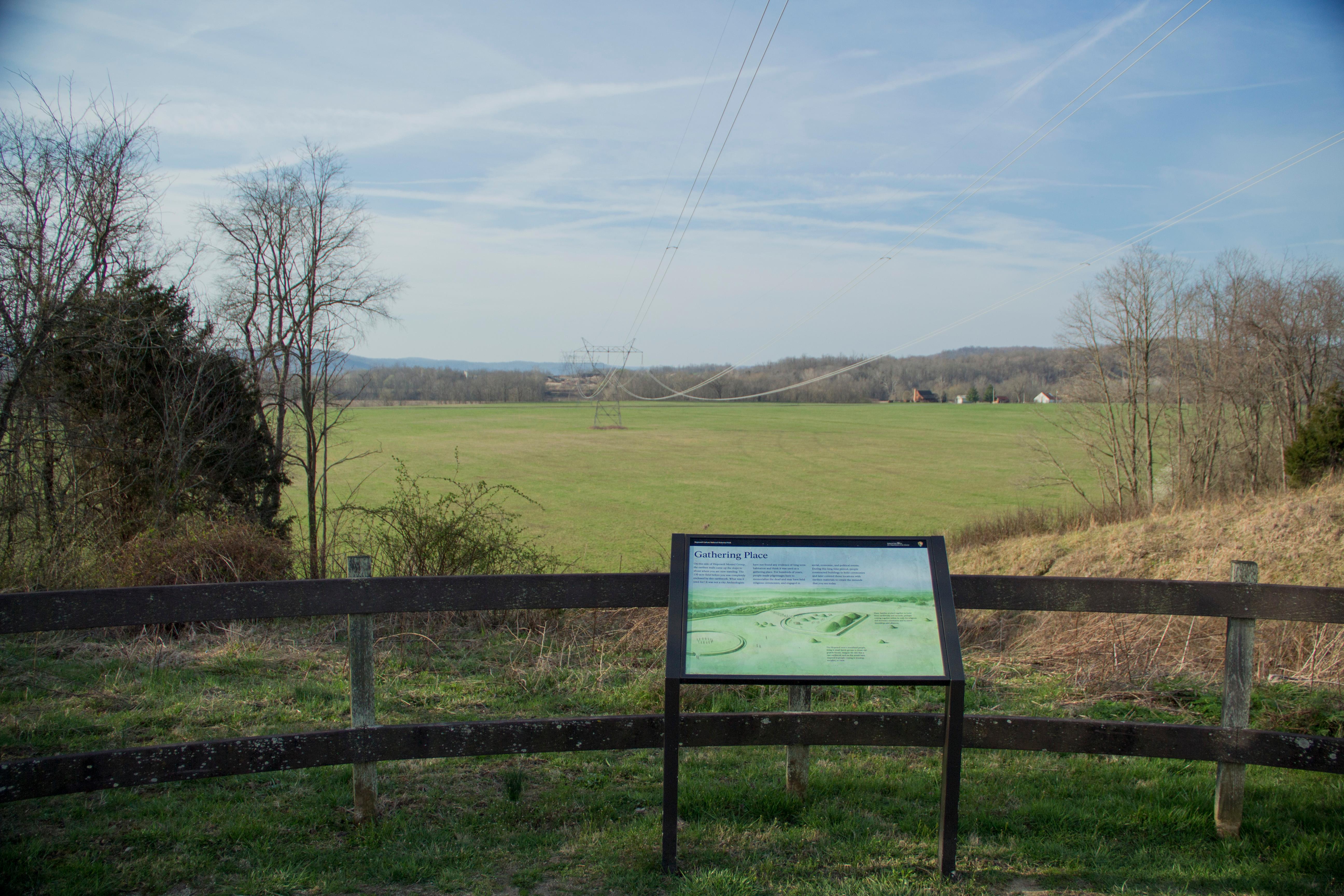
An early morning sun casting long shadows over grass-covered mounds.A tan building with a red-peaked roof surrounded by green grass and tan sidewalksA green, grassy field with taller areas of uncut grass in geometric shapes under a partly cloudy skyAn overlook area showing a green grassy field with a panel showing artwork and text
National Historical ParkOH

Hopewell Culture National Historical Park

NPS / NPS / Tom Engberg
58/ 100GOOD RANGE
parkverdict Experience ScoreIndependent, not sponsored

58 of 100. Our independent breadth-and-access index. How we score

Our verdict

Should you visit Hopewell Culture National Historical Park?

Hopewell Culture National Historical Park protects a group of ancient earthwork complexes that Native Americans built roughly 2,000 years ago across southern Ohio.

The park is spread across several separate sites, including Mound City Group, Hopewell Mound Group, Hopeton Earthworks, and Seip Earthworks, each one a ceremonial landscape notable for both its age and scale. The atmosphere is quiet and unhurried rather than visually dramatic the way a canyon or waterfall tends to be. You walk among grassy geometric mounds and enclosures, and what catches you off guard is realizing how much was engineered without a single metal tool. Admission is free, which takes some of the pressure off the decision to go. History-minded travelers, families after a meaningful day outside, and anyone curious about pre-Columbian North America will find it worth the drive. Come expecting a busy park with lots of amenities, though, and you may leave feeling shortchanged.

What makes it worth it

Start at the visitor center and museum at Mound City Group. The exhibits give the earthworks some historical grounding before you head outside, so you show up at the mounds knowing something rather than nothing. Self-guided walking tours let you move at your own pace. A ranger-led tour does something more useful: someone who actually knows this place turns grassy geometric shapes into things that stick with you. Admission is free throughout the park, so visiting multiple sites costs nothing. Road biking between sites is a real option if you want to cover more ground without driving. Families with kids can lean on the Junior Ranger Program as a structured way into the archaeology. Between the outdoor walking, the museum, and the ranger programs, a half-day to full-day visit fills up with material that is actually worth your time.

Who should go

History buffs, archaeology fans, and families with curious kids will get the most out of this park. Road cyclists who want a culturally rich backdrop for a ride will find exactly that here. If you came for dramatic scenery, hard hiking, or wildlife, look elsewhere. This place moves slowly and rewards patience.

When to go

Late spring through early fall is the best time to visit on foot. Summer averages around 75 degrees F, but the humidity makes midday walks genuinely unpleasant. Spring and fall are mild enough that you can cover several sites in a single day without running out of steam. Winter is still an option, since the grounds are open year-round during daylight hours, but cold temperatures and occasional snow leave the experience feeling pretty bare.

Highlights

  • Walking the ancient earthwork enclosures at Mound City Group, some of North America's best-preserved ceremonial mounds
  • Museum exhibits at the visitor center that explain Hopewell culture and the continental reach of this religious movement
  • Ranger-guided tours that decode the spatial and ceremonial logic of the earthwork complexes
  • Free admission across all four separate site units, making multi-site visits accessible
  • Road biking opportunities in and around the park's southern Ohio landscape
  • Junior Ranger Program that gives families a structured interpretive framework for the visit

Plan ahead

Admission is free at all four sites, but the locations are scattered enough that you should map your route before leaving home. Driving between them takes longer than the distances suggest. Grounds are open daily from sunrise to sunset. Begin at Mound City Group near Chillicothe, Ohio, where you will find the main visitor center and museum.

Editor's tipIf you visit only one site beyond Mound City Group, prioritize Hopewell Mound Group or Hopeton Earthworks, where the sheer geometric scale of the enclosures becomes most apparent from ground level. Bring a site map from the visitor center so the spatial relationships between features make sense as you walk.

How we scored it

How Hopewell Culture National Historical Park earned its 58

Where does a 58 come from? One formula, run the same on every place we cover, built only from public data on what a unit offers and how reachable it is. It says nothing about how pretty a spot is or how busy it gets. This is what fed it:

  • Activity breadth11 documented activities
  • Topic breadth6 topics
  • Official imagery6 public-domain images
  • Camping on sitenone recorded
  • Entry costfree

No number is hand-adjusted and no unit pays for placement. The full weights, the floor at 18 and a worked example are on how we score.

The honest limits

What the number leaves out

Worth saying plainly: this number only knows what the data shows, which is breadth and access. It has no idea whether the scenery is jaw-dropping, whether the lot is a zoo in July, what shape the trails are in, or how good the guided walks are. So do not read a lower score as a worse day out. A focused little site can beat a big all-rounder for the right person. Compare the numbers for what is on offer, then read the verdict for who each place actually suits.

The basics

Hopewell Culture National Historical Park at a glance

Nearly 2,000 years ago, Native Americans raised dozens of massive mounds and earthen enclosures across southern Ohio. These complexes were ceremonial landscapes, places where people gathered for feasts, funerals, rituals, and rites of passage tied to a religious movement that spread across more than half the continent over nearly 400 years. Come walk among the earthworks and see for yourself.

On documented breadth and access, Hopewell Culture National Historical Park ranks 5th of 10 park and public-land units we score in Ohio.

Weather and seasons

The park sits in a humid continental climate zone. Winters stay mildly cold, averaging around 30 degrees F, with light snowfall that rarely tops 24 inches for the season. Summers turn hot and humid, hovering around 75 degrees F. The area gets just under 38 inches of rain a year.

On offer

Documented activities

Arts and CultureBikingRoad BikingFoodDiningGuided ToursSelf-Guided Tours - WalkingJunior Ranger ProgramMuseum ExhibitsShoppingBookstore and Park Store
Common questions

Hopewell Culture National Historical Park: quick answers

Is Hopewell Culture National Historical Park worth visiting?

Hopewell Culture National Historical Park protects a group of ancient earthwork complexes that Native Americans built roughly 2,000 years ago across southern Ohio.

Is Hopewell Culture National Historical Park free to visit?

Yes, there is no entrance fee.

What is Hopewell Culture National Historical Park best for?

It leans hardest toward good with kids, biking, guided tours, history & culture, going by the 11 activities it actually documents.

When is the best time to visit Hopewell Culture National Historical Park?

Late spring through early fall is the best time to visit on foot.

How is the Experience Score for Hopewell Culture National Historical Park calculated?

The 58 comes straight from public data on how much the place documents and how easy it is to reach, things like activities, topics, photos, camping and whether entry is free. It says nothing about scenery or how busy it gets.