Should you visit Cuyahoga Valley National Park?
Cuyahoga Valley is one of the most surprising national parks in the system.
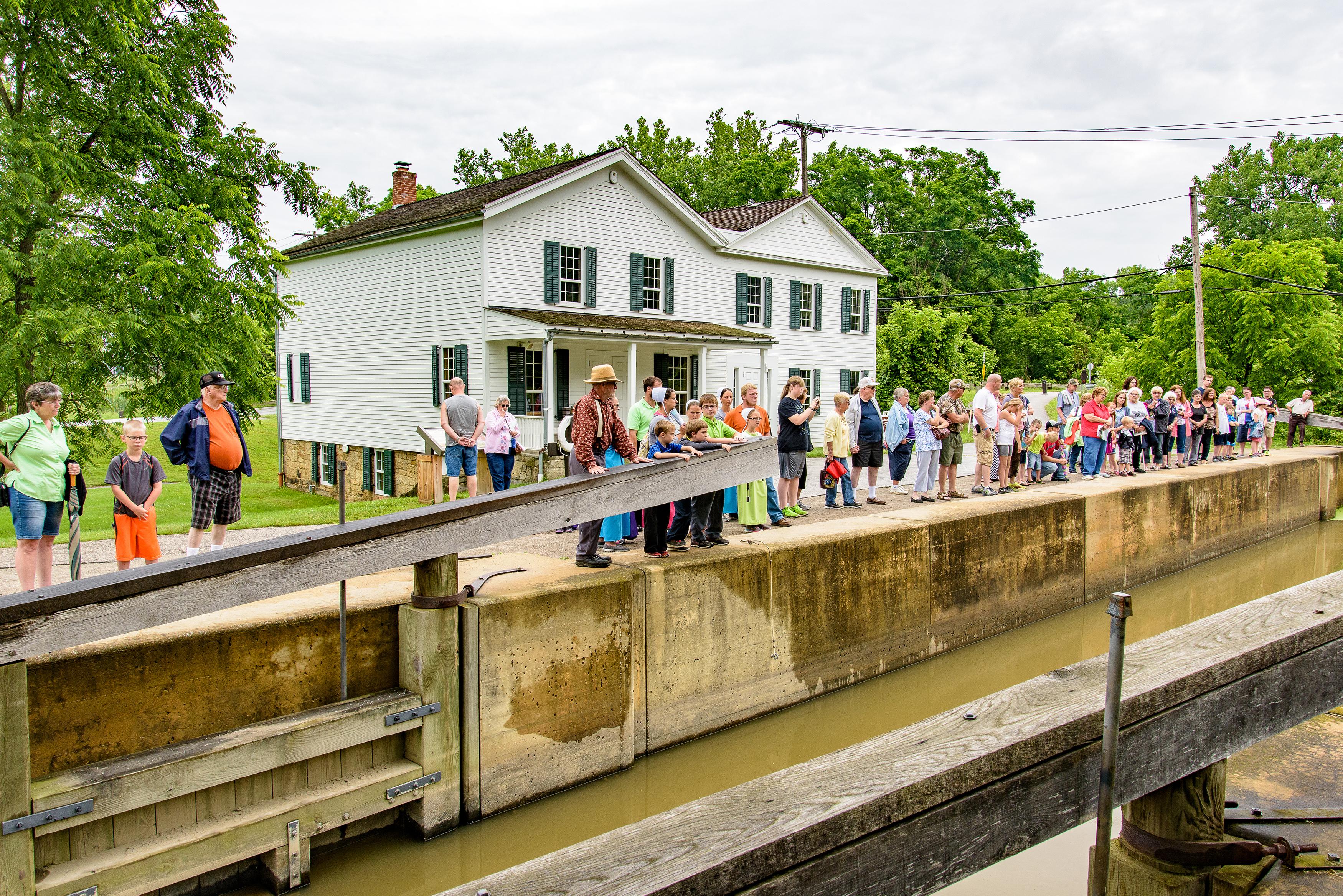
Wedged between Cleveland and Akron in northeast Ohio, it punches well above its weight for a park that most people outside the region have never heard of. This is not a destination for dramatic geology or iconic vistas. Instead, it delivers a genuinely layered outdoor experience built around the Cuyahoga River corridor, the historic Ohio and Erie Canal Towpath Trail, dense second-growth forest, and a cultural programming calendar that sets it apart from nearly every other NPS unit. Free admission removes the usual barrier to entry, and the 24-hour access policy means you can structure a visit however you like. For urban residents in the Midwest who assume national parks require a flight and a week off, Cuyahoga Valley is a legitimate revelation. For destination travelers flying in from elsewhere, it rewards a full day but probably not a standalone trip.
What makes it worth it
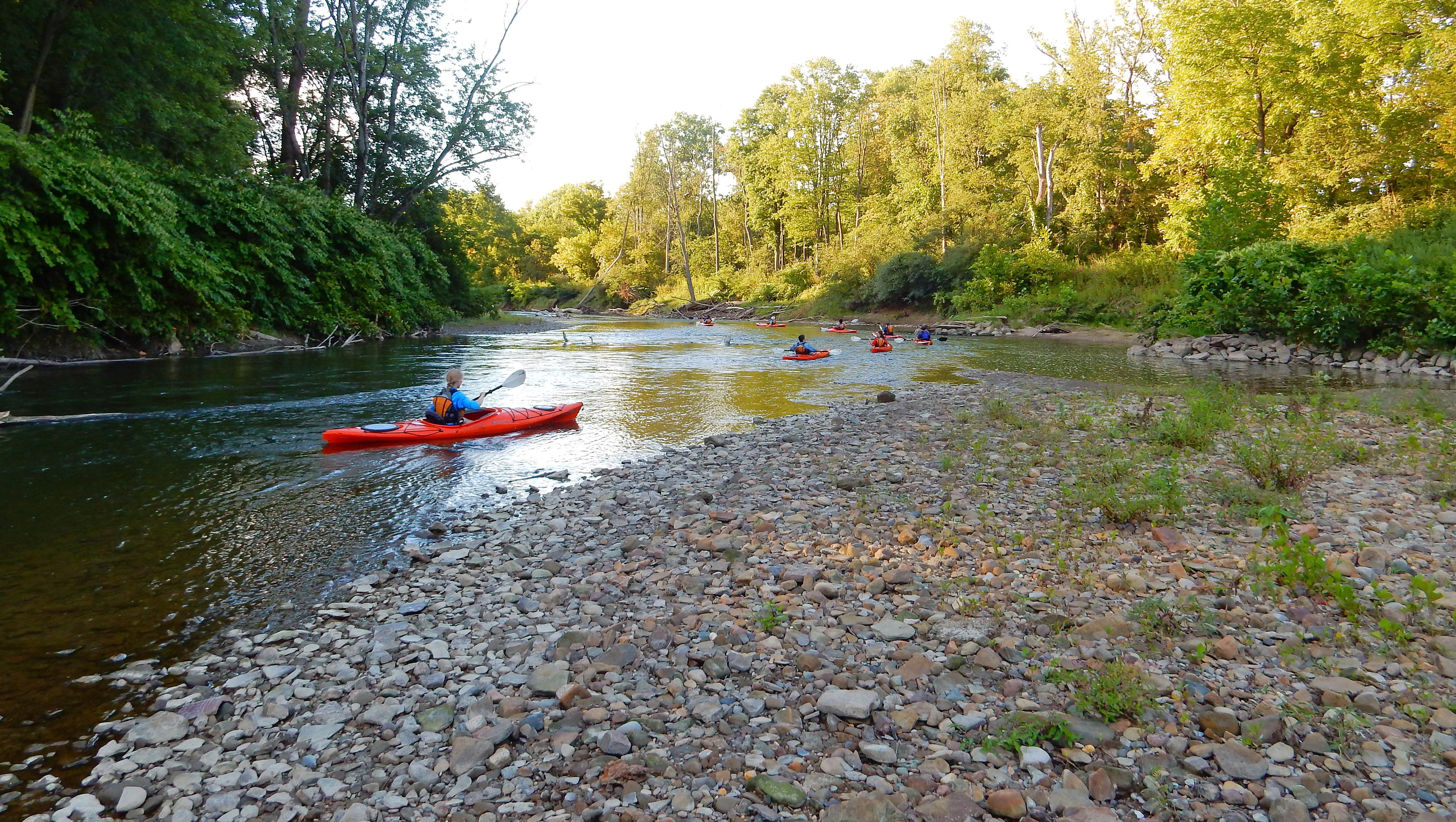
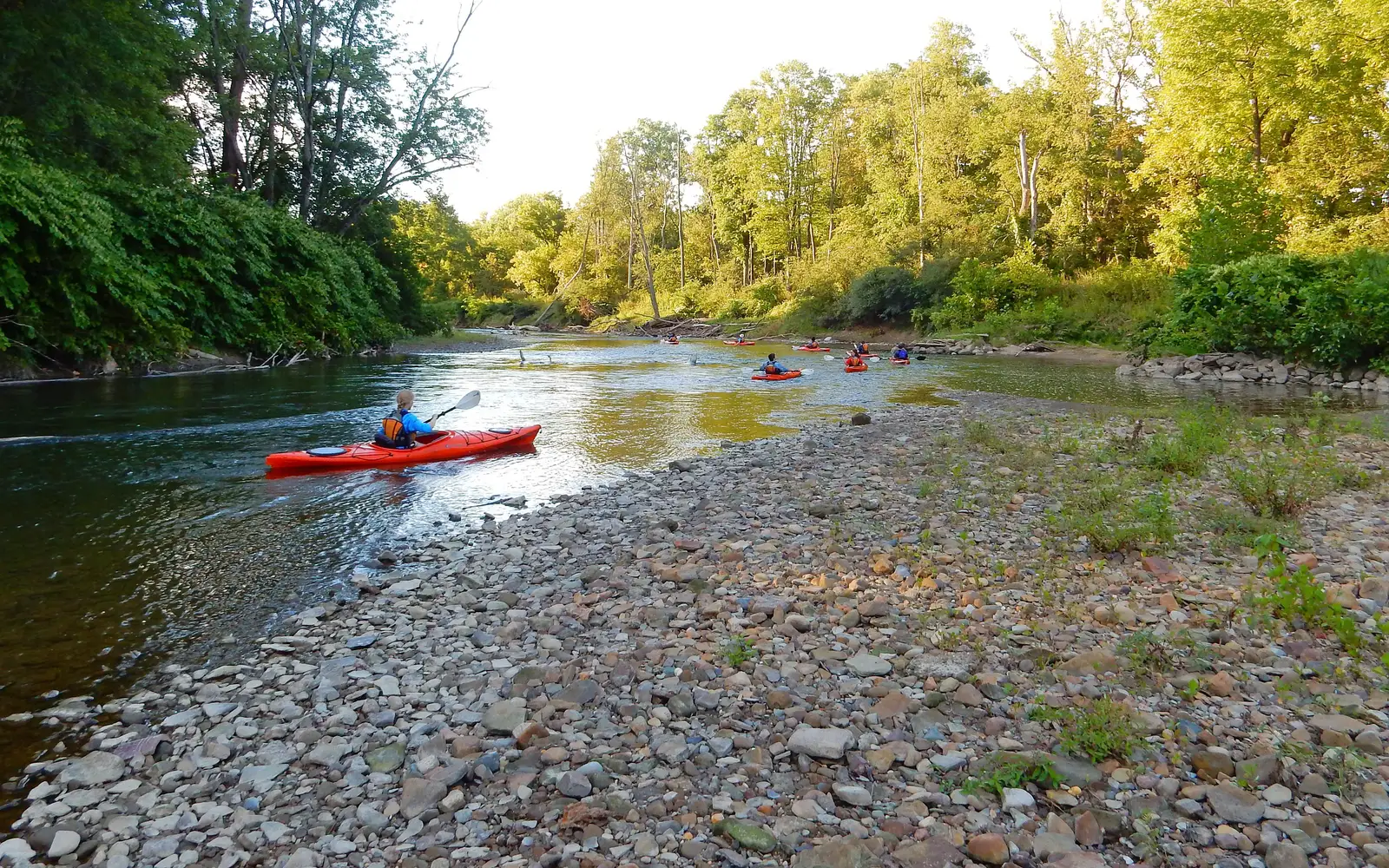
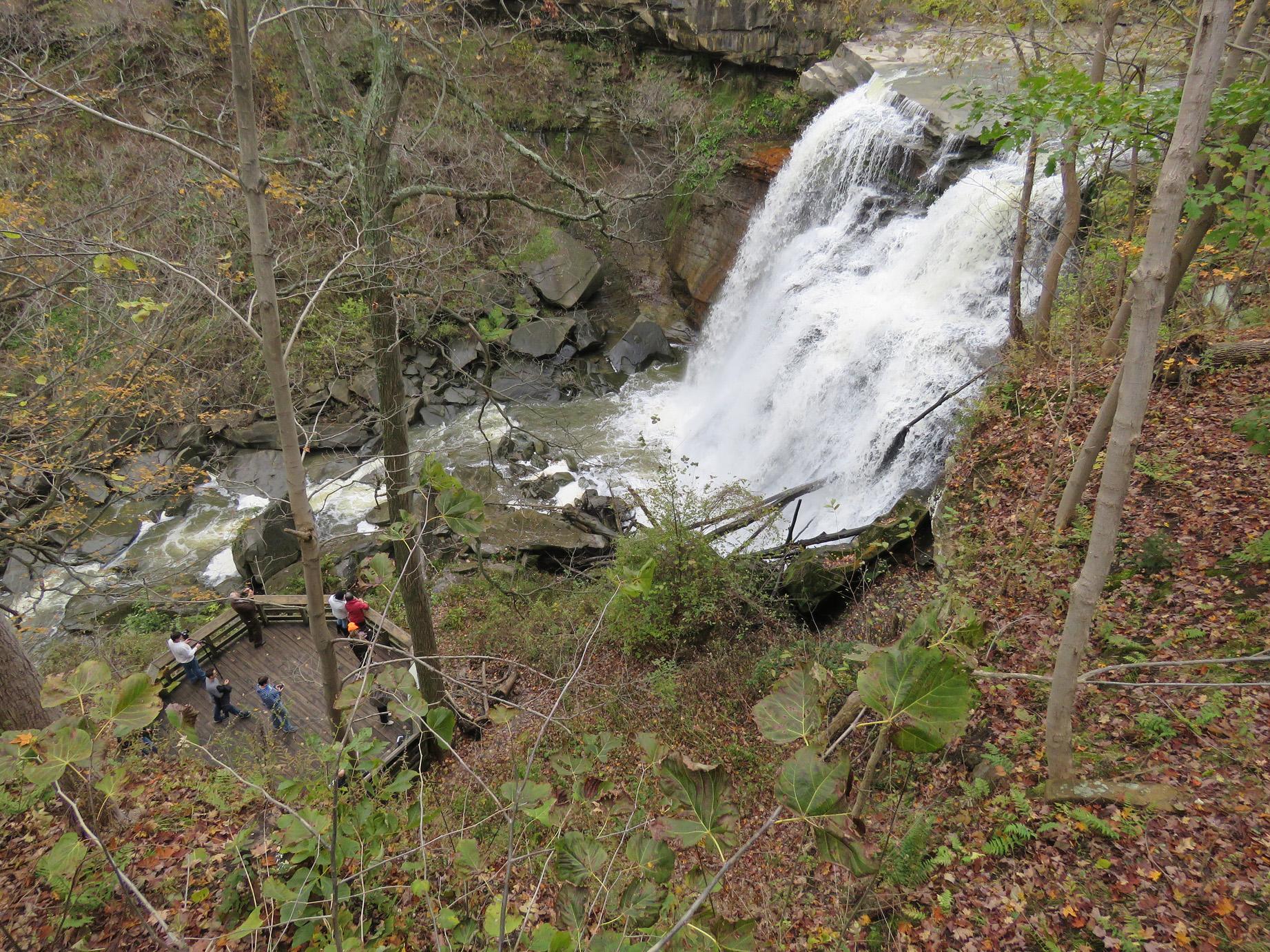
Cuyahoga Valley National Park presents a compelling case for diverse outdoor recreation, complemented by significant cultural programming. The park's varied terrain supports multiple activities. Hikers can explore forested ravines and notable features like Brandywine Falls. Cyclists have access to the historic Towpath Trail, a flat route following the Ohio and Erie Canal, which integrates with a wider trail network. The Cuyahoga River welcomes paddlers in canoes, kayaks, or on stand-up paddleboards, offering a distinct perspective. Birders and wildlife observers will find consistent activity along the river corridor and in wetlands throughout the year. Winter transforms the park into a cold-weather destination, with options for cross-country skiing, snowshoeing, and snow play at Kendall Hills. Its unique inclusion of living history programming and craft demonstrations broadens its appeal, providing a valuable option even in inclement weather. This park offers considerable breadth and access for multiple user types.
Who should go
This park serves Ohio residents well, particularly those in the Cleveland or Akron areas seeking a substantial outdoor experience. Its Junior Ranger program and hands-on activities are well developed for families. Cyclists, paddlers, birders, and winter sports enthusiasts will each find specific, documented reasons to visit. While it makes a rewarding add-on for solo cross-country travelers, it likely does not stand alone as a primary destination.
When to go
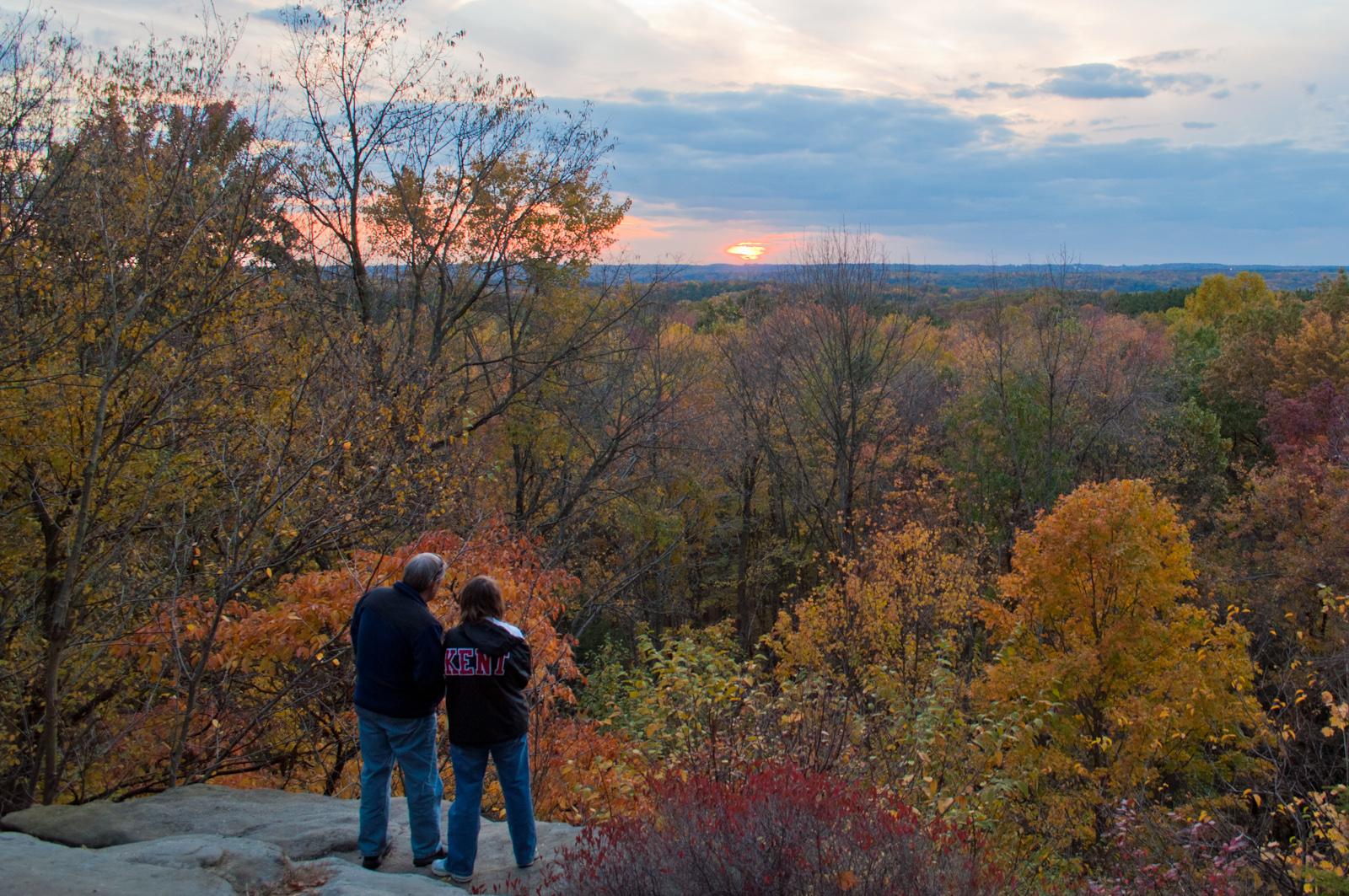
The period from late April to early June presents prime conditions, aligning peak wildflower blooms with significant bird migration, all preceding the onset of summer humidity. Autumn provides consistent foliage and cooler temperatures for hiking, though October nights frequently drop to freezing. While viable, summer visits can contend with both humidity and weekend crowding. Winter warrants consideration for those inclined toward skiing or snowshoeing, given the park's dedicated programming for off-season activities.
Highlights
- Hiking through forested ravines and past Brandywine Falls, one of the tallest waterfalls in Ohio
- Cycling or walking the historic Ohio and Erie Canal Towpath Trail along the Cuyahoga River
- Paddling the Cuyahoga River by canoe, kayak, or stand-up paddleboard
- Winter programming including cross-country skiing, snowshoeing, and sledding at Kendall Hills
- Birdwatching and wildlife watching along the river corridor and wetland areas
- Live music, craft demonstrations, living history, and cultural events that go well beyond a typical park visit
Plan ahead
Admission is free, with 24-hour park access. However, specific attractions like Brandywine Falls, Ledges, and Kendall Lake close at dusk. Given its expansive, dispersed nature, a personal vehicle is essential for navigating trailheads and access points. Consult the NPS site for the current programming schedule; the cultural calendar is highly seasonal.
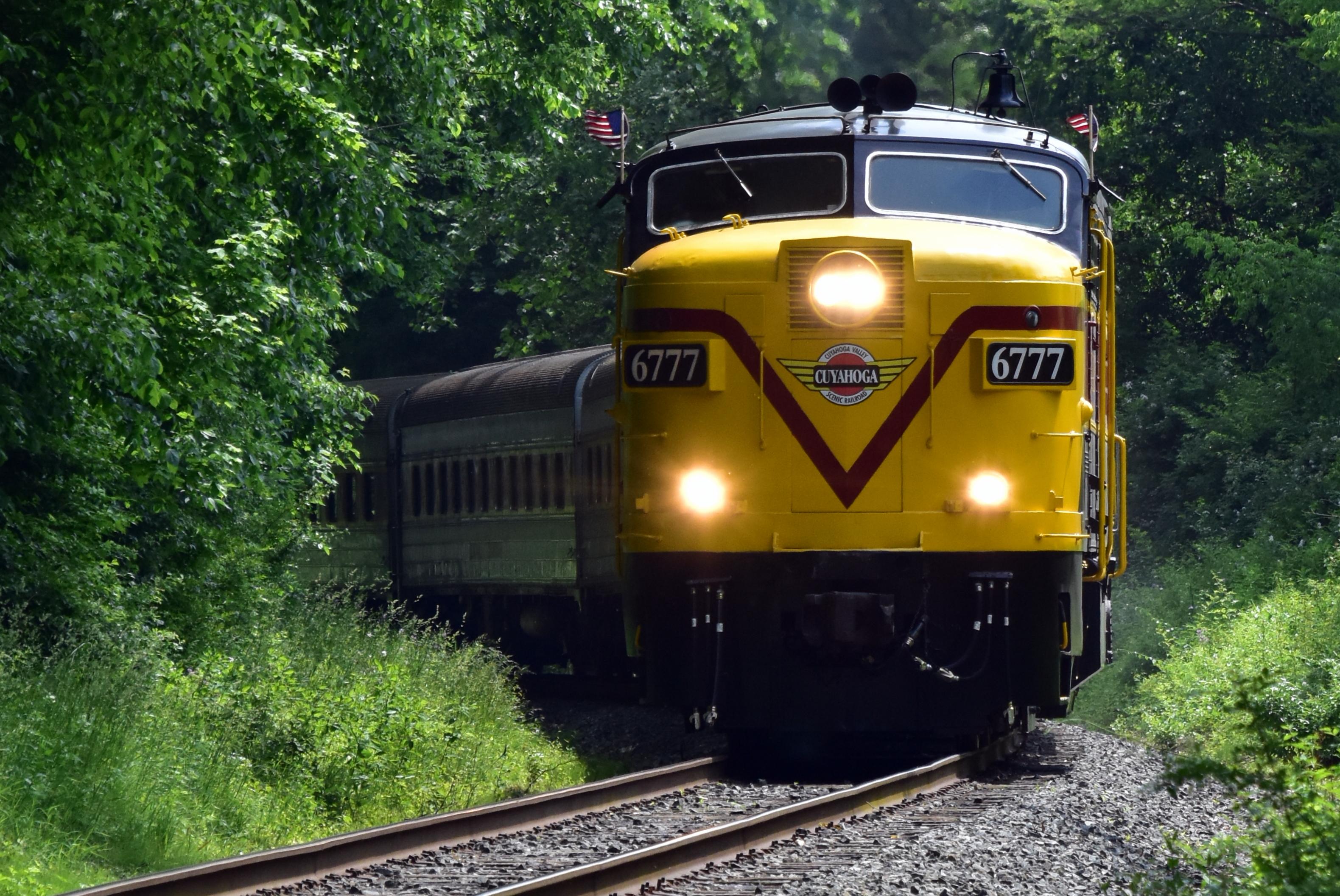
Editor's tipThe Cuyahoga Valley Scenic Railroad dictates the cycling experience here. This historic line offers a unique out-and-back alternative for cyclists. The train allows riders to traverse the Towpath Trail in one direction, then load bicycles onto the train for the return trip. This transforms a linear route into a convenient loop. Without this service, a cycling excursion on the Towpath requires significant backtracking. Casual sightseers should verify train schedules and operational status before planning a cycling trip. This single amenity significantly enhances visitor access and experience.