
Is Historic Jamestowne Part of Colonial National Historical Park worth your trip?
Historic Jamestowne offers an essential, if concise, experience.
This is the authentic 1607 English settlement site, distinct from the nearby Jamestown Settlement reconstruction. The $15 National Park Service fee grants access to active archaeological digs, visible foundations, and a reconstructed church tower. Interpretive signage thoroughly covers early colonial history, including the displacement of Powhatan peoples and the 1619 arrival of enslaved Africans. The site earns an experience score of 27; it is a half-day visit. There are no extensive trails, wildlife programs, or overnight facilities. However, for those seeking a direct connection to early American origins, the opportunity to walk this actively excavated ground is unparalleled. Casual sightseers should look elsewhere.
Why go
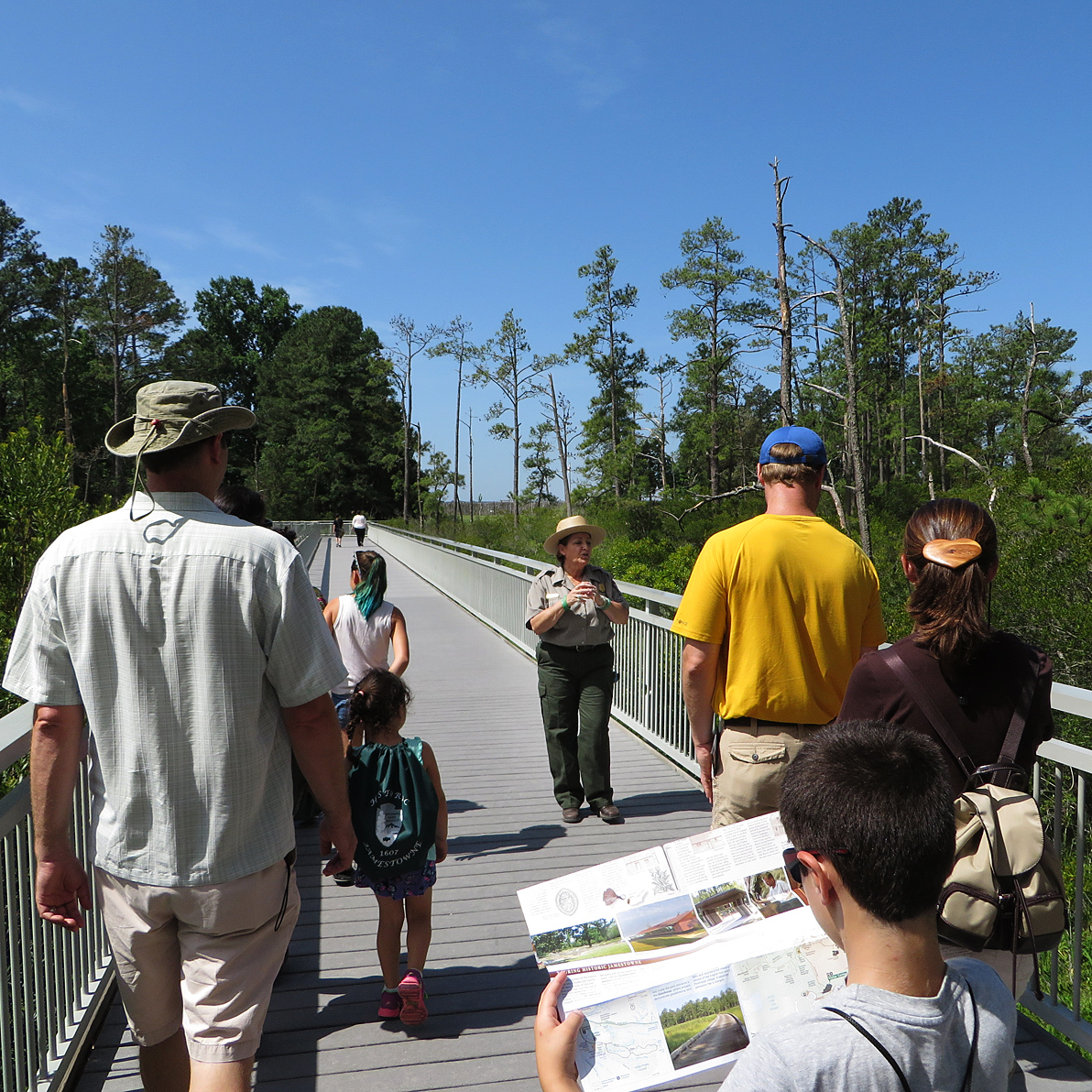
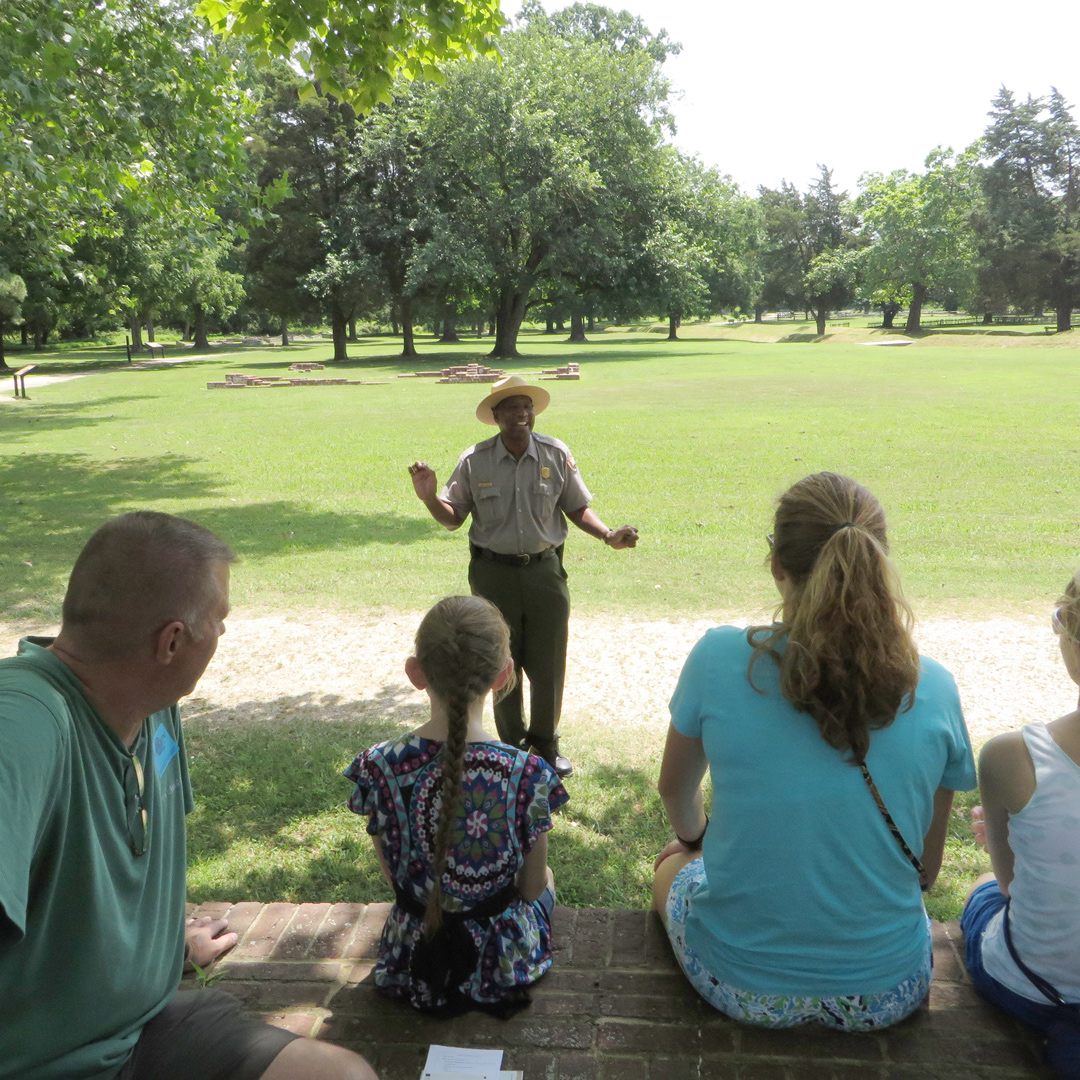
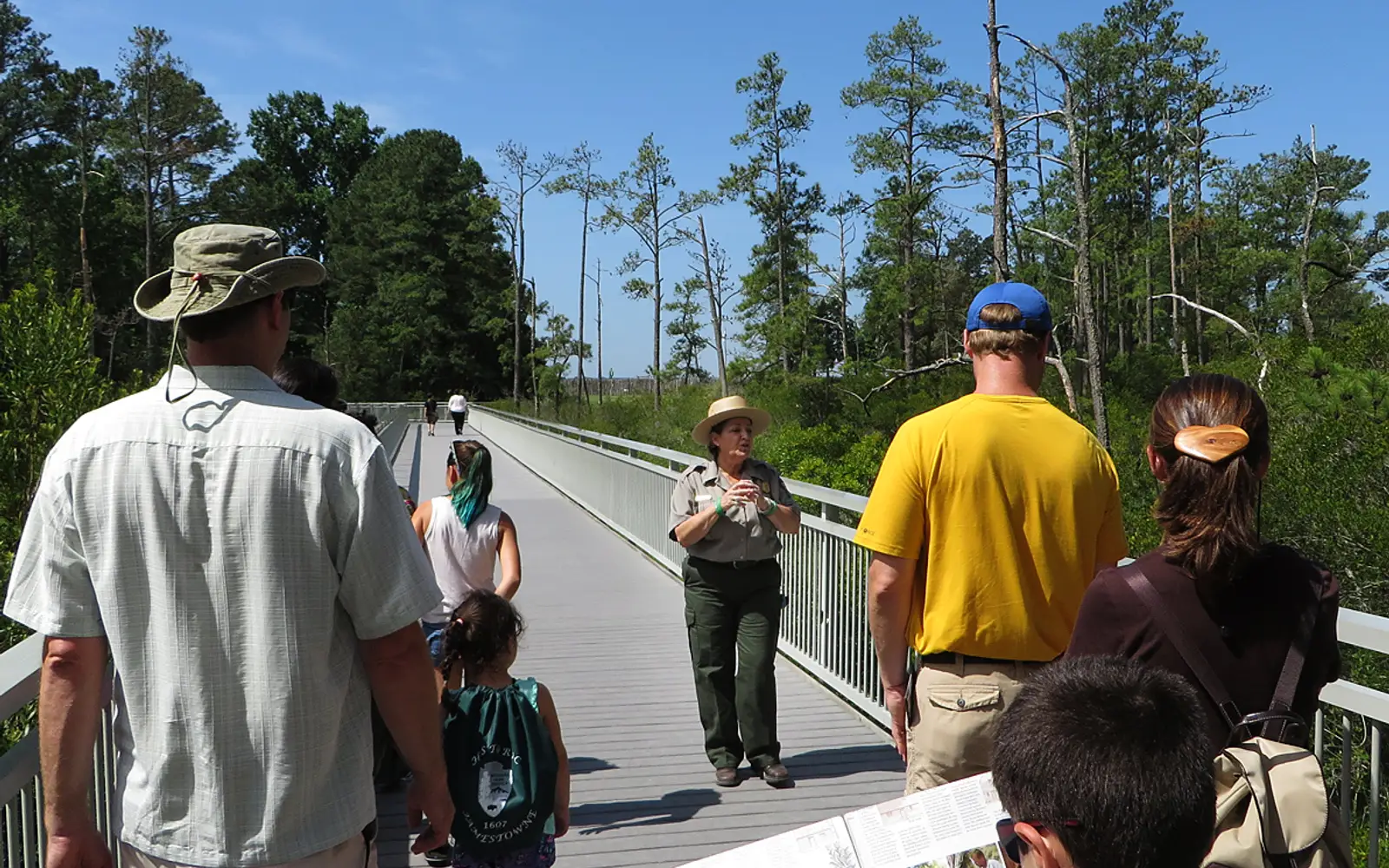
A three-to-four-hour visit provides sufficient time to engage with this site. Beginning at the visitor center for orientation is advised. Consider a ranger-led tour or the self-guided walking route, which features the original fort, the 1639 church tower, and ongoing archaeological work from Preservation Virginia. Living history interpreters and first-person interpretations enhance the historical context beyond static displays. The Junior Ranger program is available for children. The park explicitly addresses the origins of chattel slavery in English North America, offering a more profound historical experience than many colonial heritage sites. This directness elevates the educational value.
Best for
This unit serves as a compelling destination for those drawn to American history. It offers substantial educational value for families with school-age children. For scenic hiking, wildlife viewing, or general outdoor recreation, however, visitors should seek other Virginia park units. This site integrates well into a single-day itinerary alongside Colonial Williamsburg or Yorktown, forming a cohesive historical exploration.
Best season
The exposed nature of the peninsula makes spring and fall ideal for comfortable exploration. Summer heat and humidity will affect nearly all outdoor activities here. Winter provides cooler, quieter visits, though some living history programs operate on reduced schedules. Plan an early arrival; the entrance gate closes daily at 4:30 p.m.
The high points
- Active archaeological excavations of the original 1607 fort site, still ongoing
- Ranger-guided tours that contextualize the full colonial story including Indigenous displacement and the 1619 arrival of Africans
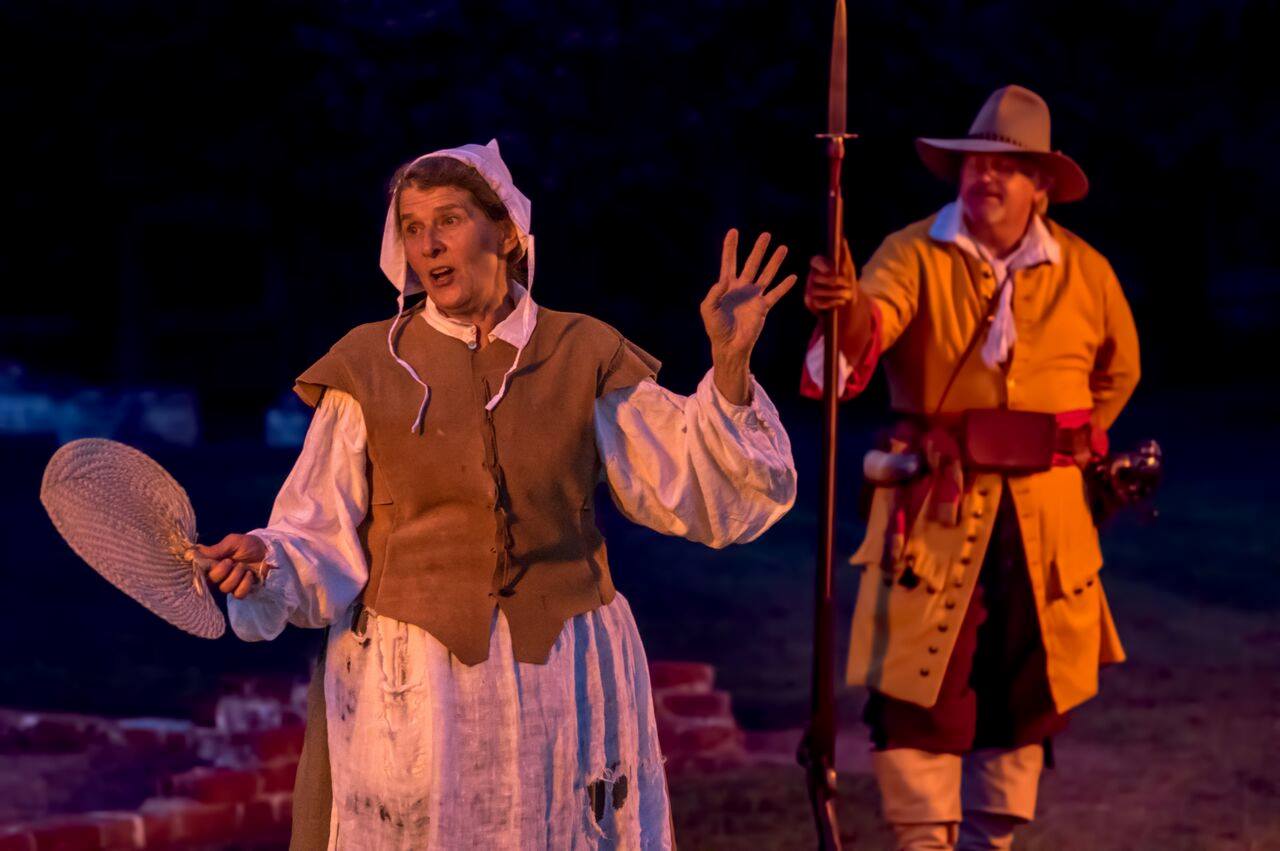
- First-person interpretation and living history bringing specific early colonial figures to life
- The 1639 church tower, one of the oldest standing English structures in North America
- Junior Ranger program structured around the site's real history, not just activity sheets
- Self-guided walking route covering the actual ground of the original James Fort
Know before you go
Admission is $15 per person, collected at the entrance gate. It opens at 8:45 a.m. and closes to new visitors at 4:30 p.m. Plan for a half-day minimum. Parking is available on site. Note that the adjacent Jamestown Settlement is a separate state-run museum with its own admission fee; the two are often confused. This unit suits those seeking a contained historical experience.
One more thingFor those whose interest lies in active archaeological study, weekday mornings present the best opportunity. This schedule significantly increases the chance of observing ongoing excavation work and interacting with Preservation Virginia archaeologists near active dig sites.