Should you visit Harriet Tubman National Historical Park?
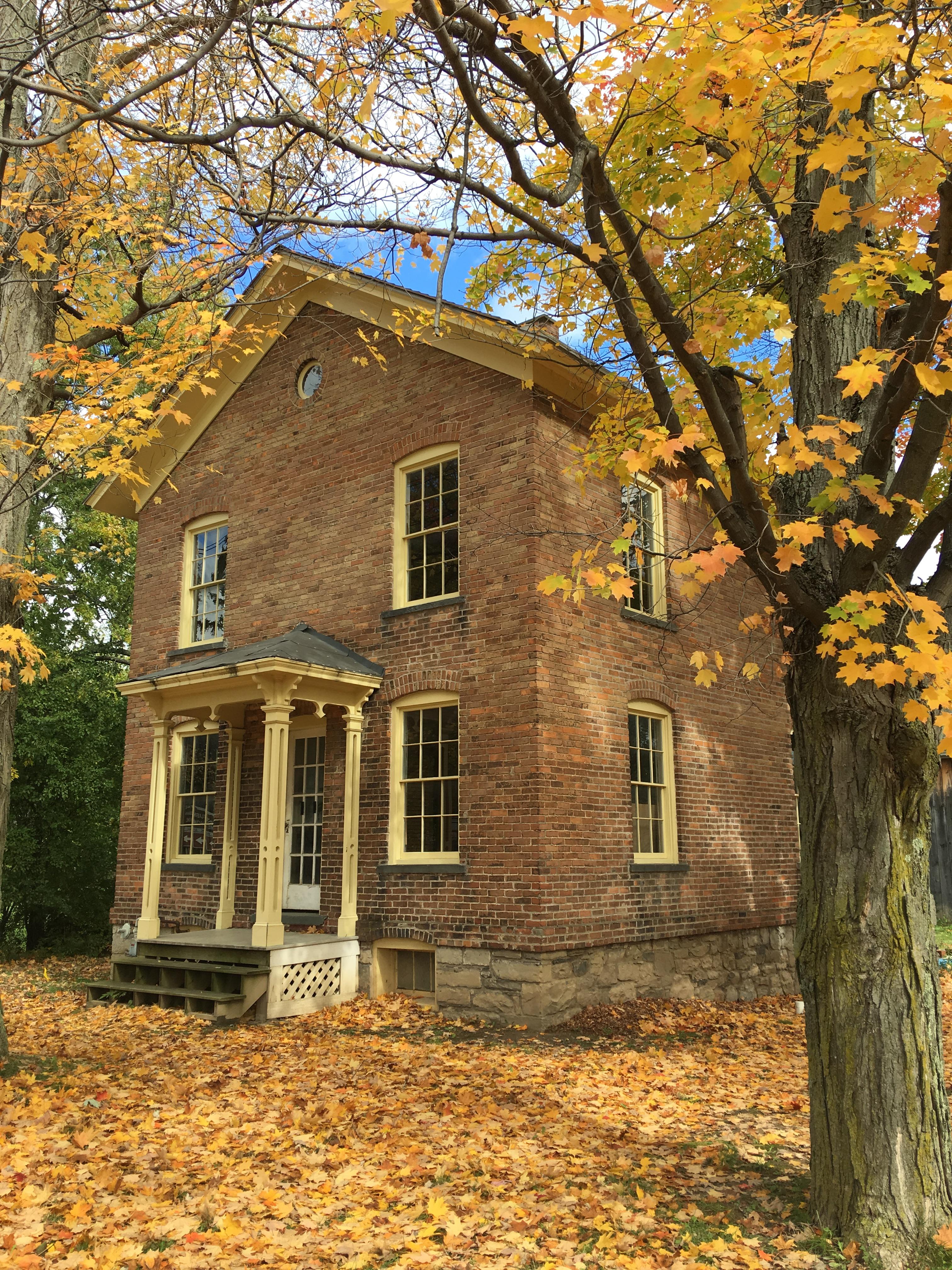
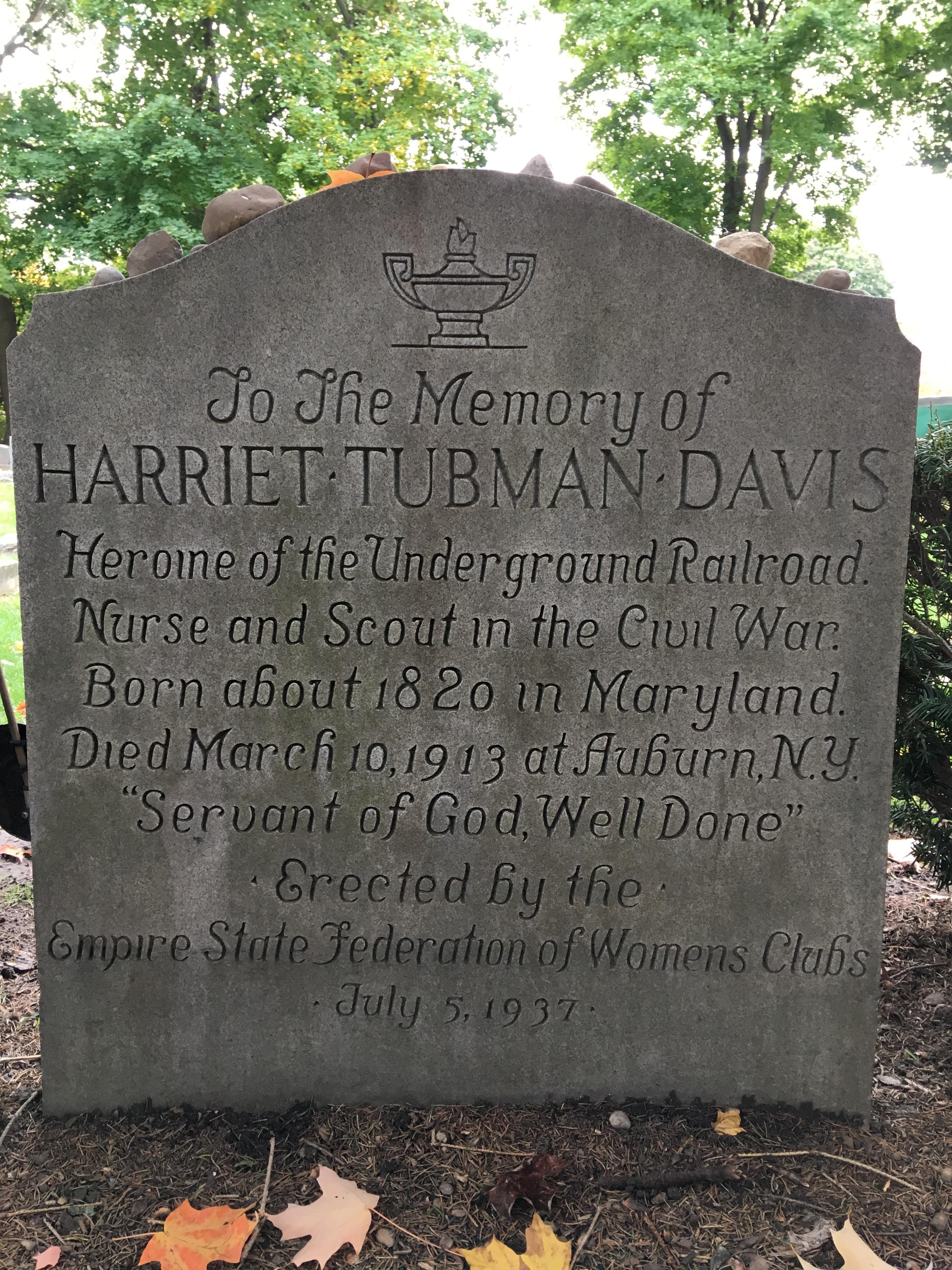
Harriet Tubman National Historical Park in Auburn, New York, presents a focused view into the later life of an American icon.
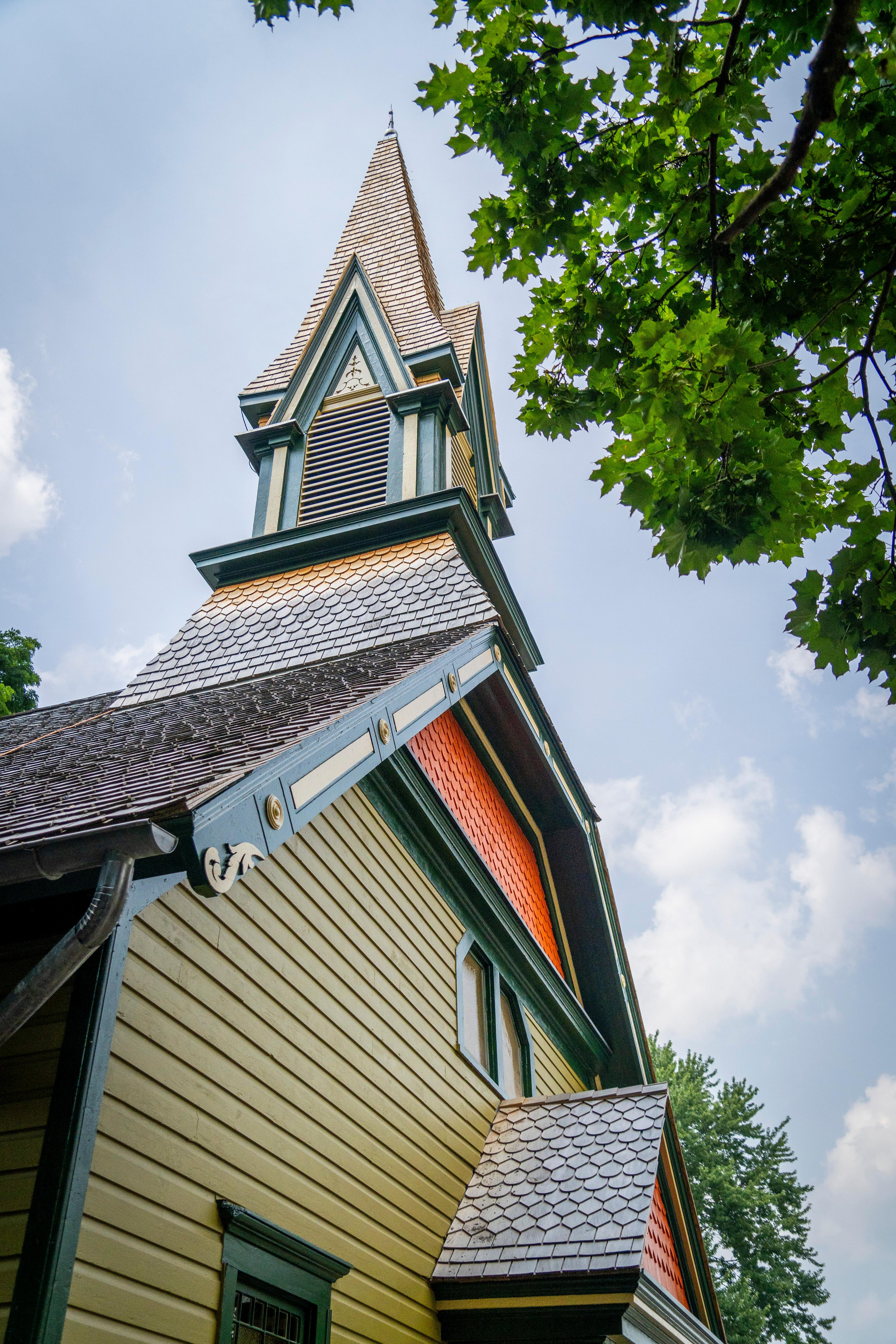
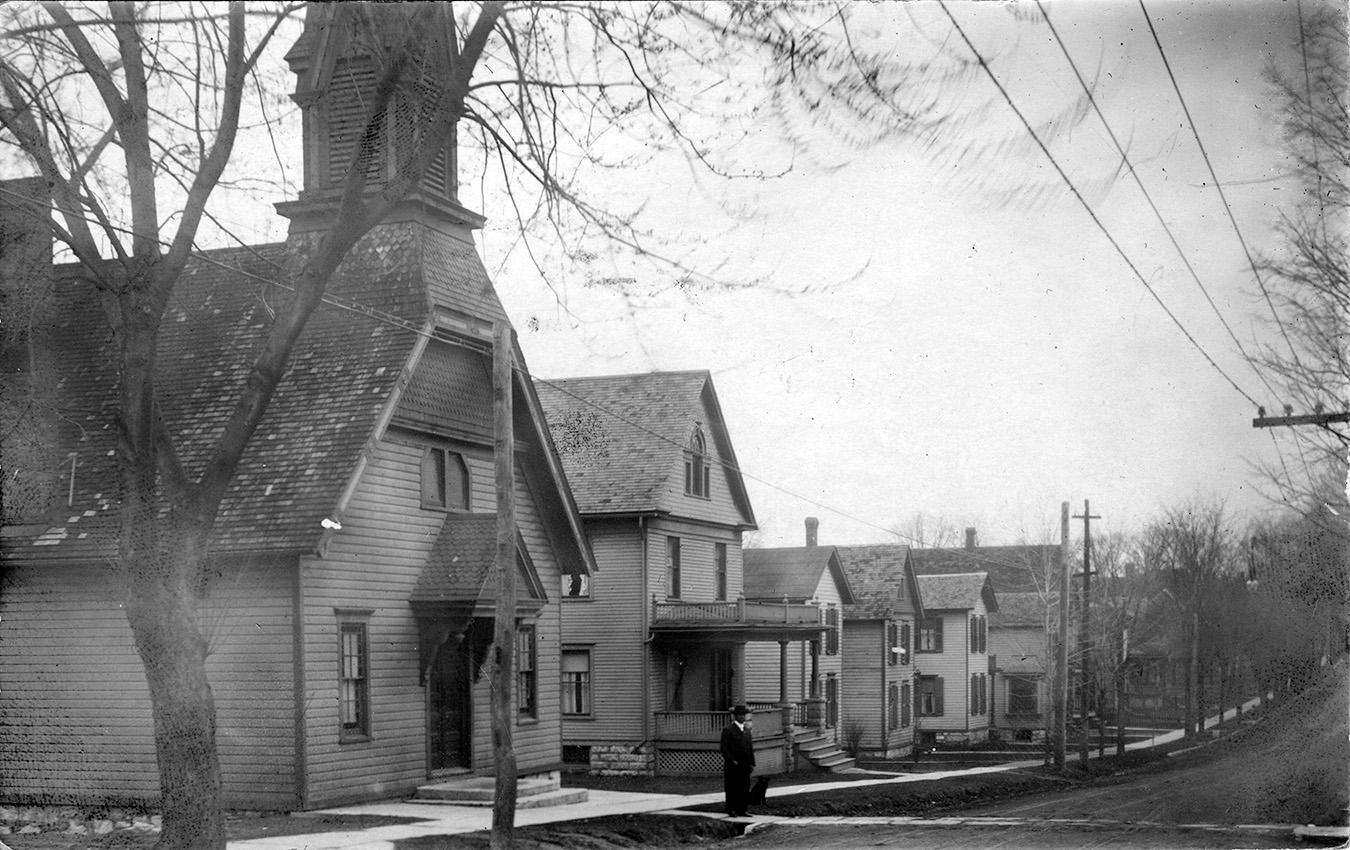
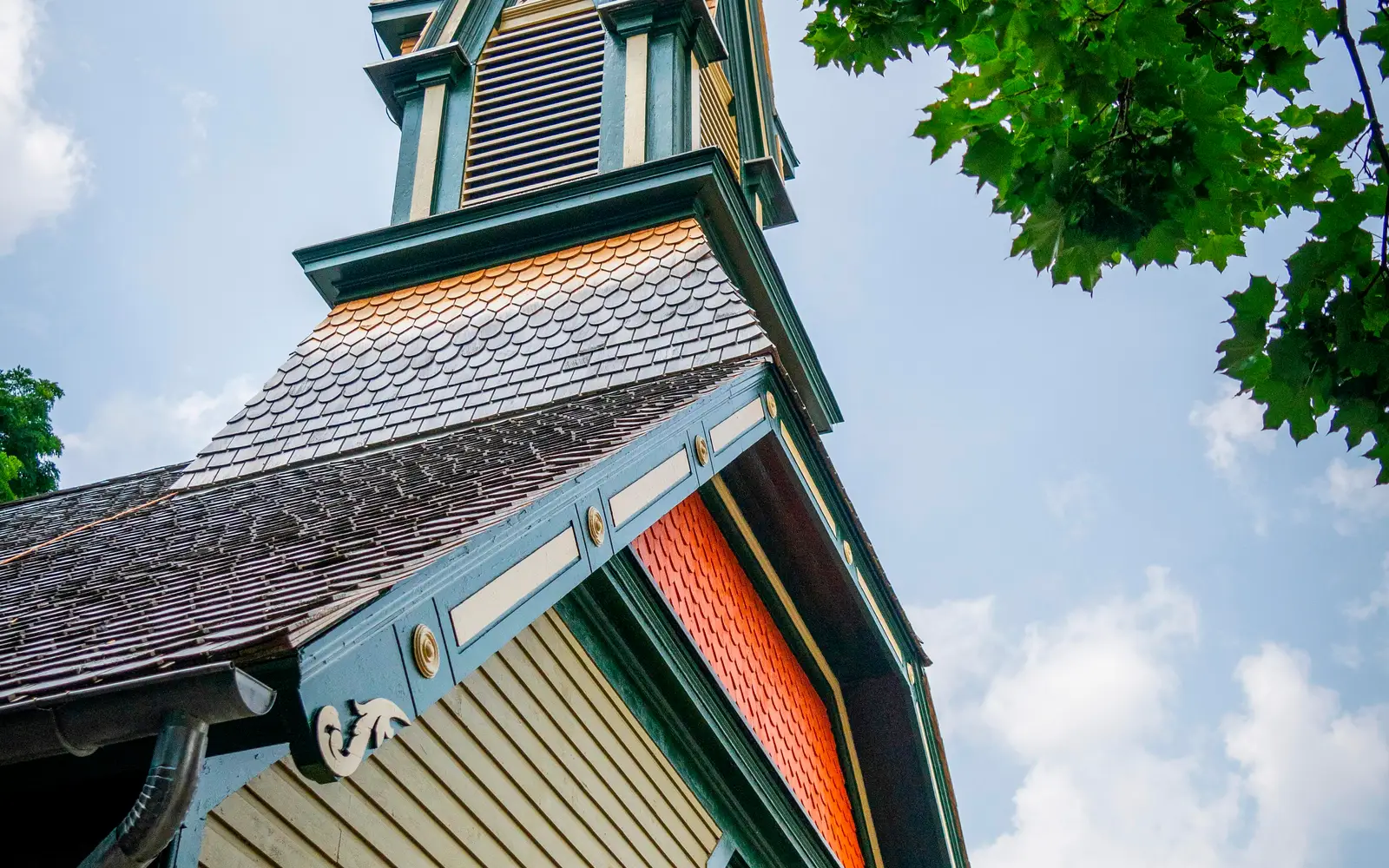
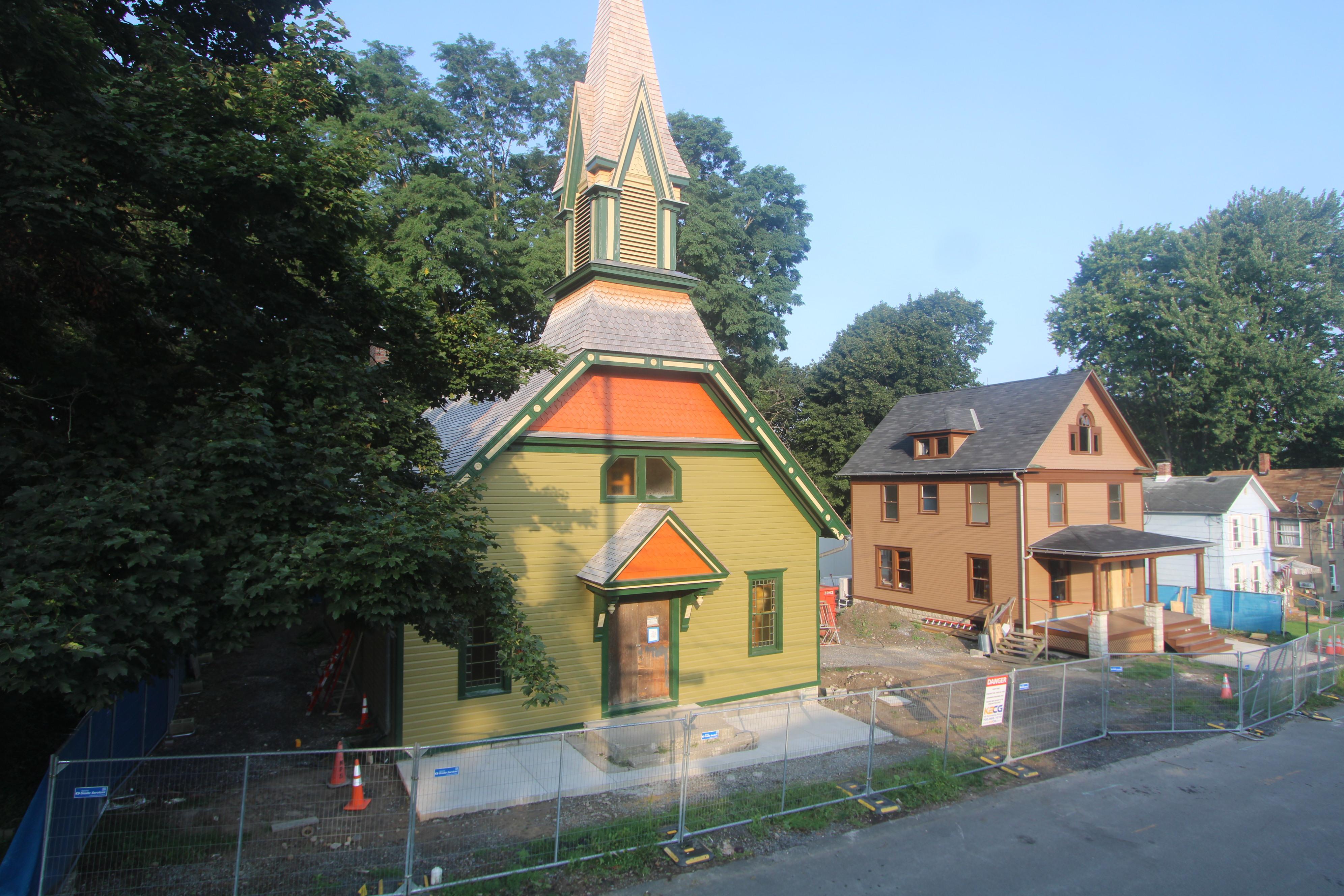
This compact historical site, reflected in its experience score of 52, is centered on the decades Tubman spent in central New York post-Civil War. The main attraction is the Thompson Memorial AME Zion Church on Parker Street, a structure Tubman herself helped fund. This building is available for self-guided tours, offering direct engagement with its history. The visitor contact station operates out of a parsonage. This park is not designed for expansive outdoor recreation; there are no sprawling trails or scenic overlooks. Its value lies in its deep dive into Tubman's continued fight for rights and community building after her work with the Underground Railroad. For those deeply invested in American history, the abolitionist movement, or Tubman's complete legacy, this park offers an invaluable and distinct perspective. Casual sightseers should look elsewhere.
What makes it worth it
This site's core appeal is the historic church itself. Harriet Tubman personally helped construct this building, which served as the anchor of her Auburn community for decades. Museum exhibits expand on her post-Civil War activism, her work for women's suffrage, and her involvement in central New York's progressive networks. The site offers free admission. This makes it an accessible addition to any Finger Lakes itinerary. Visitors can picnic on the grounds or browse the gift shop for books and materials that deepen the historical context. The church stands as a tangible link to Tubman's agency and faith, offering an authenticity no museum exhibit can fully replicate.
Who should go
This park caters to history enthusiasts, educators, and students. Its focus is Harriet Tubman's complete life, not solely her most famous achievement. The data indicates this unit complements the Harriet Tubman Home, another NPS site in Auburn. Casual sightseers and those desiring
When to go
The optimal window for a visit runs from late spring through early fall. Auburn summers are warm and humid, yet generally pleasant. Fall foliage, particularly striking in central New York, provides a scenic backdrop for the surrounding area. Travelers should avoid January. Average snowfall peaks then at 33 inches. Travel conditions can deteriorate rapidly. Spring and fall present mild weather and fewer crowds.
Highlights
- Self-guided tour of the Thompson Memorial AME Zion Church, a building Tubman helped fund
- Visitor contact station in the historic parsonage
- Museum exhibits covering Tubman's post-Civil War life and activism in New York
- Free admission, making it an accessible stop for all visitors
- Gift shop with books and materials for deeper historical research
- Proximity to Auburn's broader network of abolitionist and suffrage history sites
Plan ahead
Entrance is free. The church at 49 Parker Street offers self-guided tours during posted hours. Check current NPS schedules before arrival; small sites may have limited staffing. Auburn is readily accessible by car. Its location in the Finger Lakes region makes it a suitable addition to a broader itinerary.
Editor's tipThis unit is best experienced as part of a broader itinerary. Its offerings integrate tightly with the Harriet Tubman Home, a separate National Park Service unit. A combined visit to both sites provides a fuller perspective than either offers independently. Plan for a half-day to comfortably experience both.