
Harpers Ferry National Historical Park: our verdict
Harpers Ferry National Historical Park presents a focused, boutique experience, evidenced by its Experience Score of 44.
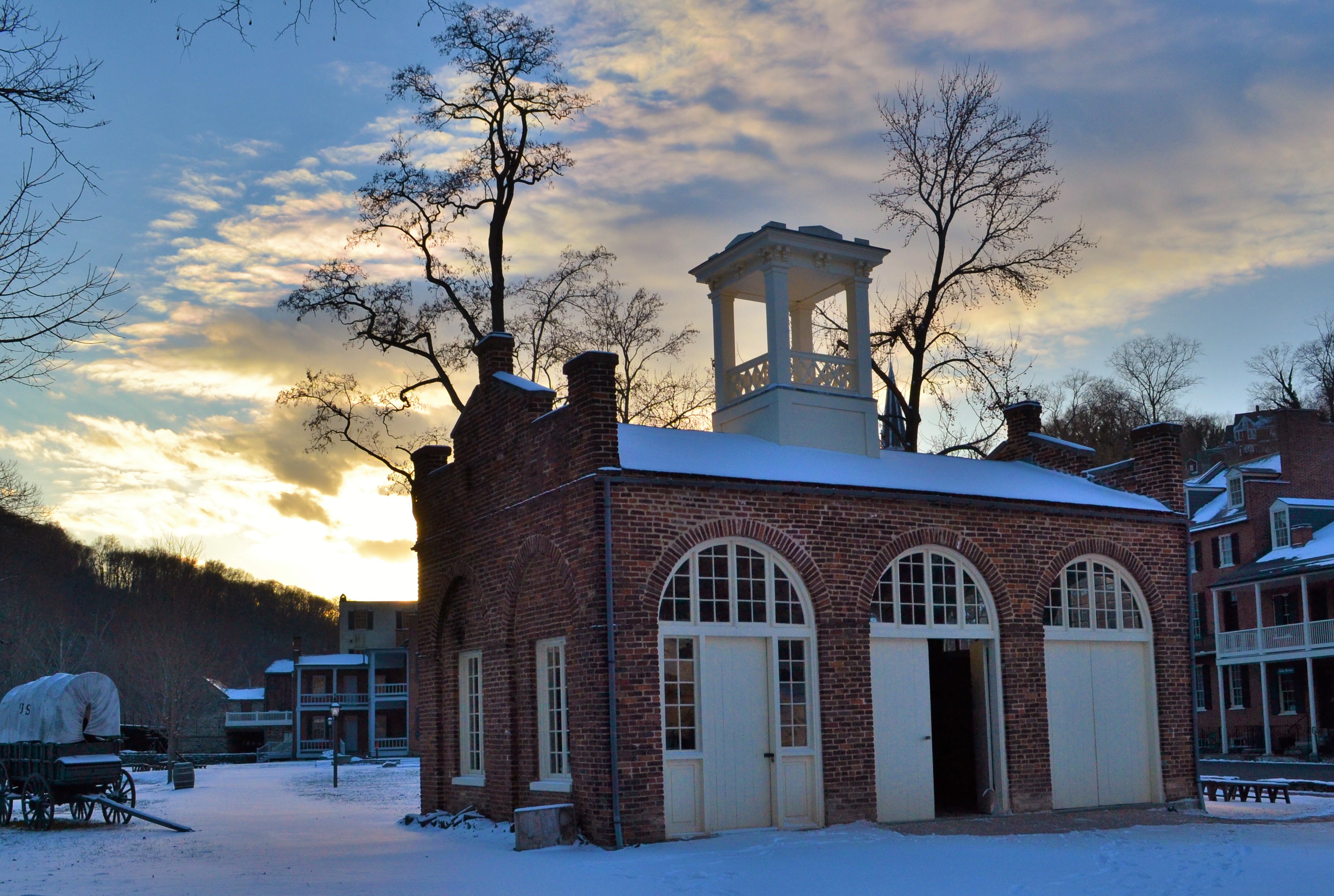
This is a compact, walkable historical park. Its central narrative revolves around John Brown's 1859 raid on the federal armory, a pivotal event preceding the Civil War. The lower town, situated at the confluence of the Shenandoah and Potomac rivers, retains a preserved 19th-century streetscape. The park also expands its historical scope to include Storer College, an early institution dedicated to educating freed Black Americans, thus deepening its civil rights narrative. Hiking trails offer views of the river confluence from surrounding ridgelines. Harpers Ferry caters to history enthusiasts willing to engage with a layered past. Casual sightseers expecting a sprawling wilderness destination should look elsewhere.
Why visit
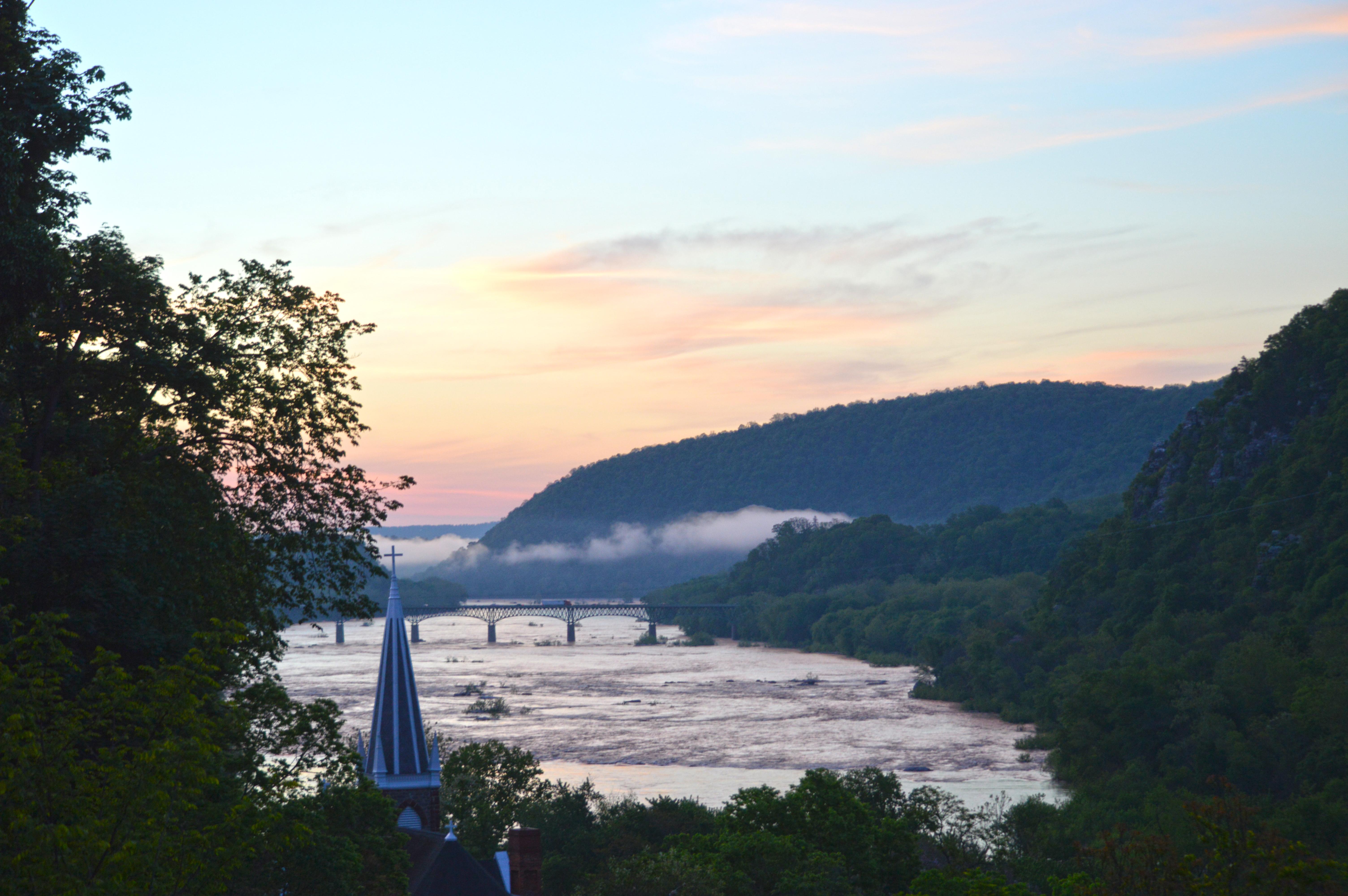
A good day here starts at the visitor center, then moves into the lower town for ranger-led or self-guided tours of the historic buildings tied to John Brown's raid and the armory site. Living history programs put interpreters in period dress, which works especially well for families with school-age children. The Junior Ranger program is substantive and covers the abolitionist and civil rights threads, not just the military history. After the town, trails climb into the Blue Ridge and along Civil War battlefield terrain, offering elevated views of the river confluence that photograph well in any season. The bookstore and park store are genuinely well-stocked for a history park - a good place to find primary-source material on Brown, Frederick Douglass, and Storer College that you will not find at a typical gift shop.
Who it suits
This park offers unusual richness for history enthusiasts, particularly those interested in the Civil War, abolitionism, or early civil rights education. Families with children will find value in its living history programs and Junior Ranger activities. Casual hikers can enjoy a half-day trail featuring scenic river views. However, visitors seeking wilderness immersion, extensive trail systems, or wildlife-focused experiences should consider other regional options.
Timing your visit
Autumn is this park's premier season, with vivid leaf changes painting the Blue Ridge ridgelines above the river confluence. Cooler temperatures make for comfortable hiking. Spring offers wildflowers and manageable crowds. Summer brings high humidity, with weekends becoming busy in the lower town. Winter is quiet and atmospheric; however, some programs operate on reduced schedules.
What stands out
- Ranger-guided tours of John Brown's raid sites in the lower town
- Living history programs with period interpreters covering the abolitionist era
- The Storer College history, connecting the park to early Black higher education and civil rights
- Hiking to ridge-top views of the Shenandoah and Potomac river confluence
- A well-curated bookstore and park store stocked with serious historical titles
- Junior Ranger program that engages meaningfully with slavery, freedom, and civil rights themes
Good to know
The $10 per person entrance fee grants access to a historic experience. This unit operates year-round, closing only for Thanksgiving, Christmas, and New Year's Day. The visitor center and museum maintain consistent hours of 9 a.m. to 5 p.m. Parking is available solely at the visitor center, situated outside the lower town. A shuttle provides transport into the historic district; direct vehicle access to the townsite is not permitted. Visitors should allocate a minimum of three to four hours to fully engage with the historical offerings. For those seeking immediate drive-up access, this is not the destination.
Insider tipVisitors often overlook the Storer College exhibits, drawn instead to the John Brown story. This is a mistake. Budget time specifically for the Storer College thread. The park's civil rights narrative, spanning Reconstruction through the early 20th century, stands as one of the National Park System's most underappreciated historical accounts. It merits close attention.