parkverdict
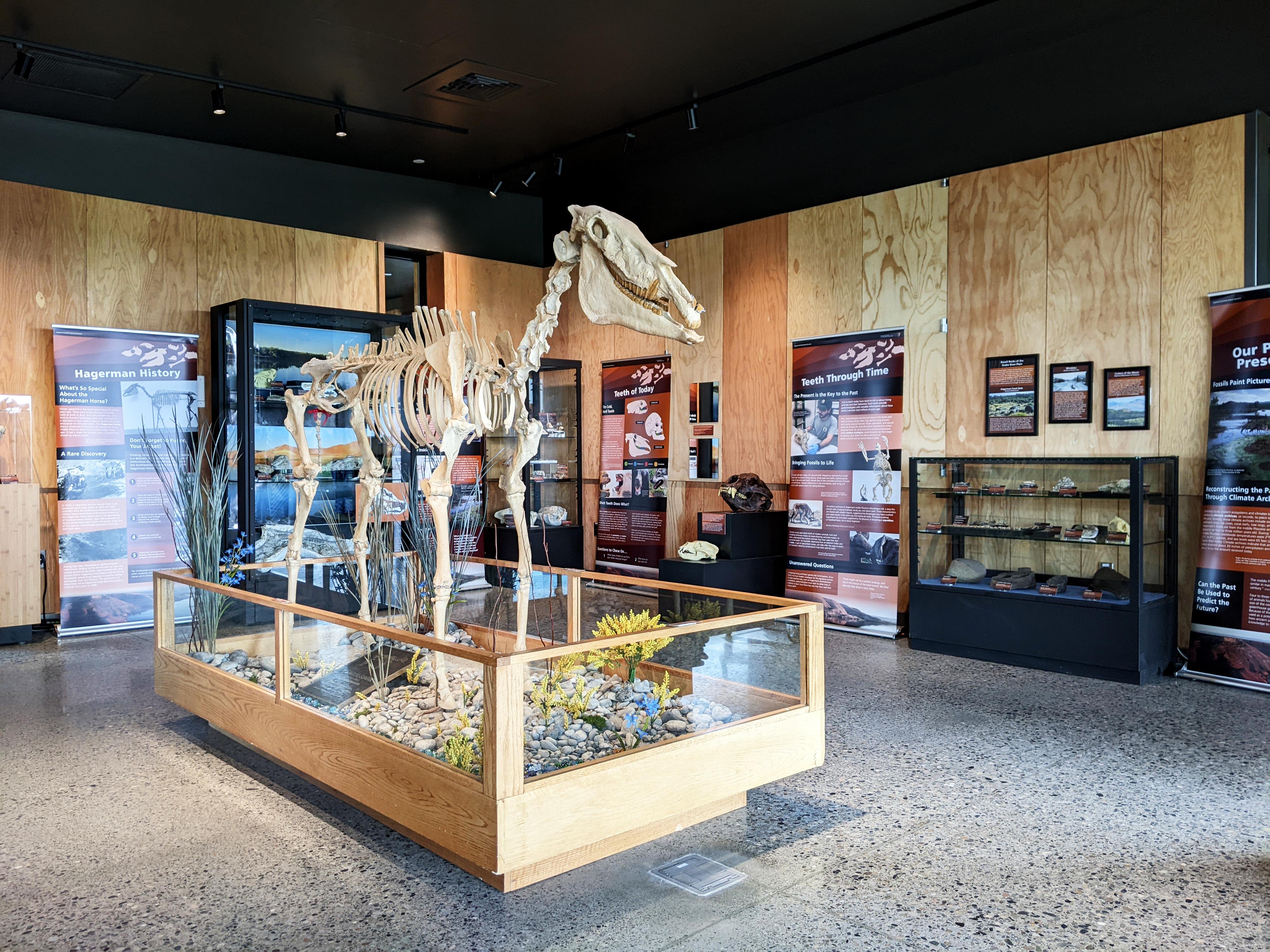
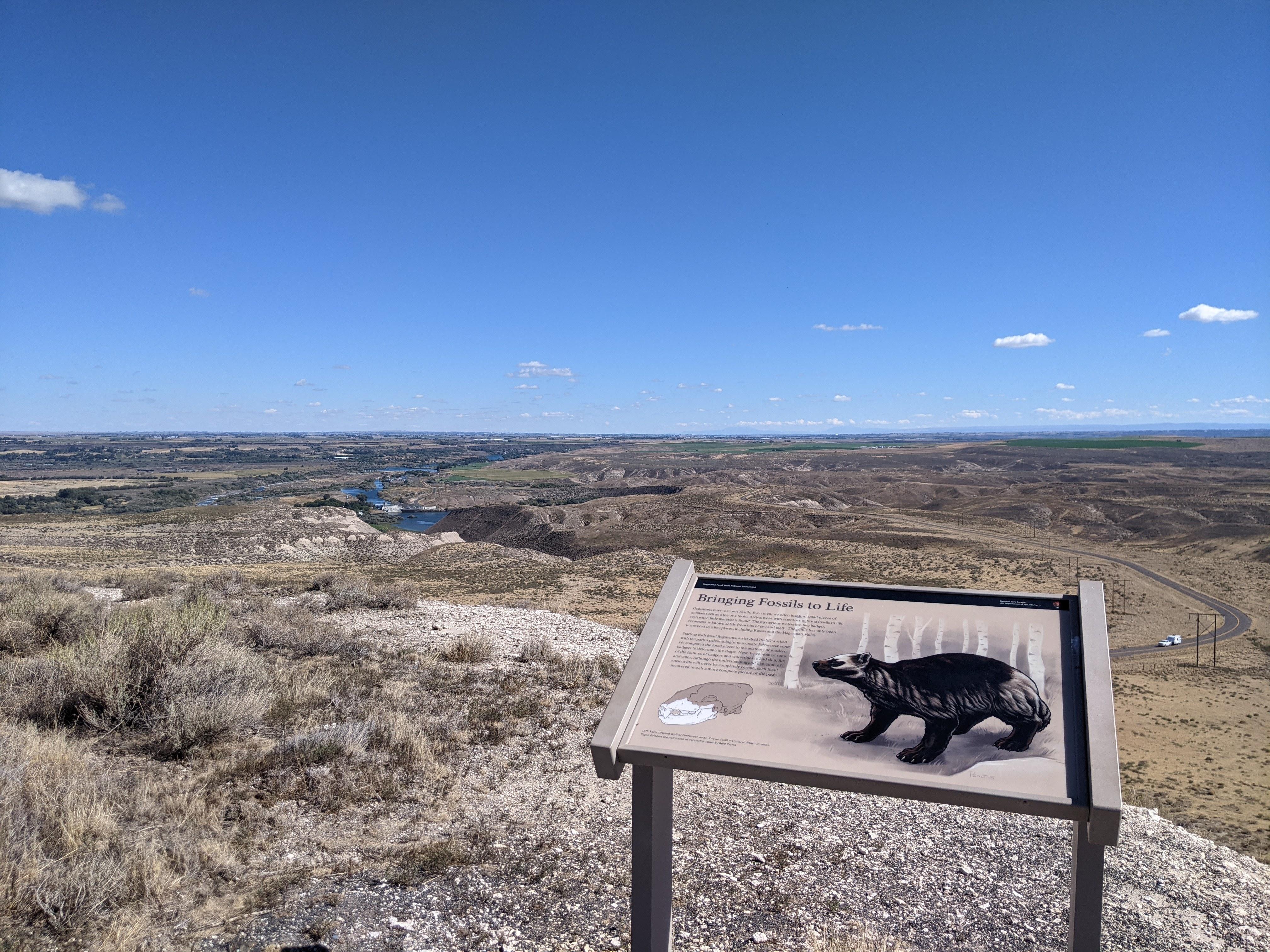
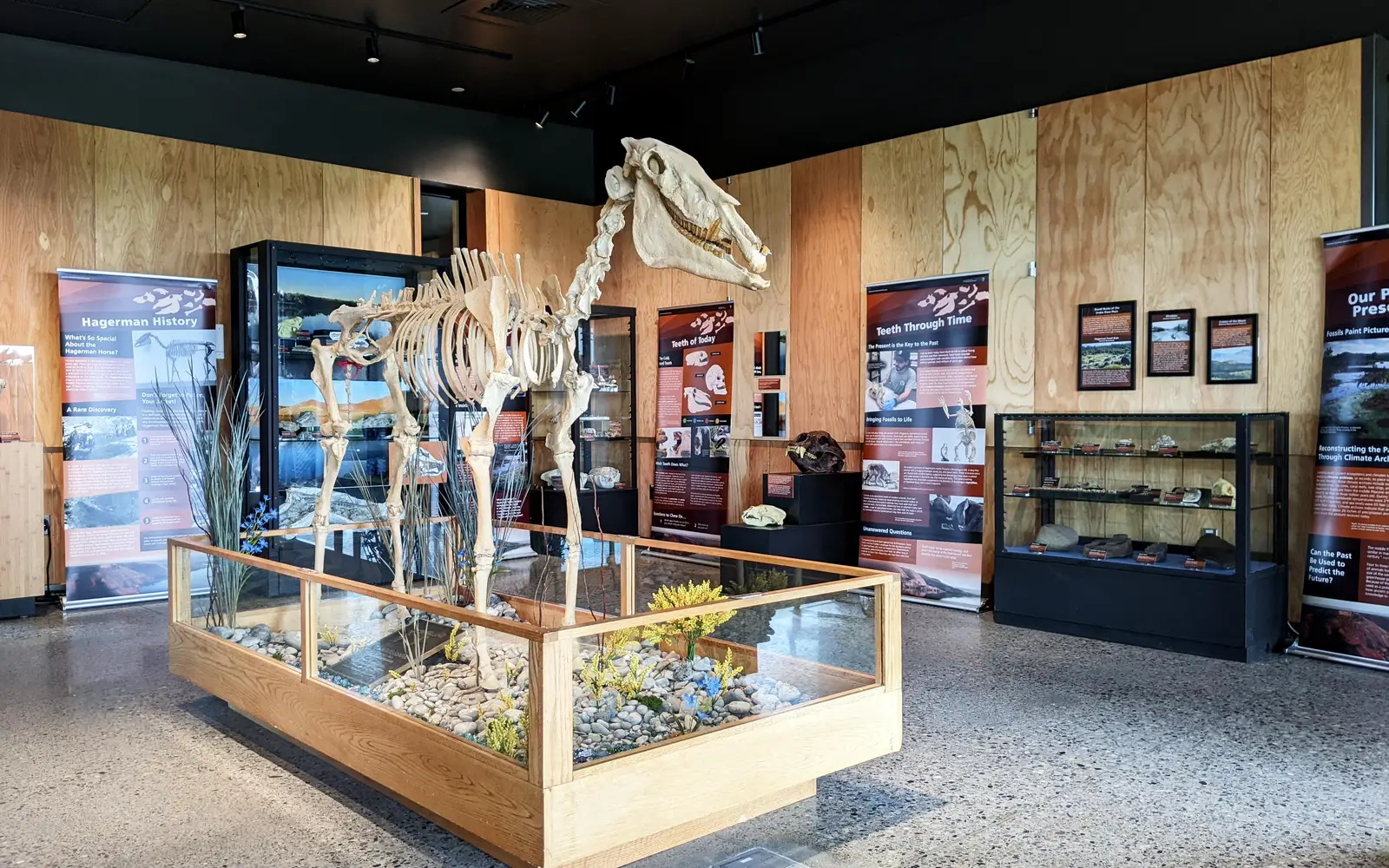
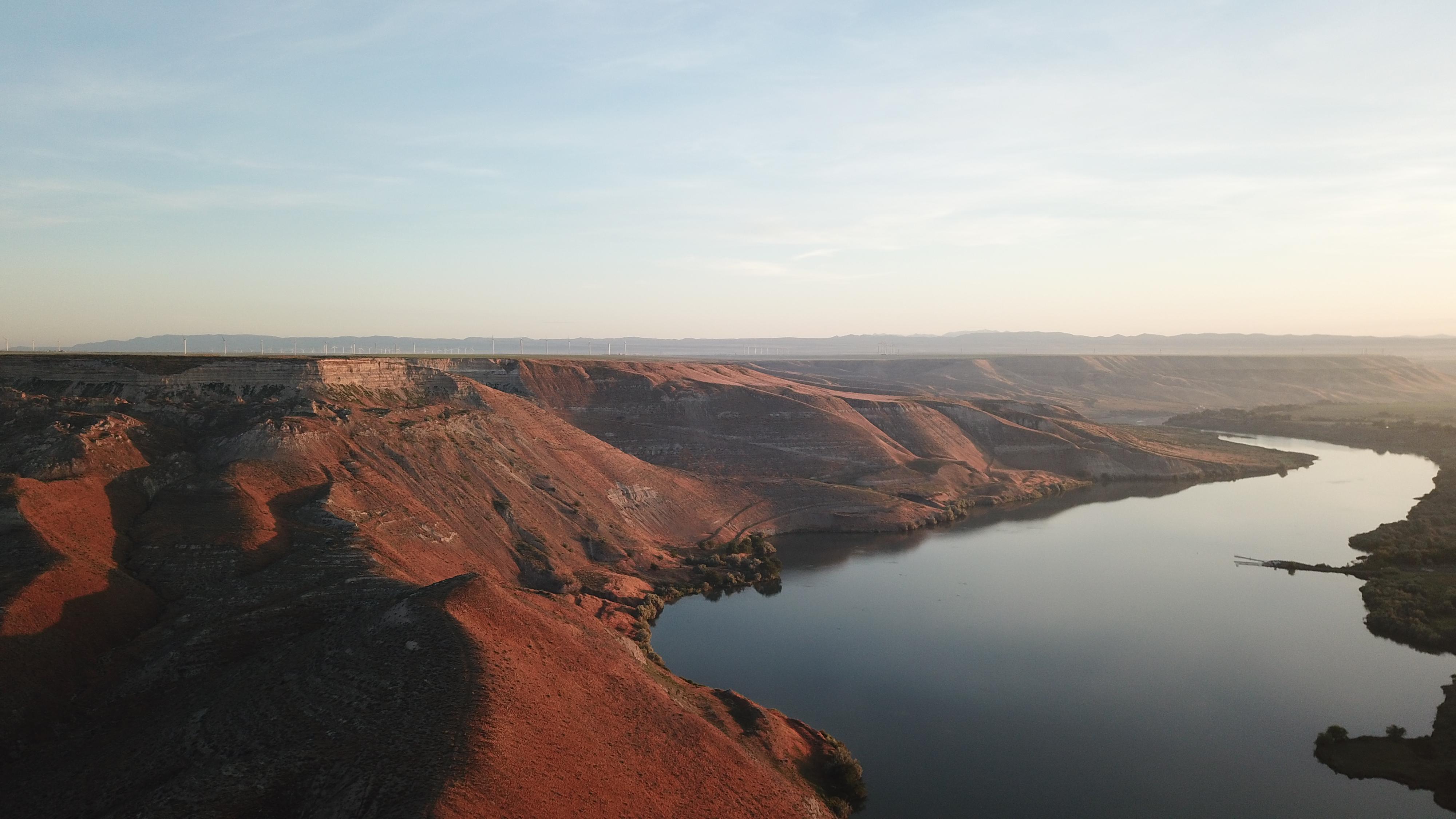
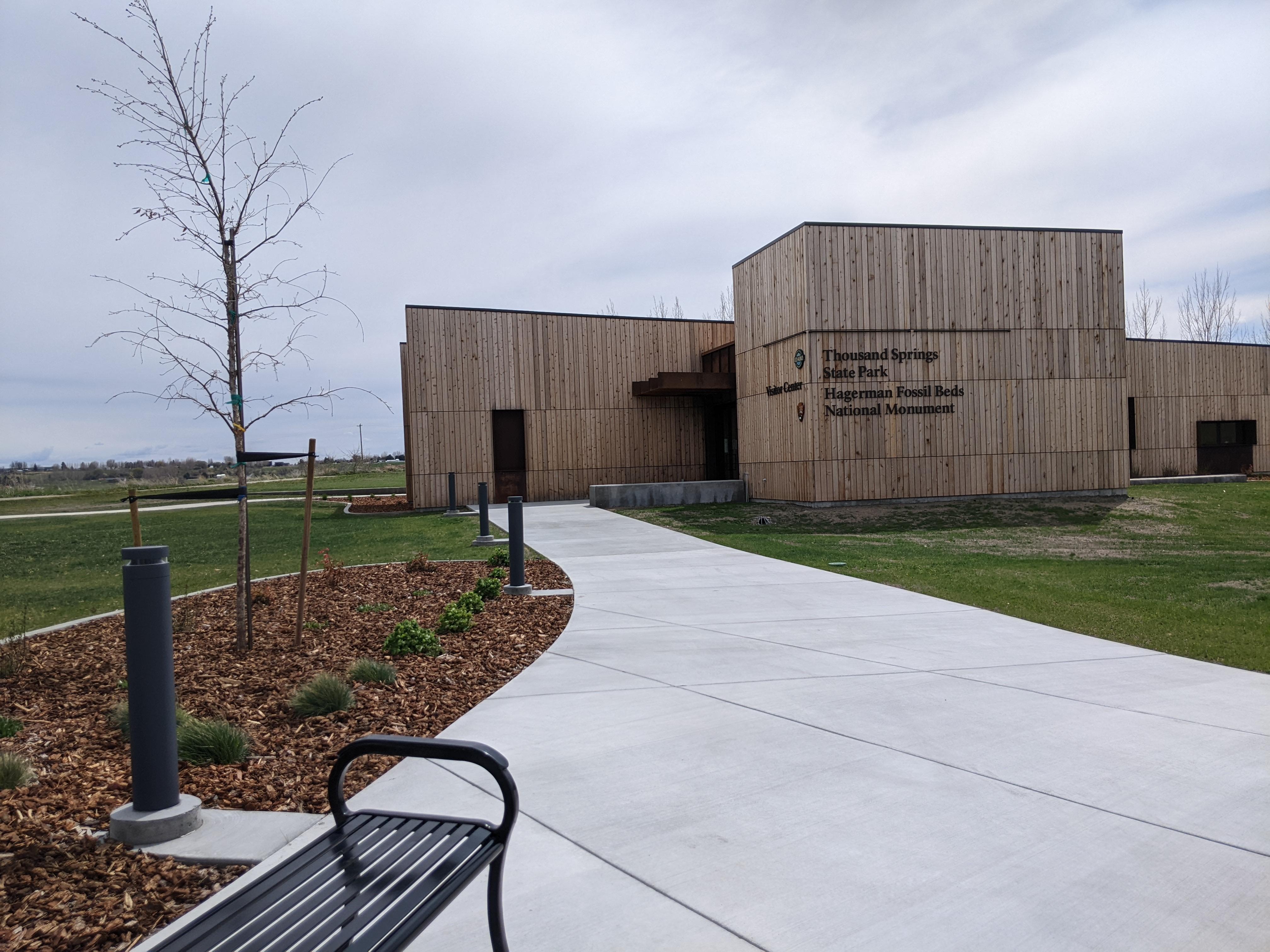
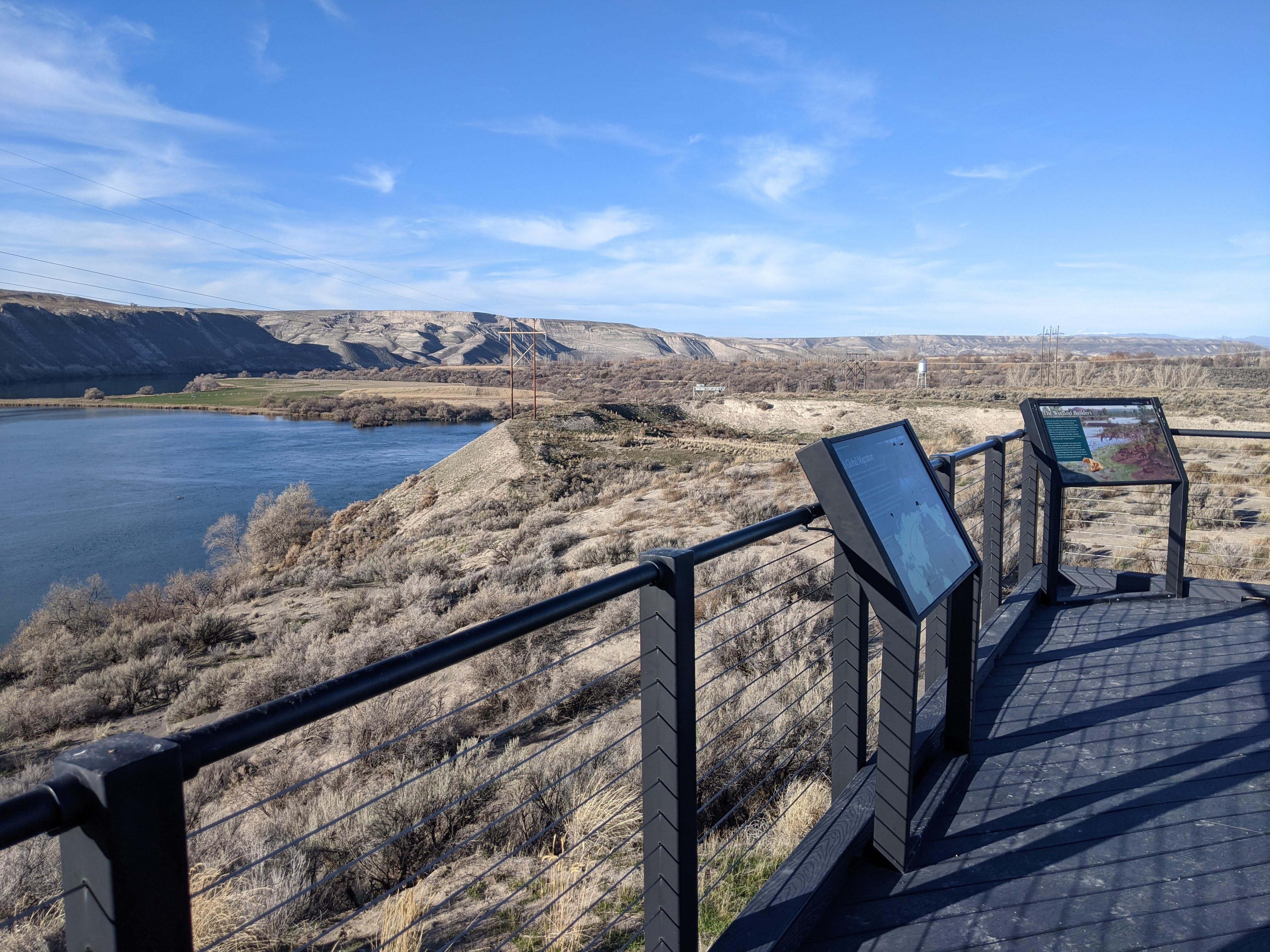
A fossil horse stands in the center of a room filled with posters and display casesSteep, rocky bluffs line a river, awash in warm sunset colorsA sidewalk leads to a boxy, wood-paneled building labelled as "visitor center"A wooden platform with railing, along with two exhibit signs, overlooks the river and fossil beds.
National MonumentID

Hagerman Fossil Beds National Monument

NPS / NPS/S. Lacy
67/ 100GOOD RANGE
parkverdict Experience ScoreIndependent, not sponsored

67 of 100. Our independent breadth-and-access index. How we score

Worth it?

Is Hagerman Fossil Beds National Monument worth it?

Hagerman Fossil Beds is a paleontology monument on the Snake River Plain in southern Idaho, centered on a Pliocene-era fossil record that includes the Hagerman Horse, one of the oldest known ancestors of the modern horse.

The experience is quiet. You drive to overlooks above the Snake River canyon, walk short trails, and spend time at a small but well-executed visitor center with museum exhibits. The scenery is stark high-desert rimrock, which has its own appeal, but the real draw is intellectual: getting your head around what actually lived here 3.5 million years ago. At an experience score of 67, this is not a full-day destination on its own. It suits curious travelers best, along with families whose kids are into prehistoric life, and road-trippers cutting through southern Idaho who want something genuinely strange to break up the drive.

The case for it

Begin at the visitor center. The museum exhibits there give you real scientific grounding for what you will see from the overlooks, and that context matters here because the geology carries most of the story. If a guided tour is running, take it, since guides cover ground a self-guided walk simply cannot. The scenic drive along the Snake River corridor puts the fossil-bearing bluffs right in front of you, and the Pliocene timeline starts feeling like an actual span of time rather than a number printed on a placard. Down along the river, the wildlife watching and birdwatching bring a living quality to a place otherwise defined by ancient death. Picnicking with canyon views is genuinely pleasant. For families, the junior ranger program makes this a surprisingly strong stop, giving kids a structured reason to look closely at what might otherwise seem like a field of dirt and rock.

Who it is for

Fossil fans, natural history buffs, families with kids drawn to the junior ranger program, and road-trippers on US-30 will find this place genuinely worthwhile. If you want strenuous hiking, backcountry scenery, or a full day outdoors, though, it will leave you wanting more. Pair it with a nearby stop rather than treating it as your only destination.

Best time to visit

Spring and fall are the times to go. Hagerman gets only 10 inches of rain a year and 213 sunny days, so weather is rarely the problem, but July highs near 94 degrees turn a midday walk to the overlooks into something you will regret. Winter lows around 22 degrees, combined with unmaintained trails and icy overlooks, cut off real access for most visitors. Late April through early June and September through October hit the sweet spot: comfortable temperatures and trails you can actually count on.

Worth seeing

  • Museum exhibits at the visitor center documenting one of North America's richest Pliocene fossil sites
  • Scenic overlook drives above the Snake River canyon framing the fossil-bearing bluffs
  • Self-guided walking trails connecting the overlook viewpoints
  • Guided tours that provide scientific context unavailable from signage alone
  • Birdwatching and wildlife watching along the Snake River corridor
  • Junior Ranger Program that gives families and kids a structured, engaging entry point into paleontology

Before you visit

Getting in costs nothing. The overlook road is public and stays open around the clock, but the overlook itself closes at dusk, and trails go unmaintained through winter and wet conditions. Check current status before heading out. The visitor center runs on its own schedule and adds useful context, so confirm its hours before you settle on an arrival time.

Our tipRanger-led tours are worth timing your visit around if you can manage it. The fossil beds visible from the overlooks are easy to walk right past without knowing what you are looking at, and a ranger can take an ordinary bluff and show you exactly what happened there, millions of years ago.

How we scored it

Why Hagerman Fossil Beds National Monument scores 67

We keep the math boring on purpose. The same handful of public-data inputs, capped so none of them dominates, decide every score. What they measure is breadth and access, not beauty and not crowd levels. For Hagerman Fossil Beds National Monument, they shook out like this:

  • Activity breadth14 documented activities
  • Topic breadth7 topics
  • Official imagery5 public-domain images
  • Camping on sitenone recorded
  • Entry costfree

No number is hand-adjusted and no unit pays for placement. The full weights, the floor at 18 and a worked example are on how we score.

The honest limits

What the score cannot tell you

A quick honest note. The score tracks how much a place has going on and how easy it is to reach, both pulled from public records. What it cannot see is the stuff that often makes or breaks a day: whether the views stop you cold, how packed it gets in season, what the trails are like after rain, or whether you catch a great ranger talk. A small, single-focus site can land below a sprawling park here and still be the better call for your trip. Use the number to compare what places offer on paper, and the verdict up top to tell if it is your kind of place.

Background

The short version

Walk through Hagerman today and you would not recognize it as the same place that existed during the Pliocene. Wetlands, forests, and grasslands once covered this region, sheltering a wide range of animals, some now extinct, including the saber-toothed cat, mastodon, and ground sloth. Others would look familiar enough, like horses, beavers, and birds. Those fossils from that period are the whole point of Hagerman.

On documented breadth and access, Hagerman Fossil Beds National Monument ranks 9th of 17 park and public-land units we score in Idaho.

What the seasons are like

Hagerman, Idaho averages only 10 inches of rain a year and sees 213 sunny days. July highs push around 94 degrees, and January lows can fall to 22. On the comfort index, a measure of how humid things get during the hot months, Hagerman scores 78 out of 100 compared to the US average of 44. The higher the score, the better the conditions.

What you can do

Activities

Auto and ATVScenic DrivingFoodPicnickingGuided ToursSelf-Guided Tours - WalkingHikingFront-Country HikingJunior Ranger ProgramWildlife WatchingBirdwatchingMuseum ExhibitsShoppingGift Shop and Souvenirs
Common questions

Hagerman Fossil Beds National Monument: quick answers

Is Hagerman Fossil Beds National Monument worth visiting?

Hagerman Fossil Beds is a paleontology monument on the Snake River Plain in southern Idaho, centered on a Pliocene-era fossil record that includes the Hagerman Horse, one of the oldest known ancestors of the modern horse.

Is Hagerman Fossil Beds National Monument free to visit?

It is free to get in.

What is Hagerman Fossil Beds National Monument best for?

It leans hardest toward hiking, good with kids, wildlife watching, scenic drives, going by the 14 activities it actually documents.

When is the best time to visit Hagerman Fossil Beds National Monument?

Spring and fall are the times to go.

How is the Experience Score for Hagerman Fossil Beds National Monument calculated?

The 67 comes straight from public data on how much the place documents and how easy it is to reach, things like activities, topics, photos, camping and whether entry is free. It says nothing about scenery or how busy it gets.