Is Great Smoky Mountains National Park worth your trip?
Great Smoky Mountains National Park earns its standing as the most visited national park in the United States.
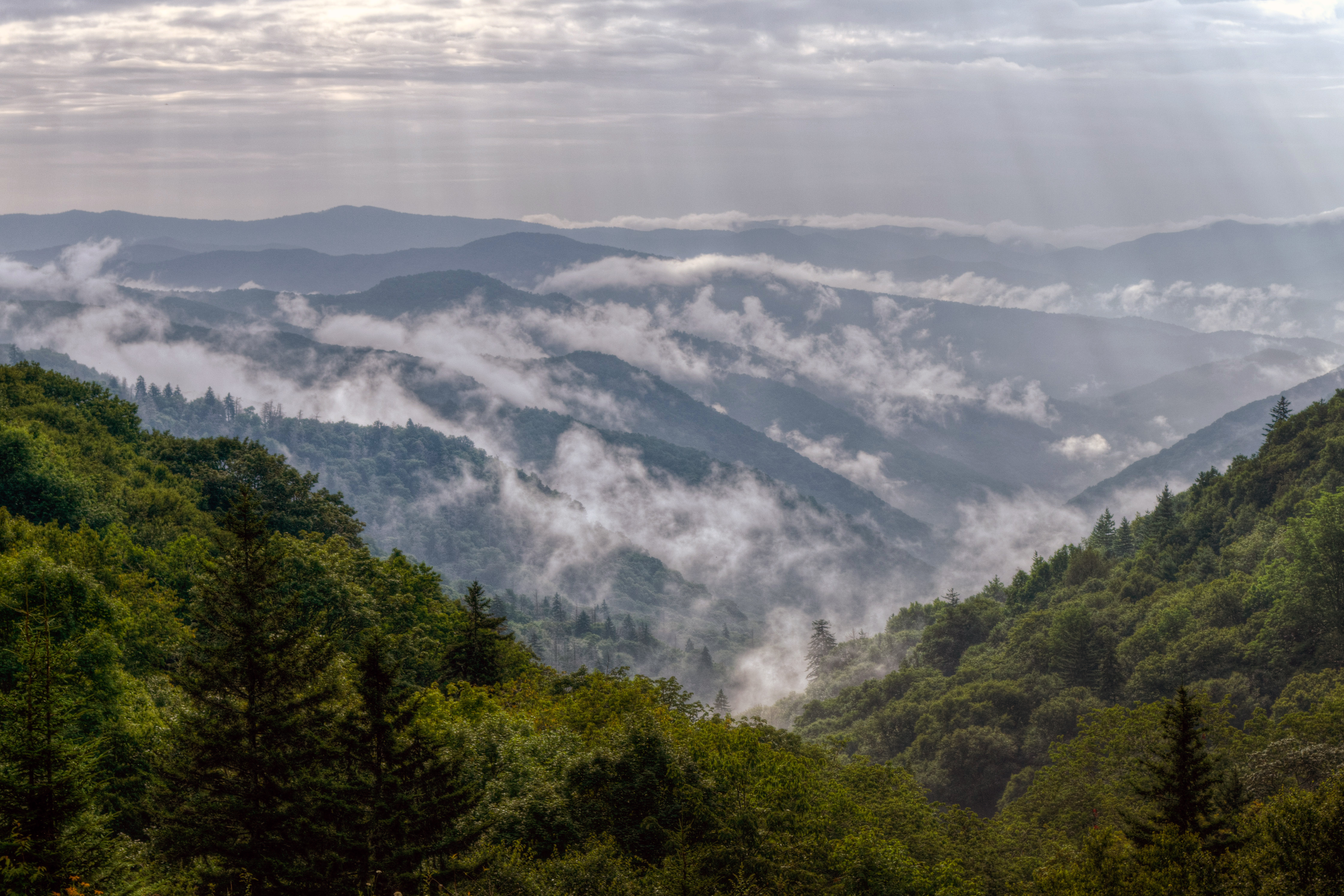
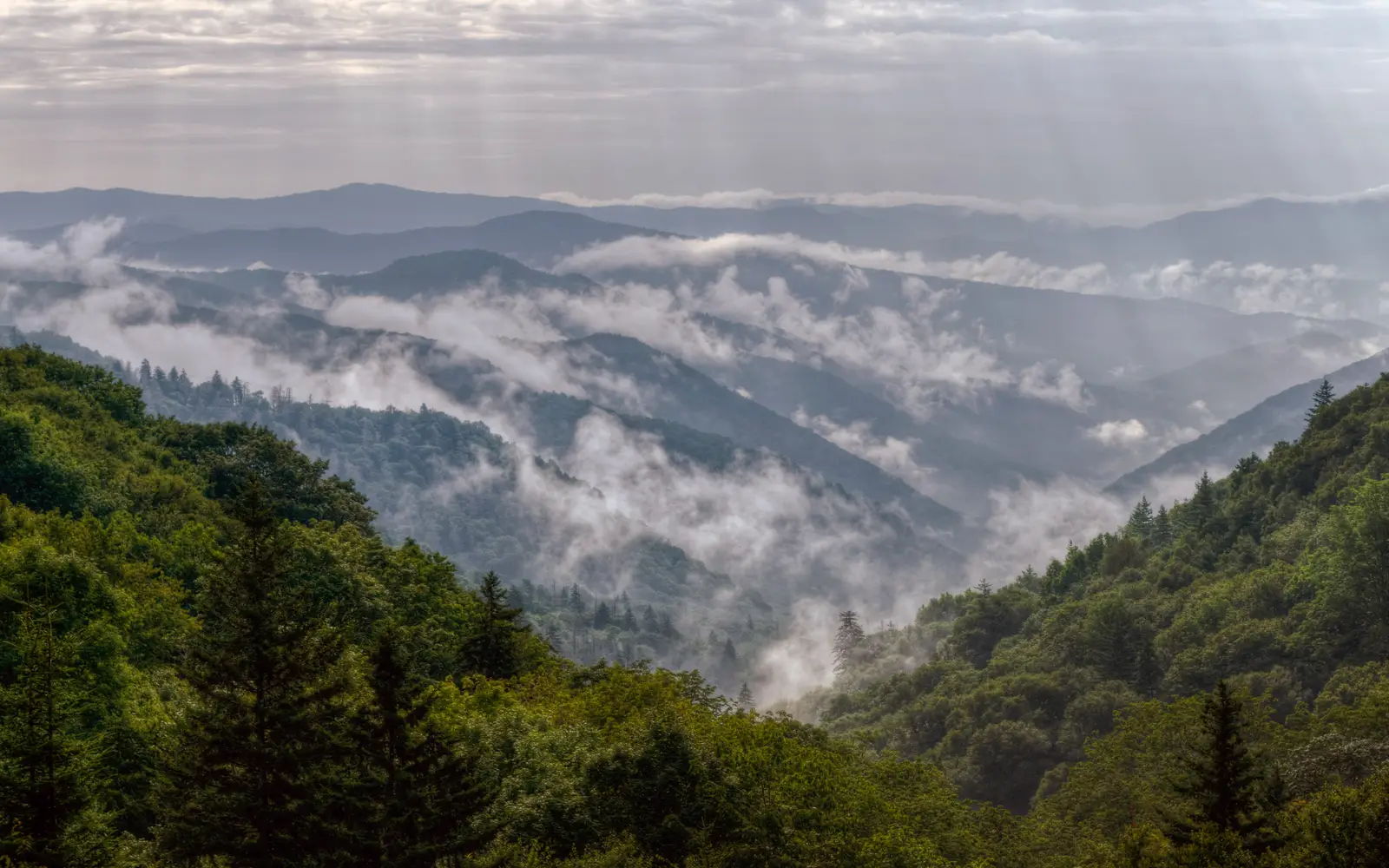
Spanning the North Carolina and Tennessee border, it uniquely blends accessible front-country experiences with significant backcountry opportunities. Crucially, there is no entrance fee. The park's elevation shifts, from under 900 feet to over 6,600 feet, establish distinct ecological zones and dramatic weather patterns. This range supports a legitimate diversity of wildlife. It also preserves Southern Appalachian mountain culture through historic structures and ongoing traditions. While main corridors experience substantial crowding during peak seasons, the park's sheer scale allows for solitude with proper planning. For most outdoor interests, this park delivers.
Why go
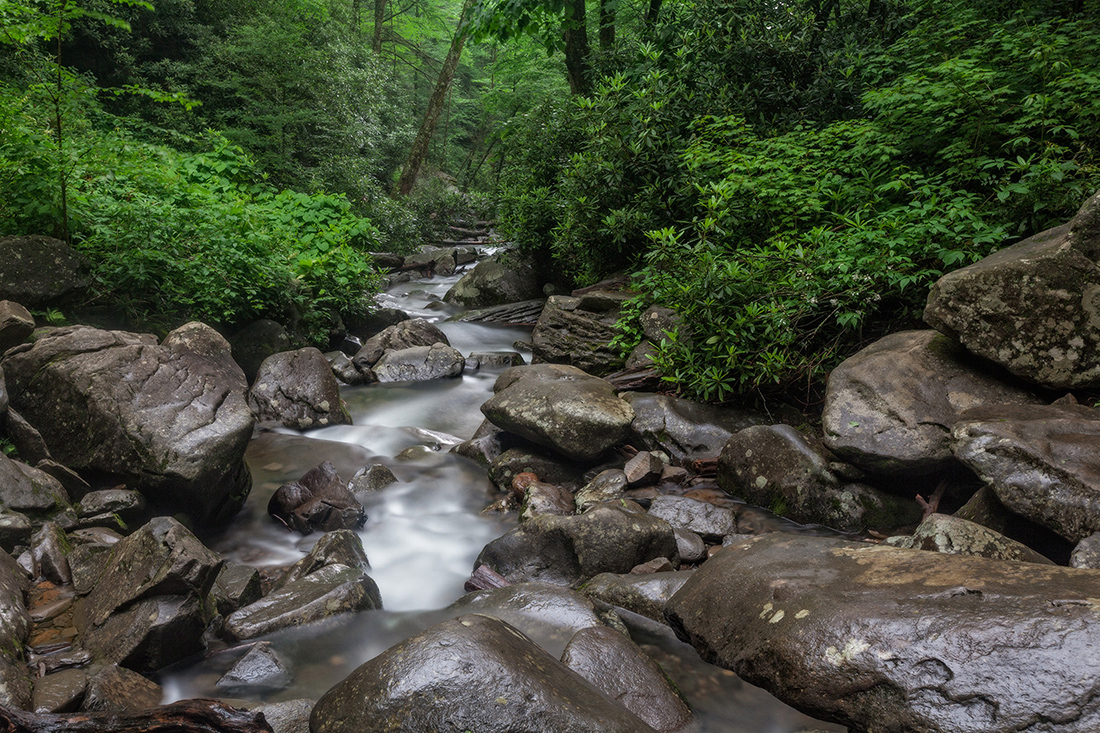
This park offers diverse experiences, catering to varied interests. Scenic drivers can traverse Newfound Gap Road, ascending through changing forest ecosystems to the state line overlook. Anglers will find native brook trout streams for fly fishing. Hikers have options ranging from accessible front-country trails to multi-day backcountry routes, which require permits. Wildlife observation presents opportunities for viewing white-tailed deer, black bears, elk, and a significant avian diversity. The International Dark Sky designation guarantees exceptional stargazing. Families can engage with the Junior Ranger program and guided tours. Horse campers benefit from dedicated facilities. The documented breadth of activities makes this park a destination with unusual versatility.
Best for
This park suits a wide range of visitors, from first-time national park tourists to serious backcountry hikers. Fly fishers, equestrians, and dark-sky enthusiasts will find ample opportunities. Families with children can take advantage of structured programming and accessible trails. For remote desert solitude or dramatic western canyon geology, this is not the destination. For a layered Appalachian forest experience at no cost, however, this is the benchmark.
Best season
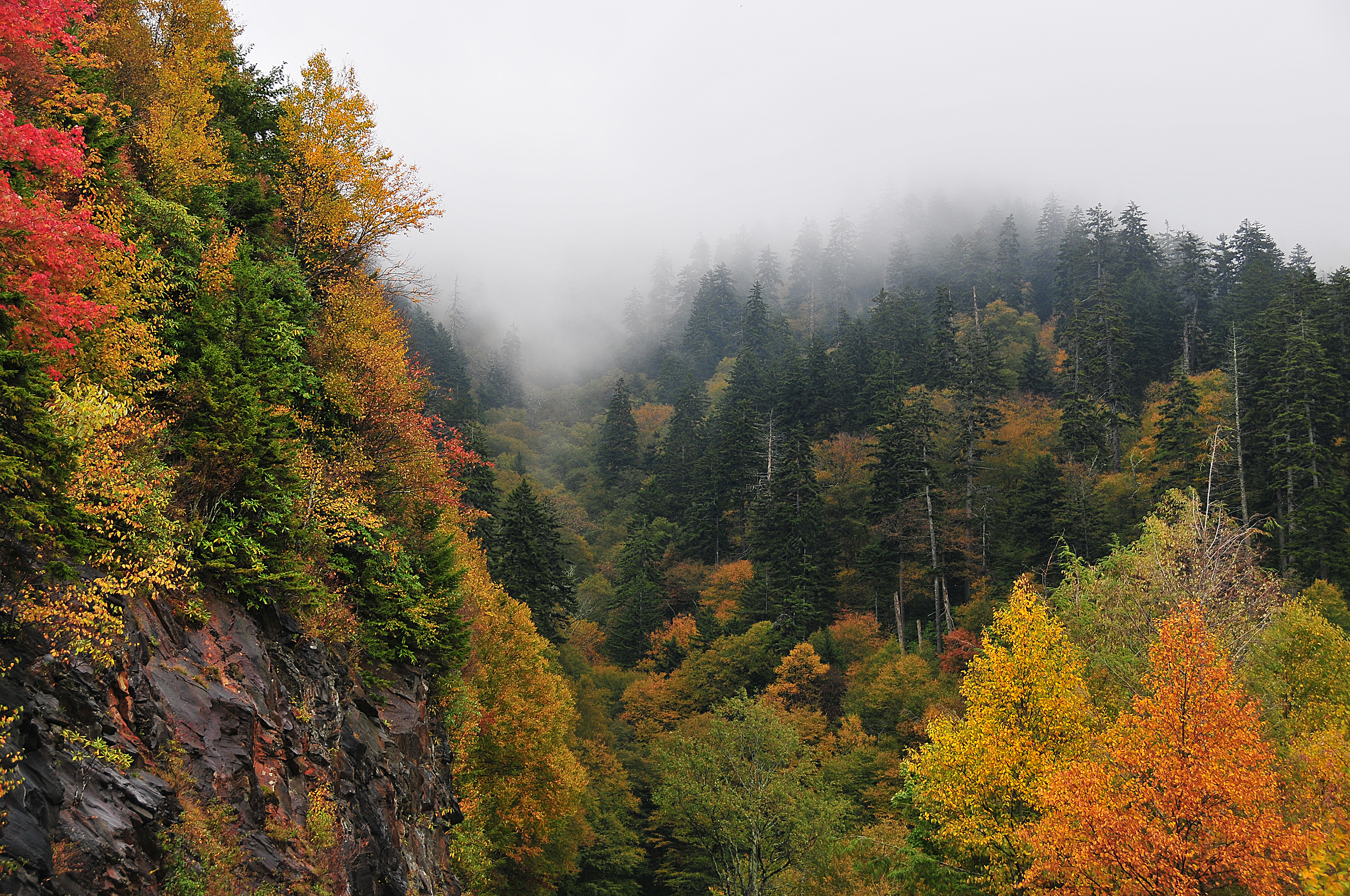
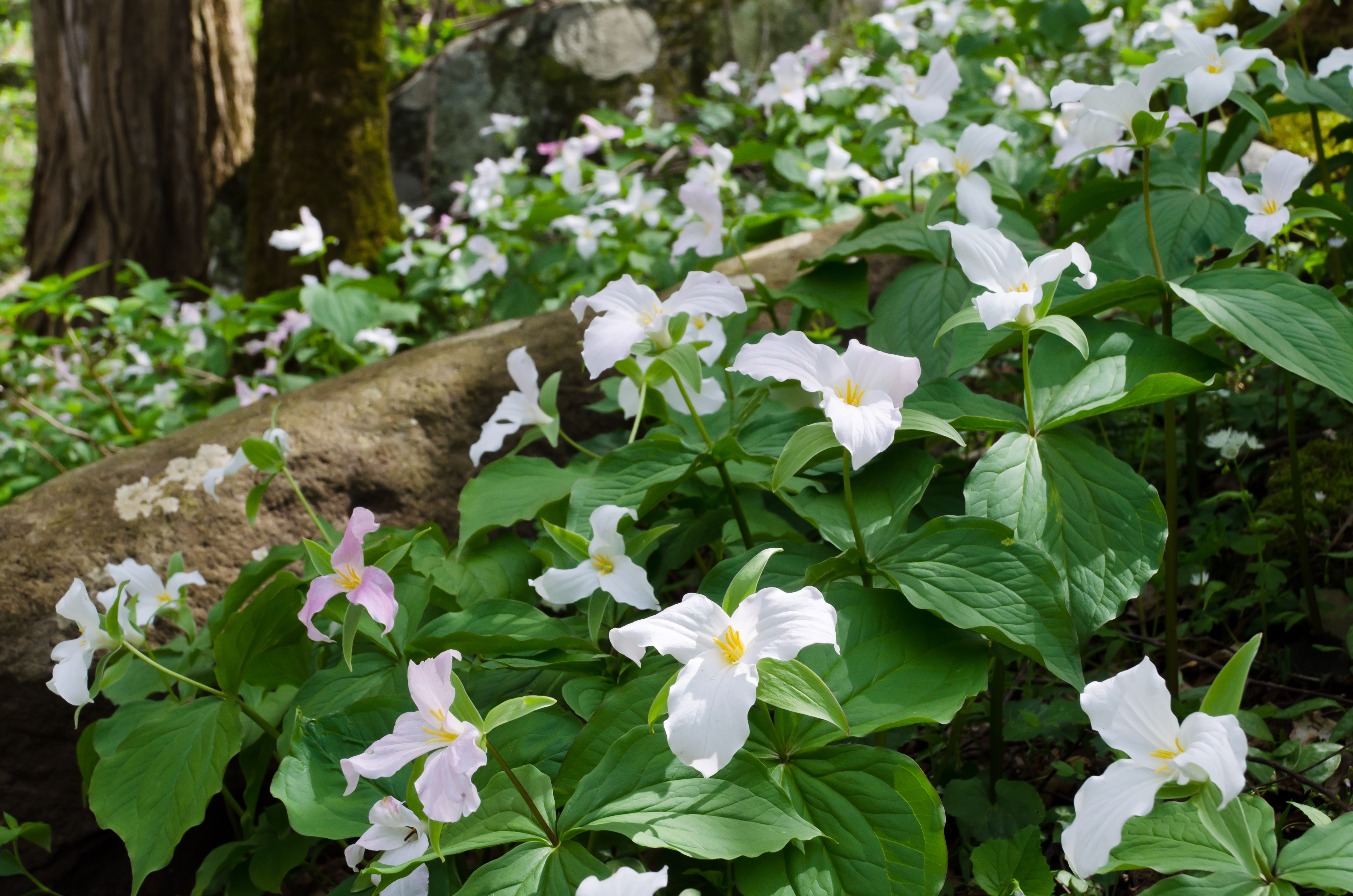
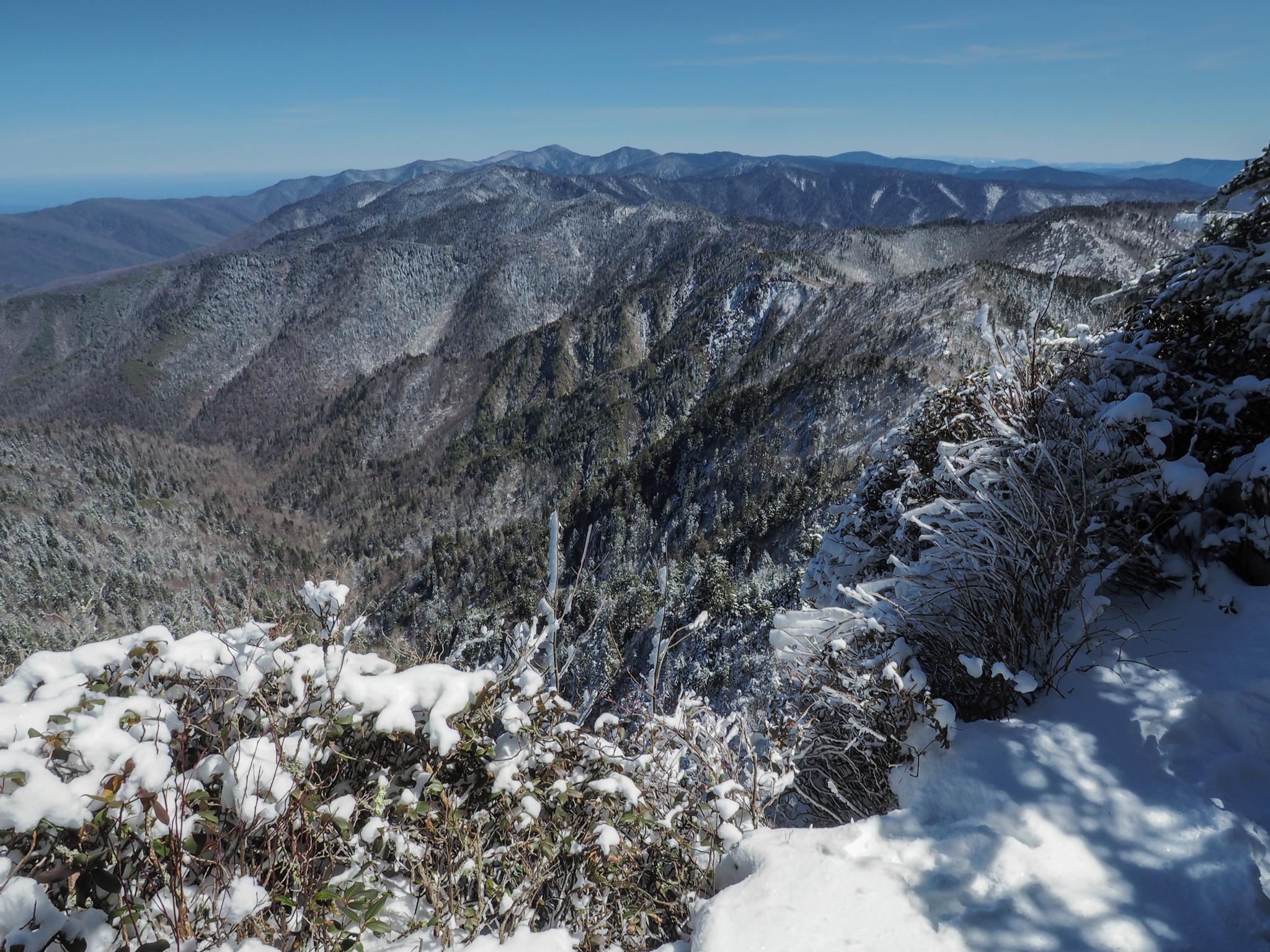
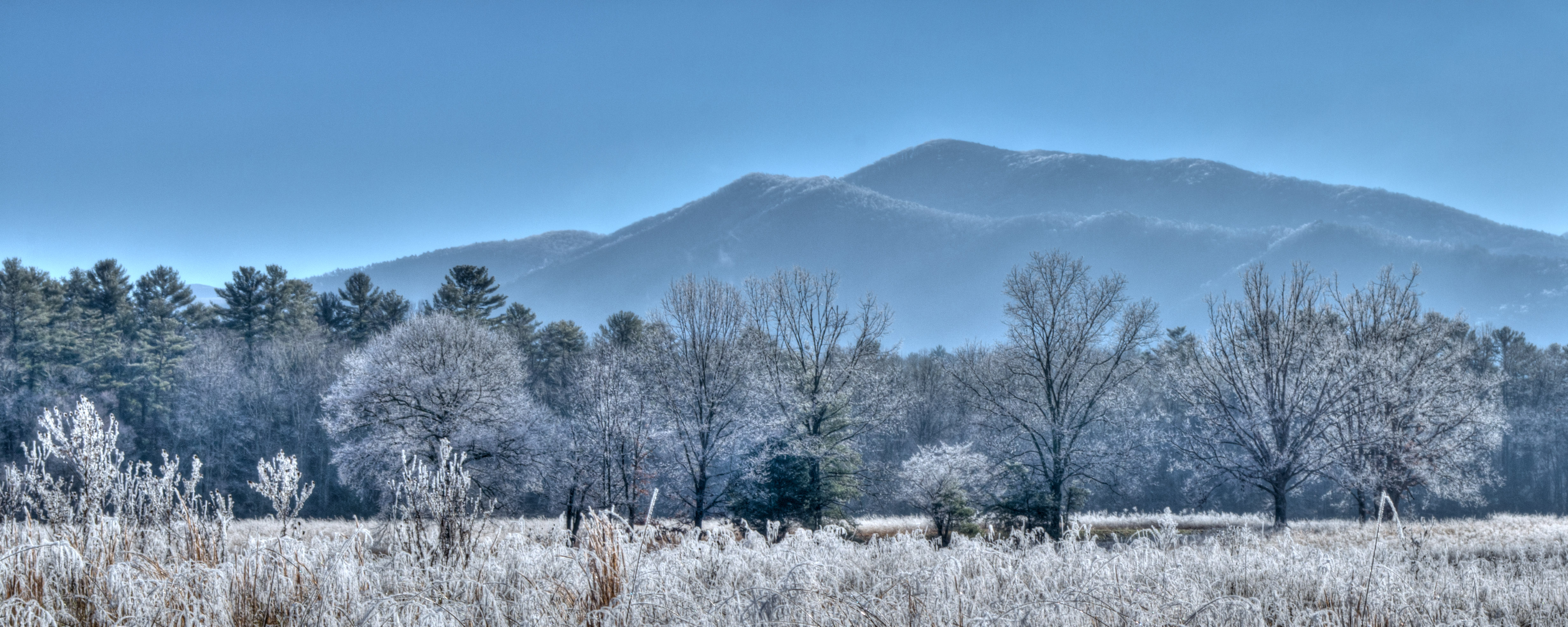
Late spring offers wildflower blooms and moderate temperatures at lower elevations. Fall foliage, typically peaking in October, draws massive crowds. It is visually exceptional. Summer is busy; humidity marks lower elevations, but conditions cool at altitude. Winter quiets the park considerably, offering clear views through bare trees. Always check weather at your target elevation, not solely the valley, as conditions diverge sharply.
The high points
- Fly fishing for native brook trout in cold mountain streams
- Scenic driving on Newfound Gap Road with significant elevation gain and forest transitions
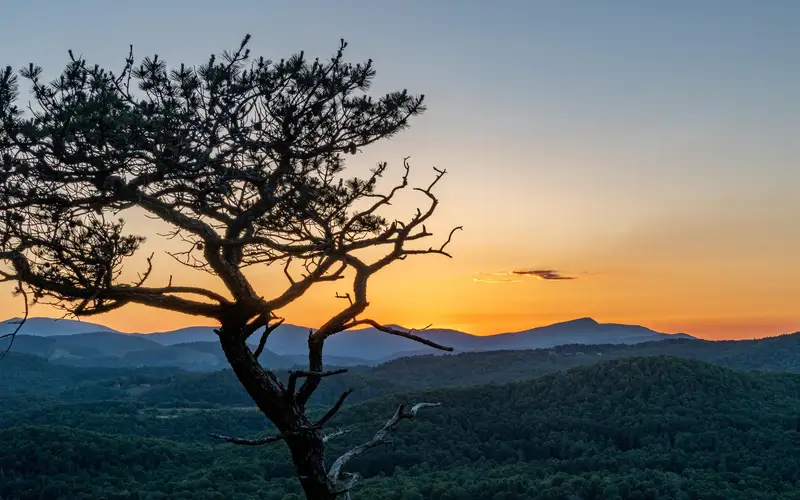
- Certified dark-sky stargazing at high elevations away from valley light
- Backcountry camping with permit access to remote ridgeline sites
- Wildlife watching including black bears, elk, and diverse bird species
- Southern Appalachian cultural history preserved in historic structures and living music traditions
Know before you go
Free admission, a rarity for parks of this size, contributes to high visitation. No vehicle reservation is needed. However, parking at popular trailheads fills by 9 a.m. on summer and fall weekends. Backcountry camping requires a permit and reservation. Confirm seasonal road closures before travel; some secondary roads are inaccessible for part of the year.
One more thingAlways check the park's road status page the morning of a visit, especially if your trailhead is on a secondary road. Weather at elevation frequently alters seasonal opening dates, pushing closures beyond the posted schedule. Arriving to a closed gate without a backup plan is an entirely avoidable frustration here.