parkverdict
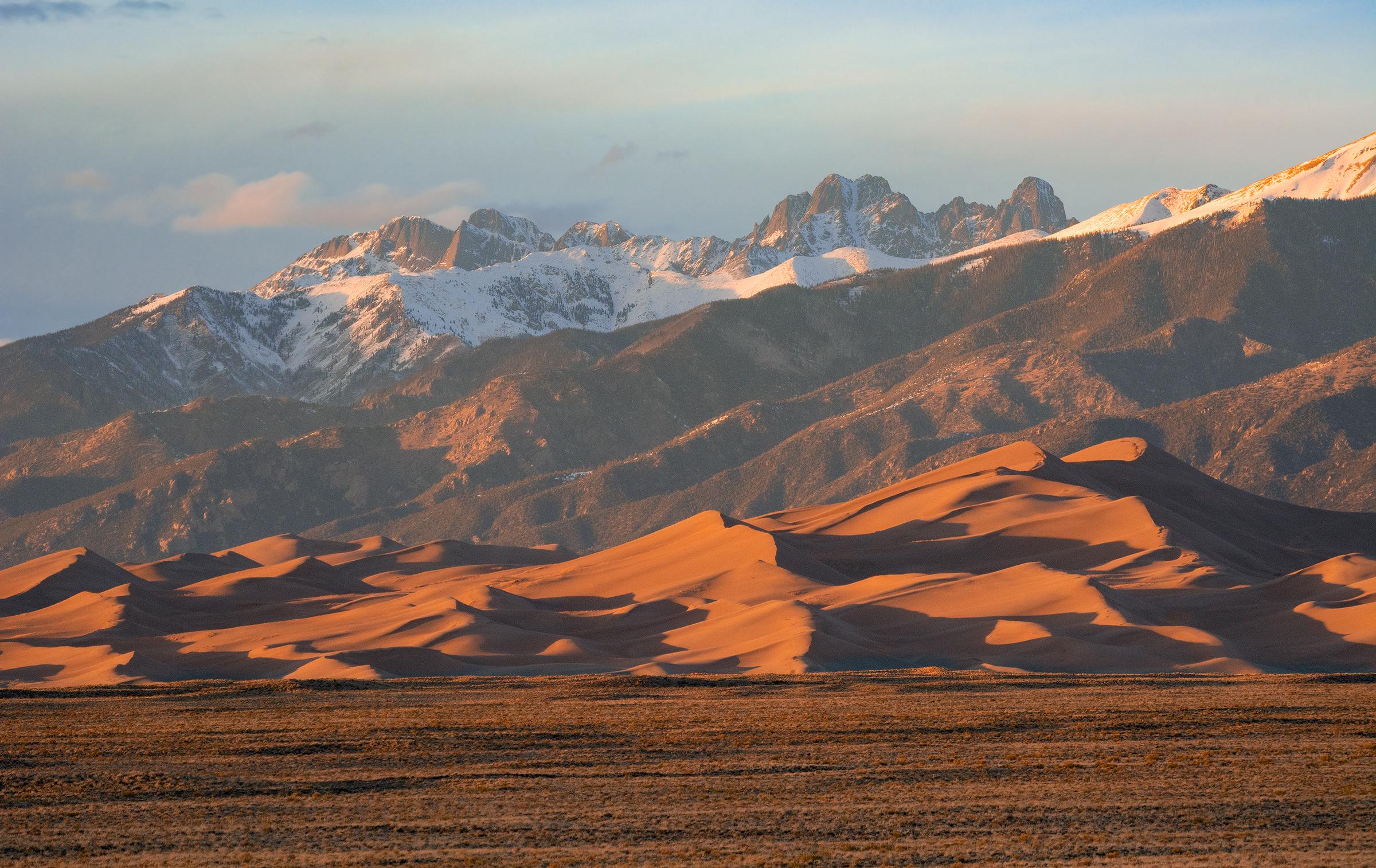
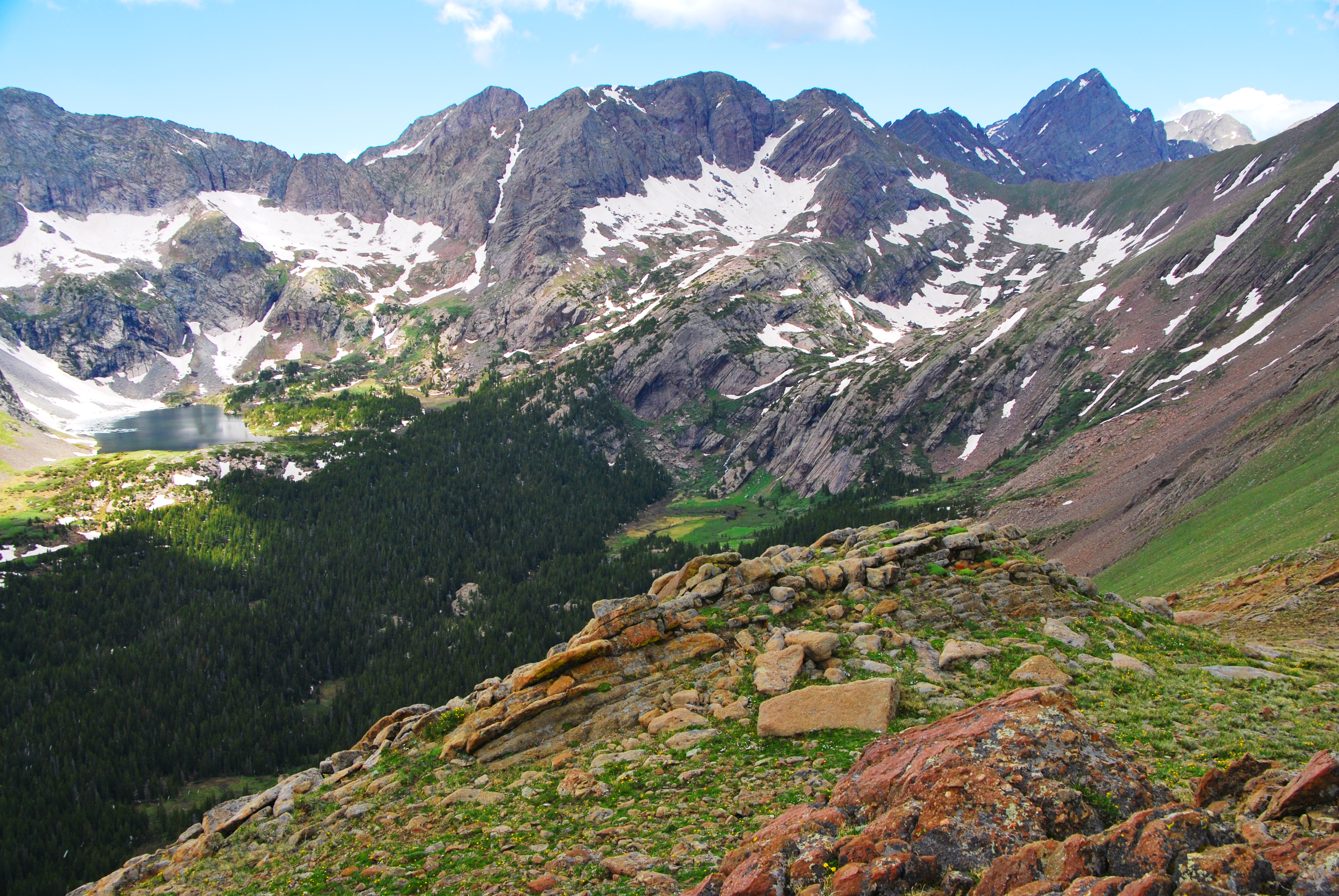
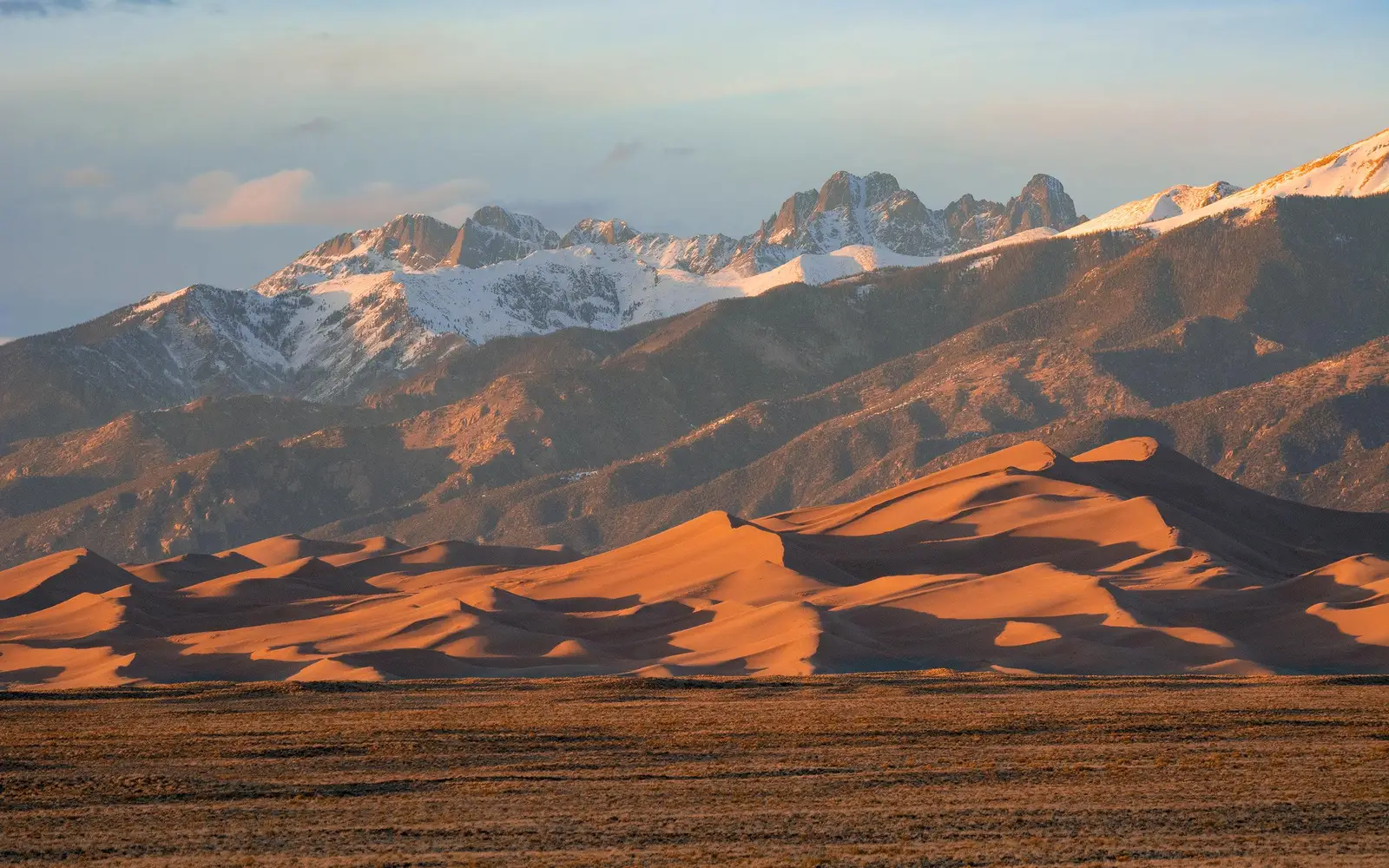
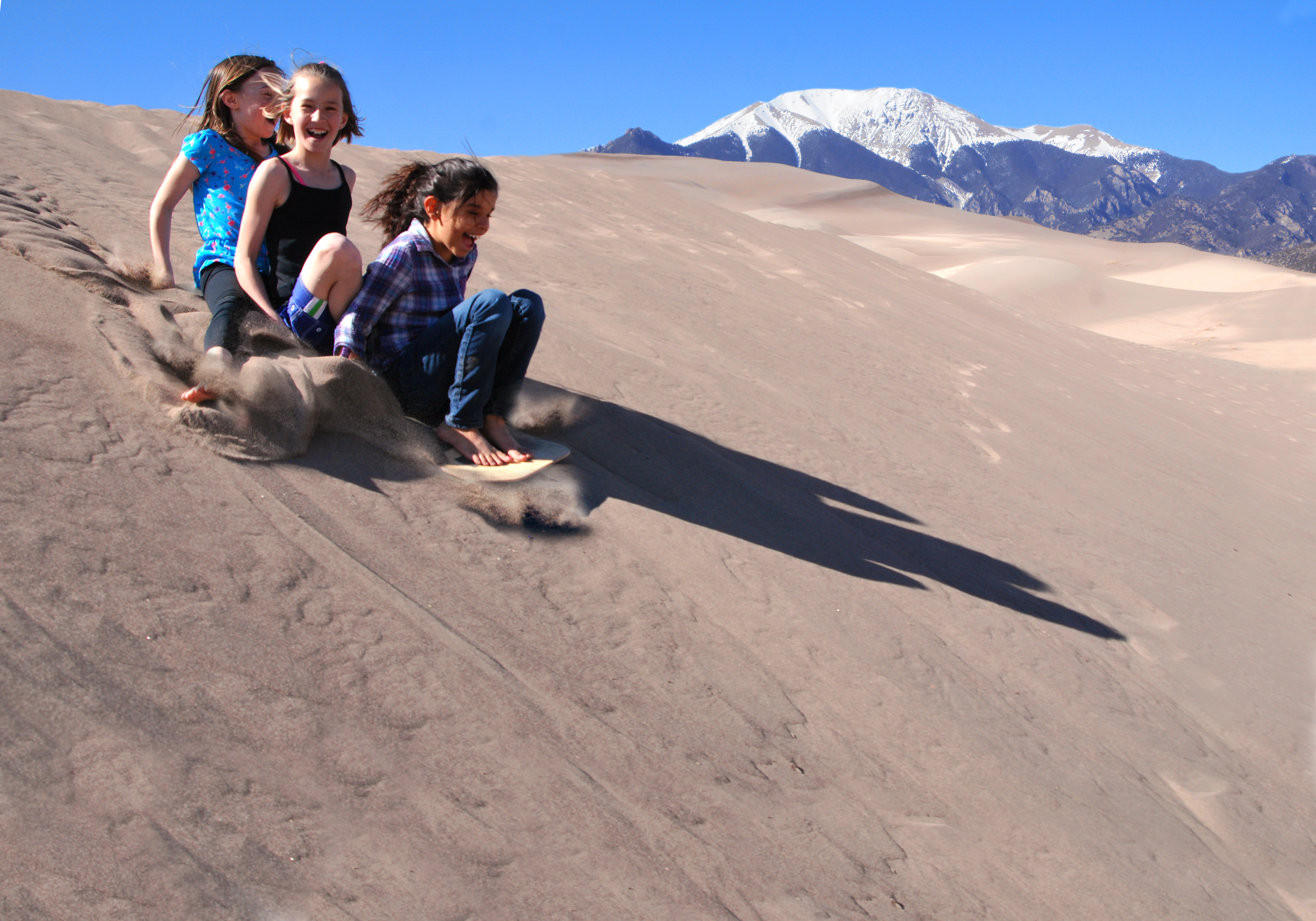
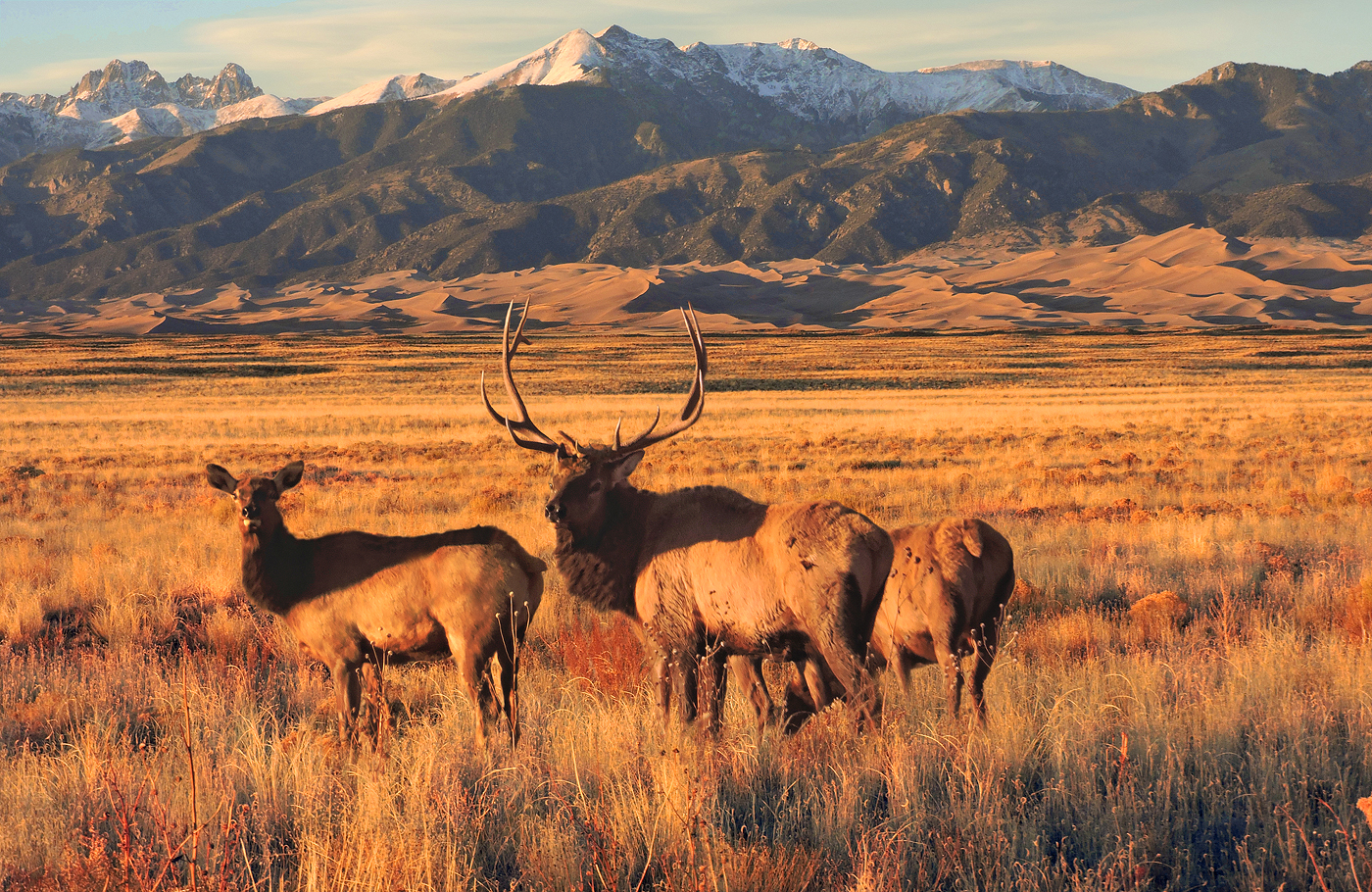
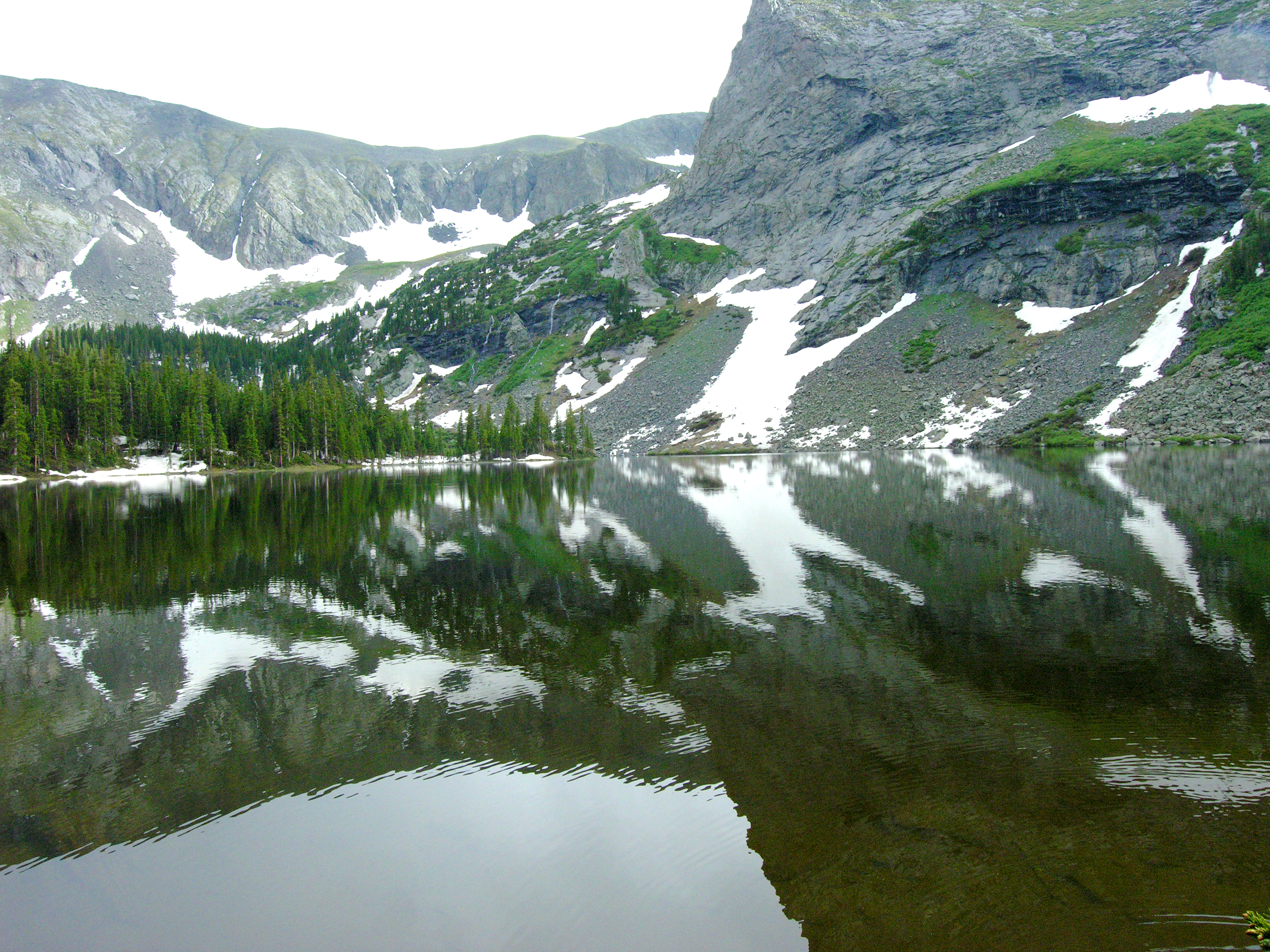
Grasslands, large dunes, and snow-capped peaks at sunsetGirls Sand SleddingElk, Grasslands, Dunes, and Sangre de Cristo MountainsLower Sand Creek Lake, Great Sand Dunes National Preserve
National Park & PreserveCO

Great Sand Dunes National Park & Preserve

NPS / NPS/Patrick Myers
90/ 100DOES IT ALL
parkverdict Experience ScoreIndependent, not sponsored

90 of 100. Our independent breadth-and-access index. How we score

Our take

Is Great Sand Dunes National Park & Preserve worth your trip?

Great Sand Dunes is one of the genuinely surprising places in the American park system, and it catches most visitors off guard.

The tallest dunes in North America shoot straight up from the San Luis Valley floor, with the Sangre de Cristo Mountains rising behind them and a strange mix of grasslands, wetlands, forest, and alpine tundra all within easy reach. The park sits at 8,000 feet, so the air runs cooler than you would expect, though the sand surface itself can reach 160 degrees Fahrenheit at midday in summer, which is reason enough to plan your timing carefully. The Experience Score of 90 reflects how much is actually on offer: sandboarding, off-trail dune climbing, fly fishing, cross-country skiing, backcountry camping, and a certified International Dark Sky designation that makes moonless nights here genuinely hard to put into words. A quick drive through will not do it. This is a place that rewards people who get out of the car and, if they can manage it, stick around until dark.

Why go

Get out early, before the sand has had a chance to heat up enough to blister bare feet, then head down to Medano Creek at the base of the dunes. It is a shallow, braided seasonal stream where families wade and float on tubes from late spring through early summer. Afternoons are wide open for backcountry hikes or bike rides on the grassland and forest roads that ring the park. The dark sky designation here is a serious draw on its own, and honestly staying after dark rivals the dunes as a reason to make the trip. In winter, those same slopes turn into snowshoeing and cross-country skiing terrain you will not find anywhere else in the country. The preserve section outside the national park core adds even more, opening up hunting and horse trekking. The entrance fee is $15 and covers all of it.

Best for

The park covers a wide range of outdoor activities, from astrophotography and backpacking to building sandcastles with kids and winter recreation. If you prefer a neat overlook pullout or a clearly signed trail, the loose setup here might get on your nerves. Have a plan before you arrive.

Best season

Medano Creek peaks from late May through early June, so that window gives you the best tubing and wading. In summer, reach the dunes early, because sand surface temperatures turn dangerous by midday. Fall brings cooler, more stable weather and far fewer people. Winter opens the park to snowshoeing and skiing. Spring winds can be brutal, with real sandblasting conditions.

The high points

  • Climbing the tallest dunes in North America on foot, with off-trail hiking fully permitted
  • Wading and tubing Medano Creek at the dune base during peak late-spring flows
  • Moonless night stargazing in a designated International Dark Sky Park at high altitude
  • Cross-country skiing and snowshoeing across active dunes in winter
  • Fly fishing and backcountry camping in the surrounding preserve
  • Sandboarding and sand sledding on the dune faces

Know before you go

Admission is $15 per vehicle. The park stays open around the clock every day of the year, with no timed entry passes or reservations needed. If you're visiting in summer, bring plenty of water and check the sand temperature before letting kids walk barefoot. The closest gas stations and stores are in Alamosa, about 35 miles away, so stock up on fuel and supplies before you head out.

One more thingBefore you book, check a lunar calendar. A moonless night at 8,000 feet, with no light pollution nearby, looks almost nothing like a visit during a full moon. The park is open 24 hours, so you can time your arrival around the darkness.

How we scored it

Why Great Sand Dunes National Park & Preserve scores 90

We keep the math boring on purpose. The same handful of public-data inputs, capped so none of them dominates, decide every score. What they measure is breadth and access, not beauty and not crowd levels. For Great Sand Dunes National Park & Preserve, they shook out like this:

  • Activity breadth56 documented activities
  • Topic breadth58 topics
  • Official imagery6 public-domain images
  • Camping on sitedocumented
  • Entry cost$15

No number is hand-adjusted and no unit pays for placement. The full weights, the floor at 18 and a worked example are on how we score.

The honest limits

The honest blind spots

Read the score for what it is. It counts what a place documents and how reachable it is, and stops there. It will not tell you if a sunset floors you, if the crowds thin out by dusk, whether a washout closed your trail, or how a ranger tells the story. Plenty of quiet, focused spots score modestly and still win the weekend. Let the number rank what is on offer; let the verdict speak to the feel.

What you can do

Activities

Arts and CultureCraft DemonstrationsLive MusicAuto and ATVAuto Off-RoadingAstronomyStargazingBikingMountain BikingCampingBackcountry CampingCar or Front Country CampingHorse Camping (see also Horse/Stock Use)Group CampingRV CampingClimbingMountain ClimbingCompass and GPS
Background

The short version

Great Sand Dunes National Park surprises most visitors. North America's tallest dunes share the park with grasslands, wetlands, forests, alpine lakes, and tundra, all packed into one landscape. The park also holds International Dark Sky Park status, so on a moonless night you get the full sky. No timed entries, no reservations, open around the clock every day of the year.

On documented breadth and access, Great Sand Dunes National Park & Preserve ranks 4th of 22 park and public-land units we score in Colorado.

What the seasons are like

Temperatures stay relatively cool year round at the park's 8000 ft elevation. Conditions are usually calm, though winds pick up in spring and ahead of storm fronts. The high-altitude sun is intense, so midday feels warmer than the thermometer suggests, and sand surface temperatures in summer can hit 160 degrees F by midday. If you visit in summer, walk the dunes in the morning or evening and skip the midday hours.

Common questions

Great Sand Dunes National Park & Preserve: quick answers

Is Great Sand Dunes National Park & Preserve worth visiting?

Great Sand Dunes is one of the genuinely surprising places in the American park system, and it catches most visitors off guard.

Is Great Sand Dunes National Park & Preserve free to visit?

Not free. Getting in runs about $15.

What is Great Sand Dunes National Park & Preserve best for?

It leans hardest toward stargazing, hiking, camping, good with kids, going by the 56 activities it actually documents.

When is the best time to visit Great Sand Dunes National Park & Preserve?

Medano Creek peaks from late May through early June, so that window gives you the best tubing and wading.

How is the Experience Score for Great Sand Dunes National Park & Preserve calculated?

The 90 comes straight from public data on how much the place documents and how easy it is to reach, things like activities, topics, photos, camping and whether entry is free. It says nothing about scenery or how busy it gets.