parkverdict
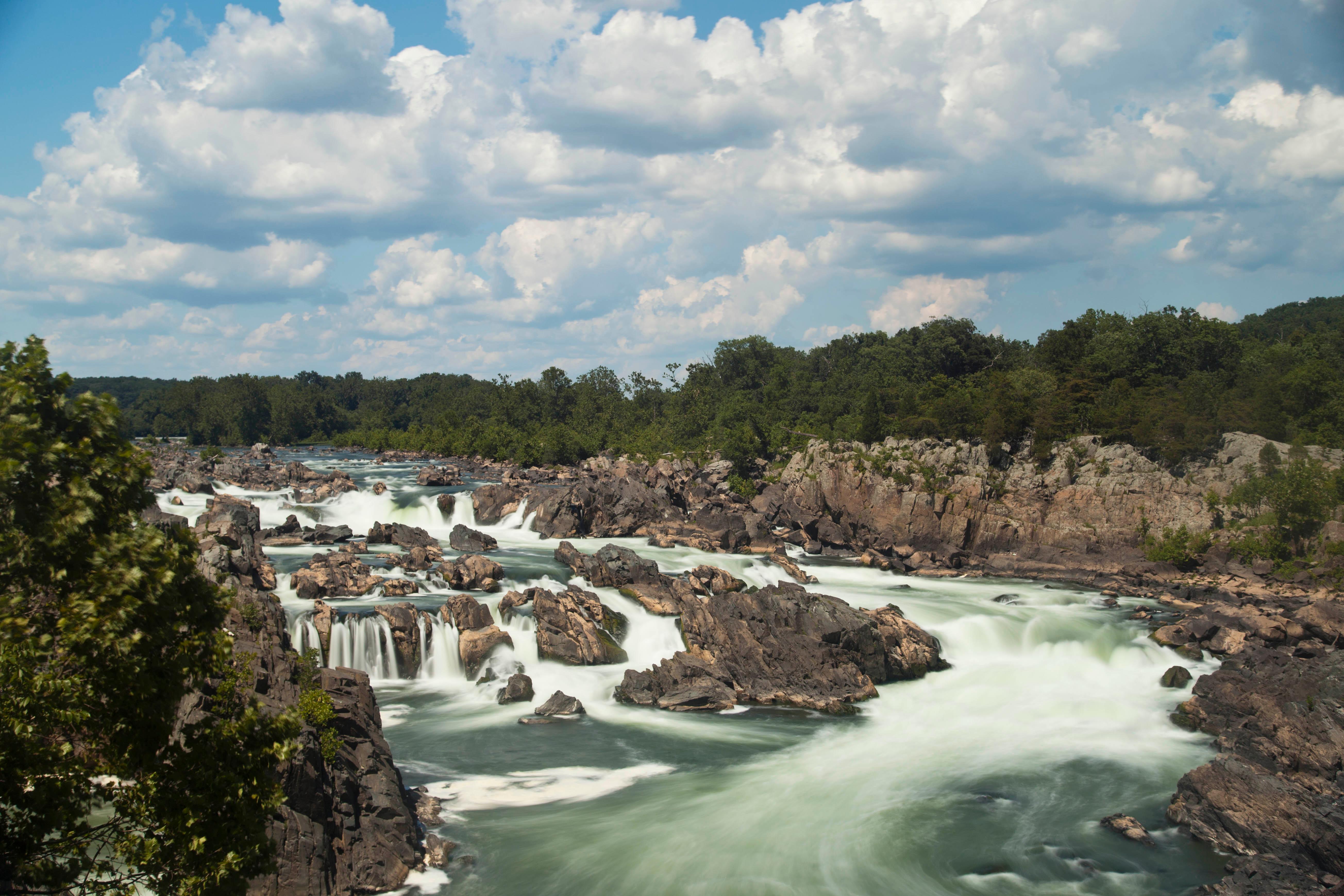
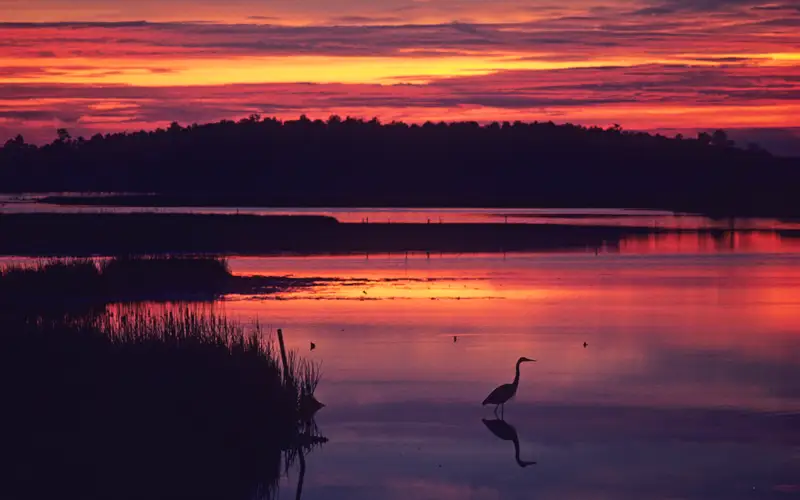
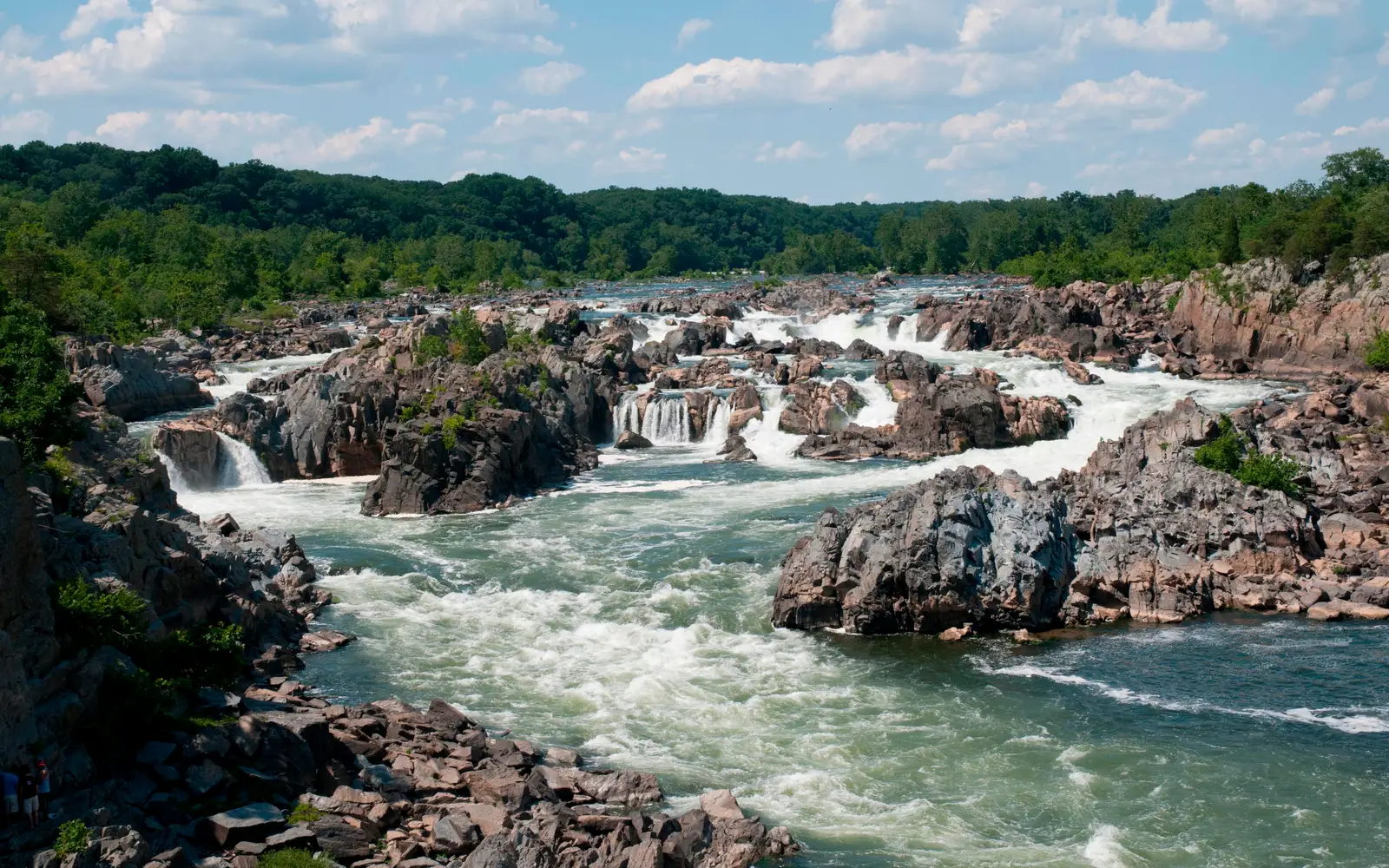
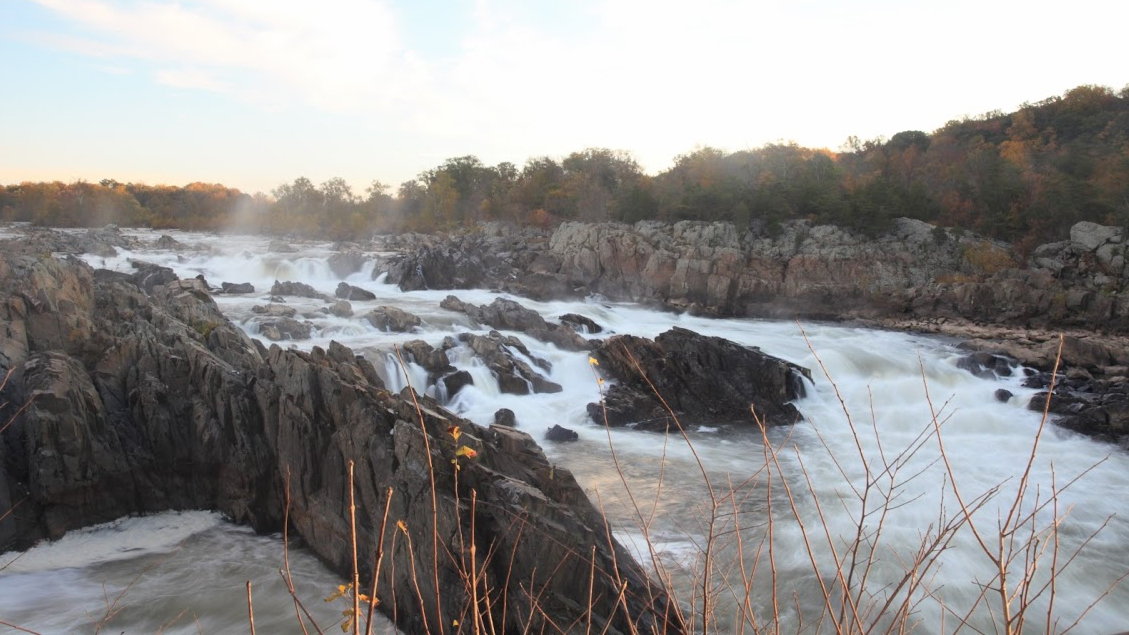
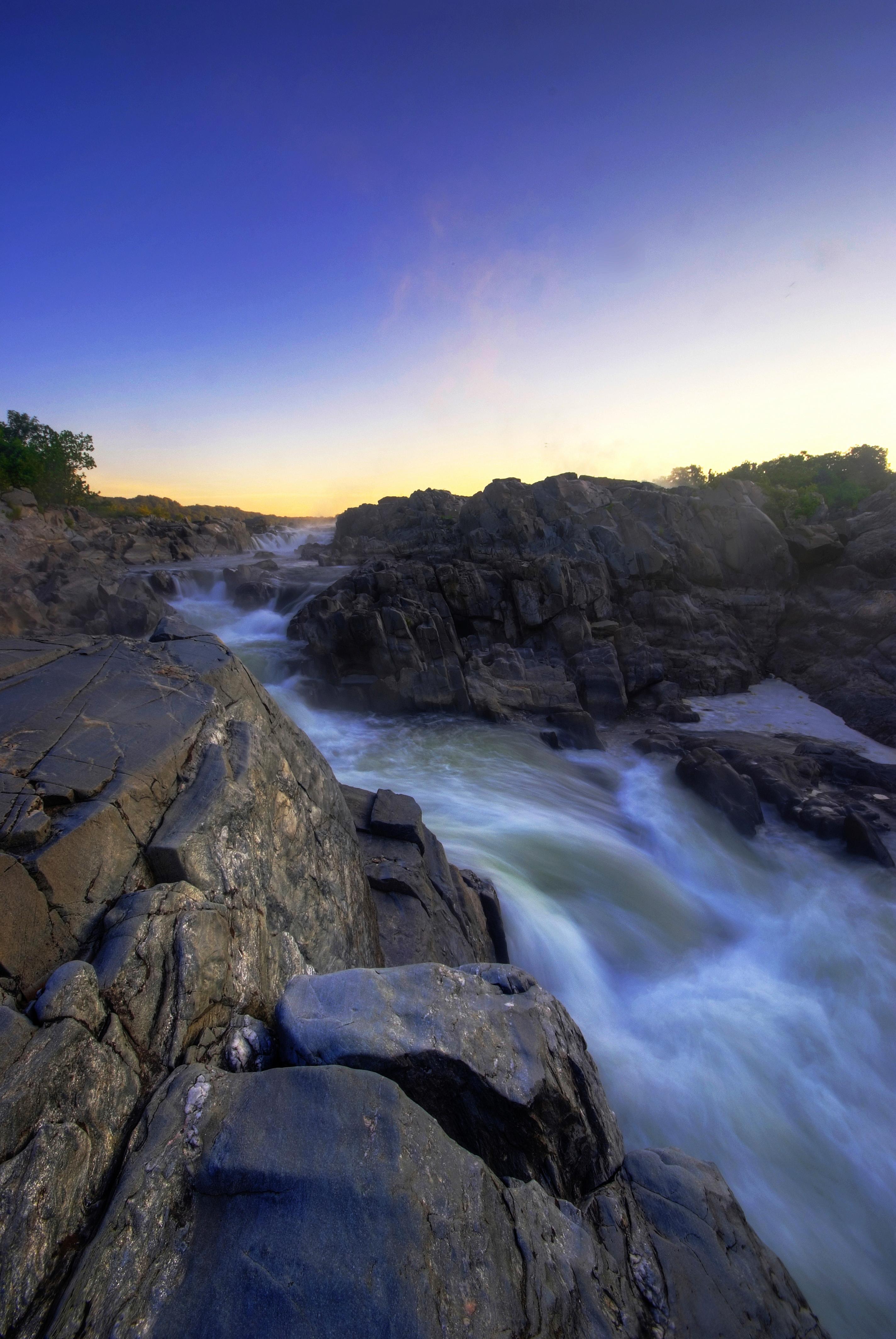
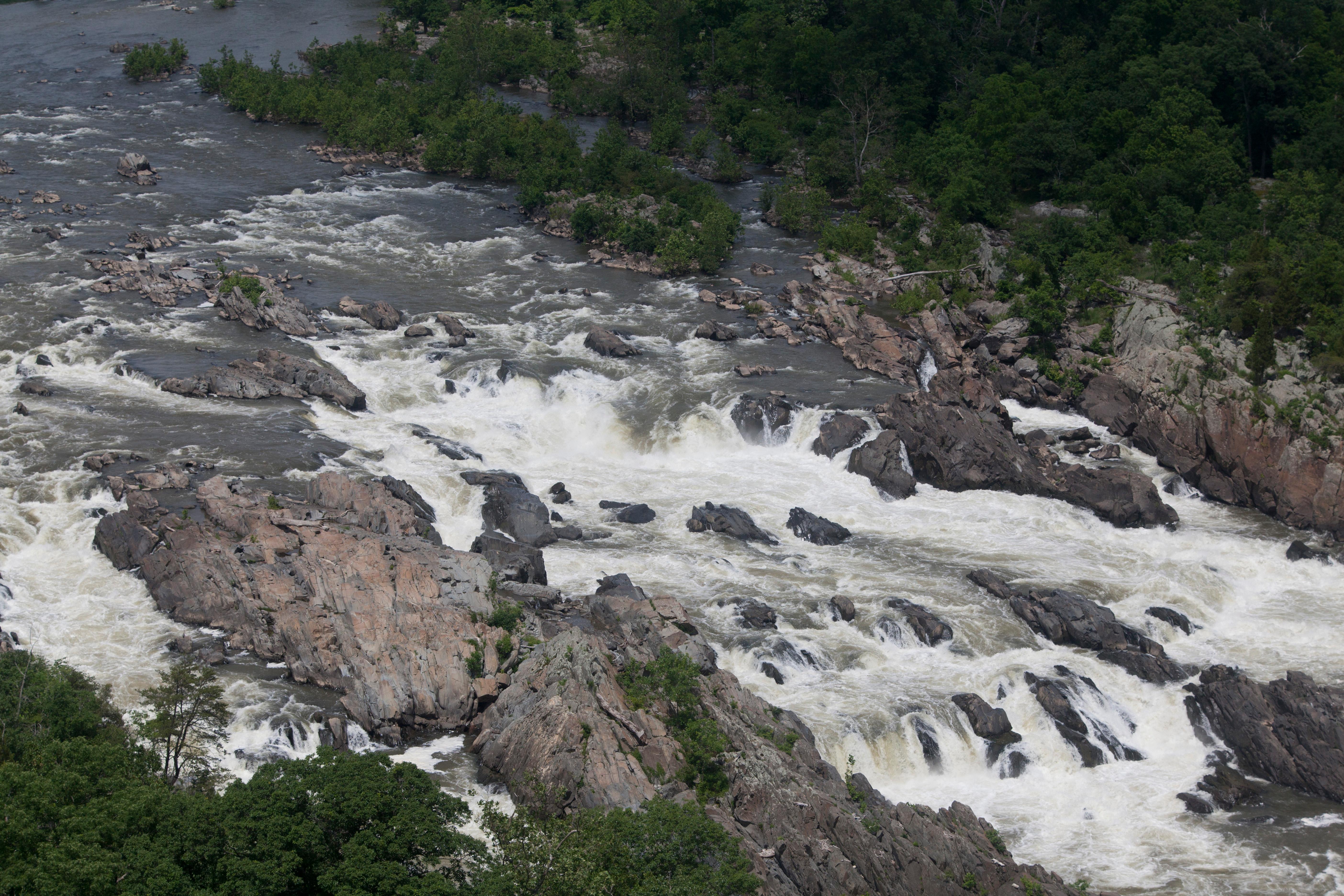
Water pouring down rocks at Great FallsWater rushes over jagged rocksGreat Falls with a purple sky near duskAn aerial shot of the Great Falls.
ParkVA

Great Falls Park

NPS / NPS
42/ 100FOCUSED
parkverdict Experience ScoreIndependent, not sponsored

42 of 100. Our independent breadth-and-access index. How we score

The bottom line

Great Falls Park: our verdict

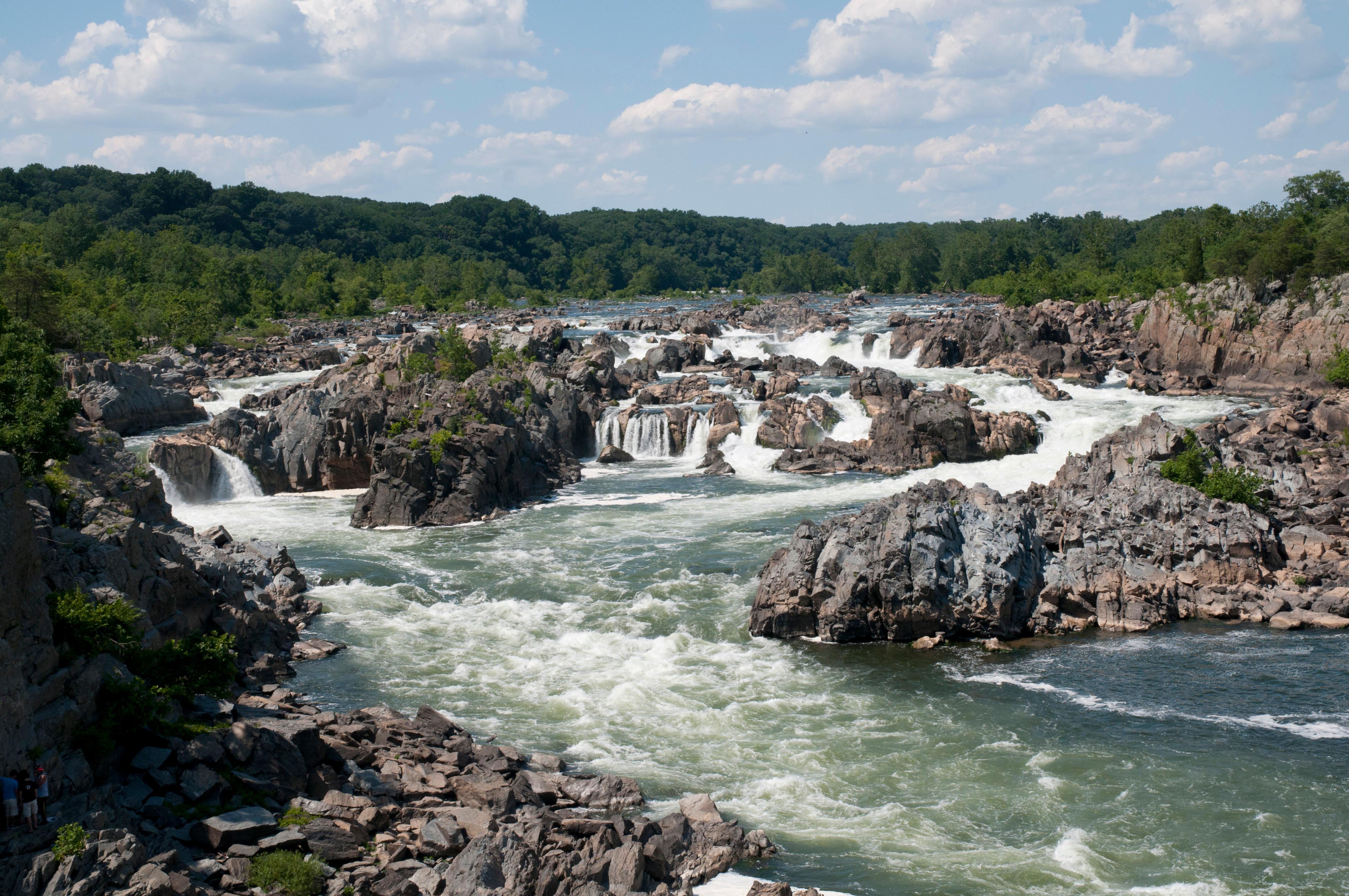
Great Falls Park covers 800 acres in northern Virginia, where the Potomac River funnels through a narrow gorge and drops with enough force to stop you mid-step.

It is not a wilderness destination, but the falls are genuinely impressive, and the short drive from Washington D.C. makes it one of the most reachable stretches of wild-feeling scenery on the East Coast. The Patowmack Canal sets it apart from a generic waterfall park, folding in a thread of early American history that rewards anyone willing to slow down and look around. The activity options are limited, though, and a thorough visit fits comfortably into half a day. With an experience score of 42, the $10 entrance fee is easy to justify for D.C. area residents and road-trippers passing through. Building a dedicated long-distance trip around it alone is harder to make sense of, though it pairs well with other stops in the region.

Why visit

The falls genuinely catch you off guard. The Potomac narrows and speeds up through Mather Gorge in a way most first-time visitors never see coming, given how gentle the surrounding Mid-Atlantic terrain tends to be. Walking along the river gives you several solid vantage points above the falls and gorge. If you have a kayak or canoe and the skills to handle moving whitewater, the paddling here is about as intense a flatwater-to-whitewater transition as you will find anywhere accessible from a major metropolitan area. Guided tours cover the Patowmack Canal, one of George Washington's infrastructure projects, which gives the whole outing a layer of real historical weight. Watch the park film before heading out to the overlooks, since it gives you a practical sense of the layout before you arrive.

Who it suits

Families in the D.C. area get a genuine outdoor experience without burning half a day in the car, and anyone curious about early American canal engineering will find plenty to look at. Intermediate and advanced paddlers will find decent whitewater surprisingly close to the city. That said, if you're coming from far away or planning a multi-day backcountry trip, this probably shouldn't be your only stop.

Timing your visit

Spring brings the most dramatic water at Great Falls. Snowmelt and rain push the Potomac to its highest flows, and the gorge feels genuinely alive with force. Fall is a solid alternative, with cooler air and foliage framing the cliffs. Summer works, though heat and humidity regularly climb into the mid-90s, so arrive early. Winter is quiet and uncrowded, just check conditions before you go since the park closes on December 25.

What stands out

  • Standing overlooks of the Potomac falling through the narrow Mather Gorge
  • Hiking trails with multiple river vantage points across roughly 800 acres
  • Patowmack Canal historic remnants tracing one of George Washington's early engineering projects
  • Whitewater paddling and kayaking access on the Potomac
  • Guided tours connecting the landscape to early American history
  • Orientation park film available before you hit the trails

Good to know

Entry costs $10 per vehicle. The park opens at 7:00 am and closes 30 minutes after sunset, though that cutoff shifts every day, so check the posted closing time before heading out late in the afternoon. The park is closed December 25. If you're planning to paddle, check river conditions before you launch - the Potomac at Great Falls runs serious whitewater.

Insider tipGet there by 7:00 am on a weekday if you're visiting in summer, or right around that time. On warm weekends the parking lot fills up fast, and the falls look far better in early morning light anyway, before the crowds arrive from the D.C. metro area.
How we scored it

How Great Falls Park earned its 42

Where does a 42 come from? One formula, run the same on every place we cover, built only from public data on what a unit offers and how reachable it is. It says nothing about how pretty a spot is or how busy it gets. This is what fed it:

  • Activity breadth5 documented activities
  • Topic breadth12 topics
  • Official imagery5 public-domain images
  • Camping on sitenone recorded
  • Entry cost$10

No number is hand-adjusted and no unit pays for placement. The full weights, the floor at 18 and a worked example are on how we score.

The honest limits

Where the score goes quiet

One limit to keep in mind. Everything here comes from public records on what a unit documents and how reachable it is, so the score cannot judge beauty, crowds, trail conditions, weather, or how good any single program is. That is exactly why a small, specific place can score below a sprawling park and still be your better trip. Take the number as a like-for-like look at what is on paper, and lean on the verdict for the human read.

On offer

Documented activities

Guided ToursHikingPaddlingKayakingPark Film
The basics

Great Falls Park at a glance

The Potomac River crashes over steep, jagged rocks at Great Falls, then squeezes through the narrow Mather Gorge. Right next to it, the Patowmack Canal gives you a direct look at early American history. The park covers 800 acres and sits only 15 miles from the Nation's Capital, which means a surprising amount of history and natural scenery is packed into what amounts to a short drive from the city.

On documented breadth and access, Great Falls Park ranks 31st of 32 park and public-land units we score in Virginia.

Weather and seasons

The Washington, D.C. area sits in a four-season Mid-Atlantic climate. Summers run hot and humid, averaging around 75 degrees F, and mid-90s days with heavy humidity show up regularly. Winters are unpredictable, averaging about 36 degrees F, with snow being fairly rare. Rain falls 2 to 4 inches per month year-round.

Common questions

Great Falls Park: quick answers

Is Great Falls Park worth visiting?

Great Falls Park covers 800 acres in northern Virginia, where the Potomac River funnels through a narrow gorge and drops with enough force to stop you mid-step.

Is Great Falls Park free to visit?

Not free. Getting in runs about $10.

What is Great Falls Park best for?

It leans hardest toward hiking, good with kids, water activities, guided tours, going by the 5 activities it actually documents.

When is the best time to visit Great Falls Park?

Spring brings the most dramatic water at Great Falls.

How is the Experience Score for Great Falls Park calculated?

The 42 comes straight from public data on how much the place documents and how easy it is to reach, things like activities, topics, photos, camping and whether entry is free. It says nothing about scenery or how busy it gets.