Is Great Dismal Swamp National Wildlife Refuge worth your trip?
The Great Dismal Swamp National Wildlife Refuge offers a unique wilderness experience on the East Coast.
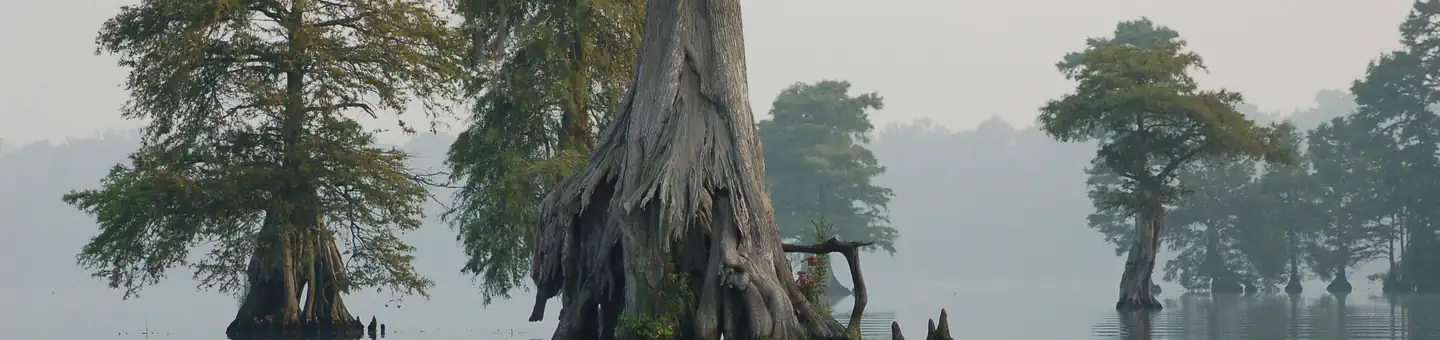
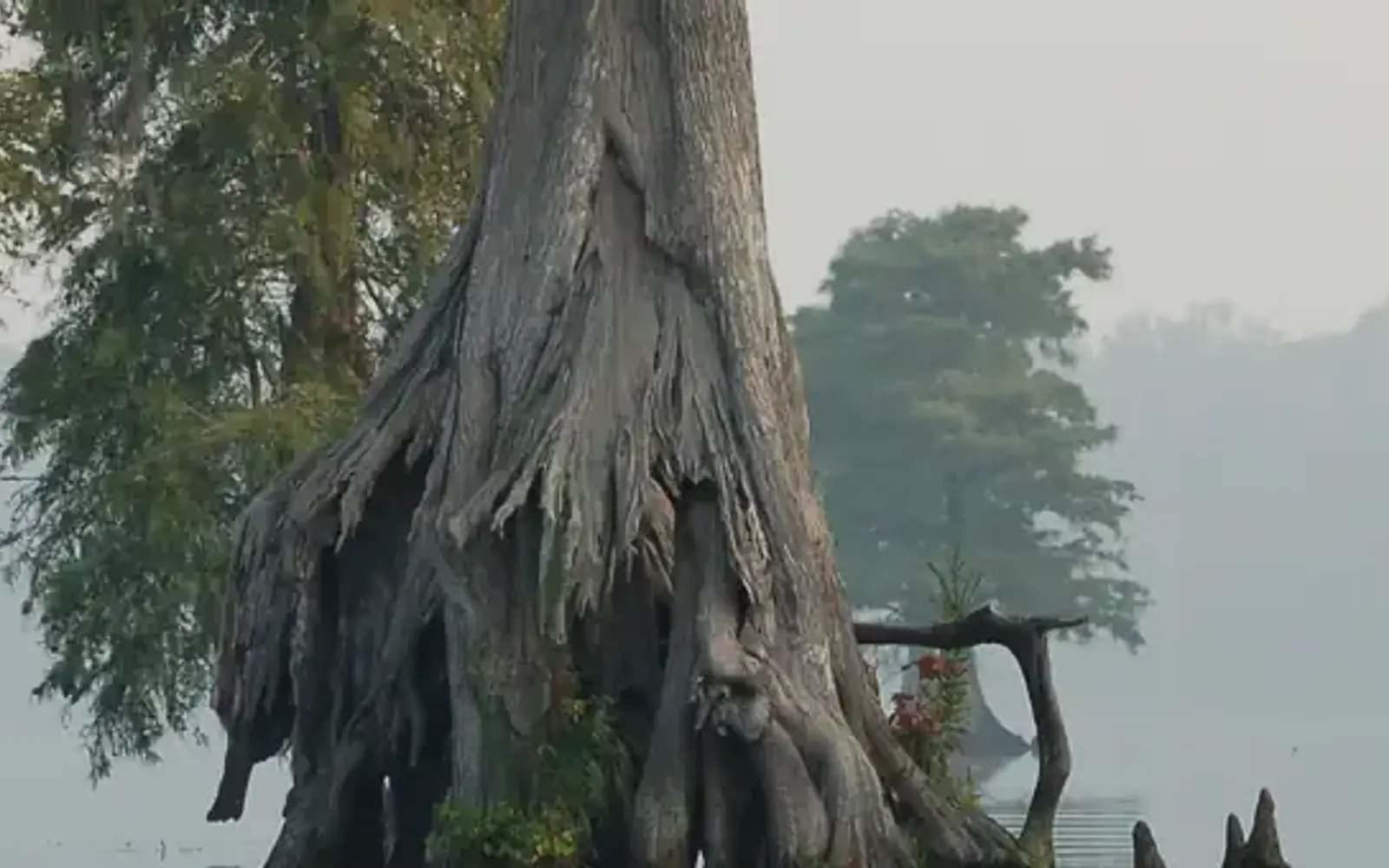
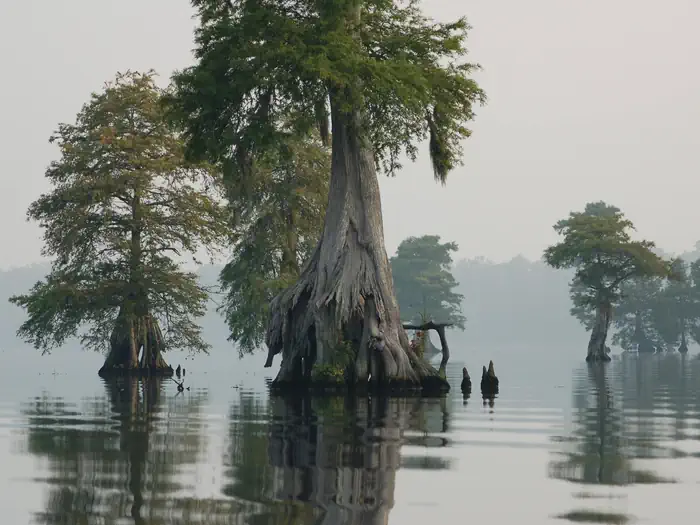
This vast forested wetland in southeastern Virginia comprises the largest intact portion of a swamp ecosystem that once spanned over a million acres. The Refuge prioritizes ecological restoration, and its raw character reflects this mission. Expect genuine immersion in a dark-water landscape of Atlantic white cedar, maple, and gum forest. The area supports over 200 bird species. An experience score of 82 indicates a broad range of activities. Entry is free. This refuge rewards patience and preparation. It is ideal for birders, paddlers, and wildlife photographers.
Why go
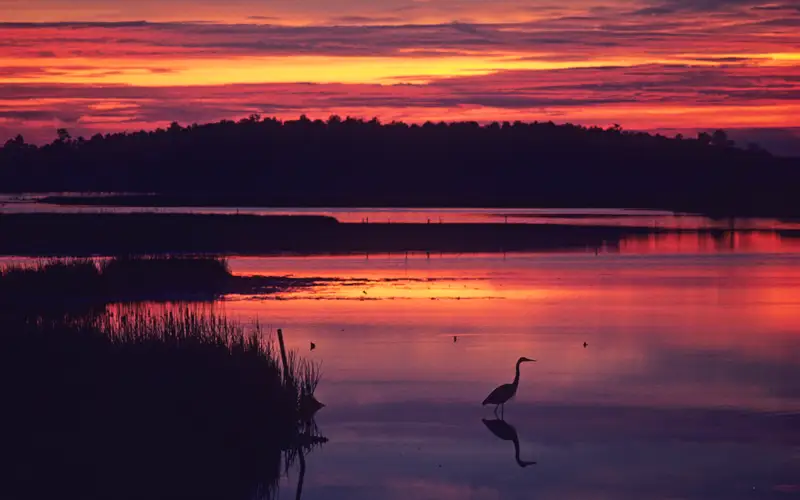
This refuge shines brightest for avian enthusiasts. Documented sightings of over 200 bird species, including migratory songbirds, waterfowl, and elusive swamp dwellers, confirm its status as a premier birding location in Virginia. While auto touring and hiking trails offer some interior access, the full experience necessitates watercraft. Non-motorized and motorized boating unlock the canal system and Lake Drummond, a natural blackwater lake at the refuge's core. From the water, fishing, paddling, and wildlife observation expand significantly. Overnight stays are feasible with available camping. For those less familiar with wetland ecosystems, interpretive programs and environmental education offerings provide valuable context in an otherwise uniform-appearing landscape. This destination is best suited for visitors prepared to explore by boat.
Best for
This refuge caters to specific interests: birders, paddlers, wildlife photographers, and hunters. Its appeal lies in rare or atmospheric ecosystems, not dramatic scenery. Developed amenities are absent. Clear hiking trails to obvious destinations are not a feature. Casual sightseers should look elsewhere. This destination rewards those who invest in its exploration.
Best season
For birding and wildlife, the window from April through May is prime. Fall likewise offers cooler temperatures and significant migration activity. Summer presents extreme humidity and insects; visitors must prepare accordingly or select shoulder seasons. Winter provides quiet observation opportunities, especially for waterfowl. The absence of dense foliage during winter months also reveals the swamp's underlying structure.
The high points
- Birding a refuge with over 200 documented species, including swamp specialists rarely seen elsewhere in Virginia
- Boating or paddling the historic canal system to reach Lake Drummond at the refuge's core
- Fishing the blackwater lake and canal network in a genuinely remote setting
- Auto touring refuge roads for accessible wildlife viewing without a boat or long hike
- Camping overnight to experience the swamp at dawn and dusk when wildlife activity peaks
- Joining interpretive programs that decode a complex ecosystem most visitors underestimate
Know before you go
Entry is free. The refuge is managed by the U.S. Fish and Wildlife Service, not the National Park Service. Facilities are minimal. If boating to Lake Drummond, check current water levels and access conditions first; hydrology management actively shapes what is navigable. Hunting is permitted seasonally. Consult the refuge calendar if this affects plans.
One more thingLake Drummond defines this refuge. Accessing it requires forethought: either a boat trip via the feeder ditch or a substantial hike. Do not expect to drive directly to the water's edge. Many visitors, arriving without a clear plan, experience only the perimeter. This destination demands logistical planning for true engagement.