Is Fort Laramie National Historic Site worth it?
Fort Laramie presents a genuine slice of Western history.
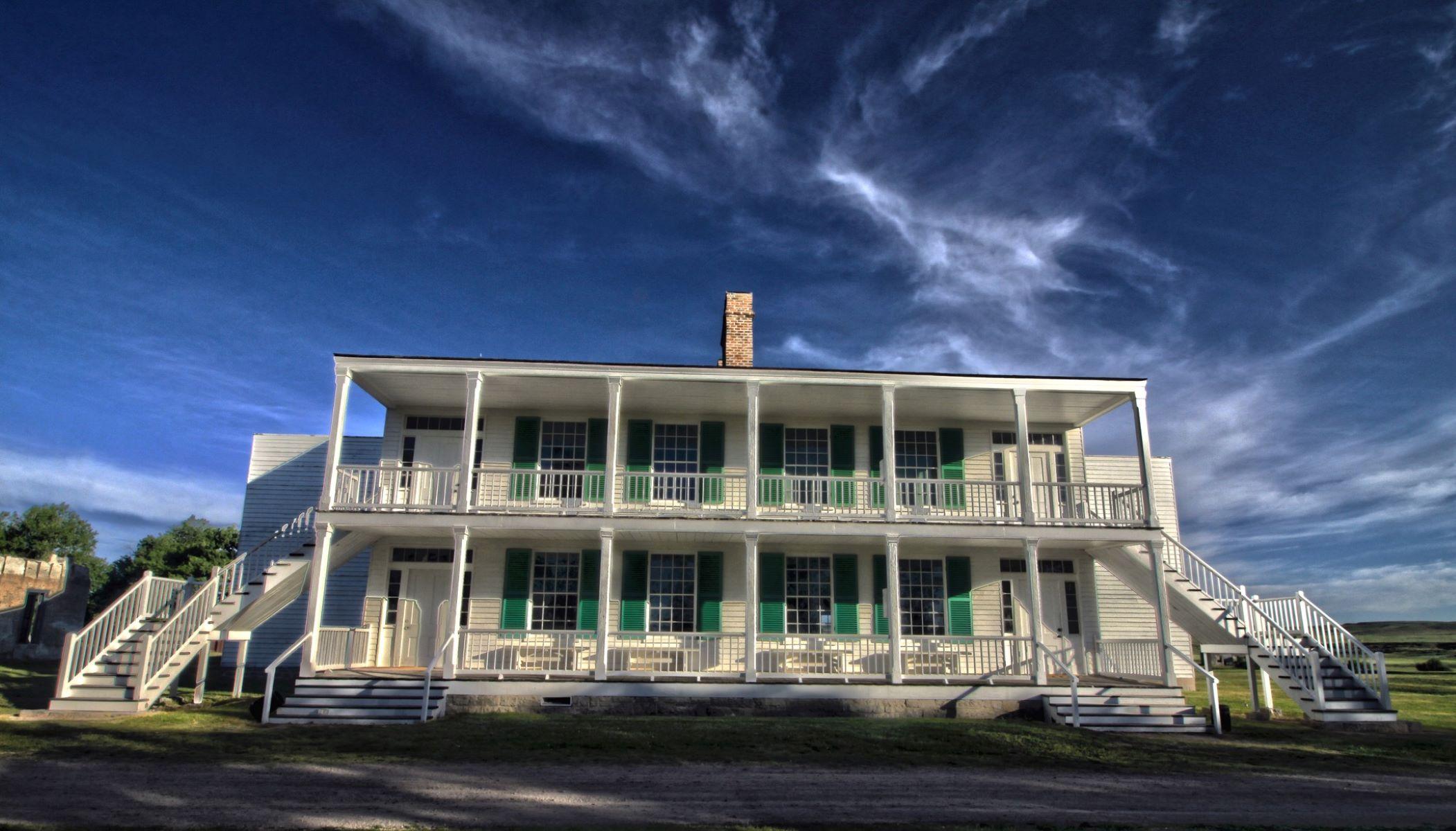
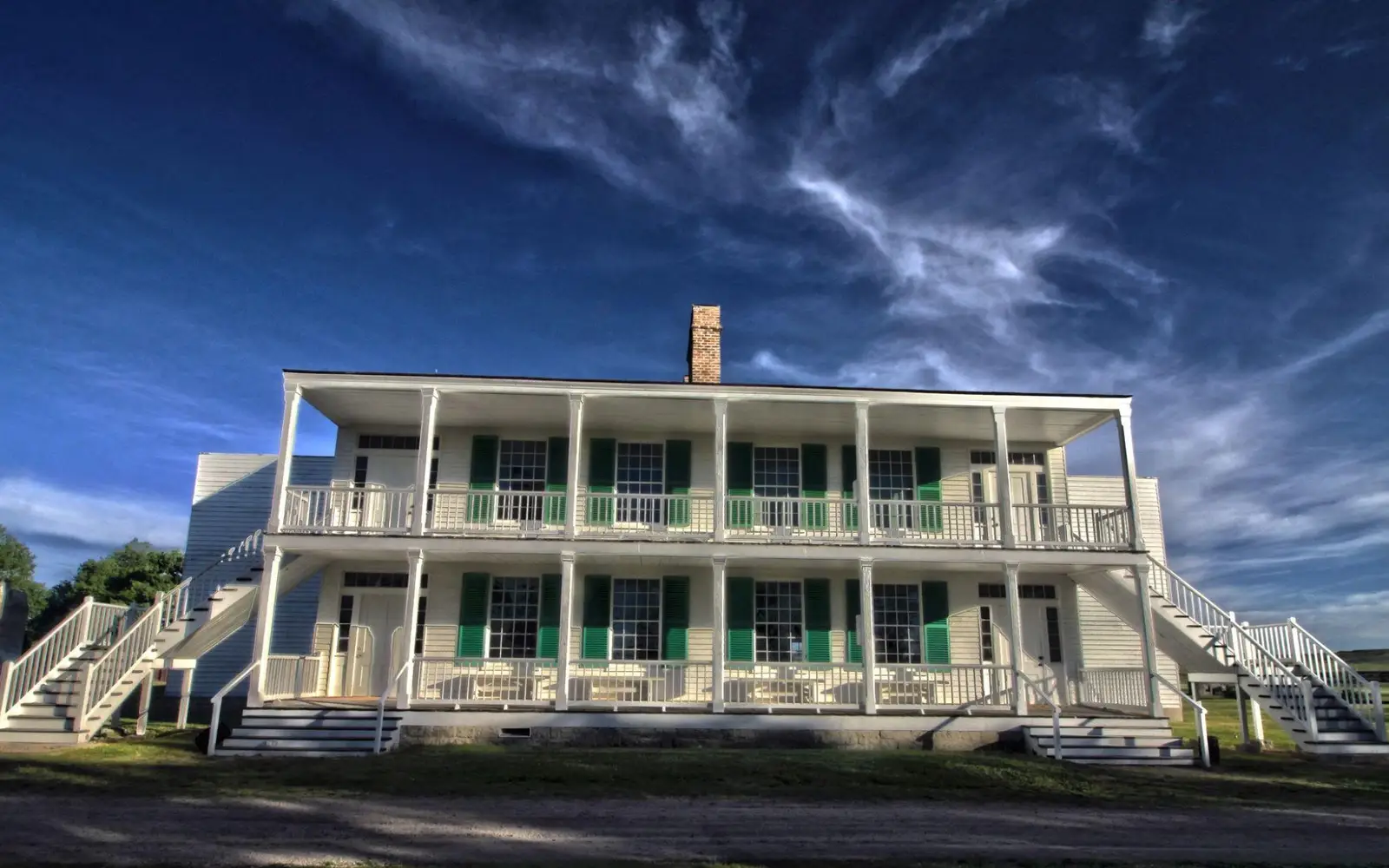
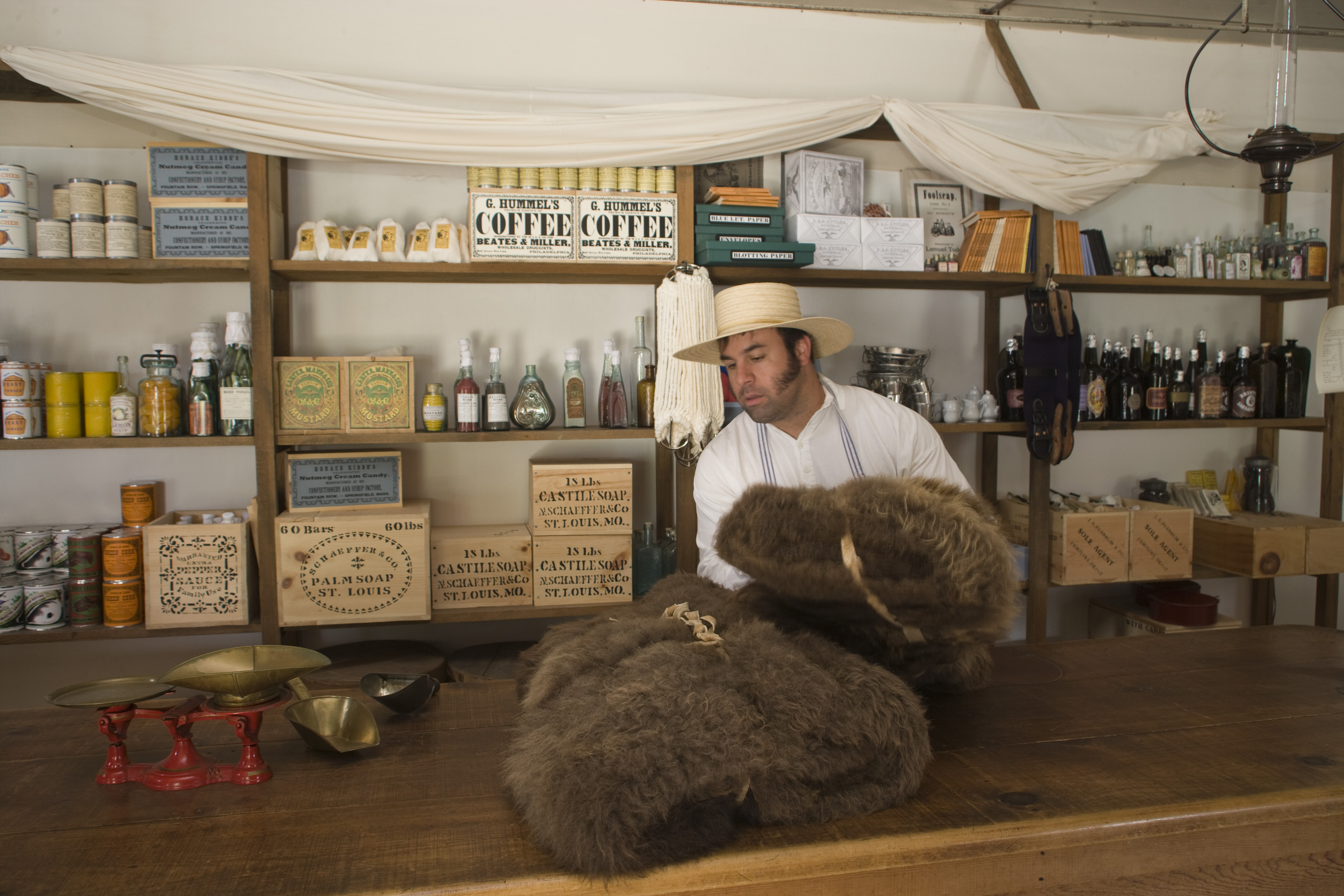
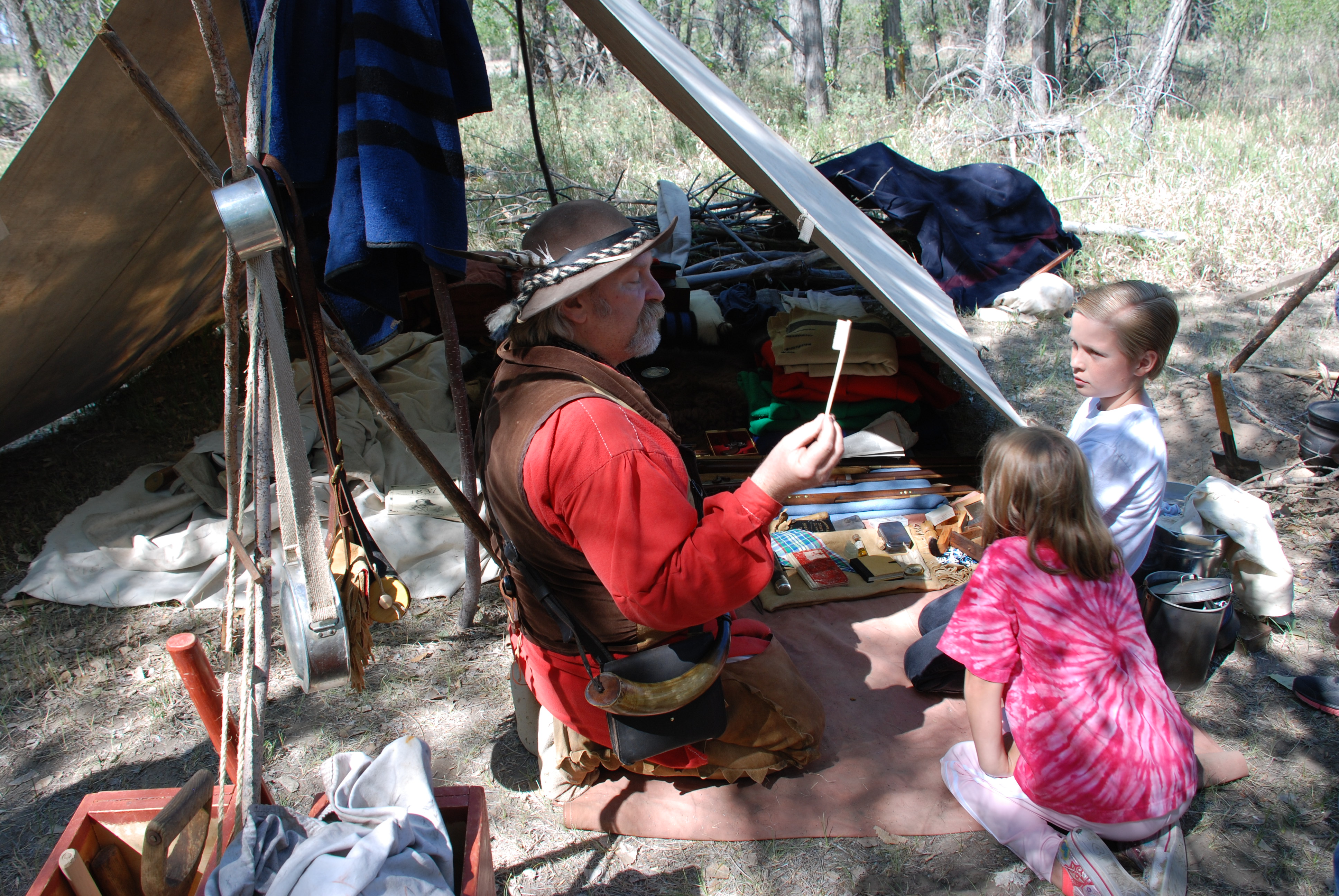
Its preserved adobe and wood structures stand much as they did from the 1840s to 1890, anchoring the U.S. military presence on the Northern Plains. This is no reconstruction. These are original surviving buildings from a fort that processed Oregon Trail emigrants, hosted treaty negotiations, and served as a staging ground for campaigns against the Lakota and Cheyenne. For history enthusiasts, the experience is substantive. Living history programs and weapons demonstrations animate
The case for it
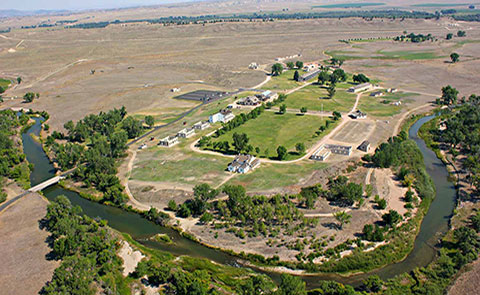
This historic fort offers a self-guided walking tour through surviving structures like the post trader's store and cavalry barracks, open daily as weather permits. Living history programs and historic weapons demonstrations occasionally animate the grounds. The Laramie River provides freshwater fishing opportunities. Low light pollution and semi-arid Wyoming skies ensure excellent stargazing conditions. A free junior ranger program caters to families seeking hands-on historical engagement. A park store and bookstore offer souvenirs and further reading. This unit strongly suits those with an active interest in military history or astronomical observation. Casual sightseers may find less to hold their attention without scheduled programming.
Who it is for
This park is a clear destination for history enthusiasts. Its scope encompasses westward expansion, the Oregon Trail era, Plains Indian history, and 19th-century U.S. military life. The junior ranger program and living history events provide particular value for families with school-age children. Travelers road-tripping through Wyoming will find it a compelling, free stop. However, those prioritizing hiking, dramatic scenery, or wildlife will find their interests unserved.
Best time to visit
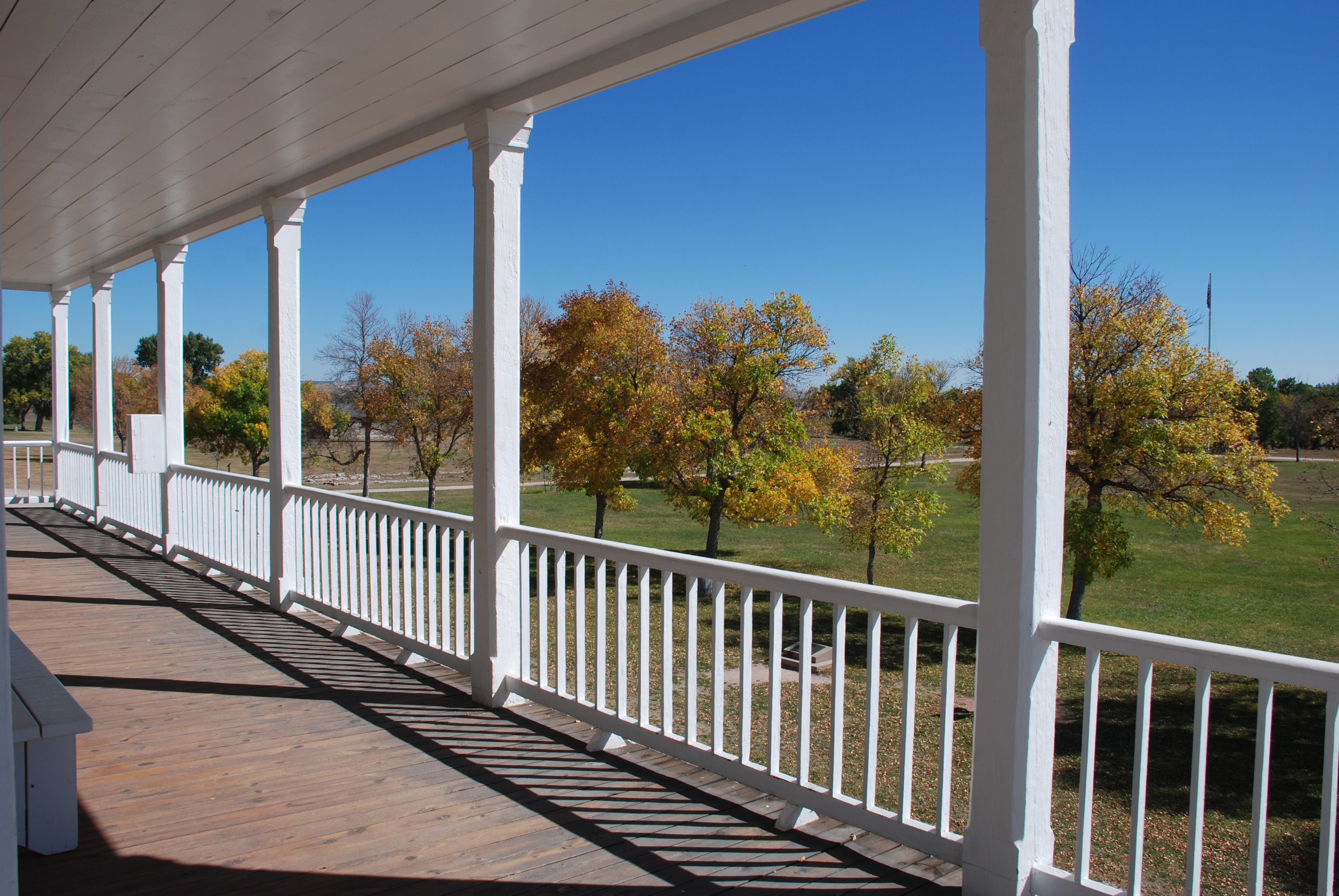
The most comfortable conditions prevail in late spring, from May through early June, and in early fall around September. Summer highs routinely surpass 100 degrees Fahrenheit on the exposed parade grounds, which offer minimal shade; midday visits then become genuinely punishing. Winters bring bitter wind chills, prompting the closure of some historic buildings. Living history and weapons demonstration events primarily occur in warmer months. Consult the NPS schedule for specific programming.
Worth seeing
- Surviving 19th-century fort structures including the post trader's store and cavalry barracks open for exploration
- Living history programs and historic weapons demonstrations that animate the military post era
- Self-guided walking and auto tours covering the full sweep of the site at your own pace
- Freshwater fishing on the Laramie River running through the historic grounds
- Exceptional stargazing in a semi-arid, low-light-pollution Wyoming sky
- Free junior ranger program structured around the fort's layered history of trade, emigration, and conflict
Before you visit
Admission is free, making this a cost-effective addition to any Wyoming itinerary. Grounds are open dawn to dusk year-round. Note, however, that some historic buildings close in winter. A summer or shoulder-season visit maximizes access to all facilities. The site sits near the town of Fort Laramie, Wyoming, approximately 100 miles from Cheyenne. Summer visitors should bring water and sun protection. Minimal shade is available on the grounds.
Our tipFor those planning a visit to Fort Laramie, consulting the NPS event calendar for living history and weapons demonstration dates is essential. These programs are not daily. Timing a trip to coincide with one of these events elevates the experience considerably. Without them, the visit remains an interesting architectural tour. With them, it becomes genuinely memorable.