parkverdict
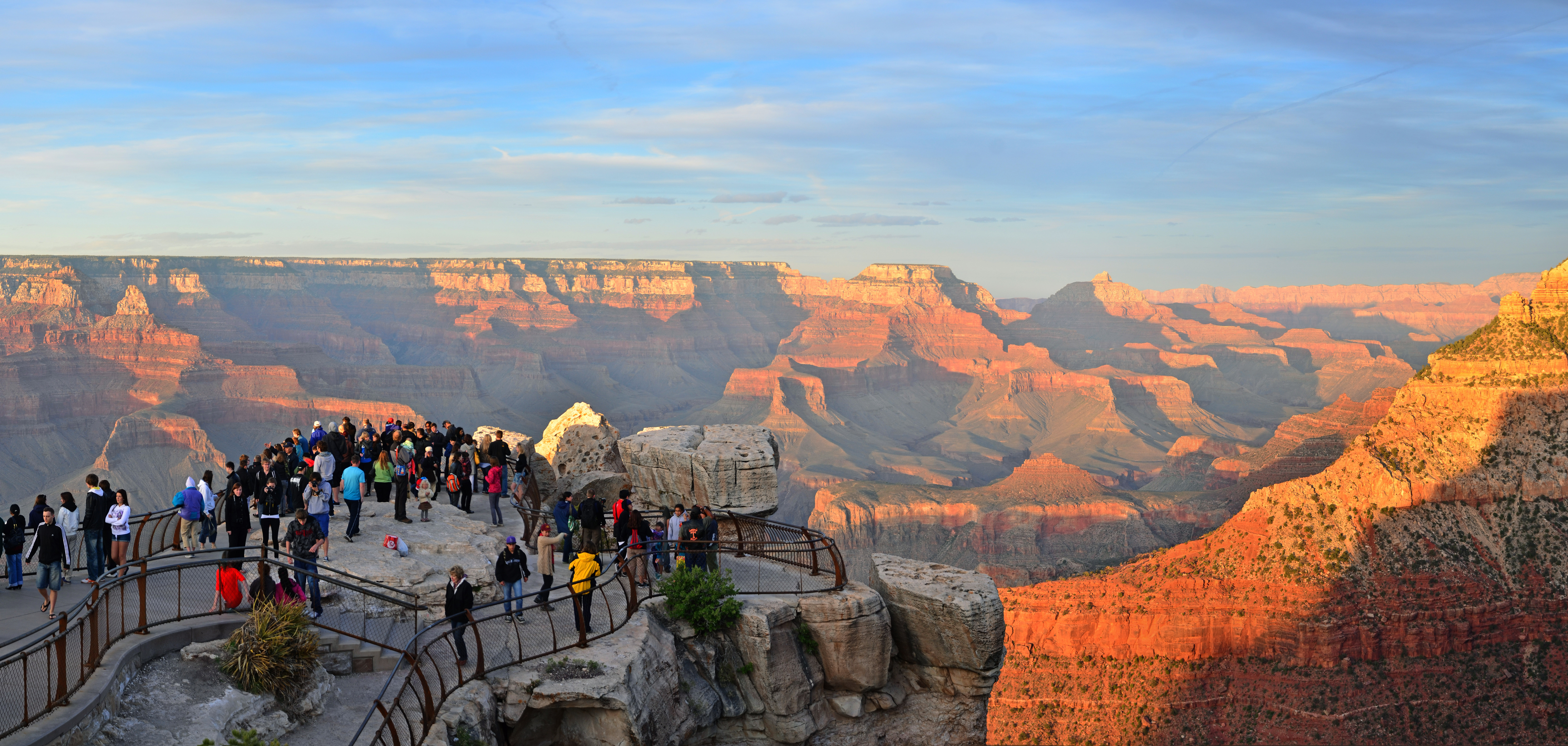
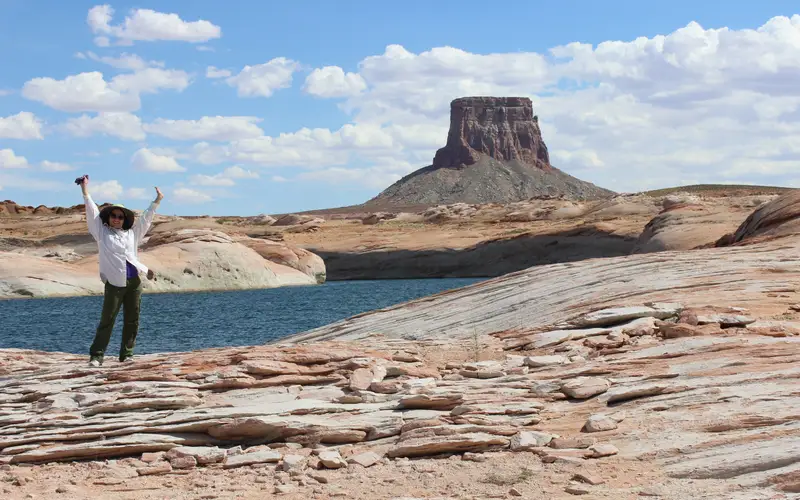
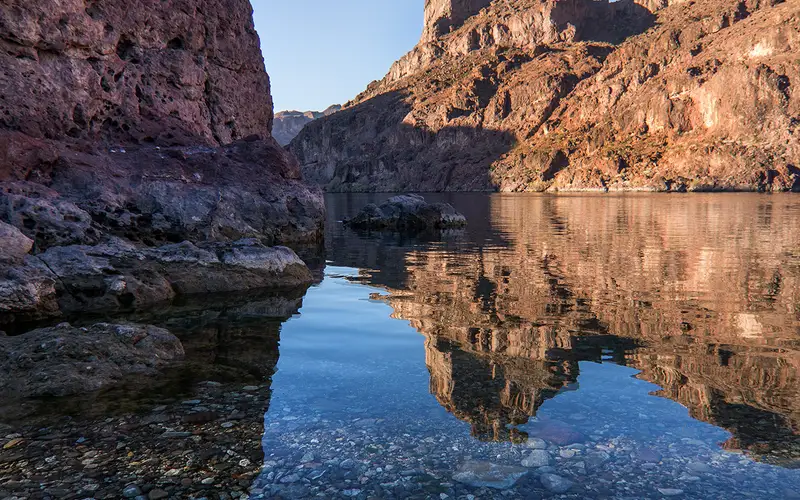
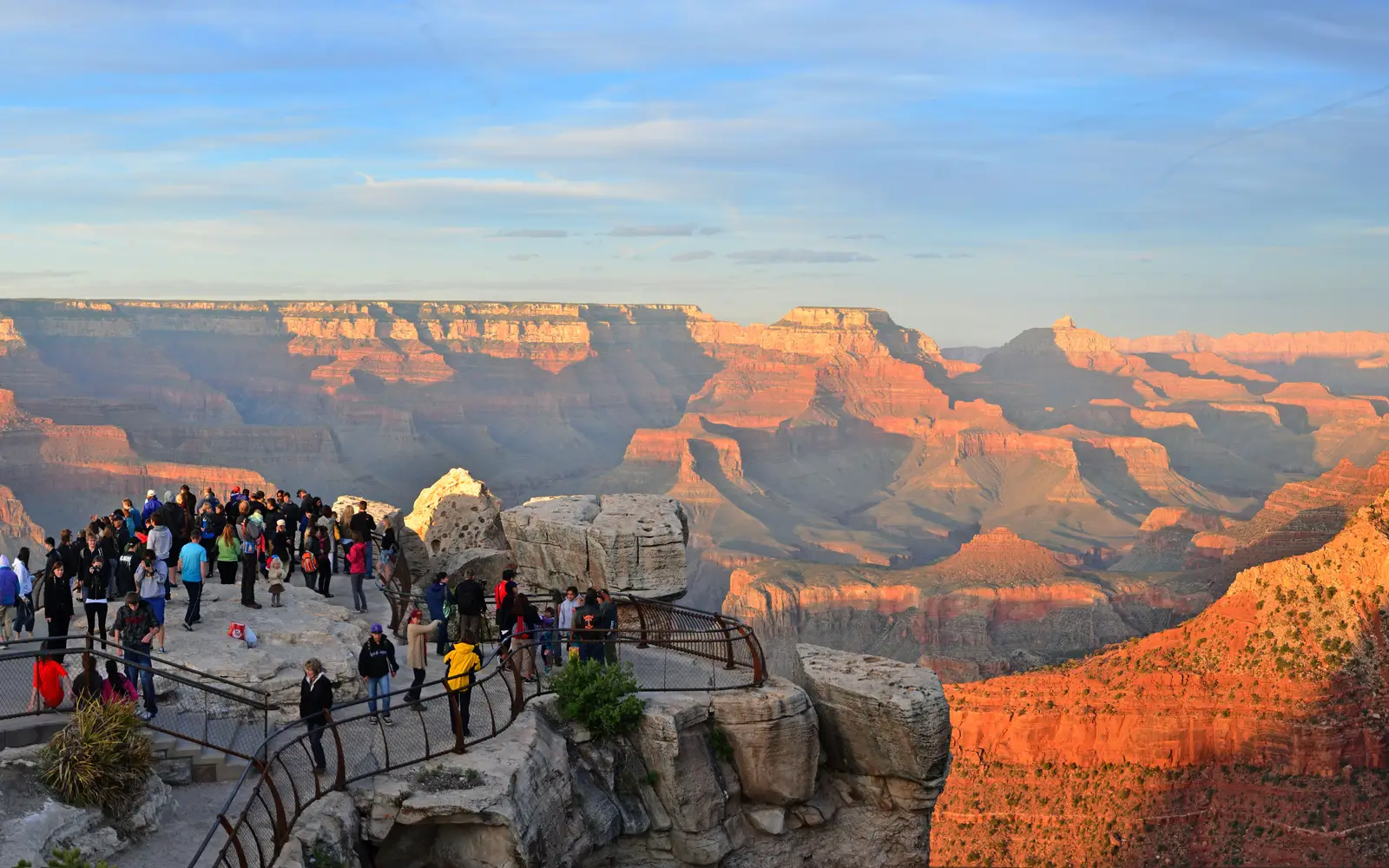
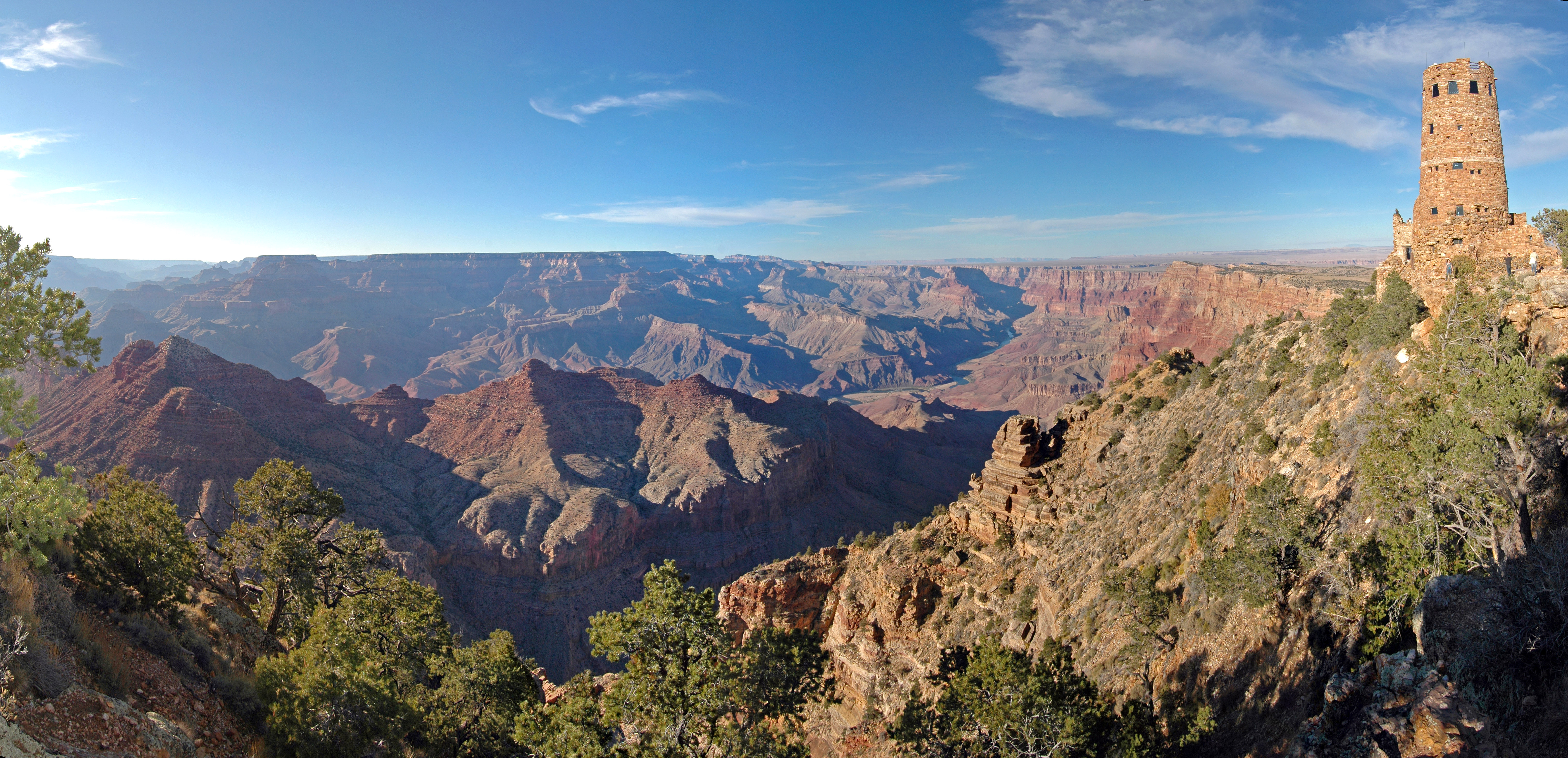
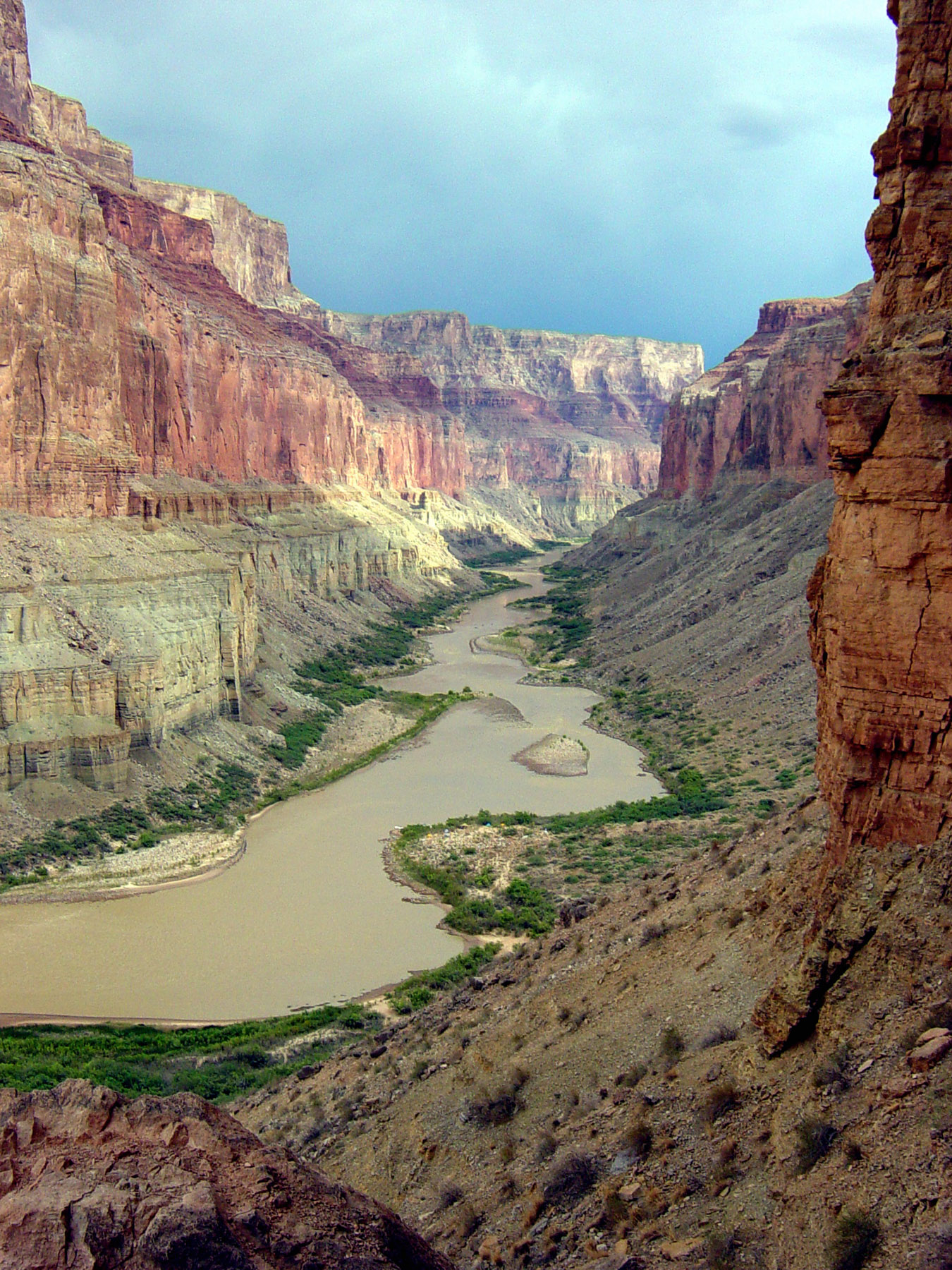
The canyon glows orange as people visit Mather Point, a rock outcropping that juts into Grand CanyonThe Desert View Watchtower looms 70 feet into the air over a vast and dramatic view of the canyon.Tall canyon walls frame the wide Colorado river weaving back and forth.
National ParkAZ

Grand Canyon National Park

NPS / NPS/M.Quinn
84/ 100WIDE RANGE
parkverdict Experience ScoreIndependent, not sponsored

84 of 100. Our independent breadth-and-access index. How we score

Our take

Is Grand Canyon National Park worth your trip?

Grand Canyon is not a park you simply check off a list.

The canyon drops a mile straight down, the Colorado River carved 278 miles of it, and nothing in photographs actually prepares you for standing at the rim and looking out. What you take away, though, depends almost entirely on how much effort you bring with you. Pull up to the South Rim, glance over the edge, and drive home, and yes, you have seen something impressive. But you have barely touched what the place offers. Commit to a backcountry hike, a multi-day raft trip down the Colorado, or a night under skies dark enough to earn the park an official stargazing designation, and you have had one of the defining outdoor experiences in North America. The experience score of 84 reflects documented offerings that hold up across nearly every type of visitor. For anyone willing to plan ahead, the place pays you back well.

Why go

A good day here starts early on the rim trail with wildlife watching and canyon light, then transitions into a front-country hike partway into the canyon to feel the elevation change and heat firsthand. Scenic driving along Desert View connects overlooks with distinct geological perspectives. A strong weekend adds a ranger-led guided tour or a junior ranger program for families, evening stargazing from a dark-sky designated area, and a night of car camping under a canopy that rivals almost anywhere in the American West. More ambitious visitors can book a whitewater rafting trip on the Colorado or arrange horse trekking into the canyon interior. The sheer range of documented activities, from road biking to backcountry camping to fly-in access, means two visitors can have entirely different trips at the same park.

Best for

Hikers, rafters, stargazers, families, and scenic drive fans all find something worth the trip here. Backcountry campers and Colorado River paddlers tend to rank it among their favorite destinations. Even a quick stop at the rim leaves most visitors impressed, though anyone with limited mobility or little interest in outdoor activity may find the effort outweighs the reward.

Best season

March through May and September through November offer the most comfortable visits. Rim temperatures stay mild, and the inner canyon stays safe to hike without dangerous heat. Summer turns brutal below the rim, making any serious descent a bad idea. Winter brings snow to the rim and genuine solitude, though some roads close and you will need cold-weather gear. The clearest nights for stargazing come outside the summer monsoon season.

The high points

  • Standing at the South Rim for the first unobstructed view into the mile-deep canyon
  • Hiking below the rim to experience the canyon's layered geology and dramatic temperature shift
  • Whitewater rafting or paddling the Colorado River through 278 miles of canyon corridor
  • Designated dark-sky stargazing on clear nights far from city light pollution
  • Scenic driving the Desert View corridor with multiple distinct overlooks
  • Wildlife watching and birdwatching across canyon elevations from river to rim

Know before you go

Entry costs $20 per vehicle; America the Beautiful passes are accepted, but the park takes no cash. The South Entrance and Desert View East Entrance stay open around the clock, every day. Backcountry permits for overnight hikes require advance reservations and tend to fill months out. Summer hiking in the inner canyon carries serious heat risk, and the park explicitly warns against attempting a rim-to-river round trip in a single day.

One more thingHead away from the South Rim visitor complex if you want real results, and plan your visit around a new moon window in fall. The canyon sits in a remote stretch of Arizona with some of the lowest light pollution of any major national park in the lower 48, and the sheer depth of the canyon gives you a foreground that no dedicated dark-sky preserve can match.

How we scored it

How Grand Canyon National Park earned its 84

Where does a 84 come from? One formula, run the same on every place we cover, built only from public data on what a unit offers and how reachable it is. It says nothing about how pretty a spot is or how busy it gets. This is what fed it:

  • Activity breadth32 documented activities
  • Topic breadth37 topics
  • Official imagery3 public-domain images
  • Camping on sitedocumented
  • Entry cost$20

No number is hand-adjusted and no unit pays for placement. The full weights, the floor at 18 and a worked example are on how we score.

The honest limits

The honest blind spots

Read the score for what it is. It counts what a place documents and how reachable it is, and stops there. It will not tell you if a sunset floors you, if the crowds thin out by dusk, whether a washout closed your trail, or how a ranger tells the story. Plenty of quiet, focused spots score modestly and still win the weekend. Let the number rank what is on offer; let the verdict speak to the feel.

On offer

Documented activities

Arts and CultureCultural DemonstrationsAuto and ATVScenic DrivingAstronomyStargazingBikingRoad BikingBoatingCampingBackcountry CampingCar or Front Country CampingHorse Camping (see also Horse/Stock Use)FishingFoodFlyingGuided ToursHands-On
The basics

Grand Canyon National Park at a glance

Grand Canyon National Park takes in 278 miles (447 km) of the Colorado River and the uplands around it, all inside Arizona. That land sits on the ancestral homelands of 11 present-day Tribal Communities. The canyon itself is roughly a mile deep, carved by erosion into one of the most striking landscapes on earth, and the views from both the north and south rims look like nothing else.

On documented breadth and access, Grand Canyon National Park ranks 10th of 29 park and public-land units we score in Arizona.

Weather and seasons

Grand Canyon stretches from 2,500 feet at the canyon floor to 8,400 feet on the North Rim, so conditions shift dramatically depending on your location and the season. Snow and cold settle in during winter, and summers bake the inner canyon. Temperatures down inside typically run 20 to 30 degrees warmer than on the rims, which catches a lot of visitors off guard.

Common questions

Grand Canyon National Park: quick answers

Is Grand Canyon National Park worth visiting?

Grand Canyon is not a park you simply check off a list.

Is Grand Canyon National Park free to visit?

Not free. Getting in runs about $20.

What is Grand Canyon National Park best for?

It leans hardest toward stargazing, hiking, camping, good with kids, going by the 32 activities it actually documents.

When is the best time to visit Grand Canyon National Park?

March through May and September through November offer the most comfortable visits.

How is the Experience Score for Grand Canyon National Park calculated?

The 84 comes straight from public data on how much the place documents and how easy it is to reach, things like activities, topics, photos, camping and whether entry is free. It says nothing about scenery or how busy it gets.