589 units scored Refreshed on a schedule Independent, no sponsored rankings
Recreation AreaMS
Grand Bay National Estuarine Research Reserve
NPS / Grand Bay National Estuarine Research Reserve
49/ 100FOCUSED
parkverdict Experience ScoreIndependent, not sponsored
49 of 100. Our independent breadth-and-access index. How we score
Worth it?
Is Grand Bay National Estuarine Research Reserve worth it?
Grand Bay presents a rare ecological confluence, uniting Gulf estuary, pitcher plant bog, and maritime pine forest within a single free-admission reserve.
The documented breadth of habitat is notable. However, this is a destination for patient, self-directed visitors, not those anticipating extensive infrastructure. Fishing, paddling, and wildlife viewing offer the primary engagement. Interpretive programs provide genuine depth. For those drawn to estuarine ecology, this site warrants a detour. Casual sightseers should look elsewhere.
Who it is for
This destination rewards anglers, kayakers, and wildlife photographers comfortable with low-key reserves. Families seeking structured, amenity-rich outings and hikers desiring varied trails will find it less suitable.
Worth seeing
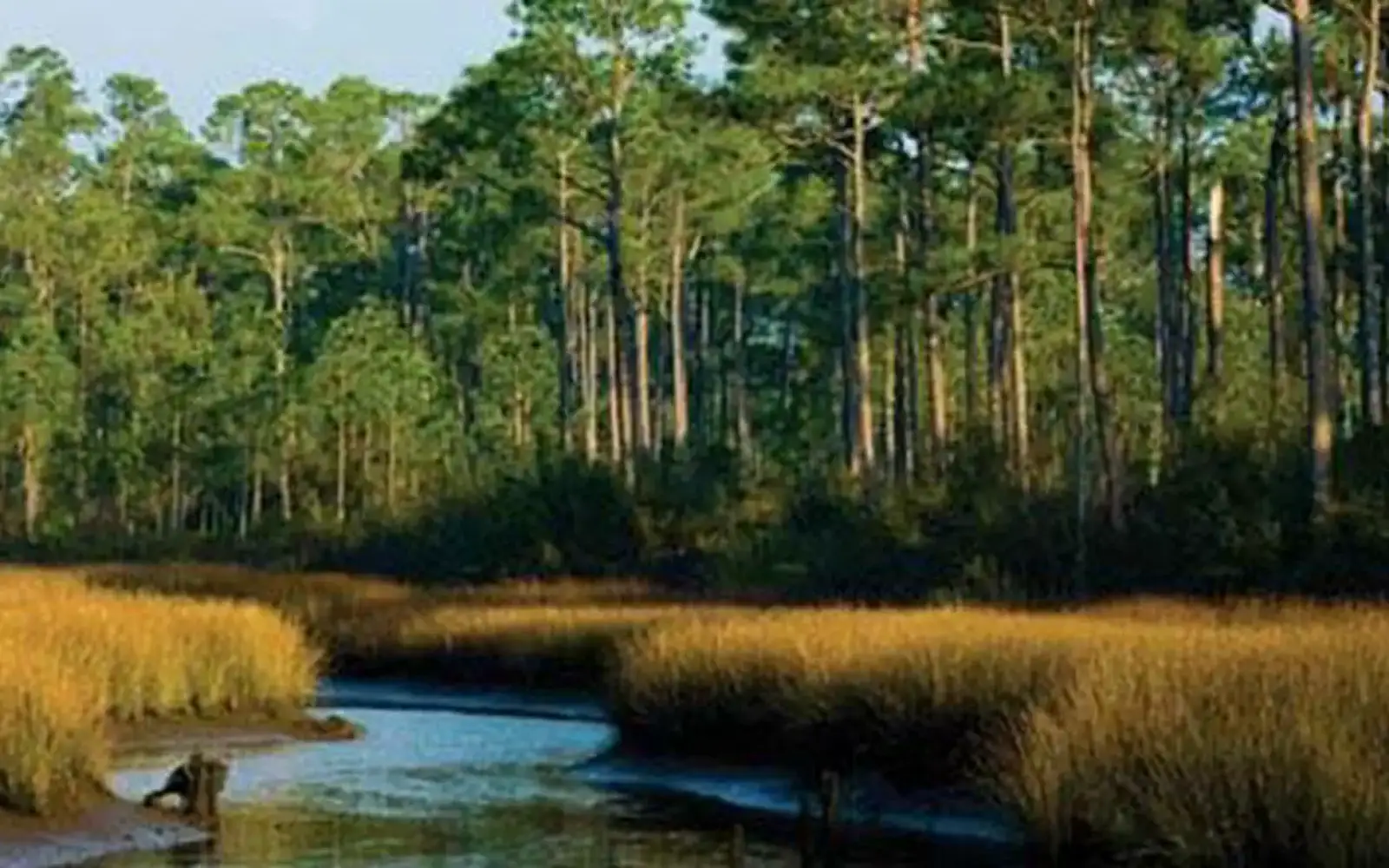
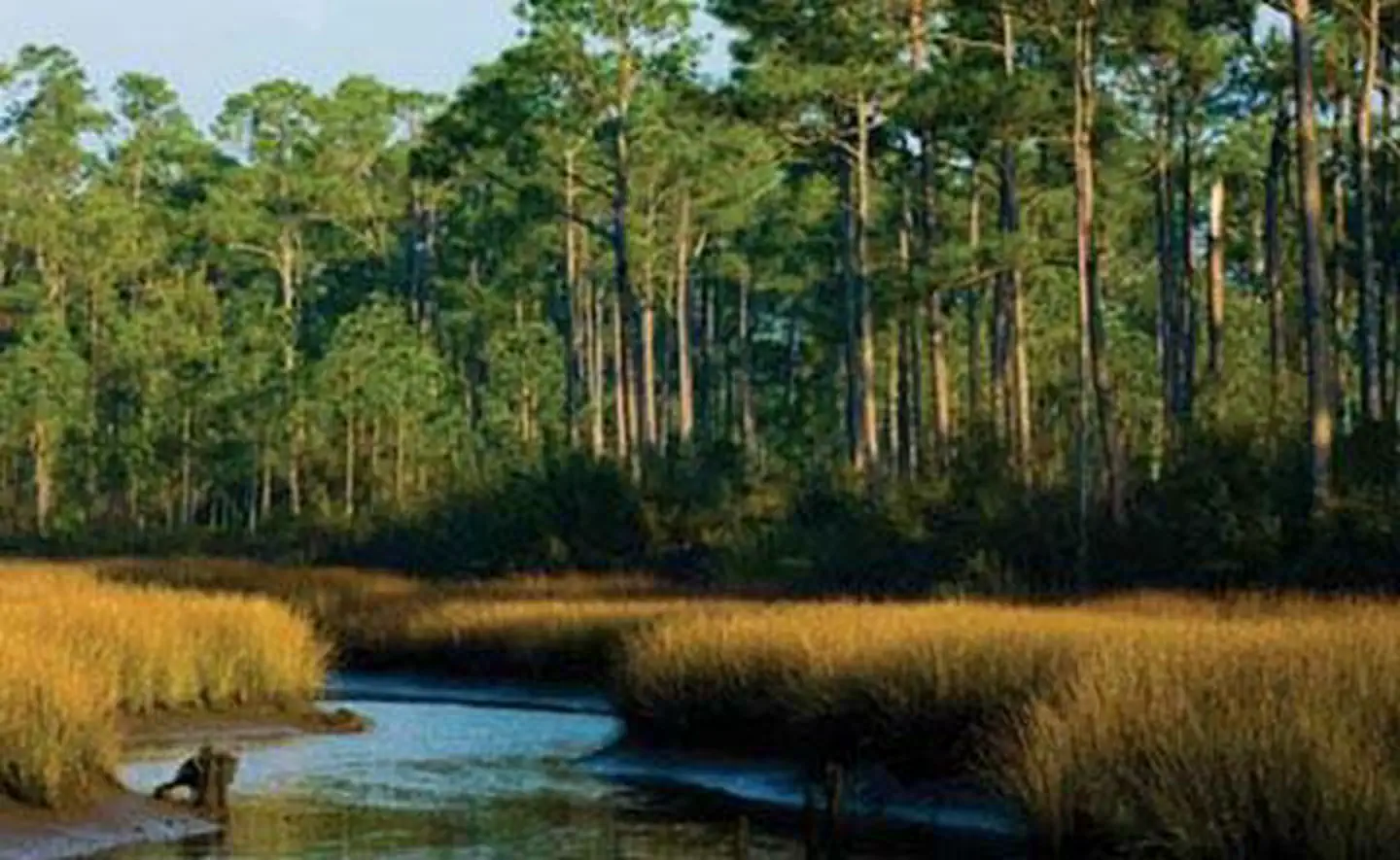
Paddling through black needle rush marshes with chances to spot bottlenose dolphins and manatees in deeper reserve waters
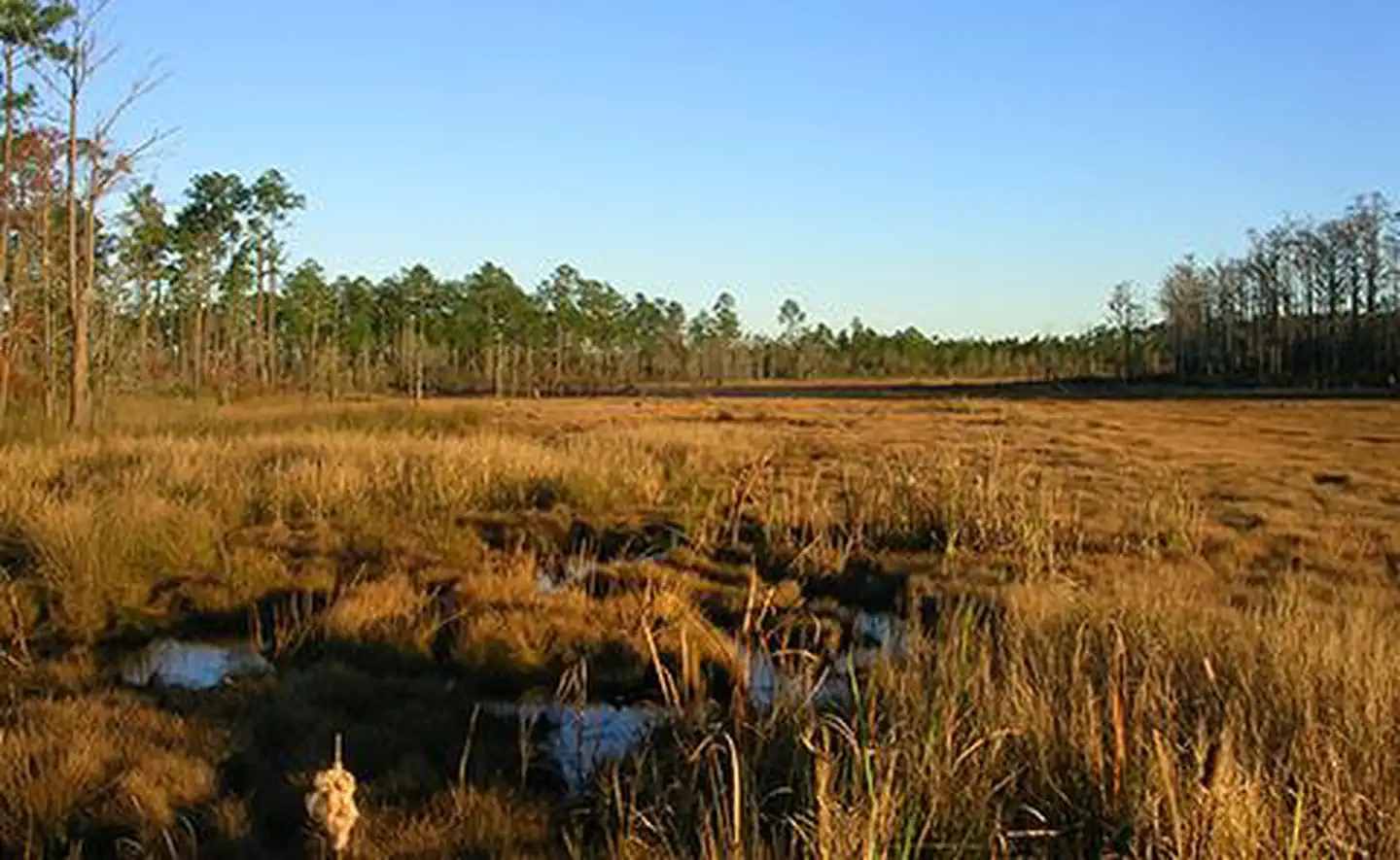
Wildlife photography across strikingly varied habitats, from salt pannes to carnivorous-plant-studded pine savannas
Free interpretive programs that unlock the reserve's layered ecology in ways self-guided visits cannot
Fishing in one of the northern Gulf's most biologically productive estuarine systems
Our tipAccessing the most unique habitats requires planning. Ranger-led programs offer the best opportunity to experience remote, ecologically distinct areas such as pitcher plant bogs. For independent exploration, a kayak is recommended. Many prime wildlife habitats are reachable by water, not by trail.
How we scored it
Behind the 49
The number is not a mood. It is a few things we can actually check in public records, added up and capped so no single one runs away with the total. It tracks how much a place has going on and how easy it is to reach, and nothing about scenery or crowds. Here is what added up to 49:
Activity breadth7 documented activities
Topic breadth0 topics
Official imagery2 public-domain images
Camping on sitenone recorded
Entry costfree
No number is hand-adjusted and no unit pays for placement. The full weights, the floor at 18 and a worked example are on how we score.
The honest limits
What the score cannot tell you
A quick honest note. The score tracks how much a place has going on and how easy it is to reach, both pulled from public records. What it cannot see is the stuff that often makes or breaks a day: whether the views stop you cold, how packed it gets in season, what the trails are like after rain, or whether you catch a great ranger talk. A small, single-focus site can land below a sprawling park here and still be the better call for your trip. Use the number to compare what places offer on paper, and the verdict up top to tell if it is your kind of place.
About Grand Bay National Estuarine Research Reserve
The Grand Bay Reserve is an estuarine ecosystem in the northern Gulf of Mexico. It includes a portion of the Grand Bay National Wildlife Refuge. The reserve sits between Pascagoula, MS, and the Alabama state line. Its 18,400 acres contain black needle rush marshes, maritime pine forests, pine savanna, salt pannes, and pitcher plant bogs. Habitats here support rare and endangered plants and animals. They also provide for marine fisheries and archeological sites.
Deeper waters of the reserve are home to sea turtles, bottlenose dolphins, and manatees. Higher savanna habitats contain many species of carnivorous plants and orchids. Productive oyster reefs and seagrass beds function as nursery areas. These nurseries support marine species like shrimp, blue crab, speckled trout, and redfish. The Nature Conservancy designated this area as one of its Last Great Places in America.
On documented breadth and access, Grand Bay National Estuarine Research Reserve ranks 5th of 6 park and public-land units we score in Mississippi.
Grand Bay National Estuarine Research Reserve: quick answers
Is Grand Bay National Estuarine Research Reserve worth visiting?
Grand Bay presents a rare ecological confluence, uniting Gulf estuary, pitcher plant bog, and maritime pine forest within a single free-admission reserve.
Is Grand Bay National Estuarine Research Reserve free to visit?
No charge at the gate.
What is Grand Bay National Estuarine Research Reserve best for?
It leans hardest toward water activities, wildlife watching, guided tours, going by the 7 activities it actually documents.
How is the Experience Score for Grand Bay National Estuarine Research Reserve calculated?
The 49 comes straight from public data on how much the place documents and how easy it is to reach, things like activities, topics, photos, camping and whether entry is free. It says nothing about scenery or how busy it gets.
Reviewed by Irene A. Taranina, founding editor/Checked against official public data/Published /Updated /Independent, no sponsored rankings
parkverdict is an independent digital publication. Not affiliated with the National Park Service.