
Is Governors Island National Monument worth it?
Governors Island, a 172-acre car-free island in New York Harbor, is accessible by ferry from Lower Manhattan or Brooklyn.
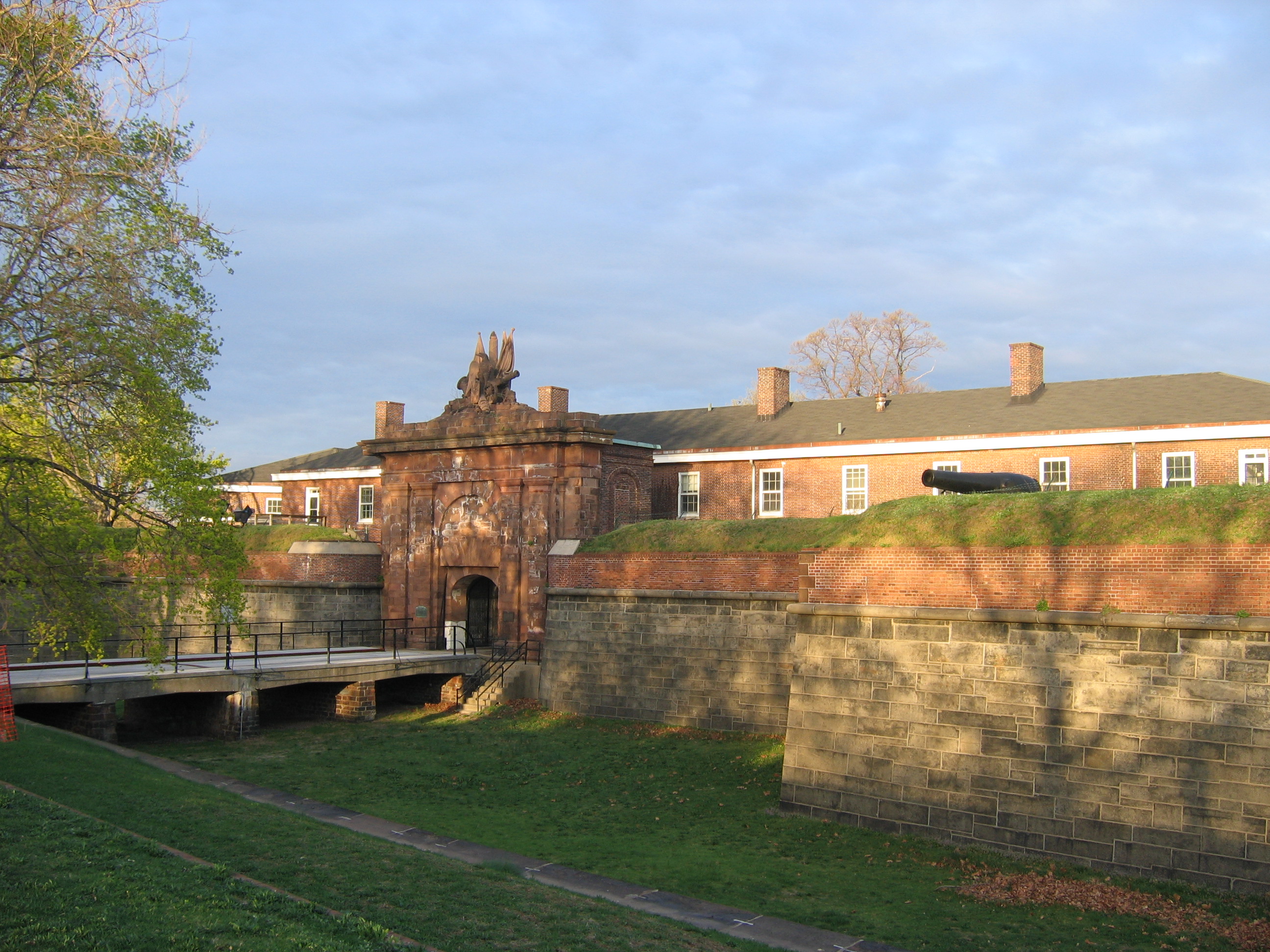
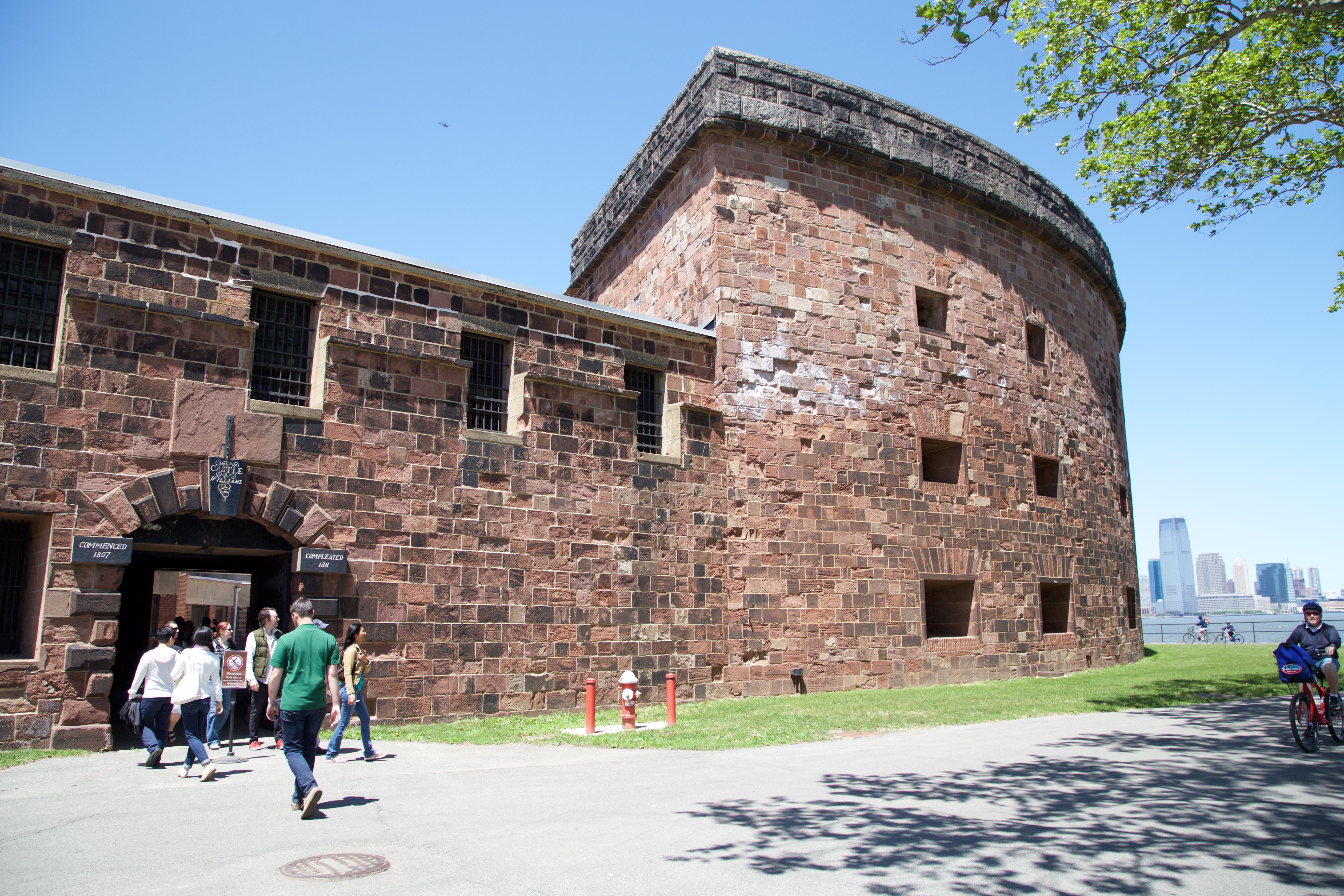
Its National Monument designation encompasses two historic fortifications, Fort Jay and Castle Williams. These structures anchor the northern end of the island. They chronicle over 170 years of Army and Coast Guard presence. The experience blends genuine military history with a relaxed public park atmosphere. Visitors can rent a bike and explore the forts. Dining outdoors offers a skyline view. This destination provides an urban escape just five minutes from a major city. Fort Jay closes for winter, making the historical core seasonal. With a score of 64, this is not a wilderness park. It is not an epic multi-day destination. For a free, ferry-accessed urban escape with historical substance, it offers significant value.
The case for it
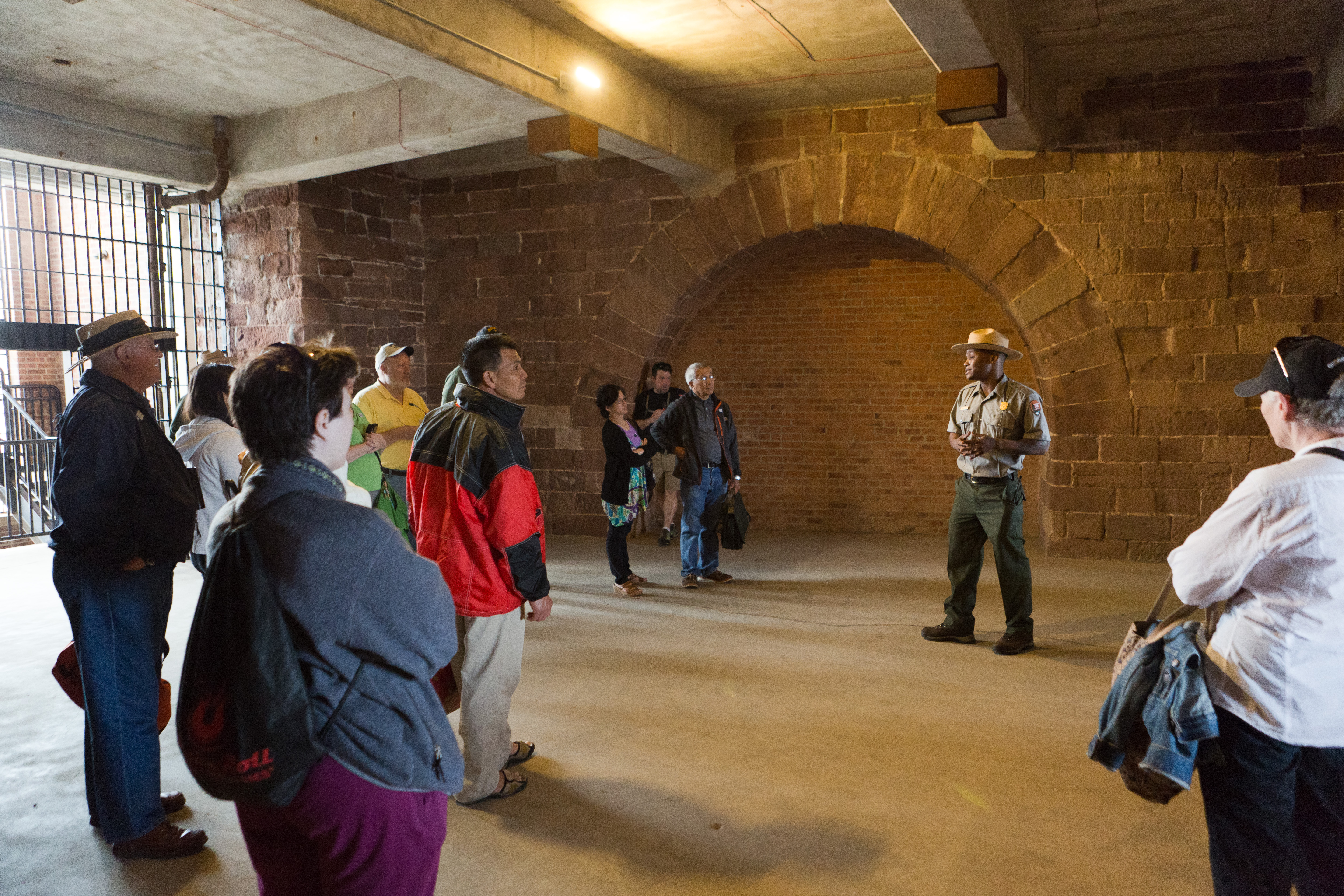
For a city escape that rewards exploration, this island unit makes a compelling case. The free ferry crossing offers immediate scenic value, delivering sweeping views of Manhattan and Brooklyn. Once ashore, the absence of cars transforms the island into a cyclist's haven. Renting a bike provides unfettered access to Fort Jay's star-shaped earthworks and the distinct circular sandstone of Castle Williams. Guided tours enhance the understanding of these historic fortifications. Families benefit from the Junior Ranger Program, offering structured historical engagement. Museum exhibits further detail the Army and Coast Guard eras. With picnic areas boasting harbor vistas, a packed lunch becomes an event. Historical depth, active recreation, and impressive views converge here. Its no-cost entry beyond ferry fare makes it an exceptional value.
Who it is for
This destination caters to specific interests. Families with children will appreciate the open spaces for exploration. Those interested in American coastal defense and military history will find the heritage compelling. For New York City visitors, it presents a viable half-day excursion, offering a distinct change of pace. However, serious hikers, backcountry campers, or those seeking dramatic natural scenery will find little to hold their interest here.
Best time to visit
Public access to the island is limited to May through September. This narrow window means summer is the only option for a visit. For comfortable temperatures and to avoid the peak humidity of July and August, June and early September are the best times to go. The island generally stays a few degrees cooler than Manhattan, providing a welcome respite on hot days. Visitors should pack rain gear; harbor thunderstorms can develop quickly.
Worth seeing
- Guided tours of Fort Jay and Castle Williams, two of the oldest American fortifications in New York Harbor
- Car-free biking around the entire island with unobstructed skyline views
- Free admission, with only the ferry fare as the real cost of entry
- Waterfront picnicking with direct sightlines to the Manhattan and Brooklyn skylines
- Junior Ranger Program giving kids a structured historical mission to complete
- Museum exhibits tracing over 170 years of Army and Coast Guard history on the island
Before you visit
Access to this National Monument is restricted by its ferry service, available only from May to September. While admission itself carries no fee, the ferry from Lower Manhattan or Brooklyn Bridge Park is a separately ticketed expense. Fort Jay, a primary historical feature, is entirely closed for the winter season, reopening only in April. Therefore, a visit outside the summer window provides significantly diminished historical interpretation. Bicycles are available for rent on the island. Bringing your own is not necessary.
Our tipChoosing the Brooklyn Bridge Park ferry departure offers a superior approach to the harbor. This route provides a wider panoramic view and typically experiences shorter lines during peak summer weekends.