parkverdict
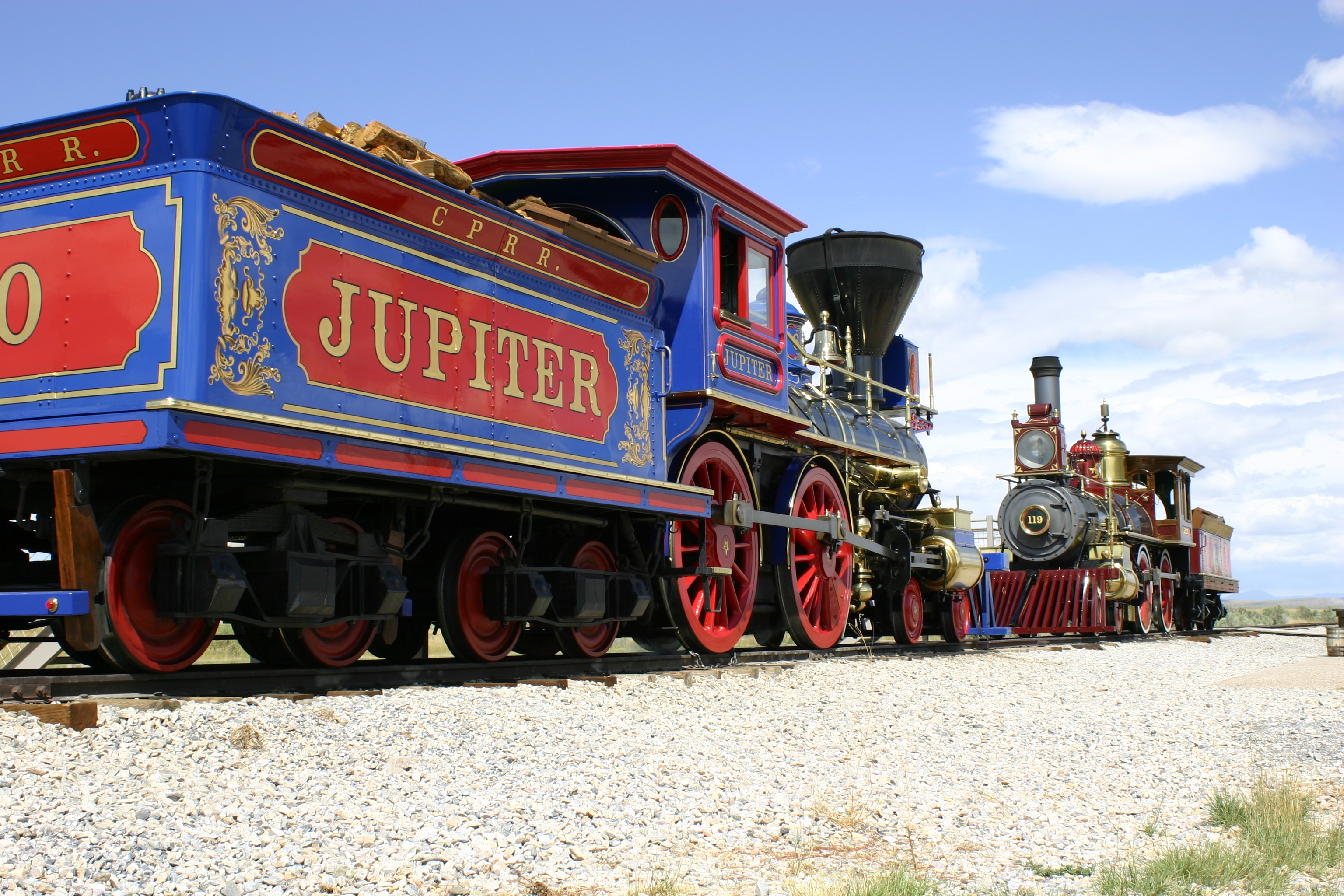
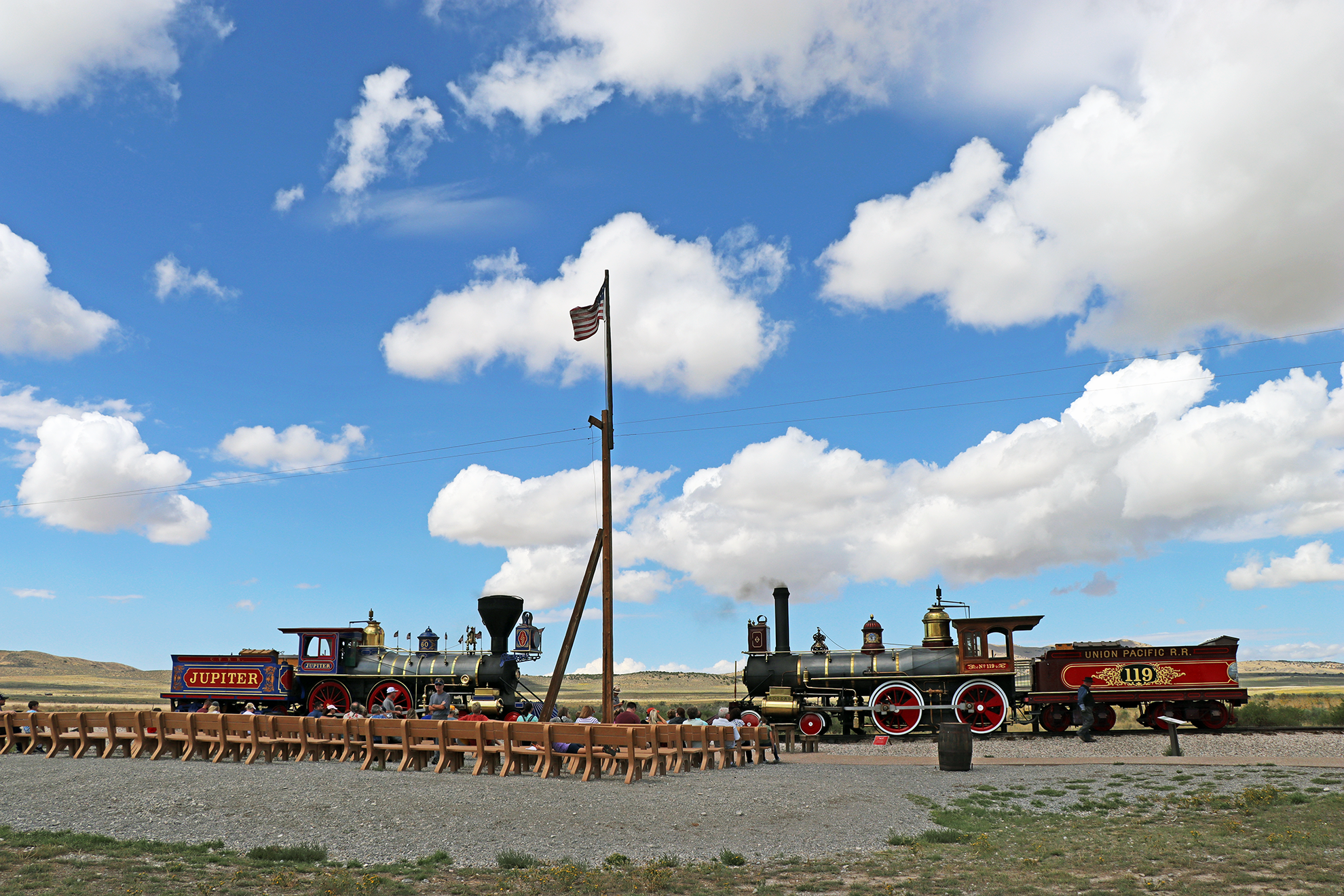
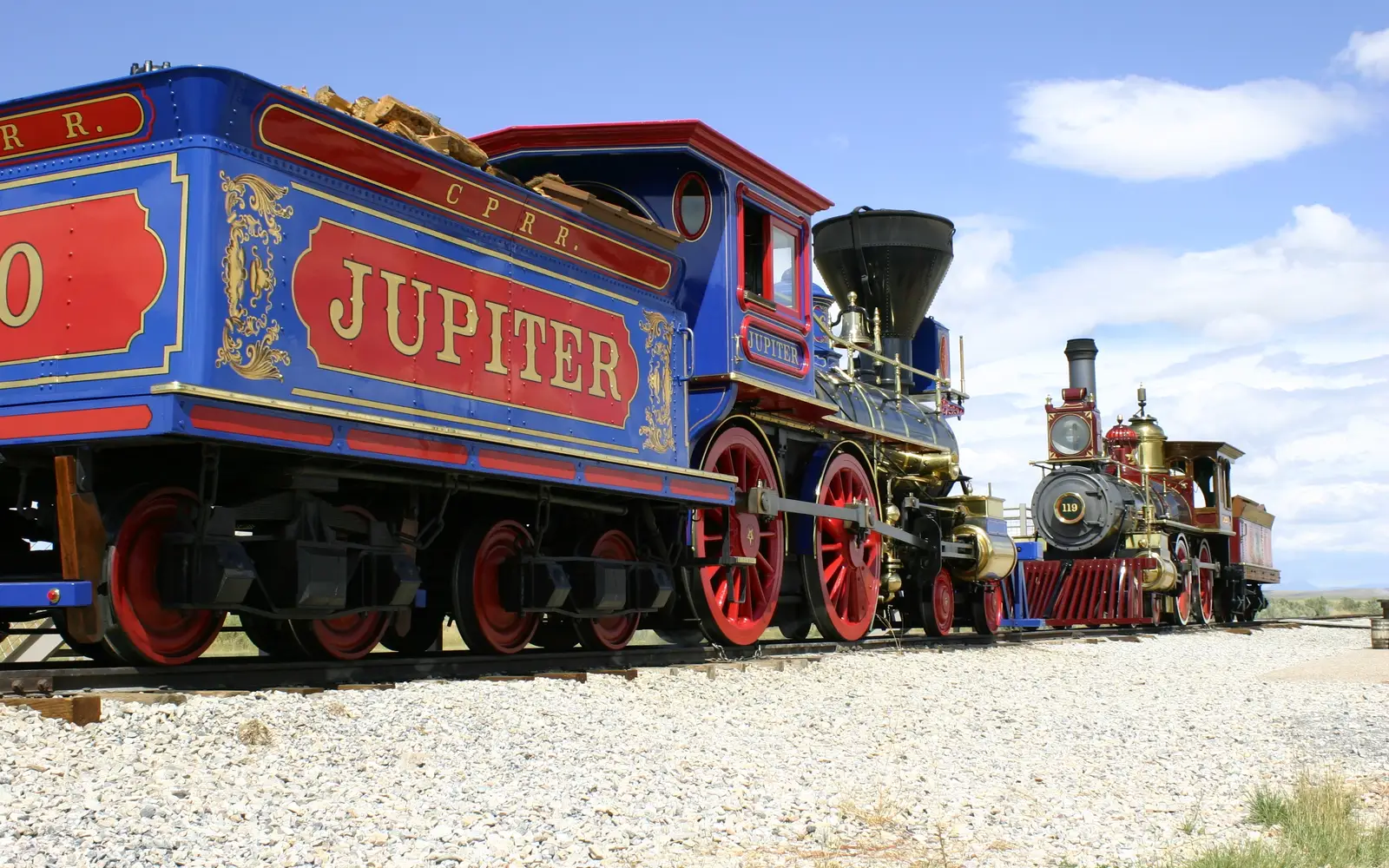
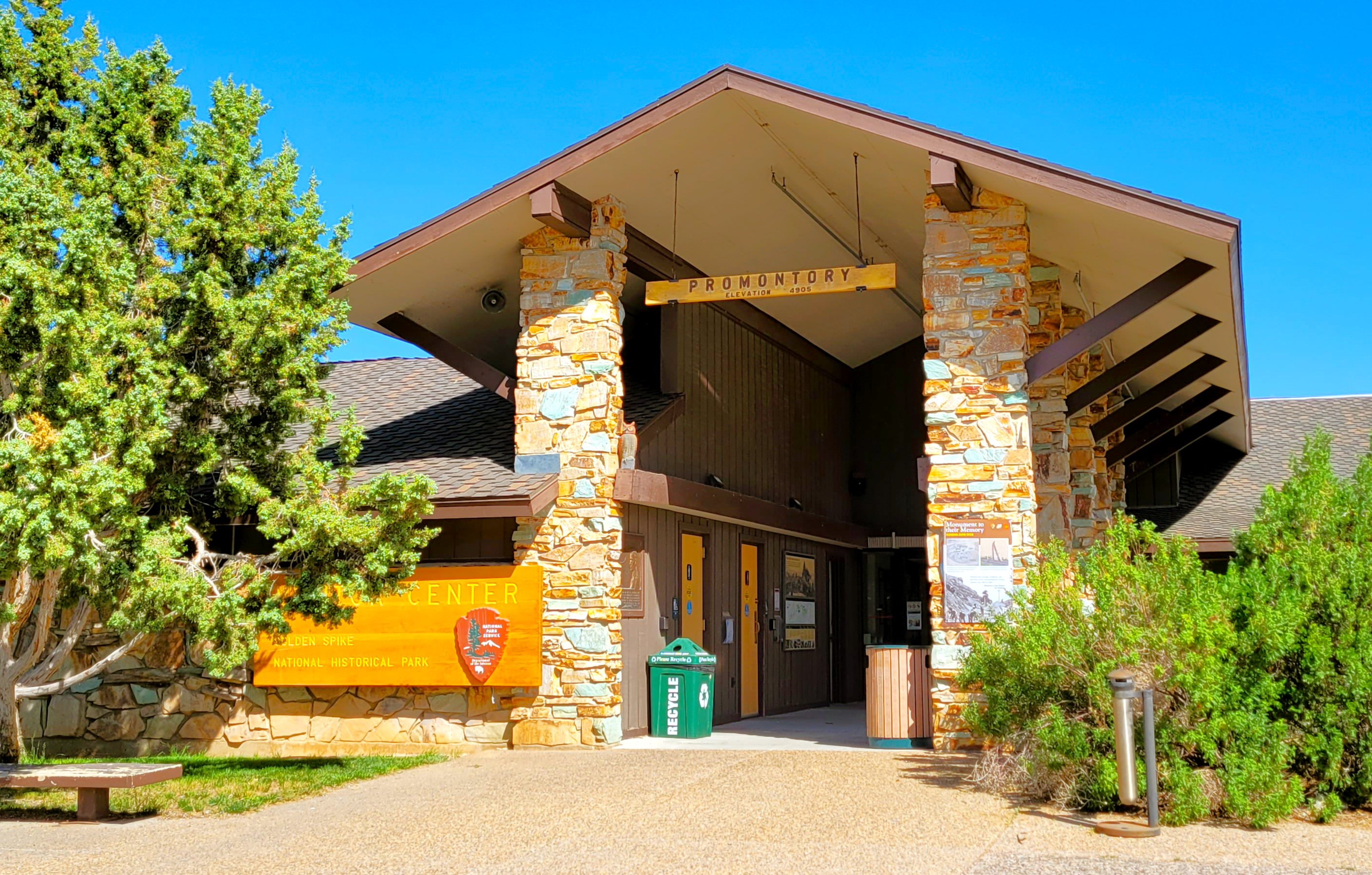
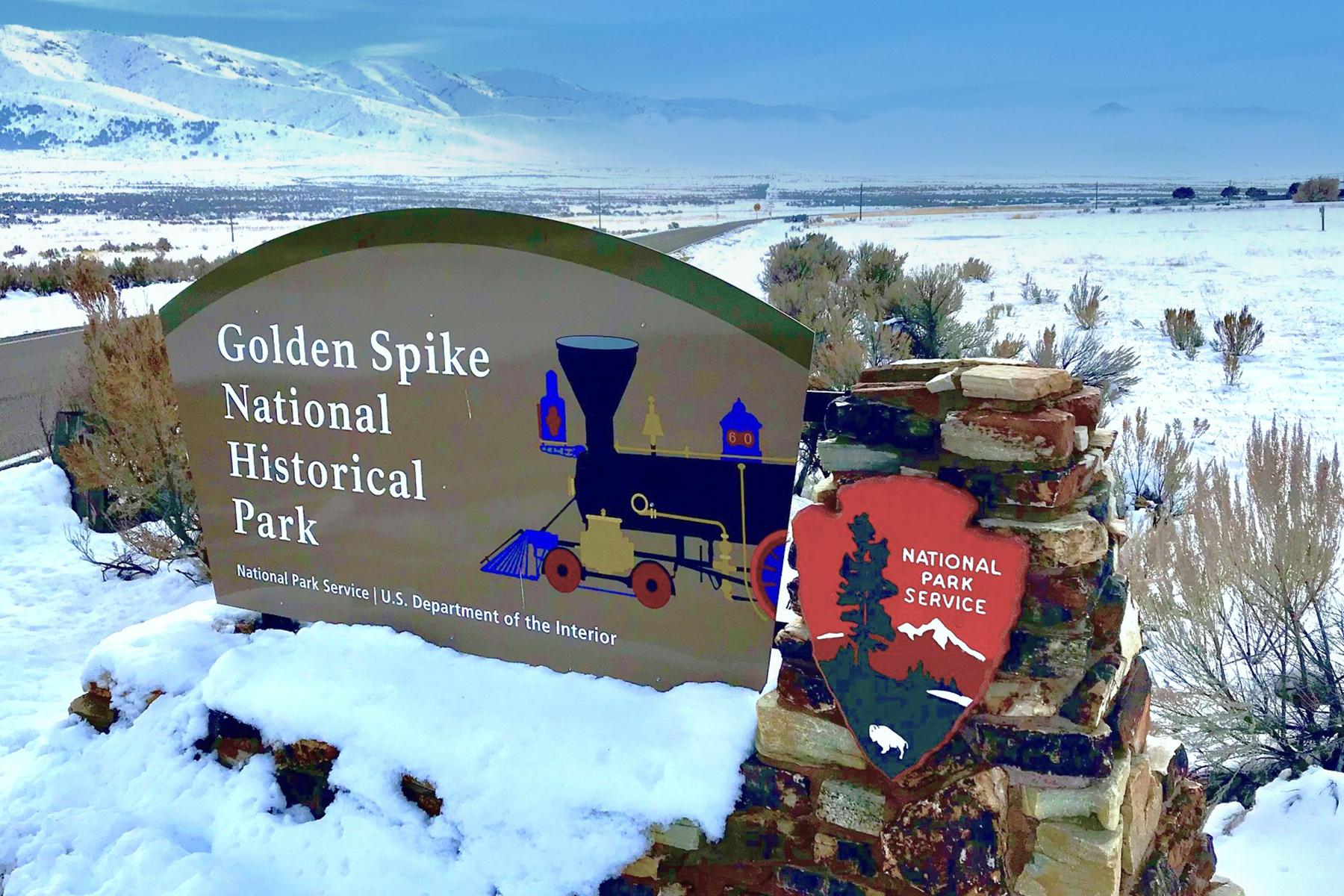
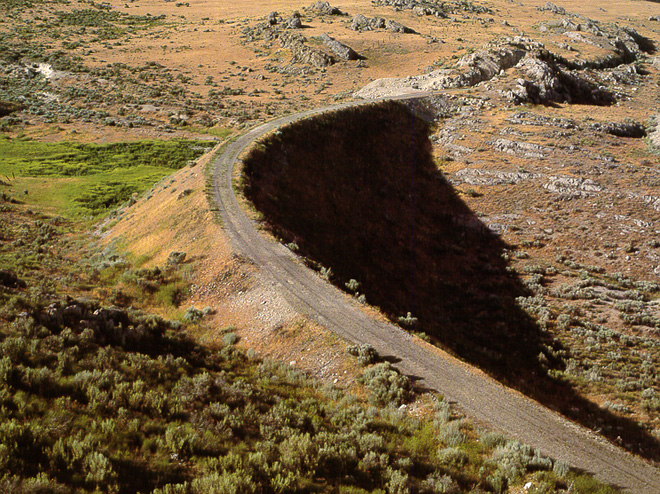
Two replica victorian age steam locomotives face each other on the original railroad gradeThe Golden Spike National Historical Park's Visitor Center colorful stone entranceWinter View of Golden Spike Entrance SignThe Big Fill is a 400 foot long 80 foot high mound of packed earth that bridged a ravine
National Historical ParkUT

Golden Spike National Historical Park

NPS / NPS Photo
64/ 100GOOD RANGE
parkverdict Experience ScoreIndependent, not sponsored

64 of 100. Our independent breadth-and-access index. How we score

Our take

Is Golden Spike National Historical Park worth your trip?

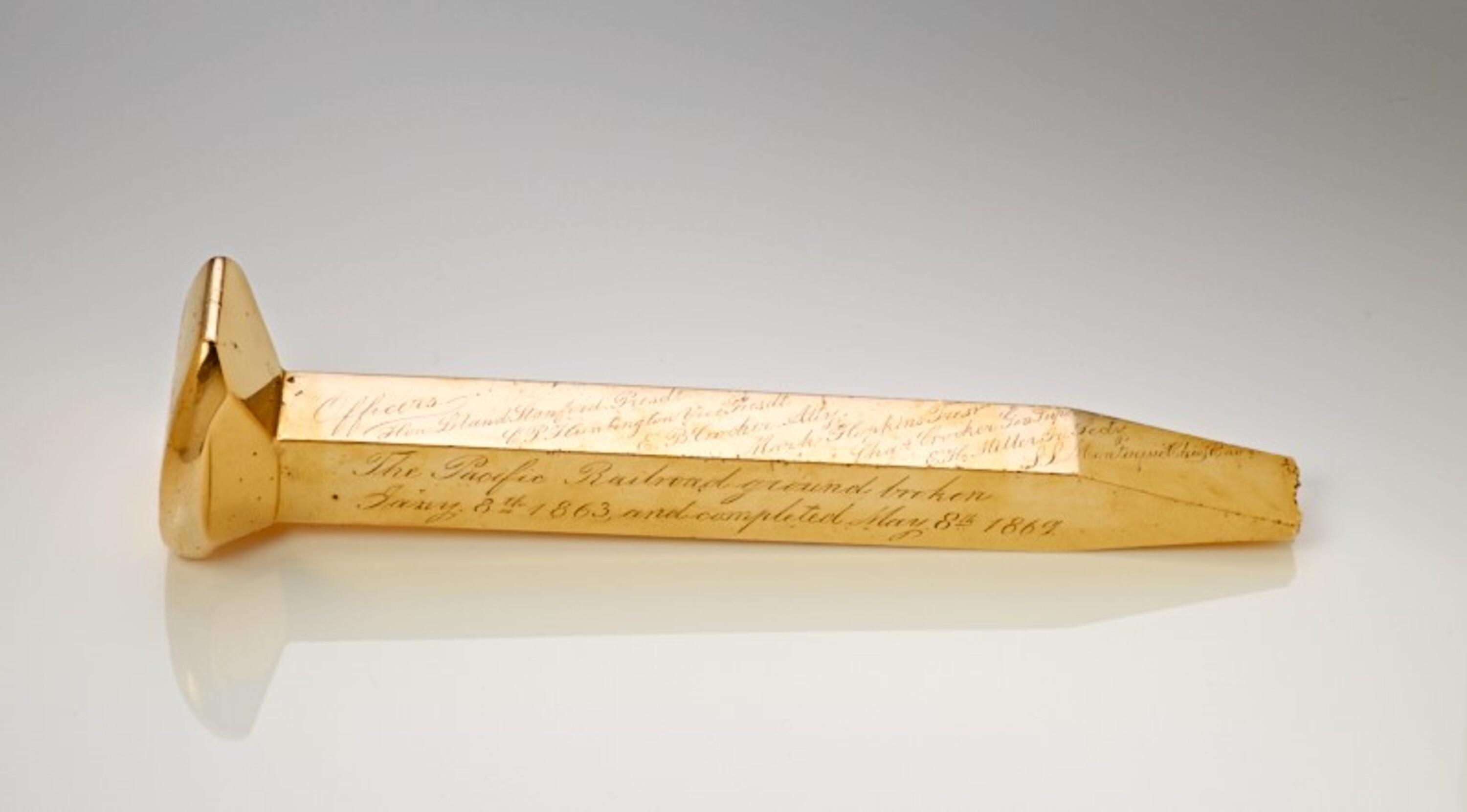
Golden Spike marks the exact spot in the Utah high desert where the Central Pacific and Union Pacific railroads met on May 10, 1869, finishing the first transcontinental railroad.

This is a genuinely historic site, not a recreation destination, and it makes no bones about that. The main draws are the Victorian-era replica locomotives parked at the Last Spike Site, the original railroad grade you can walk or drive, and the living history and reenactment programs. The visitor center film and museum exhibits do a solid job filling in the context. At $10 entry it is affordable, but the site sits on the Promontory Peninsula north of the Great Salt Lake, so getting there takes a deliberate detour rather than a casual swing-by. The Experience Score of 64 fits a focused, well-interpreted site rather than a sprawling multi-day park. If 19th-century American industrial history is something you actually care about, this place delivers.

Why go

A good day here starts with the visitor center film, which efficiently frames why this railroad mattered to the country. From there, the replica locomotives at the Last Spike Site are the centerpiece, and on days when reenactments are scheduled, you can watch a dramatized recreation of the golden spike ceremony. The original railroad grade is walkable and driveable, giving a real sense of the construction landscape that crews carved through the desert. Living history programs add texture beyond the static exhibits. The Junior Ranger Program makes the history accessible for children. The picnic areas let you linger without rushing. The combination of interpretive depth and hands-on access to the actual landscape, not a replica site elsewhere, is the genuine draw.

Best for

History buffs, railroad enthusiasts, and families whose kids light up at living history programs will find this place genuinely worth the stop. If you're already driving between Salt Lake City and Nevada or Idaho, it falls right on your route without adding any detour. Outdoor adventurers after scenery or backcountry time, though, should probably look elsewhere.

Best season

May through mid-June and September through mid-October are the sweet spots. Summer temperatures regularly crack 100 degrees Fahrenheit, and midday is no joke in this high desert. Winters swing hard the other way, with snow and temperatures that can fall into the single digits. The visitor center keeps extended hours from early May through late October, so if you're coming outside that window, check the schedule before you go.

The high points

  • Victorian-era replica locomotives at the Last Spike Site
  • Walking or driving the original 1869 railroad grade
  • Living history and reenactment programs depicting the spike ceremony
  • Museum exhibits and park film providing deep historical context
  • Junior Ranger Program for younger visitors
  • Picnic areas on-site for a relaxed, self-paced visit

Know before you go

Getting in costs $10 per vehicle. The park is about 30 miles west of Brigham City, Utah, along a remote two-lane road with no gas stations or stores anywhere close, so top off your tank before you head out and bring more water than you think you need. The visitor center cuts back its hours outside the May-to-October season, so look up current hours before making the drive in spring or fall.

One more thingBefore you go, check the NPS schedule for reenactment days. The spike ceremony only runs on certain dates, and if you plan your trip around one, a self-guided history walk turns into something closer to live theater.

How we scored it

Why Golden Spike National Historical Park scores 64

We keep the math boring on purpose. The same handful of public-data inputs, capped so none of them dominates, decide every score. What they measure is breadth and access, not beauty and not crowd levels. For Golden Spike National Historical Park, they shook out like this:

  • Activity breadth14 documented activities
  • Topic breadth12 topics
  • Official imagery6 public-domain images
  • Camping on sitenone recorded
  • Entry cost$10

No number is hand-adjusted and no unit pays for placement. The full weights, the floor at 18 and a worked example are on how we score.

The honest limits

The honest blind spots

Read the score for what it is. It counts what a place documents and how reachable it is, and stops there. It will not tell you if a sunset floors you, if the crowds thin out by dusk, whether a washout closed your trail, or how a ranger tells the story. Plenty of quiet, focused spots score modestly and still win the weekend. Let the number rank what is on offer; let the verdict speak to the feel.

What you can do

Activities

FoodPicnickingGuided ToursSelf-Guided Tours - WalkingSelf-Guided Tours - AutoHikingFront-Country HikingLiving HistoryReenactmentsJunior Ranger ProgramPark FilmMuseum ExhibitsShoppingBookstore and Park Store
Background

The short version

Finished in 1869, the first transcontinental railroad ranks as one of the most ambitious engineering projects of the 19th century. At the park, visitors can walk the original railroad grade, examine construction features from that era, get a close look at Victorian replica locomotives, and stand at the Last Spike Site where the two lines finally came together.

On documented breadth and access, Golden Spike National Historical Park ranks 19th of 34 park and public-land units we score in Utah.

What the seasons are like

Golden Spike National Historical Park is out in high desert country in the Promontory Mountains, near the north end of the Great Salt Lake. Summer heat can push past 100 degrees, and winters drop into the single digits with snow covering much of the park. Check the forecast before you go and dress in layers, because conditions out there change fast.

Common questions

Golden Spike National Historical Park: quick answers

Is Golden Spike National Historical Park worth visiting?

Golden Spike marks the exact spot in the Utah high desert where the Central Pacific and Union Pacific railroads met on May 10, 1869, finishing the first transcontinental railroad.

Is Golden Spike National Historical Park free to visit?

Not free. Getting in runs about $10.

What is Golden Spike National Historical Park best for?

It leans hardest toward hiking, good with kids, guided tours, history & culture, going by the 14 activities it actually documents.

When is the best time to visit Golden Spike National Historical Park?

May through mid-June and September through mid-October are the sweet spots.

How is the Experience Score for Golden Spike National Historical Park calculated?

The 64 comes straight from public data on how much the place documents and how easy it is to reach, things like activities, topics, photos, camping and whether entry is free. It says nothing about scenery or how busy it gets.